


 Price Match Guarantee
Snapper Lawn Mower Seat Parts
Find the right part faster
Multiple models matched. Select your model to confirm fit.



Seat

Seat

Seat milsco

Seat mesh low back

Seat deck repl kit fo

Seat

Seat commercial

Seat adaptor kit

Seat xb-180 no logo


OEM Snapper Lawn Mower Seat Parts
A worn or damaged seat reduces comfort and can affect your ability to operate the mower safely. Repair Clinic stocks genuine Snapper replacement seats that restore proper seating position and operator control. Our OEM parts maintain factory fit and durability, ensuring your mower performs as designed.
Common signs your seat needs replacement include visible cracks, tears in the upholstery, broken mounting brackets, or collapsed cushioning. We carry Snapper lawn mower seat parts for all popular models to get you back to mowing quickly.
- Cracked or split seat cushion – cushioning deterioration or structural damage
- Loose mounting brackets – seat wobbles or shifts during operation
- Torn upholstery – exposure to weather and regular wear
- Non-functional armrests – broken or missing side supports
- Faded or peeling seat cover – UV damage and age-related degradation
Find your exact model number on the frame or under the seat deck, then browse our parts inventory to locate the right replacement for your Snapper mower today.
Find Replacement Snapper Lawn Mower Seat Parts Online by Model or Part Number
Snapper Lawn Mower Seat Parts Questions & Answers
What measurements should I check before ordering a replacement Snapper seat?
Check your current seat width, length, and mounting hole spacing. Most Snapper residential seats measure between 13–18 inches wide. Verify mounting bolt locations—typically spaced 8–12 inches apart—and confirm seat height requirements. Your model number (found on a decal under the seat or on the frame) ensures you get the exact fit.
Are Snapper seat parts universal across all Snapper mower models?
No. While some Snapper seat frames are shared across similar deck sizes, mounting hardware and cushion dimensions vary by model year and mower type (push, self-propelled, or riding). Always reference your specific model number to avoid ordering incompatible parts. Repair Clinic's model lookup tool makes this quick and accurate.
How long does a Snapper lawn mower seat typically last?
With regular care, a genuine OEM Snapper seat lasts 5–8 years. UV exposure, moisture, and heavy use accelerate wear. Covering your mower when not in use and cleaning the seat regularly extend its lifespan. Replacing worn seats promptly prevents operator discomfort and maintains safe, stable seating control.
Can I repair a cracked Snapper seat instead of replacing it?
Minor upholstery tears can sometimes be patched temporarily, but structural cracks in the foam or frame require replacement. OEM Snapper seats are affordable and ensure safety—a cracked seat compromises posture, control, and comfort, making full replacement the best long-term solution.
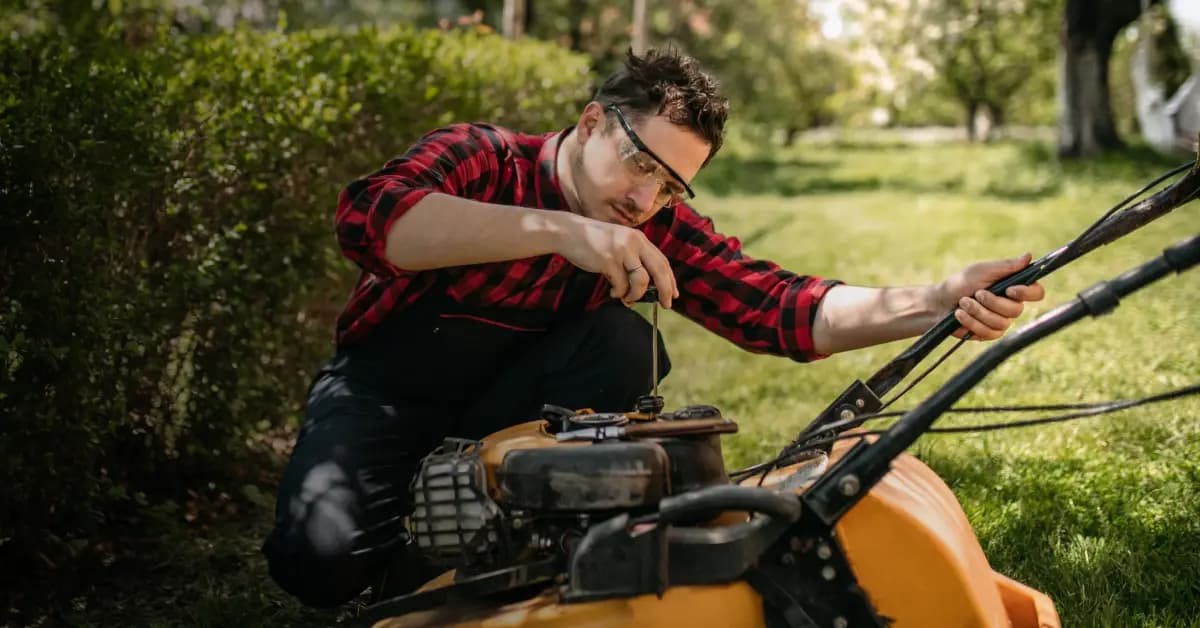

Order Snapper Lawn Mower Seat Parts Online
For optimal comfort while mowing, replace your Snapper Lawn Mower seat with genuine OEM parts from Repair Clinic. Quality seat parts ensure comfort and durability, improving your mowing experience. Use our model number lookup to find the correct seat part for your Snapper mower, and take advantage of same-day shipping and our Price Match Guarantee. Should you need guidance, our Lawn Mower Repair Help page offers expert advice. Find additional options by visiting our Snapper Lawn Mower Parts section.
Snapper Lawn Mower Model Number: Where to Look
Snapper places the model number on a label or plate on many lawn mowers, often on the frame near the blade deck, under the seat, or on the engine housing. Check these areas carefully, and look for a combination of letters and numbers rather than the engine serial number. Enter the model number in the search bar to narrow the complete Snapper parts catalog to parts that fit your specific mower, including parts across every category. Using the full model number helps account for differences between mower designs and production years. It is the quickest way to be sure the part fits before you order.

Snapper Lawn Mower Repair Videos and Written Guides
Solid diagnostic work is what makes a Snapper Lawn Mower repair go quickly, and Repair Clinic's online library was built for exactly that. Symptom articles, part testing videos, wiring diagrams, and step-by-step written guides give owners and technicians the reference material to isolate the failed part. Look up your model number to match the right OEM part, then follow the installation video.
Related Articles: Lawn Mower Repair

The 5 Ways You Can Stop Your Lawn Mower From Leaking Gas
Repair Clinic has five ways for you to stop your lawn mower from leaking gas. Before we get to those, let's review how the gasoline you pour into the tank powers the mower.
Why Does My Lawn Mower Battery Keep Dying?
Why does your lawn mower battery keep dying? Repair Clinic has done the research and this article will provide some answers, starting with what a battery's purpose is on a gas-powered lawn mower.
Lawn Mower Maintenance: No Smoking Allowed
What's causing that black smoke to billow out of the engine? There are three likely reasons and they are all related to how a gas-powered lawn mower engine operates.




Family-owned and operated since 1912, Burke America Parts Group is the longest-running genuine appliance, HVAC, and outdoor power equipment parts solution in North America. At Repair Clinic, we're proud to be an international brand trusted by the pros as well as the DIY community.
About Repair Clinic