


 Price Match Guarantee
Toro Lawn Mower Muffler Parts
Find the right part faster
Multiple models matched. Select your model to confirm fit.




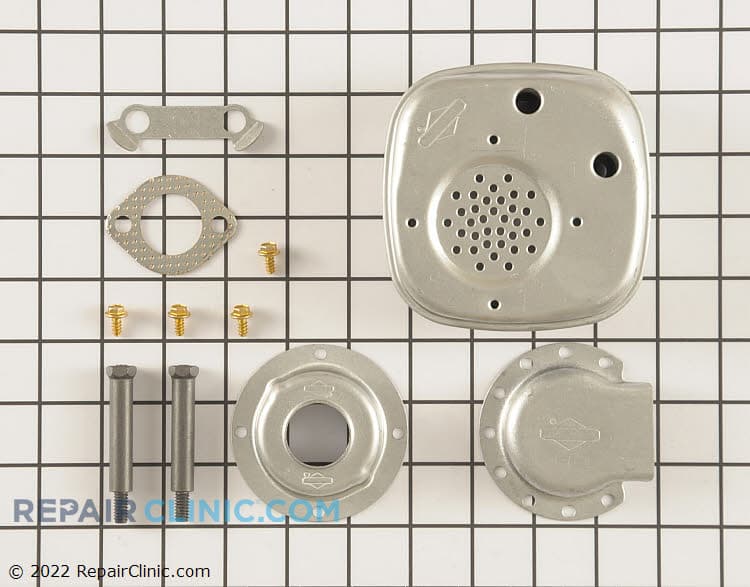
Muffler kit
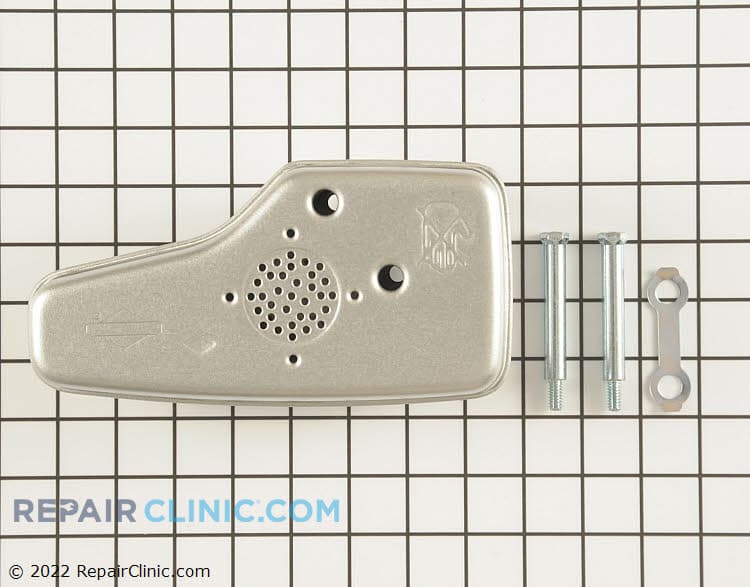
Replacement muffler kit
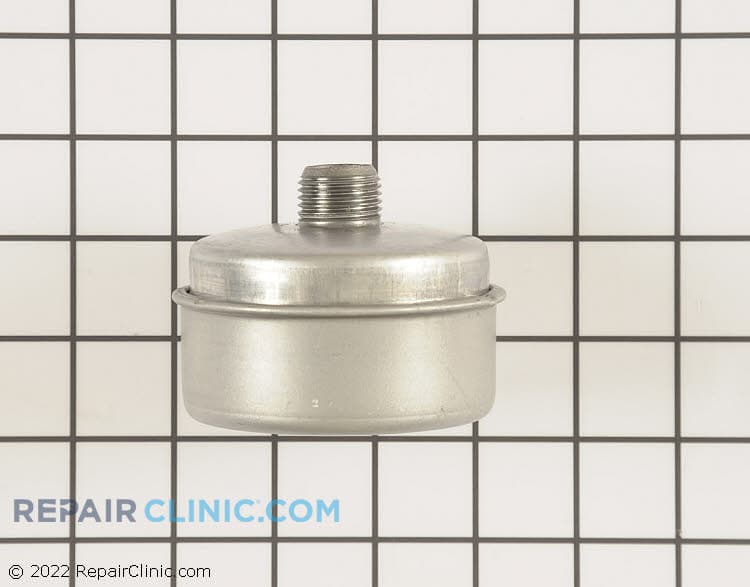
Lo-Tone,3-4 HP Vertical (1/2" NPT)
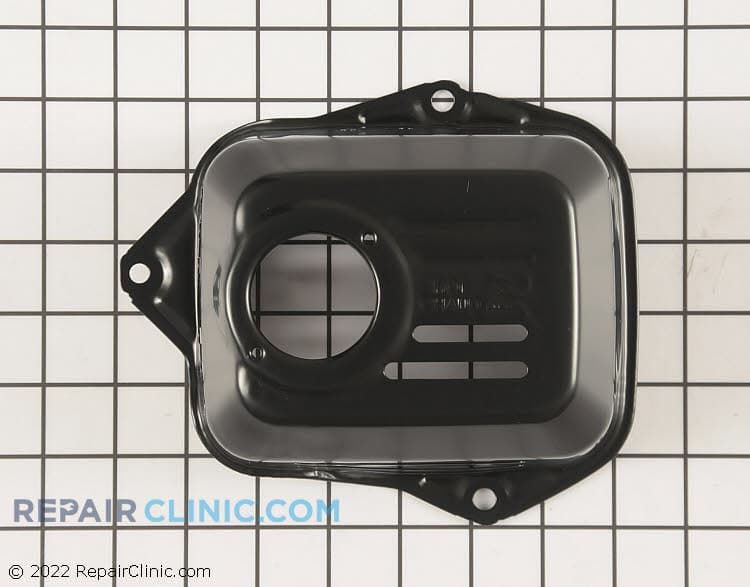
Protector, muffler
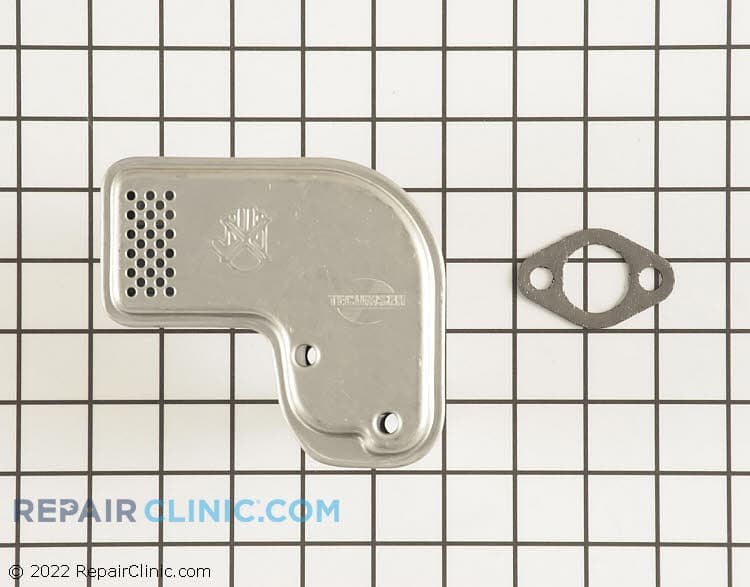
Muffler
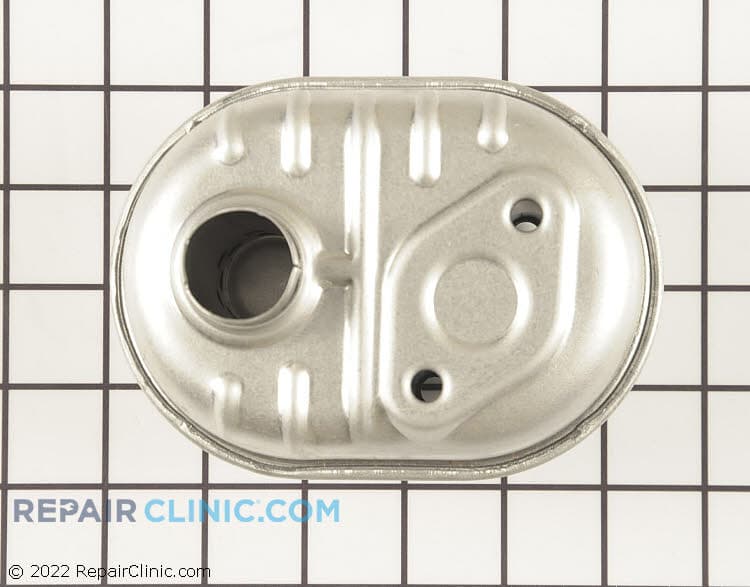
Muffler
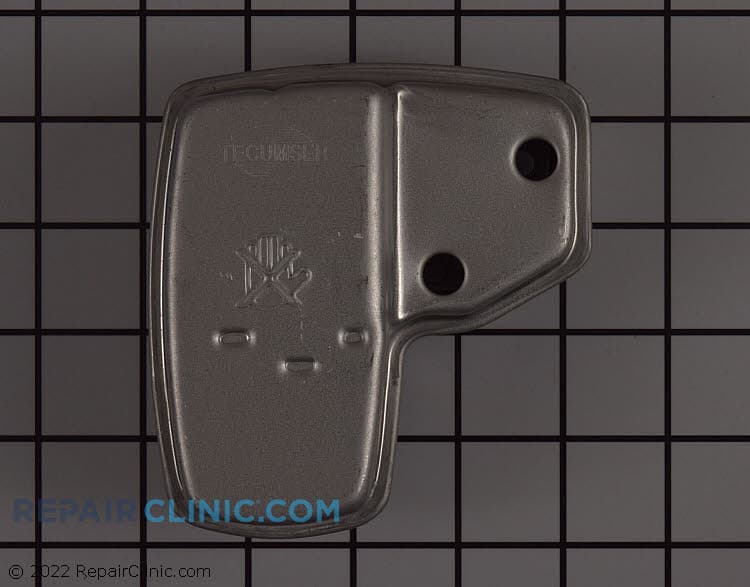
Muffler
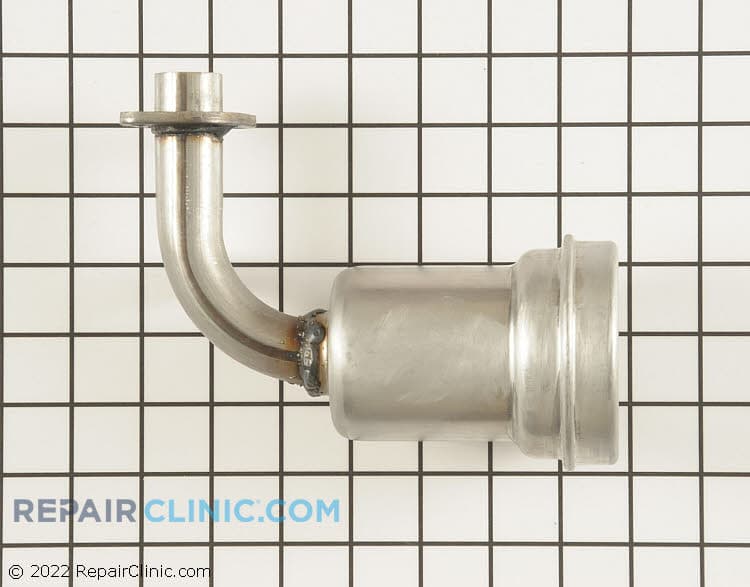
Briggs Muffler
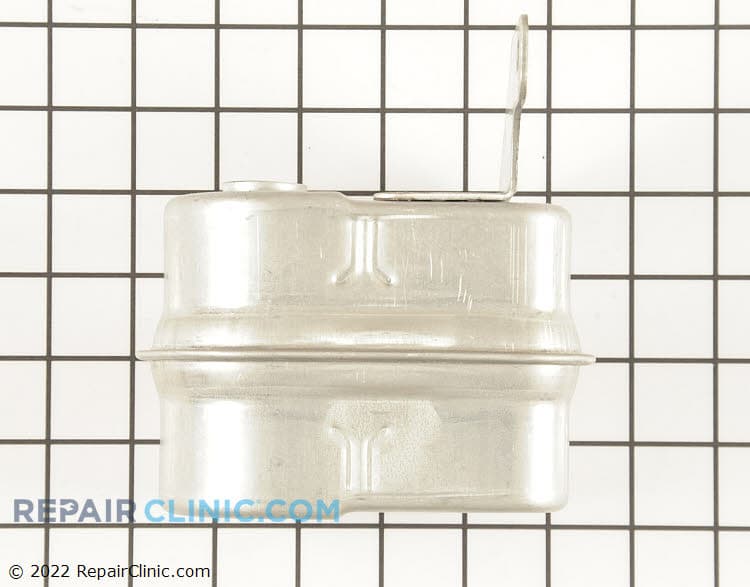
Muffler
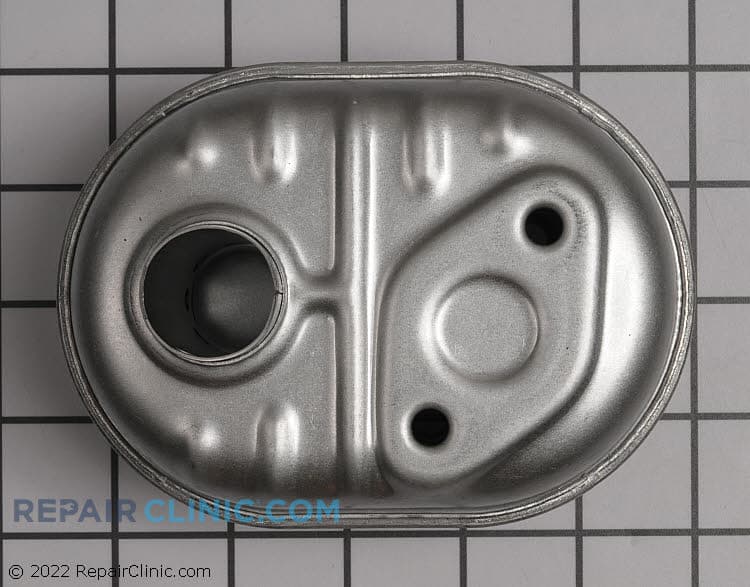
Muffler
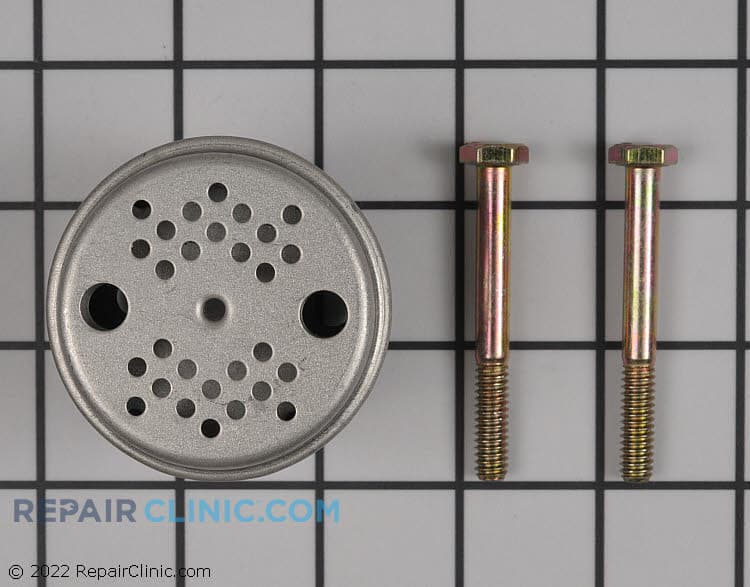
Muffler
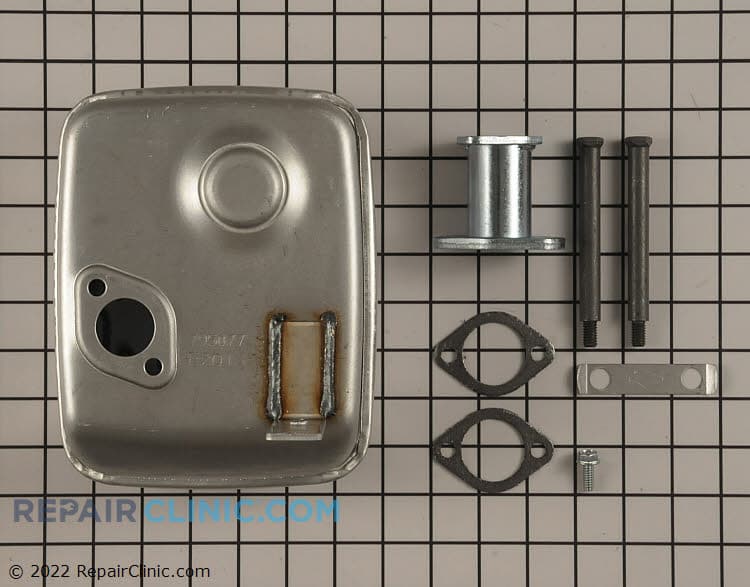
Replacement muffler kit
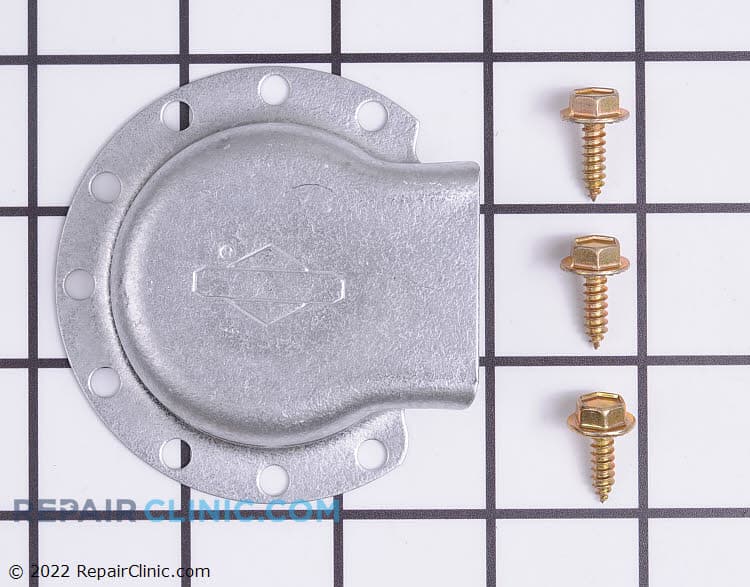
Deflector-muffler
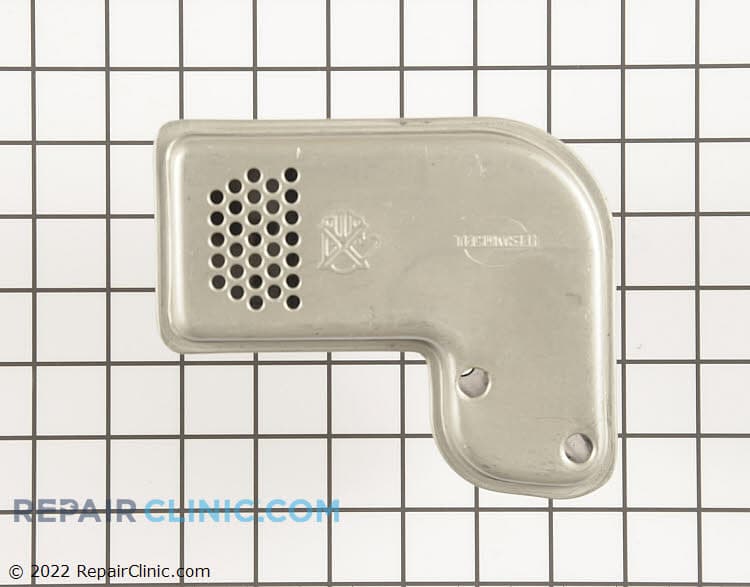
Muffler
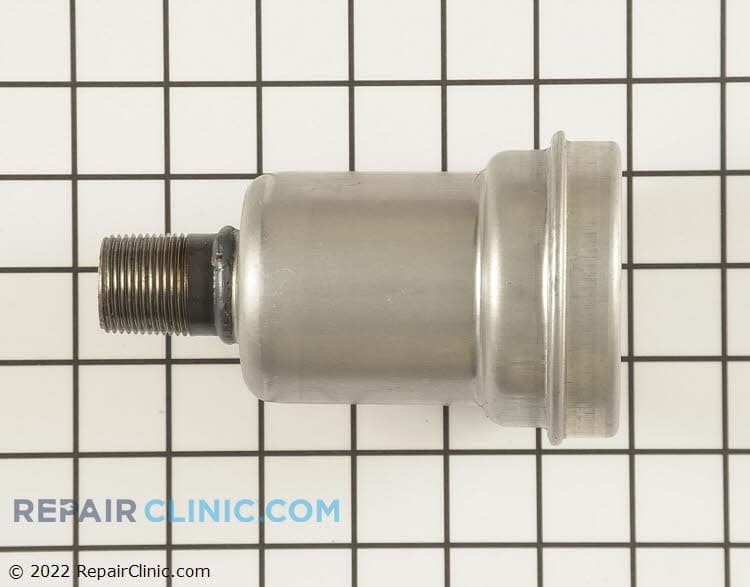
Briggs muffler assembly


OEM Toro Lawn Mower Muffler Parts
Your Toro mower's muffler does triple duty: it cools exhaust gases, dampens engine noise, and directs spent fumes safely away from the operator. A damaged or rusted muffler loses efficiency, increases noise pollution, and can direct hot gases toward the fuel tank or operator legs—a genuine OEM Toro muffler replaces all three functions without compromise.
Repair Clinic stocks genuine Toro lawn mower muffler parts that fit your exact model with correct mounting flanges, heat shielding, and outlet direction. Replace a failing muffler to restore quiet operation and prevent heat damage to adjacent parts.
- Loud rattling or clanging – Internal baffles rusted or separated
- Visible rust holes or cracks – Exhaust leaking unfiltered noise and heat
- Heat discoloration on fuel tank – Muffler insulation failing; hot gases venting inward
- Muffler hanging loose – Mounting bracket or fasteners corroded away
- Reduced engine performance – Backpressure buildup from internal corrosion
Find Replacement Toro Lawn Mower Muffler Parts Online by Model or Part Number
Popular Toro Lawn Mower Models
Related Toro Lawn Mower Muffler Parts
- Toro Lawn Mower Muffler Parts
- Toro Lawn Mower Muffler Guard Parts
- Toro Lawn Mower Exhaust Deflector Parts
- Toro Lawn Mower Exhaust Manifold Parts
- Toro Lawn Mower Spark Arrestor Parts
- Toro Lawn Mower Exhaust Pipe Parts
- Toro Lawn Mower Cover Parts
- Toro Lawn Mower Muffler Adapter Parts
- Toro Lawn Mower Muffler Bracket Parts
- Toro Lawn Mower Muffler Clamp Parts
Toro Lawn Mower Muffler FAQs
Why is my Toro mower suddenly louder than before?
Internal baffle corrosion or separation allows exhaust to bypass the silencing chambers, and rust holes create direct sound leakage. A clogged or damaged muffler also increases backpressure, changing engine tone. OEM Toro mufflers restore the original quiet design and prevent heat-related fuel tank damage.
Can a damaged Toro muffler affect engine performance?
Yes—a severely rusted or blocked muffler increases exhaust backpressure, forcing the engine to work harder to expel gases. This causes loss of horsepower, rough idle, and potential overheating. Replacing with a genuine OEM muffler restores proper exhaust scavenging and engine efficiency.
How do I find the correct muffler for my Toro lawn mower?
Check the yellow model label on your Toro's frame or under the seat for the full model and series number. Enter this into Repair Clinic's search tool to locate the exact muffler assembly with matching outlet orientation, heat shield configuration, and mounting points for your engine type.
Is a universal muffler safe to use on my Toro mower?
Universal mufflers rarely fit Toro's specific mounting brackets or heat shield geometry, creating clearance issues and potential contact with the fuel tank or operator zone. OEM Toro mufflers are engineered for your exact model's frame geometry and cooling airflow—never substitute with aftermarket alternatives.


Order Toro Lawn Mower Muffler Parts Online
Ensure your Toro lawn mower operates quietly and efficiently with OEM muffler parts from Repair Clinic. Replacing worn or damaged muffler parts is key for reducing engine noise and preventing harmful emissions. Use our model number lookup tool to find the exact muffler part for your Toro mower, ensuring a proper fit. Enjoy the convenience of same-day shipping and our Price Match Guarantee for a easy online ordering. If you need installation help, visit our Lawn Mower Repair Help section. For more options, check out our selection of Lawn Mower Muffler Parts.
Toro Lawn Mower Model Number: Where to Look
Toro prints the model number on a label or metal plate on many lawn mowers. Check the frame near the blade deck first, then look under the seat or on the engine housing. The full model and serial information may be grouped together, so copy every letter, number, and separator exactly as shown. Enter that model number in the site search bar to narrow the catalog to parts that fit your Toro mower. This filters the complete selection for your unit, not just one part category, and helps you get a compatible part without sorting through mismatched listings. That means fewer wrong orders and a faster repair.

Toro Lawn Mower Repair Guides and Videos
Fixing your Toro Lawn Mower starts with the right diagnostic information. Repair Clinic's online library includes common-symptom articles, part testing walkthroughs, and repair videos that help you pinpoint what needs replacing. Once identified, the model number lookup confirms the correct OEM part, and the matching installation video guides you through the swap.
Related Articles: Lawn Mower Repair

The 5 Ways You Can Stop Your Lawn Mower From Leaking Gas
Repair Clinic has five ways for you to stop your lawn mower from leaking gas. Before we get to those, let's review how the gasoline you pour into the tank powers the mower.
Why Does My Lawn Mower Battery Keep Dying?
Why does your lawn mower battery keep dying? Repair Clinic has done the research and this article will provide some answers, starting with what a battery's purpose is on a gas-powered lawn mower.
Lawn Mower Maintenance: No Smoking Allowed
What's causing that black smoke to billow out of the engine? There are three likely reasons and they are all related to how a gas-powered lawn mower engine operates.




Family-owned and operated since 1912, Burke America Parts Group is the longest-running genuine appliance, HVAC, and outdoor power equipment parts solution in North America. At Repair Clinic, we're proud to be an international brand trusted by the pros as well as the DIY community.
About Repair Clinic