


 Price Match Guarantee
Turf King Lawn Mower Valve Stem Replacement
Find the right part faster
Multiple models matched. Select your model to confirm fit.




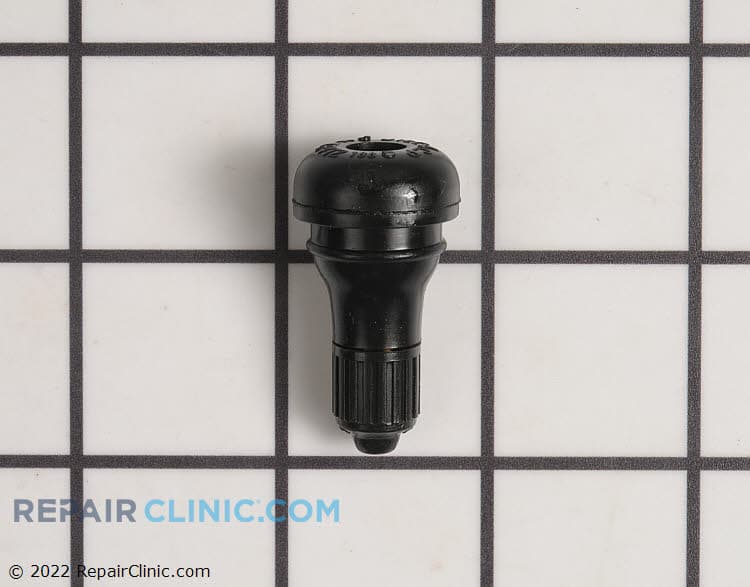
Valve stem, tubles rim


OEM Turf King Lawn Mower Valve Stem Replacements
Ensure your Turf King Lawn Mower operates at peak performance with genuine OEM valve stem replacements from Repair Clinic. Our high-quality Lawn Mower parts are designed to maintain the manufacturer's warranty and provide a precise fit for each model. Address common issues like gas leaks caused by faulty valve stems by replacing them with our reliable parts. Explore our vast inventory of replacement parts to keep your mower running smoothly. For other Lawn Mower parts, you can also find Yard Machines Lawn Mower Parts at Repair Clinic. Our extensive selection, same-day shipping, and expert resources empower DIYers and professionals to efficiently handle essential repairs.
Find a Replacement Turf King Lawn Mower Valve Stem Online by Model or Part Number
Popular Turf King Lawn Mower Valve Stem Models
FAQs about Turf King Lawn Mower Valve Stem Replacement
Replacing the valve stem on your Turf King lawn mower is essential for maintaining optimal performance. Here are some common questions and answers to help guide you through the process.
How do I replace the valve stem on my Turf King lawn mower?
First, ensure the mower is turned off and the spark plug is disconnected for safety. Remove the tire, deflate it, and break the bead seal. Use a valve stem tool to remove the old stem and install the new one. Reinflate the tire and reassemble. Always refer to the Turf King manual for specific instructions.
What are signs that a valve stem needs replacement?
If you notice a flat tire, difficulty maintaining air pressure, or visible cracks around the valve stem, it may need replacement. Regular checks can prevent unexpected tire issues.
Where can I find replacement parts for my Turf King lawn mower?
Visit Repair Clinic for a wide selection of genuine OEM Turf King replacement parts. You can also find Lawn Mower Axle, Roller, Shaft, and Wheel Parts to ensure your mower operates smoothly.


Order Turf King Lawn Mower Valve Stem Replacement Parts Online
Keep your Turf King mower in peak condition with genuine OEM valve stem replacement parts from Repair Clinic. These parts are crucial for maintaining tire integrity, preventing leaks, and ensuring optimal performance. Easily locate the correct valve stem for your model using our part number lookup tool. Enjoy the convenience of same-day shipping, No-Hassle 365-Day Returns, and our Price Match Guarantee for a stress-free shopping experience. For troubleshooting tips and installation guidance, visit our Lawn Mower Repair Help page. Explore additional Lawn Mower Wheel Parts for comprehensive repair solutions.
Tips for Locating Your Lawn Mower Model Number
When searching for Turf King lawn mower valve stem replacement parts, it's vital to know your mower's model number. This number is often found on a sticker or metal plate, typically located under the seat, on the mower deck, or near the engine. Accurate model identification ensures precise valve stem replacements, facilitating easy online ordering. For any issues like a faulty valve stem, knowing your model number is key to finding the right replacement quickly. Utilize our Wheel Horse Lawn Mower Parts page for related needs.
Reach Out for Help with Lawn Mower Valve Stem Parts
Experience unparalleled customer support at Repair Clinic for all your Lawn Mower valve stem replacement needs. Our team is available seven days a week to guide you through finding and ordering the right Lawn Mower parts online. Use our intuitive model or part number lookup to quickly identify the genuine OEM valve stem you need. If you're facing challenges like a Lawn Mower that won't start or has a faulty valve stem, our experts are here to assist with troubleshooting and provide solutions, such as checking the spark plug or inspecting fuel lines. Enjoy benefits like a no-hassle 365-day return policy and our price match guarantee. Live chat with our specialists for immediate answers and ensure a smooth repair process with our extensive resources. Trust Repair Clinic to empower you with the best parts and advice for your Lawn Mower repairs.
Related Articles: Lawn Mower Repair

The 5 Ways You Can Stop Your Lawn Mower From Leaking Gas
Repair Clinic has five ways for you to stop your lawn mower from leaking gas. Before we get to those, let's review how the gasoline you pour into the tank powers the mower.

Why Does My Lawn Mower Battery Keep Dying?
Why does your lawn mower battery keep dying? Repair Clinic has done the research and this article will provide some answers, starting with what a battery's purpose is on a gas-powered lawn mower.
Lawn Mower Maintenance: No Smoking Allowed
What's causing that black smoke to billow out of the engine? There are three likely reasons and they are all related to how a gas-powered lawn mower engine operates.




Family-owned and operated since 1912, Burke America Parts Group is the longest-running genuine appliance, HVAC, and outdoor power equipment parts solution in North America. At Repair Clinic, we're proud to be an international brand trusted by the pros as well as the DIY community.
About Repair Clinic