


 Price Match Guarantee
Lawn Boy Lawn Mower Spark Plug Parts
Find the right part faster
Multiple models matched. Select your model to confirm fit.




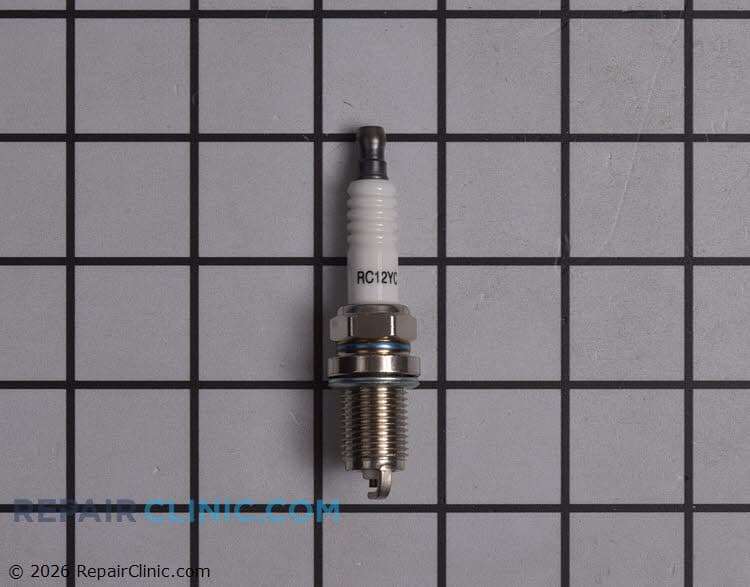
Champion Spark Plug (RC12YC). The spark plug ignites the fuel and air mixture in the cylinder to power the engine. If the spark plug is burnt, fouled or damaged the engine may not start or may run rough.
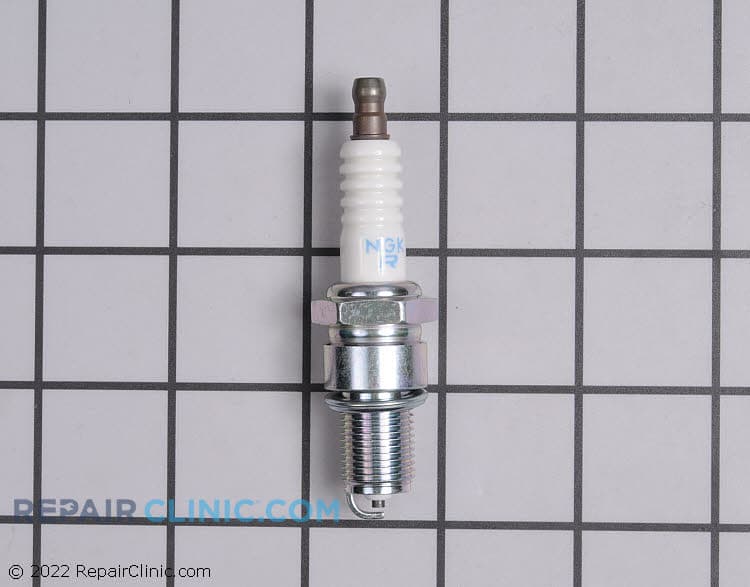
NGK spark plug. The spark plug ignites the fuel and air mixture in the cylinder to power the engine. If the spark plug is burnt, fouled or damaged the engine may not start or may run rough.
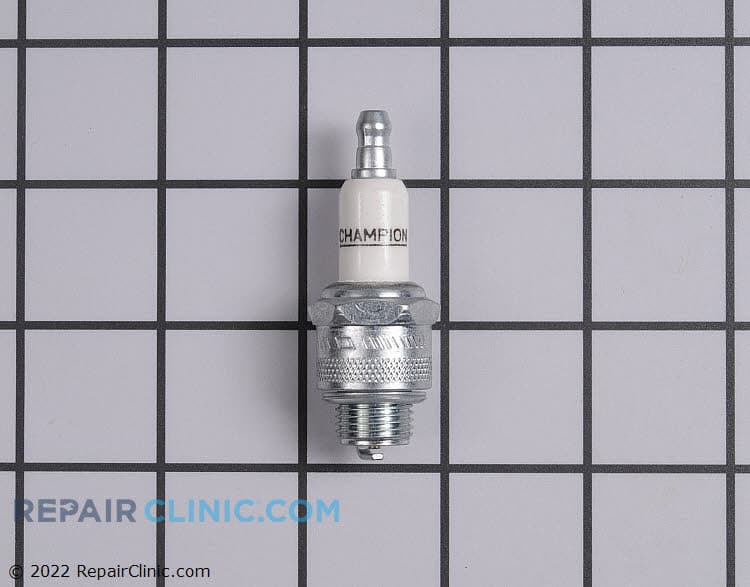
Small engine Champion spark plug (RJ19LM). If the engine does not start, the spark plug may be defective. The spark plug should be replaced periodically during regular maintenance.
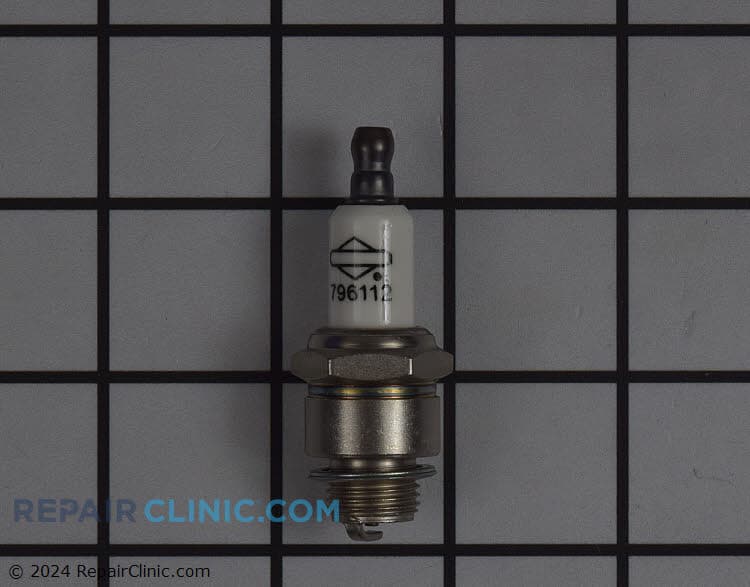
Briggs & Stratton Spark Plug (RJ19LM). If the engine does not start or runs poorly then the spark plug may be defective and will need replacement.
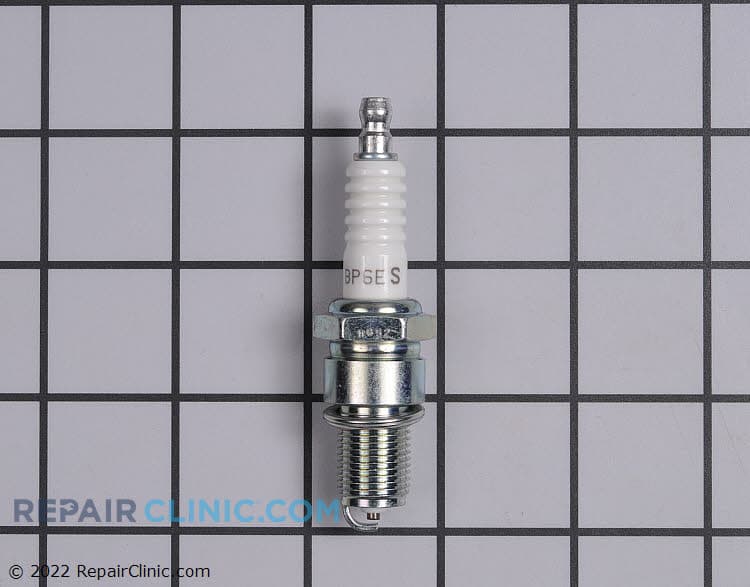
Small engine NGK spark plug (BPR6ES). If the engine does not start, the spark plug may be defective. The spark plug should be replaced periodically during regular maintenance.
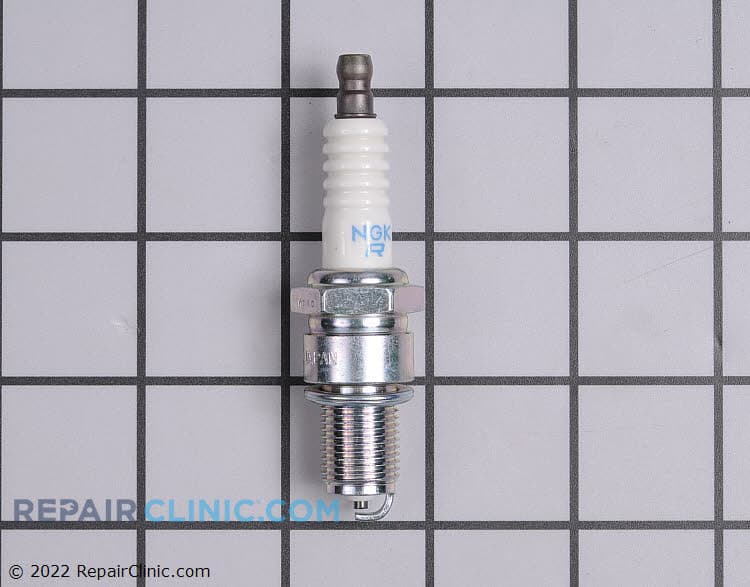
NGK Spark Plug (BPR4ES)
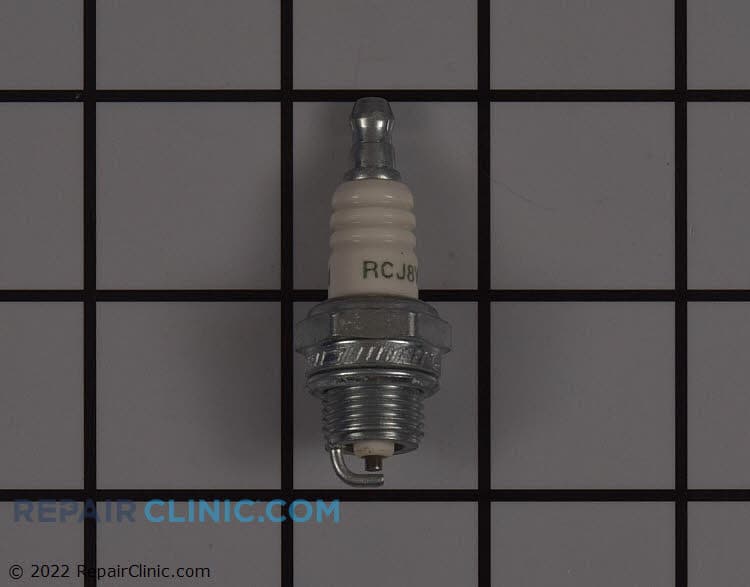
Champion Spark Plug (RCJ8Y). The spark plug ignites the fuel and air mixture in the cylinder to power the engine. If the spark plug is burnt, fouled or damaged the engine may not start or may run rough.
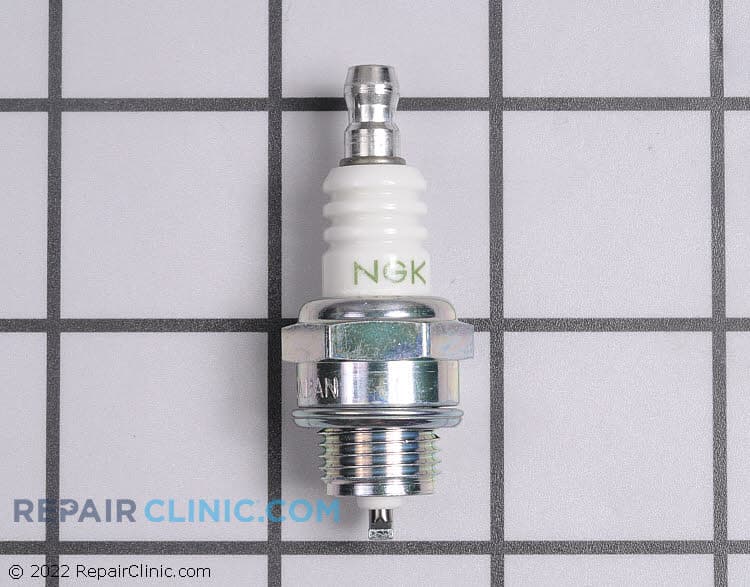
NGK Spark Plug (BPM7Y)
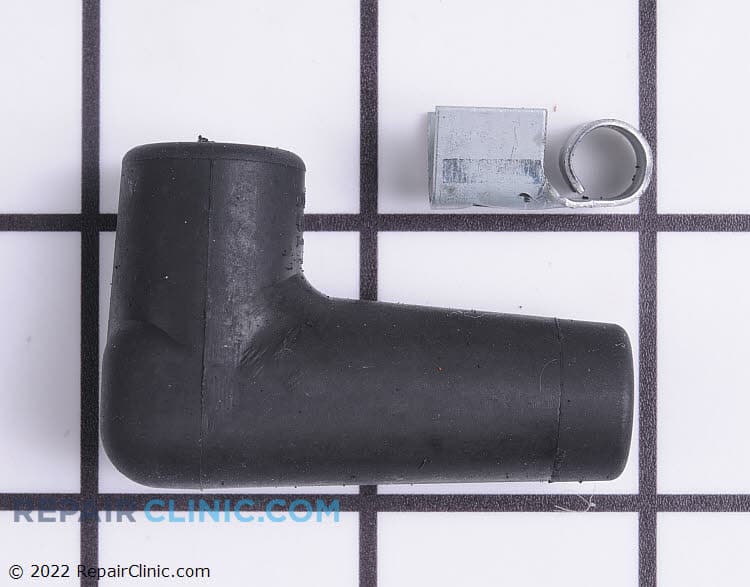
Plug cover
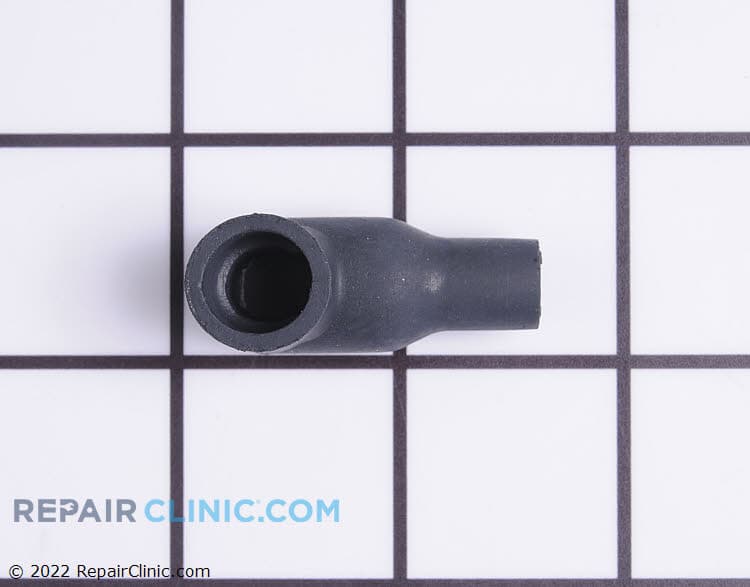
Spark plug boot
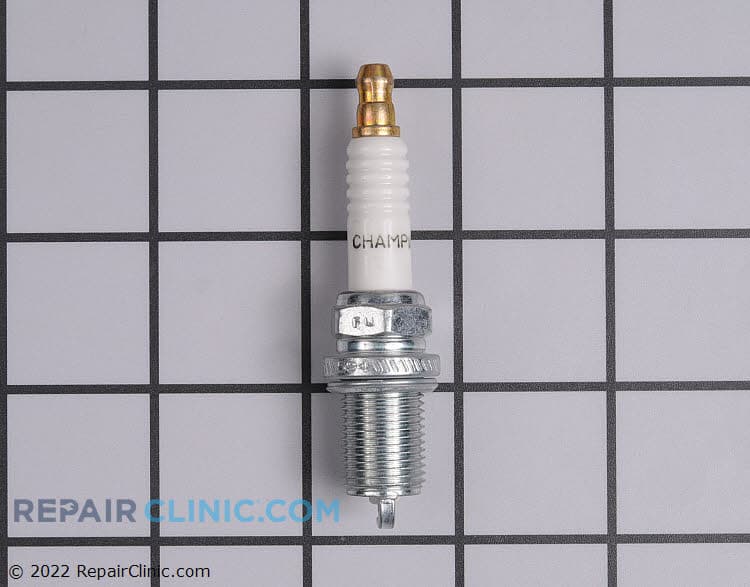
Briggs & Stratton Spark Plug (QC12YC)
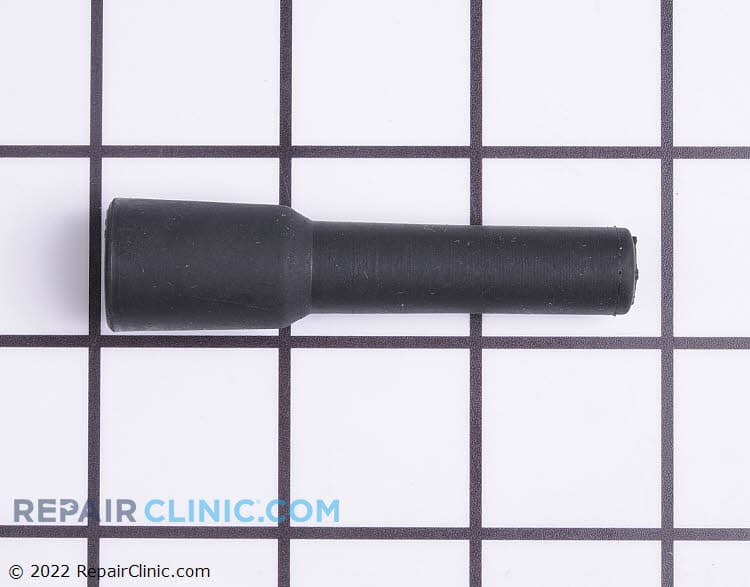
Boot-spark plug
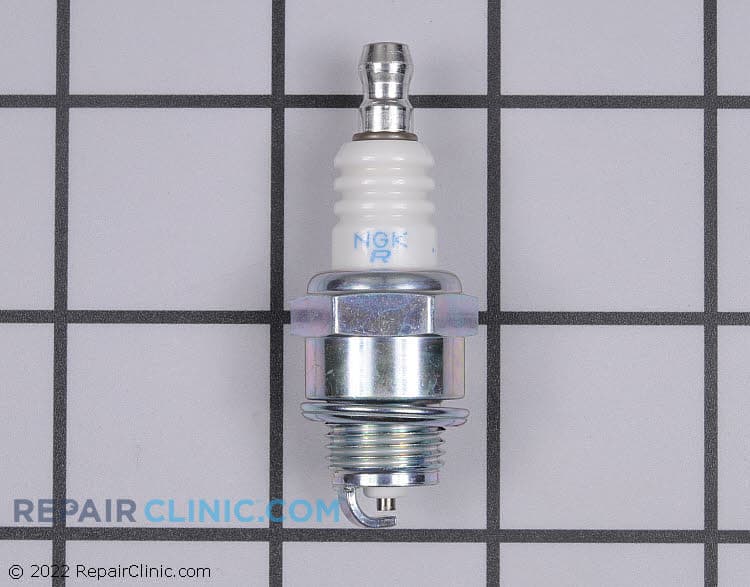
NGK Spark Plug (BPMR4A)
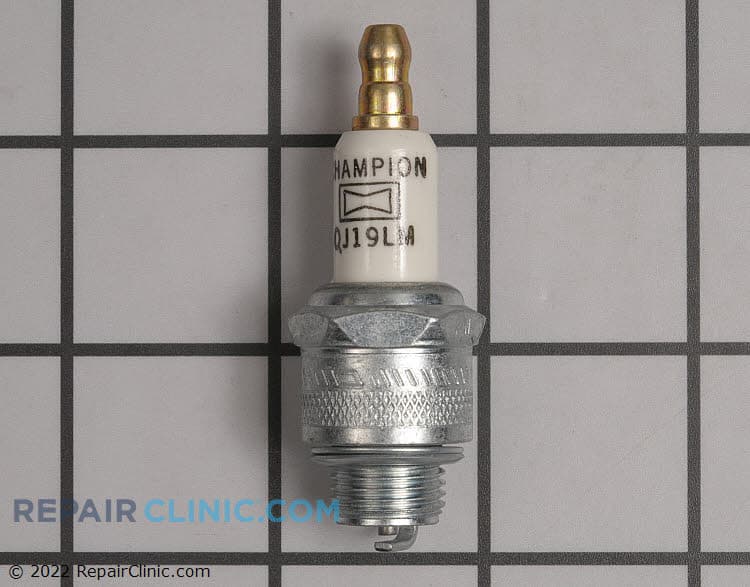
Briggs & Stratton Spark Plug (QJ19LM)


Bpr7es spark plug


OEM Lawn Boy Lawn Mower Spark Plug Parts
Your Lawn Boy mower depends on a clean, properly-gapped spark plug to fire consistently. We supply OEM spark plugs, spark plug wires, ignition coils, and spark plug sockets engineered for Lawn Boy's 2-cycle and 4-cycle engines. Worn plugs cause hard starts, misfiring, and loss of power—replacing them is the fastest diagnostic step in any mower tune-up.
Spark plug failure is one of the most common reasons mowers stall or refuse to start after winter storage. Our spark plug parts are identical to factory originals, ensuring correct heat range, electrode gap, and terminal fitment for your specific model year.
- Mower won't start or requires excessive pulling: Spark plugs, spark plug wires, ignition switches
- Engine hesitates or cuts out under load: Spark plugs with wrong heat range, fouled electrodes
- Black smoke or rough idle at startup: Fouled plugs, damaged spark plug wires, weak coil
- No spark when testing with a socket: Ignition coils, spark plug connectors, wiring harness faults
Check your Lawn Boy manual or equipment frame for the correct plug type, then order exact OEM replacements from our secure catalog.
Find Replacement Lawn Boy Lawn Mower Spark Plug Parts Online by Model or Part Number
Popular Lawn Boy Lawn Mower Models
Related Lawn Boy Lawn Mower Spark Plug Parts
Lawn Boy Lawn Mower Spark Plug Parts: Questions & Troubleshooting
How often should I replace the spark plug in my Lawn Boy mower?
Lawn Boy recommends replacing spark plugs annually before the mowing season starts, or every 50 hours of operation. If your mower sits unused for more than a season, the plug electrode oxidizes and fouling compounds accumulate. A fresh OEM spark plug takes 30 seconds to swap and is the cheapest insurance against no-start failures. Keep a spare in your shed during peak season.
What's the correct spark plug gap for Lawn Boy 2-cycle engines?
Most Lawn Boy 2-cycle models use a gap of 0.025 to 0.030 inches (0.6–0.76 mm). OEM spark plugs ship pre-gapped at factory specs, so you typically don't need adjustment. Never assume a plug is gapped correctly if it's been sitting in inventory—always verify before installation. If in doubt, consult your operator's manual or contact our parts experts for your exact model.
Can I use a standard automotive spark plug in my Lawn Boy mower?
No. Lawn Boy 2-cycle engines require plugs with specific heat ranges and electrode designs suited to high-RPM operation and oil-fuel mixture combustion. Automotive plugs overheat or foul quickly in 2-cycle conditions, causing fouling and misfires. Always use genuine OEM Lawn Boy spark plugs—they're inexpensive and prevent costly engine damage from wrong heat ratings.
Why does my spark plug wire keep coming loose or detaching?
Worn connectors on the plug boot or deteriorated wire insulation cause intermittent contact. Lawn Boy spark plug wires are reinforced and heat-resistant—aftermarket wires often fail faster. If your wire repeatedly disconnects, replace it along with the spark plug. Check the coil terminal for corrosion too; we stock replacement wires and ignition coils for all Lawn Boy models.
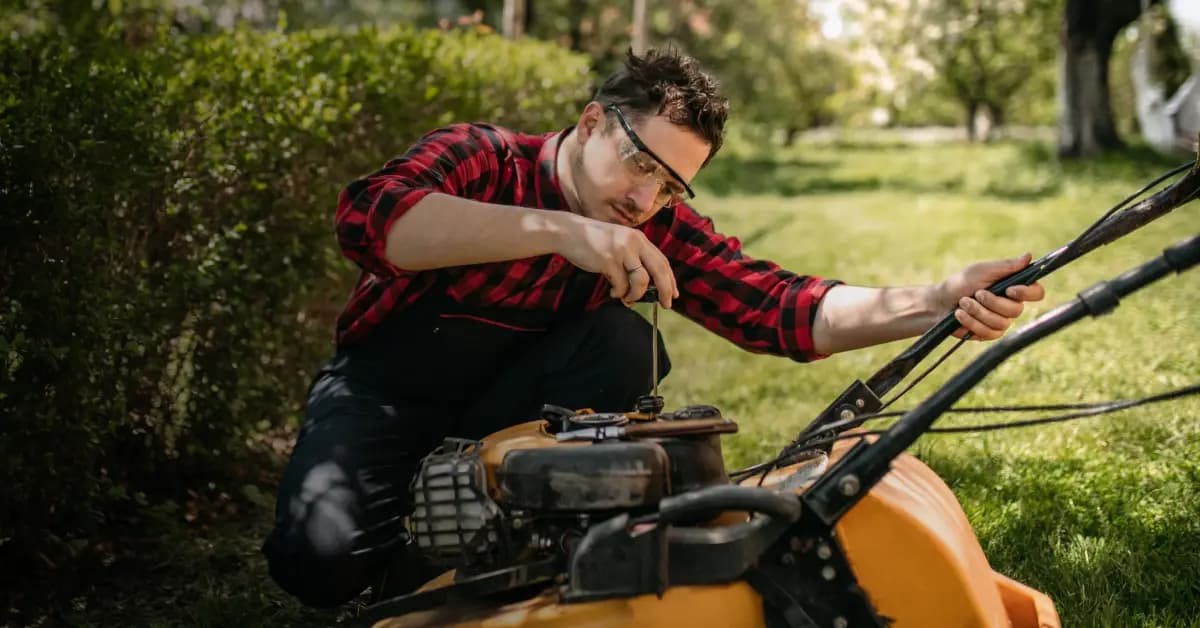

Order Lawn Boy Lawn Mower Spark Plug Parts Online
Ordering Lawn Boy lawn mower spark plug parts online is simple and convenient at Repair Clinic. You can easily search for the exact part you need by model or part number. We stock a wide range of genuine Lawn Boy spark plugs and other related parts, ensuring you get high-quality replacements for your mower. Whether you need a Champion spark plug, a Briggs and Stratton spark plug, or other spark plug parts, we have you covered.
Benefit from our No-Hassle 365-Day Returns policy, allowing you to return uninstalled parts within a year of purchase. Plus, with our Price Match Guarantee, you can rest easy knowing you're getting competitive pricing on genuine Lawn Boy spark plug replacements. For fast delivery, we offer same-day shipping on orders placed by 9:00 PM ET, so you can get your mower running again quickly.
Whether you're a DIY homeowner or a professional technician, Our online repair library provides the videos, guides, and diagrams to support the repair. Take advantage of our extensive resources to troubleshoot and repair your Lawn Boy lawn mower efficiently, keeping your mower in top condition season after season.
Find the Model Number on Your Lawn Boy Lawn Mower
Lawn Boy typically places the mower model number on a label attached to the frame near the blade deck or on the engine housing. Check both areas, and look for a model number separate from the serial number; clean off grass or grease if the label is hard to read. Once you have it, enter the number in the search bar to narrow the complete Lawn Boy lawn mower parts catalog to parts that fit your exact machine. The model number applies to the mower as a whole, so it helps match everything from engine and ignition parts to deck and control parts. Accurate model information means fewer wrong orders and a faster repair.

Spark Plugs for Lawn Boy Lawn Mower
Regular spark plug replacement keeps your Lawn Boy Lawn Mower starting cleanly and running at full power. Repair Clinic stocks OEM spark plugs for a wide range of engines, along with installation videos and gap-setting guides. Use the model number lookup to confirm the exact spark plug specification for your engine, and keep a spare on hand for the next tune-up.
Related Articles: Lawn Mower Parts
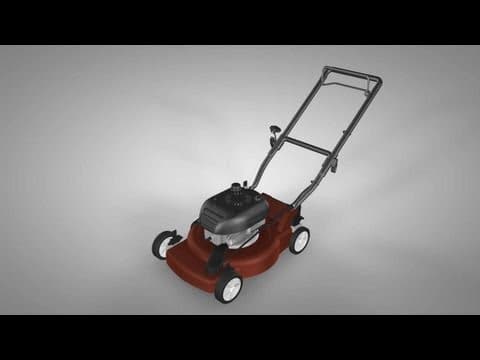
How Does A Lawn Mower Work?
Understand the mechanics of your lawn mower and how its key parts work together. Learn essential repair tips to keep your mower running efficiently.
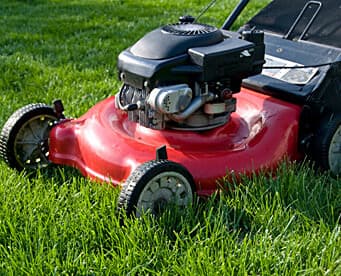
Maintenance Tip for Your Lawn Mower
Keep your lawn mower running right with these essential maintenance tips. Regular upkeep ensures proper function, extends lifespan, and prevents costly repairs.
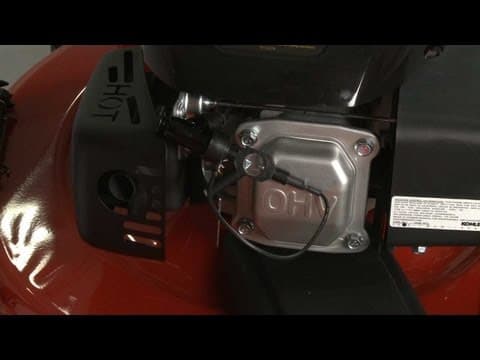
Engine Won't Start? Ignition Coil Testing, Troubleshooting
If your small engine won't start, the ignition coil could be the culprit. Learn how to test and troubleshoot this crucial part to get your equipment running again.




Family-owned and operated since 1912, Burke America Parts Group is the longest-running genuine appliance, HVAC, and outdoor power equipment parts solution in North America. At Repair Clinic, we're proud to be an international brand trusted by the pros as well as the DIY community.
About Repair Clinic