


 Price Match Guarantee
Simplicity Lawn Mower Carburetor Parts
- Carburetor
- Carburetor Bowl
- Carburetor Diaphragm
- Carburetor Main Jet
- Carburetor Repair Kit
- Choke Lever
- Choke Link
- Choke Rebuild Kit
- Choke Shaft
- Choke Valve
- Float
- Float Bowl
- Float Needle
- Float Valve
- Fuel Shut-Off Solenoid
- Inlet Seat
- Linkage
- Needle Valve
- Nozzle
- Pick-Up Tube
- Primer Bulb
- Throttle Plate
- Throttle Shaft
- Welch Plug
Find the right part faster
Multiple models matched. Select your model to confirm fit.



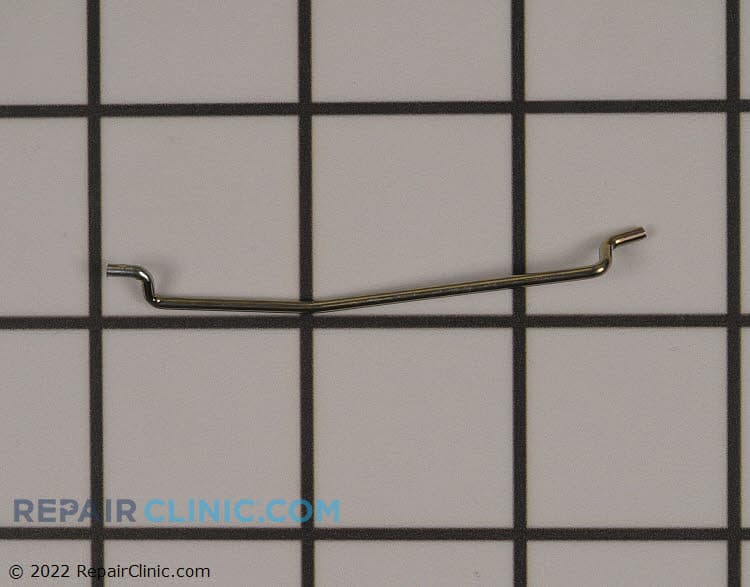
Link
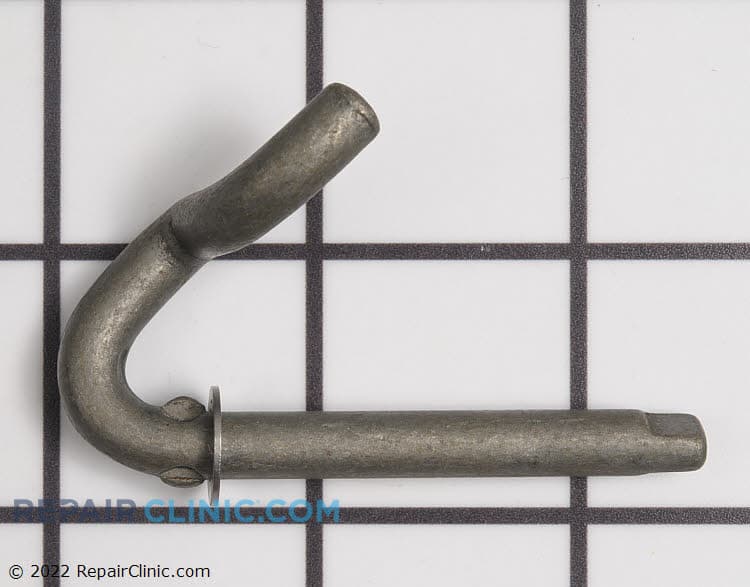
Governor rod

Kit-throttle shaft
Jet-main
Shaft-choke
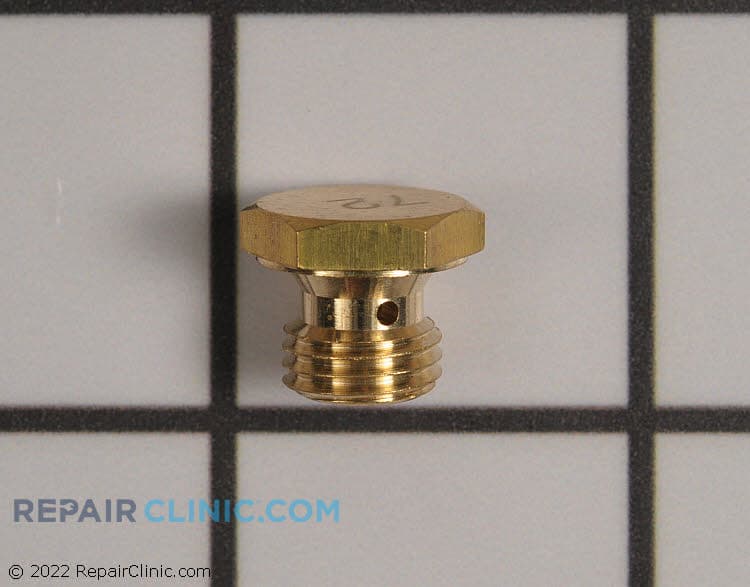
Jet-main
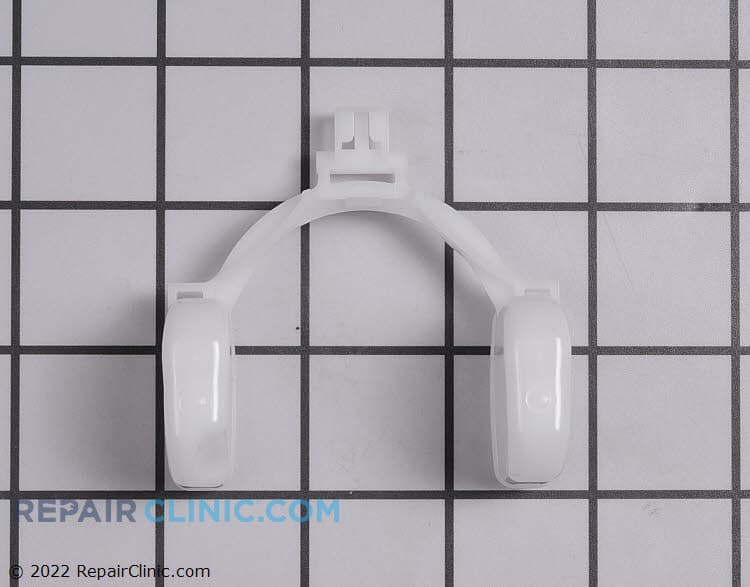
Float-carburetor
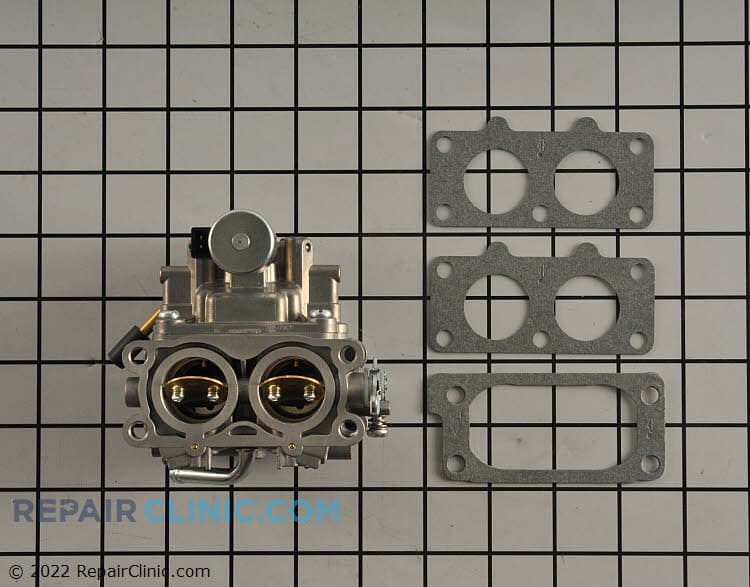
Carburetor
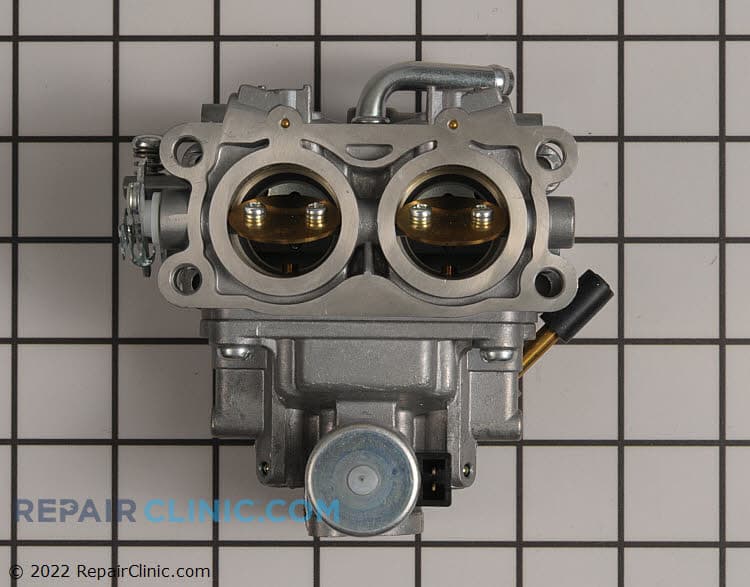
Carburetor
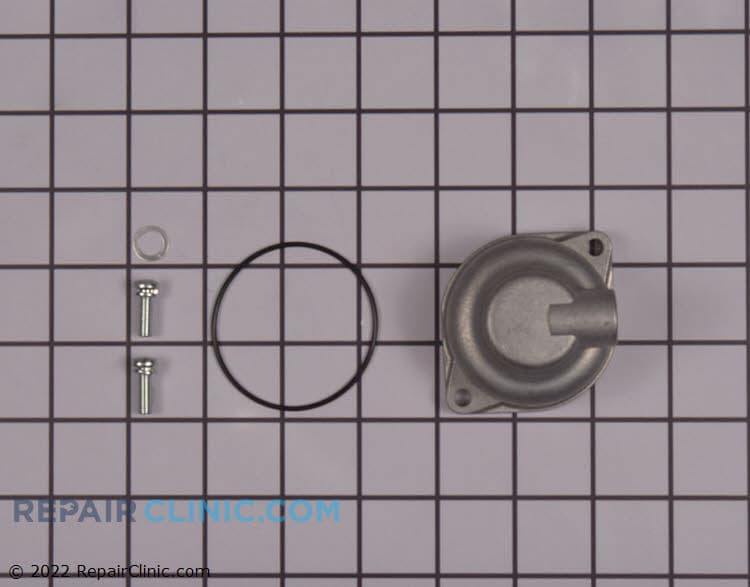
Bowl-float

Solenoid-fuel
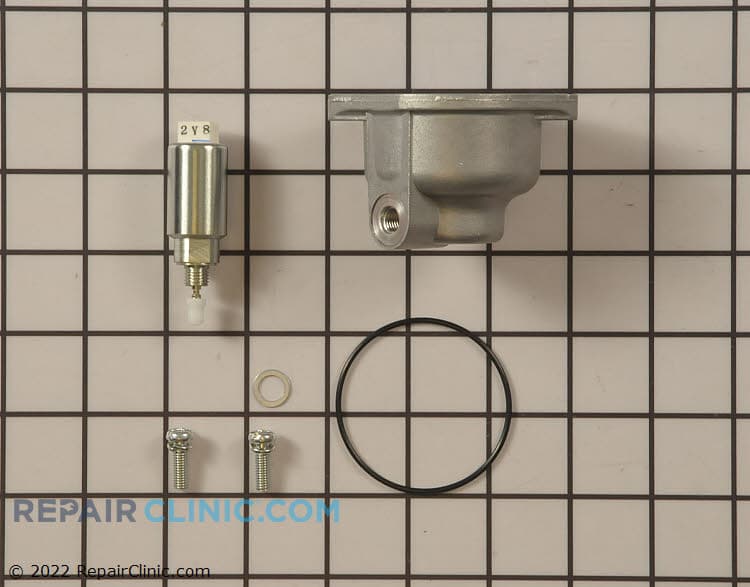
Float bowl kit with fuel shut-off solenoid
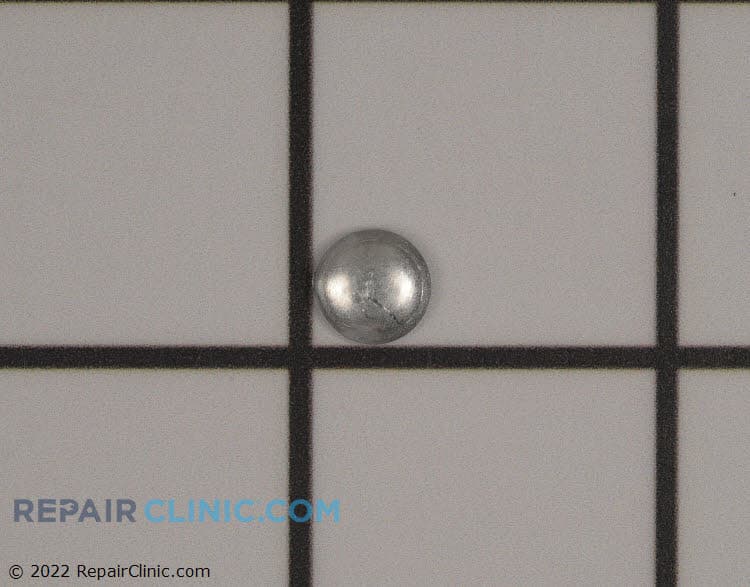
Plug-welch


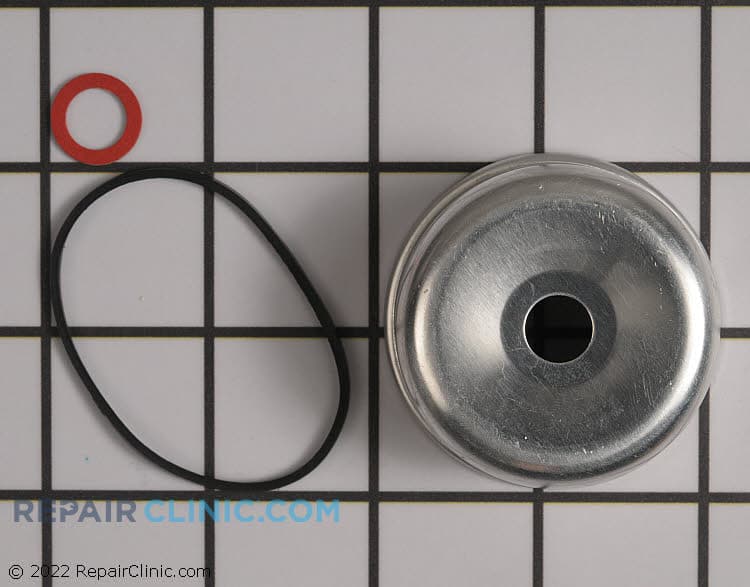
Carburetor float bowl kit
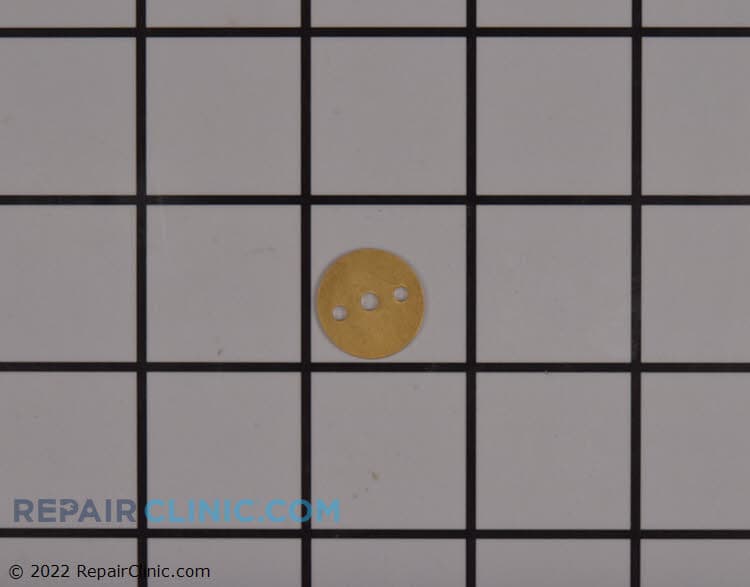
Valve-throttle


Simplicity Lawn Mower Carburetor Parts That Keep Your Engine Running
A clogged or worn carburetor is one of the fastest ways to sideline your Simplicity mower mid-season. When fuel won't flow properly, your engine struggles to start, sputters under load, or dies after a few minutes. Genuine OEM Simplicity carburetors and carburetor kits restore that precise fuel-to-air ratio your engine depends on.
We stock exact-fit carburetors, gasket kits, float bowls, and rebuild parts for Simplicity's legacy models. Whether your mower sat through winter or is acting up mid-cut, the right carburetor part gets you back to clean stripes. Find your model number on the deck or engine housing—it's your key to the right part, fast.
- Carburetor won't hold fuel — float bowl gaskets and needle valves fail
- Engine floods or runs rich — bad float or clogged jets
- Hard starts and rough idle — fuel passage debris or cracked gaskets
- Fuel leaks at the base — deteriorated O-rings and seals
- Surging or backfiring — improper fuel mixture from carburetor wear
Find Replacement Simplicity Lawn Mower Carburetor Parts Online by Model or Part Number
Popular Simplicity Lawn Mower Models
Related Simplicity Lawn Mower Carburetor Parts
- Simplicity Lawn Mower Carburetor Main Jet Parts
- Simplicity Lawn Mower Carburetor Parts
- Simplicity Lawn Mower Linkage Parts
- Simplicity Lawn Mower Carburetor Repair Kit Parts
- Simplicity Lawn Mower Choke Shaft Parts
- Simplicity Lawn Mower Needle Valve Parts
- Simplicity Lawn Mower Throttle Shaft Parts
- Simplicity Lawn Mower Throttle Plate Parts
- Simplicity Lawn Mower Choke Valve Parts
- Simplicity Lawn Mower Nozzle Parts
- Simplicity Lawn Mower Welch Plug Parts
- Simplicity Lawn Mower Float Needle Parts
- Simplicity Lawn Mower Float Parts
- Simplicity Lawn Mower Fuel Shut-Off Solenoid Parts
- Simplicity Lawn Mower Float Bowl Parts
- Simplicity Lawn Mower Carburetor Diaphragm Parts
- Simplicity Lawn Mower Carburetor Bowl Parts
- Simplicity Lawn Mower Pick-Up Tube Parts
- Simplicity Lawn Mower Primer Bulb Parts
- Simplicity Lawn Mower Choke Link Parts
- Simplicity Lawn Mower Choke Rebuild Kit Parts
- Simplicity Lawn Mower Inlet Seat Parts
- Simplicity Lawn Mower Choke Lever Parts
- Simplicity Lawn Mower Float Valve Parts
Simplicity Lawn Mower Carburetor Questions Answered
Why does my Simplicity mower start then stall after a few minutes?
This classic symptom points to a fuel delivery problem inside the carburetor. Varnish buildup or a stuck float prevents fresh fuel from reaching the jets. A carburetor rebuild kit or replacement carburetor restores proper fuel flow and solves the stall issue.
Can I clean my Simplicity carburetor instead of replacing it?
Yes—if the damage is light. Blown gaskets, cracked float bowls, or corroded fuel tubes usually demand replacement. A rebuild kit works well for seasonal maintenance, but a new OEM carburetor help ensure compatibility and long-term reliability on your specific Simplicity model.
How do I locate my Simplicity lawn mower model number for the right carburetor part?
Check the main deck (usually a metal plate riveted or bolted near the engine), the frame underside, or the engine shroud. The model number tells us the exact carburetor type, fuel line routing, and mounting hardware your mower needs. We can match it quickly.
What's included in a Simplicity carburetor gasket kit?
OEM gasket kits include all seals, O-rings, and paper gaskets needed to rebuild the fuel bowl, needle seat, and intake manifold connections. Pair it with carburetor cleaner for a thorough refresh, or step up to a new carburetor if internal metal parts are worn.


Order Simplicity Lawn Mower Carburetor Parts Online
Ensure your Simplicity Lawn Mower runs smoothly with genuine OEM carburetor parts from Repair Clinic. Maintaining the carburetor is required for optimal fuel delivery and engine performance, preventing issues like rough idling or stalling. Use our model number lookup to find the exact carburetor part for your Simplicity mower. Enjoy same-day shipping, a No-Hassle 365-Day Returns policy, and our Price Match Guarantee for a reliable shopping experience. Need assistance with installation? Visit our Lawn Mower Repair Help page or browse other Lawn Mower Carburetor Parts for more options.
Simplicity Lawn Mower Model Number: Where to Look
Simplicity prints the model number on a label placed on the mower frame near the blade deck, under the seat, or on the engine housing. Park the mower safely, then check these areas for a tag showing the model and serial information. Copy the model number exactly, including letters, numbers, and any hyphens. Enter it in the model number search to pull up the parts matched to your unit. This filters the complete Simplicity lawn mower parts catalog, not just carburetor parts, so you can see items designed for your specific mower. A precise model search helps you avoid comparing incompatible parts and speeds up the repair.

DIY Repair Resources for Simplicity Lawn Mower
Whether you are new to appliance repair or a seasoned technician, Simplicity Lawn Mower repairs go smoother with the right online resources. Troubleshooting videos, common-symptom articles, part testing guides, and wiring diagrams cover the diagnostic and installation steps. Use the model number lookup to confirm the exact OEM part for your unit, then follow the matching video from start to finish.
Related Articles: Lawn Mower Repair

The 5 Ways You Can Stop Your Lawn Mower From Leaking Gas
Repair Clinic has five ways for you to stop your lawn mower from leaking gas. Before we get to those, let's review how the gasoline you pour into the tank powers the mower.
Why Does My Lawn Mower Battery Keep Dying?
Why does your lawn mower battery keep dying? Repair Clinic has done the research and this article will provide some answers, starting with what a battery's purpose is on a gas-powered lawn mower.
Lawn Mower Maintenance: No Smoking Allowed
What's causing that black smoke to billow out of the engine? There are three likely reasons and they are all related to how a gas-powered lawn mower engine operates.




Family-owned and operated since 1912, Burke America Parts Group is the longest-running genuine appliance, HVAC, and outdoor power equipment parts solution in North America. At Repair Clinic, we're proud to be an international brand trusted by the pros as well as the DIY community.
About Repair Clinic