


 Price Match Guarantee
Lawn Mower Dipstick Parts
Find the right part faster
Multiple models matched. Select your model to confirm fit.




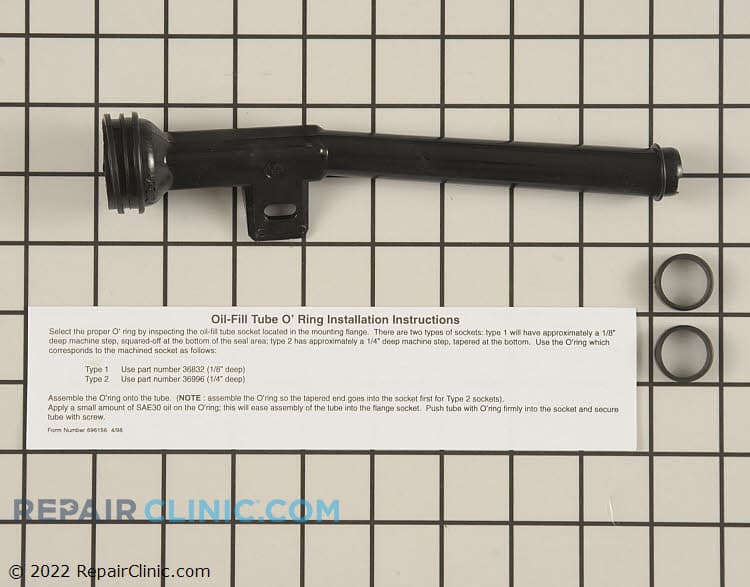
Filler tube
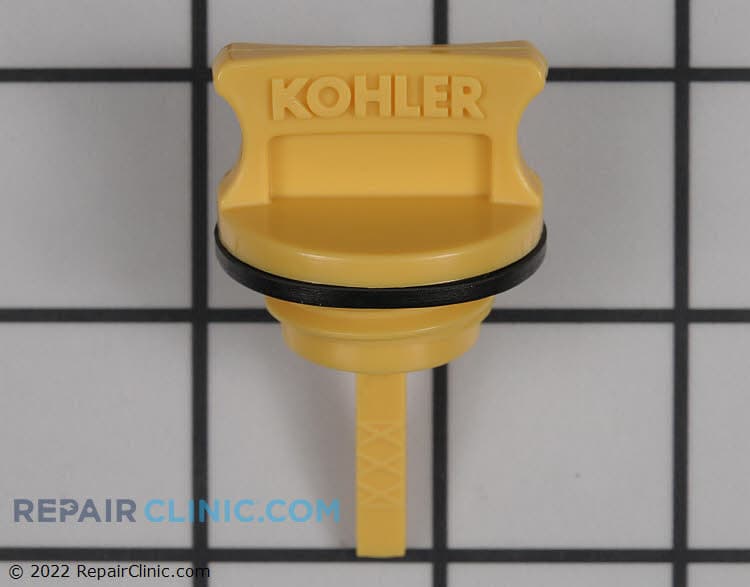
Dipstick assembly
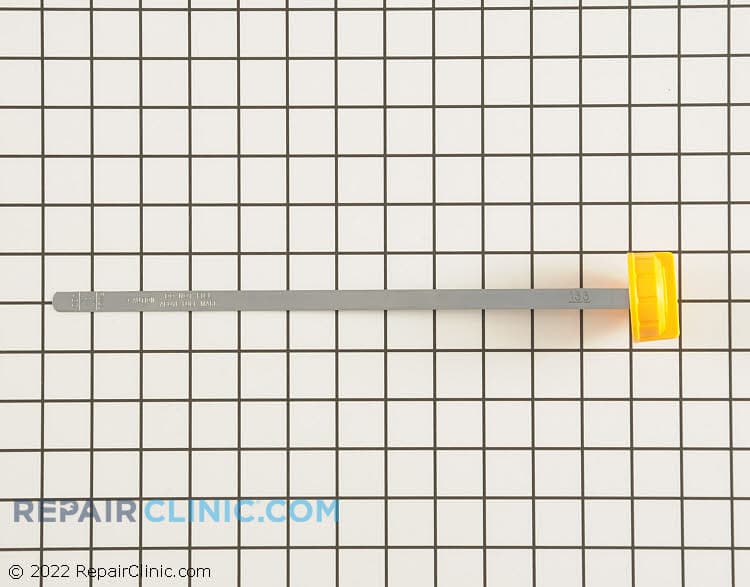
Dipstick
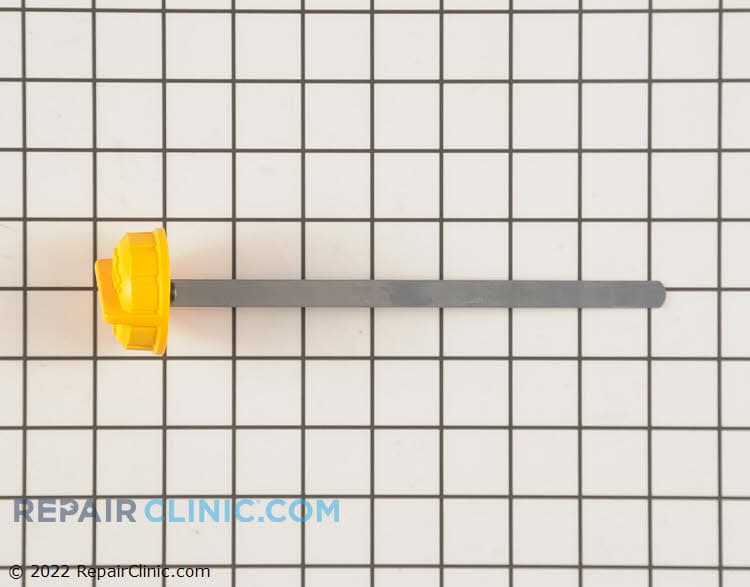
Dipstick
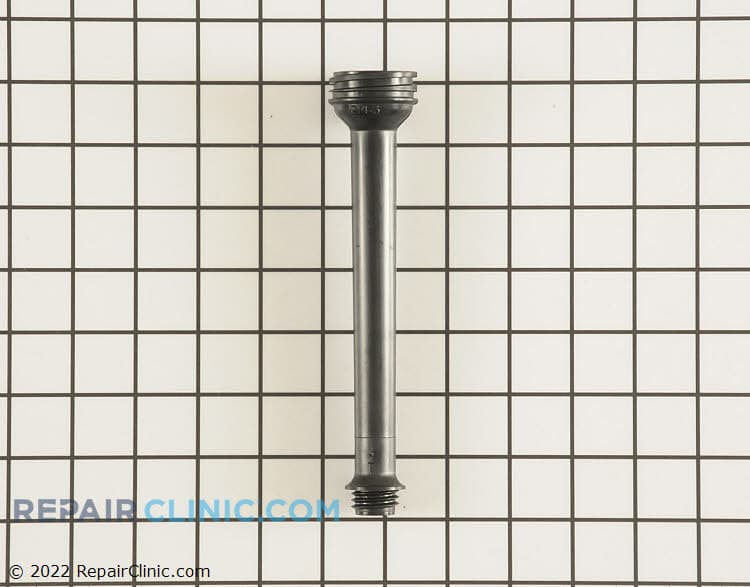
Filler tube
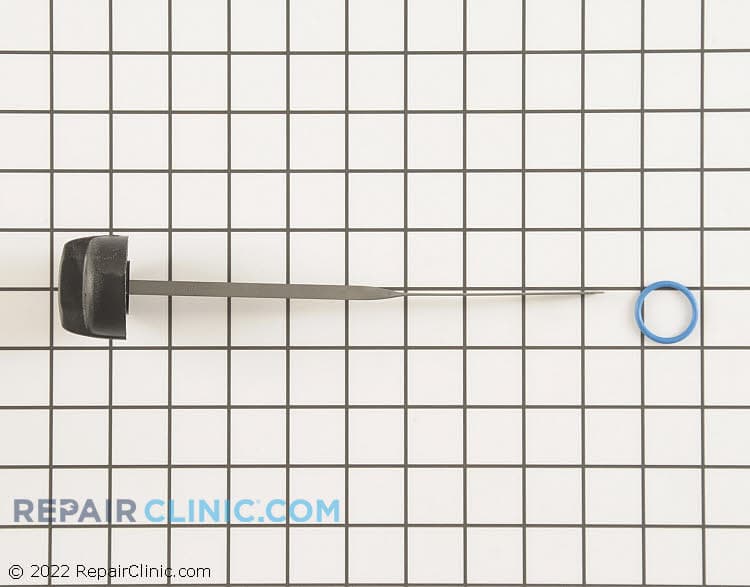
Oil dipstick with O ring
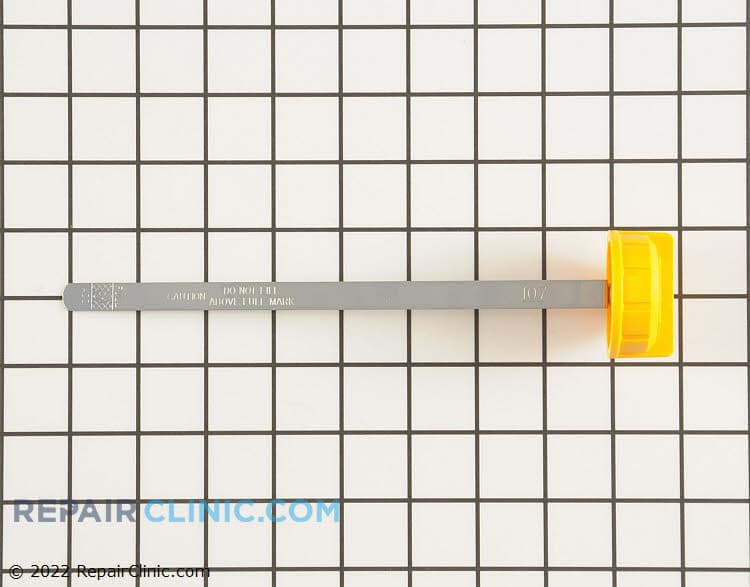
Dipstick
RC Item #4370110
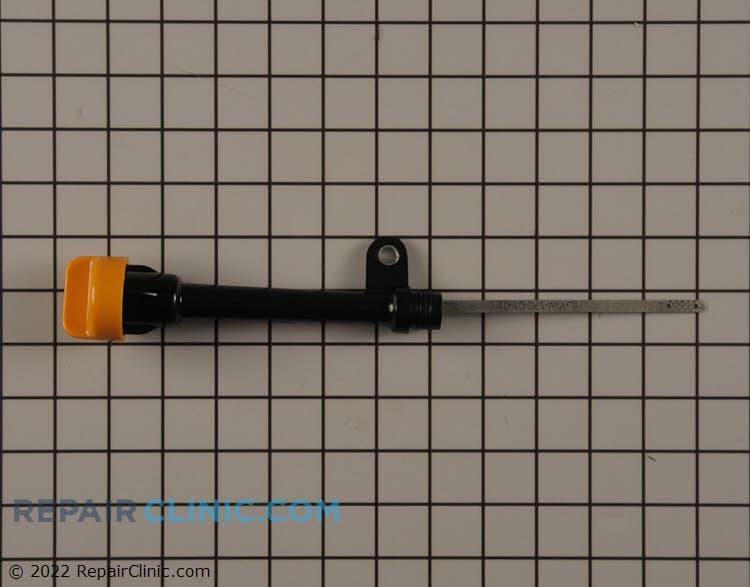
Oil dipstick assembly with cap (yellow)
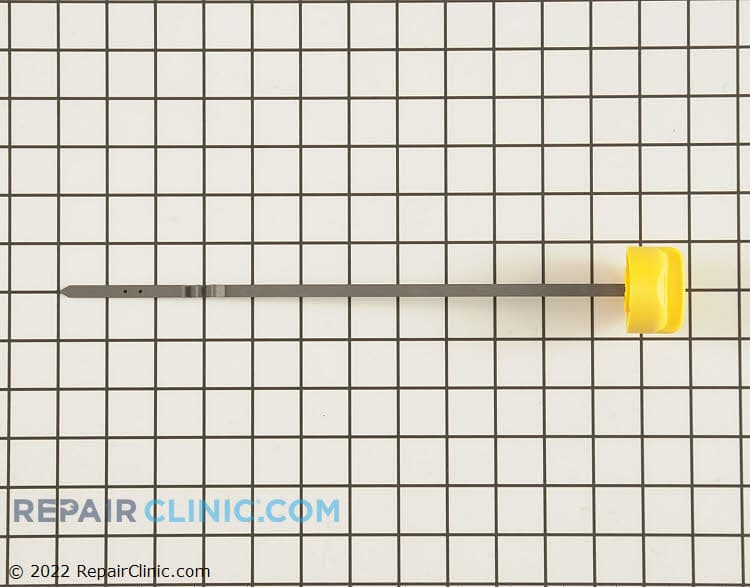
Oil Dipstick with gasket
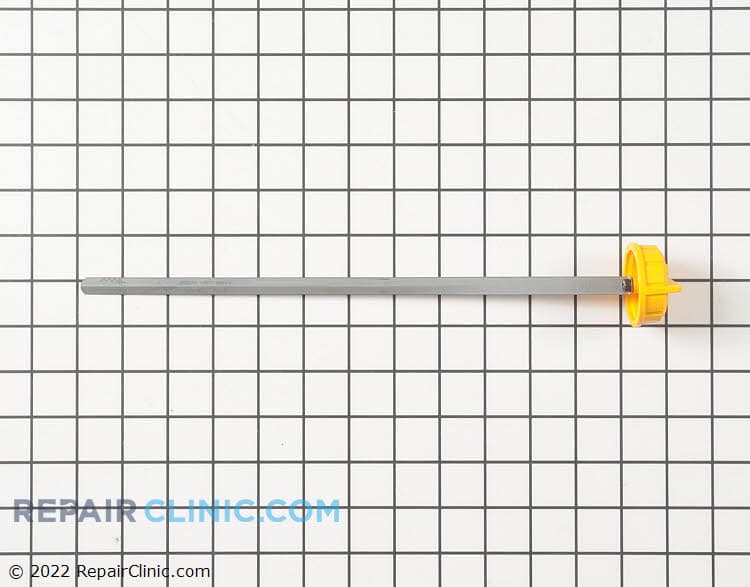
Dipstick
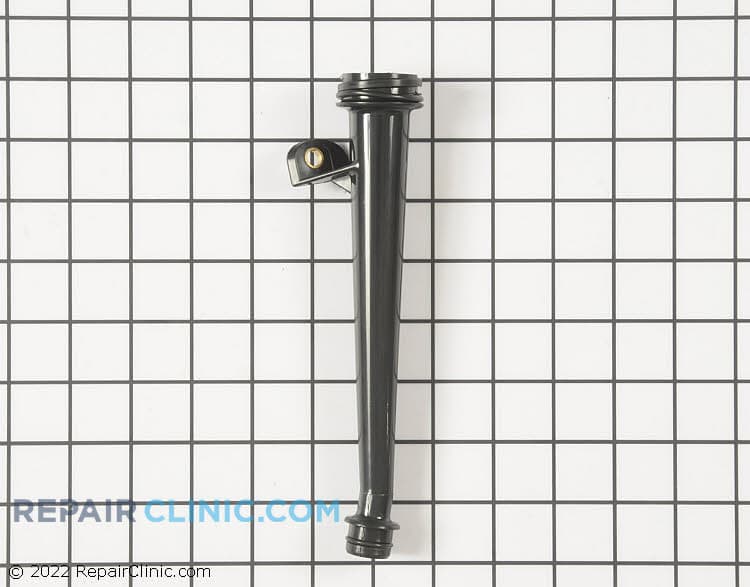
Dipstick Tube. Current design has only one mounting tab. Previous tubes may have had 2 mounting tabs. This tube is compatable with older designs.
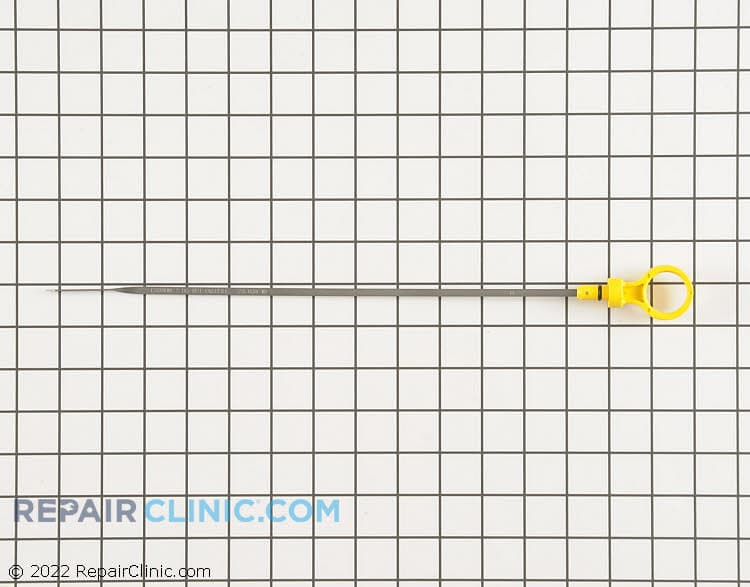
Oil Dipstick-Yellow Handle
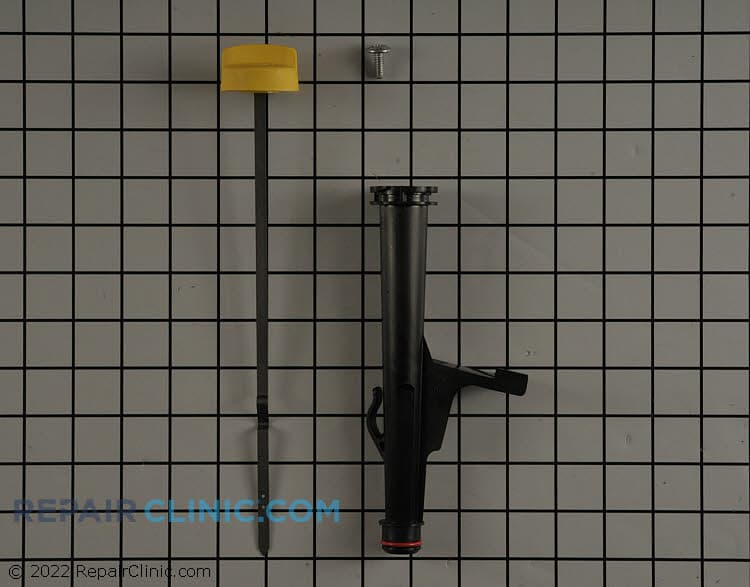
Dipstick/tube assembly
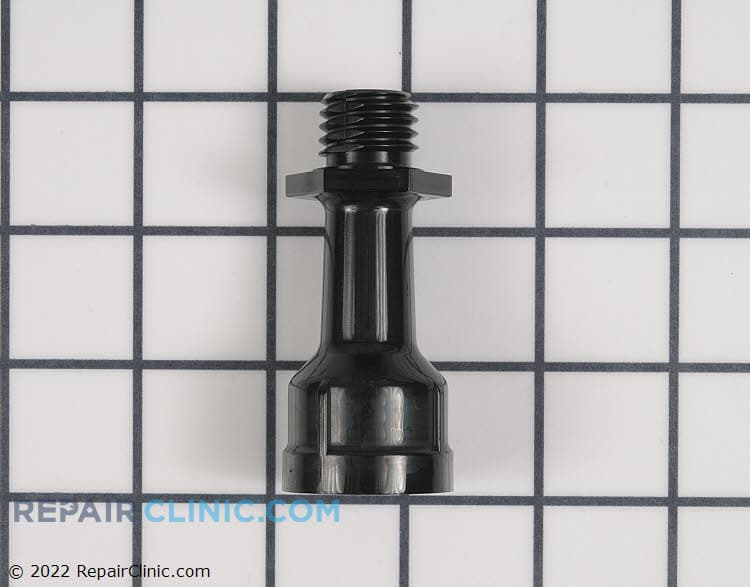
Oil Filler Extension
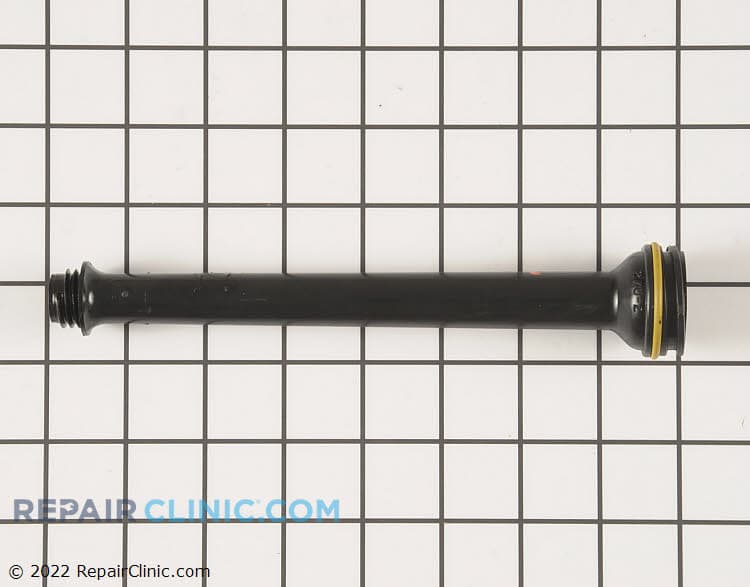
Oil fill tube


OEM Lawn Mower Dipstick Replacement Parts
A cracked or missing dipstick leaves you guessing about your mower's oil level—and running low on oil causes engine seizure and costly repairs. Genuine OEM dipsticks from Repair Clinic are exact replacements with clear markings for safe minimum and maximum fill levels. Whether your dipstick cracked from sun exposure or the tube was damaged during storage, we stock replacements for every major brand and engine type.
Check your lawn mower dipstick parts before every season. Proper oil level takes 30 seconds and prevents engine damage that costs hundreds.
- Dipstick tubes with O-rings — exact fit to your engine block; O-rings seal against leaks
- Twist-lock dipsticks — 90-degree turn locks secure and prevent accidental pull-out during mowing
- Straight-pull dipsticks — simple in-and-out design for quick checks; common on engines
- Combination dipstick-oil filler caps — two functions in one part; replaces both dipstick and filler opening
- Marked dipsticks with protective caps — clear min/max lines prevent overfilling; caps keep dirt out of oil
Find Replacement Lawn Mower Dipstick Parts Online by Model or Part Number
Popular Lawn Mower Models
Lawn Mower Dipstick Parts — Common Questions Answered
Why does my dipstick show different oil levels each time I check?
If the engine is hot, oil expands and reads higher than when cold. Always check oil on a flat surface with the engine cool and off for 5 minutes. If your dipstick is cracked or the O-ring is worn, air is entering the tube and throwing off readings—a new OEM dipstick solves this.
What happens if I overfill the oil using a bad dipstick?
Overfilled oil gets drawn into the combustion chamber, causing white smoke, hard starting, and fouled spark plugs. Excess oil also creates blowby that pressurizes the crankcase and can blow out seals. Use an accurate OEM dipstick and check on a level surface to avoid this damage.
Can I run my mower without a dipstick if it's broken?
Not safely. Without a dipstick, you have no way to verify oil level and risk running dry. Low oil causes immediate piston and bearing damage. Replace the dipstick before mowing—OEM parts are inexpensive and ship fast from Repair Clinic.
How do I find the right dipstick for my mower model?
Enter your mower's brand and model number into Repair Clinic's parts finder. The dipstick is a small part but must match your specific engine—wrong tubes don't seal properly. Your model number is typically under the seat or on the engine block.
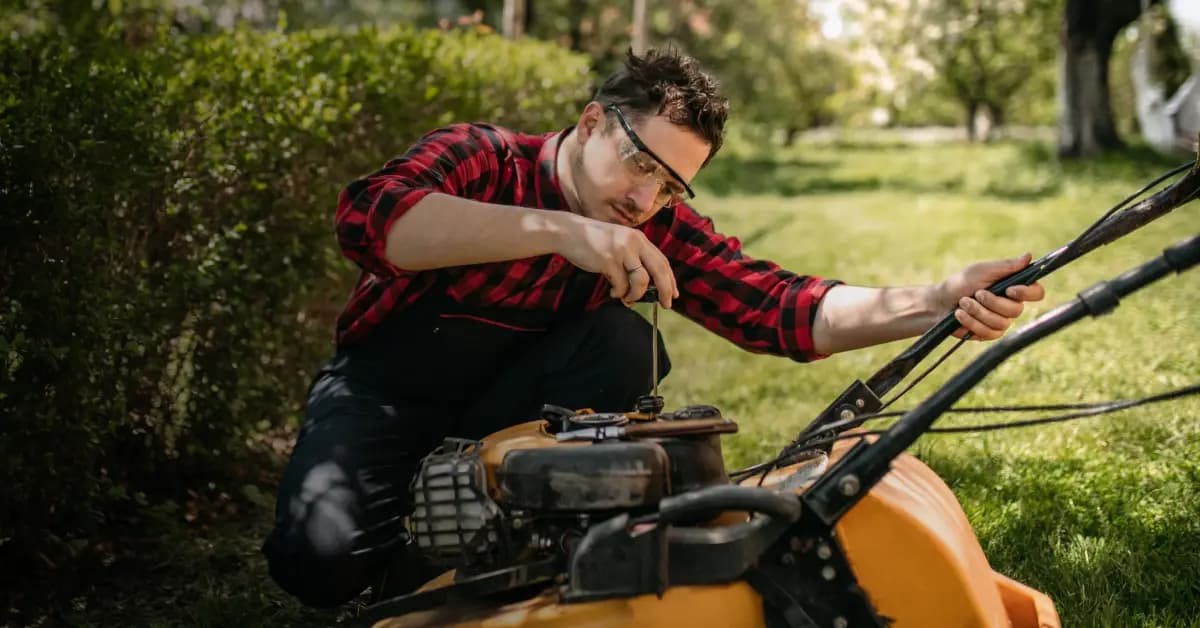

Order Lawn Mower Dipstick Replacement Parts Online
Ordering lawn mower dipstick parts online is simple and gives you access to OEM options across every major brand. With same-day shipping on most in-stock items, you'll have your replacement part fast, minimizing downtime. Our model/part number lookup finds the exact OEM part for your unit, and every order is backed by our 365-day return policy and price-match guarantee. Browse our repair help section for troubleshooting tips, part testing guides, and step-by-step installation videos for your specific product.
Filter Lawn Mower Parts by Your Model Number
Check the frame near the blade deck, the engine housing, or, on a riding mower, under the seat for the identification label. The model number may appear alongside a serial number, so copy it exactly, including letters, numbers, and hyphens. Enter it in the model number lookup, and the catalog narrows to parts made for your unit, not just dipsticks or another single category. With the mower identified first, you can shop the full selection of compatible replacement parts and avoid comparing pieces that belong to a different model. It is the quickest way to be sure the part fits before you order.

Do-It-Yourself Repair Resources for Lawn Mower
Repair Clinic's online repair library gives DIYers and professional technicians the same reference material for Lawn Mower work. Start with a common-symptom article to narrow the cause, watch the matching part testing video, then follow the step-by-step written or video repair guide during the installation. Use the model number lookup to confirm the exact OEM part, and wiring diagrams and exploded-view illustrations are on hand for the more complex jobs.
Related Articles: Lawn Mower Parts
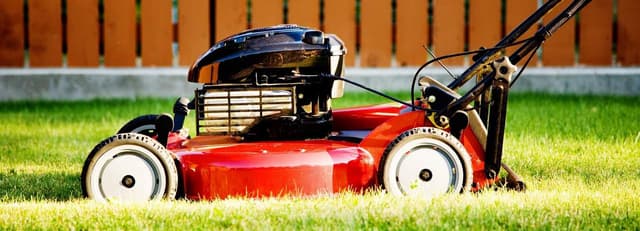
Why Does My Lawn Mower Start Then Die?
Repair Clinic has five ways for you to stop your lawn mower from leaking gas. Before we get to those, let's review how the gasoline you pour into the tank powers the mower.

The 5 Things You Should Do Before Using Your Lawn Mower
Why does your lawn mower battery keep dying? Repair Clinic has done the research and this article will provide some answers, starting with what a battery's purpose is on a gas-powered lawn mower.

How to Tell If a Lawn Mower Spark Plug is Bad
What's causing that black smoke to billow out of the engine? There are three likely reasons and they are all related to how a gas-powered lawn mower engine operates.




Family-owned and operated since 1912, Burke America Parts Group is the longest-running genuine appliance, HVAC, and outdoor power equipment parts solution in North America. At Repair Clinic, we're proud to be an international brand trusted by the pros as well as the DIY community.
About Repair Clinic