


 Price Match Guarantee
Briggs & Stratton Small Engine Air Filter Housing Replacement
Find the right part faster
Multiple models matched. Select your model to confirm fit.




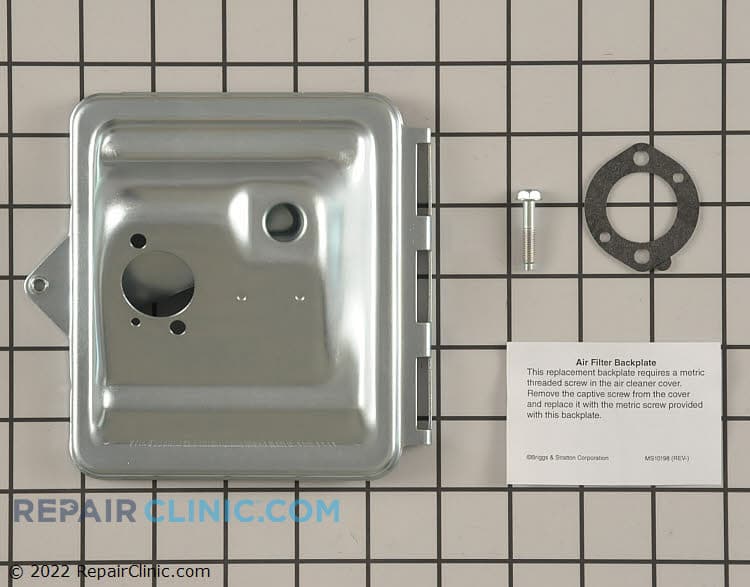
Base-air cleaner
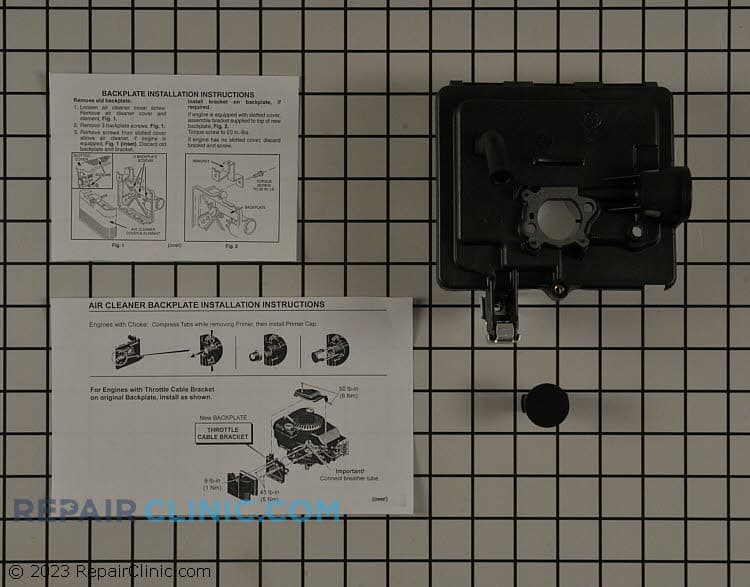
Base-air cleaner


Base-air cleaner
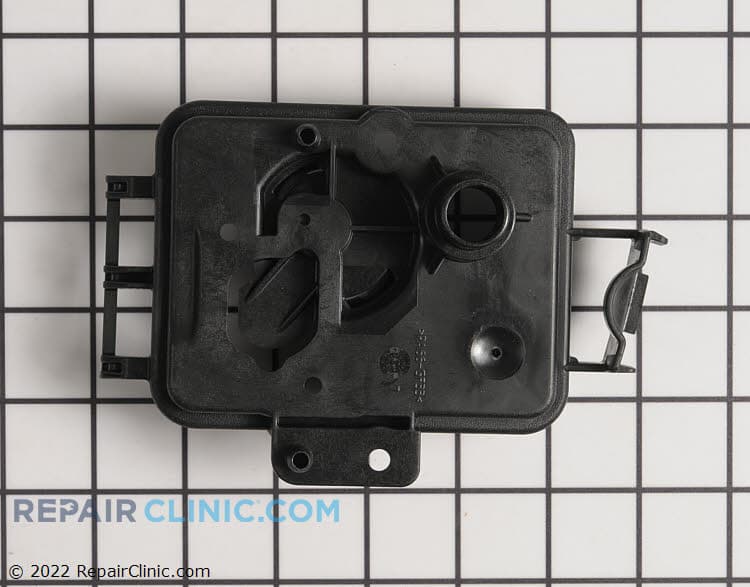
Base-air cleaner
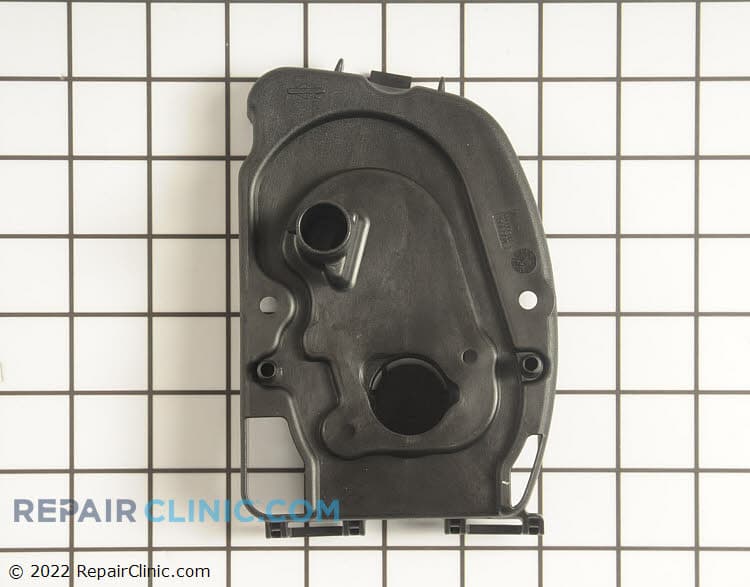
Base-air cleaner
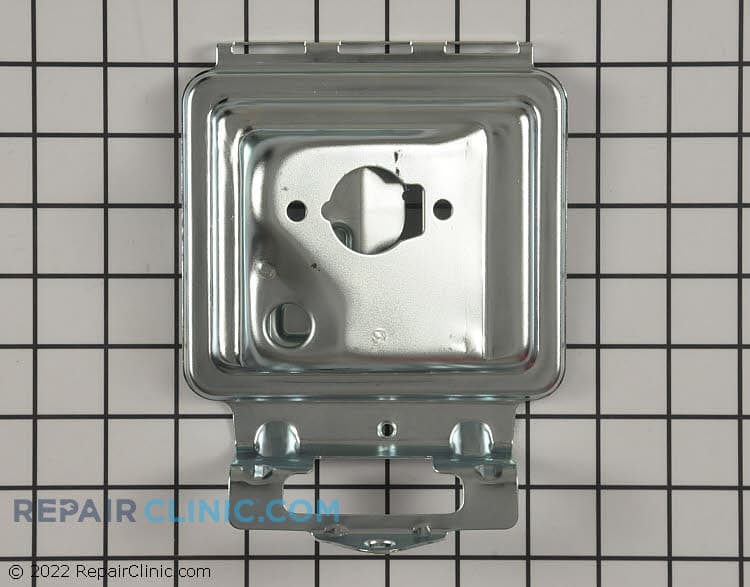
Cleaner-air
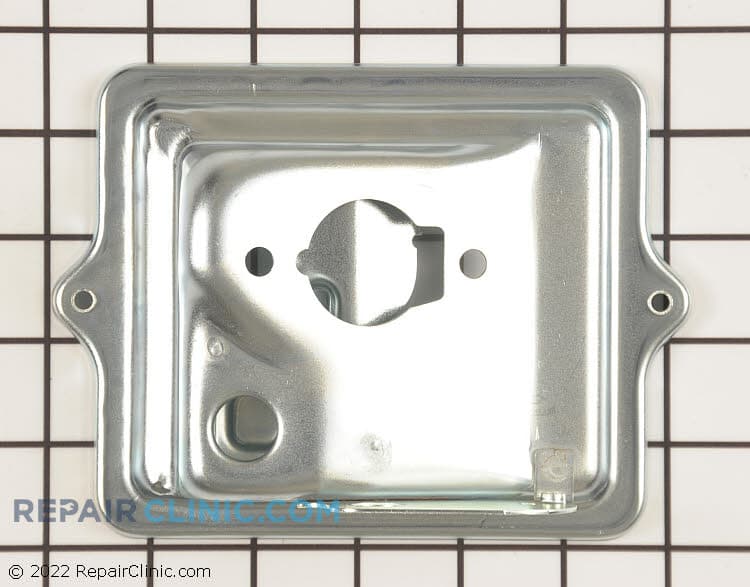
Base-air cleaner
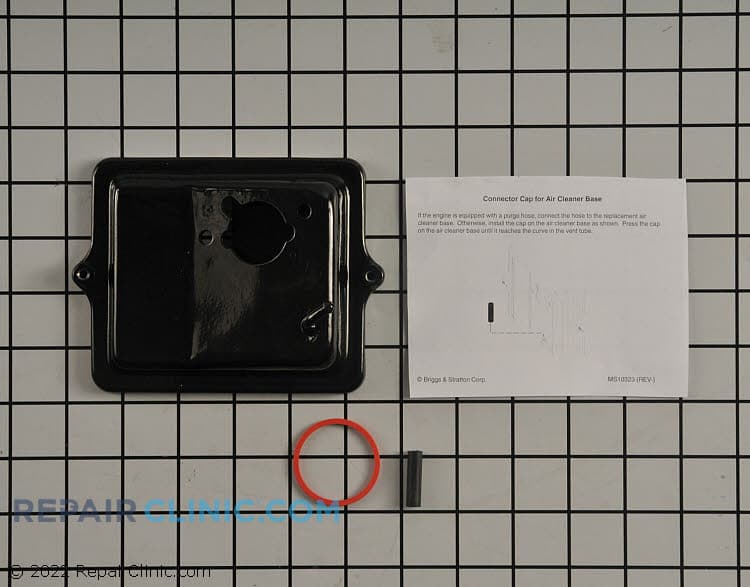
Base-air cleaner
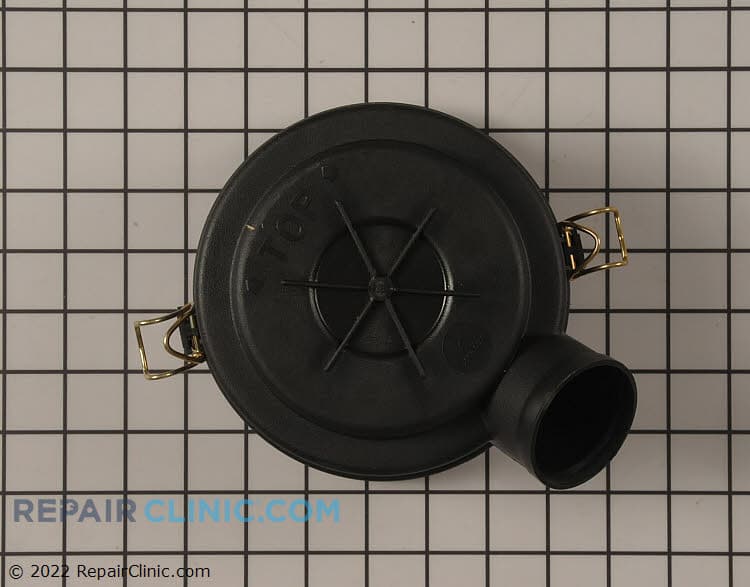
Cover-air cleaner
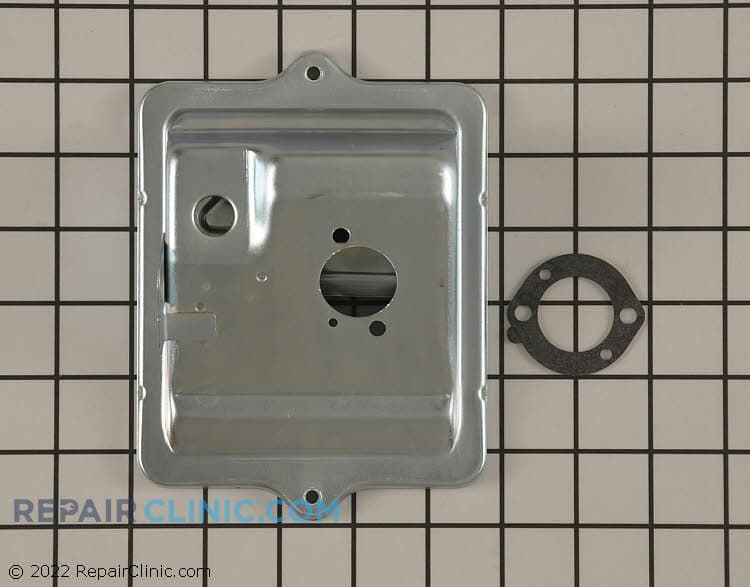
Base-air cleaner
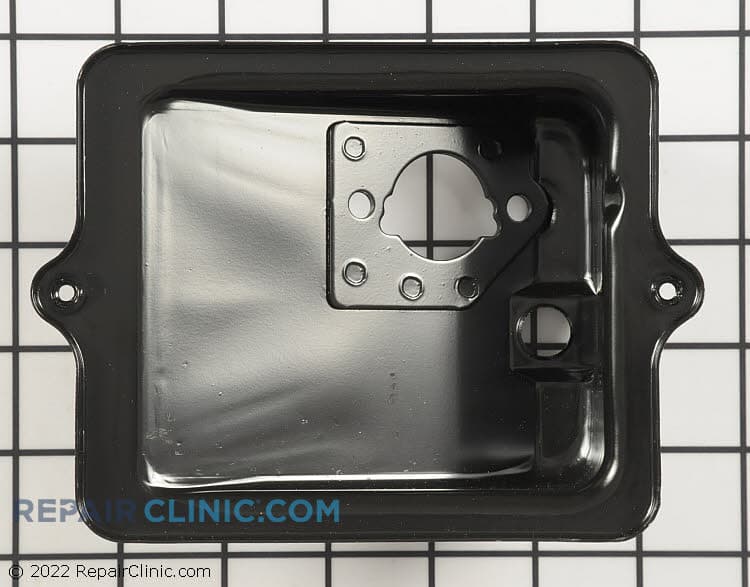
Base-air cleaner
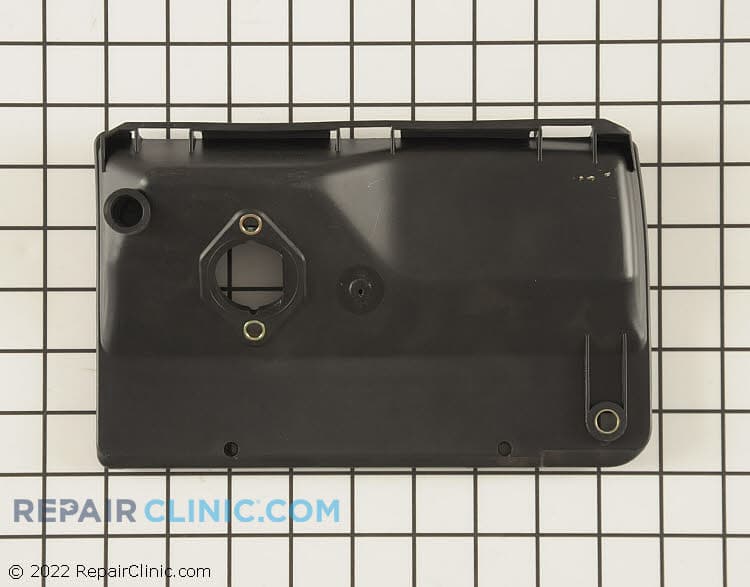
Base-air cleaner
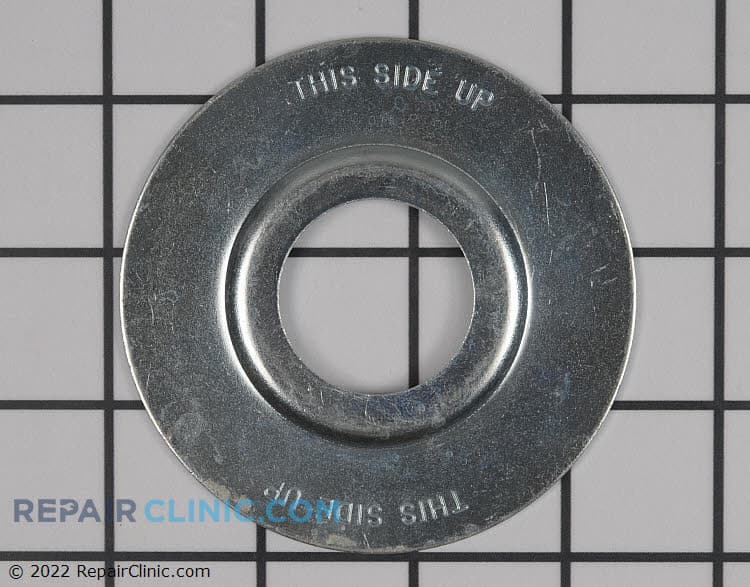
Base-air cleaner
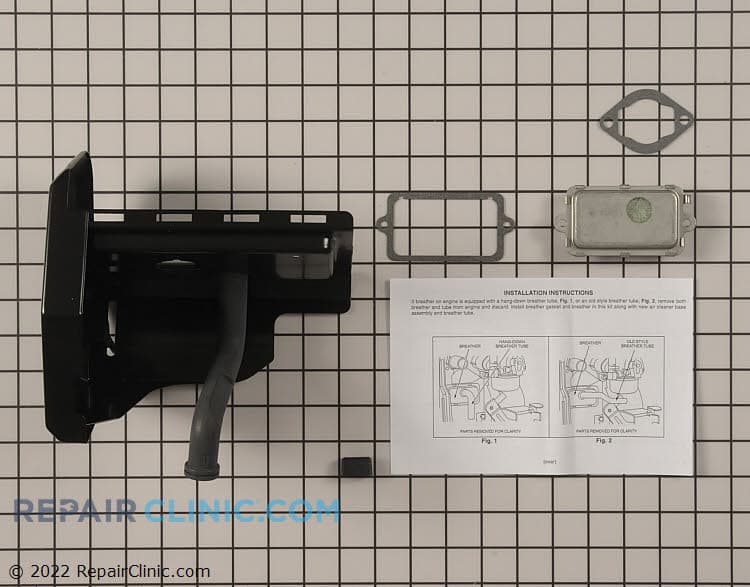
Base-air cleaner
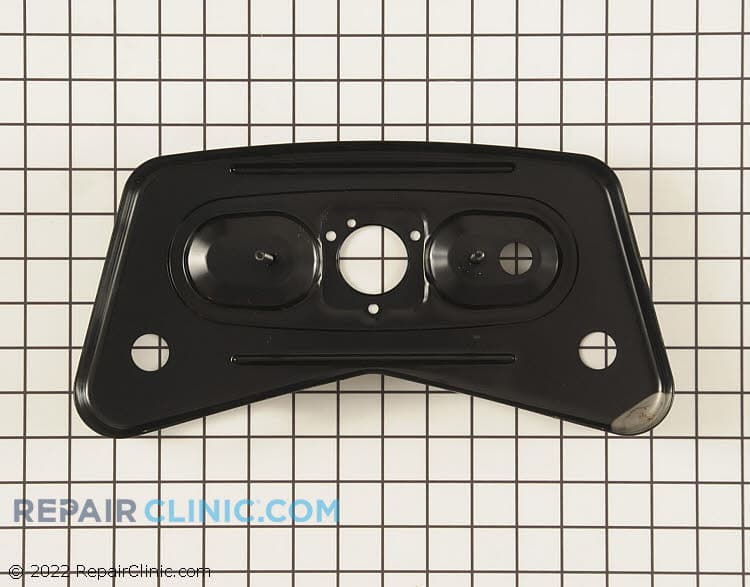
Base-air cleaner


Briggs & Stratton Small Engine Air Filter and Housing Parts
The air filter on your Briggs & Stratton engine does one critical job: keep dirt and debris out of the carburetor and combustion chamber. A clogged or damaged filter forces the engine to run rich, burns more fuel, loses power, and can damage the carb. That's why checking and replacing your air filter is the first step in any small engine troubleshooting.
OEM Briggs & Stratton air filters and housings are engineered for exact fit and flow restriction. Aftermarket filters often don't seal properly, allowing unfiltered air past the element — and one grain of sand in the carb can cause hard starts and rough running for weeks. Find your exact engine model on your Briggs & Stratton equipment, and Briggs & Stratton Small Engine Parts.
- Clogged or dirt-packed filter: Engine runs lean, hard to start, black smoke, loss of power
- Foam filter degraded: Foam element breaks apart, allowing debris into engine
- Cracked or split housing: Unfiltered air bypasses the element — same result as no filter
- Missing or loose filter cap: Air drawn directly into carburetor, instant carb dirt
- Damaged seal between filter and housing: Filter doesn't seat, dirt enters around the edges
Find a Replacement Briggs & Stratton Small Engine Air Filter Housing Online by Model or Part Number
Popular Briggs & Stratton Small Engine Air Filter Housing Models
Briggs & Stratton Small Engine Air Filter & Housing FAQs
How do I find my Briggs & Stratton engine model number?
The model number is stamped on a metal tag bolted to the side of the engine block, or printed directly on the crankcase. It's usually a 4 to 6 digit number (example: 12H802). Write it down and use it to look up the exact air filter and housing assembly — Briggs & Stratton made thousands of engine variations, and the wrong filter won't seal properly even if it looks similar.
What's the difference between foam and paper air filters?
Briggs & Stratton uses both, depending on the engine model and application. Foam filters are washable and reusable when maintained — clean them with soap and water, let dry, apply fresh foam filter oil, and reinstall. Paper filters are disposable — once clogged, replace them. Your housing assembly tells you which type your engine uses. Always match the OEM element type.
Why does my engine run rich even after cleaning the air filter?
A clean filter is the baseline — if the engine still runs rough, runs rich, or smokes, the problem is usually downstream. Check that the filter seats fully in the housing (no air leaks around the rim). If the seal is good, the carburetor itself may have ethanol damage or a clogged jet. But start with a fresh OEM filter first — a proper seal eliminates 90% of air-intake issues.
Can I use an aftermarket air filter instead of OEM?
You can, but OEM Briggs & Stratton filters are designed for the exact flow and restriction your engine carburetor expects. Cheap aftermarket filters don't seal as well, allowing dirt past the element, and may have different micron ratings that lean out the fuel mixture. For a $10 to $20 difference, OEM is the smart choice — it keeps your engine clean and running right.
Order Briggs & Stratton Small Engine Air Filter Housing Replacement Online
Keep your Briggs & Stratton small engine running efficiently by replacing a faulty air filter housing promptly. With same-day shipping on most in-stock items, you'll have your replacement part fast, minimizing downtime. Our model/part number lookup finds the exact OEM part for your unit, and every order is backed by our 365-day return policy and price-match guarantee. If your Briggs & Stratton small engine air filter housing is failing — showing symptoms like reduced performance, unusual noise, or complete non-operation — replacement is typically the fastest fix. Browse our full library of Briggs & Stratton repair resources for troubleshooting guides and installation videos.
Briggs & Stratton Small Engine Model Number: Where to Look
Briggs & Stratton prints the model number on a metal tag bolted to the side of the engine block or directly on the crankcase. Depending on the engine, you may also find it on the engine cover, cooling shroud, or valve cover. Look for a series of numbers and letters, often accompanied by the engine type and code, then record the complete model information. Enter it in the model number search to pull up the parts matched to your unit. This filters Repair Clinic's full Briggs & Stratton small engine catalog, including air filters, housings, carburetors, and ignition parts, to parts designed for your exact engine. That means fewer wrong orders and a faster repair.

Briggs & Stratton Repair Videos and Written Guides
Solid diagnostic work is what makes a Briggs & Stratton repair go quickly, and Repair Clinic's online library was built for exactly that. Symptom articles, part testing videos, wiring diagrams, and step-by-step written guides give owners and technicians the reference material to isolate the failed part. Look up your model number to match the right OEM part, then follow the installation video.
Related Articles: Small Engine Parts





Family-owned and operated since 1912, Burke America Parts Group is the longest-running genuine appliance, HVAC, and outdoor power equipment parts solution in North America. At Repair Clinic, we're proud to be an international brand trusted by the pros as well as the DIY community.
About Repair Clinic