


 Price Match Guarantee
Craftsman Snowblower Parts
- Adhesive
- Alternator, Battery & Charger
- Auger
- Axle, Roller, Shaft, Wheel
- Bag
- Bearing
- Belt
- Blade
- Blower Wheel & Fan Blade
- Bracket & Flange
- Cap, Lid & Cover
- Carburetor
- Chain & Bar
- Chassis
- Control Cable
- Deflector & Chute
- Diode, Magnetron & Resistor
- Dipstick
- Duct & Venting
- Engine
- Fastener
- Filter
- Fuse, Thermal Fuse & Breaker
- Gasket & Seal
- Grille & Kickplate
- Handle
- Hinge
- Hose, Tube & Fitting
- Ignition Controls
- Insulation
- Knob, Dial & Button
- Latch
- Lighting & Light Bulb
- Lubricant
- Manuals, Care Guides & Literature
- Miscellaneous
- Motor
- Muffler
- Oil Plug
- Panel
- Pedal
- Power Cord
- Pulley
- Pump
- Sensor & Thermistor
- Shear Pin
- Skid & Shoe
- Spark Plug
- Spindle
- Spring
- Starter
- Steering
- Suspension & Shock Absorption
- Switch
- Tank & Container
- Tire & Rim
- Tool
- Transmission, Brake & Clutch
- Trim
- Tune-Up Maintenance Kit
- Valve & Float
- Wire, Receptacle & Wire Connector
Find the right part faster
Multiple models matched. Select your model to confirm fit.




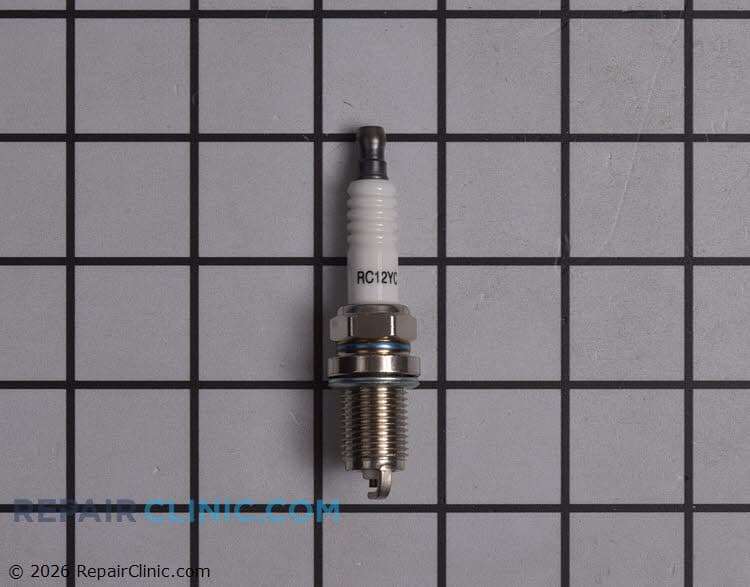
Champion Spark Plug (RC12YC). The spark plug ignites the fuel and air mixture in the cylinder to power the engine. If the spark plug is burnt, fouled or damaged the engine may not start or may run rough.
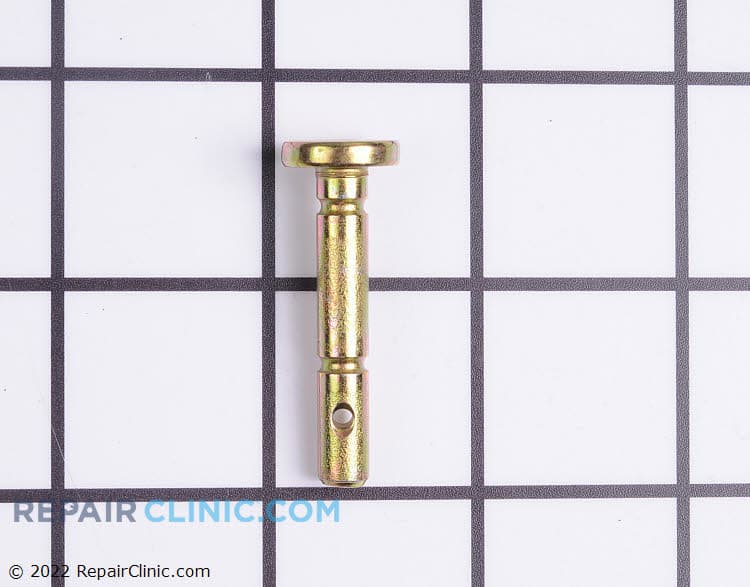
Shear pin. Shear pins are designed to break in half if the auger strikes a hard object to prevent damage to the transmission and engine. If the shear pin is broken, the auger won’t be able to turn.The retaining clip is not included—you must purchase it separately to complete the assembly.
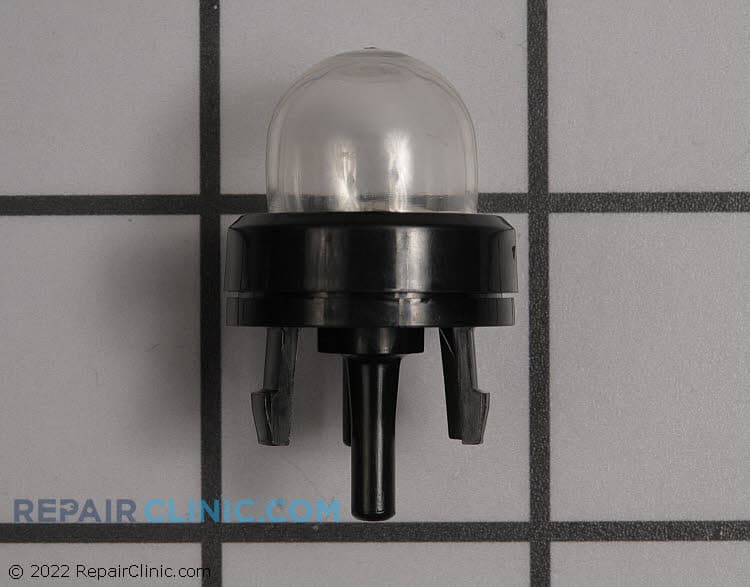
Small engine primer bulb. The primer bulb draws additional fuel into the carburetor to help start the engine.

Tecumseh carburetor repair kit. If the carburetor is clogged, the engine won't get enough fuel. As a result, the engine may not start or may run poorly.
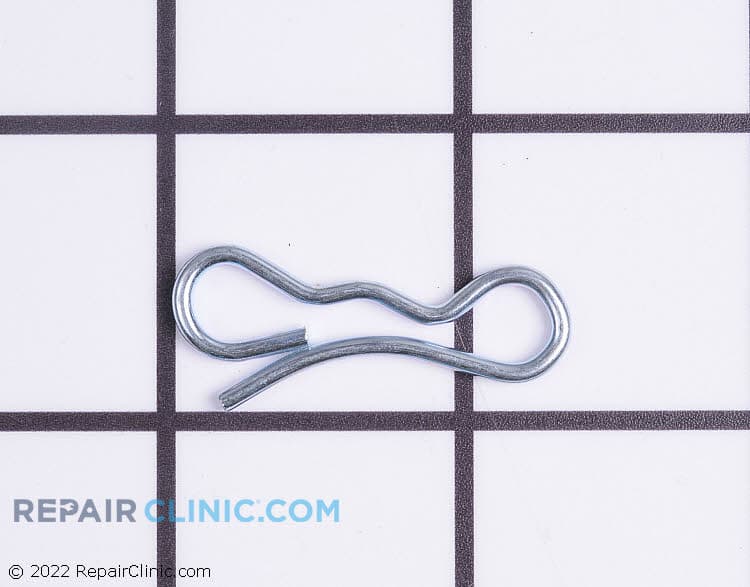
Bow Tie Cotter Pin
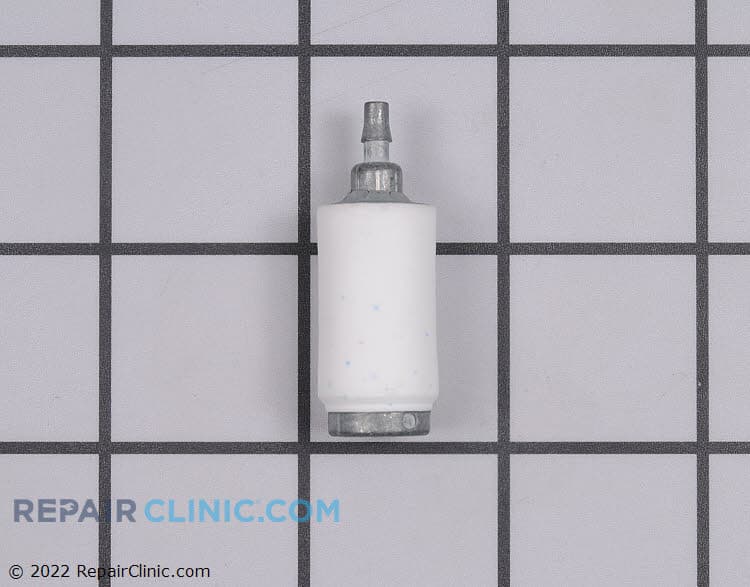
Husqvarna fuel filter. If the fuel filter is clogged, it will restrict the flow of fuel to the carburetor. As a result, the engine may not start.
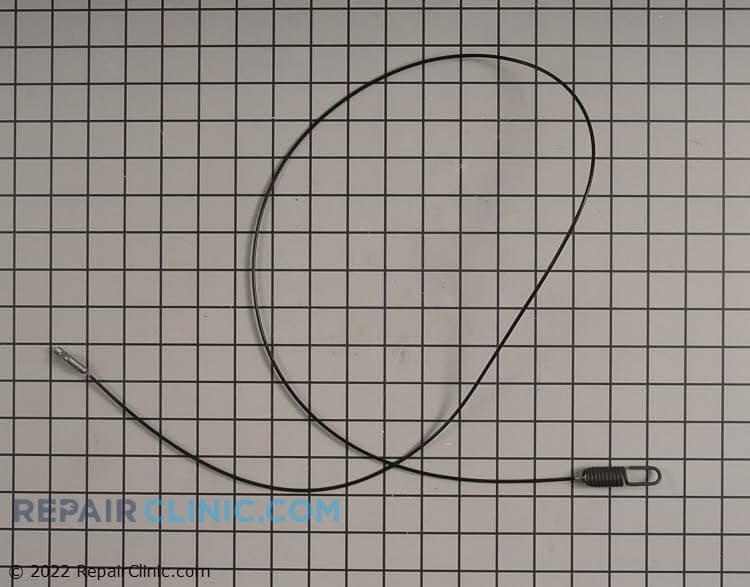
Snow blower clutch cable 47.48". The clutch cable engages the snow blower's auger. If the cable is broken, the auger won't turn.

Briggs & Stratton Original Equipment 498260 Carburetor Overhaul Kit. If the carburetor is clogged, the engine won't get enough fuel. As a result, the engine may not start or may run poorly.

Briggs & Stratton Original Equipment 491588S Air Filter. Briggs & Stratton genuine parts are specially designed to exact OEM standards, manufactured and tested to help deliver optimum performance in Briggs & Stratton engines.

Carburetor gasket (Choke Side)
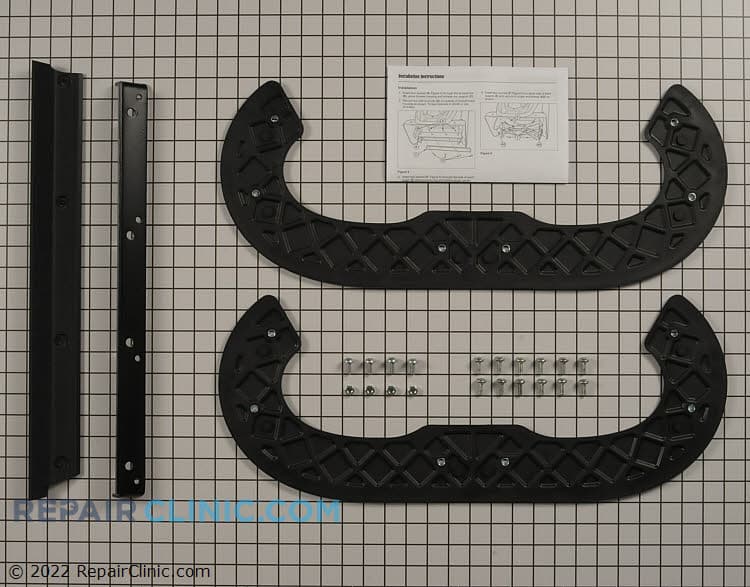
Auger blade kit with scraper blade & support
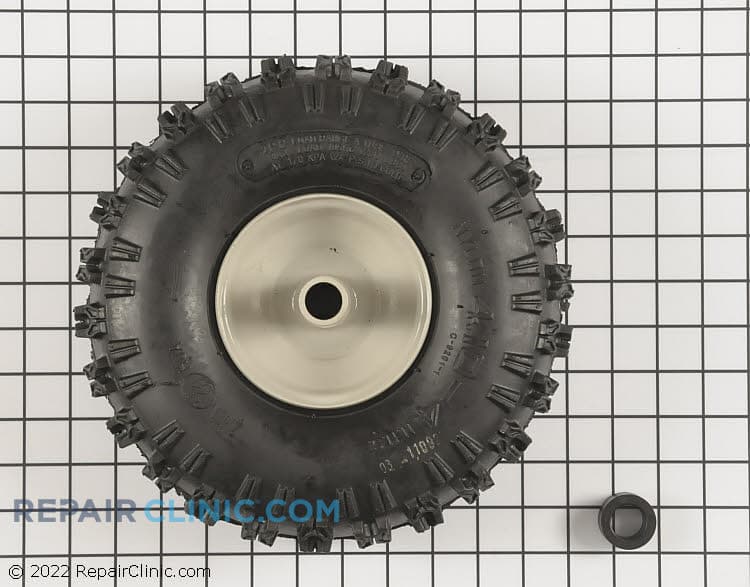
Wheel assembly
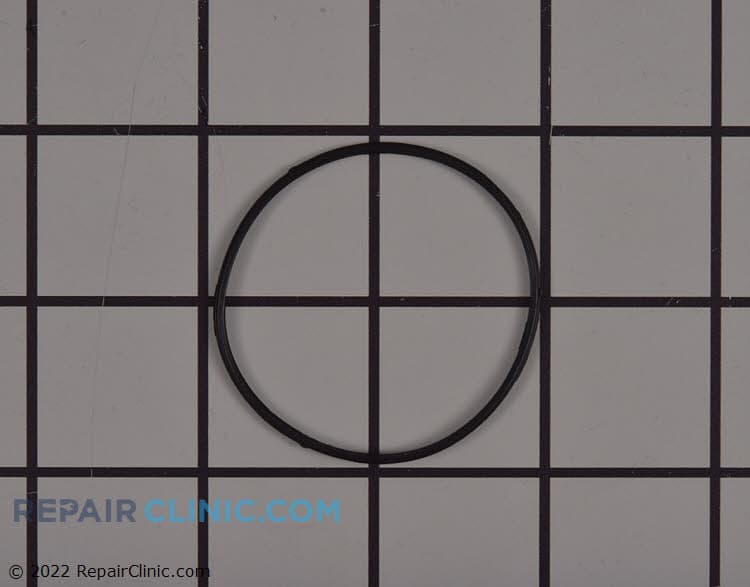
Fuel bowl gasket
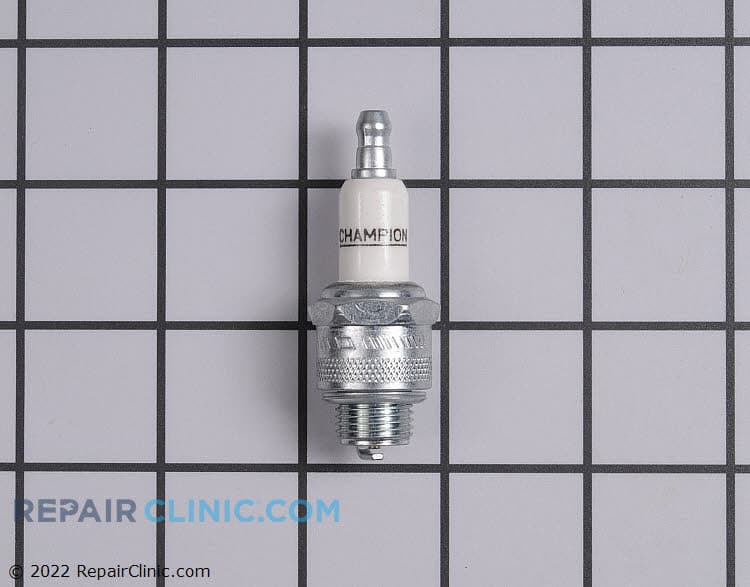
Small engine Champion spark plug (RJ19LM). If the engine does not start, the spark plug may be defective. The spark plug should be replaced periodically during regular maintenance.
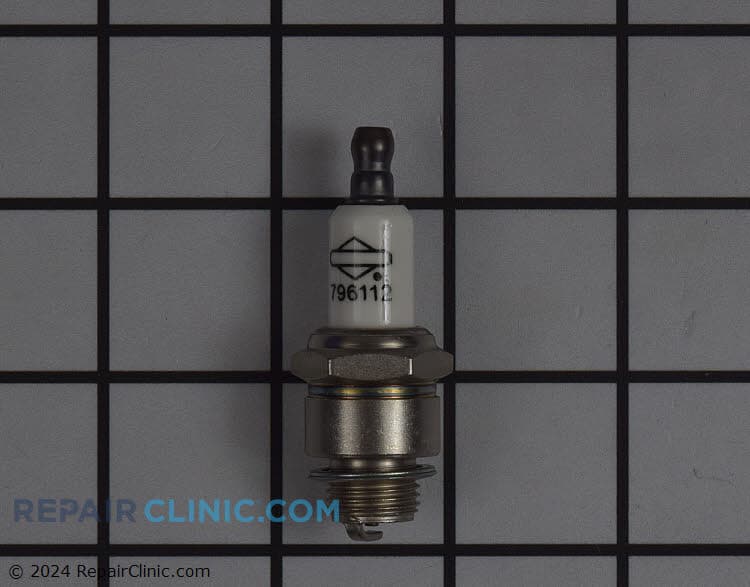
Briggs & Stratton Spark Plug (RJ19LM). If the engine does not start or runs poorly then the spark plug may be defective and will need replacement.


Craftsman Snowblower Parts: Get Ready Before Winter
Craftsman snowblowers are built to last, but when winter hits hard, you need your machine running reliably. The most common repairs — shear bolts, belts, carburetors, and spark plugs — are all quick fixes with the right OEM parts. A shear bolt breaks when the auger hits a hidden obstacle; always replace in pairs and keep spares handy. Drive and auger belts wear with use; replacing both at once saves a second service call.
When your Craftsman won't start or runs rough, the carburetor is often the culprit — ethanol in fuel clogs the jets and needle valve. A carburetor rebuild kit is your first move; if cleaning doesn't work, swap in an OEM replacement. Many Craftsman models use interchangeable engines and parts, so verify your model number to get the correct part fit.
- Won't start or hard to start: Spark plug (seasonal service), fuel line blockage, primer bulb cracked, carburetor clogged with stale fuel
- No auger action: Shear bolt broken, auger belt snapped or slipped, belt idler pulley worn
- Won't move forward: Drive belt broken or slipped, belt routing loose, transmission clutch cable stretched or detached
- Poor snow throw or clogging: Paddles (single-stage) worn down, skid shoes set too low, chute deflector cable stuck or broken
- Noise, grinding, or vibration: Loose mounting bolts, skid shoes worn flat and metal scraping, auger belt misaligned
Find Replacement Craftsman Snowblower Parts Online by Model or Part Number
Popular Craftsman Snowblower Models
Related Craftsman Snowblower Parts
- Craftsman Snowblower Miscellaneous Parts
- Craftsman Snowblower Fastener Parts
- Craftsman Snowblower Gasket & Seal Parts
- Craftsman Snowblower Engine Parts
- Craftsman Snowblower Spring Parts
- Craftsman Snowblower Cap, Lid & Cover Parts
- Craftsman Snowblower Bracket & Flange Parts
- Craftsman Snowblower Bearing Parts
- Craftsman Snowblower Carburetor Parts
- Craftsman Snowblower Axle, Roller, Shaft, Wheel Parts
- Craftsman Snowblower Transmission, Brake & Clutch Parts
- Craftsman Snowblower Manuals, Care Guides & Literature
- Craftsman Snowblower Handle Parts
- Craftsman Snowblower Control Cable Parts
- Craftsman Snowblower Pulley Parts
- Craftsman Snowblower Starter Parts
- Craftsman Snowblower Hose, Tube & Fitting Parts
- Craftsman Snowblower Belt Parts
- Craftsman Snowblower Panel Parts
- Craftsman Snowblower Auger Parts
- Craftsman Snowblower Wire, Receptacle & Wire Connector Parts
- Craftsman Snowblower Deflector & Chute Parts
- Craftsman Snowblower Knob, Dial & Button Parts
- Craftsman Snowblower Muffler Parts
- Craftsman Snowblower Blade Parts
- Craftsman Snowblower Switch Parts
- Craftsman Snowblower Tire & Rim Parts
- Craftsman Snowblower Ignition Controls Parts
- Craftsman Snowblower Filter Parts
- Craftsman Snowblower Valve & Float Parts
- Craftsman Snowblower Dipstick Parts
- Craftsman Snowblower Spark Plug Parts
- Craftsman Snowblower Motor Parts
- Craftsman Snowblower Latch Parts
- Craftsman Snowblower Lighting & Light Bulb Parts
- Craftsman Snowblower Steering Parts
- Craftsman Snowblower Tank & Container Parts
- Craftsman Snowblower Tool
- Craftsman Snowblower Skid & Shoe Parts
- Craftsman Snowblower Shear Pin Parts
- Craftsman Snowblower Chain & Bar Parts
- Craftsman Snowblower Duct & Venting Parts
- Craftsman Snowblower Insulation Parts
- Craftsman Snowblower Oil Plug Parts
- Craftsman Snowblower Blower Wheel & Fan Blade Parts
- Craftsman Snowblower Alternator, Battery & Charger Parts
- Craftsman Snowblower Lubricant
- Craftsman Snowblower Pump Parts
- Craftsman Snowblower Trim Parts
- Craftsman Snowblower Grille & Kickplate Parts
- Craftsman Snowblower Bag Parts
- Craftsman Snowblower Hinge Parts
- Craftsman Snowblower Chassis Parts
- Craftsman Snowblower Adhesive
- Craftsman Snowblower Fuse, Thermal Fuse & Breaker Parts
- Craftsman Snowblower Power Cord Parts
- Craftsman Snowblower Suspension & Shock Absorption Parts
- Craftsman Snowblower Pedal Parts
- Craftsman Snowblower Spindle Parts
- Craftsman Snowblower Tune-Up Maintenance Kit
- Craftsman Snowblower Diode, Magnetron & Resistor Parts
- Craftsman Snowblower Sensor & Thermistor Parts
Craftsman Snowblower Repair FAQ
What are shear bolts and why do they break?
Shear bolts hold the auger to the shaft. When the auger hits a rock, stick, or frozen debris, the bolt shears (snaps) intentionally — it's a safety device that protects the engine and transmission from damage. If your auger stops turning mid-storm, a broken shear bolt is the most likely cause. Always replace shear bolts in pairs (left and right augers on 2-stage models), and keep a 5-pack in your toolbox. Standard sizes are 5/16" and 3/8"; verify your model number to order the correct diameter and length.
How do I know if my Craftsman snowblower carburetor needs cleaning or replacement?
Hard starting, rough running, or the engine cutting out during use usually point to carburetor trouble. Gasoline with ethanol sits over the off-season and gums up the carburetor jets and needle valve — a rebuild kit ($10 to $20) can fix it if you're comfortable cleaning. Soak the carburetor bowl, needle, and jets in carburetor cleaner and blow them clear. If cleaning doesn't restore smooth operation, or if the carburetor is cracked, install an OEM replacement. Never use aftermarket or knock-off carburetors on Craftsman snowblowers; they run lean or rich and damage the engine.
What size shear bolt does my Craftsman snowblower use?
Shear bolt size varies by Craftsman model year and engine displacement. The most common sizes are 5/16" and 3/8" diameter, 1 to 1.5 inches long. Look up your model number on Repair Clinic to find the exact shear bolt for your machine — don't guess. Some models use metric bolts. Order extras before winter; a broken shear bolt in a snowstorm when you can't find a replacement part is a bad day.
Why is my Craftsman snowblower drive belt slipping, and how do I fix it?
A slipping drive belt means the auger or self-propel system isn't engaging smoothly. Check belt tension first — the belt should have about 1/2" of give when you press it midway between pulleys. If it's loose, tighten the belt by adjusting the engine/pulley position backward (check your manual for the adjuster bolts). If tensioning doesn't work, the belt is worn or glazed — replace it with an OEM Craftsman belt. Aftermarket belts often have the wrong profile or length. When you replace the belt, inspect the pulleys for cracks or frozen bearings; a dragging pulley will kill a new belt quickly.
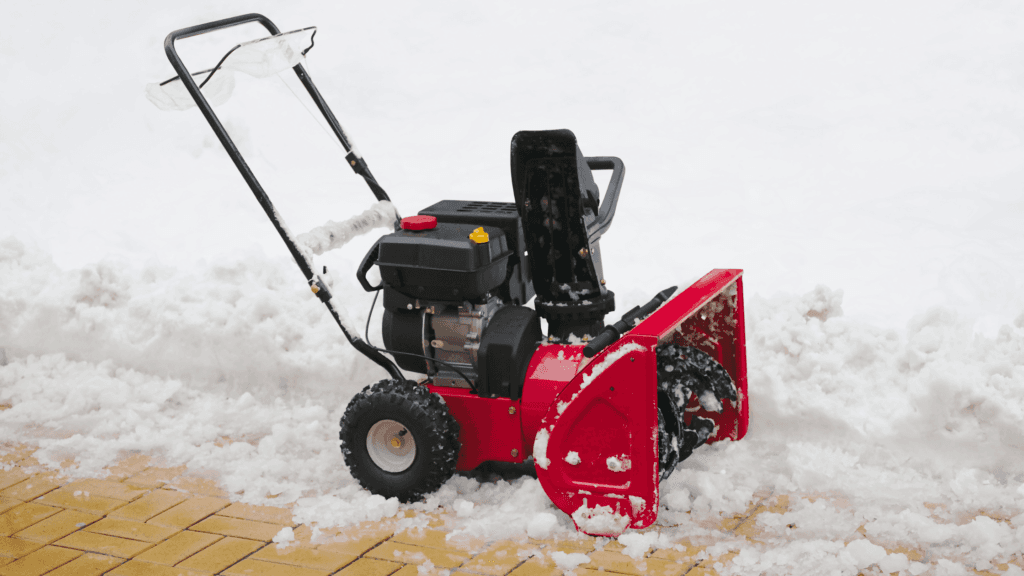
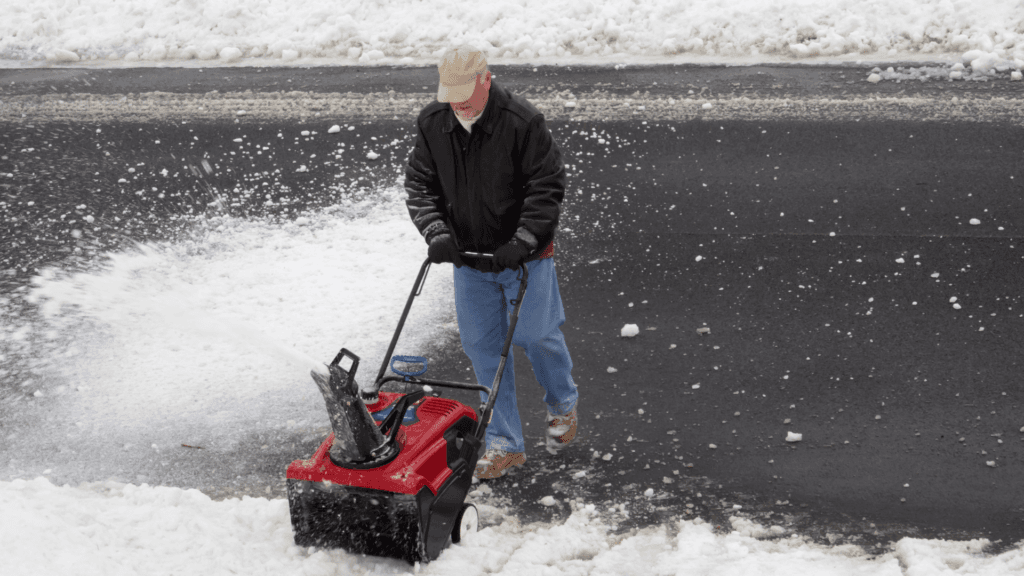
Order Craftsman Snowblower Parts Online
Ordering Craftsman snowblower parts online is simple and helps you find genuine OEM parts for your unit. With same-day shipping on most in-stock items, you'll have your replacement part fast, minimizing downtime. Our model/part number lookup finds the exact OEM part for your unit, and every order is backed by our 365-day return policy and price-match guarantee. Browse our repair help section for troubleshooting tips, part testing guides, and step-by-step installation videos for your specific product.
Craftsman Snowblower Model Number: Where to Look
On Craftsman snowblowers, look for the model number on a label attached to the frame behind the engine, under the handle panel, or on the auger housing. Clear away snow, dirt, or fuel residue so every letter and number is readable, and copy the complete model number exactly as shown. Punch it into the search bar to sort the catalog down to your model's parts. The model number identifies the entire snowblower, so it filters the full selection, including engine, auger, belt, control, and chassis parts, to parts designed for your specific machine. That means fewer wrong orders and a faster repair.

Craftsman Snowblower Repair Made Easier with Online Resources
The right online resources take the guesswork out of a Craftsman Snowblower repair. Repair Clinic's diagnostic articles, part testing videos, exploded-view diagrams, and step-by-step written repair guides walk owners and technicians through each stage from symptom identification to final reassembly. Look up your model number to confirm the correct OEM part before you order.
Related Articles
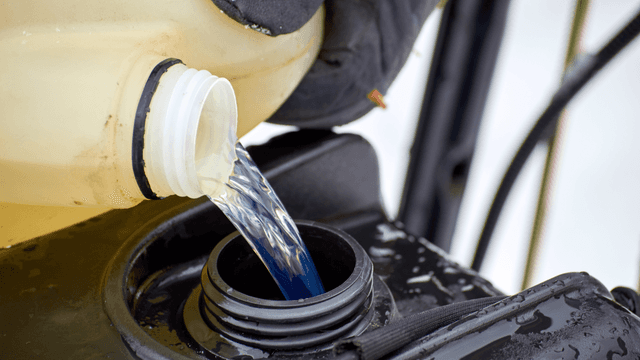
The 8 Places Your Snowblower May Be Leaking Gas
The eight most common reasons your snowblower is leaking gas and how to fix them. From worn carburetor gaskets to cracked fuel lines, this guide identifies potential issues and repair solutions to keep your snowblower running smoothly.
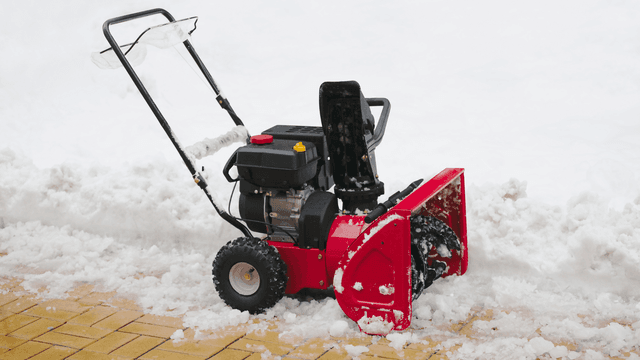
Troubleshooting a Snowblower That Won't Start
How to clean your snowblower carburetor to restore engine performance and fix starting issues. This guide covers symptoms of a dirty carburetor and step-by-step cleaning instructions.
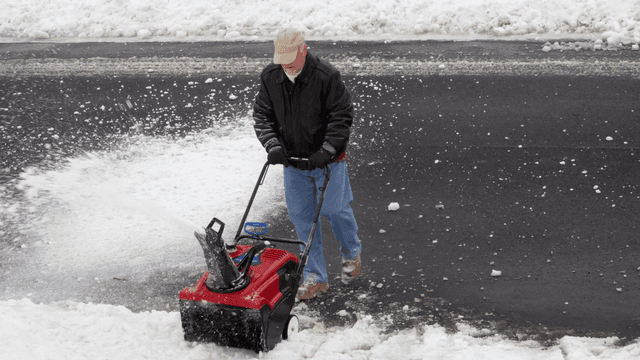
The 7 Things You Should Do Before Using Your Snowblower
Learn the top five reasons your snowblower's auger won't turn and how to fix it. From worn belts to broken shear pins, this guide covers common causes and repair solutions.




Family-owned and operated since 1912, Burke America Parts Group is the longest-running genuine appliance, HVAC, and outdoor power equipment parts solution in North America. At Repair Clinic, we're proud to be an international brand trusted by the pros as well as the DIY community.
About Repair Clinic