


 Price Match Guarantee
Troy-Bilt Tiller Carburetor Parts
Find the right part faster
Multiple models matched. Select your model to confirm fit.




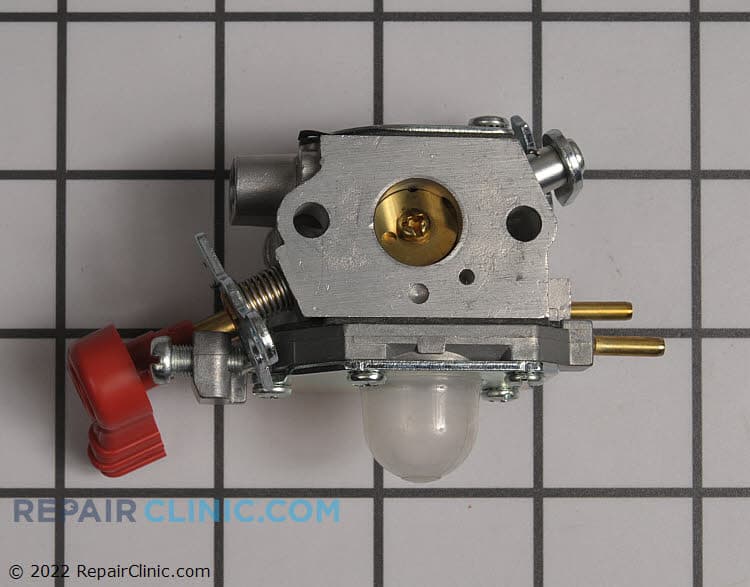
Carburetor for 2-cycle engine. If the carburetor is clogged, the engine won't get enough fuel. As a result, the engine may not start or may run rough.
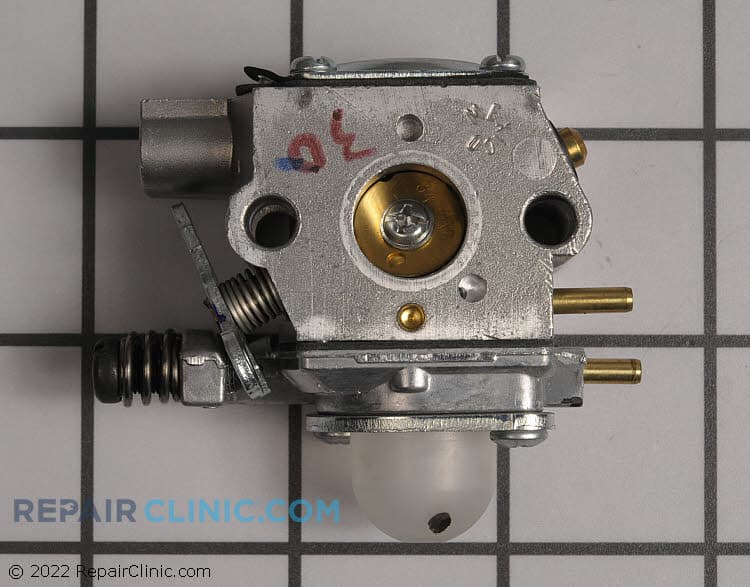
Two cycle engine carburetor. If the engine runs rough, the carburetor may be restricted. The carburetor can often be cleaned or rebuilt, but sometimes it may need to be replaced.
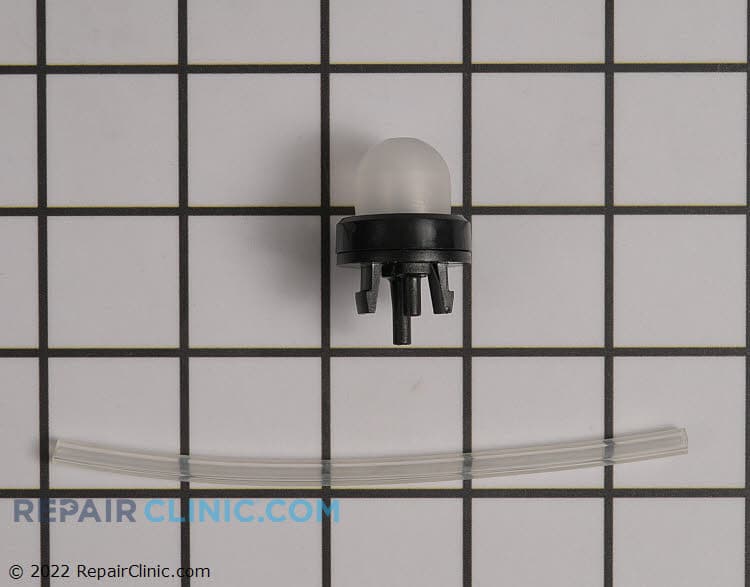
Small engine primer bulb with hose, large diameter. If the engine does not start the primer bulb may be defective and unable to draw additional fuel in to the carburetor to assist with starting the engine.
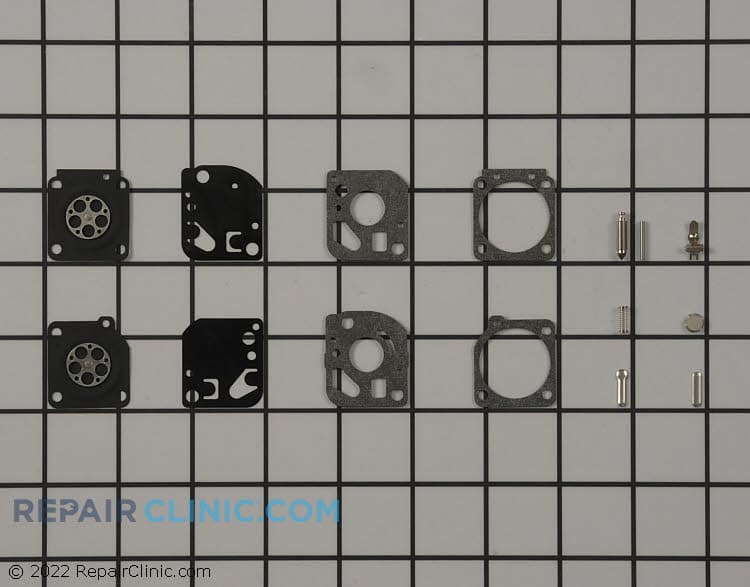
Zama carburetor rebuild/repair kit. If the carburetor is clogged, the engine won't get enough fuel. As a result, the engine may not start or may run rough. It is often possible to repair the carburetor if it is clogged.
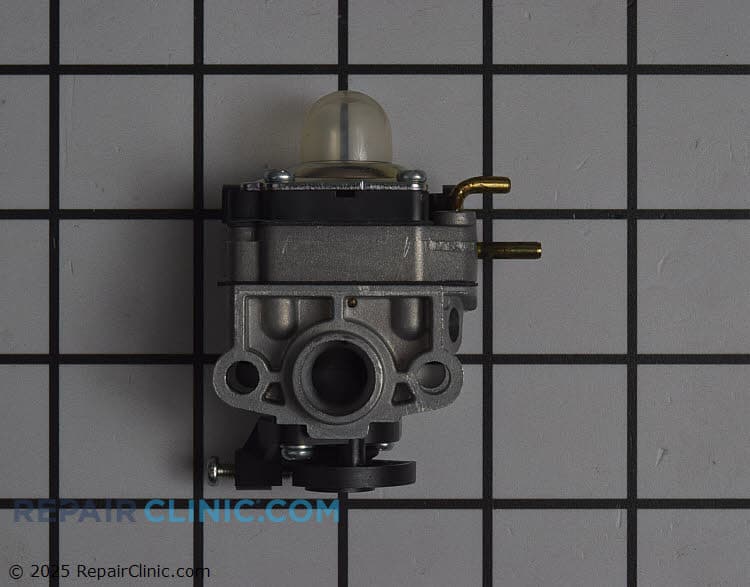
AC3.1 Carburetor
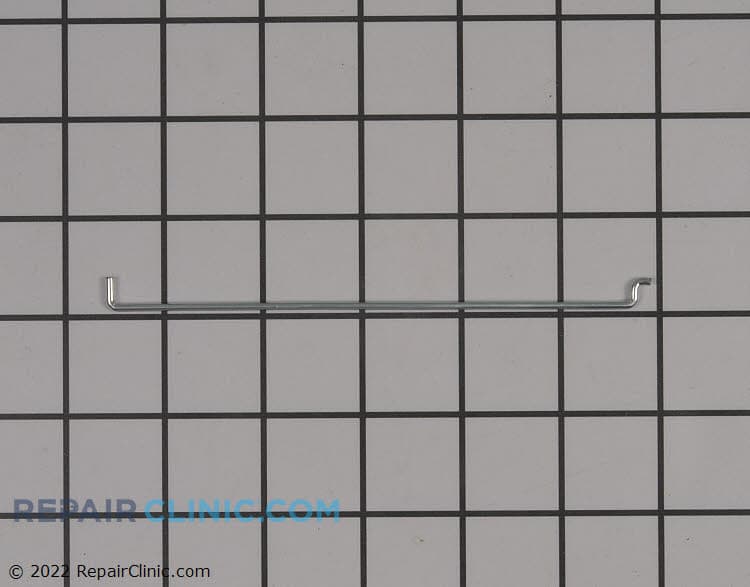
Throttle linkage
RC Item #1832126
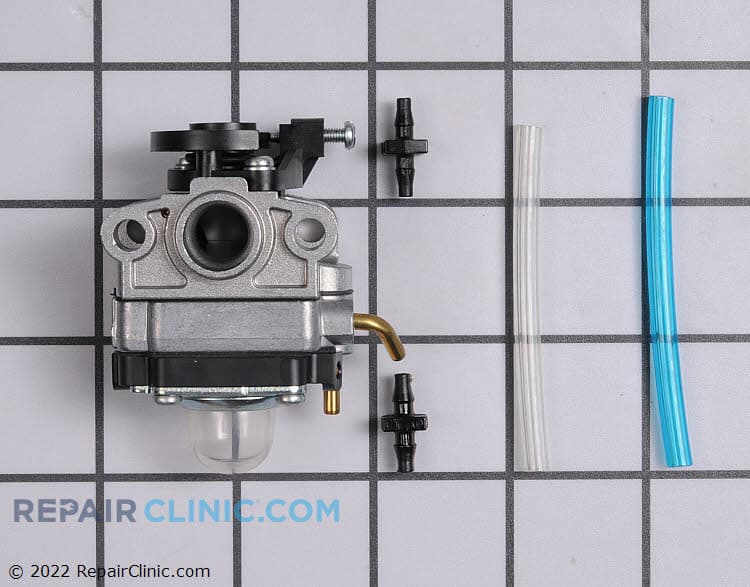
Replacement carburetor kit
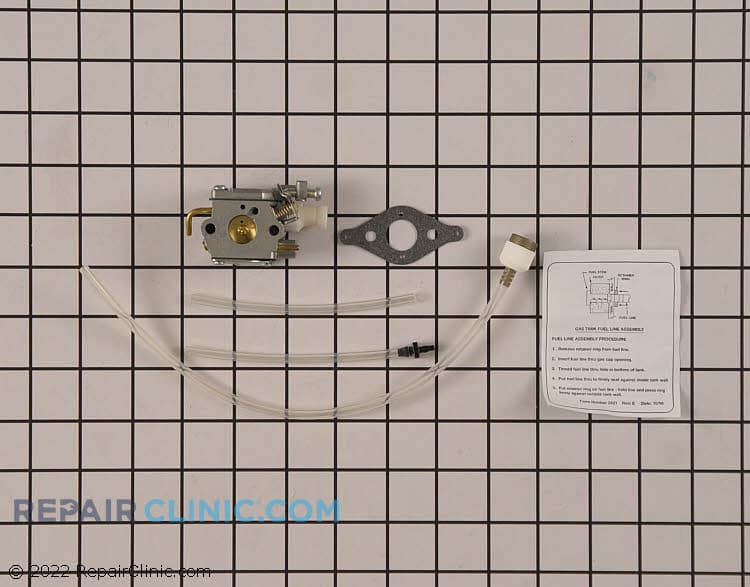
Carburetor assembly w/fuel lines & filter
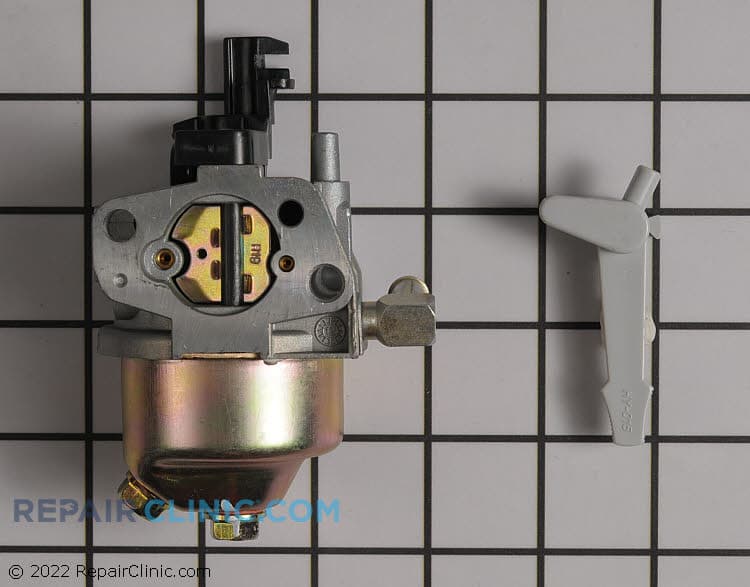
Carburetor assembly
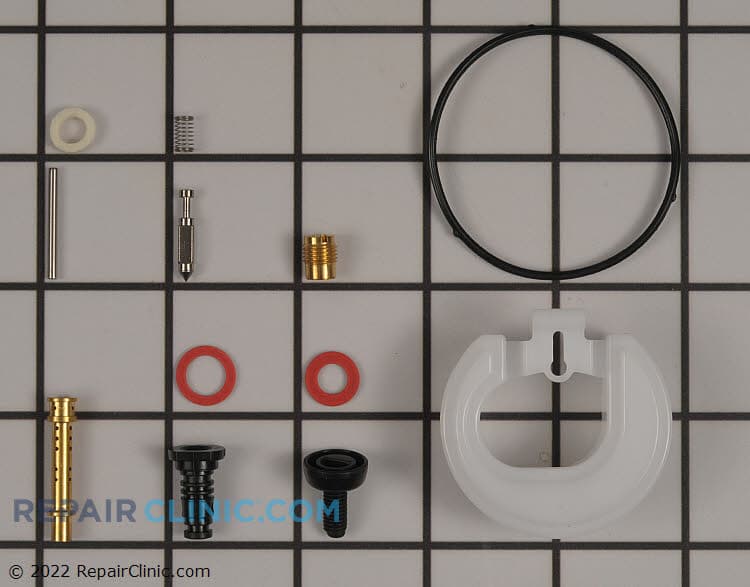
Carburetor kit-major


Disk
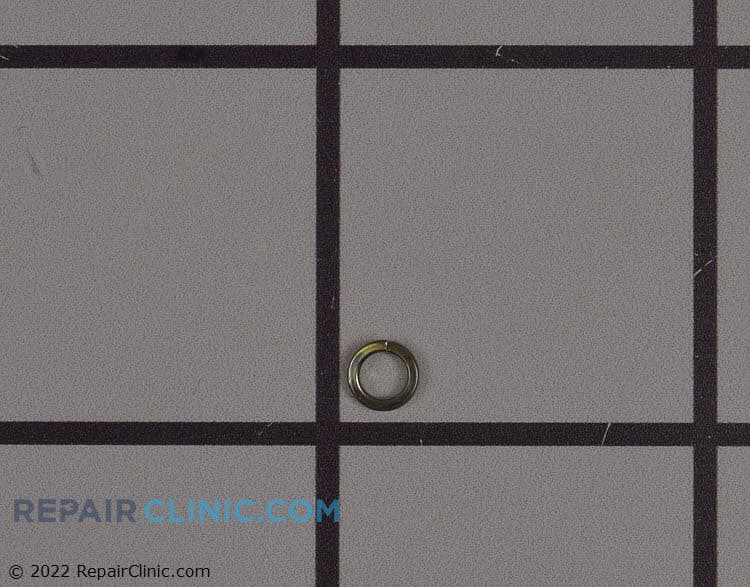
Choke control lever
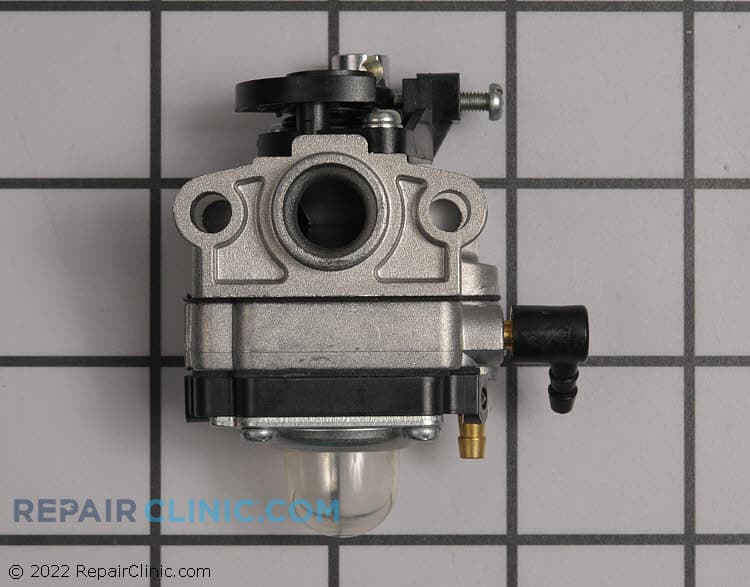
Carb ac-2.1 w/prime
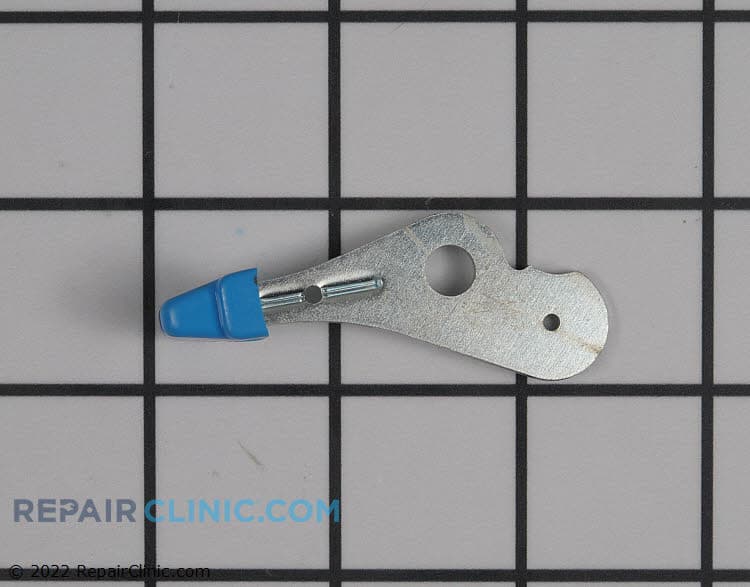
Choke lever asm w/knob


Troy-Bilt Tiller Carburetor Parts
The carburetor is the #1 failure point on Troy-Bilt tillers — ethanol in modern fuel gums up the float needle, clogs the jets, and corrodes the bowl. When your Troy-Bilt won't start, runs rough, or dies under load, the carburetor is almost always why. A carburetor rebuild kit with new gaskets, seals, and needle often fixes the problem without a full replacement.
Repair Clinic stocks OEM Troy-Bilt carburetors and rebuild kits for every model year. Find the right parts using your tiller model number — we'll match you with the exact carburetor assembly or service kit your machine needs.
- Carburetor won't fuel tiller: Clogged jets or stuck float valve — rebuild kit first, full carb if jets are severely damaged
- Tiller hard to start or won't start: Ethanol-damaged needle and seat — OEM replacement stops the stumbling
- Rough idle or stalling under load: Fuel mixture screws or bowl gasket leak — tune or replace the carb assembly
- Black smoke or rich running: Float stuck open or needle stuck closed — carburetor service kit restores proper mixture
- Fuel leaking from carburetor bowl: Cracked bowl or failed seals — bowl gasket kit or full assembly replacement needed
Find Replacement Troy-Bilt Tiller Carburetor Parts Online by Model or Part Number
Popular Troy-Bilt Tiller Models
Troy-Bilt Tiller Carburetor FAQs
Why does my Troy-Bilt tiller carburetor fail so often?
Modern gasoline contains ethanol, which absorbs water and corrodes carburetor parts — especially the brass float needle and seat. After sitting for even a few weeks, ethanol hardens into varnish that clogs jets and prevents fuel flow. A rebuild kit with fresh gaskets, seals, and a new needle/seat assembly costs $15 to $40 and fixes most failures. If your tiller sat all winter with fuel in the carb, a rebuild kit is the first move before buying a new carburetor.
How do I know if my carburetor or the fuel system is the problem?
Check fuel flow first: disconnect the fuel line at the carburetor and see if fuel flows into a cup when you open the fuel valve. If no fuel flows, the problem is upstream — blocked fuel line, bad fuel filter, or stuck petcock valve. If fuel flows freely but the tiller still won't start, the carburetor jets or float are clogged. A carburetor rebuild kit is your first troubleshooting step. If the carb is truly damaged inside (cracked casting, severely corroded jets), then order the full OEM replacement.
What's the difference between a Troy-Bilt carburetor rebuild kit and a full replacement?
A rebuild kit includes gaskets, seals, float needle, seat, and O-rings — everything that wears or gets clogged from ethanol. Kits run $15 to $40 and work for 80% of carb failures. A full carburetor assembly ($50 to $120) is pre-built and ready to bolt on; order one if the casting is cracked, the bowl is stripped, or if rebuild didn't fix the problem. Use your model number to confirm which kit fits your tiller's carburetor type.
How do I find my Troy-Bilt tiller model number for the correct carburetor part?
Look for a metal tag on the tiller frame near the engine — it lists the model number (usually starts with a two-digit year code). Write down the full number and enter it into the Troy-Bilt Tiller Parts. Troy-Bilt tillers use different carburetors by model year, so the exact number matters. If you can't find the tag, describe the tiller size and engine (front-tine or rear-tine) and we'll help narrow it down.
Order Troy-Bilt Tiller Carburetor Replacement Online
Keep your Troy-Bilt tiller running efficiently by replacing a faulty carburetor promptly. With same-day shipping on most in-stock items, you'll have your replacement part fast, minimizing downtime. Our model/part number lookup finds the exact OEM part for your unit, and every order is backed by our 365-day return policy and price-match guarantee. If your Troy-Bilt tiller carburetor is failing — showing symptoms like reduced performance, unusual noise, or complete non-operation — replacement is typically the fastest fix. Browse our full library of Troy-Bilt repair resources for troubleshooting guides and installation videos.
Troy-Bilt Tiller Model Number: Where to Look
On Troy-Bilt tillers, look for a metal model tag on the frame near the engine or a label on the engine housing. The number may also be near the recoil starter, depending on the tiller design. Clean off dirt and copy every letter, number, and hyphen exactly as shown. Nearby serial or engine numbers are not the same thing. Put the complete model number into the site search bar to narrow the full Troy-Bilt tiller parts catalog to parts built for your machine. This avoids mixing parts from similar model years and makes the right match easier to confirm before checkout.

Get Your Troy-Bilt Tiller Working Again with Online Repair Help
Repair Clinic's online repair resources give you a clear path to fix your Troy-Bilt Tiller without a service call. Symptom articles help identify the likely cause, part testing videos confirm the failed component, and step-by-step repair guides walk you through the installation with photos and video. Look up your model number to match the correct OEM part on the first try.
Related Articles: Small Engine Parts





Family-owned and operated since 1912, Burke America Parts Group is the longest-running genuine appliance, HVAC, and outdoor power equipment parts solution in North America. At Repair Clinic, we're proud to be an international brand trusted by the pros as well as the DIY community.
About Repair Clinic