


 Price Match Guarantee
Ryobi Tiller Pin Replacement
Find the right part faster
Multiple models matched. Select your model to confirm fit.




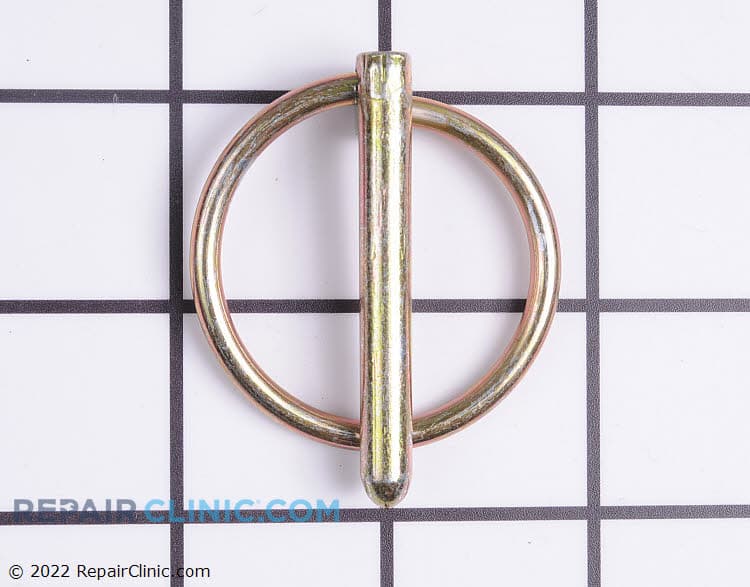
Retaining pin
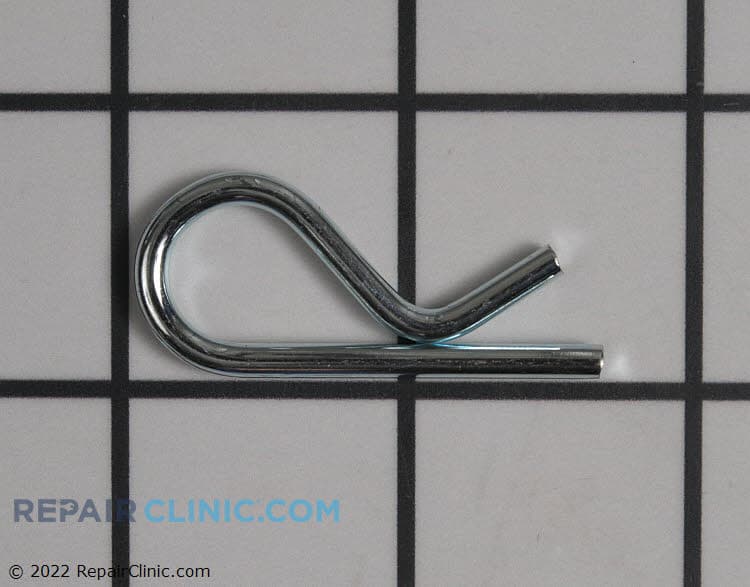
Husqvarna spring retainer
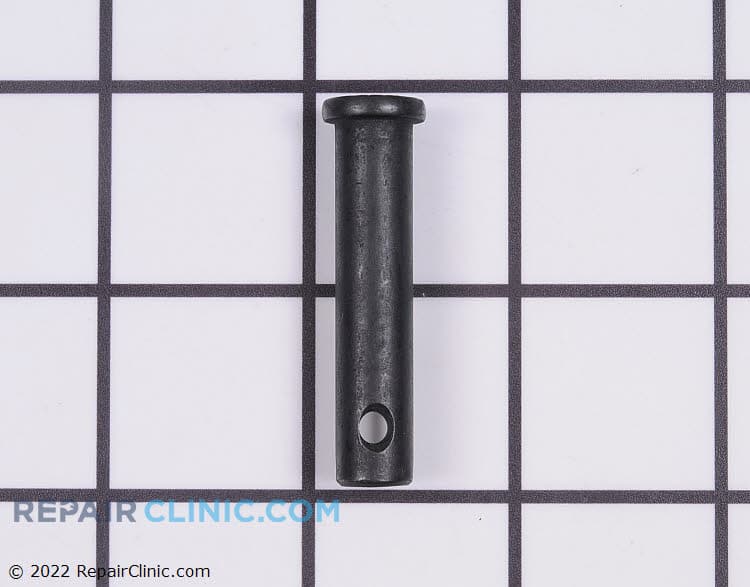
Clevis pin, 3/8 x 1.75
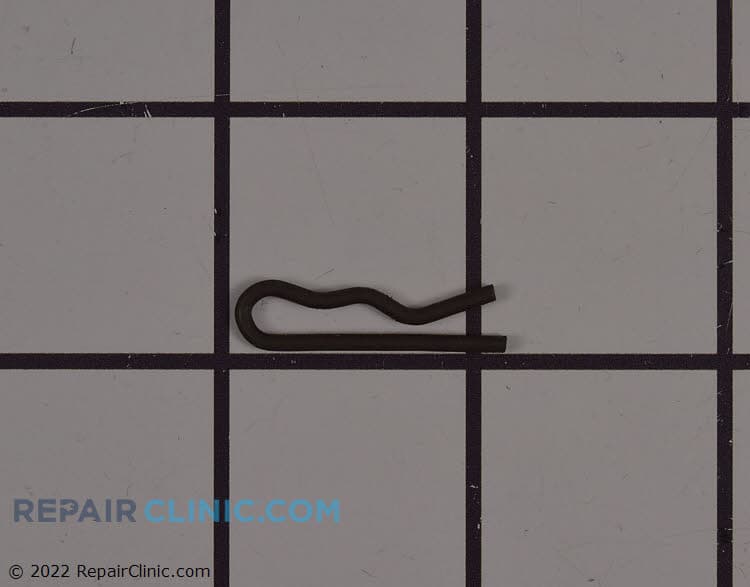
Pin:cot:.072 dia. 1.13 lg
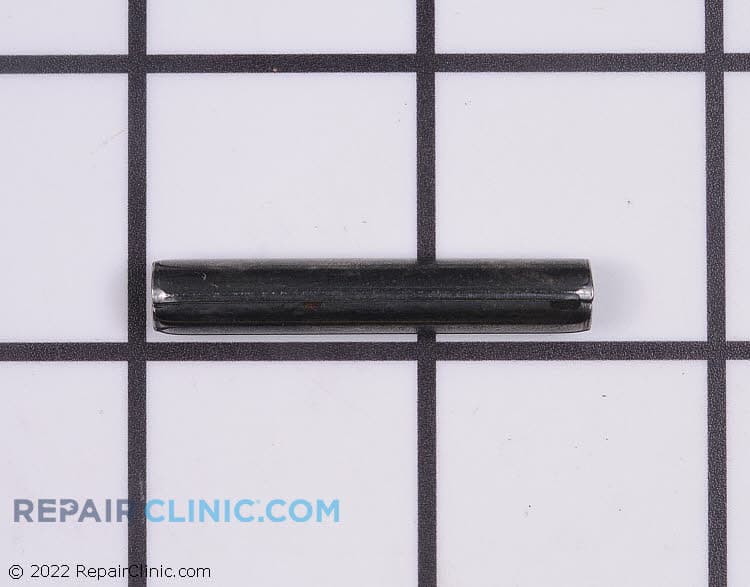
Roll pin 1/4" Diameter x 1 1/2" Long
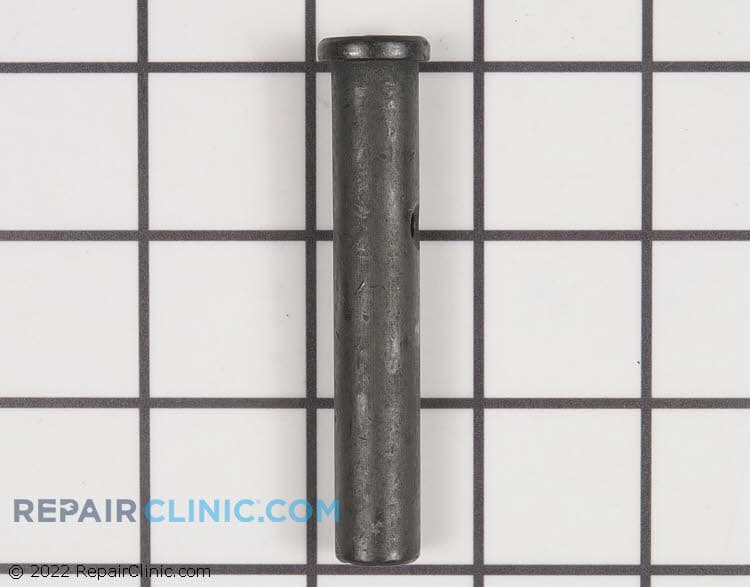
Pin clevis
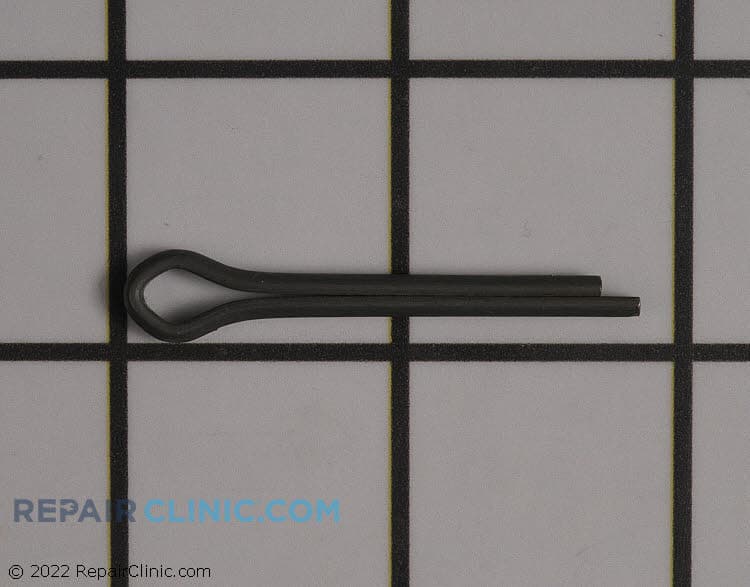
Cotter pin:5/32

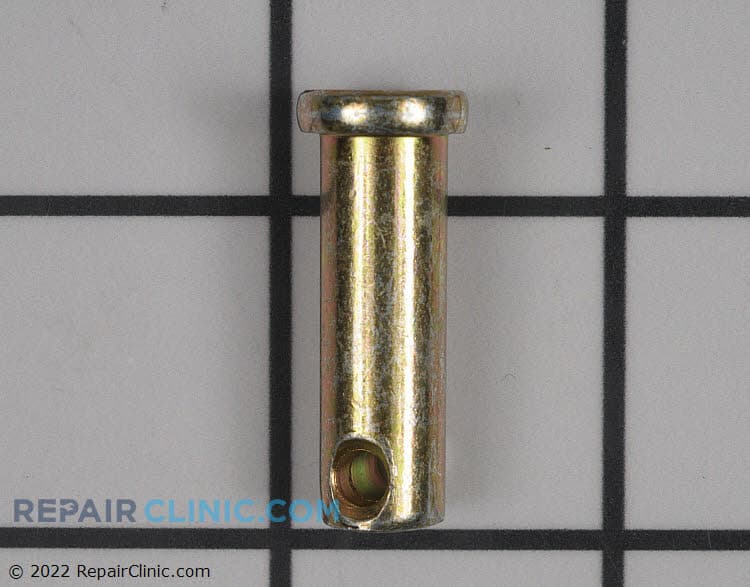
Pin, clevis

Pin
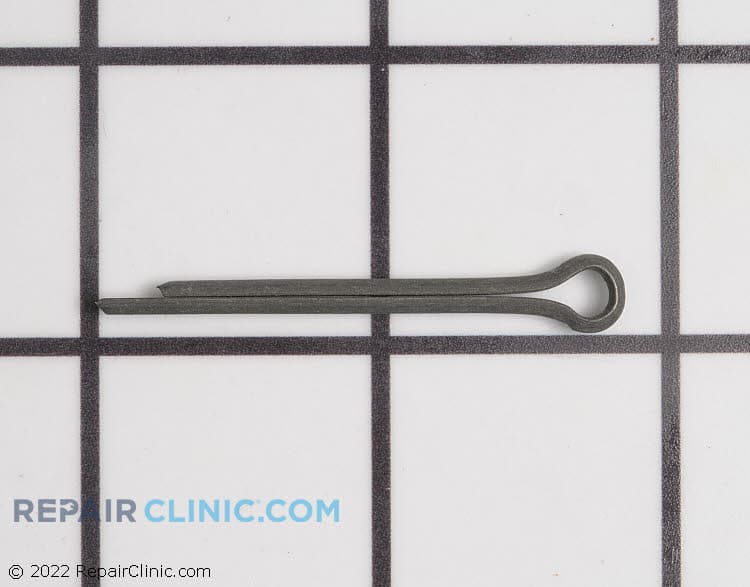
Cotter pin: 1/8 x 1.25
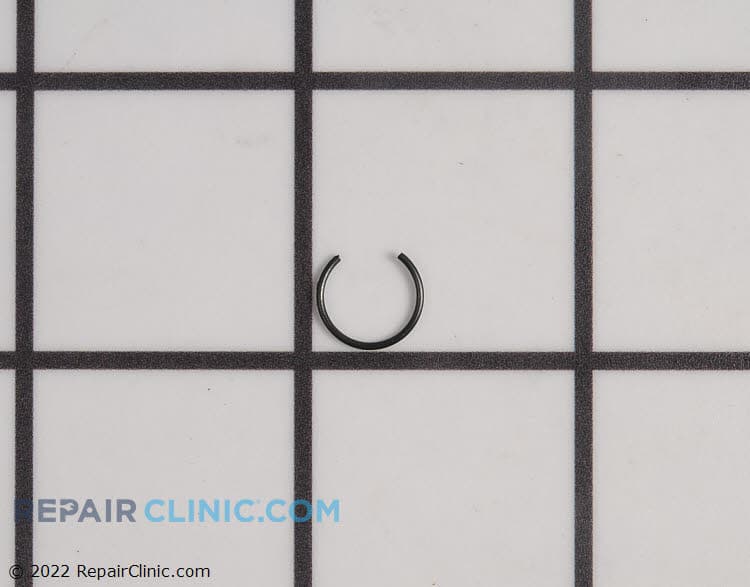
Circle clip, wrist pin
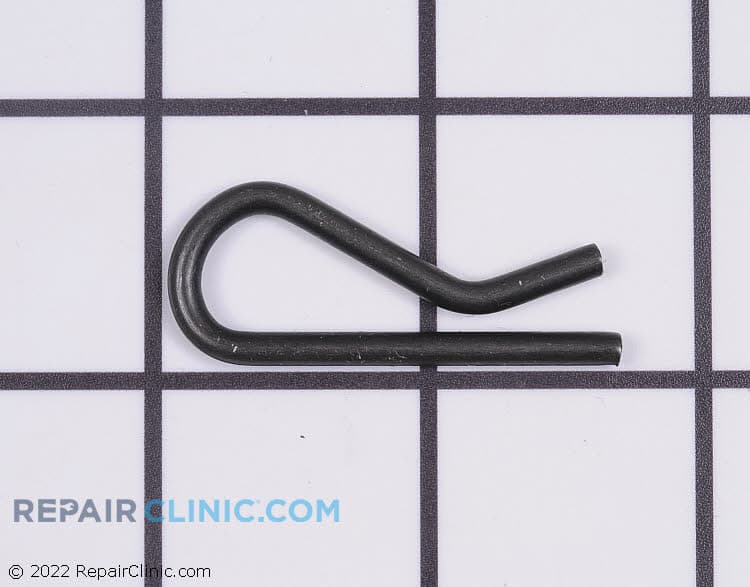
Pin-cotter
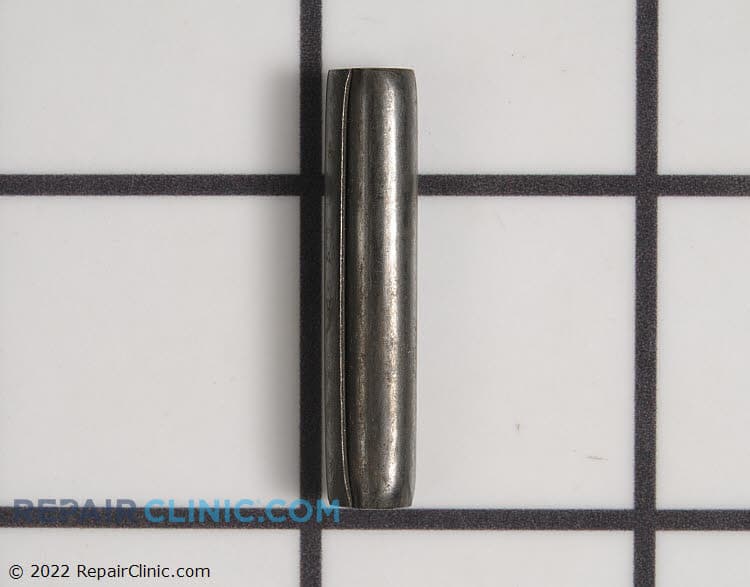
Pin-spring-spir
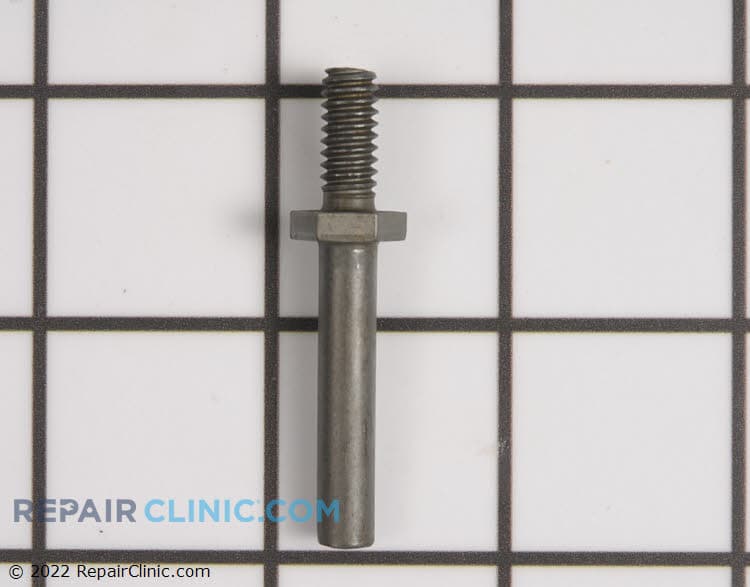
Pin-belt guard
Pin-hinge


Ryobi Tiller Fastener and Pin Parts
Ryobi tillers rely on fasteners and pins to hold the tines, belts, and drive parts securely in place during operation. Shear pins are the most critical — they're designed to break when the tines jam on a hidden rock or root, protecting the transmission from catastrophic damage. Fasteners loosen over time from vibration, and pins wear or bend from seasonal use. Keeping OEM fasteners and shear pins on hand means you're never stuck mid-season.
Whether you need replacement shear pins for your Ryobi front-tine or rear-tine tiller, fastener kits, or cotter pins and clips, enter your model number below to find the exact parts your tiller needs. OEM Ryobi fasteners help support proper fit and correct shear ratings.
- Shear pins/bolts: tine jam protection; designed to break; buy a multi-pack
- Cotter pins and clips: secure tine axles and belt pulleys; prevent part loss
- Fastener kits: hardware refresh for seasonal maintenance; includes bolts, washers, nuts
- Retaining rings: hold sprockets and pulleys on shafts; clip or snap ring styles
- Axle pins and shaft keys: align tine assemblies and transmission parts
Ryobi Tiller Fastener & Pin Parts — Frequently Asked Questions
Why do Ryobi tiller shear pins break so often?
Shear pins are supposed to break — that's their job. When the tines jam on a hidden rock, stump, or thick root, the shear pin absorbs the shock and snaps rather than letting the impact wreck your transmission or tine shaft. If you're going through shear pins constantly, it usually means your soil is rockier than you realize, or the pin diameter doesn't match your tiller's design. Always buy OEM shear pins — aftermarket versions sometimes use inferior metal and snap too easily or too hard.
How do I know which fastener size I need for my Ryobi tiller?
The easiest way is to remove the old fastener, take it to a hardware store, and match it by diameter and length. Better yet, look up your model number on the Repair Clinic parts breakdown — the diagram shows every fastener and clip, and you'll see the exact OEM part number and size. Ryobi tiller fasteners vary between front-tine and rear-tine models, so model number verification is always the safest bet.
Can I use a universal fastener instead of the OEM Ryobi part?
You might be able to substitute a fastener of the same diameter and grade, but for shear pins specifically, you should always use OEM. The shear rating (how much load it takes to break) is engineered for your tiller's transmission — a substitute pin might hold when it shouldn't, or snap when you least expect it. For other fasteners like bolts and cotter pins, a matching universal fastener can work, but OEM parts come with the right hardware and finish.
My Ryobi tiller fasteners keep coming loose — what's the fix?
Vibration from tiller operation naturally loosens bolts and fasteners over time. Before each season, do a fastener walk-through: check every bolt on the tine assembly, transmission housing, and belt guards. Use a wrench to snug them down. If bolts keep loosening even after tightening, either the threads are stripped (replacement bolt needed) or you need a lock washer or threadlocker compound under the head. OEM fastener kits often include lock washers — that's the right approach.
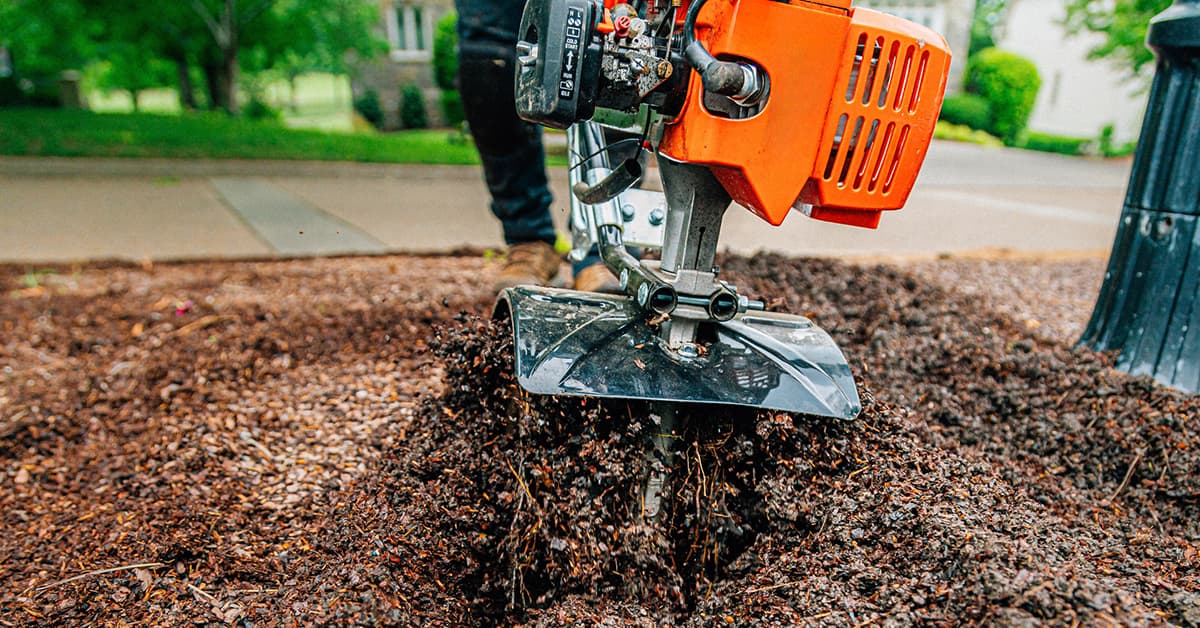
Order Ryobi Tiller Fastener Pin Replacement Online
Keep your Ryobi tiller running efficiently by replacing a faulty fastener pin promptly. With same-day shipping on most in-stock items, you'll have your replacement part fast, minimizing downtime. Our model/part number lookup finds the exact OEM part for your unit, and every order is backed by our 365-day return policy and price-match guarantee. If your Ryobi tiller fastener pin is failing — showing symptoms like reduced performance, unusual noise, or complete non-operation — replacement is typically the fastest fix. Browse our full library of Ryobi repair resources for troubleshooting guides and installation videos.
Ryobi Tiller Model Number: Where to Look
On Ryobi tillers, check the engine housing, frame, or area near the recoil starter for a model number label or metal plate. Clean off dirt and look for a mix of letters and numbers, taking care not to confuse the model number with the engine or part number. Once you have it, enter the number in the model lookup to narrow the entire catalog to parts made for your specific tiller, including fasteners, pins, belts, tines, and other parts. Matching the model before you order saves time and helps prevent choosing hardware with the wrong dimensions or fit.

Ryobi Tiller Troubleshooting and Repair Guides
Ryobi Tiller problems usually trace back to a handful of common causes, and Repair Clinic's online resources help you find them fast. Symptom articles, diagnostic videos, and part testing walkthroughs guide you through the checks that isolate the failed part. Once identified, look it up by model number and follow the installation guide to complete the fix.
Related Articles: Small Engine Parts





Family-owned and operated since 1912, Burke America Parts Group is the longest-running genuine appliance, HVAC, and outdoor power equipment parts solution in North America. At Repair Clinic, we're proud to be an international brand trusted by the pros as well as the DIY community.
About Repair Clinic