


 Price Match Guarantee
Briggs & Stratton Pressure Washer Spark Plug Parts
Find the right part faster
Multiple models matched. Select your model to confirm fit.




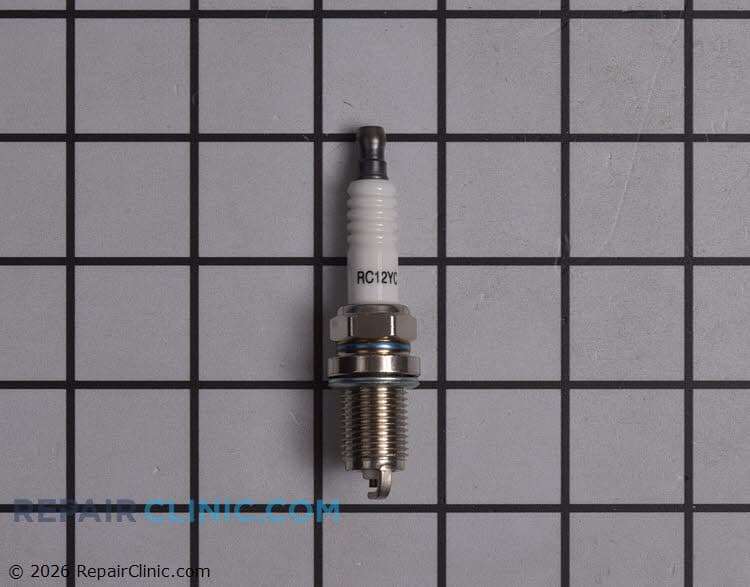
Champion Spark Plug (RC12YC). The spark plug ignites the fuel and air mixture in the cylinder to power the engine. If the spark plug is burnt, fouled or damaged the engine may not start or may run rough.
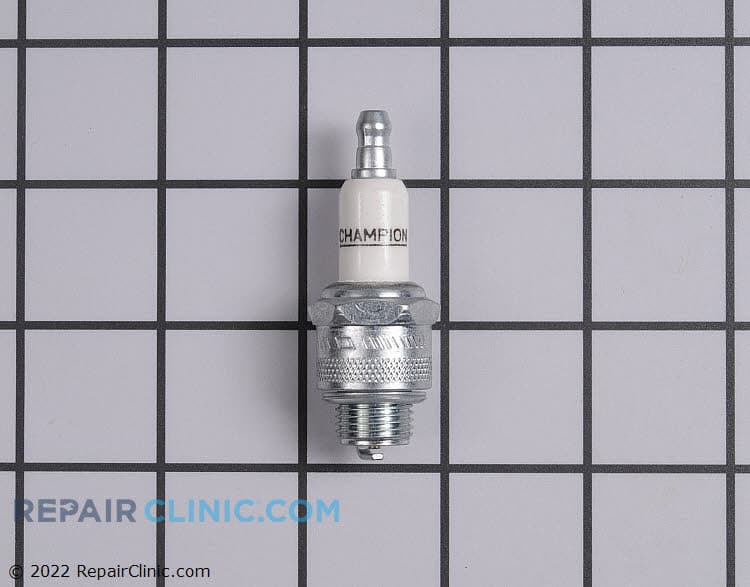
Small engine Champion spark plug (RJ19LM). If the engine does not start, the spark plug may be defective. The spark plug should be replaced periodically during regular maintenance.
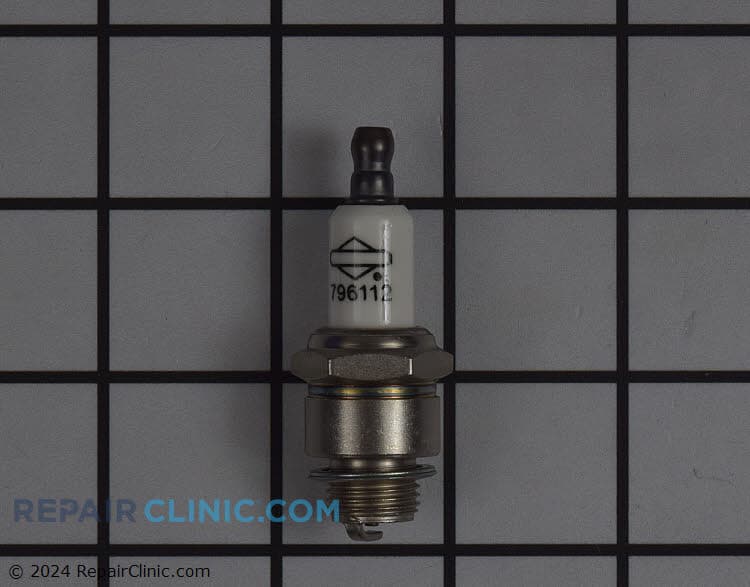
Briggs & Stratton Spark Plug (RJ19LM). If the engine does not start or runs poorly then the spark plug may be defective and will need replacement.
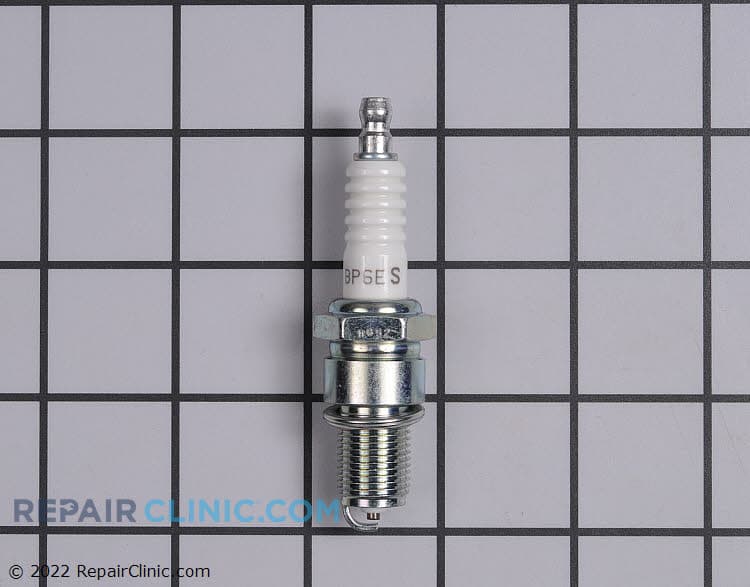
Small engine NGK spark plug (BPR6ES). If the engine does not start, the spark plug may be defective. The spark plug should be replaced periodically during regular maintenance.
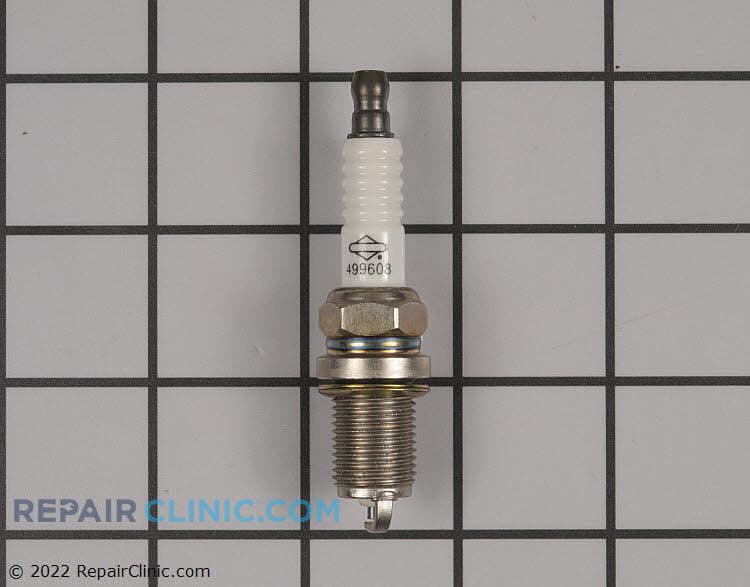
Briggs & Stratton Spark Plug (RC12YC), Selected Engines 3/LC Gas (.020 gap)
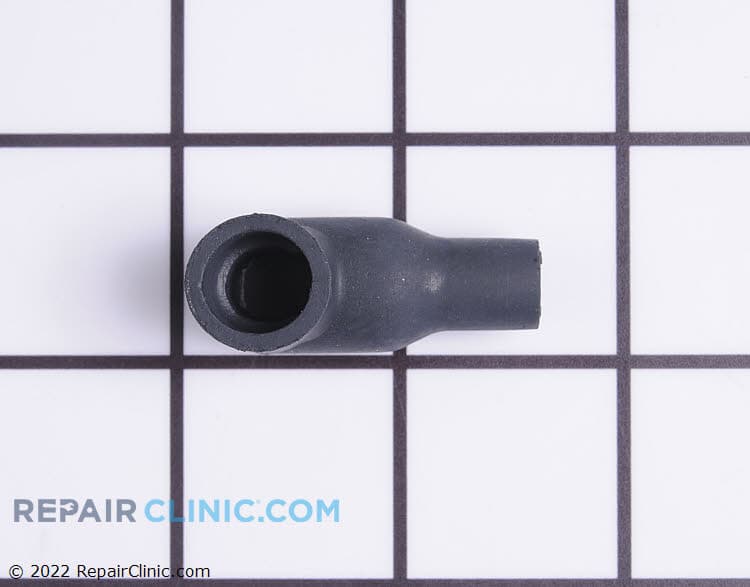
Spark plug boot
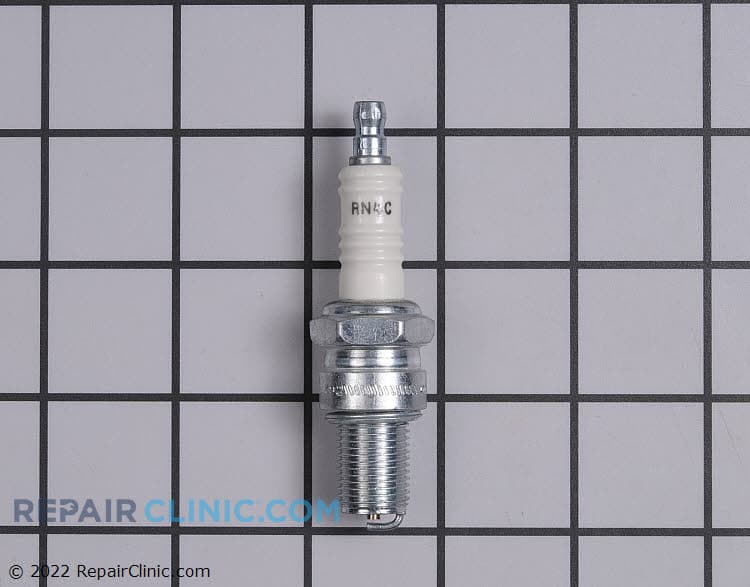
Champion Spark Plug (RN4C)
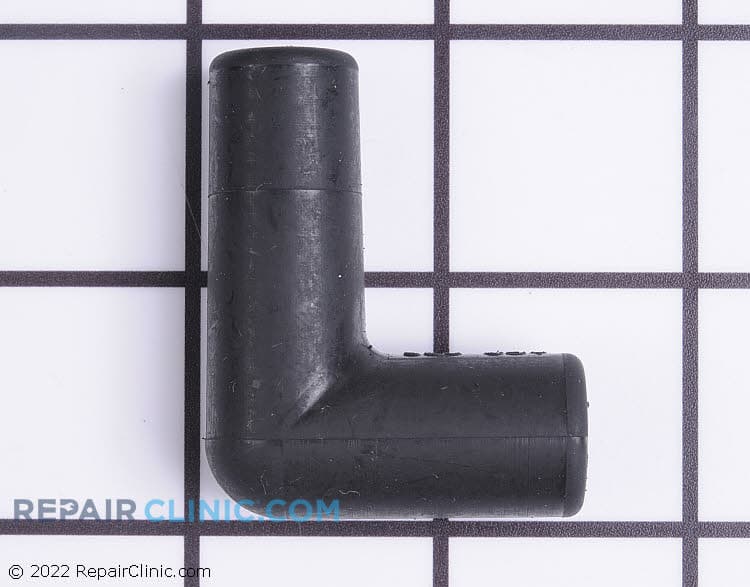
Spark plug boot


Briggs & Stratton Pressure Washer Spark Plugs
The spark plug is the ignition point for every combustion cycle in your Briggs & Stratton pressure washer engine. When the plug fouls, gaps, or fails to fire, you'll notice hard starting, rough idling, or complete no-start conditions. OEM Briggs & Stratton spark plugs are engineered to the exact heat range and electrode gap your engine needs — aftermarket substitutes can cause running issues or incomplete combustion.
Spark plugs are maintenance items that should be replaced seasonally or every 100 to 200 operating hours, especially if your pressure washer sits during off-season. Ethanol-blend fuel leaves deposits faster, so spring startup calls for a fresh plug. We carry the correct Champion and NGK spark plug types for every Briggs & Stratton pressure washer model.
- Hard starting or won't start: Fouled electrode, carbon buildup, or incorrect gap
- Rough idle or surging: Weak spark; electrode erosion reduces ignition strength
- White or black residue on plug: Lean/rich fuel mix; may indicate plug heat range issue
- Visible gap widening: Normal wear; gaps beyond spec reduce spark reliability
- Oil or fuel fouling: Crankcase blow-by or carburetor overflow; address root cause and replace plug
Find Replacement Briggs & Stratton Pressure Washer Spark Plug Parts Online by Model or Part Number
Popular Briggs & Stratton Pressure Washer Models
Briggs & Stratton Pressure Washer Spark Plug FAQ
What is the correct spark plug heat range for my Briggs & Stratton pressure washer?
Briggs & Stratton engines in pressure washers typically use Champion RJ19LM, RJ19LX, or NGK equivalent plugs (BR2LM or BR2LX). The heat range and gap are calibrated for your specific engine displacement and fuel system. Always verify the part number on your engine block or consult your model number — using the wrong heat range causes fouling or preignition, both of which reduce engine life. Repair Clinic's model lookup confirms the exact OEM spark plug for your unit.
How often should I replace the spark plug on my pressure washer?
Replace the spark plug at the start of each season (spring for most users), or every 100 to 200 running hours if you use the pressure washer regularly. Ethanol-blend gasoline leaves varnish and deposits on plugs faster than ethanol-free fuel. If your pressure washer has sat for more than 30 days with fuel in the tank, a fresh spark plug before restart is always the safest move. Even if the old plug appears to spark, electrode erosion reduces ignition voltage over time.
Why won't my Briggs & Stratton pressure washer start even with a new spark plug?
A new spark plug fixes most no-start issues, but if starting still fails, check: (1) Fuel flow — verify fuel valve is open and carburetor bowl has fresh gas; (2) Spark plug gap — confirm it matches OEM spec (usually 0.030 to 0.040"); (3) Ignition coil — if there's no spark at the plug after gap adjustment, the coil may have failed; (4) Compression — remove the plug, cover the hole with your thumb, and pull the cord — you should feel compression resistance. If multiple checks fail, a technician may be needed, but 90% of hard-start Briggs & Stratton pressure washers are fixed by carburetor cleaning + fresh spark plug.
What does a fouled spark plug look like and what causes it?
A fouled spark plug shows heavy black carbon, wet oil residue, or white crusty deposits on the electrode. Carbon fouling (black) indicates a rich fuel mixture — check the carburetor jets or air filter blockage. Oil fouling (wet) suggests crankcase blow-by or overfilled oil — top off oil level and check the air filter for leaks. White deposits indicate a heat range that's too cold for your engine. Always clean or replace the plug, but address the underlying cause (carburetor tuning, air filter, oil level) to prevent immediate refouling.
Order Briggs & Stratton Pressure Washer Spark Plug Parts Online
Keep your Briggs & Stratton pressure washer running smoothly with genuine spark plug replacement parts. Easily find and order the exact pressure washer parts you need online using our model number lookup. Enjoy the convenience of same-day shipping, ensuring your pressure washer is back in action quickly. Plus, take advantage of our No-Hassle 365-Day Returns and Price Match Guarantee for peace of mind. Regular maintenance, such as replacing worn spark plugs, can prevent issues like rough running or stalling, ensuring reliable operation. For more tips, visit our Pressure Washer Repair Help page. Browse our range of Briggs & Stratton Pressure Washer Parts to further support your repair solutions.
Briggs & Stratton Pressure Washer Model Number: Where to Look
On Briggs & Stratton pressure washers, check the frame near the engine first for a model number label or plate. You may also find it on a sticker attached to the pump housing or elsewhere on the frame. Look for the complete pressure washer model number, not just the engine identification, and copy every letter, number, and hyphen exactly as shown. Type it into the model number search bar to narrow the catalog to parts made for your entire unit. Using the model number helps match everything from maintenance items to repair parts, so you spend less time comparing specifications and get the right parts without guesswork.

Spark Plugs for Briggs & Stratton Pressure Washer
Regular spark plug replacement keeps your Briggs & Stratton Pressure Washer starting cleanly and running at full power. Repair Clinic stocks OEM spark plugs for a wide range of engines, along with installation videos and gap-setting guides. Use the model number lookup to confirm the exact spark plug specification for your engine, and keep a spare on hand for the next tune-up.
Related Articles: Pressure Washer Parts
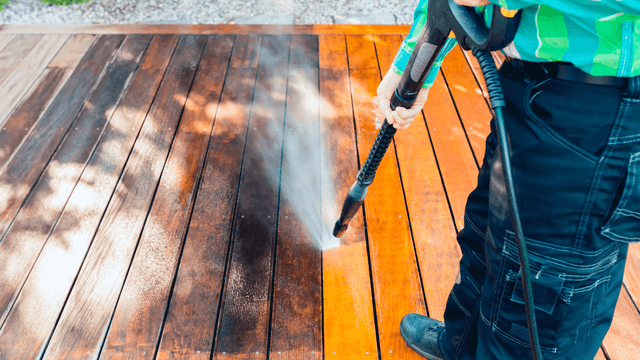
Why Your Pressure Washer Soap Injector Is Not Working
Learn the top reasons your pressure washer soap injector isn't working and how to fix it quickly. Diagnose clogged nozzles, injector valves, and other common issues.
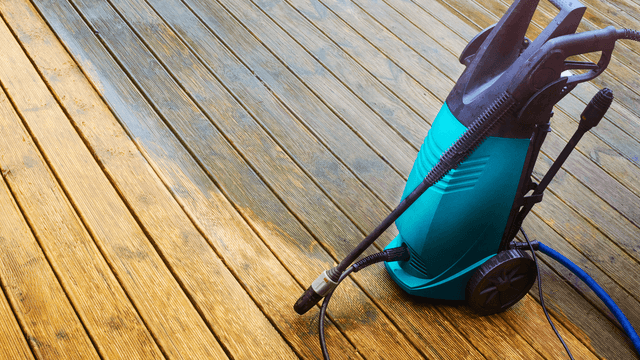
No Water Pressure In Your Pressure Washer? 2 Likely Causes
Is your pressure washer losing power? Find out the two most common reasons for low or no water pressure and how to troubleshoot them for fast, effective repairs.
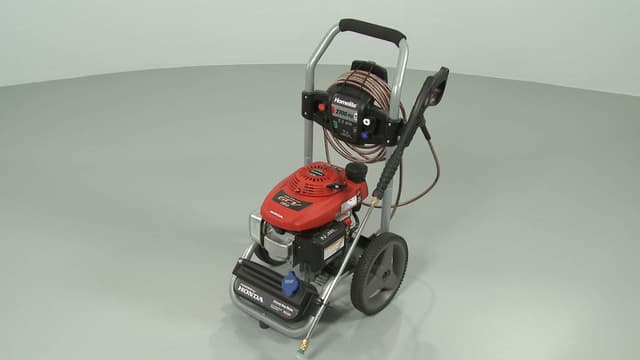
Top Reasons Why a Pressure Washer is Leaking Water From the Bottom or Pump
If your pressure washer is leaking water, the pump seals or thermal relief valve could be to blame. Learn how to identify and fix the source of water leaks fast.




Family-owned and operated since 1912, Burke America Parts Group is the longest-running genuine appliance, HVAC, and outdoor power equipment parts solution in North America. At Repair Clinic, we're proud to be an international brand trusted by the pros as well as the DIY community.
About Repair Clinic