


 Price Match Guarantee
Husqvarna Pressure Washer Hose, Tube & Fitting Parts
Find the right part faster
Multiple models matched. Select your model to confirm fit.




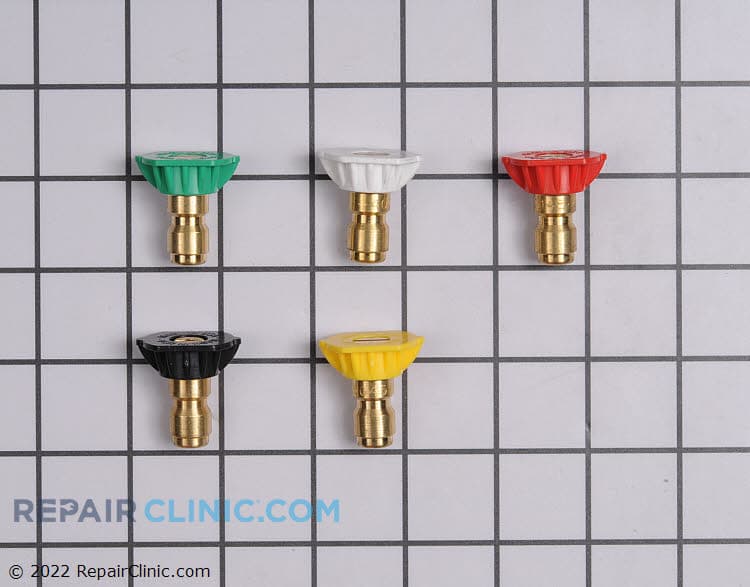
Pressure washer nozzle kit, quick connect

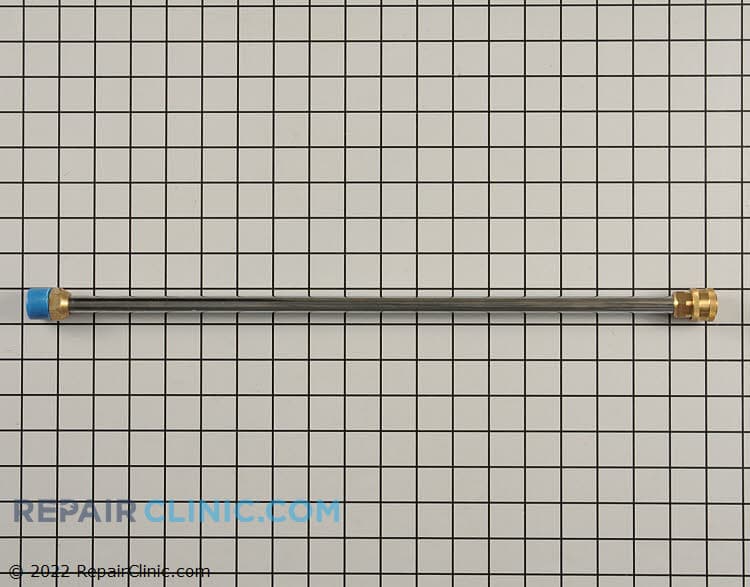
Wand-qc
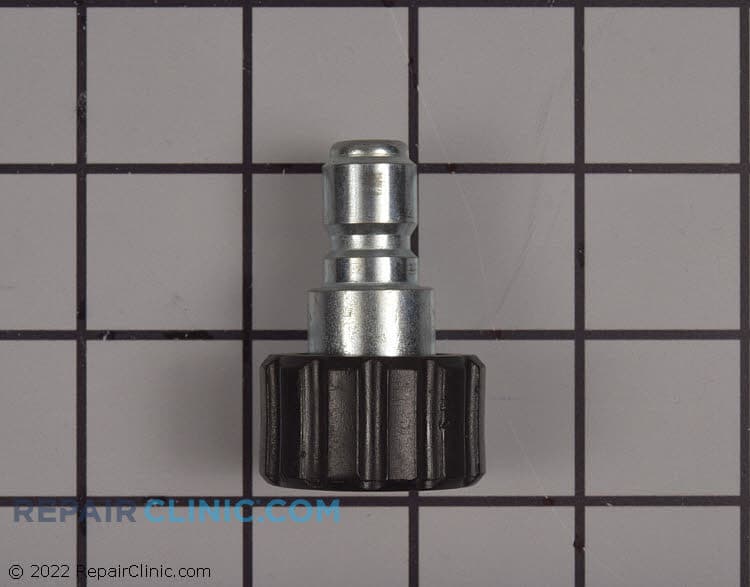
Quick connect plug
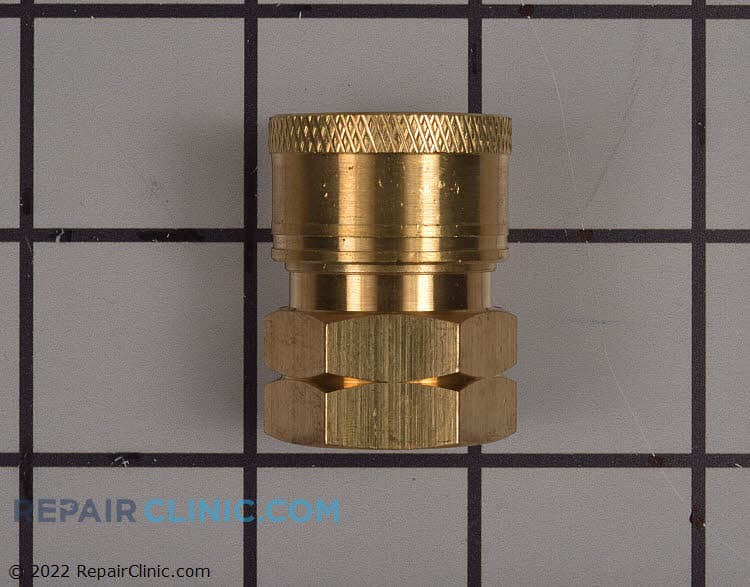
Quick connect socke

Acc kit qc spray tips pro
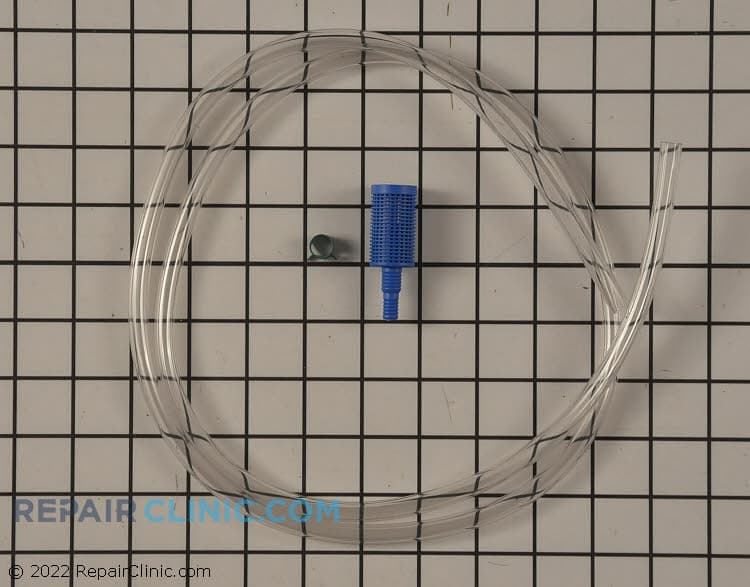
Kit chem hose/filter srv
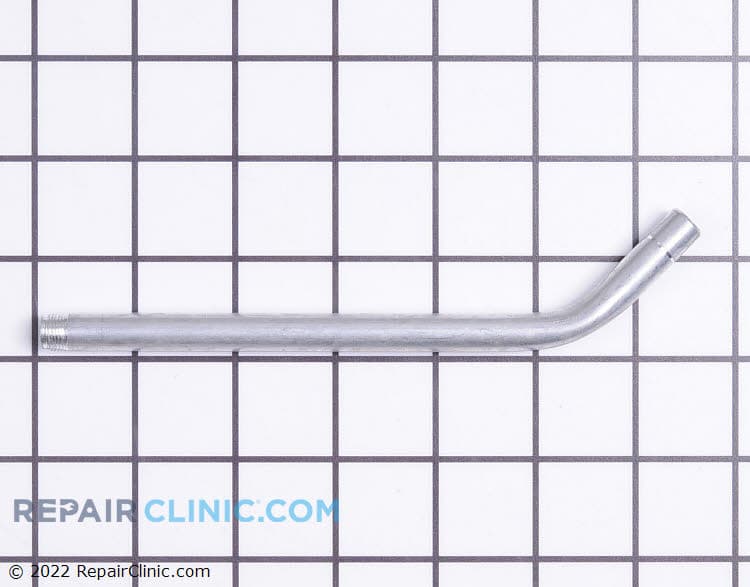
Tube-breather


Husqvarna Pressure Washer Hose & Tube Fitting Parts
Pressure washer hoses and fittings take a beating — they're exposed to high-pressure water, UV, and temperature extremes. When a hose cracks or a fitting fails, water sprays everywhere and pressure drops fast. Husqvarna hoses and tube fittings are engineered for the PSI your model generates, so OEM replacements maintain both performance and safety.
Check your hose for visible cracks, leaks at the connection points, or a sudden loss of pressure during operation. Fittings corrode or loosen over time, especially at the pump inlet and spray gun connection. Replacing both the hose and its fittings together prevents repeat failures.
- Inlet hoses: water delivery from tank to pump; lower pressure, larger diameter
- Discharge hoses: high-pressure output from pump to spray gun; reinforced construction; pressure-rated
- Garden hose adapters: connection fittings between tank inlet and water source
- O-ring kits: seals at hose connections; wear and leak over time
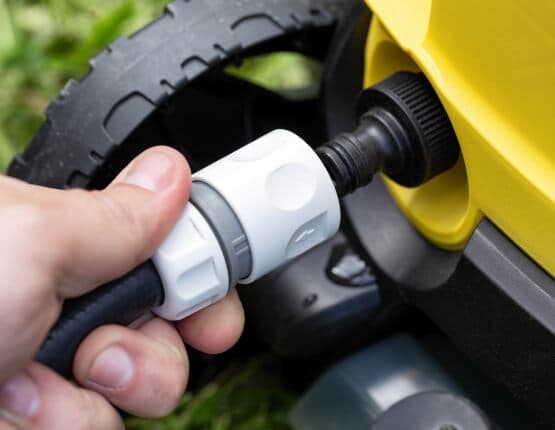
- Quick-connect couplers: spray gun connection points; wear-prone; cause pressure loss when worn
Find your Husqvarna model number on the nameplate (usually on the frame or pump housing) to get the exact hose diameter, length, and pressure rating. Browse Husqvarna pressure washer hose and fitting parts — enter your model number to confirm compatibility and order the correct hose assembly.
Find Replacement Husqvarna Pressure Washer Hose, Tube & Fitting Parts Online by Model or Part Number
Popular Husqvarna Pressure Washer Models
Related Husqvarna Pressure Washer Hose, Tube & Fitting Parts
Husqvarna Pressure Washer Hose & Fitting FAQs
Why is my Husqvarna pressure washer losing pressure during operation?
Pressure loss on a Husqvarna washer usually starts at the hose or fittings. Check for visible cracks in the hose, particularly near the pump outlet and spray gun connection — those high-stress points fail first. Inspect the quick-connect couplers at the spray gun; worn couplers allow water to bypass the nozzle, killing pressure. If the hose looks intact, a loose or corroded fitting at the pump inlet or discharge side may be letting water escape internally. Tighten all connections first; if pressure doesn't return, the hose or fitting assembly needs replacement.
What's the difference between inlet and discharge hoses on a Husqvarna pressure washer?
The inlet hose carries water from your tank or garden hose to the pump — it operates at low pressure (under 10 PSI) and can be a standard garden hose or Husqvarna inlet assembly. The discharge hose carries pressurized water from the pump to the spray gun — it must be rated for your model's PSI output (typically 2,500 to 3,200 PSI for residential Husqvarna models). Discharge hoses are reinforced with internal wire or synthetic braid to withstand that pressure. Using a standard garden hose as a discharge hose will fail immediately and create a safety hazard — always use the OEM pressure-rated discharge hose for your model.
How do I find the correct hose size for my Husqvarna pressure washer?
Check your owner's manual or the nameplate on your Husqvarna unit for the hose diameter (typically 5/16" or 3/8") and length (usually 25 to 50 feet). The manual will also list the pressure rating in PSI. If you've lost the manual, your Husqvarna model number (found on the pump or frame) will match you to the exact hose assembly — enter it on Repair Clinic to see your OEM hose and fitting options. Measure your old hose if you still have it, but always verify the pressure rating; a hose rated for lower PSI will burst under your machine's output.
Are O-ring kits necessary when replacing a pressure washer hose?
Yes — O-rings at hose connections wear and harden over time, especially if your washer sat unused with water in the lines. Even a new hose will leak if the old O-rings are reused. Husqvarna O-ring kits include all the seals for pump inlet, discharge outlet, and spray gun connections. Replacing them together with the hose ensures no leaks at connection points and prevents pressure loss. O-rings are inexpensive ($5 to $15) and quick to swap; it's the smart preventive move.
Order Husqvarna Pressure Washer Hose, Tube & Fitting Parts Online
Ensure your Husqvarna pressure washer is operating at peak efficiency with genuine hose, tube, and fitting parts. Finding the right replacement parts is easy with our online model number and part number lookup. Enjoy the convenience of same-day shipping, ensuring your project stays on schedule. With our Price Match Guarantee and No-Hassle 365-Day Returns, you can shop confidently knowing you're getting competitive pricing on quality parts. Whether you're a homeowner or a professional technician, our parts help maintain your pressure washer's efficiency and longevity. For more solutions, visit our Pressure Washer Repair Help section. Find Husqvarna Pressure Washer Parts for additional options.
Husqvarna Pressure Washer Model Number: Where to Look
On Husqvarna pressure washers, look for the model number on the equipment label attached to the frame or pump housing. The label may also list the serial number, so copy the model number carefully, including letters, numbers, and any hyphens or slashes. Enter it in the model number search to pull up the parts matched to your unit. This filters the complete Husqvarna pressure washer parts catalog, not just hose, tube, or fitting options, so you can review parts made for your specific machine. Using the model number is the quickest way to be sure the part fits before you order.

Husqvarna Pressure Washer Troubleshooting Videos and Repair Articles
Repair Clinic's online repair library is where Husqvarna Pressure Washer owners and technicians go to diagnose the problem and complete the fix. Video walkthroughs, symptom articles, part testing tutorials, and exploded-view diagrams cover the most common repairs from start to finish. Model number lookup confirms the exact OEM part before you order.
Related Articles: Pressure Washer Parts
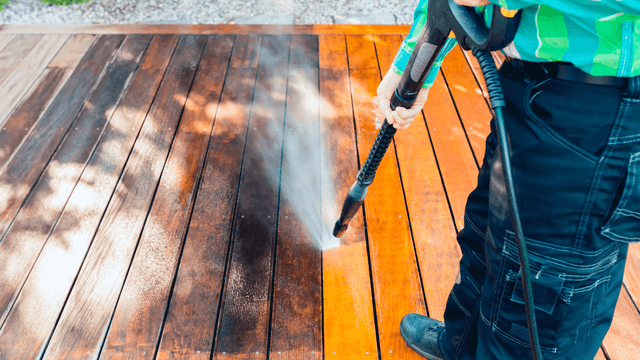
Why Your Pressure Washer Soap Injector Is Not Working
Learn the top reasons your pressure washer soap injector isn't working and how to fix it quickly. Diagnose clogged nozzles, injector valves, and other common issues.
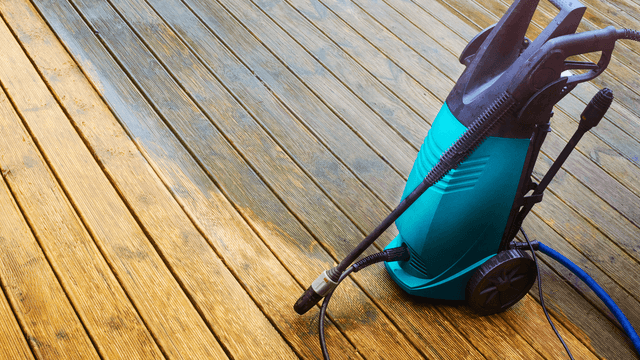
No Water Pressure In Your Pressure Washer? 2 Likely Causes
Is your pressure washer losing power? Find out the two most common reasons for low or no water pressure and how to troubleshoot them for fast, effective repairs.
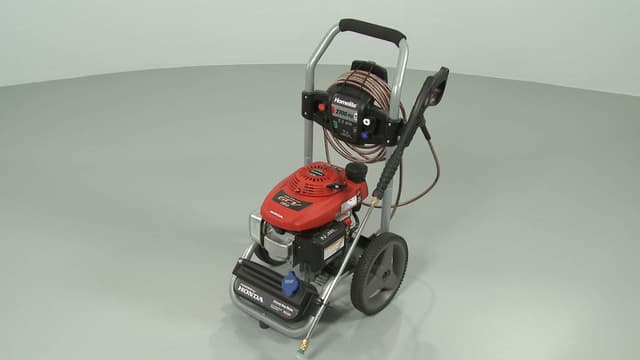
Top Reasons Why a Pressure Washer is Leaking Water From the Bottom or Pump
If your pressure washer is leaking water, the pump seals or thermal relief valve could be to blame. Learn how to identify and fix the source of water leaks fast.




Family-owned and operated since 1912, Burke America Parts Group is the longest-running genuine appliance, HVAC, and outdoor power equipment parts solution in North America. At Repair Clinic, we're proud to be an international brand trusted by the pros as well as the DIY community.
About Repair Clinic