


 Price Match Guarantee
Troy-Bilt Pressure Washer Spark Plug Parts
Find the right part faster
Multiple models matched. Select your model to confirm fit.




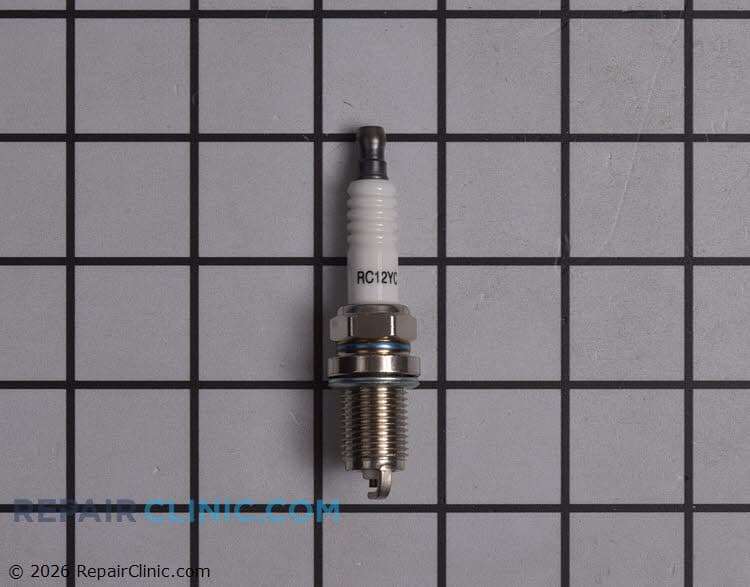
Champion Spark Plug (RC12YC). The spark plug ignites the fuel and air mixture in the cylinder to power the engine. If the spark plug is burnt, fouled or damaged the engine may not start or may run rough.
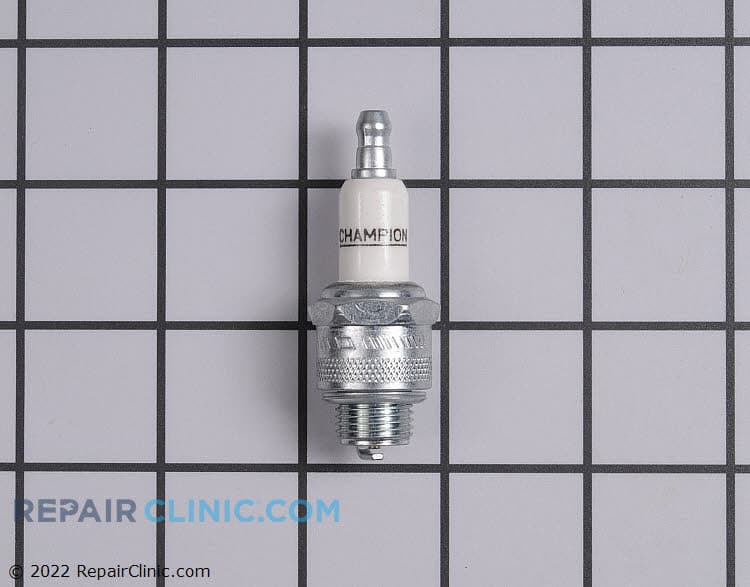
Small engine Champion spark plug (RJ19LM). If the engine does not start, the spark plug may be defective. The spark plug should be replaced periodically during regular maintenance.
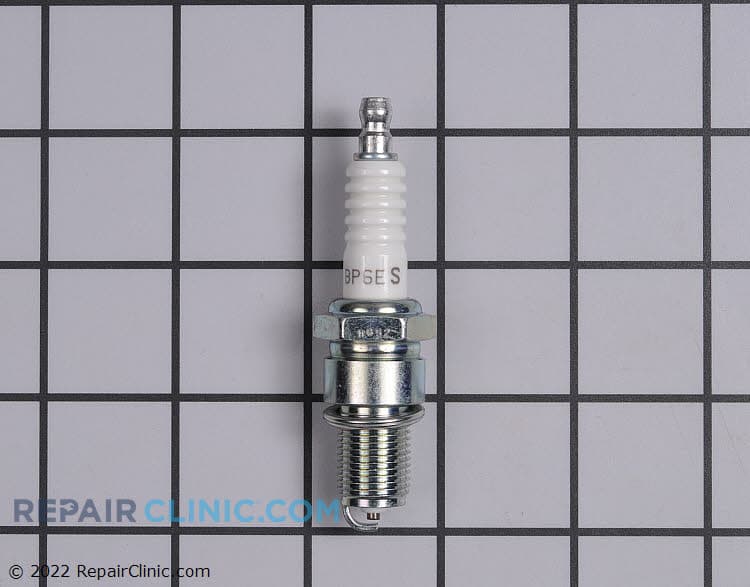
Small engine NGK spark plug (BPR6ES). If the engine does not start, the spark plug may be defective. The spark plug should be replaced periodically during regular maintenance.
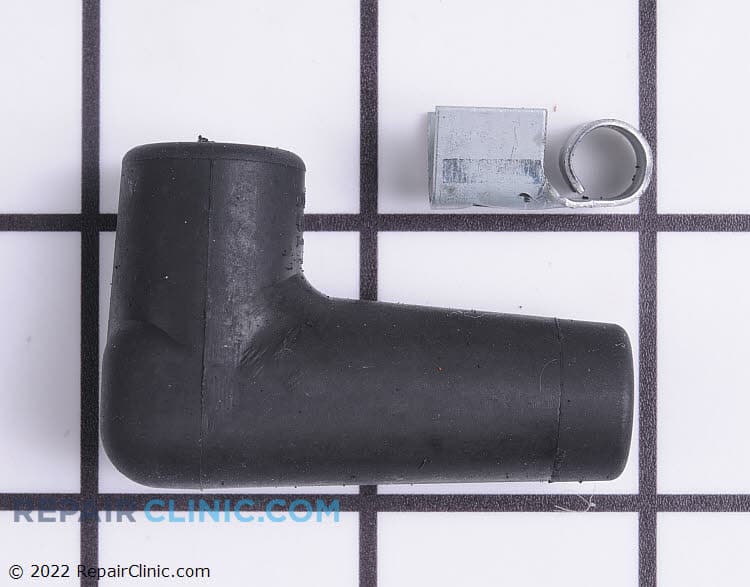
Plug cover


Troy-Bilt Pressure Washer Spark Plug Parts
A fouled or worn spark plug is one of the quickest pressure washer fixes you'll make. If your Troy-Bilt gas pressure washer is hard to start, won't start at all, or runs rough, the spark plug is the first thing to check before assuming carburetor trouble. Spark plugs wear out over time and especially when equipment sits unused for months — old fuel residue and carbon buildup foul the electrode, killing the spark that ignites the fuel.
The right OEM spark plug for your Troy-Bilt pressure washer maintains the correct heat range and gap spacing for reliable ignition. Universal spark plugs sometimes misfire or fail to ignite in the unique combustion chamber of your engine model. Keep a fresh spark plug on hand at the start of each season, and you'll eliminate one of the most common pressure washer no-start complaints.
- Hard to start or won't crank: Fouled spark plug electrode; replace with OEM spec
- Runs rough or sputters: Weak spark from worn plug; new plug restores combustion
- Weak pressure or low power: Poor ignition timing from plug gap drift; new plug resets gap
- Black soot buildup on plug: Rich fuel mix; clean plug but verify carburetor if repeated
- White/tan deposits on plug: Normal oxidation; replace if electrode pitted or gap widened
Find your Troy-Bilt pressure washer model number on the engine housing or equipment nameplate, then enter it into our parts lookup to confirm the exact spark plug type for your engine.
Find Replacement Troy-Bilt Pressure Washer Spark Plug Parts Online by Model or Part Number
Troy-Bilt Pressure Washer Spark Plug FAQs
What type of spark plug does a Troy-Bilt pressure washer use?
Troy-Bilt pressure washers are powered by small engines from Briggs & Stratton, Subaru, or similar OEM manufacturers. The correct spark plug depends on your specific engine model, not just the pressure washer brand. That's why entering your model number into Repair Clinic's lookup is critical — we'll confirm whether you need a Champion, NGK, or another type, along with the exact heat range. Using the wrong plug can cause hard starting or running issues.
How do I know if the spark plug is bad?
Remove the spark plug (turn off the engine and let it cool first). Look at the electrode: if it's heavily coated with black carbon, covered in oil, or the electrode is pitted and corroded, replacement is needed. You can also test spark plug continuity with a multimeter, but for the $5 to $10 cost of an OEM plug, replacement is always the smart move if you suspect it's bad. A fouled plug is the #1 reason pressure washers won't start after sitting unused.
Can I use a universal or aftermarket spark plug instead of OEM?
Universal plugs *can* work, but they're a gamble. Spark plug heat range and electrode design are matched to your specific engine's combustion chamber. A plug that's too hot can cause pre-ignition; too cold and you get fouling. OEM spark plugs are inexpensive — usually $5 to $15 — and help ensure to work. Save the guesswork and buy the correct plug for your engine model number.
How often should I replace the spark plug on my Troy-Bilt pressure washer?
Replace the spark plug at the start of each season (spring for seasonal users). If you use the pressure washer year-round, swap it every 50 to 100 hours of operation or once a year, whichever comes first. If the washer sits unused for more than a month, the fuel in the carburetor can gum up and foul the plug. A fresh plug before storage — or in spring before first use — prevents most hard-start complaints.
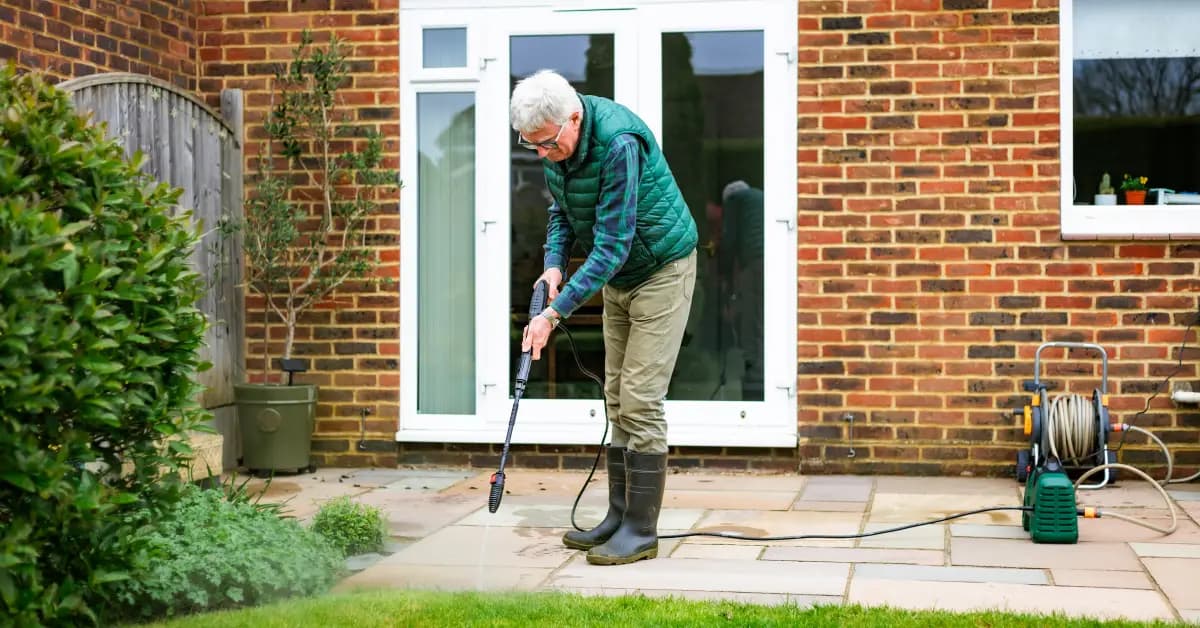
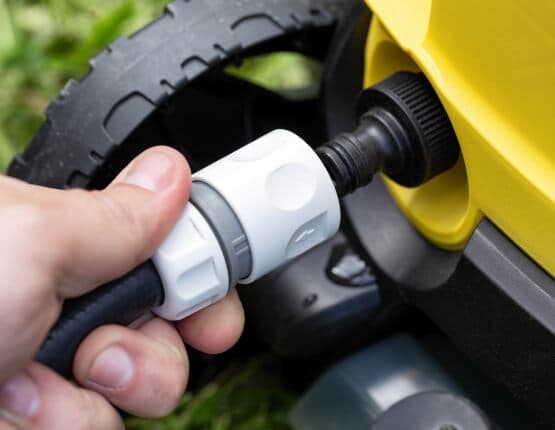
Order Troy-Bilt Pressure Washer Spark Plug Parts Online
Ensure your Troy-Bilt pressure washer is running smoothly with top-quality spark plug parts available for easy online ordering. Genuine Troy-Bilt spark plug replacements are needed for maintaining proper function and preventing engine issues. With our user-friendly model number lookup, find the exact spark plug replacement you need quickly. Enjoy the convenience of same-day shipping, ensuring you receive your parts without delay. Plus, our no-hassle 365-day returns and price match guarantee make purchasing stress-free. Regular maintenance, such as replacing worn spark plugs, can prevent common issues like rough running or starting problems. For more detailed repair guidance, visit our Pressure Washer Repair Help page. Find additional Troy-Bilt Pressure Washer Parts to ensure your equipment runs like new.
Troy-Bilt Pressure Washer Model Number: Where to Look
On Troy-Bilt pressure washers, look for the model number on the frame near the engine, on the equipment nameplate, or on a sticker attached to the pump housing. The label may also be near the handle, so check both sides of the unit if the number is not immediately visible. Record the complete model number, including letters, numbers, and hyphens. Punch it into the search bar to sort the catalog down to your model's parts. Using the pressure washer's model number filters the full selection, not just spark plugs, to parts designed for your exact unit. That means fewer wrong orders and a faster repair.

Spark Plugs for Troy-Bilt Pressure Washer
Regular spark plug replacement keeps your Troy-Bilt Pressure Washer starting cleanly and running at full power. Repair Clinic stocks OEM spark plugs for a wide range of engines, along with installation videos and gap-setting guides. Use the model number lookup to confirm the exact spark plug specification for your engine, and keep a spare on hand for the next tune-up.
Related Articles: Pressure Washer Parts
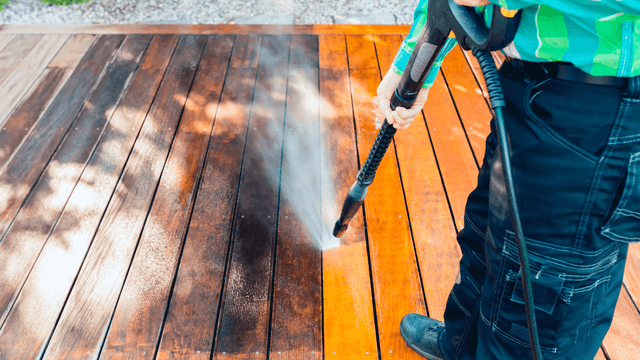
Why Your Pressure Washer Soap Injector Is Not Working
Learn the top reasons your pressure washer soap injector isn't working and how to fix it quickly. Diagnose clogged nozzles, injector valves, and other common issues.
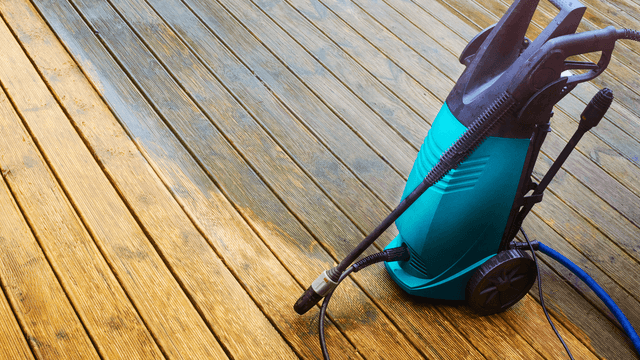
No Water Pressure In Your Pressure Washer? 2 Likely Causes
Is your pressure washer losing power? Find out the two most common reasons for low or no water pressure and how to troubleshoot them for fast, effective repairs.
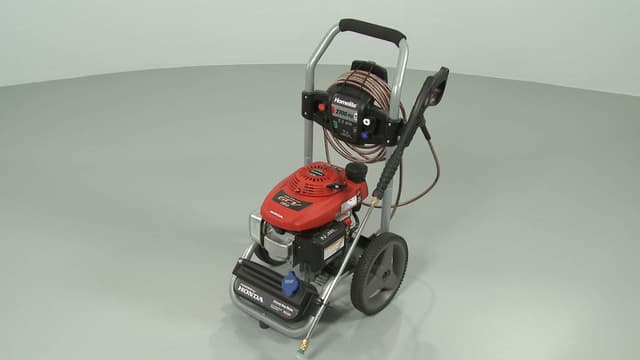
Top Reasons Why a Pressure Washer is Leaking Water From the Bottom or Pump
If your pressure washer is leaking water, the pump seals or thermal relief valve could be to blame. Learn how to identify and fix the source of water leaks fast.




Family-owned and operated since 1912, Burke America Parts Group is the longest-running genuine appliance, HVAC, and outdoor power equipment parts solution in North America. At Repair Clinic, we're proud to be an international brand trusted by the pros as well as the DIY community.
About Repair Clinic