


 Price Match Guarantee
PowerStroke Pressure Washer Parts
- Alternator, Battery & Charger
- Axle, Roller, Shaft, Wheel
- Bracket & Flange
- Cap, Lid & Cover
- Chassis
- Fastener
- Filter
- Gasket & Seal
- Handle
- Hose, Tube & Fitting
- Leg, Foot & Caster
- Lubricant
- Manuals, Care Guides & Literature
- Miscellaneous
- Power Cord
- Pump
- Spring
- Suspension & Shock Absorption
- Switch
- Tank & Container
- Tool
- Trim
- Valve & Float
- Wire, Receptacle & Wire Connector
Find the right part faster
Multiple models matched. Select your model to confirm fit.





Chemical injection kit for pressure washer pump. Be sure to use the lowest pressure nozzle when adding chemicals to the spray.

In-line fuel filter
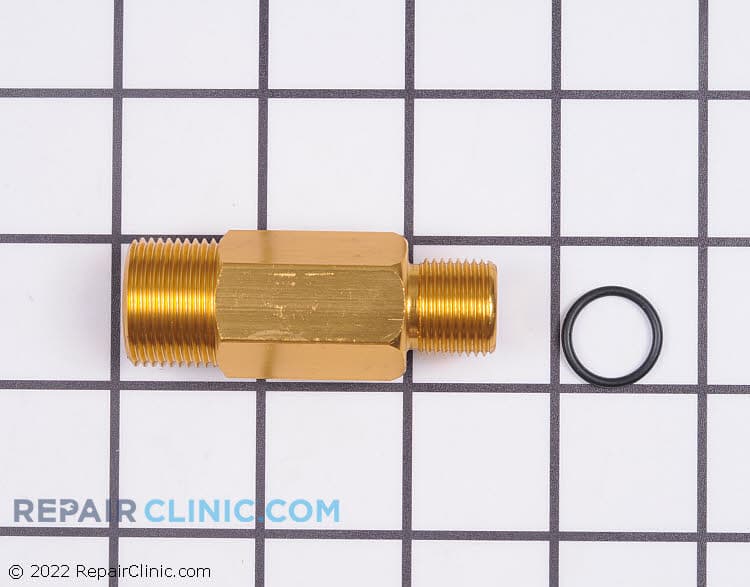
Outlet tube
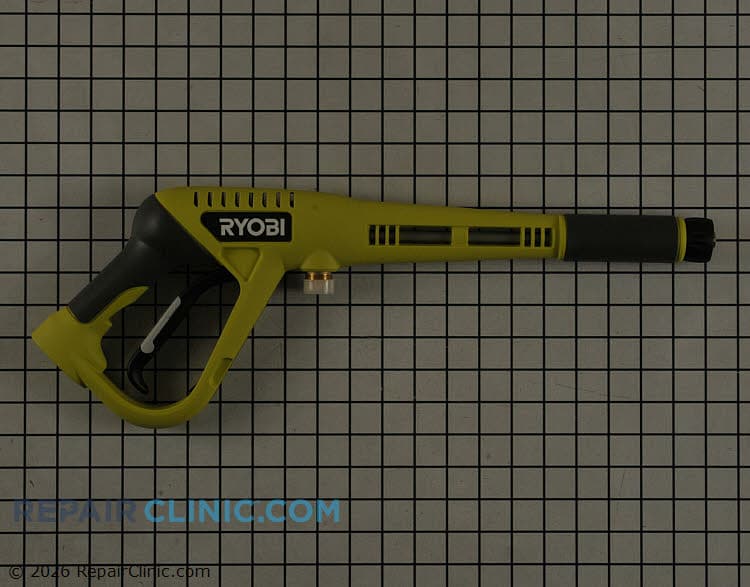
Trigger handle
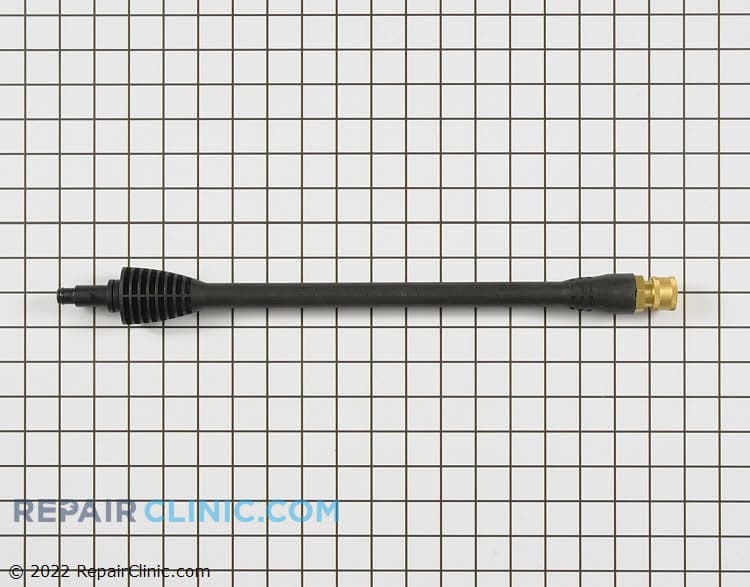
Spray Wand
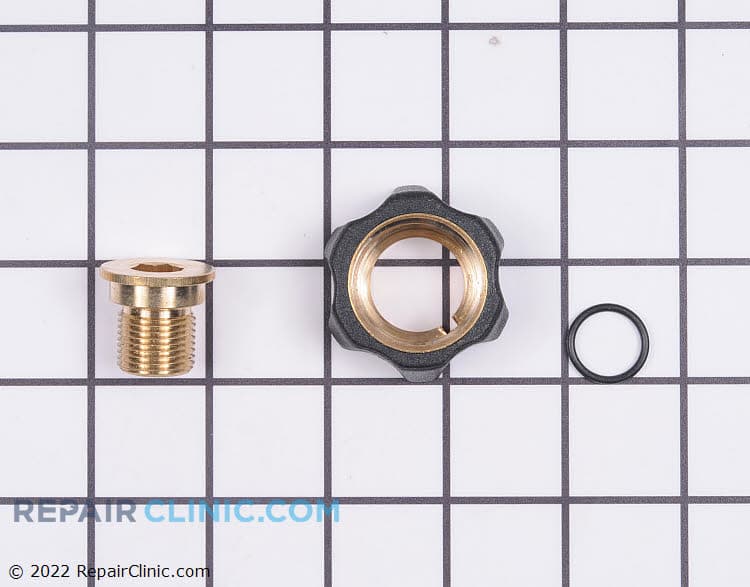
Inlet tube connector
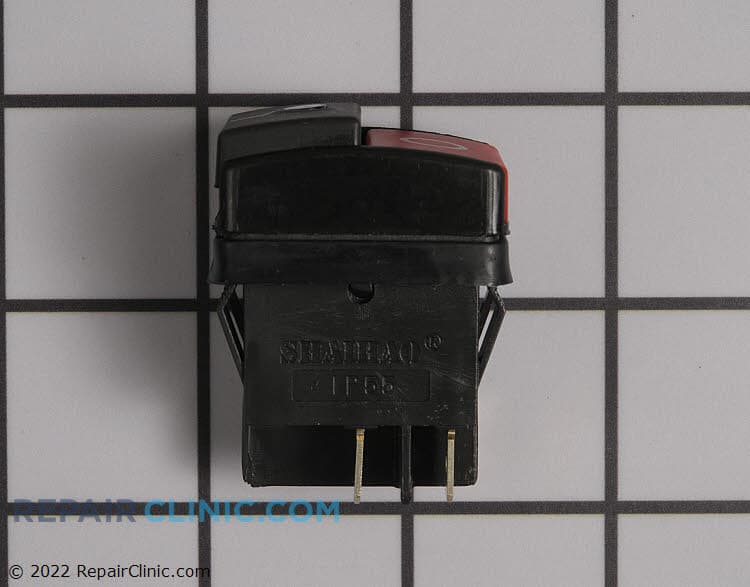
Main switch 20a (16a)
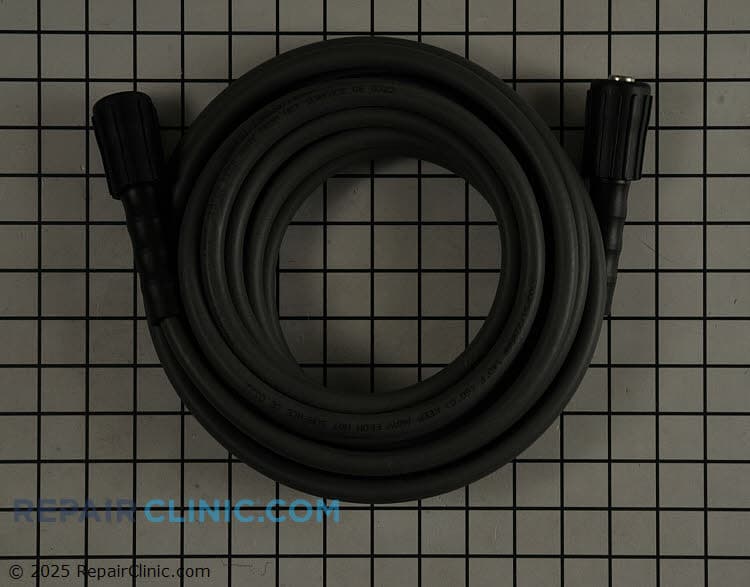
Pressure washer high pressure hose, 25 ft. This hose can be used on pumps that produce up to 3000 PSI.
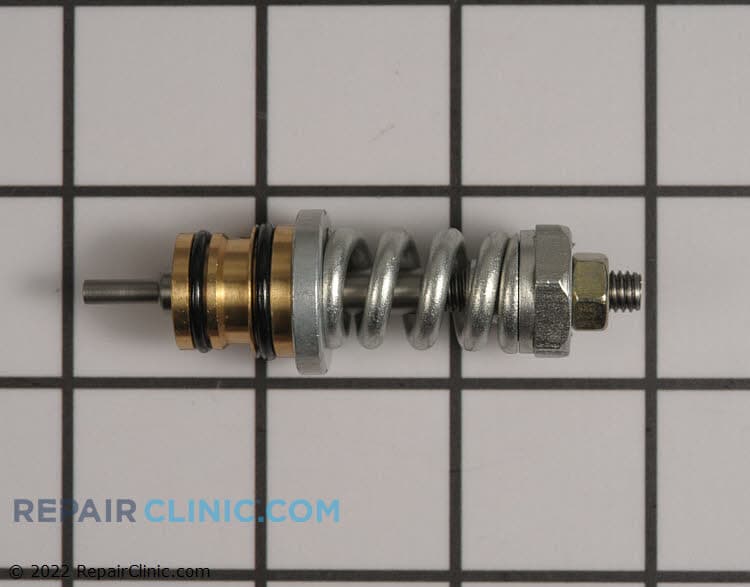
Unloader kit
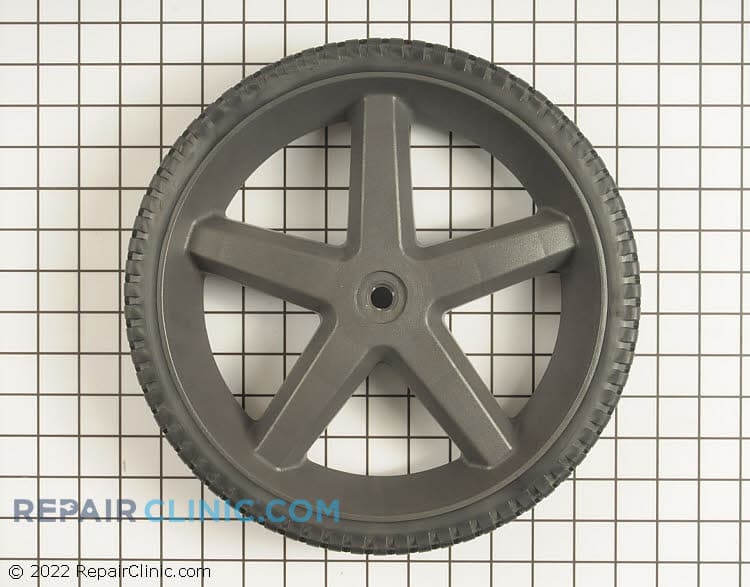
Wheel 12" x 1.75" 1/2" hub - 5
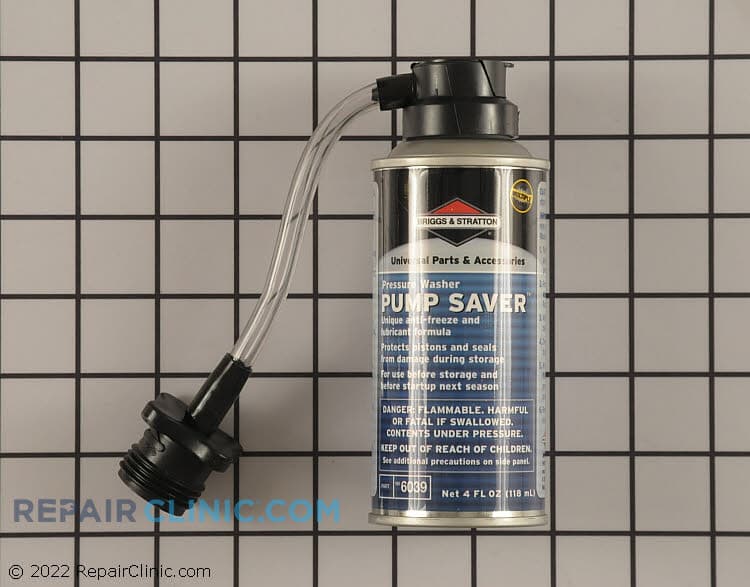
Briggs & Stratton Pressure Washer Pump Saver. 4 oz.
- Features a unique anti-freeze and lubricant formula
- Designed to keep your pressure washer in peak condition during storage
- Protects the pistons of your pressure washer and seals from damage.
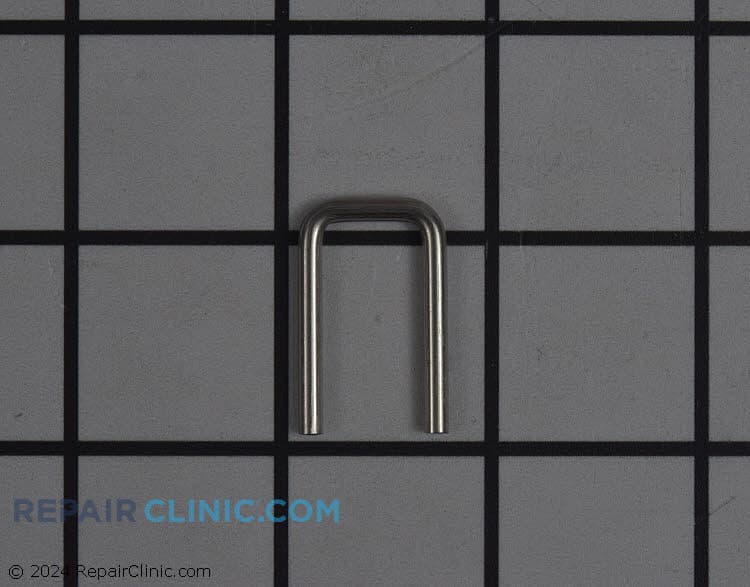
U clip
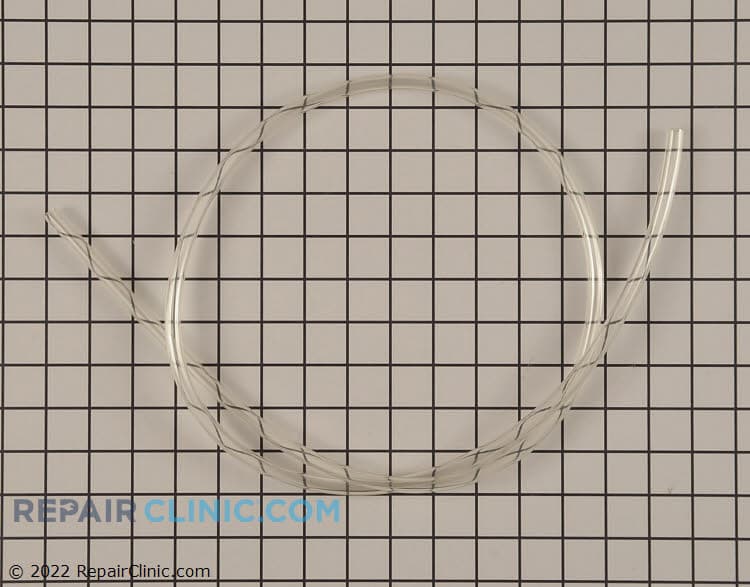
Plastic chemical siphon tube
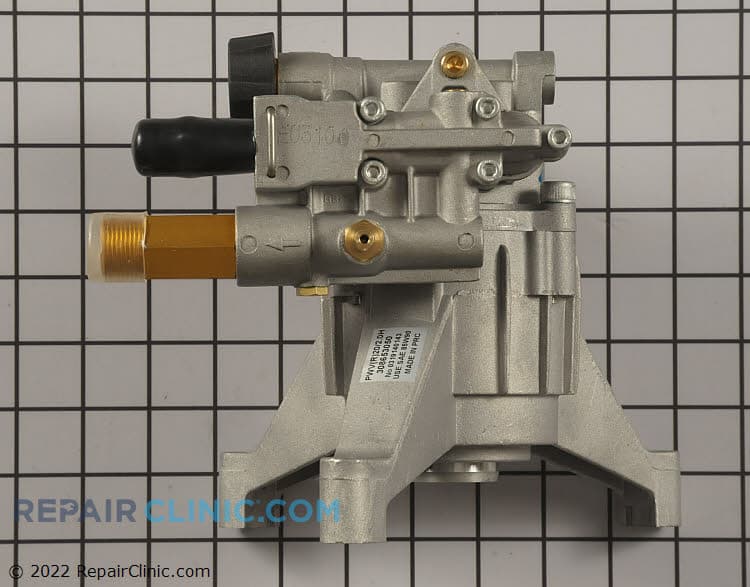
Pumphimore alum headvertical
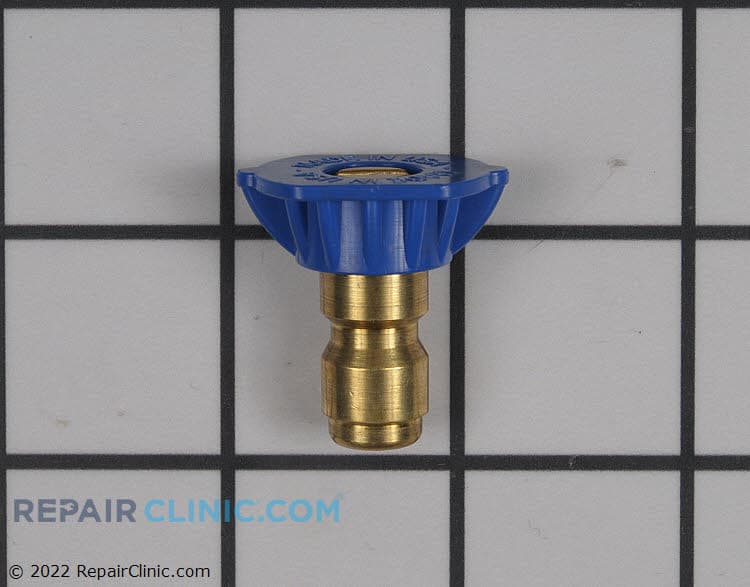
Soap nozzle-blue


Powerstroke Pressure Washer Parts
Powerstroke pressure washers deliver reliable cleaning power at budget-friendly prices, but like all gas-powered washers, they depend on a few critical parts to maintain pressure and flow. The pump, unloader valve, carburetor, and hoses are the parts that wear first — and when they fail, your wash performance drops fast. The good news: most Powerstroke repairs are straightforward, and OEM parts keep costs down.
When your Powerstroke stops building pressure, sputters on startup, or won't start at all, check the fuel system and engine parts first. Ethanol damage to the carburetor is the #1 reason Powerstroke pressure washers sit idle. The pump assembly is the second biggest culprit — worn seals and internal corrosion kill pressure. Unloader valves stick, hoses crack at the fittings, and nozzles clog. We carry the full range of Powerstroke pressure washer parts so you can get back to cleaning.
- Pump assembly fails: low or no pressure, internal leaks
- Unloader valve sticks: pressure won't build or pulsates
- Carburetor gummed up: hard start, won't start, runs rough
- Spark plug fouled: no ignition or weak starting
- Hose cracks or fitting fails: loss of pressure, leaks at connections
- Nozzles clogged: weak spray, uneven spray pattern
Find Replacement PowerStroke Pressure Washer Parts Online by Model or Part Number
Popular PowerStroke Pressure Washer Models
Related PowerStroke Pressure Washer Parts
- PowerStroke Pressure Washer Miscellaneous Parts
- PowerStroke Pressure Washer Fastener Parts
- PowerStroke Pressure Washer Hose, Tube & Fitting Parts
- PowerStroke Pressure Washer Manuals, Care Guides & Literature
- PowerStroke Pressure Washer Pump Parts
- PowerStroke Pressure Washer Handle Parts
- PowerStroke Pressure Washer Bracket & Flange Parts
- PowerStroke Pressure Washer Filter Parts
- PowerStroke Pressure Washer Axle, Roller, Shaft, Wheel Parts
- PowerStroke Pressure Washer Cap, Lid & Cover Parts
- PowerStroke Pressure Washer Switch Parts
- PowerStroke Pressure Washer Trim Parts
- PowerStroke Pressure Washer Alternator, Battery & Charger Parts
- PowerStroke Pressure Washer Chassis Parts
- PowerStroke Pressure Washer Gasket & Seal Parts
- PowerStroke Pressure Washer Leg, Foot & Caster Parts
- PowerStroke Pressure Washer Lubricant
- PowerStroke Pressure Washer Power Cord Parts
- PowerStroke Pressure Washer Spring Parts
- PowerStroke Pressure Washer Suspension & Shock Absorption Parts
- PowerStroke Pressure Washer Tank & Container Parts
- PowerStroke Pressure Washer Tool
- PowerStroke Pressure Washer Valve & Float Parts
- PowerStroke Pressure Washer Wire, Receptacle & Wire Connector Parts
Powerstroke Pressure Washer Parts FAQ
What's the most common reason a Powerstroke pressure washer loses pressure?
The pump assembly is the primary culprit. Worn internal seals, corrosion inside the pump head, or a stuck unloader valve will all cause pressure to drop or disappear entirely. If the engine starts and runs but you get weak spray or no spray, the pump is usually the first thing to inspect. Unloader valves can also fail independently — they stick open and bleed pressure away even when the trigger is pulled.
Why won't my Powerstroke pressure washer start?
Ethanol-blended gasoline gums up carburetors, especially on equipment that sits during off-season. The carburetor jets clog and the float needle sticks. Try running the engine on fresh fuel and a carburetor cleaner treatment first. If the spark plug is black and wet, change it and try again. If it still won't start, the carburetor likely needs a rebuild kit or full replacement. Always drain fuel and run the carb dry before storing a gas pressure washer for more than a month.
How do I find my Powerstroke pressure washer model number?
Look for the model number on the frame label — usually on the back or side panel near the engine. The label will show the model prefix (PWVSE, PWZR, PWGC, etc.) and a numerical code. Enter this into our model lookup tool and we'll show you the exact pump assembly, carburetor, unloader valve, and hoses that fit your unit. Never guess on pressure washer parts — pump displacement and valve configuration vary by model.
Can I use aftermarket nozzles and hoses on my Powerstroke?
Yes, but verify the nozzle size and hose diameter first. Powerstroke washers typically use 3/8-inch hoses and a variety of nozzle tips (red for 0°, yellow for 15°, green for 25°, white for 40°). Nozzle size affects pressure and flow — using the wrong size can overload or underload your pump. OEM hoses are rated for your washer's PSI; generic hoses may fail under pressure. For reliability and model-specific fit and performance, OEM Powerstroke hoses and fittings are the better choice.
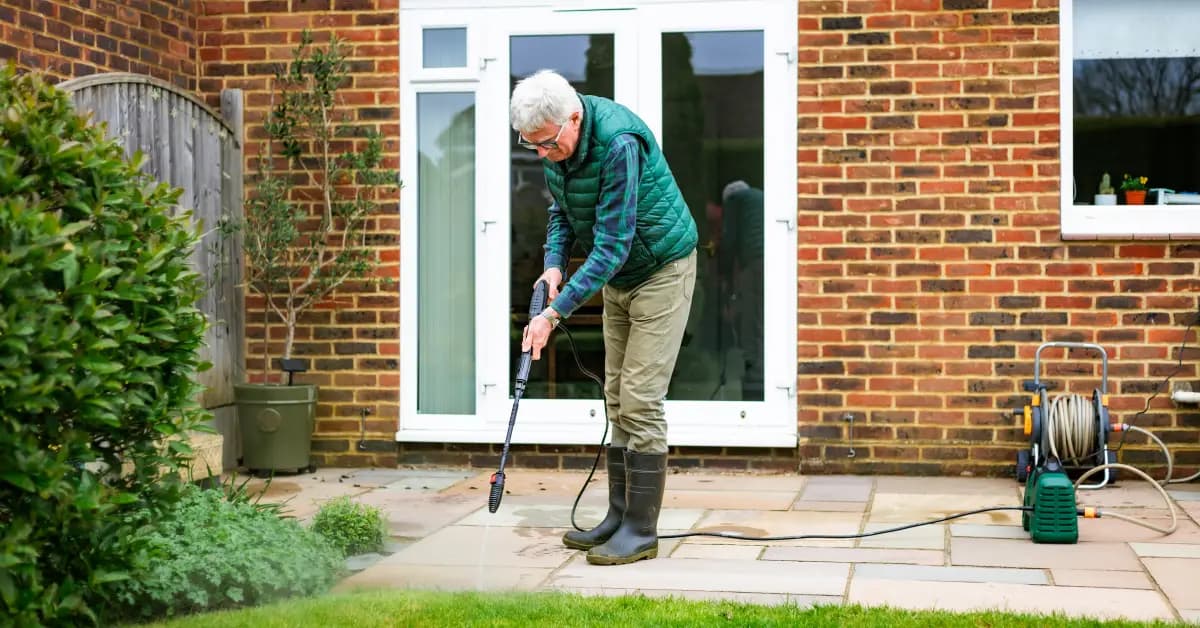
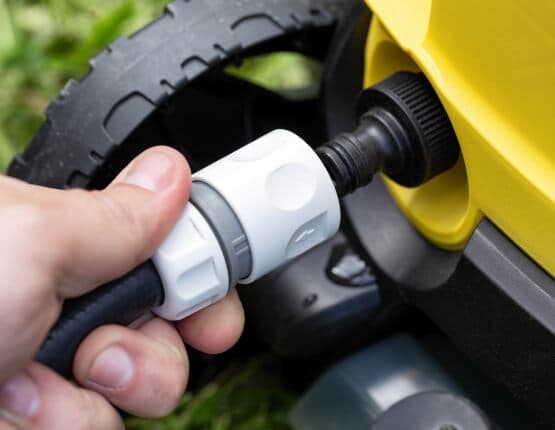
Order Powerstroke Pressure Washer Replacement Parts Online
Ordering Powerstroke pressure washer parts online is straightforward with Repair Clinic. Simply search by model number or part number to find the exact parts you need. Whether you're looking for Powerstroke pressure washer hoses, Powerstroke pressure washer pumps, or Powerstroke pressure washer wands, we have a large inventory to fit your specific model.
Take advantage of our No-Hassle 365-Day Returns, allowing you to return uninstalled parts within a year of purchase. With our Price Match Guarantee, you can rest assured that you're getting competitive pricing on genuine OEM parts. We also offer same-day shipping on orders placed by 9:00 PM ET, so you can get your Powerstroke pressure washer parts quickly and efficiently.
Whether you're a DIY homeowner or a professional technician, Our online repair library gives you the videos, symptom articles, and step-by-step guides to complete the repair. Get your pressure washer back up and running with the best parts from Repair Clinic!
PowerStroke Pressure Washer Model Number: Where to Look
On PowerStroke pressure washers, look for the model number on a label attached to the frame near the engine, along the back or side panel, or on the pump housing. The label may include letters and numbers, so copy the complete code exactly, including any suffix. Enter it in the search bar to pull up the parts matched to your unit across the full pressure washer catalog, including engine, pump, hose, and control parts. This model-based check helps you avoid mismatched parts and keeps the repair moving without unnecessary trial and error.

Repair Resources for Powerstroke Pressure Washer Owners
Repair Clinic backs Powerstroke Pressure Washer owners with a full online repair library. Troubleshooting videos, common-symptom articles, part testing walkthroughs, exploded-view diagrams, and step-by-step installation guides cover the diagnostic and repair work for the most common problems. Confirm your part with the model number lookup, follow the video, and complete the repair the first time.
Related Articles: Pressure Washer Parts
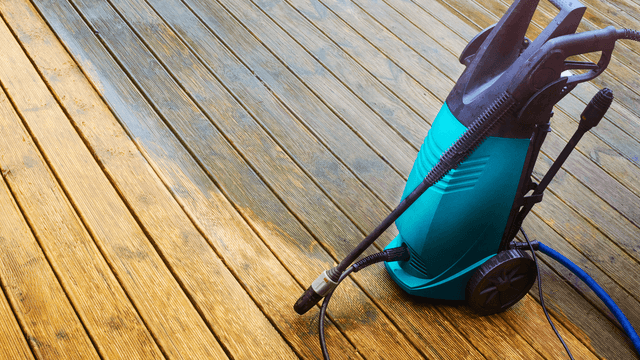
No Water Pressure In Your Pressure Washer? 2 Likely Causes
Low or no water pressure in your pressure washer? Learn the two most common causes"clogged nozzles and faulty pumps"and how to troubleshoot and fix them. Get expert tips to restore your pressure washer's performance quickly.
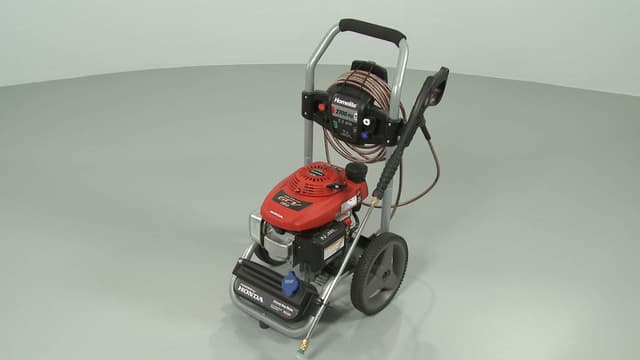
Pressure Washer Spray Gun Replacement
A faulty spray gun can reduce your pressure washer's effectiveness. Learn how to identify when a replacement is needed and follow step-by-step instructions to install a new spray gun for proper function.
Top Reasons Why a Pressure Washer is Leaking Water From the Bottom or Pump
A leaking pressure washer can be caused by worn seals, a cracked pump, or loose connections. Learn how to diagnose and fix common pressure washer leaks to keep your equipment running efficiently.




Family-owned and operated since 1912, Burke America Parts Group is the longest-running genuine appliance, HVAC, and outdoor power equipment parts solution in North America. At Repair Clinic, we're proud to be an international brand trusted by the pros as well as the DIY community.
About Repair Clinic