


 Price Match Guarantee
Ryobi Pressure Washer Parts
- Alternator, Battery & Charger
- Axle, Roller, Shaft, Wheel
- Blower Wheel & Fan Blade
- Bracket & Flange
- Cap, Lid & Cover
- Capacitor
- Carburetor
- Engine
- Fastener
- Filter
- Gasket & Seal
- Handle
- Hose, Tube & Fitting
- Knob, Dial & Button
- Leg, Foot & Caster
- Lubricant
- Manuals, Care Guides & Literature
- Miscellaneous
- Muffler
- Power Cord
- Pump
- Spring
- Starter
- Suspension & Shock Absorption
- Switch
- Tank & Container
- Tool
- Trim
- Valve & Float
- Wire, Receptacle & Wire Connector
Find the right part faster
Multiple models matched. Select your model to confirm fit.


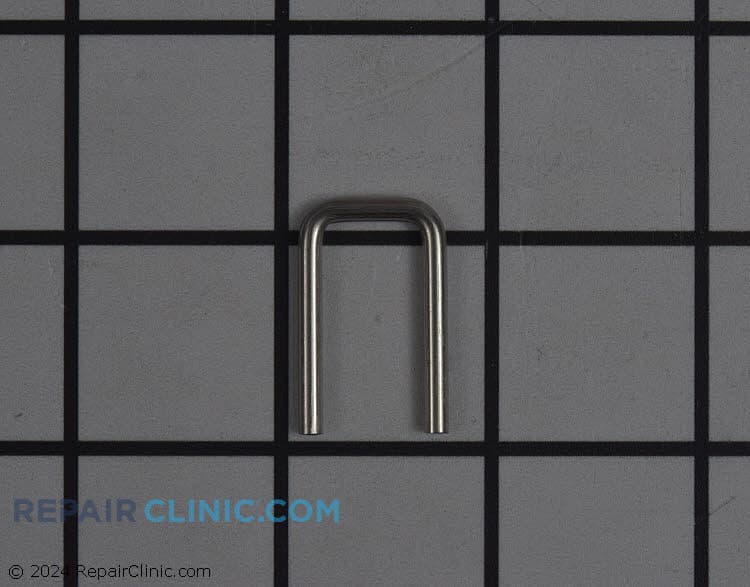
U clip


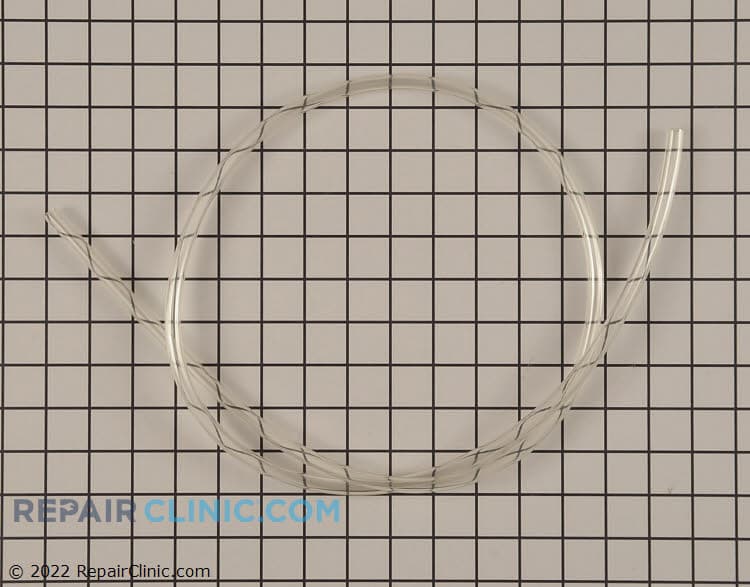
Plastic chemical siphon tube
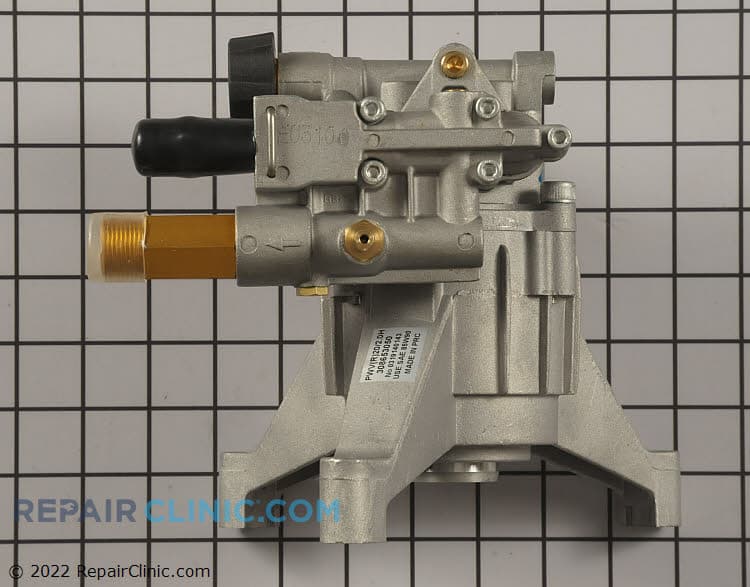
Pumphimore alum headvertical
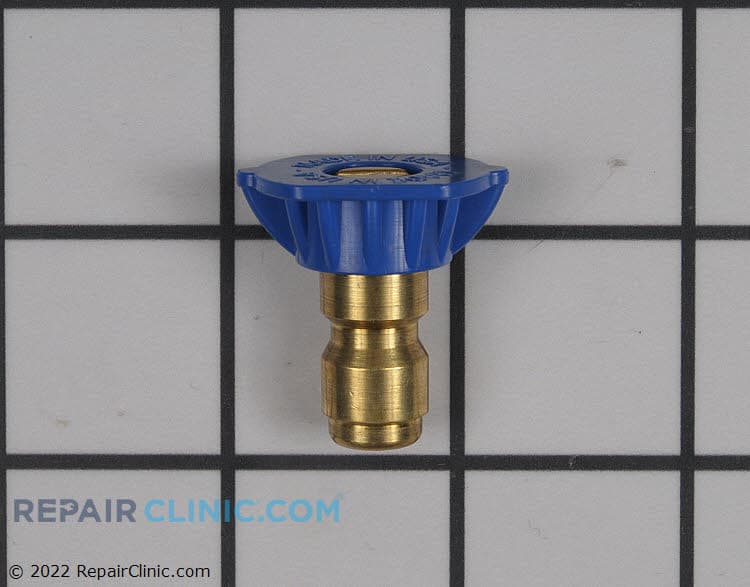
Soap nozzle-blue

Snubber
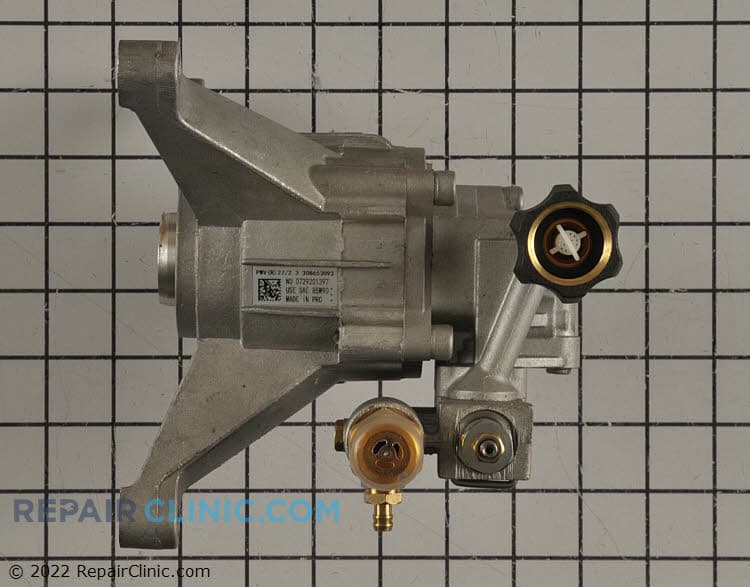
Pressure washer pump assembly. If the pressure washer is leaking water, the pump may need to be rebuilt or replaced. This pump does not include a new thermal release valve and key. You will need to reuse the old thermal release valve and drive key or purchase new ones.
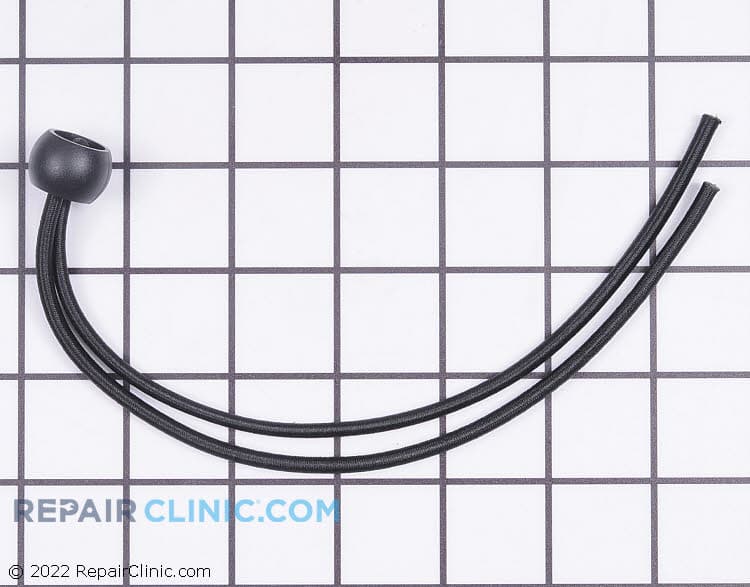
Bungee cord & bead assembly
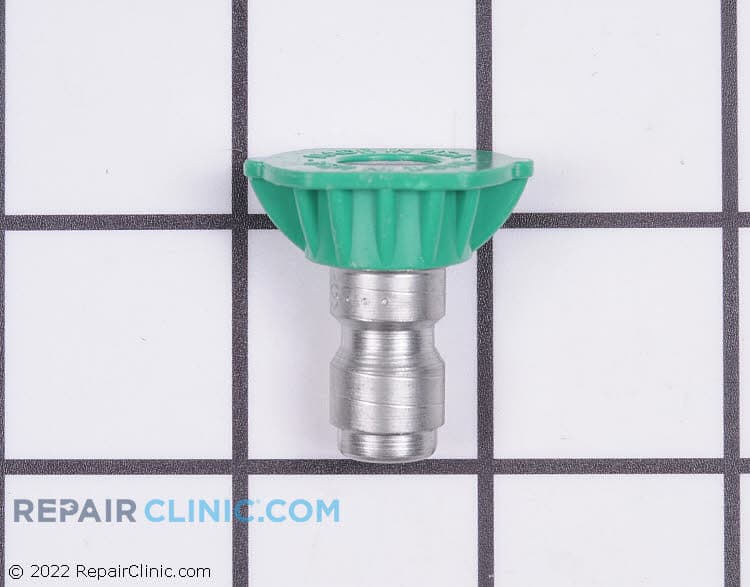
Nozzle 25 degree
RC Item #3047237
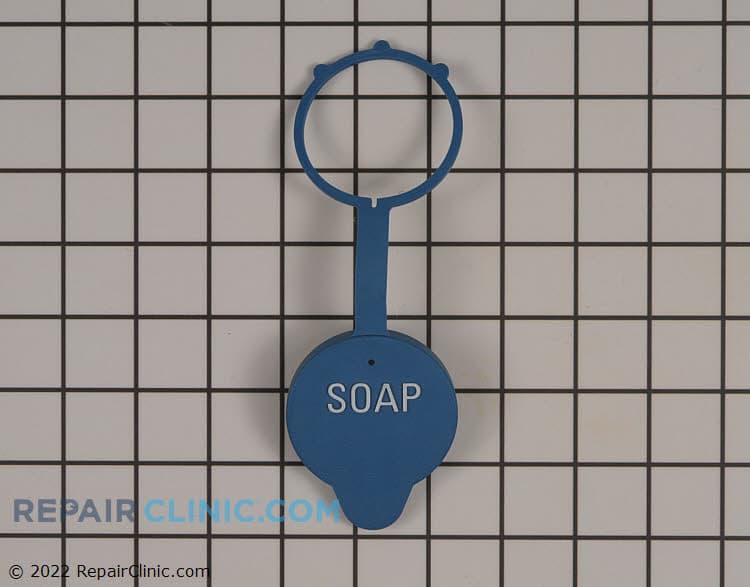
Blue soap tank cap
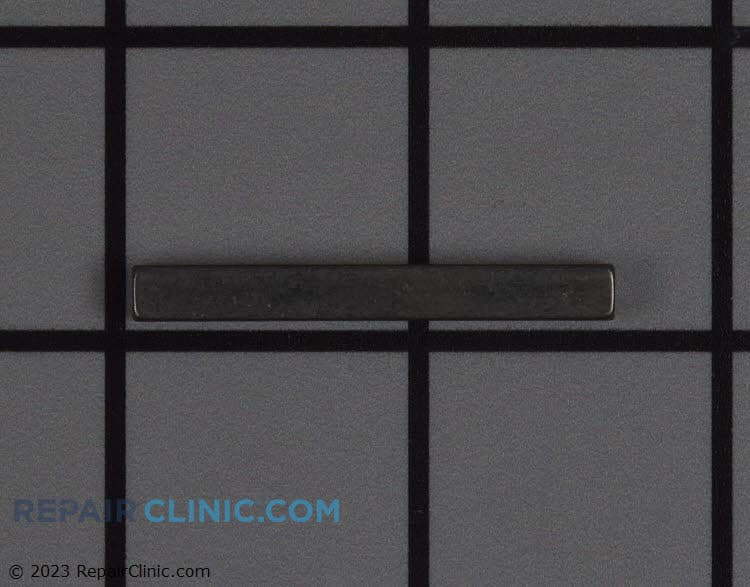
Output shaft key
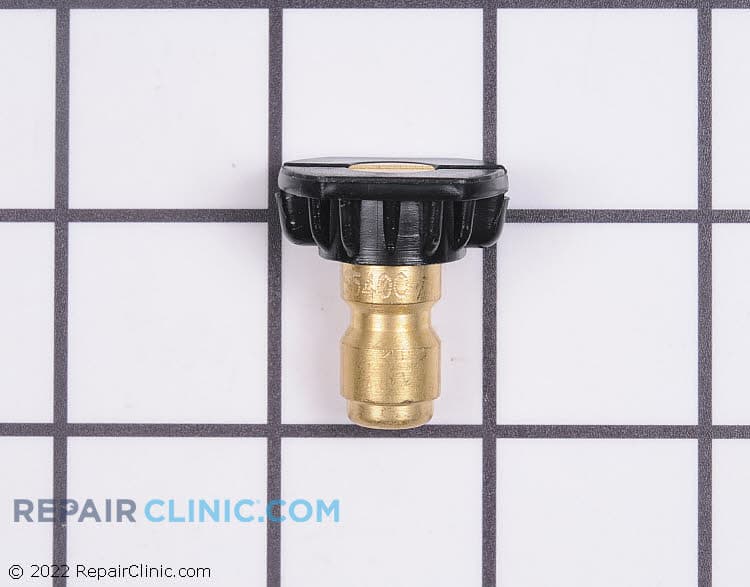
Nozzle-black soap
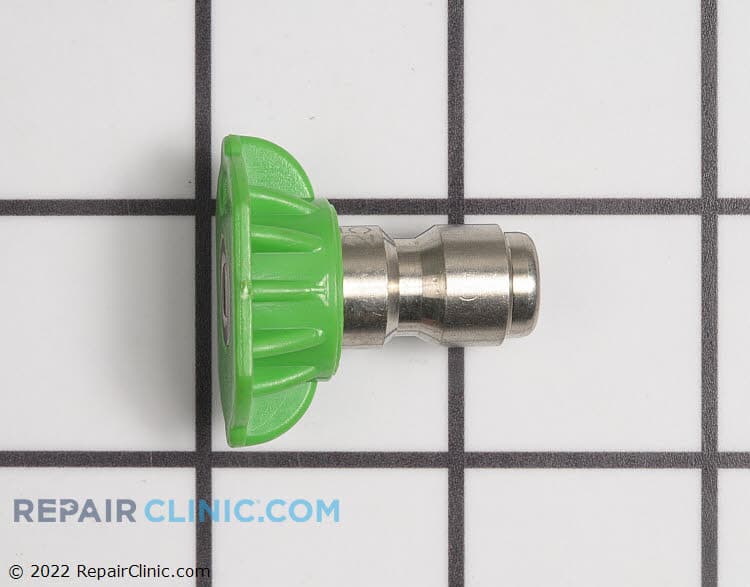
Nozzle assy 2.50 25 deg green
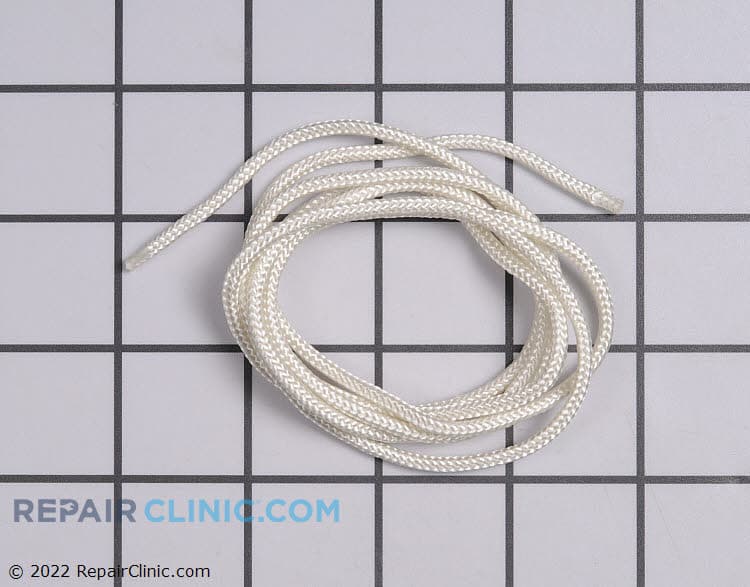
Starter rope(46-s/2)
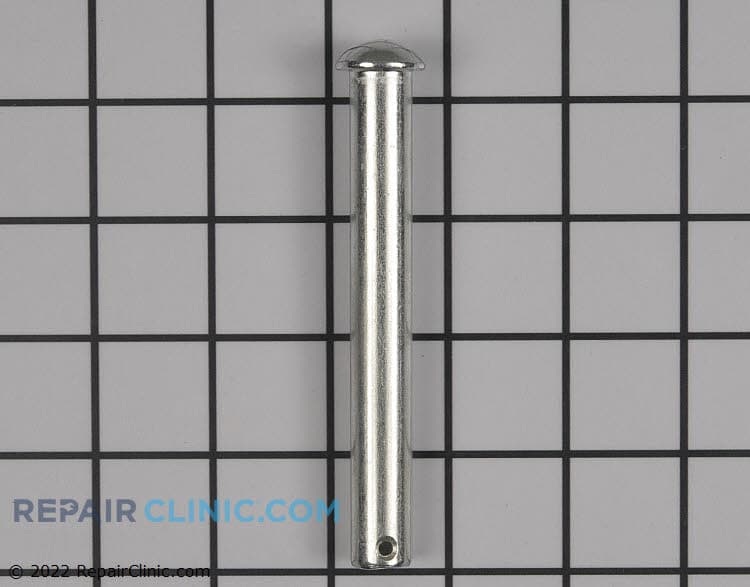
Axle 13.3 x 101mm
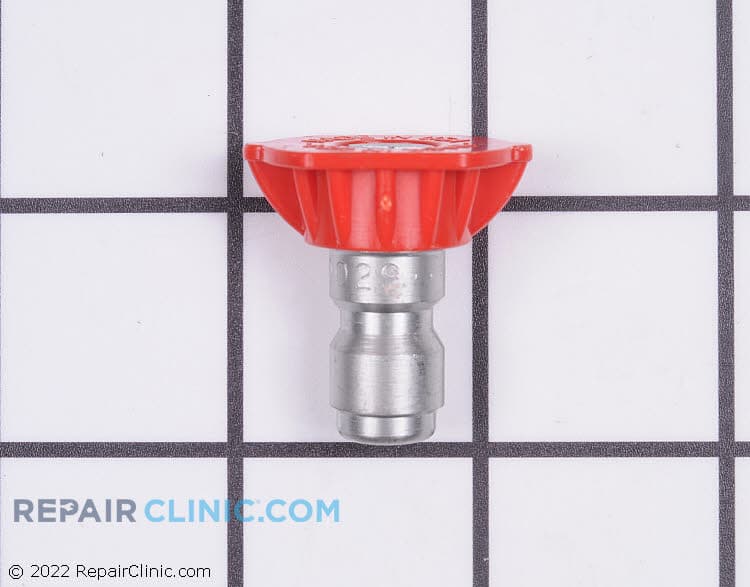
0 deg nozzle


Ryobi Pressure Washer Pump and Motor Parts
Ryobi pressure washers are workhorses for driveways, patios, and light commercial cleaning — and when they lose pressure or won't start, the fix is usually straightforward. The pump assembly is the #1 failure point: when water spray weakens to a trickle or stops entirely, the pump has likely worn internally or cavitated. Carburetors are the second-most-common repair, especially if your Ryobi has sat unused through a season — ethanol fuel gums up the jets and the engine won't turn over.
We stock genuine Ryobi pressure washer parts including pump assemblies, unloader valves, spark plugs, fuel lines, primer bulbs, and carburetor kits. Find your model number on the equipment frame and enter it above to see the exact parts your washer needs. Most Ryobi PW repairs — pump swap, carburetor cleaning kit, or spark plug replacement — take under an hour and cost far less than a new unit.
- Pump assembly weak or no pressure: Internal pump wear, cavitation from blocked inlet, or damaged impeller — Ryobi pressure washer pump parts
- Engine won't start or runs rough: Ethanol-clogged carburetor, fouled spark plug, or cracked fuel line — clean or replace with OEM Ryobi carb kit and plug
- Pressure pulsing or stuck at low pressure: Faulty unloader valve — replacement valve restores steady pressure
- Water leaks at hose or spray gun: Cracked hose, bad O-ring, or loose fitting — O-ring kits and replacement hoses ship same-day
- Pull cord stuck or won't recoil: Recoil starter assembly failure — OEM Ryobi starter kit restores pull-start function
Find Replacement Ryobi Pressure Washer Parts Online by Model or Part Number
Popular Ryobi Pressure Washer Models
Related Ryobi Pressure Washer Parts
- Ryobi Pressure Washer Miscellaneous Parts
- Ryobi Pressure Washer Fastener Parts
- Ryobi Pressure Washer Hose, Tube & Fitting Parts
- Ryobi Pressure Washer Manuals, Care Guides & Literature
- Ryobi Pressure Washer Cap, Lid & Cover Parts
- Ryobi Pressure Washer Handle Parts
- Ryobi Pressure Washer Bracket & Flange Parts
- Ryobi Pressure Washer Pump Parts
- Ryobi Pressure Washer Filter Parts
- Ryobi Pressure Washer Gasket & Seal Parts
- Ryobi Pressure Washer Suspension & Shock Absorption Parts
- Ryobi Pressure Washer Axle, Roller, Shaft, Wheel Parts
- Ryobi Pressure Washer Blower Wheel & Fan Blade Parts
- Ryobi Pressure Washer Capacitor Parts
- Ryobi Pressure Washer Engine Parts
- Ryobi Pressure Washer Knob, Dial & Button Parts
- Ryobi Pressure Washer Muffler Parts
- Ryobi Pressure Washer Power Cord Parts
- Ryobi Pressure Washer Starter Parts
- Ryobi Pressure Washer Switch Parts
- Ryobi Pressure Washer Tank & Container Parts
- Ryobi Pressure Washer Trim Parts
- Ryobi Pressure Washer Alternator, Battery & Charger Parts
- Ryobi Pressure Washer Carburetor Parts
- Ryobi Pressure Washer Leg, Foot & Caster Parts
- Ryobi Pressure Washer Lubricant
- Ryobi Pressure Washer Spring Parts
- Ryobi Pressure Washer Tool
- Ryobi Pressure Washer Valve & Float Parts
- Ryobi Pressure Washer Wire, Receptacle & Wire Connector Parts
Ryobi Pressure Washer Repair FAQ
Why is my Ryobi pressure washer losing pressure?
The pump is almost always the culprit. Internal wear, cavitation from a clogged inlet filter, or a damaged impeller wheel causes pressure to drop gradually or suddenly. If the engine runs fine but spray is weak, swap the pump assembly. Check the inlet screen first — a blocked strainer can starve the pump and cause the same symptom. After hours of use, pump wear is normal; an OEM Ryobi pump assembly is the correct fix.
My Ryobi won't start after sitting over winter. What do I do?
Ethanol fuel hardens carburetor jets and clogs the fuel system. Pull the spark plug first and check if it's fouled black — if so, replace it. Next, try a carburetor cleaning kit or rebuild kit before you replace the entire carb. If the engine turns over but won't fire, confirm fuel is flowing by checking the fuel line for cracks and the primer bulb for fuel delivery. Most winter no-start issues are carb-related and fixable with a $15 to $40 carburetor kit.
How do I find my Ryobi pressure washer model number?
The model number is printed on a label attached to the equipment frame, usually near the engine or pump housing. It typically starts with "RY" followed by numbers (example: RY142200). Enter the full model number in the search box above — it will pull up every OEM part specific to your washer, from pump seals to throttle cables. If the label is faded, you can also enter partial details like "Ryobi 3000 PSI" to narrow results.
Can I use aftermarket pump seals and O-rings, or do I need OEM?
Aftermarket O-ring kits are often acceptable for hose connections and simple fittings, but pump internal seals should always be OEM. Ryobi pump assemblies are engineered with precise tolerances — wrong seal materials or dimensions cause leaks and premature wear. Always use genuine Ryobi seals inside the pump. For garden hose fittings and spray gun connections, universal O-ring kits are a budget option, but OEM Ryobi seals fit better and last longer.
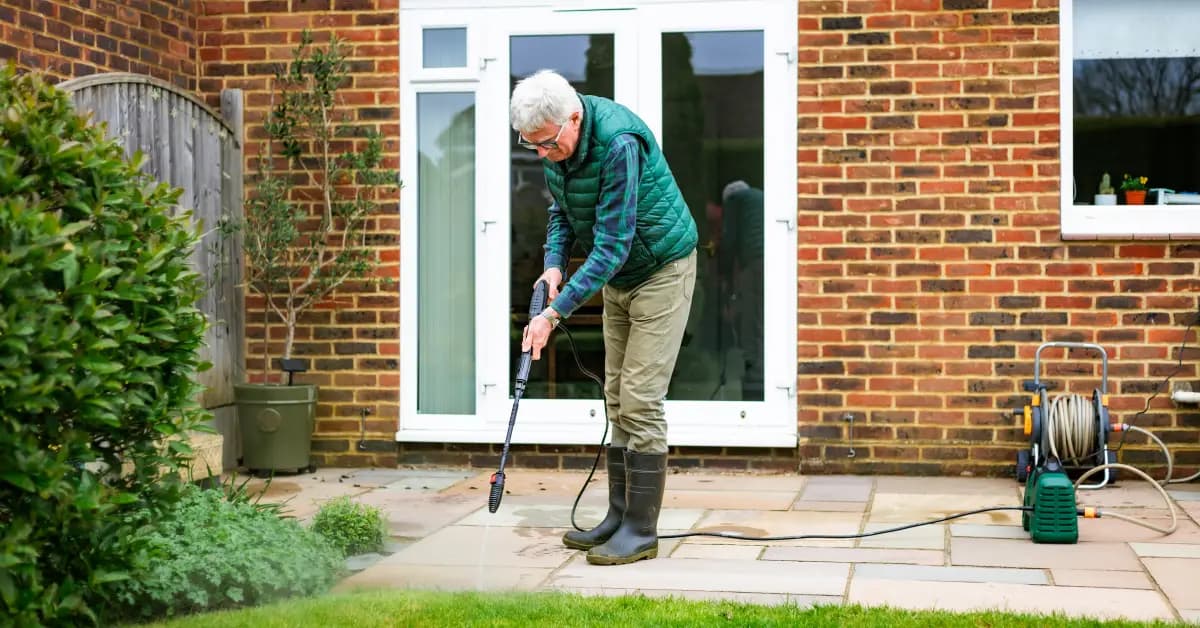
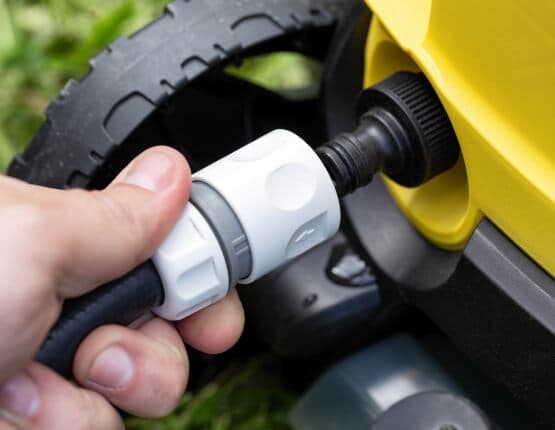
Order Ryobi Pressure Washer Replacement Parts Online
Keep your Ryobi pressure washer running efficiently with genuine OEM replacement parts from Repair Clinic. From pumps and hoses to spray wands and nozzles, we make it easy to find the right Ryobi power washer parts by model or part number. Enjoy our No-Hassle 365-Day Returns and Price Match Guarantee for a stress-free shopping experience.
Ryobi Pressure Washer Model Number: Where to Look
Ryobi prints the model number on a label attached to the pressure washer frame, often near the engine or pump housing. Check the engine area and pump mount for a sticker or metal plate, then copy the complete model number exactly, including letters and numbers. Type it into the model number lookup, and the catalog will narrow to parts that fit your entire Ryobi pressure washer, not just one part. If the frame label is dirty or worn, wipe it gently and compare the number with your owner's manual before searching. Using the full model number gives you a fast, accurate match and helps prevent ordering parts for a similar washer.

Repair Help for Ryobi Pressure Washer
Whether you own a Ryobi Pressure Washer or work on one professionally, Repair Clinic's online repair help covers what you need. Start with a symptom guide to narrow the likely cause, then use the model number lookup to confirm the correct replacement part. Written repair instructions and matching videos walk you through each step of the installation for a clean, first-time repair.
Related Articles: Pressure Washer Parts
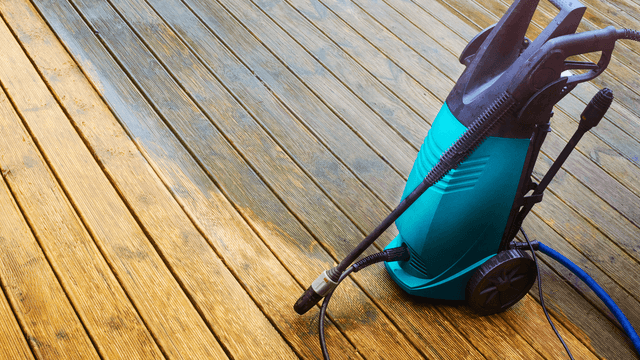
No Water Pressure In Your Pressure Washer? 2 Likely Causes
Low or no water pressure in your pressure washer? Learn the two most common causes clogged nozzles and faulty pumps"and how to troubleshoot and fix them. Get expert tips to restore your pressure washer's performance quickly.
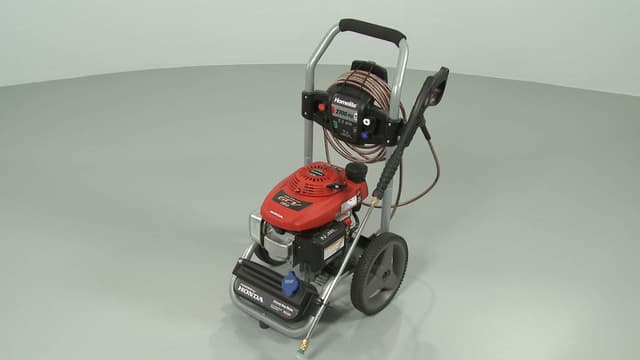
Pressure Washer Spray Gun Replacement
A faulty spray gun can reduce your pressure washer's effectiveness. Learn how to identify when a replacement is needed and follow step-by-step instructions to install a new spray gun for proper function.
Top Reasons Why a Pressure Washer is Leaking Water From the Bottom or Pump
A leaking pressure washer can be caused by worn seals, a cracked pump, or loose connections. Learn how to diagnose and fix common pressure washer leaks to keep your equipment running efficiently.




Family-owned and operated since 1912, Burke America Parts Group is the longest-running genuine appliance, HVAC, and outdoor power equipment parts solution in North America. At Repair Clinic, we're proud to be an international brand trusted by the pros as well as the DIY community.
About Repair Clinic