


 Price Match Guarantee
Ryobi Pressure Washer Fuel Filter Replacement
Find the right part faster
Multiple models matched. Select your model to confirm fit.





In-line fuel filter


Fuel filter100009020


Ryobi Pressure Washer Fuel Filter Parts
Ryobi pressure washers rely on a clean fuel system to start reliably and run at full power. The fuel filter is your first line of defense against dirt, rust, and ethanol varnish that can clog the carburetor and stop the engine cold. A clogged or degraded fuel filter forces the engine to work harder, leading to rough starting, sputtering under load, and eventual shutdown.
If your Ryobi pressure washer is hard to start, runs weak, or won't start at all — and the carburetor isn't the issue — inspect the fuel filter first. Ethanol-blended gas breaks down in storage, leaving sticky residue that blocks flow. A fresh OEM Ryobi fuel filter restores proper fuel delivery and pairs well with a carburetor cleaning or rebuild for a complete fuel system refresh. Ryobi pressure washer fuel filters and related parts are in stock and ready to ship same-day.
- Fuel filter clogged or discolored: Restricted flow, weak spray, hard starting
- Gas won't flow from tank to carburetor: Filter blockage or fuel line crack — check both
- Pressure washer sits for weeks or months: Ethanol varnish builds up in fuel system — replace filter before the season
- Fuel smells sour or looks brown/cloudy: Bad gas or oxidized filter — drain tank and install fresh fuel + new filter
- Sputtering or losing pressure under load: Air in fuel line or clogged filter — trace fuel line for cracks first
Ryobi Pressure Washer Fuel System FAQ
Why does my Ryobi pressure washer fuel filter get clogged so quickly?
Ethanol-blended gasoline breaks down in storage, leaving sticky varnish that coats the fuel filter. If your pressure washer sits idle for more than a month, old gas polymerizes inside the tank and fuel lines. The filter catches most of this debris, but once it's saturated, fuel flow stops. Replace the fuel filter before each season and use fresh gas with a fuel stabilizer if you won't run the machine for more than two weeks.
Can I clean a Ryobi fuel filter instead of replacing it?
Paper fuel filters are designed to trap particles — cleaning them usually damages the media. A clogged or collapsed filter should be replaced, not cleaned. If you want to save money on fuel filters, store your Ryobi with an empty tank and fresh fuel stabilizer, or drain the tank and fuel lines before winter. That's far cheaper than replacing clogged filters every spring.
Where is the fuel filter located on a Ryobi pressure washer?
Most Ryobi gas pressure washers have the fuel filter inside the fuel tank, accessed by removing the filler cap. Some models have an in-line filter between the tank and carburetor. Check your owner's manual for the exact location and filter type — then use your model number on Repair Clinic to order the correct OEM filter and any fuel line sections you may need.
What fuel filter do I need for my Ryobi pressure washer model?
Ryobi fuel filters vary by engine size and year. Enter your Ryobi pressure washer model number (found on the engine block or frame sticker) into the Repair Clinic search bar — we'll show you the exact filter type, fuel line kits, and any related carburetor or primer bulb parts your unit requires. OEM filters are inexpensive and fit perfectly every time.
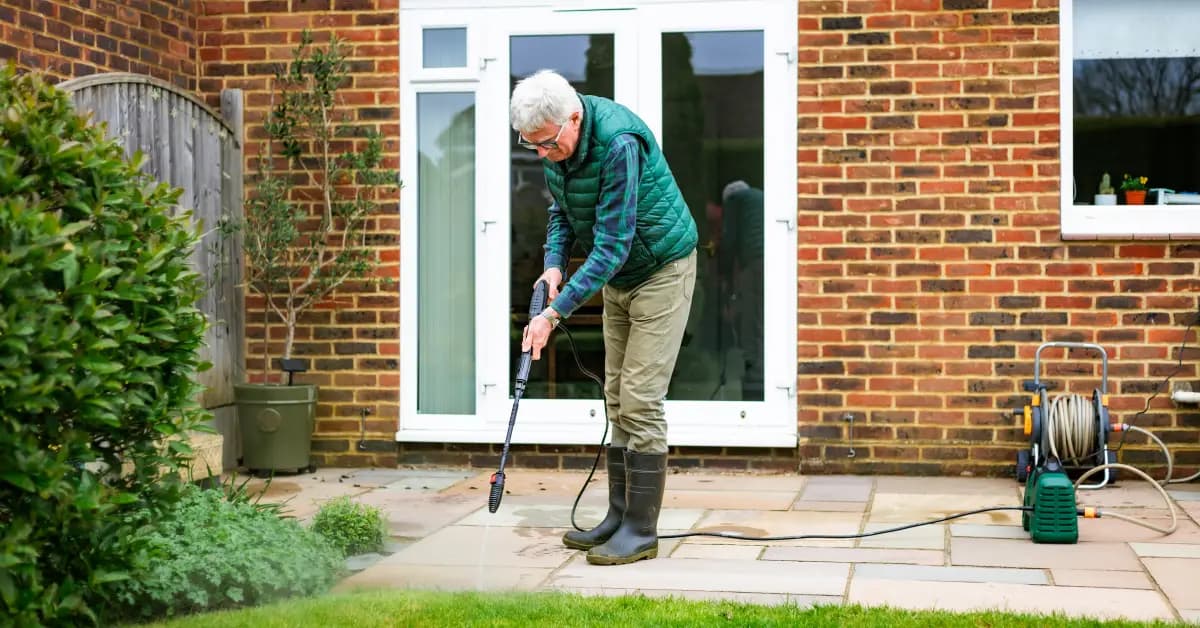
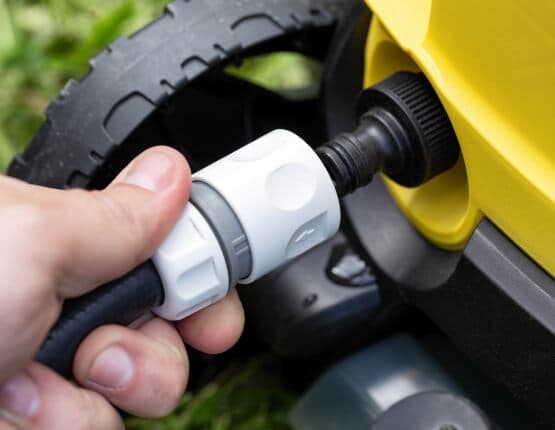
Order Ryobi Pressure Washer Fuel Filter Replacement Online
Keep your Ryobi pressure washer running smoothly with genuine fuel filter replacements. A clean fuel filter ensures proper function by preventing debris from clogging the carburetor, which can lead to starting issues or rough operation. Our extensive online catalog makes it easy to find the exact replacement using your model or part number. With same-day shipping, you can quickly receive your parts and get back to your cleaning tasks without delay. We offer a No-Hassle 365-Day Returns policy and a Price Match Guarantee, ensuring you receive the best value for your purchase. For more tips on maintaining your pressure washer, visit our Pressure Washer Repair Help page. Support your repair by checking out our Ryobi Pressure Washer Filter Parts for related parts.
Ryobi Pressure Washer Model Number: Where to Look
Ryobi typically places the pressure washer model number on a sticker attached to the frame, near the engine, or on the pump housing. Look for a label listing the model and serial numbers, and copy the model number exactly, including any letters. Type it into our model number lookup and the catalog narrows to parts made for your unit, not just fuel filters but the complete selection of associated Ryobi pressure washer parts. Using the model number helps account for differences between engine sizes, production years, and equipment versions. You order with confidence knowing the fit is right.

Stock Up on Ryobi Pressure Washer Filters
Regular filter replacement is one of the simplest ways to keep your Ryobi Pressure Washer running efficiently. Repair Clinic stocks OEM filters for a wide range of appliances, ready to ship, along with installation videos and part diagrams. Use the model number lookup to confirm the exact filter for your unit, then order a few to keep on hand for scheduled service intervals.
Related Articles: Pressure Washer Parts
Why Your Pressure Washer Soap Injector Is Not Working
Learn the top reasons your pressure washer soap injector isn't working and how to fix it quickly. Diagnose clogged nozzles, injector valves, and other common issues.
No Water Pressure In Your Pressure Washer? 2 Likely Causes
Is your pressure washer losing power? Find out the two most common reasons for low or no water pressure and how to troubleshoot them for fast, effective repairs.
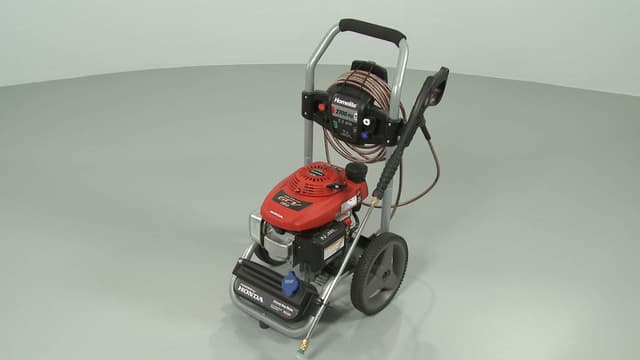
Top Reasons Why a Pressure Washer is Leaking Water From the Bottom or Pump
If your pressure washer is leaking water, the pump seals or thermal relief valve could be to blame. Learn how to identify and fix the source of water leaks fast.




Family-owned and operated since 1912, Burke America Parts Group is the longest-running genuine appliance, HVAC, and outdoor power equipment parts solution in North America. At Repair Clinic, we're proud to be an international brand trusted by the pros as well as the DIY community.
About Repair Clinic