


 Price Match Guarantee
WorkForce Pressure Washer Manuals, Care Guides & Literature
Find the right part faster
Multiple models matched. Select your model to confirm fit.



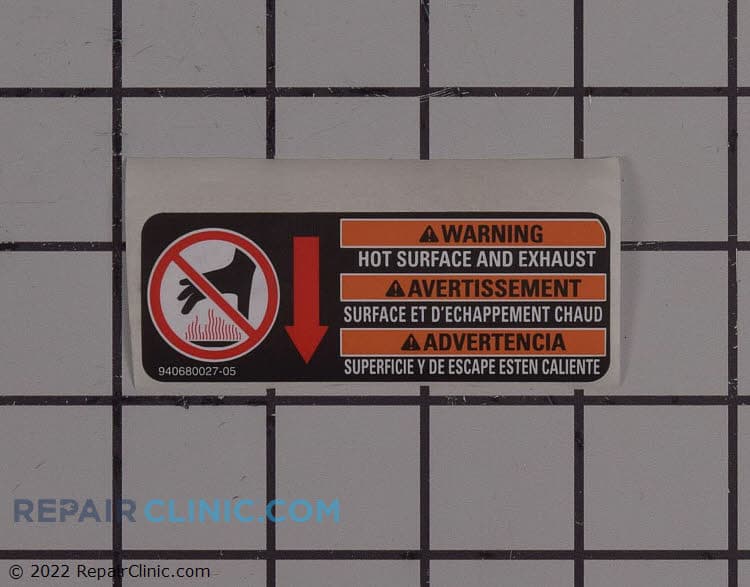
Label hot surface wf80710/911
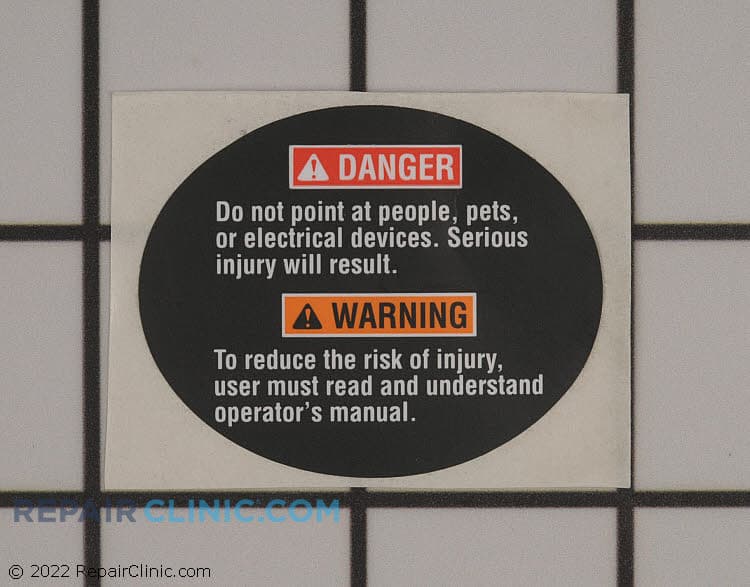
Decals and Labels
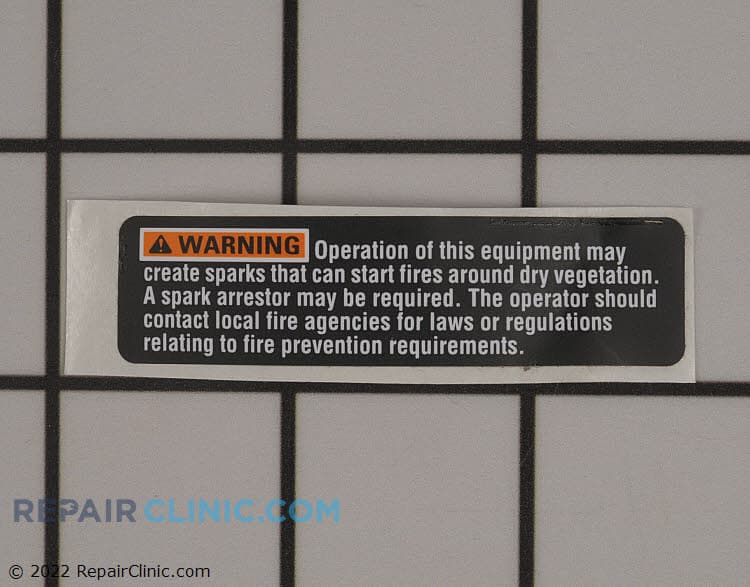
Label ul fire warning


Workforce Pressure Washer Pump and Carburetor Parts
Workforce pressure washers are built for tough outdoor cleaning jobs, and when they need repair, the most common culprits are the pump assembly and carburetor. A loss of pressure or no pressure at all almost always points to pump wear or failure — the pump is the heart of any pressure washer and takes the most abuse over time. Carburetors, especially on gas models, struggle with ethanol-blended fuel buildup and stale gas, causing hard starts and rough running. Repair Clinic carries OEM Workforce replacement parts that restore your washer to original specs, ensuring proper PSI and flow rate for safe, effective cleaning.
Beyond the pump and carburetor, unloader valves, spray guns, nozzles, and hose assemblies are high-demand parts that keep your Workforce washer running efficiently. Whether you're tackling deck cleaning, siding, or concrete, having the right OEM parts on hand means less downtime and more reliable performance.
- Pump assembly fails: Low or no pressure output; water trickles or sprays weakly
- Carburetor clogs: Hard start, stalls under load, or won't idle smoothly
- Unloader valve stuck: Pressure pulsates, cycles on and off, or won't shut off
- Spray gun won't trigger: Handle stuck or unresponsive; leaking around trigger
- Nozzles clogged: Weak spray, uneven pattern, or water pooling at the wand tip
Find your exact Workforce pressure washer model number on the rating plate and look up your parts here. OEM replacements help ensure compatibility and performance.
Find WorkForce Pressure Washer Manuals, Care Guides & Literature Parts Online by Model Number
Popular WorkForce Pressure Washer Models
Related WorkForce Pressure Washer Manuals, Care Guides & Literature
Workforce Pressure Washer Parts & Repairs — Frequently Asked Questions
Why did my Workforce pressure washer lose pressure suddenly?
A sudden loss of pressure is usually the pump failing or the unloader valve sticking. First, check that the intake screen isn't blocked and the fuel mix is correct. If water is trickling instead of spraying, the pump internal seals have likely worn out. Unloader valves can also stick in the open position, which bypasses pressure back to the tank. Verify the valve is seating properly and isn't damaged. If pressure is still low, the pump assembly needs replacement — it's the most common Workforce pressure washer repair.
What causes a Workforce pressure washer to be hard to start?
Hard starts on Workforce gas models almost always come down to the carburetor. Ethanol fuel degrades the carburetor's internal parts — the float can stick, the needle valve corrodes, and the jets clog. If your Workforce sat unused for more than a few weeks, old fuel has likely varnished the carburetor. Try a carburetor cleaning kit first, or a full carburetor rebuild kit. If cleaning doesn't help, replace the carburetor entirely. Also check the spark plug, air filter, and fuel lines for blockages.
How do I find my Workforce pressure washer model number for parts lookup?
The model number is stamped or printed on a label attached to the frame or handle of your Workforce pressure washer, usually near the pump or engine. It often includes the PSI rating and GPM (gallons per minute). Write down the complete model number, serial number if visible, and the PSI/GPM specs — this ensures you order the exact OEM part that fits your unit. Use the Repair Clinic model lookup tool to confirm part compatibility before ordering.
Are OEM Workforce parts worth the cost versus aftermarket?
OEM Workforce pump assemblies, carburetors, and unloader valves are engineered to exact pressure and flow specifications for your model. Aftermarket pumps often fail prematurely and may deliver incorrect PSI, risking damage to the surfaces you're cleaning or creating weak spray patterns. For high-wear parts like pumps and carburetors, OEM parts justify their cost through longer lifespan and reliable performance. For consumables like nozzles and hoses, aftermarket options are more flexible, but OEM nozzles in your specific size ensure proper spray pattern.
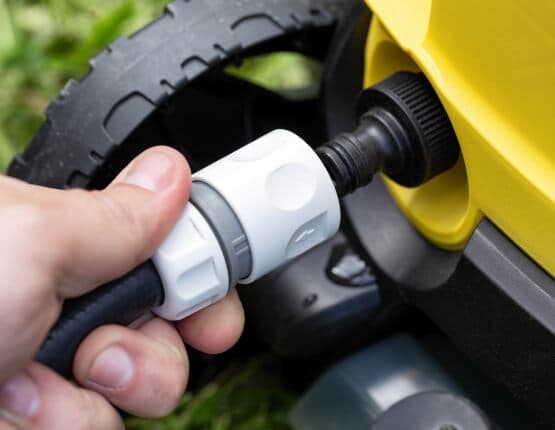
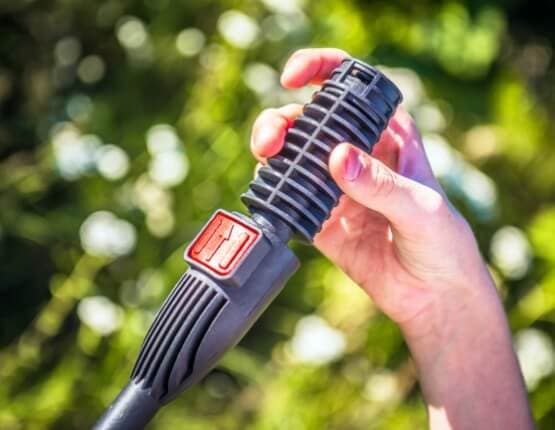
Order WorkForce Pressure Washer Manuals Online
Ensure your WorkForce pressure washer operates at its best by accessing genuine manuals, care guides, and literature online. With easy model number lookup, you can quickly find the right documentation to assist with maintenance and troubleshooting. Enjoy the convenience of same-day shipping to get your materials fast, backed by our No-Hassle 365-Day Returns and Price Match Guarantee. Manuals provide valuable insights for both homeowners and professional technicians, helping to address common issues such as starting problems or loss of pressure. Remember, having the proper guide can make all the difference in effective maintenance and repair. For additional support, visit our Pressure Washer Repair Help page. Browse our WorkForce Pressure Washer Parts section for more solutions.
WorkForce Pressure Washer Model Number: Where to Look
On WorkForce pressure washers, look for the model number on a label attached to the frame or handle, often near the pump or engine. The rating plate may also list the unit's PSI and GPM, so record the complete model number rather than the serial number or performance ratings. Enter that model number in the search bar to filter the full WorkForce pressure washer parts catalog to parts that fit your specific unit. Using the complete number helps match everything from replacement pumps and carburetors to hoses, spray guns, and other associated parts. It is the quickest way to be sure the part fits before you order.

Do-It-Yourself Repair Resources for Workforce Pressure Washer Manuals Care Guides Literature
Repair Clinic's online repair library gives DIYers and professional technicians the same reference material for Workforce Pressure Washer Manuals Care Guides Literature work. Start with a common-symptom article to narrow the cause, watch the matching part testing video, then follow the step-by-step written or video repair guide during the installation. Use the model number lookup to confirm the exact OEM part, and wiring diagrams and exploded-view illustrations are on hand for the more complex jobs.
Related Articles: Pressure Washer Parts

Why Your Pressure Washer Soap Injector Is Not Working
Learn the top reasons your pressure washer soap injector isn't working and how to fix it quickly. Diagnose clogged nozzles, injector valves, and other common issues.
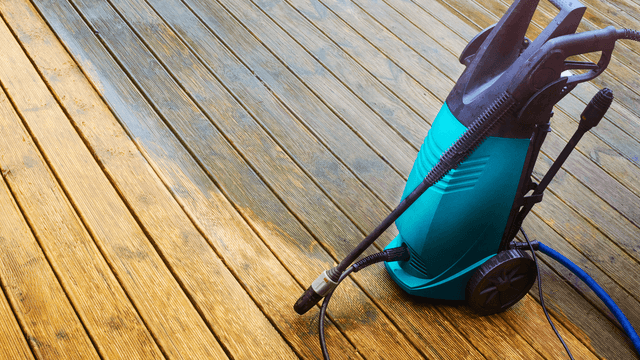
No Water Pressure In Your Pressure Washer? 2 Likely Causes
Is your pressure washer losing power? Find out the two most common reasons for low or no water pressure and how to troubleshoot them for fast, effective repairs.
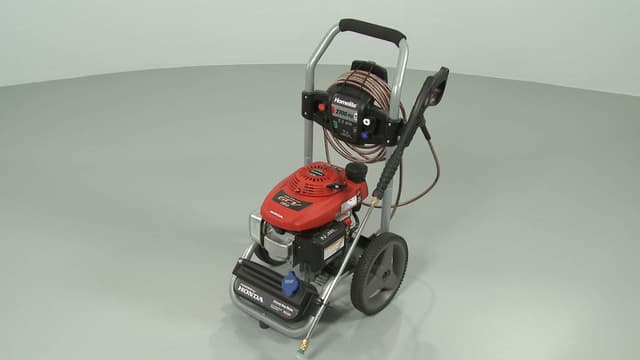
Top Reasons Why a Pressure Washer is Leaking Water From the Bottom or Pump
If your pressure washer is leaking water, the pump seals or thermal relief valve could be to blame. Learn how to identify and fix the source of water leaks fast.




Family-owned and operated since 1912, Burke America Parts Group is the longest-running genuine appliance, HVAC, and outdoor power equipment parts solution in North America. At Repair Clinic, we're proud to be an international brand trusted by the pros as well as the DIY community.
About Repair Clinic