


 Price Match Guarantee
Generac Pressure Washer Parts
- Alternator, Battery & Charger
- Axle, Roller, Shaft, Wheel
- Bearing
- Blower Wheel & Fan Blade
- Bracket & Flange
- Cap, Lid & Cover
- Carburetor
- Circuit Board & Timer
- Control Cable
- Dipstick
- Duct & Venting
- Engine
- Fastener
- Filter
- Gasket & Seal
- Handle
- Heating Element
- Hose, Tube & Fitting
- Ignition Controls
- Insulation
- Knob, Dial & Button
- Latch
- Leg, Foot & Caster
- Lubricant
- Manuals, Care Guides & Literature
- Miscellaneous
- Motor
- Muffler
- Oil Plug
- Panel
- Pulley
- Pump
- Sensor & Thermistor
- Shear Pin
- Spark Plug
- Spring
- Starter
- Steering
- Switch
- Tank & Container
- Tire & Rim
- Tool
- Transmission, Brake & Clutch
- Trim
- Valve & Float
- Wire, Receptacle & Wire Connector
Find the right part faster
Multiple models matched. Select your model to confirm fit.





Briggs & Stratton Original Equipment 498260 Carburetor Overhaul Kit. If the carburetor is clogged, the engine won't get enough fuel. As a result, the engine may not start or may run poorly.

Briggs & Stratton Original Equipment 491588S Air Filter. Briggs & Stratton genuine parts are specially designed to exact OEM standards, manufactured and tested to help deliver optimum performance in Briggs & Stratton engines.
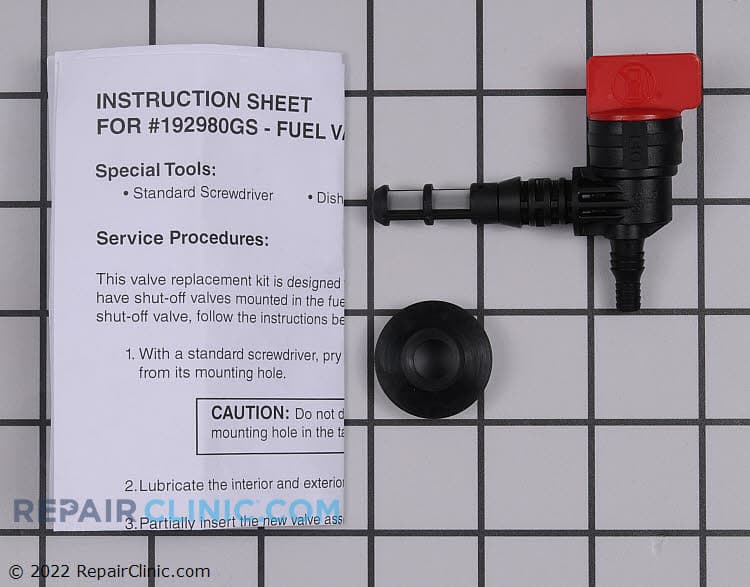
Fuel shut-off valve
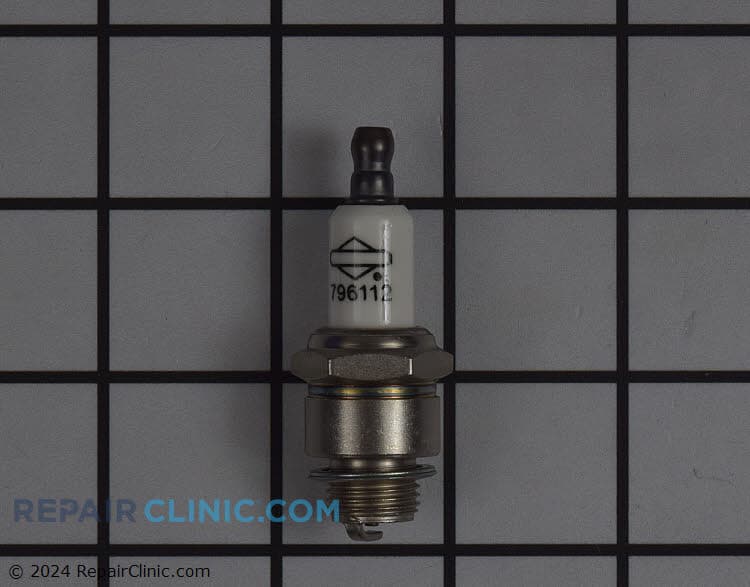
Briggs & Stratton Spark Plug (RJ19LM). If the engine does not start or runs poorly then the spark plug may be defective and will need replacement.
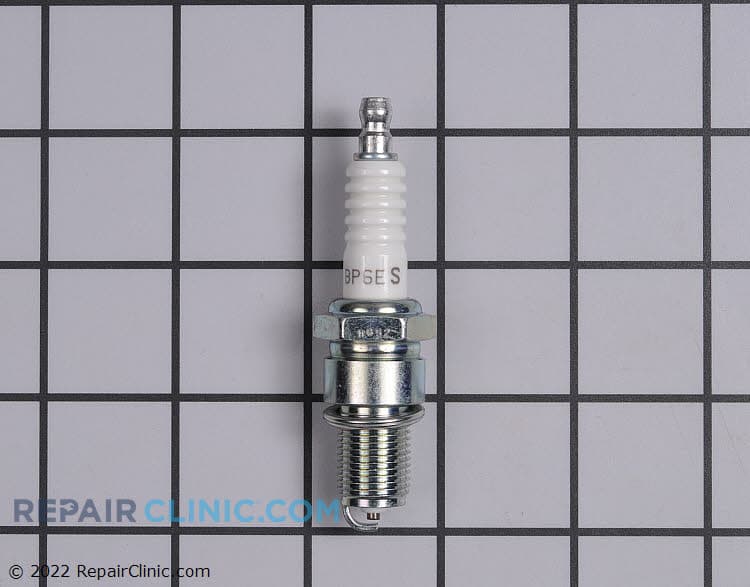
Small engine NGK spark plug (BPR6ES). If the engine does not start, the spark plug may be defective. The spark plug should be replaced periodically during regular maintenance.
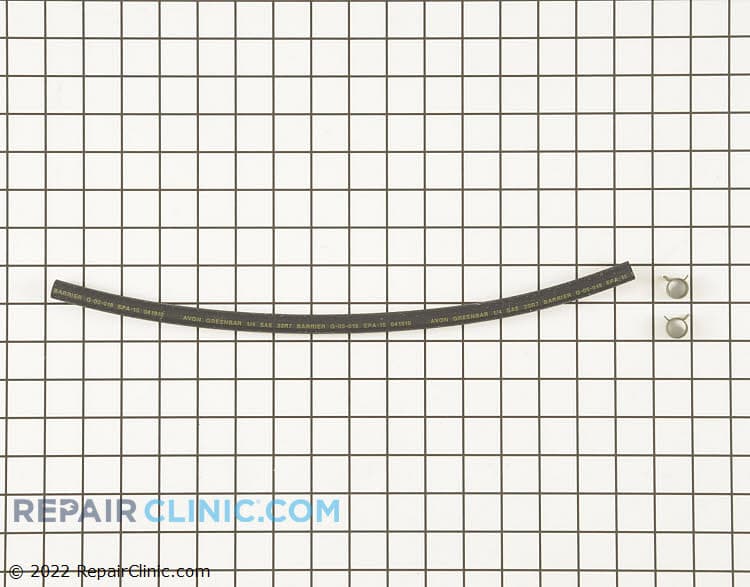
Replacement Briggs & Stratton fuel line kit with clamps. 1/4 Inch inside diameter, Cut to length.
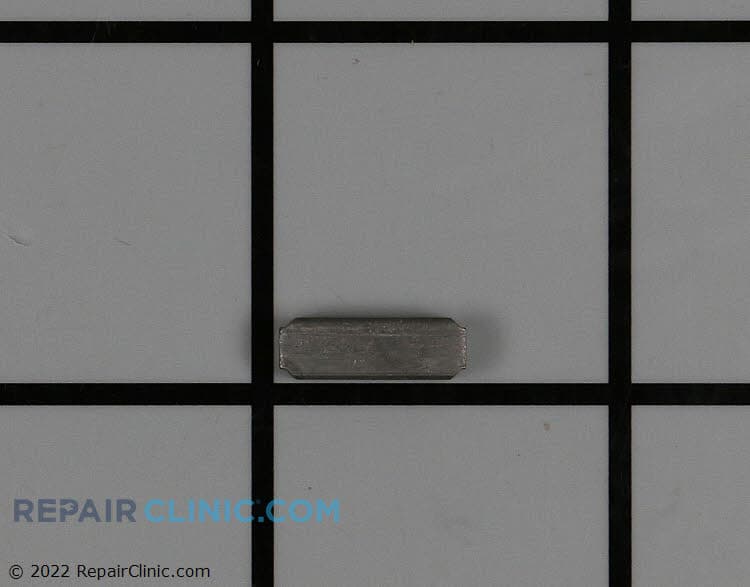
Briggs & Stratton flywheel key. The flywheel key aligns the flywheel in the correct position on the crankshaft. If the engine stops suddenly due to hitting a hard object, the flywheel key shears in half to prevent damage to the engine. If the flywheel key is broken, the engine won't start.
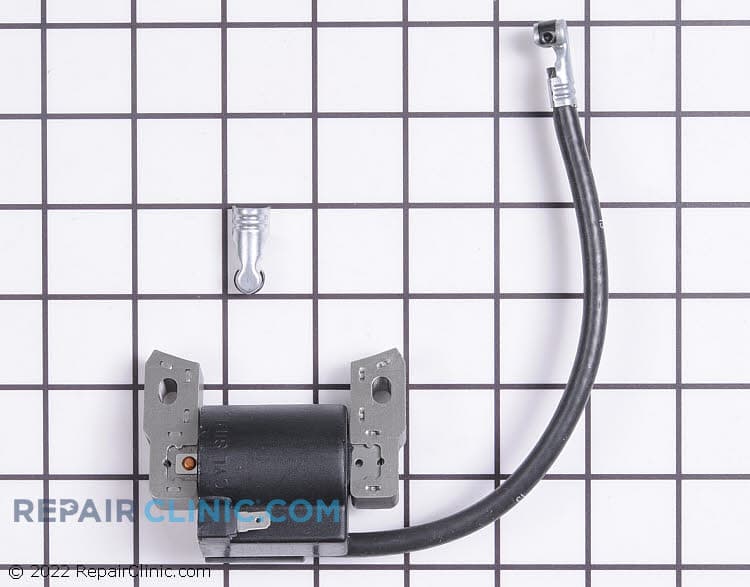
Ignition coil. The ignition coil sends voltage to the spark plug while the engine is running. If the ignition coil is defective, the engine may not start. If your engine was built before date code 101230xx, you will need to order a new Governor Arm see Related Items below.
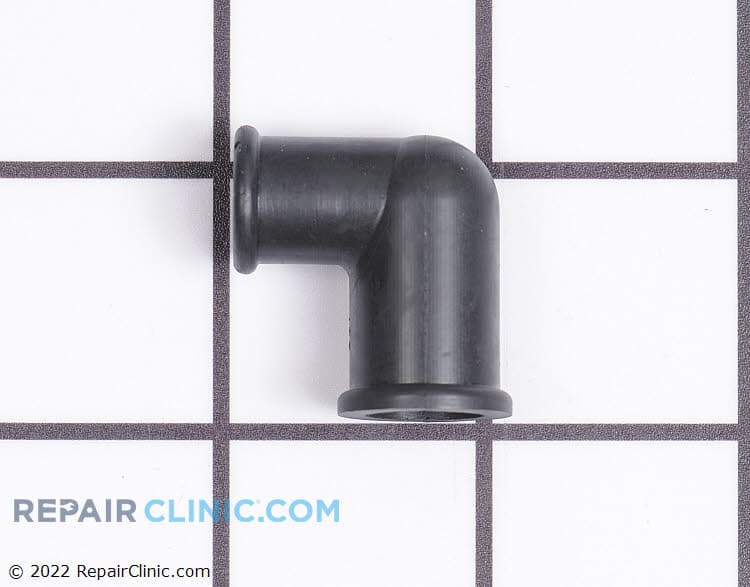
Briggs & Stratton breather tube grommet.
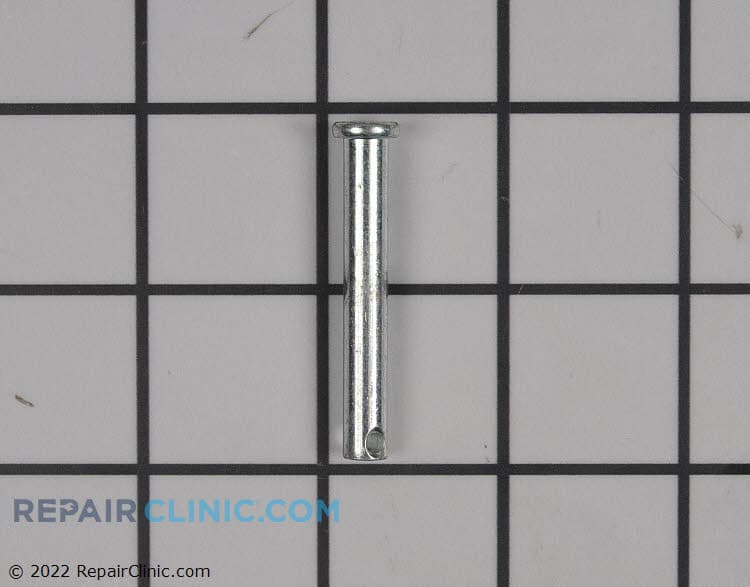
Shear pin
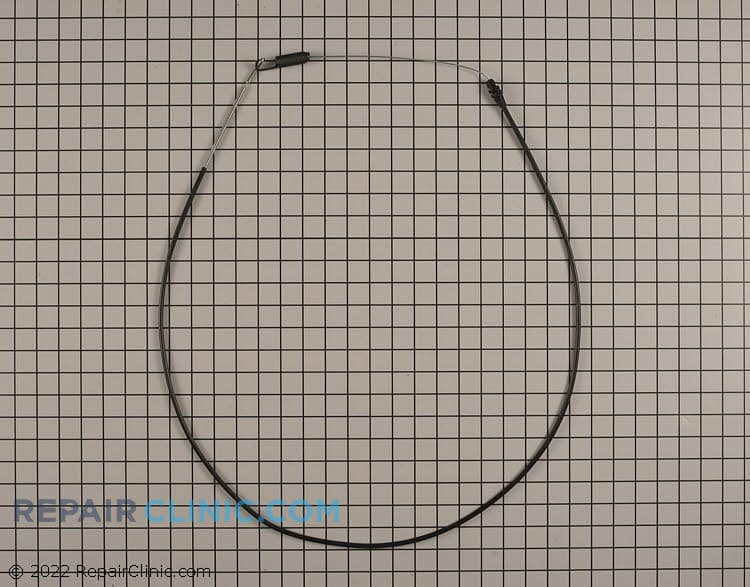
Lawn mower drive cable. If the mowers self-propel function is not working properly, the cable may be broken.

Valve spring retainer
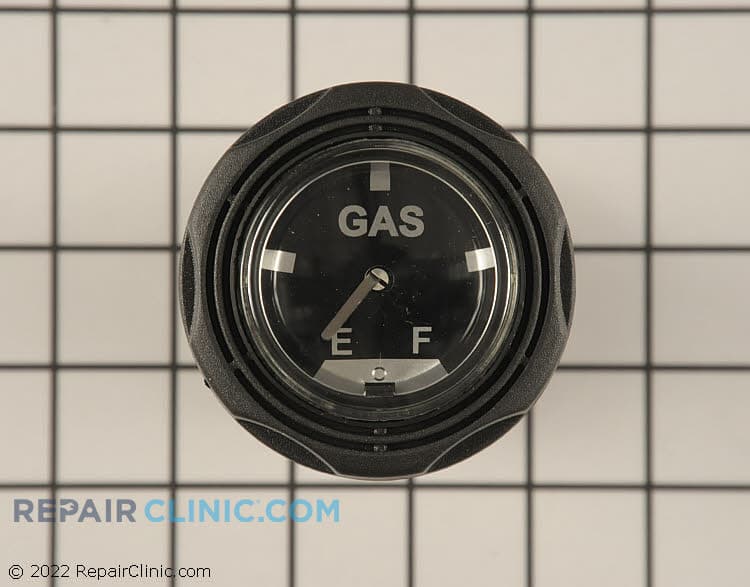
Fuel cap & gauge assembly, 7 gallon tank
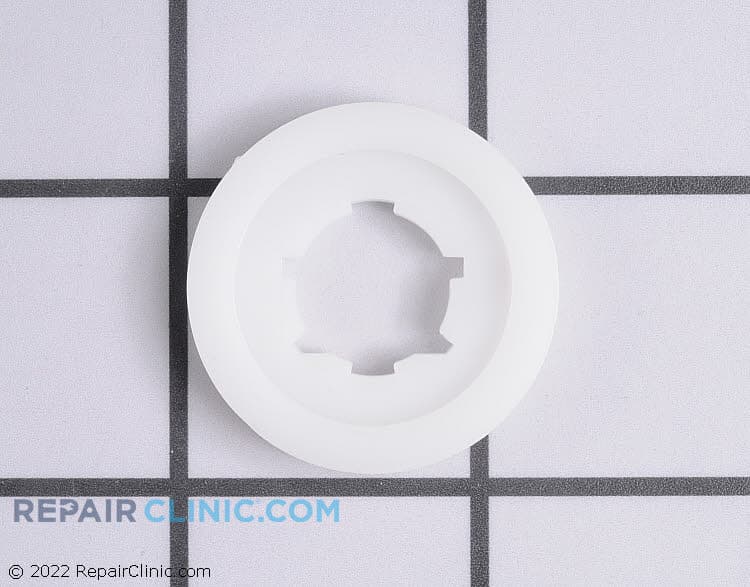
Washer-clutch
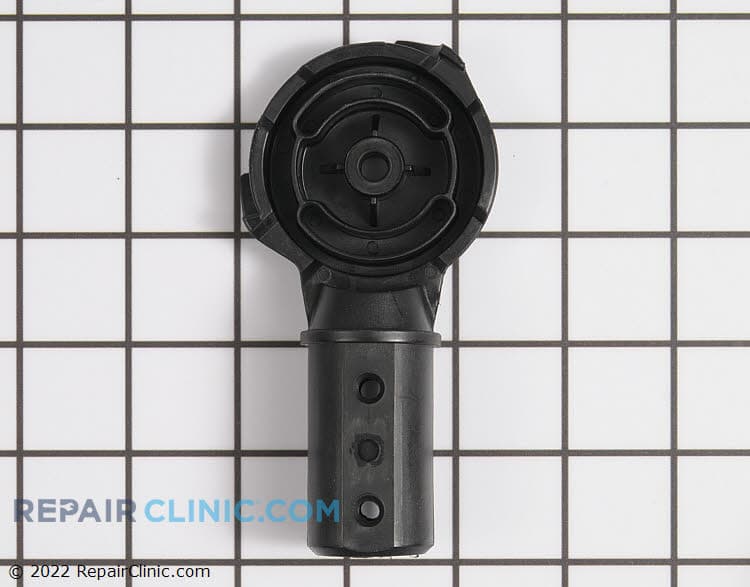
Hinge plate lh-frame


Generac Pressure Washer Pump, Carburetor & Unloader Valve Parts
Generac pressure washers deliver reliable cleaning power, but like all PW equipment, they're prone to a few predictable failures. The pump assembly is the hardest-working part — when pressure drops or stops completely, the pump is almost always the culprit. Carburetors struggle with ethanol-damaged fuel, and unloader valves can stick or drift, causing pulsing pressure or safety lockouts.
The good news: these are fixable problems with the right OEM parts. Generac pump assemblies, carburetors, spark plugs, and unloader valves are all in stock at Repair Clinic, ready to ship same day. Use your model number to find the exact replacement.
- Pump Assembly: No pressure, low pressure, or intermittent loss — pump failure is the #1 Generac PW repair
- Carburetor: Won't start, hard start, or runs rough — ethanol damage to fuel system
- Unloader Valve: Pressure pulsing, won't reach rated PSI, or stuck low
- Spark Plugs: Maintenance item; fouled plugs from old fuel are common
- Fuel Lines & Filters: Cracked lines or clogged filters from stale gasoline
Find Replacement Generac Pressure Washer Parts Online by Model or Part Number
Popular Generac Pressure Washer Models
Related Generac Pressure Washer Parts
- Generac Pressure Washer Miscellaneous Parts
- Generac Pressure Washer Fastener Parts
- Generac Pressure Washer Gasket & Seal Parts
- Generac Pressure Washer Cap, Lid & Cover Parts
- Generac Pressure Washer Engine Parts
- Generac Pressure Washer Spring Parts
- Generac Pressure Washer Bracket & Flange Parts
- Generac Pressure Washer Hose, Tube & Fitting Parts
- Generac Pressure Washer Manuals, Care Guides & Literature
- Generac Pressure Washer Bearing Parts
- Generac Pressure Washer Axle, Roller, Shaft, Wheel Parts
- Generac Pressure Washer Carburetor Parts
- Generac Pressure Washer Transmission, Brake & Clutch Parts
- Generac Pressure Washer Handle Parts
- Generac Pressure Washer Switch Parts
- Generac Pressure Washer Filter Parts
- Generac Pressure Washer Pulley Parts
- Generac Pressure Washer Valve & Float Parts
- Generac Pressure Washer Starter Parts
- Generac Pressure Washer Knob, Dial & Button Parts
- Generac Pressure Washer Tank & Container Parts
- Generac Pressure Washer Wire, Receptacle & Wire Connector Parts
- Generac Pressure Washer Control Cable Parts
- Generac Pressure Washer Pump Parts
- Generac Pressure Washer Muffler Parts
- Generac Pressure Washer Ignition Controls Parts
- Generac Pressure Washer Spark Plug Parts
- Generac Pressure Washer Dipstick Parts
- Generac Pressure Washer Latch Parts
- Generac Pressure Washer Panel Parts
- Generac Pressure Washer Alternator, Battery & Charger Parts
- Generac Pressure Washer Motor Parts
- Generac Pressure Washer Duct & Venting Parts
- Generac Pressure Washer Steering Parts
- Generac Pressure Washer Tool
- Generac Pressure Washer Blower Wheel & Fan Blade Parts
- Generac Pressure Washer Circuit Board & Timer Parts
- Generac Pressure Washer Heating Element Parts
- Generac Pressure Washer Insulation Parts
- Generac Pressure Washer Leg, Foot & Caster Parts
- Generac Pressure Washer Lubricant
- Generac Pressure Washer Oil Plug Parts
- Generac Pressure Washer Sensor & Thermistor Parts
- Generac Pressure Washer Shear Pin Parts
- Generac Pressure Washer Tire & Rim Parts
- Generac Pressure Washer Trim Parts
Generac Pressure Washer Parts — Common Questions
Why is my Generac pressure washer losing pressure or producing no pressure?
The pump assembly is the most common culprit. Over time, the pump's internal seals wear and the valves fail, dropping your PSI to a trickle or zero. Always verify the unloader valve isn't stuck first — a stuck valve can feel like a pump failure but costs a fraction of the price to fix. Check your model number and compare the current pump to the OEM replacement to confirm it's the right axial or triplex type for your unit.
Why won't my Generac pressure washer start, and how do I fix a carburetor?
Generac gas pressure washers left sitting over winter often won't start because stale fuel clogs the carburetor jets and float needle. A carburetor rebuild kit with fresh gaskets and seals often solves it. If the engine cranks but won't fire, check the spark plug next — a fouled or gapped-wrong plug is the second-most-common start failure. Running fresh fuel with fuel stabilizer through the carb before storage prevents this.
How do I find the right Generac pressure washer pump or part?
Locate your model number (usually on a sticker on the frame or motor housing) and enter it into Repair Clinic's lookup tool. Your model number tells us the pump type (axial vs. Triplex), GPM/PSI rating, and engine code — all critical for ordering the exact OEM replacement. If you can't find the model sticker, the pump plate itself is usually stamped with a part number that will cross-reference correctly.
What should I do if my pressure washer unloader valve is stuck or pulsing?
The unloader valve regulates maximum system pressure and protects the pump from over-pressurization. A stuck unloader will cause pressure to pulse, surge, or max out unexpectedly. Before replacing it, inspect the inlet and outlet connections for debris or mineral buildup — sometimes flushing solves it. If pulsing continues, the valve cartridge has failed and needs OEM replacement. Always replace the O-ring kit at the same time to prevent leaks at the connection.
Order Generac Pressure Washer Parts Online
Keep your Generac pressure washer running smoothly with genuine replacement parts available online. Whether you're a homeowner or a professional technician, finding the right Generac pressure washer parts is easy with our model number lookup. Enjoy the convenience of same-day shipping for all orders, ensuring you get back to work without delay. Our no-hassle 365-day returns policy and price match guarantee make purchasing with confidence simple. From pressure sprayer parts to essential repair parts, our selection covers everything you need to maintain your equipment. Find more about Pressure Washer Troubleshooting to identify issues and fix them efficiently. Browse our wide range of Generac Pressure Washer Parts to keep your machine performing at its best. Access easy-to-follow repair guides and videos for hassle-free maintenance and repairs.
Generac Pressure Washer Model Number: Where to Look
Generac typically places the pressure washer model number on a label attached to the frame, near the engine, or on the pump housing. Check the sides and underside of the frame, then inspect the engine and pump for a sticker or metal tag showing the model and serial information. Copy the model number exactly, including letters, numbers, and any hyphens. Type it into our model number lookup and the catalog narrows to parts made for your unit. This filters the full Generac pressure washer parts selection, not just one part category, so you can match everything from hoses and pumps to engine and control parts. You will spend less time comparing specifications and more time making the correct repair.

Repair Help Videos and Guides for Generac Pressure Washer
When something goes wrong with your Generac Pressure Washer, Repair Clinic's online repair help is the fastest way to sort out the cause. Diagnostic articles cover the symptoms you are seeing, part testing videos verify the failed component, and step-by-step written and video guides cover the installation. Use the model number lookup to confirm the exact OEM part before you order.
Related Articles: Pressure Washer Parts
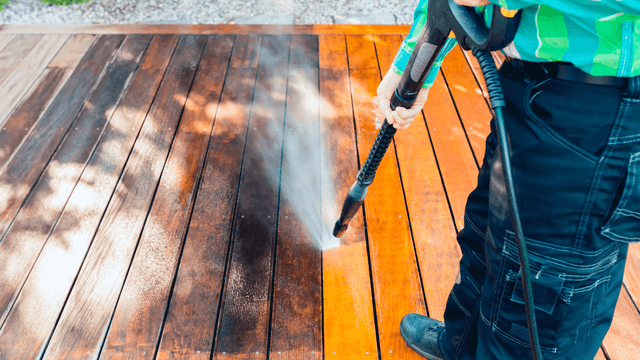
Why Your Pressure Washer Soap Injector Is Not Working
Learn the top reasons your pressure washer soap injector isn't working and how to fix it quickly. Diagnose clogged nozzles, injector valves, and other common issues.
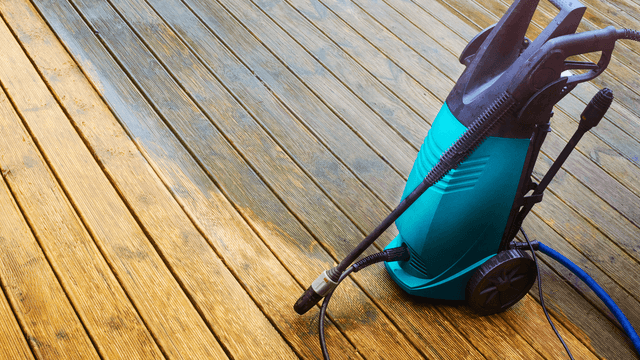
No Water Pressure In Your Pressure Washer? 2 Likely Causes
Is your pressure washer losing power? Find out the two most common reasons for low or no water pressure and how to troubleshoot them for fast, effective repairs.
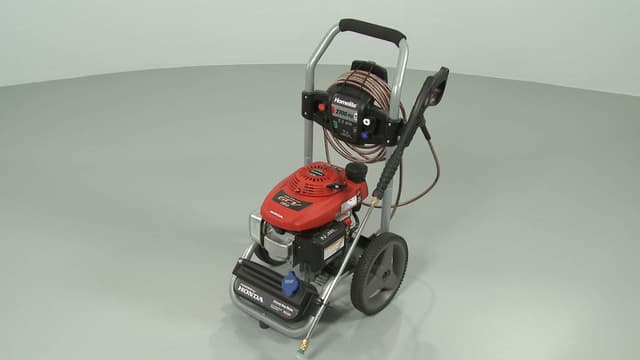
Top Reasons Why a Pressure Washer is Leaking Water From the Bottom or Pump
If your pressure washer is leaking water, the pump seals or thermal relief valve could be to blame. Learn how to identify and fix the source of water leaks fast.




Family-owned and operated since 1912, Burke America Parts Group is the longest-running genuine appliance, HVAC, and outdoor power equipment parts solution in North America. At Repair Clinic, we're proud to be an international brand trusted by the pros as well as the DIY community.
About Repair Clinic