


 Price Match Guarantee
Pressure Washer Carburetor Parts
Find the right part faster
Multiple models matched. Select your model to confirm fit.





Briggs & Stratton Original Equipment 498260 Carburetor Overhaul Kit. If the carburetor is clogged, the engine won't get enough fuel. As a result, the engine may not start or may run poorly.
RC Item #2629350
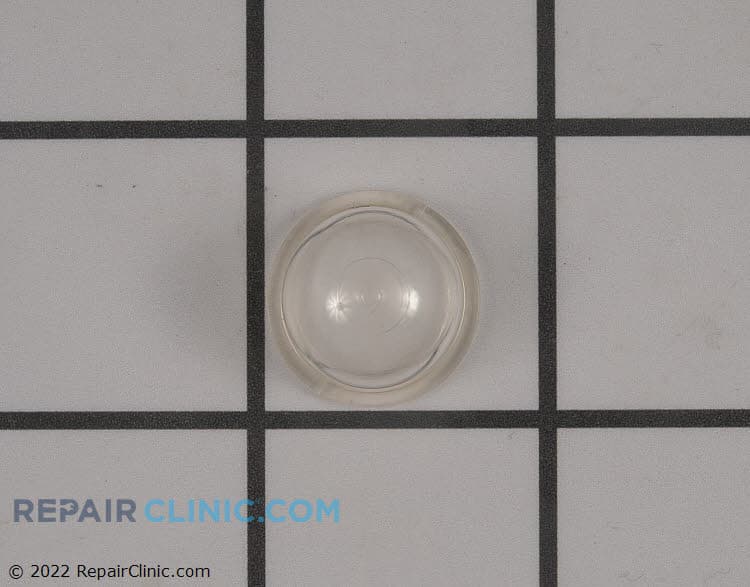
Walbro primer bulb. The primer bulb draws additional fuel into the carburetor to make the engine easier to start. If the primer bulb is leaking, replace it.
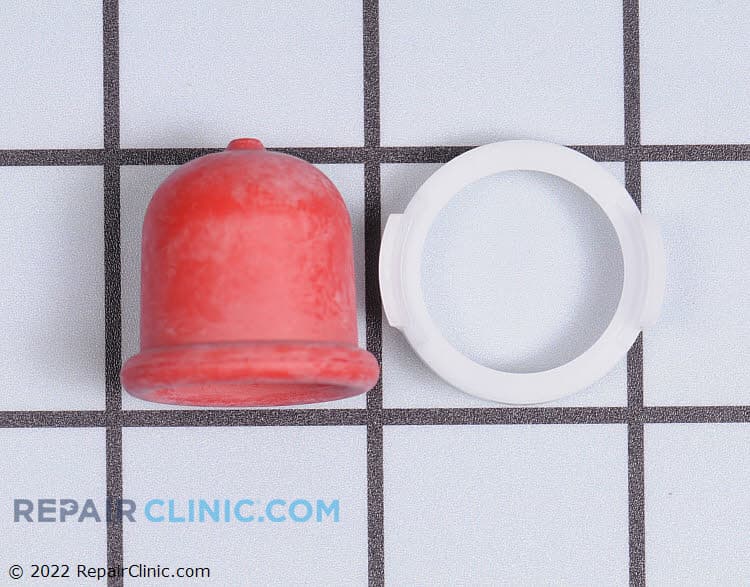
Briggs & Stratton carburetor primer bulb. The primer bulb draws fuel into the carburetor to make the engine easier to start.
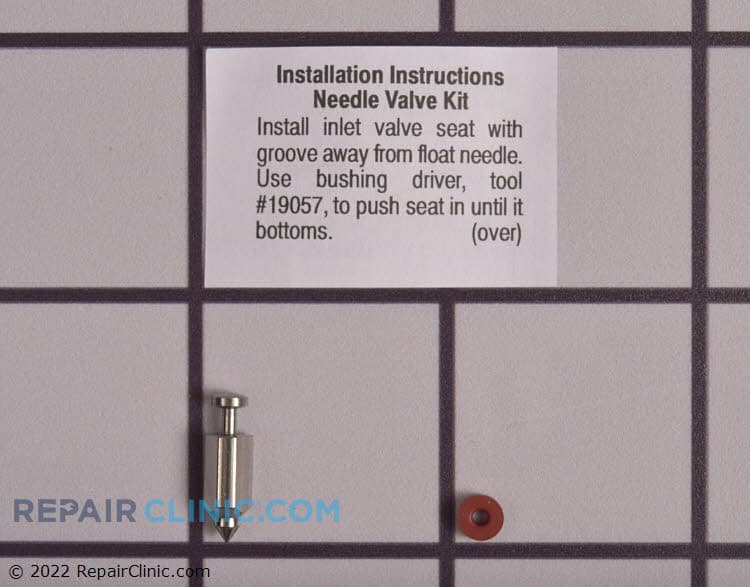
Carburetor needle & seat kit. Comes with installation instructions. The float needle allows fuel to enter the float bowl. If the float needle is stuck closed, the engine will not get fuel and thus will not start.
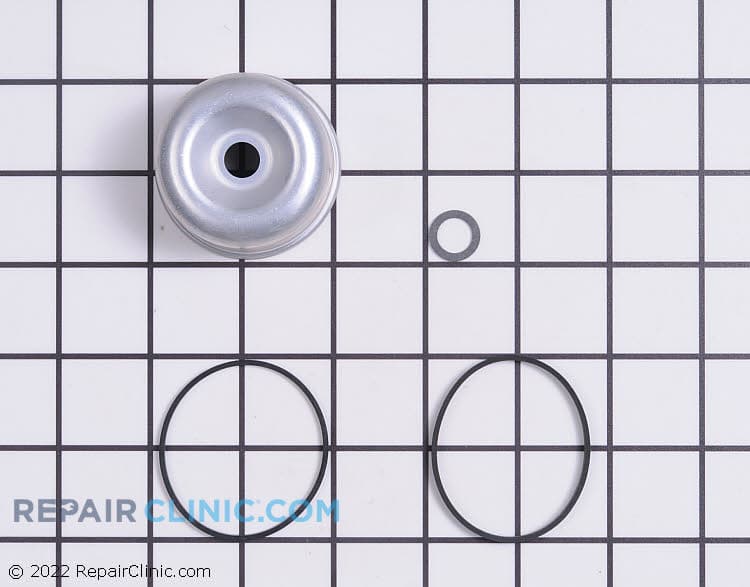
Carburetor float bowl kit
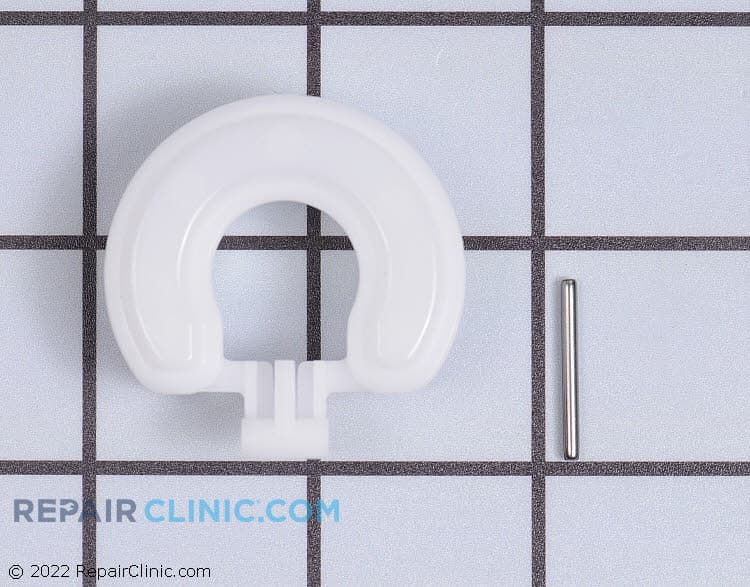
Fuel float kit for carburetor

Rebuild Kit
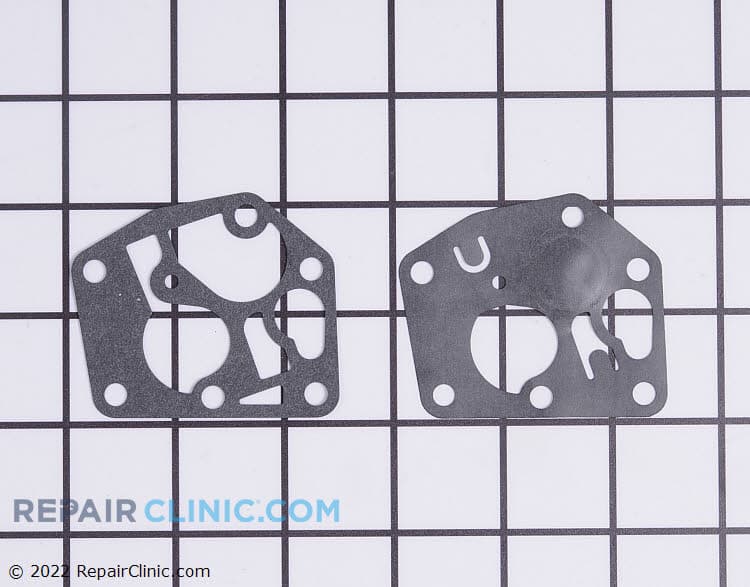
Briggs carburetor diaphragm set. A bad diaphragm gasket can cause an engine to run poor or not at all.
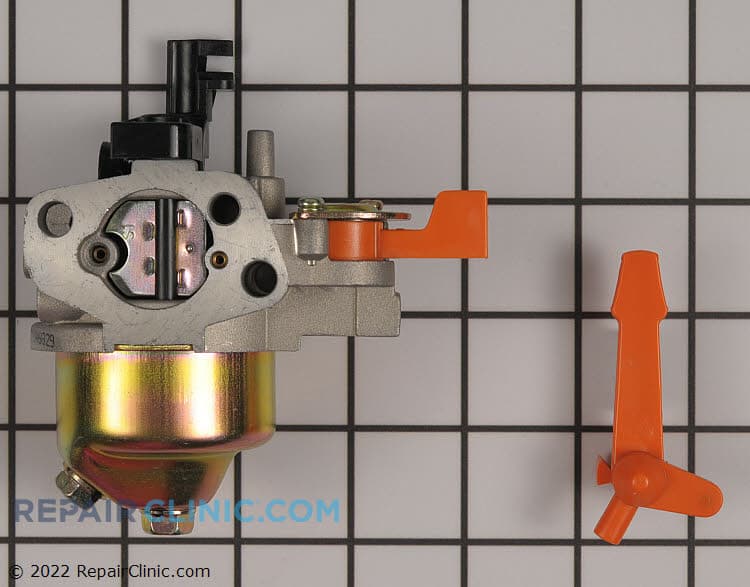
Carburetor
RC Item #2699055
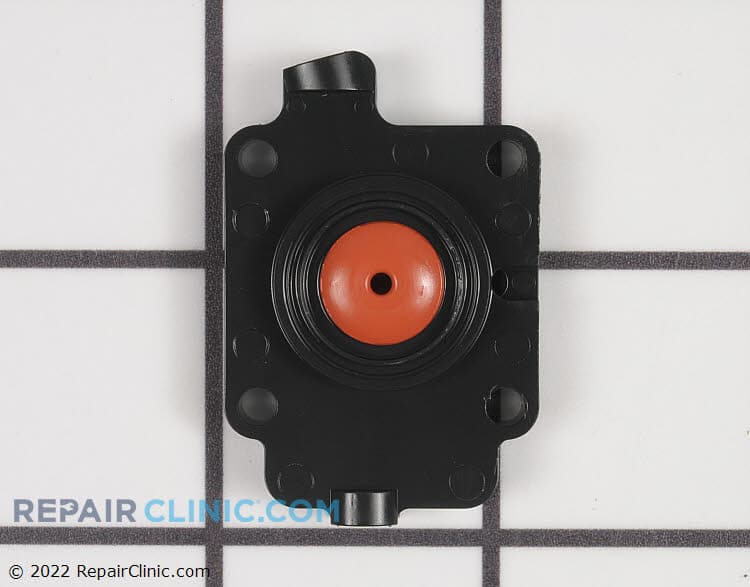
Body-air purge
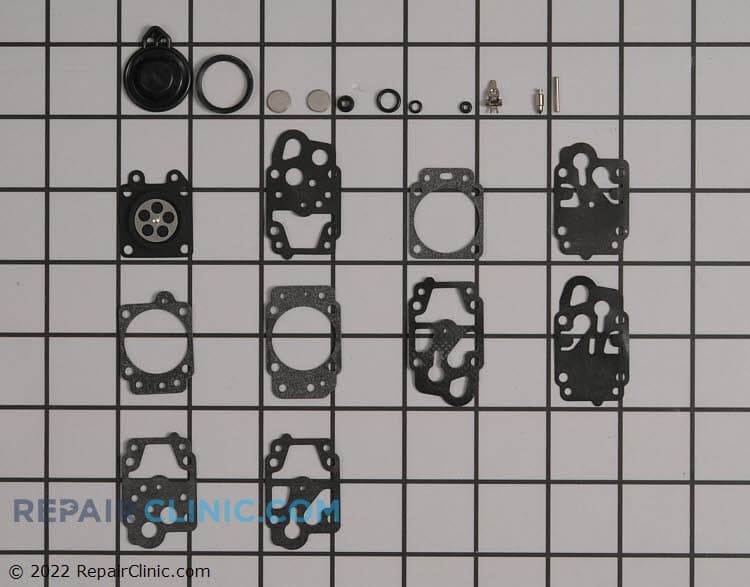
Walbro k13-wyk carburetor repair kit
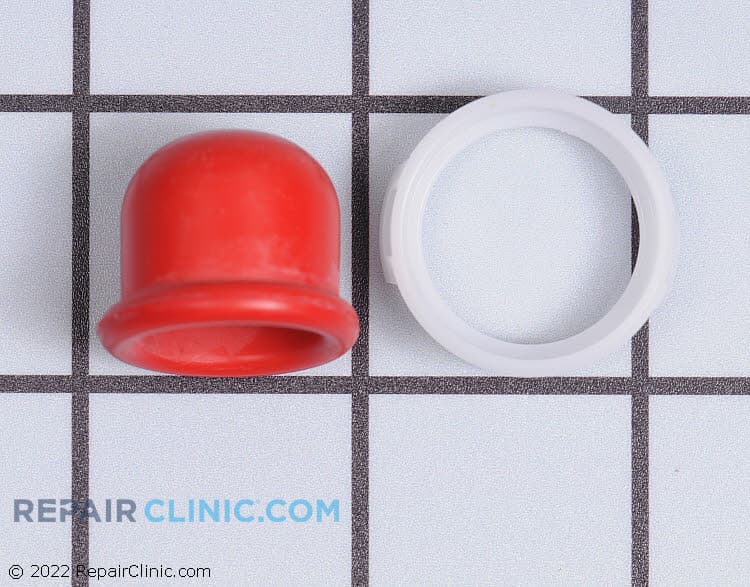
Replacement primer bulb kit
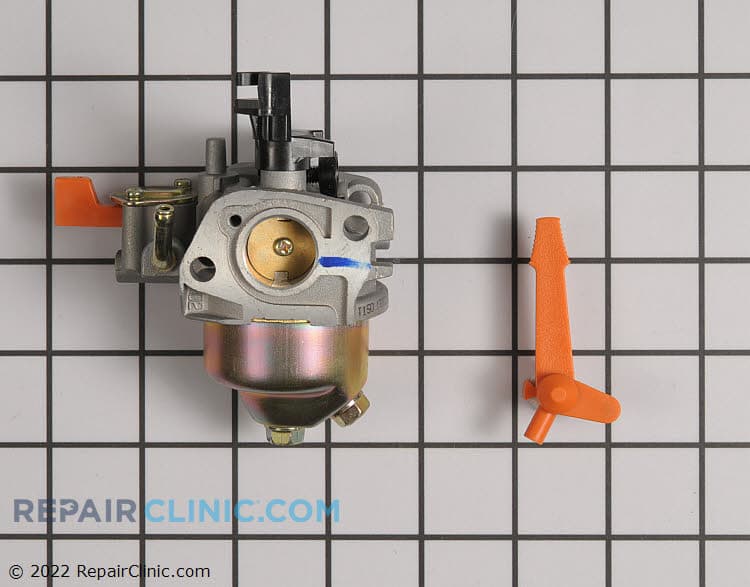
Carburetor
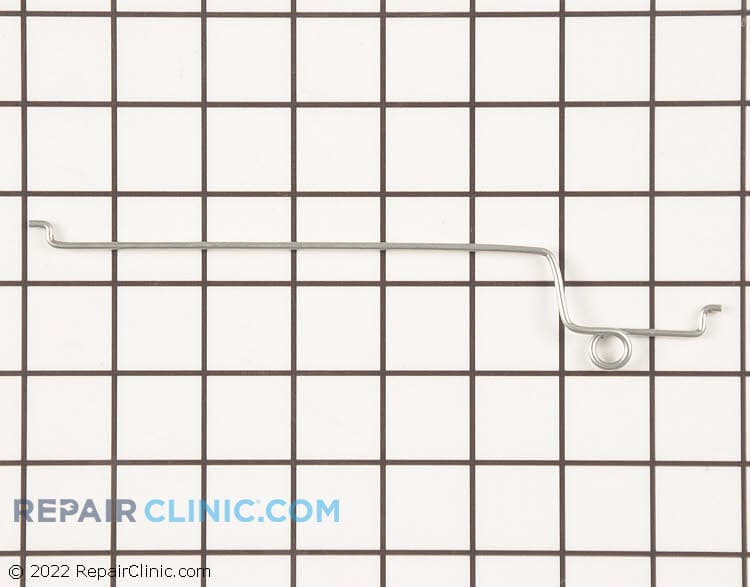
Link-mech governor
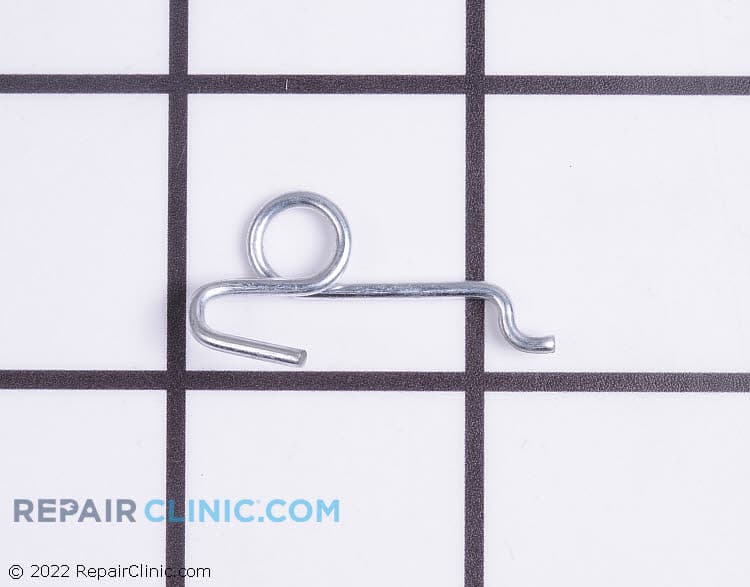
Link-air vane


Pressure Washer Carburetor Parts
The carburetor is the #1 reason a pressure washer won't start or runs rough. Ethanol-blended fuel gums up the carburetor's float, needle, and jets — a problem that gets worse every season if the unit sits idle. Before you condemn the whole engine, a carburetor rebuild kit or full replacement often brings your pressure washer back to life.
Whether you're dealing with a, or pressure washer, Repair Clinic stocks OEM carburetors and rebuild kits that match your exact model. Enter your model number to find the correct carburetor assembly, float bowl gasket, or complete kit with jets and needle.
- Carburetor won't draw fuel: Primer bulb cracked or float stuck; rebuild kit often fixes it
- Pressure washer starts then dies: Jet clogged from ethanol residue; carburetor cleaning or kit replacement
- Hard to start, rough idle: Needle and seat worn; full carburetor replacement recommended
- Black smoke, rich running: Needle valve stuck open; float assembly failure
- No fuel flow to engine: Fuel line kinked or carburetor inlet blocked; check fuel filter first
Carburetor rebuild kits include gaskets, o-rings, needles, and jets — everything except the main body. Full carburetor assemblies are ready to install. Find your pressure washer carburetor here. Have your model number handy — pressure washer carburetors vary by engine brand and displacement.
Find Replacement Pressure Washer Carburetor Parts Online by Model or Part Number
Popular Pressure Washer Models
Related Pressure Washer Carburetor Parts
- Pressure Washer Carburetor Parts
- Pressure Washer Throttle Plate Parts
- Pressure Washer Throttle Shaft Parts
- Pressure Washer Carburetor Main Jet Parts
- Pressure Washer Carburetor Repair Kit Parts
- Pressure Washer Linkage Parts
- Pressure Washer Primer Bulb Parts
- Pressure Washer Choke Shaft Parts
- Pressure Washer Needle Valve Parts
- Pressure Washer Carburetor Diaphragm Parts
- Pressure Washer Pick-Up Tube Parts
- Pressure Washer Choke Lever Parts
- Pressure Washer Choke Valve Parts
- Pressure Washer Float Bowl Parts
- Pressure Washer Float Needle Parts
- Pressure Washer Float Parts
- Pressure Washer Overhaul Kit Parts
- Pressure Washer Welch Plug Parts
Pressure Washer Carburetor Repair FAQ
Why does my gas pressure washer carburetor fail so easily?
Ethanol-blended gasoline absorbs moisture and leaves sticky varnish in the carburetor when the unit sits for months between uses. The varnish hardens in the float bowl, jets, and needle seat — preventing fuel from reaching the engine. A carburetor rebuild kit dissolves and clears this buildup. If the deposits are severe, the main carburetor body itself may be corroded and require full replacement.
Can I just clean my pressure washer carburetor instead of replacing it?
Yes, for mild ethanol damage. Soak the float bowl and jets in carburetor cleaner overnight, then blow out with compressed air. However, if the needle seat is pitted or the float won't hold air (sinks instead of floats), a rebuild kit or new carburetor is necessary. OEM rebuild kits are inexpensive insurance — $15 to $40 — and prevent repeated failures.
What's the difference between a carburetor rebuild kit and a full carburetor assembly?
A rebuild kit includes all the small internal parts — gaskets, o-rings, needle, seat, and jets — but not the main body casting. It's the right choice if your carburetor body is still intact and not cracked. A full carburetor assembly includes the body and all internals; it's the faster fix if the body is damaged or the rebuild kit doesn't resolve the problem. Your model number determines which one your pressure washer needs.
How do I know which carburetor my pressure washer uses?
Look for the engine brand stamped on your pressure washer engine and other major brands or are common. The engine model number (stamped on the block or on a label) is more important than the pressure washer brand. Two different pressure washers with the same engine will use the same carburetor. Enter your complete model number — including the pressure washer brand and engine type — into Repair Clinic's model lookup to confirm the exact carburetor that fits.
Shop Pressure Washer Carburetor Replacement Online
Keep your pressure washer running smoothly by ordering replacement carburetor parts online. A clogged or damaged carburetor can lead to starting issues or rough operation. With our easy model number lookup, finding the correct carburetor for your pressure washer is a breeze. Enjoy the convenience of same-day shipping, ensuring your repair parts arrive quickly. Plus, benefit from our No-Hassle 365-Day Returns and Price Match Guarantee. Regular maintenance, such as cleaning or replacing the carburetor, can prevent common issues like starting problems or stalling. For further guidance, check our Pressure Washer Repair Help section. Improve your shopping experience by browsing our extensive collection of Pressure Washer Carburetor Parts today.
Steps to Locate Your Pressure Washer Model Number
Skip the guesswork on fit by starting with your pressure washer's model number. Check the frame near the engine first, then look for a sticker or metal plate on the pump housing or engine area. Clean away dirt or grease so you can read every letter, number, and hyphen accurately. Type it into our model number lookup and the catalog narrows to parts made for your unit, including every associated pressure washer part, not just carburetor parts. Matching the complete model helps account for differences in engine type, displacement, and equipment design. It is the quickest way to be sure the part fits before you order.

Diagnose and Repair Your Pressure Washer Online
Repair Clinic's online resources are built to help you get your Pressure Washer back in service without unnecessary trial and error. Start with the diagnostic article for your symptom, watch a repair video that shows the parts and tools involved, then follow the step-by-step written guide as you work. Part testing walkthroughs confirm the failed component, and the model number lookup confirms the exact OEM part before you order.
Related Articles: Pressure Washer Parts
Why Your Pressure Washer Soap Injector Is Not Working
Learn the top reasons your pressure washer soap injector isn't working and how to fix it quickly. Diagnose clogged nozzles, injector valves, and other common issues.
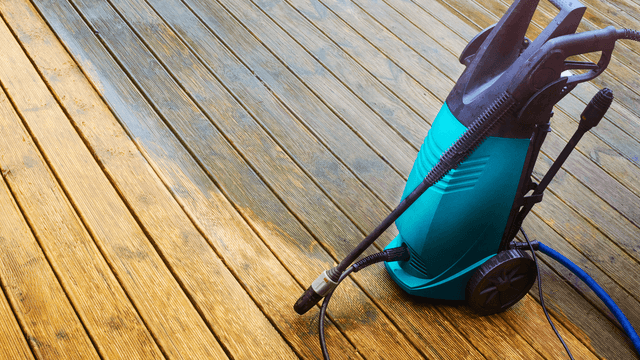
No Water Pressure In Your Pressure Washer? 2 Likely Causes
Is your pressure washer losing power? Find out the two most common reasons for low or no water pressure and how to troubleshoot them for fast, effective repairs.
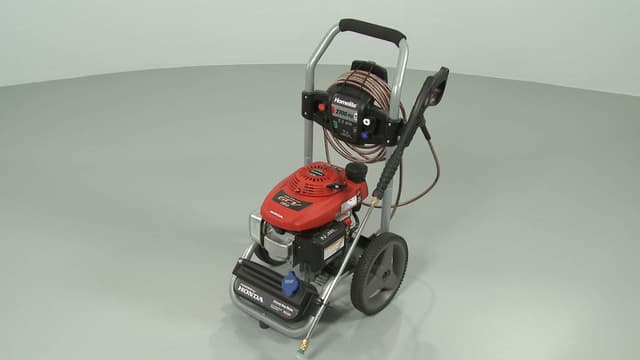
Top Reasons Why a Pressure Washer is Leaking Water From the Bottom or Pump
If your pressure washer is leaking water, the pump seals or thermal relief valve could be to blame. Learn how to identify and fix the source of water leaks fast.




Family-owned and operated since 1912, Burke America Parts Group is the longest-running genuine appliance, HVAC, and outdoor power equipment parts solution in North America. At Repair Clinic, we're proud to be an international brand trusted by the pros as well as the DIY community.
About Repair Clinic