


 Price Match Guarantee
Pressure Washer Capacitor Parts
Find the right part faster
Multiple models matched. Select your model to confirm fit.
RC Item #4835277


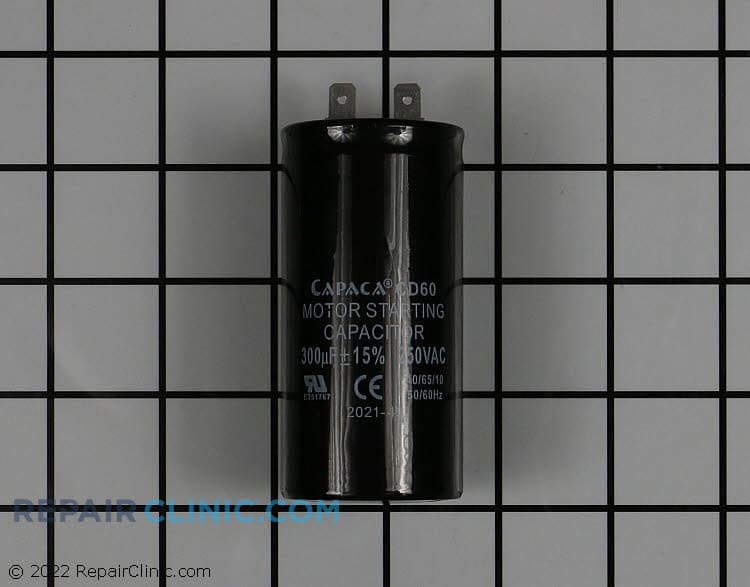
Capacitance cd60 250 vac 300uf
RC Item #4985356
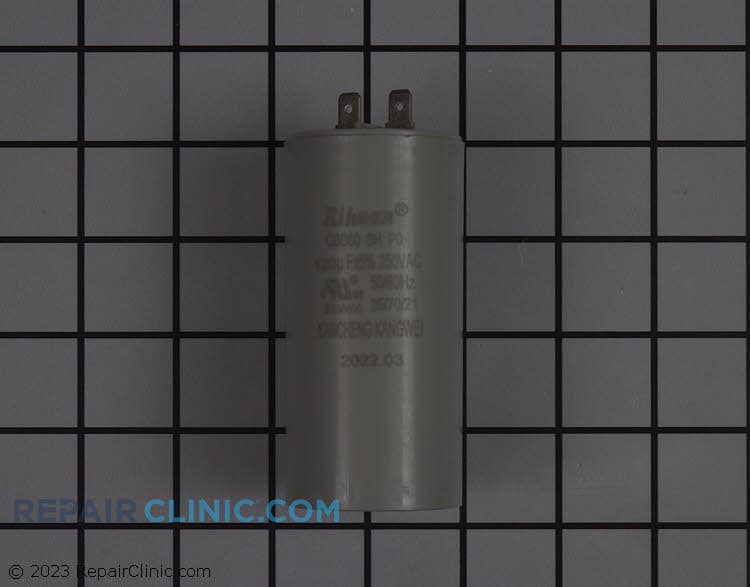
Capacitor cbb60 sh po 250vac 120uf


Tag
Tag
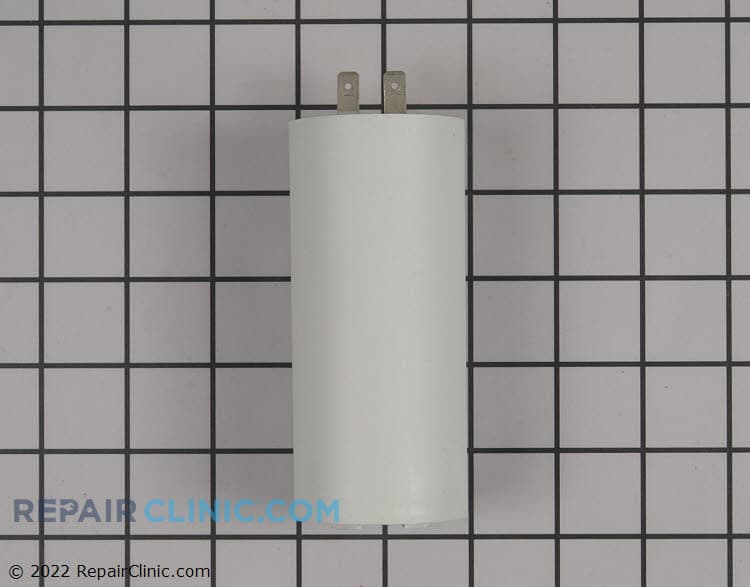
Capacitor


Pressure Washer Capacitor Parts
The run capacitor in your pressure washer motor is a small but critical part that stores and releases electrical energy to start and run the motor. When a capacitor fails, you'll notice the engine won't start, runs roughly, or shuts off under load. A failed capacitor is one of the fastest, least expensive pressure washer repairs — typically $15 to $40 and a 10-minute fix. Always verify the microfarad (µF) rating and voltage before ordering; these must match your washer's specifications exactly.
Pressure washer capacitors come in two main types: run capacitors for motor operation, and start capacitors for initial motor engagement. Most gas-powered washers use a single run capacitor rated between 20 to 50 µF at 250 to 440 volts. Electric pressure washers may use different capacitor types depending on motor design. Enter your pressure washer model number to find the exact OEM capacitor for reliable starting and smooth operation.
- Motor won't start: engine turns over slowly or won't crank; capacitor has failed or shorted
- Motor runs but shuts off under pressure: capacitor losing charge; motor can't handle load
- Humming sound with no rotation: capacitor too weak to overcome motor inertia
- Capacitor visibly swollen or leaking: internal failure; replace immediately
- Burnt smell or capacitor case discolored: electrical overload; replace with correct µF rating
Find Replacement Pressure Washer Capacitor Parts Online by Model or Part Number
Popular Pressure Washer Models
Pressure Washer Capacitor FAQs
How do I know if my pressure washer capacitor is bad?
A failing capacitor shows clear signs: the engine won't start or cranks very slowly, the motor hums but doesn't turn, or the motor runs fine at idle but shuts off when you trigger the wand under pressure. Visually, look for a swollen or bulging case, any signs of leaking fluid, or a burnt smell near the motor. The easiest test is to listen — a dead capacitor usually means total silence when you pull the cord. If the engine cranks slowly instead of spinning quickly, the capacitor is losing its charge.
What's the difference between µF rating and voltage on a pressure washer capacitor?
The microfarad (µF) rating determines how much electrical charge the capacitor stores — it must match your motor's design exactly. Voltage rating (usually 250V or 440V) represents the maximum electrical pressure the capacitor can handle safely. You can always use a capacitor with a higher voltage rating (e.g., 440V instead of 250V), but the µF value must be exact or within 5 to 10% tolerance. Using the wrong µF rating will cause starting problems or motor damage. Always cross-reference your model number with the OEM specification.
Can I replace a pressure washer capacitor myself?
Yes — capacitor replacement is one of the most DIY-friendly pressure washer repairs. Disconnect the spark plug wire first to prevent accidental starting. The capacitor is usually bolted or clipped to the engine frame near the motor housing. Disconnect the two wire terminals (photo the wire positions before removal), unbolt the old capacitor, and install the new one in reverse order. The whole job takes 10 minutes. Always match the µF and voltage ratings exactly to avoid motor damage.
Why do pressure washer capacitors fail?
Capacitors fail from heat exposure (summer operation in direct sun), vibration from the engine, age (electrolyte inside dries out over time), or electrical overload from a weak battery or bad alternator. Gas pressure washers stored in hot sheds or used frequently in high-temperature conditions see shorter capacitor life — typically 3 to 5 years. Electric washers are less prone to heat damage but can fail from age or power surges. Using the correct µF rating and replacing annually in high-use commercial settings will prevent unexpected downtime.
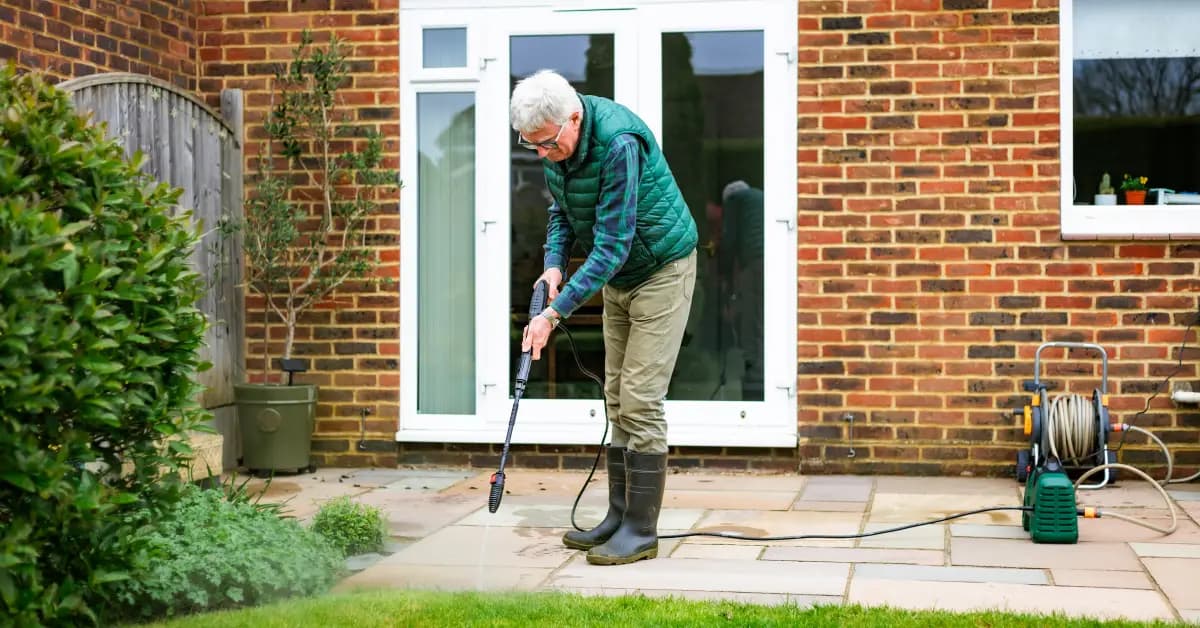
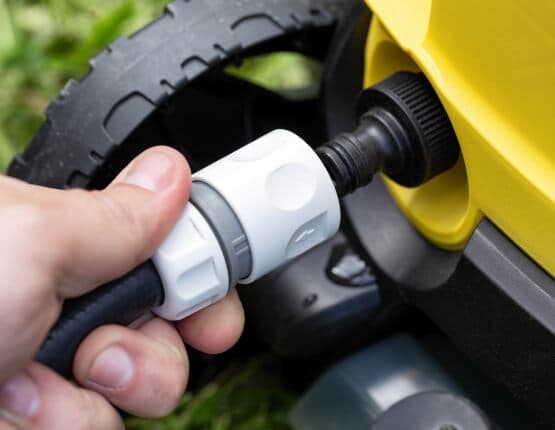
Easy Online Ordering for Pressure Washer Capacitor Parts
Maintain your pressure washer's performance with top-quality capacitor parts available online. These essential parts ensure your machine starts and runs smoothly, preventing disruptions during your cleaning tasks. Our user-friendly online store offers a full range of pressure washer capacitors, making it simple to find exactly what you need using the model or part number lookup. Benefit from our same-day shipping, ensuring your replacement parts arrive fast, and take advantage of our No-Hassle 365-Day Returns and Price Match Guarantee for a reliable shopping experience. Avoid setbacks and keep your equipment running efficiently by choosing genuine replacement parts. For more help with maintaining your pressure washer, browse our Pressure Washer Repair Help page. To find additional related parts, visit our Pressure Washer Parts section for other essential parts.
Filter Pressure Washer Parts by Your Model Number
Check the frame near the engine, and inspect the pump housing for a model-number sticker on your pressure washer. The model number may also appear on a nameplate near the motor or on the unit's outer frame, so clean away dirt before reading it. Record every letter, number, and dash exactly as shown. Drop it into the search bar and you will see only the parts that fit your exact model, covering the complete pressure washer rather than just one part. That means fewer wrong orders and a faster repair.

Diagnose and Repair Your Pressure Washer Online
Repair Clinic's online resources are built to help you get your Pressure Washer back in service without unnecessary trial and error. Start with the diagnostic article for your symptom, watch a repair video that shows the parts and tools involved, then follow the step-by-step written guide as you work. Part testing walkthroughs confirm the failed component, and the model number lookup confirms the exact OEM part before you order.
Related Articles: Pressure Washer Parts
Why Your Pressure Washer Soap Injector Is Not Working
Learn the top reasons your pressure washer soap injector isn't working and how to fix it quickly. Diagnose clogged nozzles, injector valves, and other common issues.
No Water Pressure In Your Pressure Washer? 2 Likely Causes
Is your pressure washer losing power? Find out the two most common reasons for low or no water pressure and how to troubleshoot them for fast, effective repairs.
Top Reasons Why a Pressure Washer is Leaking Water From the Bottom or Pump
If your pressure washer is leaking water, the pump seals or thermal relief valve could be to blame. Learn how to identify and fix the source of water leaks fast.




Family-owned and operated since 1912, Burke America Parts Group is the longest-running genuine appliance, HVAC, and outdoor power equipment parts solution in North America. At Repair Clinic, we're proud to be an international brand trusted by the pros as well as the DIY community.
About Repair Clinic