


 Price Match Guarantee
Pressure Washer Pump Parts
Find the right part faster
Multiple models matched. Select your model to confirm fit.





Chemical injection kit for pressure washer pump. Be sure to use the lowest pressure nozzle when adding chemicals to the spray.
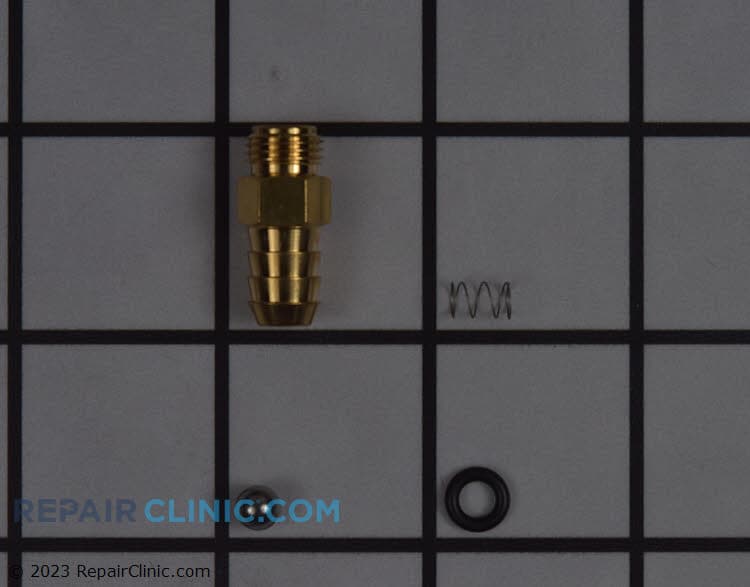
Chemical injector kit
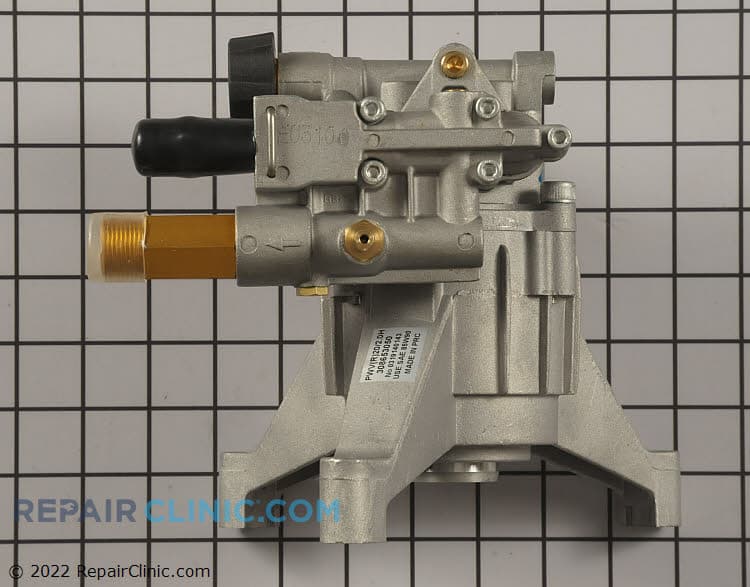
Pumphimore alum headvertical
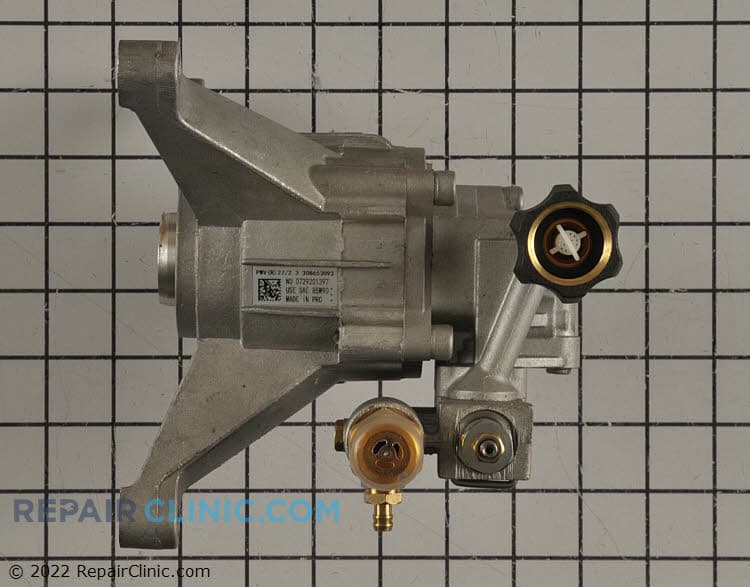
Pressure washer pump assembly. If the pressure washer is leaking water, the pump may need to be rebuilt or replaced. This pump does not include a new thermal release valve and key. You will need to reuse the old thermal release valve and drive key or purchase new ones.
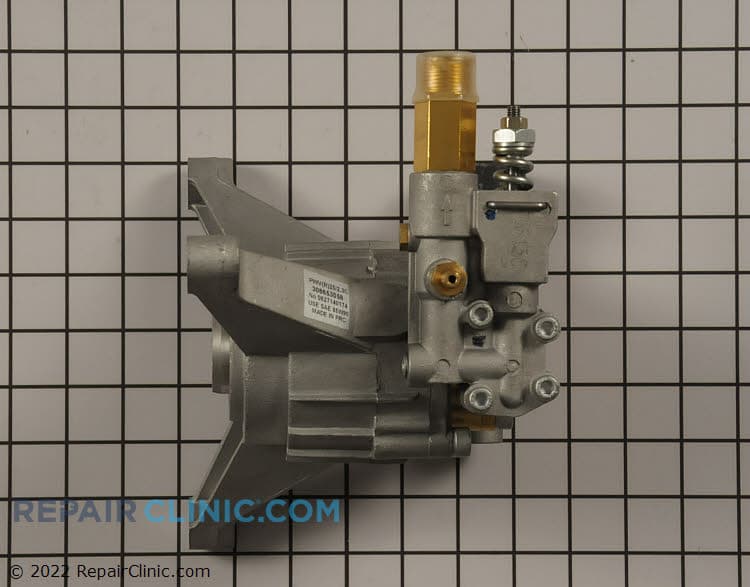
Pressure washer pump assembly. Be aware that the new pump does not include a new thermal release valve.
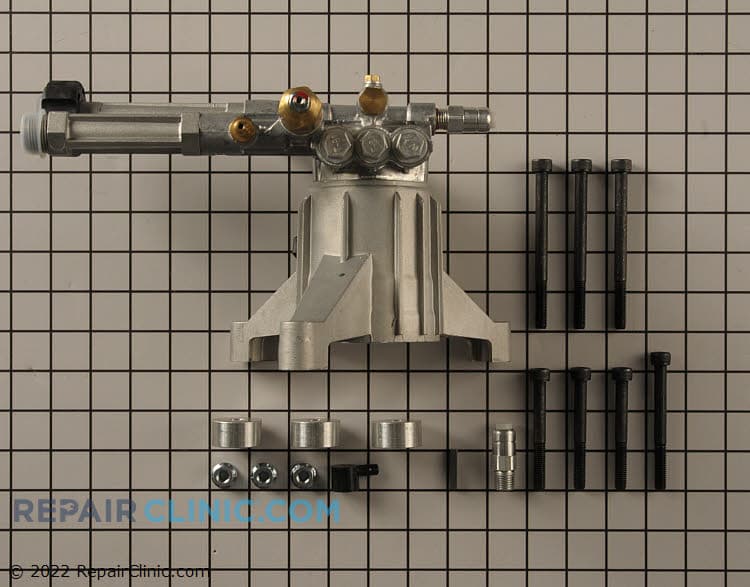
Pressure washer pump kit. If the pressure washer is leaking water, the pump may need to be rebuilt or replaced. If the pump is more than a few years old, and you use the pressure washer fairly often, replace the pump.
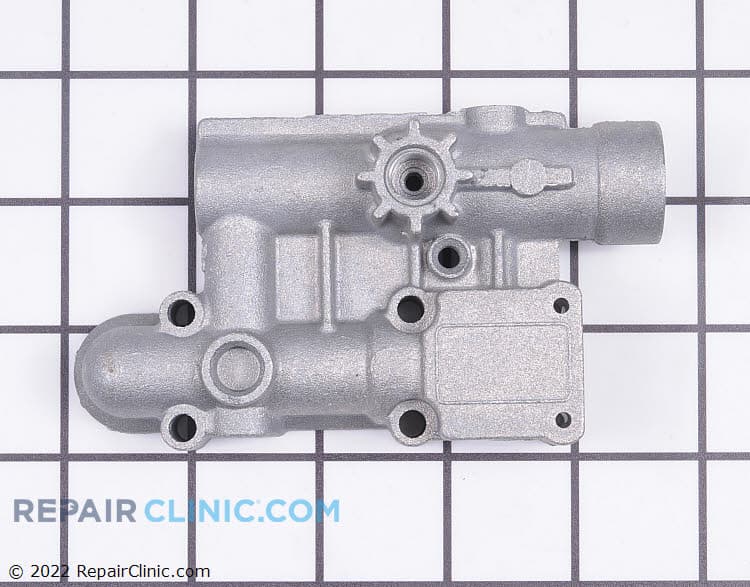
Pressure washer pump unloader manifold.
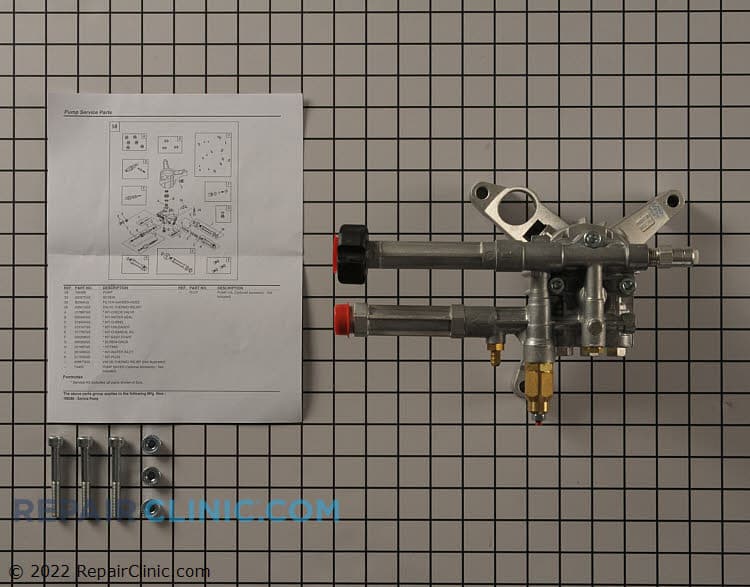
Kit-pump
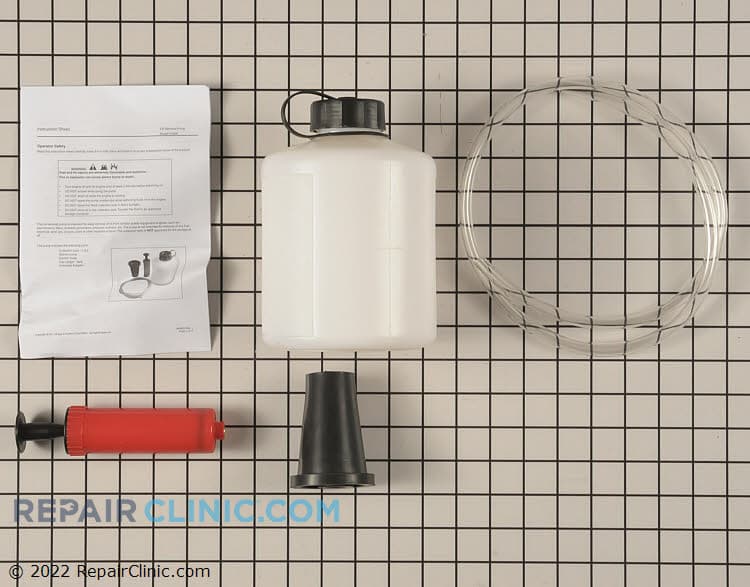
Briggs & Stratton 1.6 Liter oil & fuel extractor pump is suitable for the extraction of oil, water, and fuel from outdoor power equipment, cars, motorcycles, commercial vehicles, marine engines, stationary engines and other machinery.
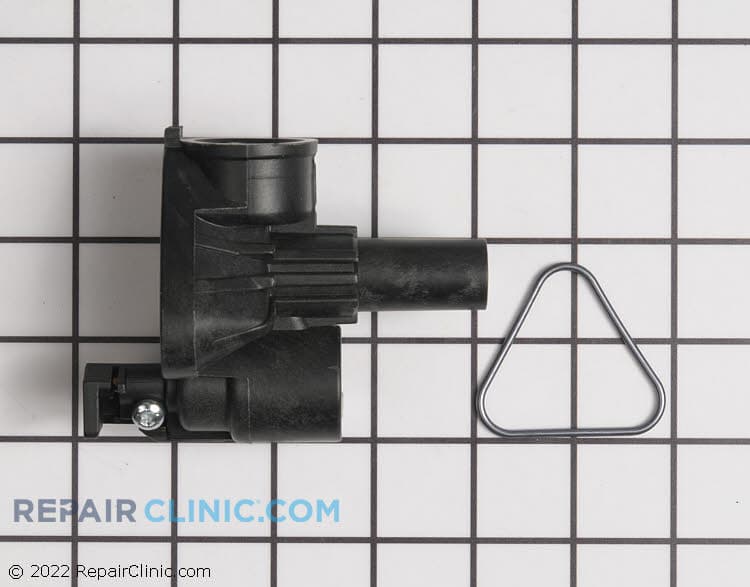
Pump Housing
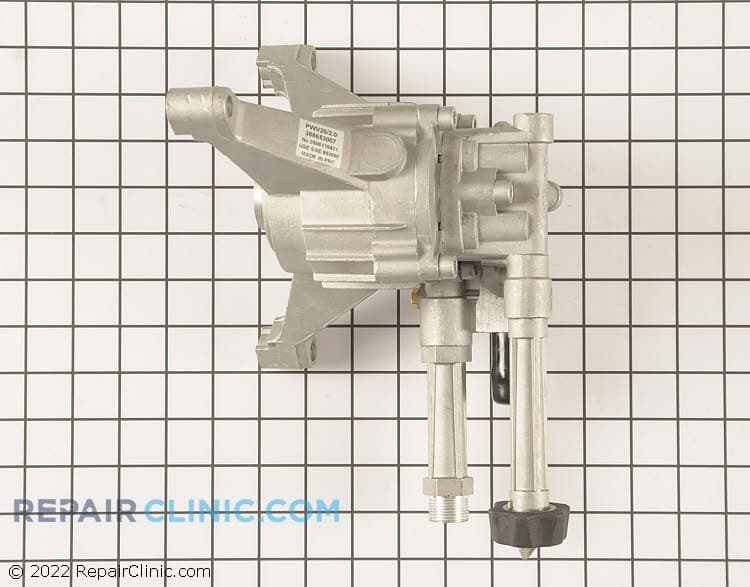
Himore 2200 PSI Vertical Pump. You will need to transfer your thermal release valve or purchase a new one. This pump will not fit Model HU80522. If you have model HU80522 you will need to contact pump manufactuter FAIP.
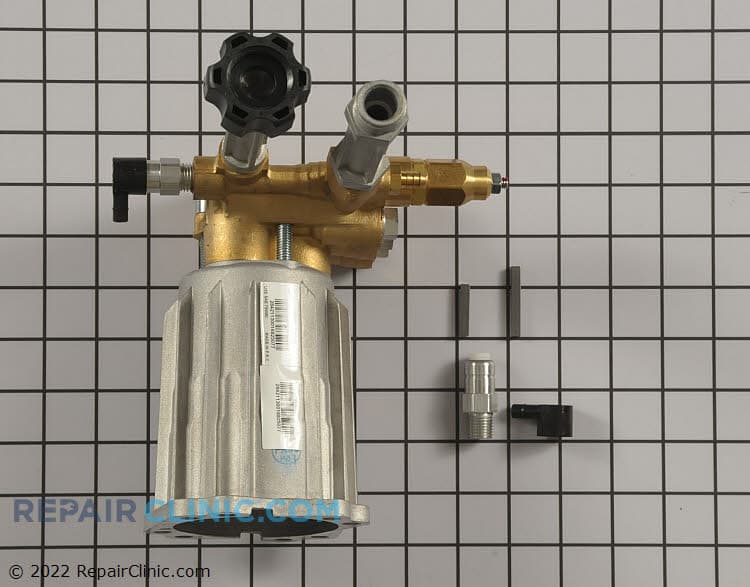
Pump assembly
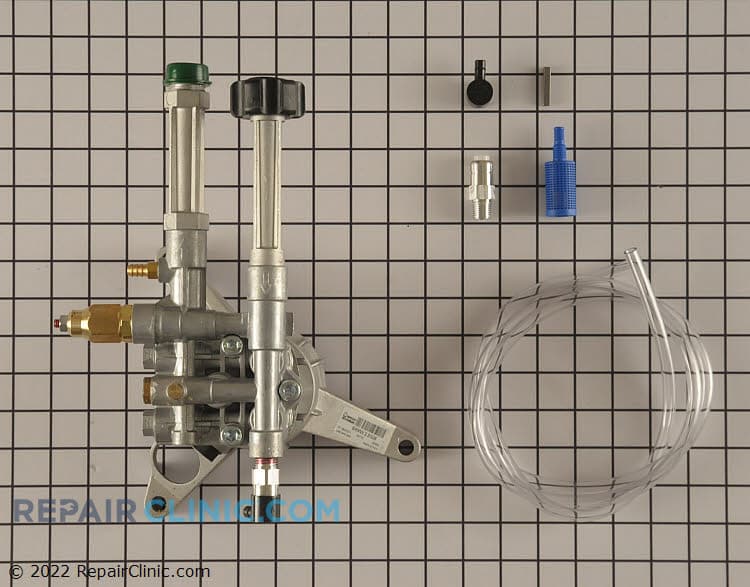
Pressure washer pump assembly. You must transfer the old drive key from the old pump to the new pump or purchase a new key or else the new pump will not build pressure.

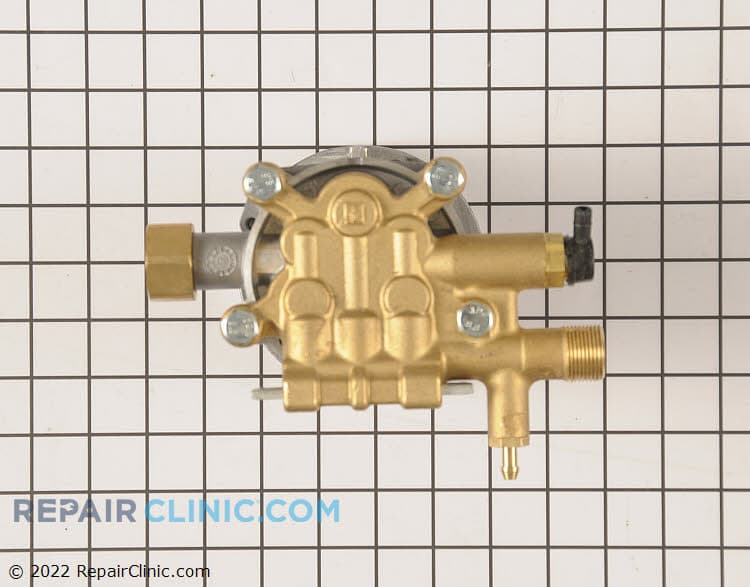
Spare pump horizontal axial
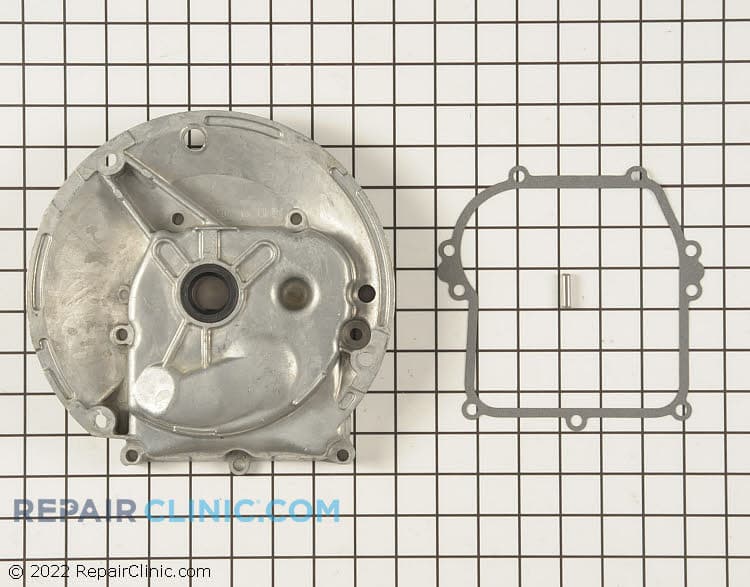
Sump engine


Pressure Washer Pump Assemblies and Repair Parts
The pump is the heart of any pressure washer — it's what converts engine power into high-pressure water spray. When your washer loses pressure, won't start the spray cycle, or makes grinding noise, the pump assembly or its internal seals are almost always the culprit. Whether you're running a, or commercial-grade unit, we carry OEM pump assemblies, seal kits, and individual parts to get you back to spraying.
Pump failure is the #1 pressure washer repair — more common than carburetor or spark plug issues. A worn pump chamber, cracked valve body, or failed internal seals all reduce pressure and flow. OEM pump kits come ready to install and matched to your engine displacement (GPM) and pressure rating (PSI). Aftermarket pumps often won't deliver the same spray pattern or pressure consistency.
- Pump won't build pressure: Internal seals worn, valve ports clogged, inlet filter blocked
- Pressure drops mid-cycle: Unloader valve stuck, pump cavitation from low water supply
- Grinding or metal-on-metal noise: Worn pump bearings, cracked pump body, broken internal parts
- Pump leaks from housing: Failed O-rings, cracked pump body, loose fittings
- Weak spray or no spray: Pump displacement worn down, intake valve failure, discharge port blockage
Find Replacement Pressure Washer Pump Parts Online by Model or Part Number
Popular Pressure Washer Models
Related Pressure Washer Pump Parts
- Pressure Washer Pump Parts
- Pressure Washer Pump Housing Parts
- Pressure Washer Pump Assembly Parts
- Pressure Washer Valve Screw Parts
- Pressure Washer Chemical Injection Kit Parts
- Pressure Washer Oil Pump Parts
- Pressure Washer Impeller Parts
- Pressure Washer Check Valve Parts
- Pressure Washer Cylinder Head Parts
- Pressure Washer Drain Pump Parts
- Pressure Washer Fuel Pump Body Parts
- Pressure Washer Pump Base Parts
- Pressure Washer Pump Connector Parts
- Pressure Washer Suction Plate Parts
- Pressure Washer Sump Parts
- Pressure Washer Valve Parts
- Pressure Washer Water Pump Parts
Pressure Washer Pump Questions
Why did my pressure washer pump fail?
The most common cause is dirty water or inlet starvation — if the pump inlet isn't getting clean water flow, it cavitates and wears internally fast. Always use a clean water source and ensure the intake hose isn't kinked or clogged. Sediment in the tank, old gas in carburetors (which blocks fuel flow and starves the engine), and running the washer dry all accelerate pump wear. Pressure washers used commercially or run frequently wear pumps faster than seasonal homeowner machines.
What's the difference between triplex and axial pump types?
Triplex pumps have three plungers in a row — they're more durable, handle higher pressures (3000+ PSI), and last longer in heavy-use applications. Axial pumps use a swashplate design — they're lighter, more compact, and used on budget and mid-range residential washers. Both types fail the same way internally, but triplex pumps are easier (and worthwhile) to rebuild. OEM pumps specify which type your model uses — don't guess.
Can I replace just the pump seal kit instead of the whole pump?
For high-end commercial triplex pumps, yes — a seal kit and gasket set can restore pressure for $40 to $80. For residential axial and small triplex pumps, an O-ring kit may help, but by the time seals are shot, internal wear is usually present. OEM pump assembly replacement (often $120 to $300) is more reliable than a partial rebuild. Always test water flow and pressure at the source before blaming the pump.
How do I find my pressure washer pump model number?
The pump is usually bolted directly to the engine crankshaft. Look for a manufacturer name (AR, Comet, -based designs) and model number stamped on the pump body or casting. Your pressure washer's model number (found on the frame or engine) is faster — enter it above to see the exact OEM pump assembly, seals, and valve kits for your washer. Mismatched pump displacement (GPM) or pressure rating (PSI) will cause weak spray and cavitation problems.
Order Pressure Washer Pump Replacement Parts Online
Ensure your pressure washer operates at peak efficiency with genuine pump replacement parts. Easily find the right replacement using model or part numbers on our user-friendly website. Our selection of pressure washer pump replacements helps restore your equipment to full function, whether you're a homeowner or a professional technician. Enjoy the convenience of same-day shipping on all orders, ensuring you get the parts you need quickly. Plus, our No-Hassle 365-Day Returns and Price Match Guarantee make shopping with confidence easy. Don't let a faulty pump disrupt your cleaning tasks. Visit our Pressure Washer Repair Help page for troubleshooting tips. Find more for related Pressure Washer Parts to keep your equipment in top form.
Use Your Model Number to Find the Right Pressure Washer Pump Parts
Check the frame of your pressure washer first for a model-number label, then look near the engine or on a sticker attached to the pump housing. Record the complete model number, including letters, numbers, and any hyphens. Enter it in the model number search to pull up the parts matched to your unit. The model number identifies the entire pressure washer, so it narrows the catalog to compatible pumps, assemblies, valves, seals, and other associated parts, not just one part. Matching the full model before ordering helps account for differences in pressure rating, pump design, and mounting details. That means fewer wrong orders and a faster repair.

Online Repair Library for Pressure Washer
Repair Clinic's online repair library gives you the tools to diagnose and fix your Pressure Washer without a service call. Common-symptom articles cover the most likely causes, part testing videos confirm the failed component, and step-by-step written guides walk you through the installation. Use the model number lookup to confirm the exact OEM part, and exploded-view diagrams and wiring illustrations support the more involved jobs.
Related Articles: Pressure Washer Parts
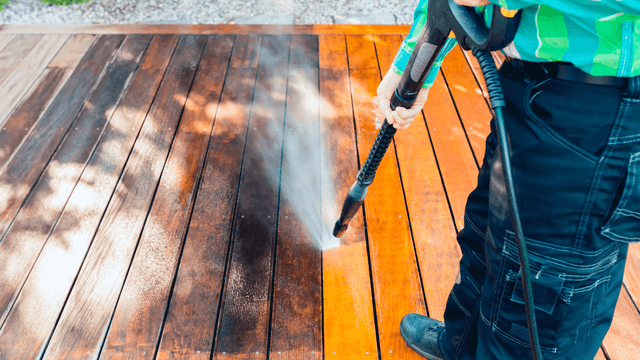
Why Your Pressure Washer Soap Injector Is Not Working
Learn the top reasons your pressure washer soap injector isn't working and how to fix it quickly. Diagnose clogged nozzles, injector valves, and other common issues.
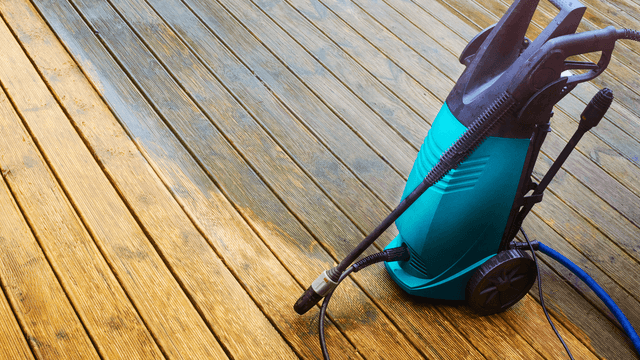
No Water Pressure In Your Pressure Washer? 2 Likely Causes
Is your pressure washer losing power? Find out the two most common reasons for low or no water pressure and how to troubleshoot them for fast, effective repairs.
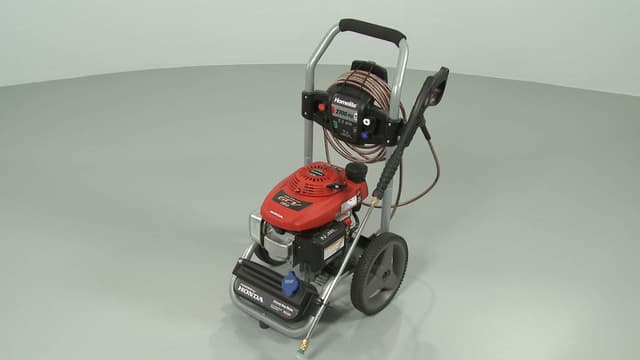
Top Reasons Why a Pressure Washer is Leaking Water From the Bottom or Pump
If your pressure washer is leaking water, the pump seals or thermal relief valve could be to blame. Learn how to identify and fix the source of water leaks fast.




Family-owned and operated since 1912, Burke America Parts Group is the longest-running genuine appliance, HVAC, and outdoor power equipment parts solution in North America. At Repair Clinic, we're proud to be an international brand trusted by the pros as well as the DIY community.
About Repair Clinic