


 Price Match Guarantee
Craftsman Leaf Blower Carburetor Parts
Find the right part faster
Multiple models matched. Select your model to confirm fit.




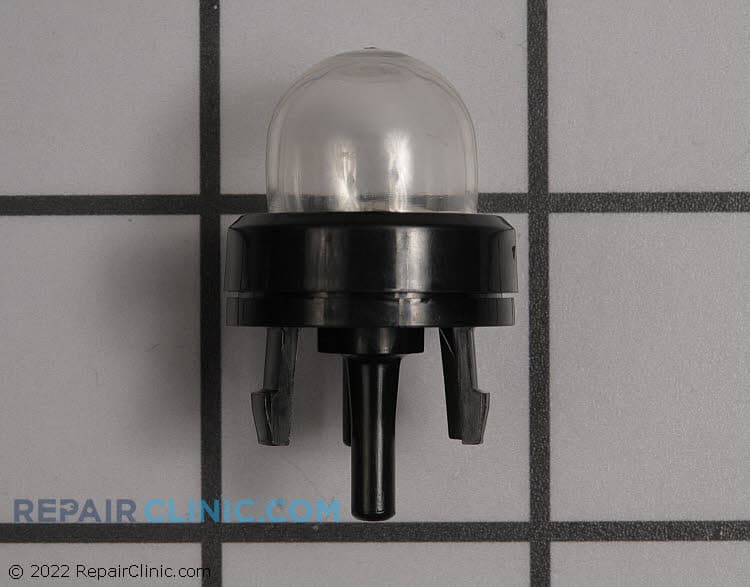
Small engine primer bulb. The primer bulb draws additional fuel into the carburetor to help start the engine.
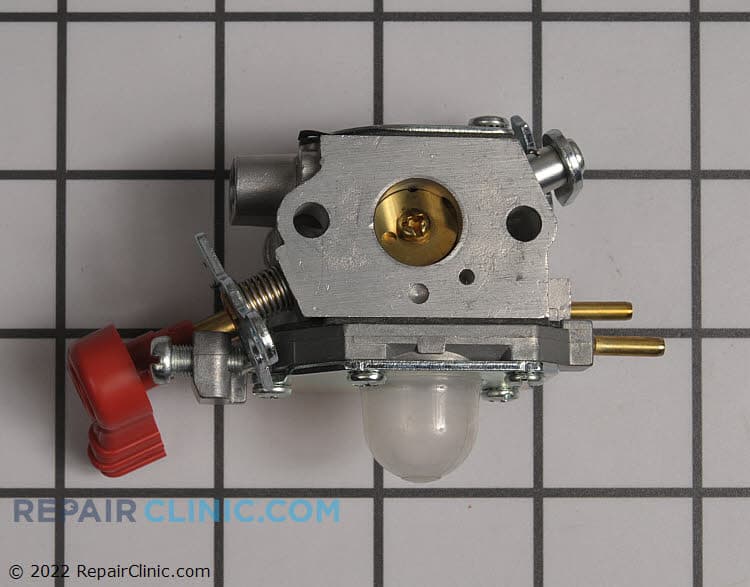
Carburetor for 2-cycle engine. If the carburetor is clogged, the engine won't get enough fuel. As a result, the engine may not start or may run rough.
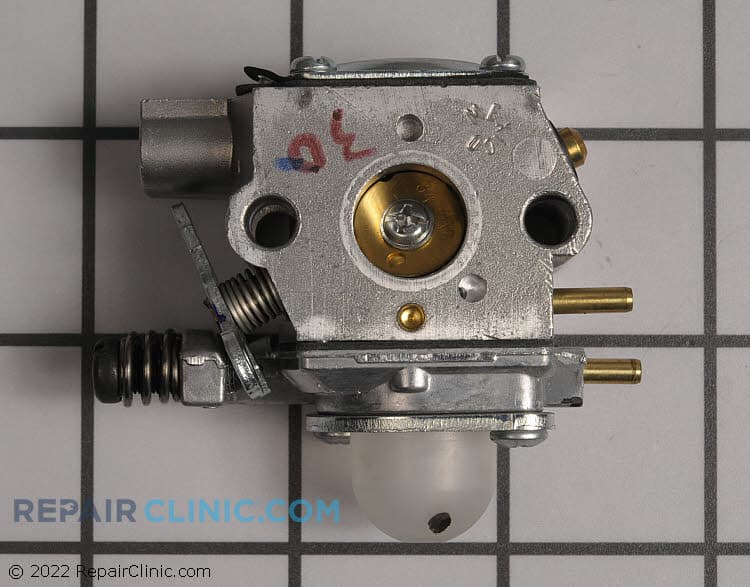
Two cycle engine carburetor. If the engine runs rough, the carburetor may be restricted. The carburetor can often be cleaned or rebuilt, but sometimes it may need to be replaced.
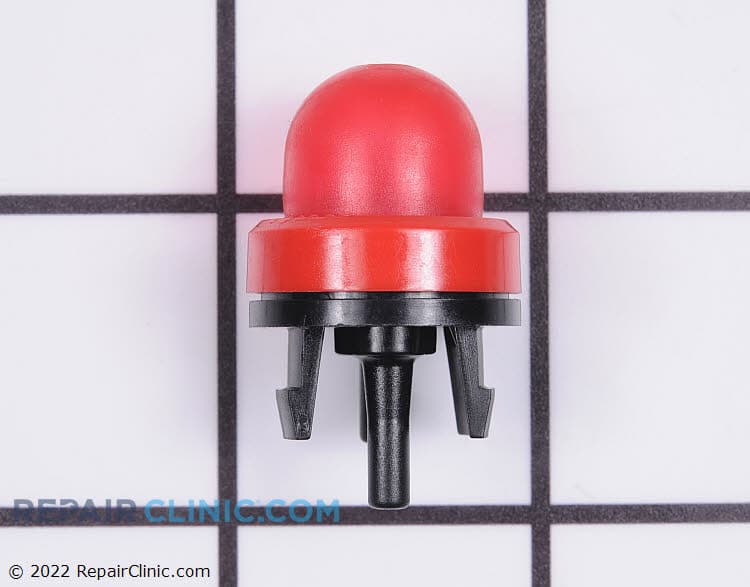
Primer bulb (or purge bulb) assembly. The primer bulb draws fuel into the carburetor to make the engine easier to start. The short port on the primer bulb is the inlet. The longer port is the outlet back to the fuel tank.
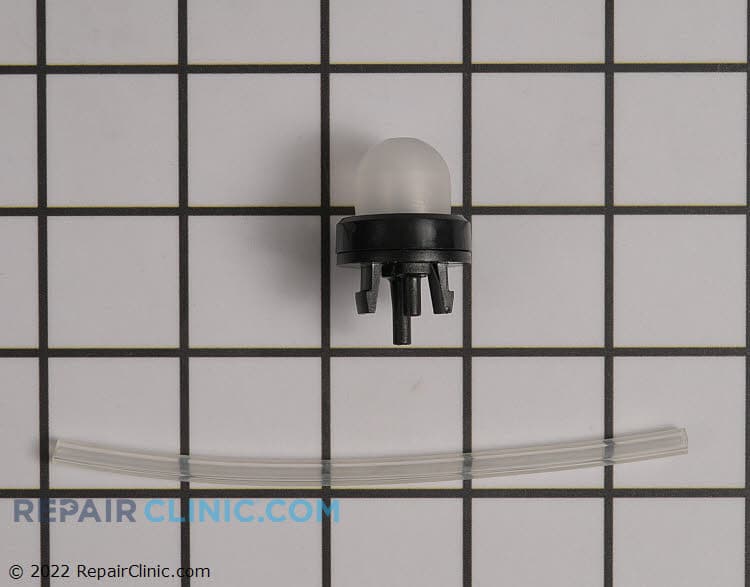
Small engine primer bulb with hose, large diameter. If the engine does not start the primer bulb may be defective and unable to draw additional fuel in to the carburetor to assist with starting the engine.
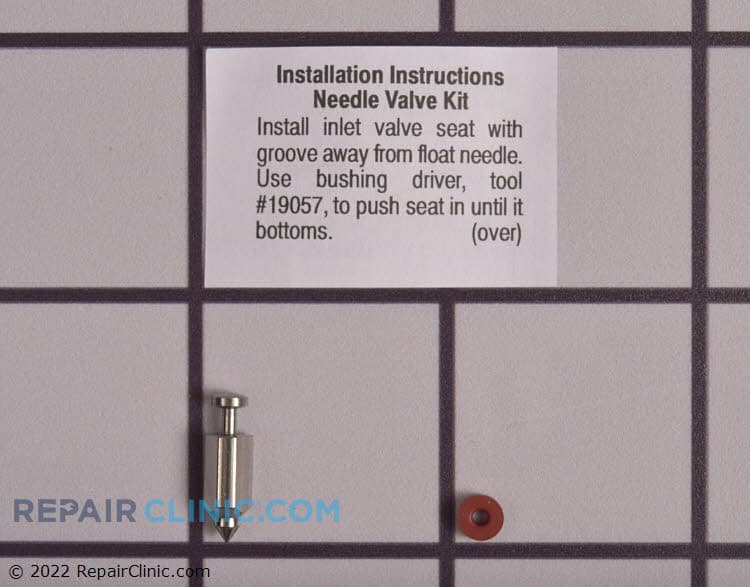
Carburetor needle & seat kit. Comes with installation instructions. The float needle allows fuel to enter the float bowl. If the float needle is stuck closed, the engine will not get fuel and thus will not start.
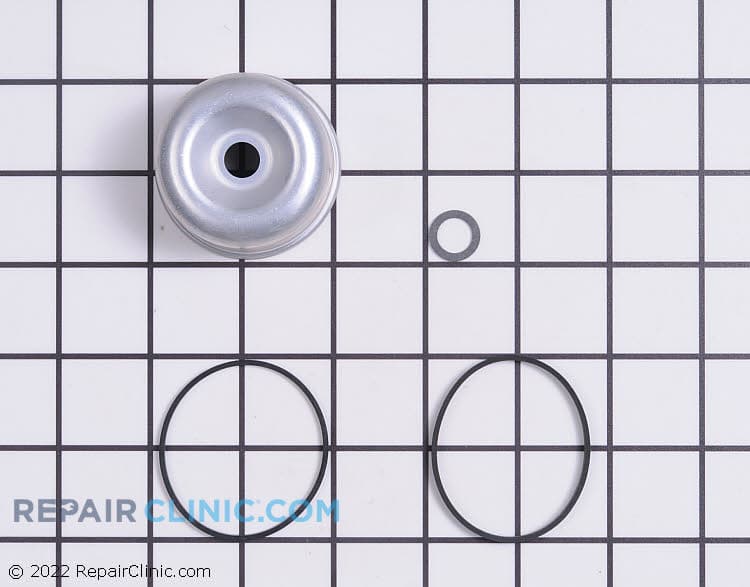
Carburetor float bowl kit

Small engine carburetor gasket and diaphragm kit. If the engine runs rough, then the carburetor may need to be cleaned, rebuilt, or replaced.
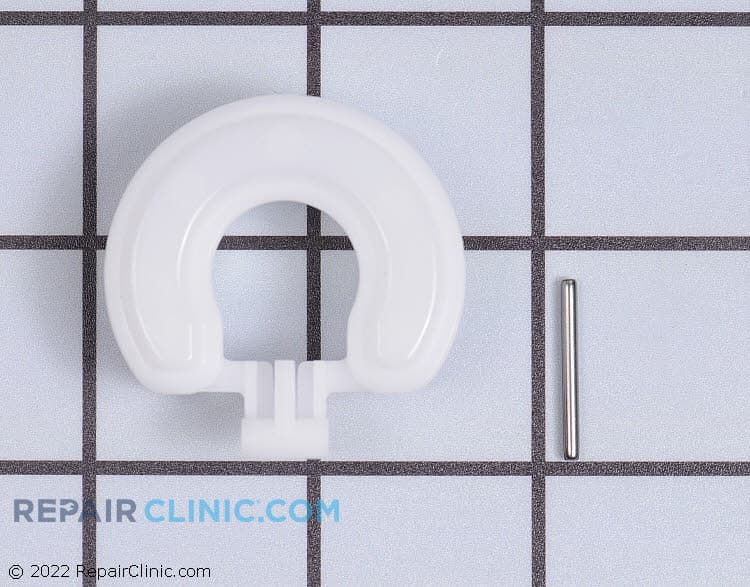
Fuel float kit for carburetor

Genuine Briggs & Stratton 495606 Carburetor Rebuild Kit. If the engine is running poorly then the carburetor may be restricted and need to be cleaned and some of the internal seals and diaphragm replaced.

Diaphragm assembly-metering
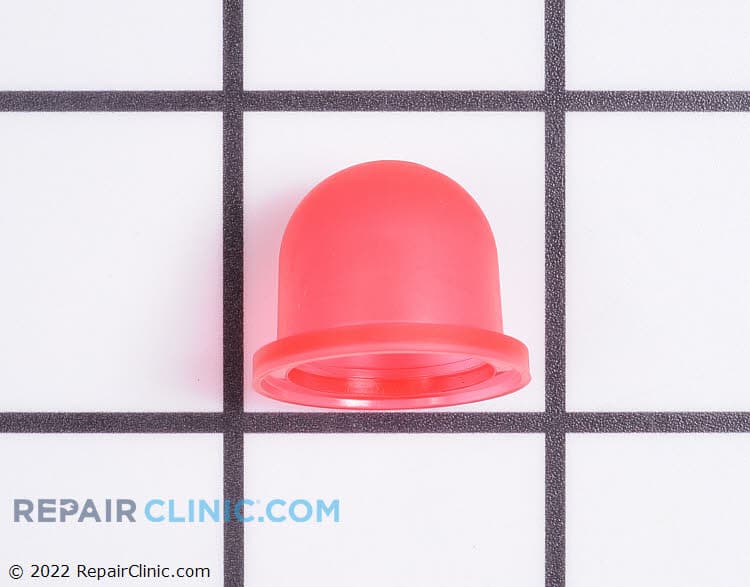
Purge bulb

Walbro carburetor repair kit. If the carburetor is clogged, the engine won't get enough fuel. As a result, the engine may not start or may run rough. It is often possible to repair the carburetor if it is clogged.
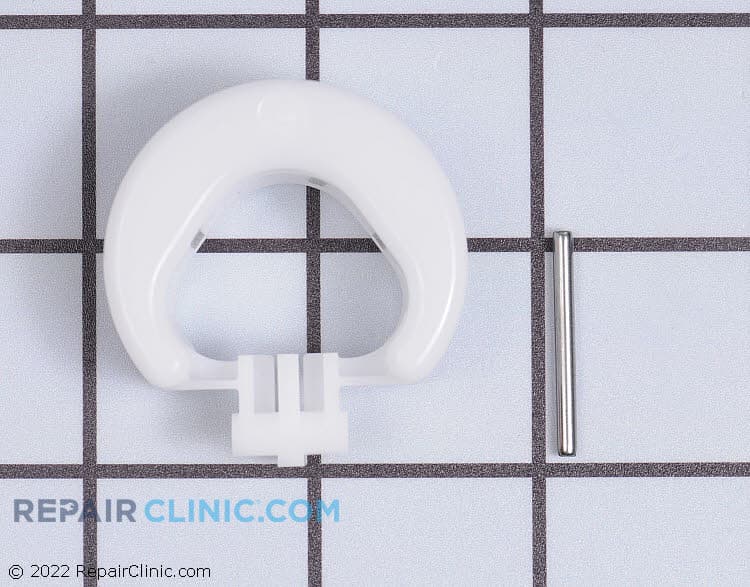
Float-carburetor
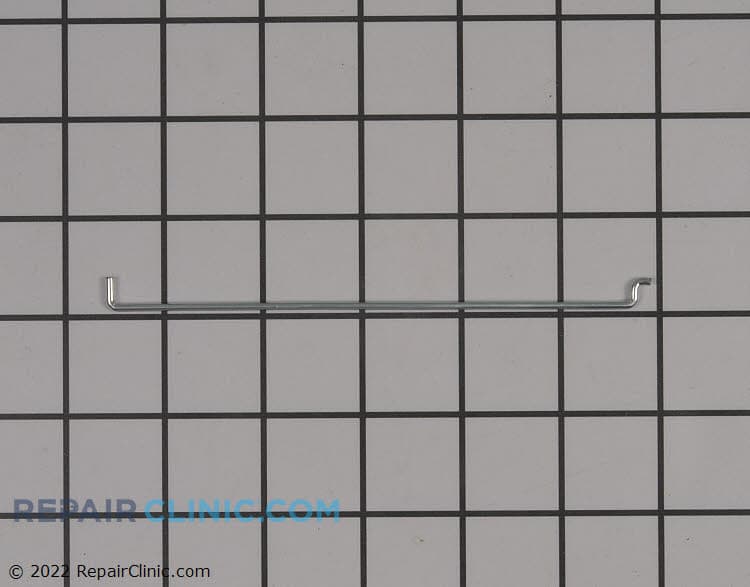
Throttle linkage


Craftsman Leaf Blower Carburetor Parts
The carburetor is the fuel delivery brain of your Craftsman leaf blower — it mixes air and gasoline at exactly the right ratio for combustion. When your blower won't start, runs rough, or sputters, nine times out of ten it's a carburetor issue, especially if the machine has sat unused for months. Ethanol-blended fuel varnishes and clogs the tiny jets and float needle inside, starving your blower of fuel.
Rather than replace the entire carburetor, a carburetor rebuild kit often restores performance. The kit includes new gaskets, seals, jets, and a fresh float needle — all the parts that fail from fuel residue. If the carburetor body itself is cracked or the inlet is stripped, a complete OEM carburetor assembly is the right call. Enter your Craftsman model number below to find the exact carb for your blower.
- Carburetor won't draw fuel: Clogged fuel line or primer bulb worn — try cleaning the fuel line first, then replace the primer if needed
- Engine starts then dies: Float is stuck or needle valve is gummed — carburetor rebuild kit usually fixes this
- Hard starting, takes 10+ pulls: Jet passages clogged with varnish — soak the carb or run a rebuild kit through it
- Runs lean (high-pitched, sputtering): Idle jet is partially blocked — clean the carb or replace with OEM assembly
- Engine won't idle, dies at rest: Idle circuit is gummed — rebuild kit restores smooth idle
Find Replacement Craftsman Leaf Blower Carburetor Parts Online by Model or Part Number
Popular Craftsman Leaf Blower Models
Related Craftsman Leaf Blower Carburetor Parts
- Craftsman Leaf Blower Carburetor Parts
- Craftsman Leaf Blower Linkage Parts
- Craftsman Leaf Blower Carburetor Diaphragm Parts
- Craftsman Leaf Blower Needle Valve Parts
- Craftsman Leaf Blower Throttle Shaft Parts
- Craftsman Leaf Blower Carburetor Repair Kit Parts
- Craftsman Leaf Blower Primer Bulb Parts
- Craftsman Leaf Blower Throttle Plate Parts
- Craftsman Leaf Blower Choke Lever Parts
- Craftsman Leaf Blower Welch Plug Parts
- Craftsman Leaf Blower Float Parts
- Craftsman Leaf Blower Carburetor Main Jet Parts
- Craftsman Leaf Blower Choke Valve Parts
- Craftsman Leaf Blower Float Bowl Parts
- Craftsman Leaf Blower Float Needle Parts
- Craftsman Leaf Blower Inlet Seat Parts
- Craftsman Leaf Blower Insulator Parts
- Craftsman Leaf Blower Nozzle Parts
- Craftsman Leaf Blower Pick-Up Tube Parts
Craftsman Leaf Blower Carburetor FAQs
Why does my Craftsman leaf blower carburetor keep failing?
Ethanol fuel is the enemy. Modern gasoline contains up to 10% ethanol, which absorbs moisture and leaves varnish when it evaporates. If you store your Craftsman blower with fuel in the tank for more than a month, the carburetor jets gum up and the float needle corrodes. The best prevention is to run the tank empty before storage or add fuel stabilizer. When failure happens, a carburetor rebuild kit ($15 to $25) beats a full carb replacement ($60 to $100) in most cases.
Do I need a rebuild kit or a complete carburetor assembly?
A rebuild kit works if the carburetor body is intact, the float bowl gasket hasn't hardened, and the jets are just clogged. If you can hear fuel sloshing in the carb but it won't pull into the engine, a kit is the first move. If the float is cracked, the inlet nipple is stripped, or you see visible cracks in the casting, swap the whole assembly. Use your Craftsman model number to confirm which type your blower needs — the part diagrams will show both the kit and the assembly separately.
How do I know if it's the carburetor and not the fuel line or spark plug?
Start simple: check the spark plug (pull it and look for black soot or a wide gap), verify the fuel line isn't cracked or kinked, and confirm fuel is flowing to the carburetor. If fresh fuel and a new spark plug don't help, and the primer bulb pulls hard but fuel doesn't move, the carburetor is almost certainly the problem. Before spending on a rebuild kit, look inside the fuel tank — if you see rust or debris, clean the tank and fuel line first.
Where is the carburetor on my Craftsman leaf blower, and how do I find my model number?
The carburetor bolts to the side of the engine block and connects to the air filter and fuel line. Your model number is stamped on the engine housing or printed on a decal near the recoil starter — it usually looks like a six-digit number (e.g., 25cc or 27cc displacement codes). Enter that number into the Craftsman Leaf Blower Carburetor Parts search to see the exact OEM carburetor and rebuild kits that fit your machine.

Order Craftsman Leaf Blower Carburetor Parts Online
Keep your Craftsman leaf blower running smoothly with our full inventory of carburetor parts. Maintaining peak efficiency requires replacing worn-out parts with genuine, high-quality parts. With our user-friendly online ordering system, it's easier than ever to find precise replacement leaf blower parts and get them shipped the same day. Quick part model or part number lookups ensure you find exactly what you need, while the added benefits of a price match and no-hassle 365-day returns offer peace of mind. It's also important to recognize common blower issues like a clogged carburetor, which can cause the engine to start and then stall. Address these problems by cleaning the carb or replacing it entirely. For troubleshooting advice or step-by-step repair guides, visit our Leaf Blower Repair Help page. Find the perfect Craftsman leaf blower carburetor Craftsman Leaf Blower Carburetor Parts today.
Find the Model Number on Your Craftsman Leaf Blower
Craftsman typically places the model number on a decal or metal tag on the main housing near the engine, often close to the recoil starter. Check the shaft label as well, and clear away dirt or debris if the printing is hard to read. The model number identifies your entire leaf blower, not just its carburetor or another individual part. Type it into the model number search, and the catalog narrows to parts made for your unit. Using the complete model number helps match the right parts across every part category, so you can spend less time comparing specifications and more time making the repair.

Repair Clinic's Online Resources for Craftsman Leaf Blower Owners
Repair Clinic gives Craftsman Leaf Blower owners and technicians everything they need to diagnose and repair the appliance online. The video library shows disassembly, testing, and reassembly for the most common repairs. Written repair guides pair with the videos, and diagnostic articles cover the likely causes for each symptom. Use the model number lookup to confirm the correct OEM part before you order.
Related Articles: Leaf Blower Repair

Mastering Leaf Blower Techniques: How To Use A Leaf Blower
Find essential techniques for safe and efficient yard cleanup using a leaf blower from choosing the right model and adjusting the nozzle to mastering sweeping motions for leaf and debris removal.

Gas-Powered Leaf Blower Starting Then Stalling? 5 Likely Causes
Uncover five likely causes that make a gas-powered leaf blower start and then stall—such as a clogged spark arrestor, restricted carburetor, dirty filters, or obstructed fuel cap—and how to resolve each one.
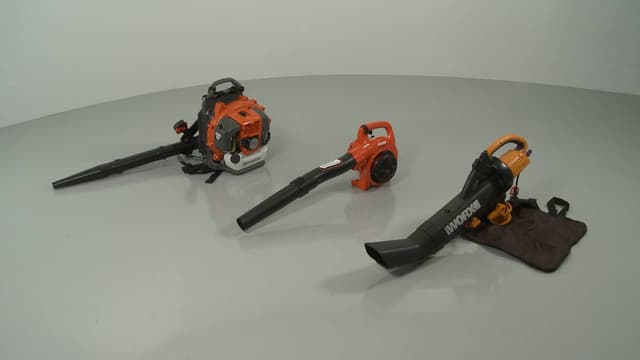
The 9 Reasons Your Gas Leaf Blower won't Start
Identify nine common reasons your gas leaf blower won't start, from a defective spark plug or restricted carburetor to a broken flywheel key or recoil starter.




Family-owned and operated since 1912, Burke America Parts Group is the longest-running genuine appliance, HVAC, and outdoor power equipment parts solution in North America. At Repair Clinic, we're proud to be an international brand trusted by the pros as well as the DIY community.
About Repair Clinic