


 Price Match Guarantee
Ryobi Leaf Blower Parts
- Alternator, Battery & Charger
- Axle, Roller, Shaft, Wheel
- Bag
- Bearing
- Belt
- Blower Wheel & Fan Blade
- Bracket & Flange
- Cap, Lid & Cover
- Carburetor
- Circuit Board & Timer
- Control Cable
- Engine
- Fastener
- Filter
- Gasket & Seal
- Grille & Kickplate
- Handle
- Hose, Tube & Fitting
- Ignition Controls
- Insulation
- Knob, Dial & Button
- Latch
- Lubricant
- Manuals, Care Guides & Literature
- Miscellaneous
- Motor
- Muffler
- Oil Plug
- Panel
- Spark Plug
- Spring
- Starter
- Switch
- Tank & Container
- Tool
- Transmission, Brake & Clutch
- Tune-Up Maintenance Kit
- Valve & Float
- Wire, Receptacle & Wire Connector
Find the right part faster
Multiple models matched. Select your model to confirm fit.




Ball
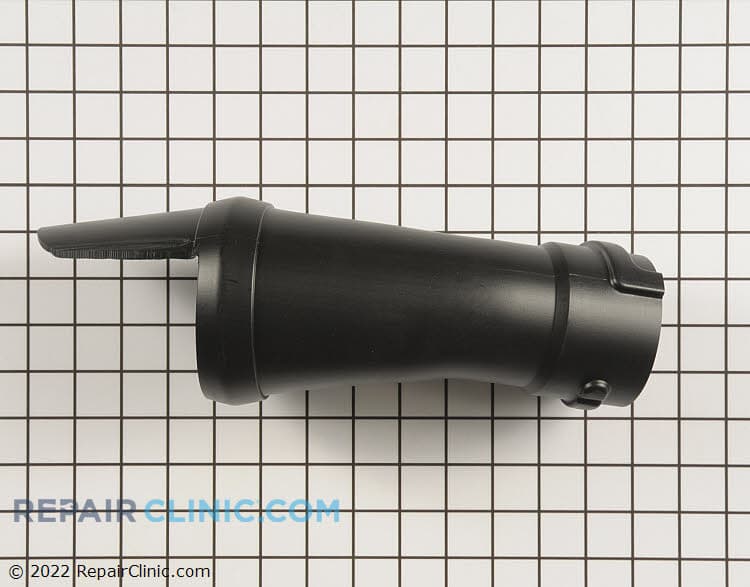
Vac Bag Adaptor
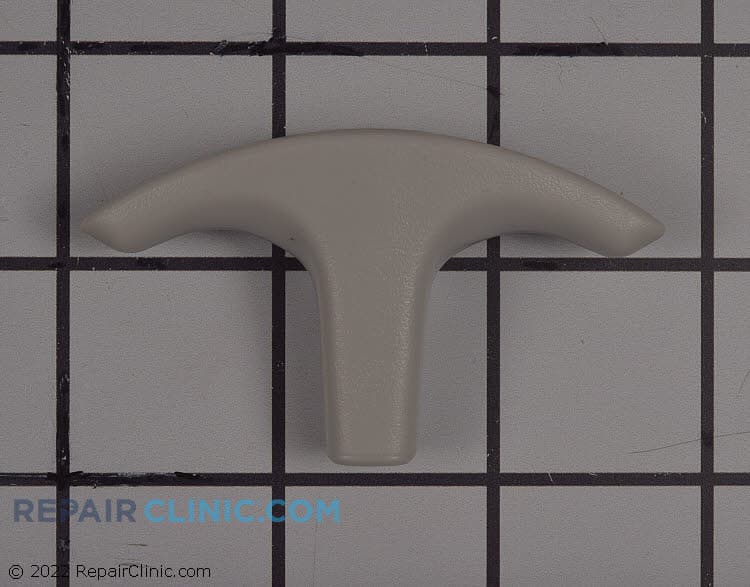
Plastic grip starter


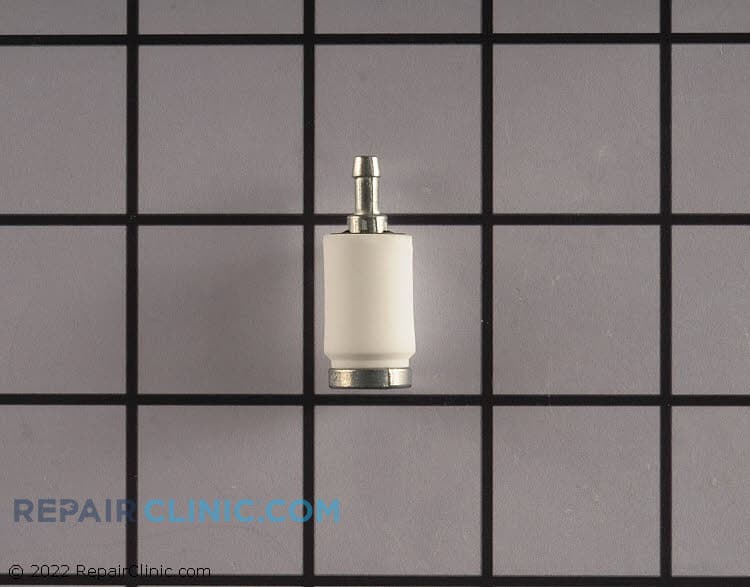
Fuel filter assy 2mm id
Tachometer
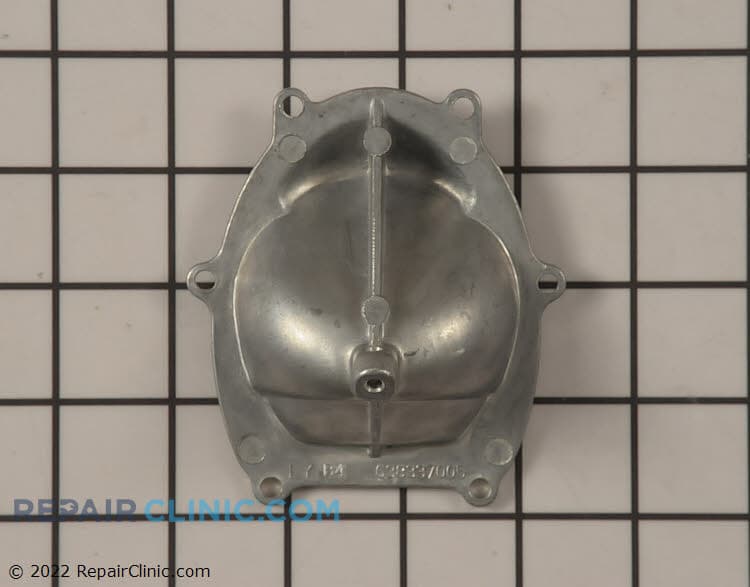
Crankcase cover
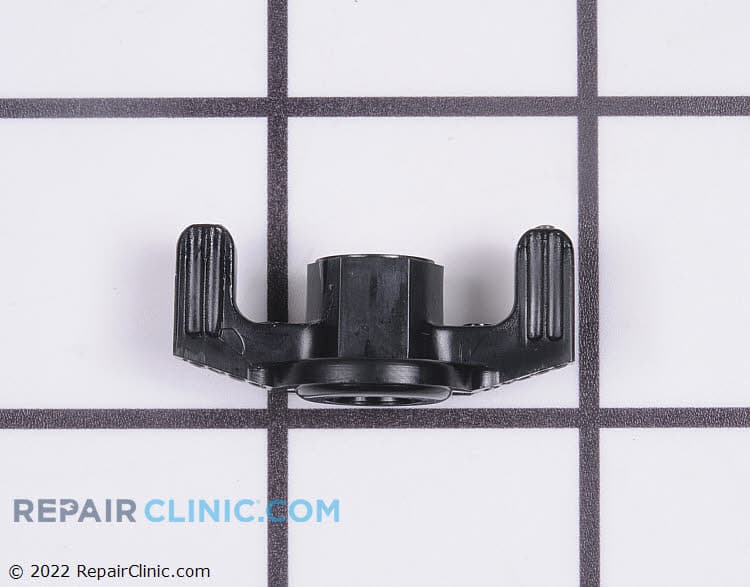
Nut-wing
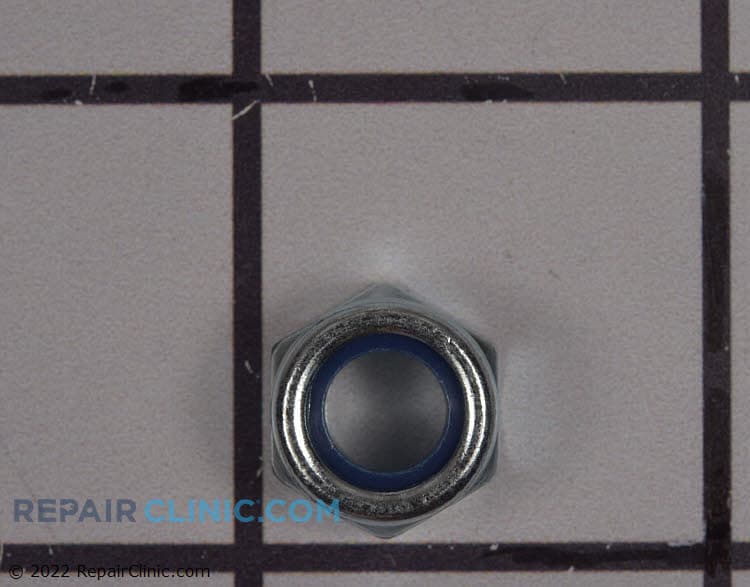
Nut m8-1.25 x lo


Ryobi Leaf Blower Parts & Repair Help
Ryobi leaf blowers are built for value and reliability, but like all gas-powered equipment, they're prone to a few recurring issues — especially carburetors that get gummed up by ethanol fuel, and recoil starters that wear out from heavy use. Whether your blower won't start, won't run at full power, or has lost its pull cord, Repair Clinic stocks OEM Ryobi parts to get you back in action.
The most common Ryobi leaf blower repairs start with the carburetor (hard start, runs rich/lean, or won't idle) and the recoil starter assembly (pull cord stuck or won't catch). Fuel lines crack over time, primer bulbs fail, and spark plugs foul from old fuel. We carry complete Ryobi leaf blower carburetor kits, fuel lines, spark plugs, primer bulbs, and starter assemblies — all OEM parts that match your exact model.
- Won't start or hard to start: Carburetor gummed up (most common), fouled spark plug, cracked fuel line, bad primer bulb
- Runs rough or loses power: Carburetor needs cleaning or rebuild kit, clogged air filter, worn spark plug
- Pull cord stuck or won't retract: Recoil starter spring broken or housing cracked; complete starter assembly often the fix
- Weak airflow or no thrust: Impeller/fan blade cracked or broken, intake clogged, carburetor lean condition
- Fuel won't flow: Kinked fuel line, clogged fuel filter, stuck petcock valve on fuel tank
Popular Ryobi Leaf Blower Models
Related Ryobi Leaf Blower Parts
- Ryobi Leaf Blower Fastener Parts
- Ryobi Leaf Blower Miscellaneous Parts
- Ryobi Leaf Blower Cap, Lid & Cover Parts
- Ryobi Leaf Blower Gasket & Seal Parts
- Ryobi Leaf Blower Hose, Tube & Fitting Parts
- Ryobi Leaf Blower Engine Parts
- Ryobi Leaf Blower Carburetor Parts
- Ryobi Leaf Blower Manuals, Care Guides & Literature
- Ryobi Leaf Blower Starter Parts
- Ryobi Leaf Blower Bearing Parts
- Ryobi Leaf Blower Wire, Receptacle & Wire Connector Parts
- Ryobi Leaf Blower Handle Parts
- Ryobi Leaf Blower Filter Parts
- Ryobi Leaf Blower Spring Parts
- Ryobi Leaf Blower Knob, Dial & Button Parts
- Ryobi Leaf Blower Spark Plug Parts
- Ryobi Leaf Blower Bracket & Flange Parts
- Ryobi Leaf Blower Switch Parts
- Ryobi Leaf Blower Panel Parts
- Ryobi Leaf Blower Blower Wheel & Fan Blade Parts
- Ryobi Leaf Blower Ignition Controls Parts
- Ryobi Leaf Blower Motor Parts
- Ryobi Leaf Blower Alternator, Battery & Charger Parts
- Ryobi Leaf Blower Axle, Roller, Shaft, Wheel Parts
- Ryobi Leaf Blower Control Cable Parts
- Ryobi Leaf Blower Latch Parts
- Ryobi Leaf Blower Lubricant
- Ryobi Leaf Blower Muffler Parts
- Ryobi Leaf Blower Tool
- Ryobi Leaf Blower Transmission, Brake & Clutch Parts
- Ryobi Leaf Blower Bag Parts
- Ryobi Leaf Blower Belt Parts
- Ryobi Leaf Blower Circuit Board & Timer Parts
- Ryobi Leaf Blower Grille & Kickplate Parts
- Ryobi Leaf Blower Insulation Parts
- Ryobi Leaf Blower Oil Plug Parts
- Ryobi Leaf Blower Tank & Container Parts
- Ryobi Leaf Blower Tune-Up Maintenance Kit
- Ryobi Leaf Blower Valve & Float Parts
Ryobi Leaf Blower Parts: Frequently Asked Questions
Why won't my Ryobi leaf blower start, and what's the most common fix?
The #1 reason Ryobi leaf blowers won't start is a carburetor gummed up by ethanol fuel sitting in the tank over winter. Ethanol attracts moisture and leaves varnish deposits that clog the carburetor jets and needle. Before replacing the entire carburetor, try a carburetor rebuild kit — it's one-third the cost and fixes 80% of hard-start complaints. If the blower still won't spark, a fouled spark plug is the second most common culprit; replace it and try again. Always drain old fuel and run fresh gas mixed with 2-stroke oil through a Ryobi blower.
How do I find my Ryobi leaf blower model number for the correct parts?
Ryobi model numbers are stamped on the fuel tank body or printed on a label near the engine block. Most Ryobi blower models start with "RY" followed by four to five numbers (e.g., RY08420, RY40404). Once you have your model number, enter it into Repair Clinic's lookup tool to confirm the exact carburetor kit, fuel line, spark plug, and air filter specifications for your blower. Model numbers matter because Ryobi's carburetors and fuel line routing vary across generations, and using the wrong parts can cause fuel leaks or improper idle.
Is a carburetor rebuild kit better than replacing the whole carburetor on a Ryobi blower?
For Ryobi leaf blowers, a carburetor rebuild kit (gasket set, needle, float, and jet parts) is usually the better first move. It costs $15 to $25, takes 20 to 30 minutes, and solves 8 out of 10 carburetor issues. Full carburetor replacement runs $40 to $70 and is only necessary if the main body is cracked or the needle seat is worn beyond repair. Drain the fuel tank, clean the float bowl and jets with carburetor cleaner, install the new gaskets and needle, reassemble, and test. If the blower still won't run after a rebuild, then a full OEM carburetor is the next step.
My Ryobi blower's pull cord is stuck — is the recoil starter replaceable, or do I need a new blower?
A stuck pull cord is almost always a failed recoil starter spring or a cracked starter housing. The good news: recoil starter assemblies are replaceable and cost $25 to $45 for OEM Ryobi parts. Remove the old starter (usually 4 to 6 screws), install the new assembly, and your pull cord will work like new. If the starter spins freely but won't catch, the internal pawls may be worn — again, a full starter replacement is the OEM fix. Never try to force a stuck cord; you'll snap it and damage the internal gears.

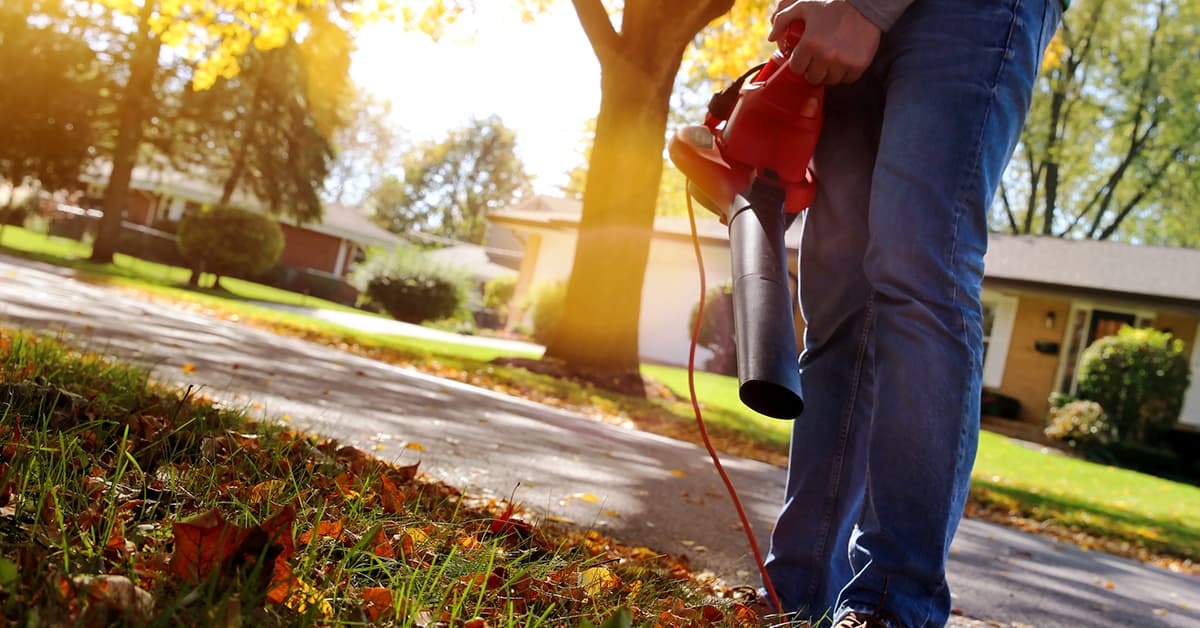
Easy Online Ordering for Ryobi Leaf Blower Parts
Find a full range of Ryobi leaf blower parts online to ensure your equipment runs smoothly year-round. With same-day shipping, you can quickly receive the genuine, compatible parts you need for any repair. Whether you're dealing with a carburetor issue or need a new fan blade, our platform makes it easy to search using model or part numbers. Plus, with a No-Hassle 365-Day Returns policy and a price match promise, you get competitive pricing on top-quality parts. Common leaf blower issues, such as rough running or starting problems, can often be resolved by replacing spark plugs, filters, or carburetors. Find more leaf blower repair tips to extend the life of your Ryobi equipment. For additional resources, find the large inventory of Ryobi Leaf Blower Parts for versatile repair options.
Ryobi Leaf Blower Model Number: Where to Look
Ryobi prints the model number on the fuel tank body or on a label near the engine block of most leaf blowers. Look for a code that usually begins with "RY" and includes four or five numbers, though some models use a different format. Once you find it, enter the number in the model lookup to narrow the complete Ryobi leaf blower parts catalog to items made for your equipment. This filters every associated part category, not just the part you are repairing, so you can check fit across the whole unit. Matching by model is faster and more reliable than comparing parts by appearance, helping you avoid ordering something that will not work.

Ryobi Leaf Blower Troubleshooting Videos and Repair Articles
Repair Clinic's online repair library is where Ryobi Leaf Blower owners and technicians go to diagnose the problem and complete the fix. Video walkthroughs, symptom articles, part testing tutorials, and exploded-view diagrams cover the most common repairs from start to finish. Model number lookup confirms the exact OEM part before you order.
Related Articles: Leaf Blower Repair

Mastering Leaf Blower Techniques: How To Use A Leaf Blower
Find essential techniques for safe and efficient yard cleanup using a leaf blower from choosing the right model and adjusting the nozzle to mastering sweeping motions for leaf and debris removal.
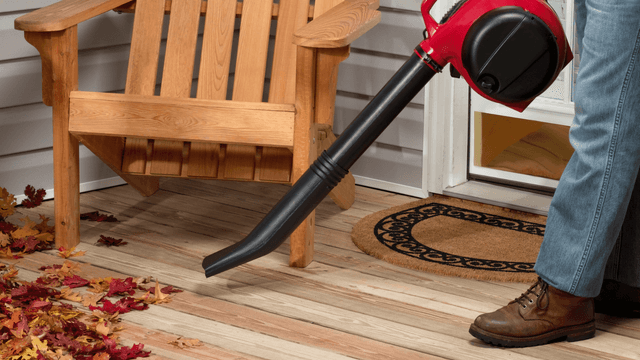
Gas Leaf Blower Running Rough? Here Are 5 Reasons Why
Identify five common causes of a rough running gas leaf blower such as a clogged carburetor fuel or air filter worn spark plug or blocked spark arrestor and how to address each one.

Gas-Powered Leaf Blower Starting Then Stalling? 5 Likely Causes
Uncover five likely causes that make a gas-powered leaf blower start and then stall—such as a clogged spark arrestor, restricted carburetor, dirty filters, or obstructed fuel cap—and how to resolve each one.




Family-owned and operated since 1912, Burke America Parts Group is the longest-running genuine appliance, HVAC, and outdoor power equipment parts solution in North America. At Repair Clinic, we're proud to be an international brand trusted by the pros as well as the DIY community.
About Repair Clinic