


 Price Match Guarantee
Makita Leaf Blower Flange Nut Replacement
Find the right part faster
Multiple models matched. Select your model to confirm fit.




Flange nut


Replace Your Makita Leaf Blower Flange Nut with OEM Parts
Maintaining the performance of your Makita Leaf Blower involves using genuine OEM parts, like the flange nut. At Repair Clinic, we offer flange nuts designed for a precise fit, ensuring your Makita blower operates at its best. Whether you're dealing with a loose or missing nut, our flange nut replacements are crafted to align perfectly with your model, helping maintain its warranty. Browse our extensive inventory of replacement parts online for your leaf blower repairs.
FAQs about Makita Leaf Blower Flange Nut Replacement
When dealing with Makita leaf blowers, proper maintenance and timely replacement of parts like the flange nut are crucial for optimal performance. Here we answer some common questions regarding flange nut replacements.
How do I replace the flange nut on my Makita leaf blower?
To replace the flange nut on your Makita leaf blower, first ensure the blower is off and unplugged. Use a wrench to loosen and remove the old flange nut. Install the new nut, tightening it securely. This will hold the fan blade in place for efficient operation.
How can I tell if my Makita leaf blower's flange nut needs replacing?
If your Makita leaf blower's fan blade is loose or rattling, it could indicate a worn or damaged flange nut. Regular inspection and replacing any worn parts can prevent larger issues.
Where can I buy Makita leaf blower flange nut replacement parts online?
Visit Repair Clinic to purchase genuine Makita leaf blower flange nut replacement parts. They offer same-day shipping and a 365-day return policy.
Other related parts for your Makita leaf blower can also be found by exploring Yard Machines blower wheel fan blade parts.
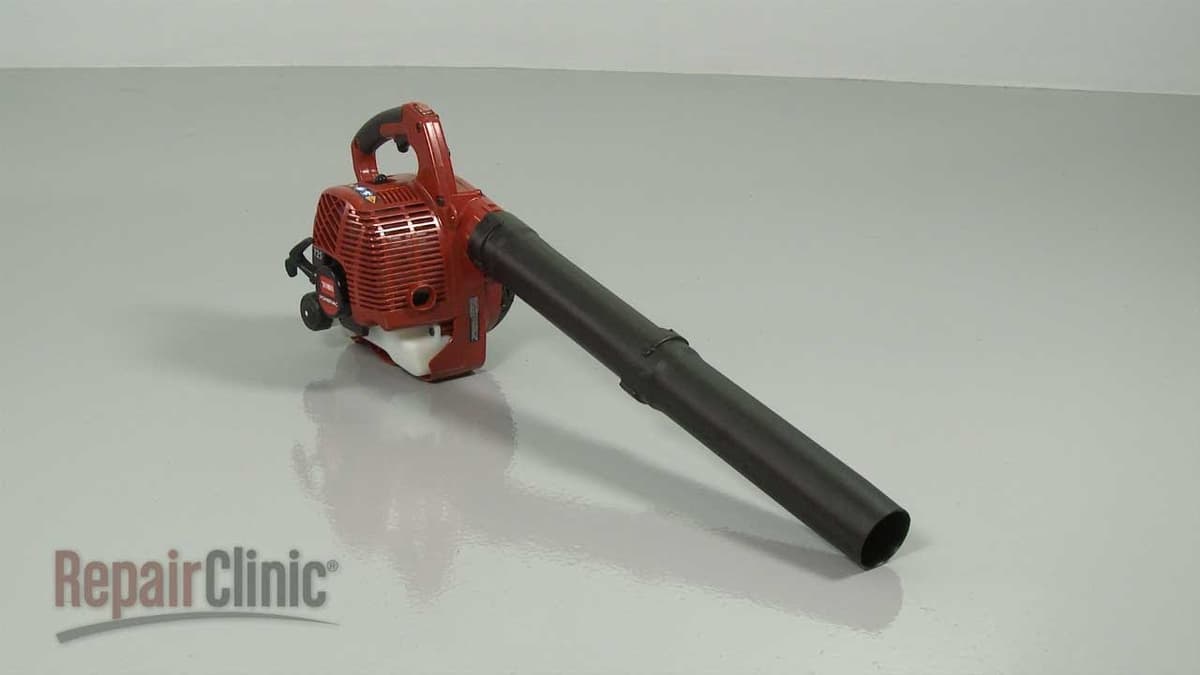
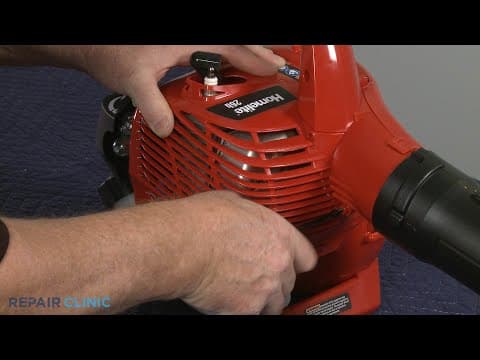
Order Makita Leaf Blower Flange Nut Replacement Online
Ensure the reliability of your Makita leaf blower with our genuine flange nut replacements, designed for perfect compatibility and performance. Ordering these essential parts online is simple and convenient, with same-day shipping to get your blower back in working order quickly. Take advantage of the model or part number lookup to easily find the exact flange nut you need. We also offer a no-hassle 365-day return policy, so buying online is worry-free. With our price match promise, rest assured you're getting the best deal on your leaf blower parts. For help with installation, visit our Leaf Blower Repair Help page for DIY resources. Explore our Makita Leaf Blower Carburetor Parts for additional repair solutions and parts for your device, and keep your equipment running smoothly.
Tips for Locating Your Leaf Blower Model Number
For easy replacement of Makita Leaf Blower flange nuts, locating your leaf blower's model number is crucial. Typically, the model number is found on a label near the engine or on the housing. Utilizing this number ensures you obtain the right replacement parts, like leaf blower flange nuts. Order online and enjoy the benefits of our price match and hassle-free 365-day returns. Having issues like your leaf blower running rough? Check for spark plug problems or a clogged spark arrestor. With the correct Makita leaf blower parts, your equipment can operate smoothly again.

Get Help Finding the Right Leaf Blower Replacement Parts
At Repair Clinic, we are committed to making your experience seamless when ordering Makita Leaf Blower replacement parts. Our dedicated team of customer service experts is available seven days a week to assist you in finding the exact flange nut or any other replacement parts needed for your leaf blower. Utilize our model/part number lookup tool to easily identify the parts required for your leaf blower repair. Take advantage of our price match to ensure you get the best deal on genuine OEM parts. Whether you're a homeowner or professional technician, our live chat is available for quick support and guidance. Enjoy peace of mind with our no-hassle 365-day returns if the part is not installed. Visit our Contact Us page to connect with our expert support team today.
Related Articles: Leaf Blower Repair
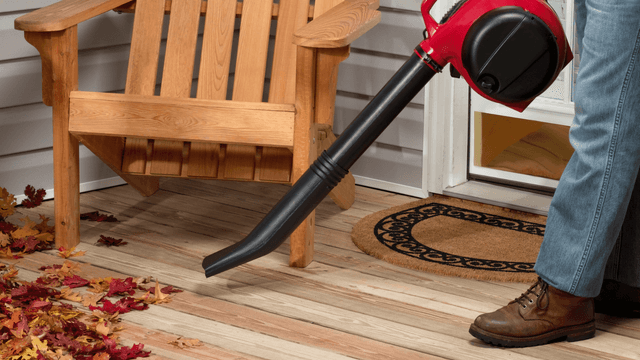
Gas Leaf Blower Running Rough? Here Are 5 Reasons Why
Identify five common causes of a rough running gas leaf blower such as a clogged carburetor fuel or air filter worn spark plug or blocked spark arrestor and how to address each one.
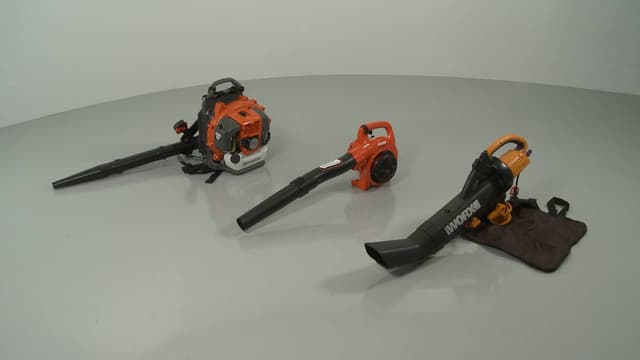
The 9 Reasons Your Gas Leaf Blower Won’t Start
Identify nine common reasons your gas leaf blower won’t start, from a defective spark plug or restricted carburetor to a broken flywheel key or recoil starter.

Mastering Leaf Blower Techniques: How To Use A Leaf Blower
Explore essential techniques for safe and efficient yard cleanup using a leaf blower—from choosing the right model and adjusting the nozzle to mastering sweeping motions for leaf and debris removal.




Family-owned and operated since 1912, Burke America Parts Group is the longest-running genuine appliance, HVAC, and outdoor power equipment parts solution in North America. At Repair Clinic, we're proud to be an international brand trusted by the pros as well as the DIY community.
About Repair Clinic