


 Price Match Guarantee
Insinkerator Garbage Disposer Blade Parts
Find the right part faster
Multiple models matched. Select your model to confirm fit.




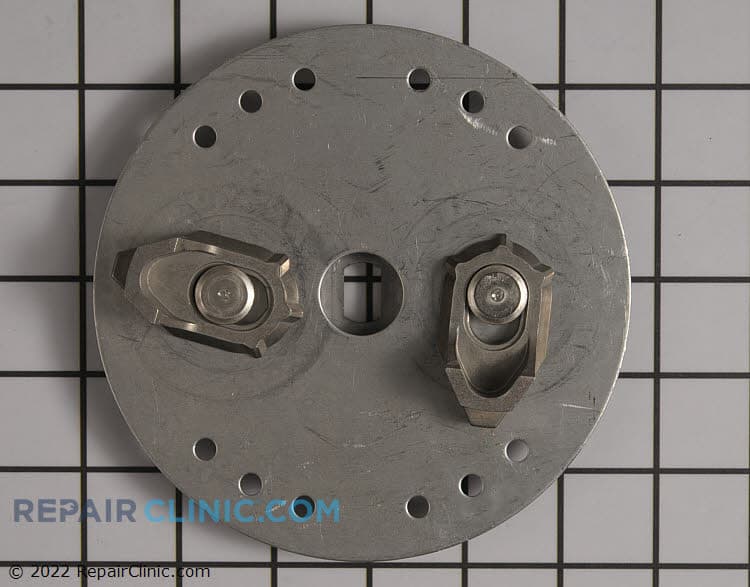
Grinding Disc with Blades
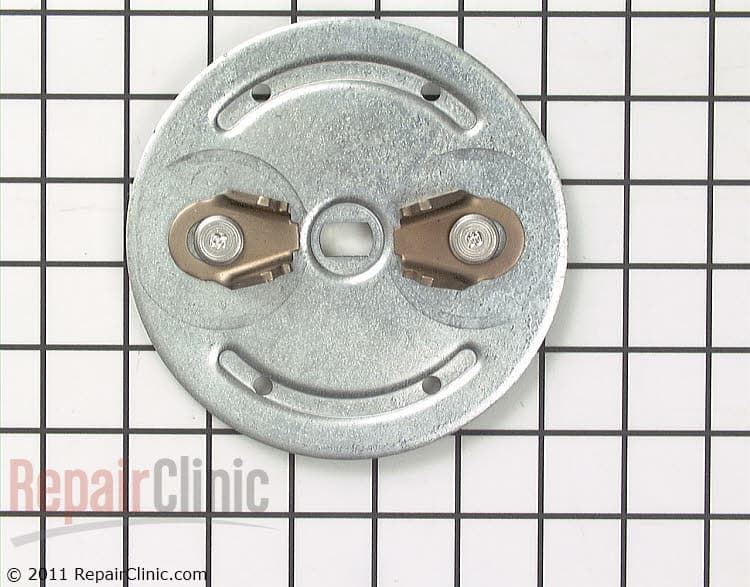
Shredder rotor


InSinkErator Garbage Disposer Grinding Chamber & Blade Parts
When your InSinkErator disposer starts leaving food particles behind or makes a grinding noise that sounds like metal-on-metal, the grinding parts inside the chamber are wearing out. InSinkErator's sealed grinding chamber design means the blades and grinding ring work together — when either wears down, both lose effectiveness fast.
The good news: genuine InSinkErator grinding chamber parts and blade assemblies are straightforward replacements. Enter your model number to find the exact grinding parts, splash guards, and mounting hardware that fit your unit. We stock OEM parts for Evolution, Badger, and Pro series disposers.
- Worn or dull grinding blades: food particles escape the chamber, poor grinding action
- Grinding chamber deterioration: metal-on-metal noise, reduced grinding power
- Splash guard damage: rubber baffle at drain opening cracks or tears, allowing splashing
- Mounting ring misalignment: grinding parts lose position in chamber
- Food accumulation in chamber: indicates grinding surfaces no longer bite effectively
Find your Insinkerator Garbage Disposer Blade Parts by entering your model number — OEM parts ensure your disposer grinds like new.
Find Replacement Insinkerator Garbage Disposer Blade Parts Online by Model or Part Number
InSinkErator Garbage Disposer Blade & Grinding Chamber FAQs
What causes InSinkErator garbage disposer blades to wear out?
InSinkErator disposers grind food using hardened steel grinding parts inside a sealed chamber. Over time — typically 5 to 10 years — these parts dull from contact with food fibers, bones, and mineral buildup. Once the grinding surfaces lose their edge, the disposer can still run, but it won't break down food effectively. You'll notice food particles in the drain and longer grinding cycles. Genuine InSinkErator grinding chamber parts restore full grinding power.
Can I replace just the blades, or do I need to replace the entire grinding chamber?
InSinkErator disposers are engineered so that the grinding ring and chamber work as a matched pair. Replacing a worn grinding ring without checking the chamber (or vice versa) often results in poor performance. Most rebuild kits include both the grinding ring and related seals, ensuring balanced operation. For your specific model — Badger, Evolution, or Pro — check the parts diagram in your model's listing to confirm what your unit needs.
How do I know if my InSinkErator disposer needs blade or grinding chamber parts?
Signs that grinding parts are wearing out include: food particles escaping into the drain (not fully ground), longer grinding time for soft foods, or an unusually loud grinding noise. If the disposer still runs but grinds poorly, the chamber or ring is likely the culprit. Use your model number to pull up the grinding part parts — OEM InSinkErator parts are designed for exact fit and performance match.
Are InSinkErator garbage disposer blade parts the same across all models?
No — InSinkErator Badger, Evolution, and Pro series each have model-specific grinding parts. Even within a series, chamber and blade assemblies vary by horsepower and year. Always verify your exact model number (found on the unit or inside the sink rim) before ordering. Repair Clinic's model lookup confirms the correct grinding parts for your InSinkErator disposer.
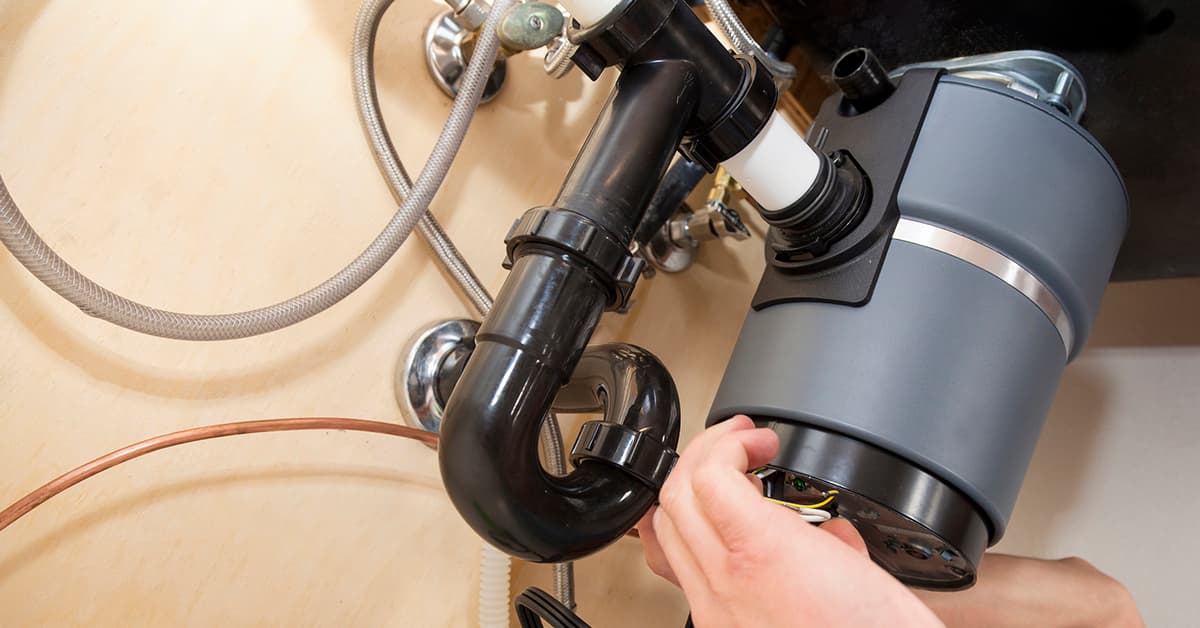
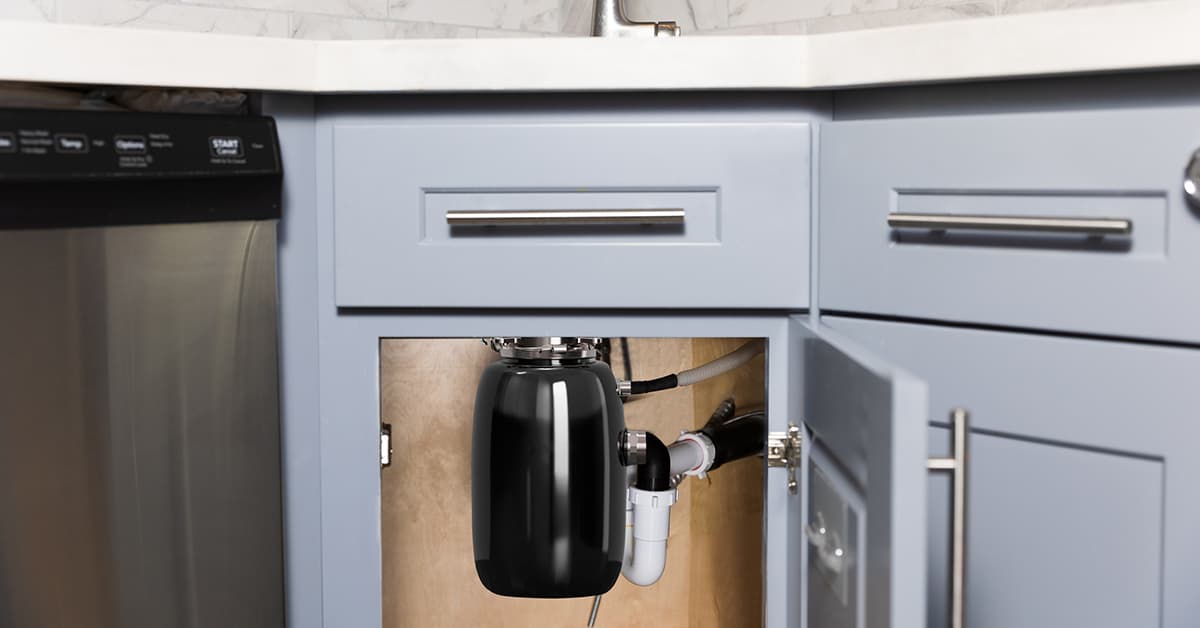
Order Insinkerator Garbage Disposer Blade Replacement Online
Keep your Insinkerator garbage disposer running efficiently by replacing a faulty blade promptly. With same-day shipping on most in-stock items, you'll have your replacement part fast, minimizing downtime. Our model/part number lookup finds the exact OEM part for your unit, and every order is backed by our 365-day return policy and price-match guarantee. If your Insinkerator garbage disposer blade is failing — showing symptoms like reduced performance, unusual noise, or complete non-operation — replacement is typically the fastest fix. Browse our full library of Insinkerator repair resources for troubleshooting guides and installation videos.
InSinkErator Garbage Disposer Model Number: Where to Look
On InSinkErator garbage disposers, look underneath the sink for the model number label on the bottom or side of the disposer housing. A flashlight can help, especially when plumbing or a mounting assembly blocks your view. Some units also have identifying information printed near the sink rim or on the disposer's visible side. Record the complete model number, including letters, numbers, and any hyphens. Enter it in the search bar to filter the catalog to parts that fit your entire disposer, including grinding parts, mounting hardware, seals, and other replacement parts. Using the full model number narrows the results quickly and helps you order with confidence knowing the fit is right.

Replacement Blades and Chains for Insinkerator Garbage Disposer
Sharp blades and well-tensioned chains cut cleanly and reduce strain on your Insinkerator Garbage Disposer. Repair Clinic stocks OEM blades and chains for a wide range of outdoor equipment, along with installation and sharpening videos. Use the model number lookup to confirm the exact specification for your unit, and consider keeping a spare on hand for the season.
Related Articles: Washing Machine Parts
What Causes A Washing Machine To Stop Working?
What causes a washing machine to stop working? Learn common issues like power failures, faulty lid switches, broken drive belts, and more with troubleshooting tips from Repair Clinic.

Why Won't My Washing Machine Start?
Wondering why your washing machine won't start? Learn common causes like power issues, faulty lid switches, broken timers, and more with expert troubleshooting from Repair Clinic.
What Causes a Washing Machine To Not Spin or Drain?
Is your washing machine not spinning or draining? Learn about common issues like clogged drain pumps, faulty lid switches, and worn drive belts, plus expert repair tips from Repair Clinic.




Family-owned and operated since 1912, Burke America Parts Group is the longest-running genuine appliance, HVAC, and outdoor power equipment parts solution in North America. At Repair Clinic, we're proud to be an international brand trusted by the pros as well as the DIY community.
About Repair Clinic