


 Price Match Guarantee
Craftsman Generator Parts
- Alternator, Battery & Charger
- Axle, Roller, Shaft, Wheel
- Bearing
- Belt
- Blower Wheel & Fan Blade
- Bracket & Flange
- Cap, Lid & Cover
- Capacitor
- Carburetor
- Compressor & Sealed System
- Deflector & Chute
- Dipstick
- Duct & Venting
- Engine
- Fastener
- Filter
- Fuse, Thermal Fuse & Breaker
- Gasket & Seal
- Grille & Kickplate
- Handle
- Hose, Tube & Fitting
- Ignition Controls
- Insulation
- Knob, Dial & Button
- Latch
- Lubricant
- Manuals, Care Guides & Literature
- Miscellaneous
- Motor
- Muffler
- Oil Plug
- Panel
- Pedal
- Power Cord
- Pulley
- Pump
- Safety Equipment
- Spark Plug
- Spindle
- Spring
- Starter
- Steering
- Suspension & Shock Absorption
- Switch
- Tank & Container
- Tire & Rim
- Tool
- Transformer
- Transmission, Brake & Clutch
- Trim
- Tune-Up Maintenance Kit
- Valve & Float
- Wire, Receptacle & Wire Connector
Find the right part faster
Multiple models matched. Select your model to confirm fit.




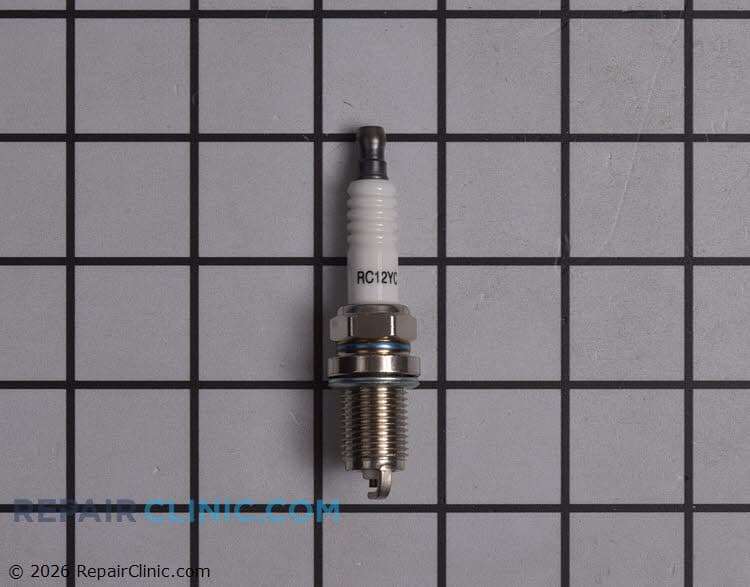
Champion Spark Plug (RC12YC). The spark plug ignites the fuel and air mixture in the cylinder to power the engine. If the spark plug is burnt, fouled or damaged the engine may not start or may run rough.

Briggs & Stratton Original Equipment 498260 Carburetor Overhaul Kit. If the carburetor is clogged, the engine won't get enough fuel. As a result, the engine may not start or may run poorly.

Briggs & Stratton Original Equipment 491588S Air Filter. Briggs & Stratton genuine parts are specially designed to exact OEM standards, manufactured and tested to help deliver optimum performance in Briggs & Stratton engines.
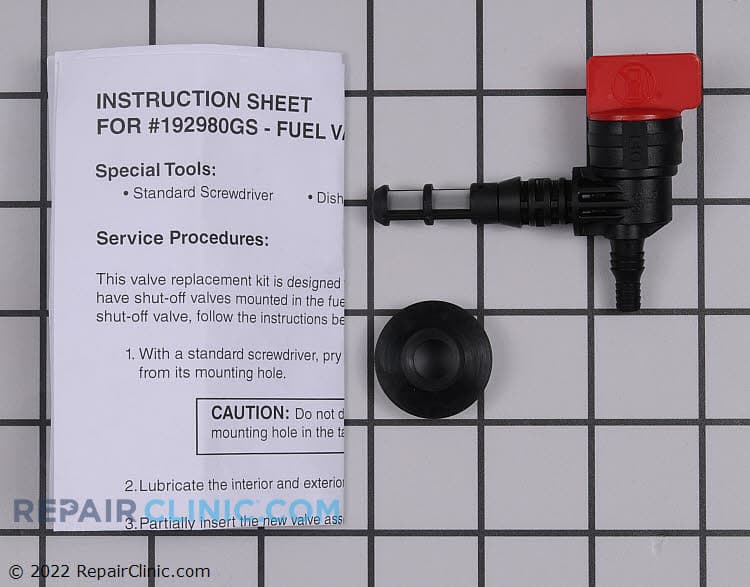
Fuel shut-off valve

Briggs & Stratton Original Equipment 492932S Oil Filter. Length: 2 1/4 inches. For optimum performance, we recommend changing the oil in your small engine after the first five hours of use. After that, change the oil on a yearly basis or after every 50 hours of use (whichever comes first).
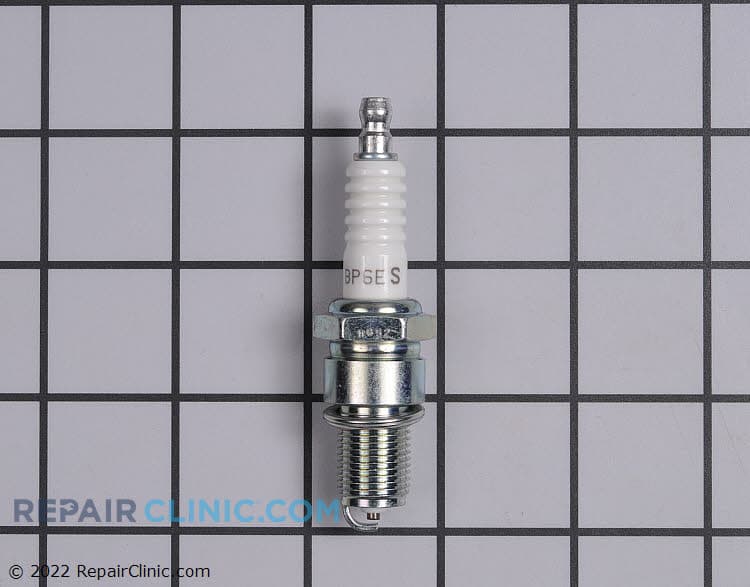
Small engine NGK spark plug (BPR6ES). If the engine does not start, the spark plug may be defective. The spark plug should be replaced periodically during regular maintenance.
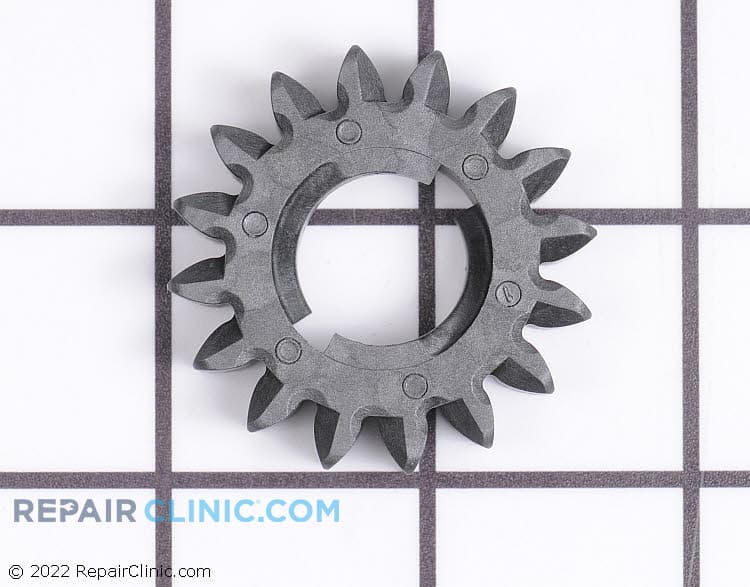
Briggs & Stratton starter gear (also called a pinion gear), 16-tooth, plastic. The starter gear engages the flyhweel to start the engine. If the teeth on the starter gear are worn out, the engine may not start.

Briggs & Stratton in-line fuel filter. If the fuel filter is clogged, it will restrict the flow of fuel to the carburetor. As a result, the engine may not start.
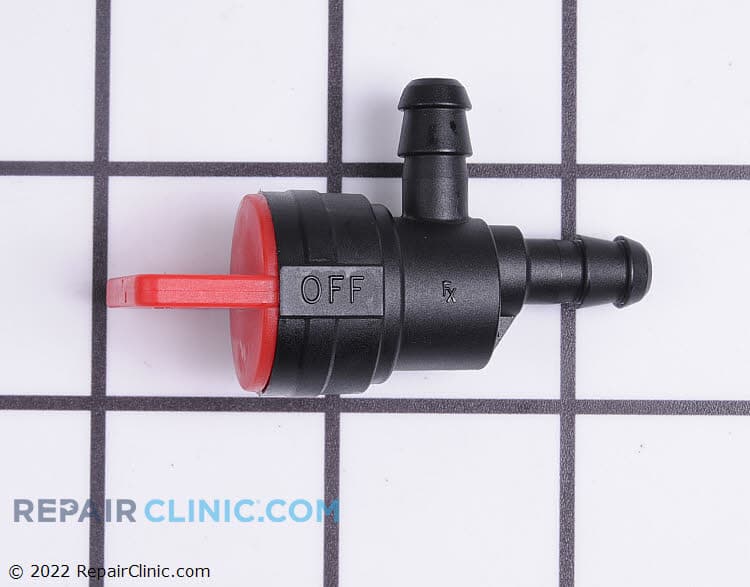
Fuel Shut-off Valve, In-Line Valve, 90 Degree Valve, 3.5 & 5 HP Industrial Plus
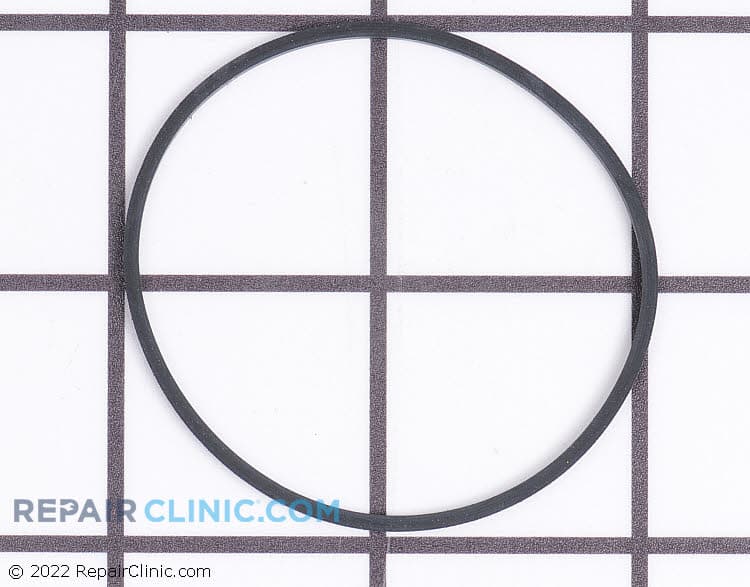
Gasket-float bowl
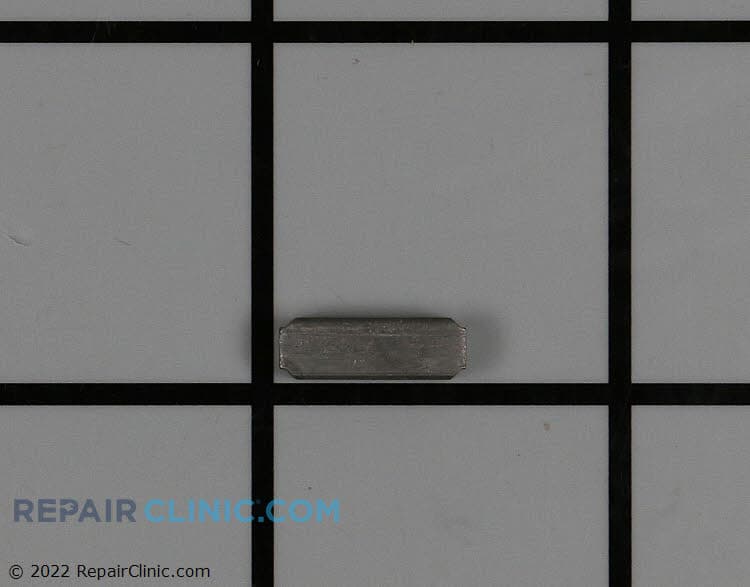
Briggs & Stratton flywheel key. The flywheel key aligns the flywheel in the correct position on the crankshaft. If the engine stops suddenly due to hitting a hard object, the flywheel key shears in half to prevent damage to the engine. If the flywheel key is broken, the engine won't start.
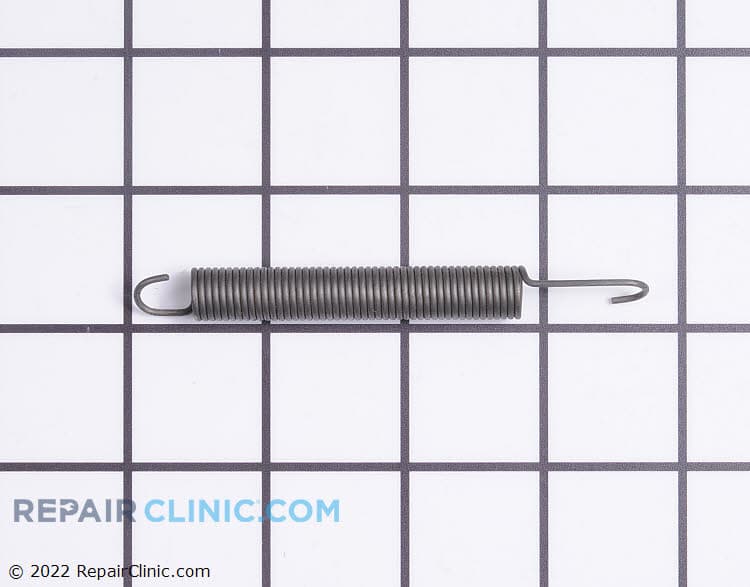
Spring-extension
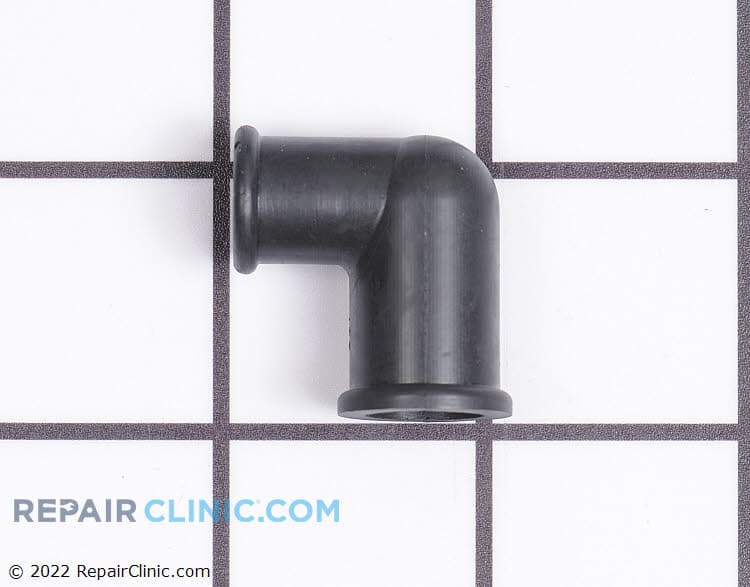
Briggs & Stratton breather tube grommet.
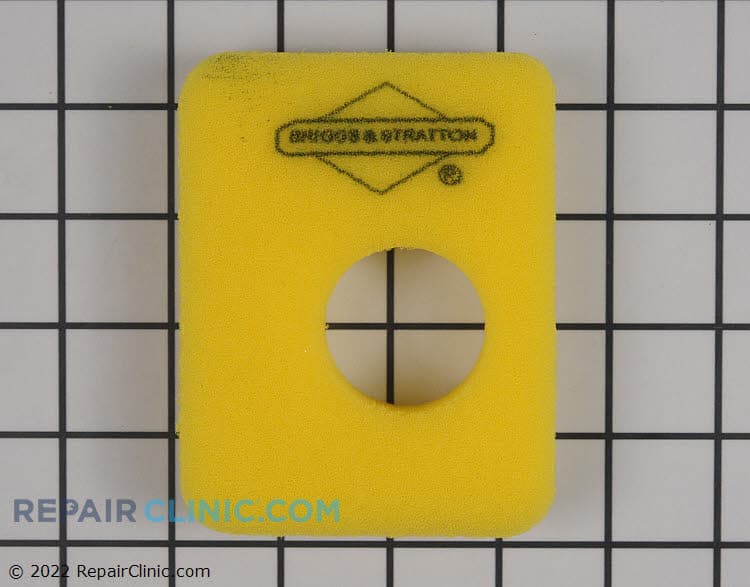
Briggs foam air filter

Filter element


Craftsman Generator Parts
Craftsman generators are built for dependable backup power, but like all gas-powered equipment, they're prone to a few predictable failures. The most common issue you'll run into is a carburetor that won't cooperate — stale fuel and ethanol damage clog the jets, leaving you with a generator that cranks but won't fire. Spark plugs foul out, fuel lines crack, and the recoil starter can stick or fail entirely. We carry OEM Craftsman parts that match your exact model, so you're not guessing on part compatibility.
The good news: most Craftsman generator repairs are straightforward and inexpensive. A carburetor kit, spark plug, or fuel valve often gets the job done without replacing the whole engine. Enter your model number to find the exact parts you need — Repair Clinic stocks OEM Craftsman generator parts with same-day shipping on most orders.
- Carburetor won't start or runs rough: Ethanol damage to float needle and jets; carburetor kit often fixes it
- Spark plug fouled or black: Old fuel or rich running condition; replace with correct heat range
- Fuel valve stuck: Petcock won't open to carb; fuel starvation; simple replacement
- Recoil starter stuck or won't snap back: Spring failure or internal rope jam; starter assembly replacement
- Generator produces no power output: Voltage regulator or AVR failure; test output voltage first
- Primer bulb cracked: Won't prime fuel to carburetor; low-cost replacement
Find Replacement Craftsman Generator Parts Online by Model or Part Number
Popular Craftsman Generator Models
Related Craftsman Generator Parts
- Craftsman Generator Miscellaneous Parts
- Craftsman Generator Fastener Parts
- Craftsman Generator Gasket & Seal Parts
- Craftsman Generator Engine Parts
- Craftsman Generator Carburetor Parts
- Craftsman Generator Cap, Lid & Cover Parts
- Craftsman Generator Spring Parts
- Craftsman Generator Bearing Parts
- Craftsman Generator Wire, Receptacle & Wire Connector Parts
- Craftsman Generator Bracket & Flange Parts
- Craftsman Generator Hose, Tube & Fitting Parts
- Craftsman Generator Filter Parts
- Craftsman Generator Manuals, Care Guides & Literature
- Craftsman Generator Starter Parts
- Craftsman Generator Muffler Parts
- Craftsman Generator Axle, Roller, Shaft, Wheel Parts
- Craftsman Generator Switch Parts
- Craftsman Generator Spark Plug Parts
- Craftsman Generator Alternator, Battery & Charger Parts
- Craftsman Generator Fuse, Thermal Fuse & Breaker Parts
- Craftsman Generator Handle Parts
- Craftsman Generator Ignition Controls Parts
- Craftsman Generator Motor Parts
- Craftsman Generator Transmission, Brake & Clutch Parts
- Craftsman Generator Oil Plug Parts
- Craftsman Generator Valve & Float Parts
- Craftsman Generator Dipstick Parts
- Craftsman Generator Knob, Dial & Button Parts
- Craftsman Generator Panel Parts
- Craftsman Generator Belt Parts
- Craftsman Generator Latch Parts
- Craftsman Generator Pulley Parts
- Craftsman Generator Tire & Rim Parts
- Craftsman Generator Capacitor Parts
- Craftsman Generator Pump Parts
- Craftsman Generator Tank & Container Parts
- Craftsman Generator Tool
- Craftsman Generator Duct & Venting Parts
- Craftsman Generator Grille & Kickplate Parts
- Craftsman Generator Lubricant
- Craftsman Generator Suspension & Shock Absorption Parts
- Craftsman Generator Tune-Up Maintenance Kit
- Craftsman Generator Blower Wheel & Fan Blade Parts
- Craftsman Generator Compressor & Sealed System Parts
- Craftsman Generator Deflector & Chute Parts
- Craftsman Generator Insulation Parts
- Craftsman Generator Pedal Parts
- Craftsman Generator Power Cord Parts
- Craftsman Generator Safety Equipment
- Craftsman Generator Spindle Parts
- Craftsman Generator Steering Parts
- Craftsman Generator Transformer Parts
- Craftsman Generator Trim Parts
Craftsman Generator Parts FAQs
What's the most common reason a Craftsman generator won't start?
Stale fuel and ethanol damage to the carburetor is the #1 culprit. If your generator has been sitting with fuel in the tank for more than 30 days, the ethanol in the fuel corrodes the carburetor's float needle, seat, and jets. A carburetor rebuild kit (or full carburetor replacement) solves it in most cases. If the carb is clean and fuel is fresh, check the spark plug next — a fouled or gapped spark plug will prevent ignition even if everything else works.
How do I find my Craftsman generator model number for parts lookup?
The model and serial number are stamped or printed on a label attached to the frame or fuel tank of your generator. Common locations: near the top of the frame, on the side of the engine block, or on the fuel tank itself. Look for a number starting with "CMXG" (this is Craftsman's generator prefix). Once you have the full model number, enter it in Repair Clinic's parts finder to see the exact parts for your machine — carburetor, spark plug, fuel valve, and all OEM parts will be confirmed for your specific model.
Is a carburetor rebuild kit enough, or do I need to replace the whole carburetor?
A rebuild kit is usually sufficient if the carburetor body itself isn't cracked or severely corroded. The kit includes a new float, needle, gaskets, and o-rings — essentially all the wear parts. If the carburetor has visible cracks or the passages are severely varnished, a full carburetor replacement is the better investment. Either way, use the OEM Craftsman part — aftermarket carburetors have higher failure rates on small engines.
Why is my generator losing power output or producing erratic voltage?
Check the voltage regulator or AVR (automatic voltage regulator) — these parts maintain steady output. If your generator cranks and runs but power is low or fluctuating, the regulator has likely failed. Also verify that the outlet itself is clean and undamaged, and that you're not overloading the unit beyond its rated watts. Overloading can trip a breaker or damage the regulator. Replace the OEM regulator to restore stable power.
Order Craftsman Generator Parts Online
Ordering Craftsman generator parts online is simple and helps you find genuine OEM parts for your unit. With same-day shipping on most in-stock items, you'll have your replacement part fast, minimizing downtime. Our model/part number lookup finds the exact OEM part for your unit, and every order is backed by our 365-day return policy and price-match guarantee. Browse our repair help section for troubleshooting tips, part testing guides, and step-by-step installation videos for your specific product.
Craftsman Generator Model Number: Where to Look
Craftsman places the model number on a label or metal plate on most generators. Check the top of the frame, the side of the engine block, or the fuel tank, and make sure you record the model number rather than the serial number. Type it into our model number lookup and the catalog narrows to parts made for your unit. This filters the complete Craftsman generator parts selection, including engine, fuel, electrical, and starting parts, so you do not have to compare parts by appearance or guess at compatibility. You get parts that fit the first time.

Online Guides and Videos for Craftsman Generator
Repair Clinic makes Craftsman Generator repair straightforward with a deep online library of videos, guides, and diagnostic articles. Step-by-step written instructions cover disassembly, testing, and reassembly, and the video library shows the same work in action so you can follow along. Use the model number lookup to confirm the exact OEM part, and wiring diagrams and part testing walkthroughs support the more technical steps.
Related Articles: Carper Cleaner Repair

5 Reasons Why Your Vacuum Cleaner Has Lost Its Suction
Identify five common reasons your vacuum cleaner or carpet cleaner has lost suction and how to fix each issue effectively.

How to move major appliances easily without damaging your floor
Find easy and practical ways to move major appliances without damaging your floor, from using carpet-and-plywood DIY sliders to renting AirSleds and professional dollies.
Three Reasons Why Your Vacuum Cleaner's Motor Isn't Working
Uncover the three most common reasons a carpet cleaner or vacuum motor stops working such as seized bearings a faulty switch or damaged motor brushes and how to test each issue safely.




Family-owned and operated since 1912, Burke America Parts Group is the longest-running genuine appliance, HVAC, and outdoor power equipment parts solution in North America. At Repair Clinic, we're proud to be an international brand trusted by the pros as well as the DIY community.
About Repair Clinic