


 Price Match Guarantee
Subaru Generator Parts
- Bearing
- Blower Wheel & Fan Blade
- Bracket & Flange
- Cap, Lid & Cover
- Carburetor
- Circuit Board & Timer
- Cleaner & Deodorizer
- Diode, Magnetron & Resistor
- Engine
- Fastener
- Filter
- Fuse, Thermal Fuse & Breaker
- Gasket & Seal
- Hose, Tube & Fitting
- Ignition Controls
- Knob, Dial & Button
- Latch
- Manuals, Care Guides & Literature
- Miscellaneous
- Motor
- Muffler
- Panel
- Pulley
- Pump
- Spark Plug
- Spring
- Starter
- Switch
- Tool
- Transmission, Brake & Clutch
- Valve & Float
- Wire, Receptacle & Wire Connector
Find the right part faster
Multiple models matched. Select your model to confirm fit.


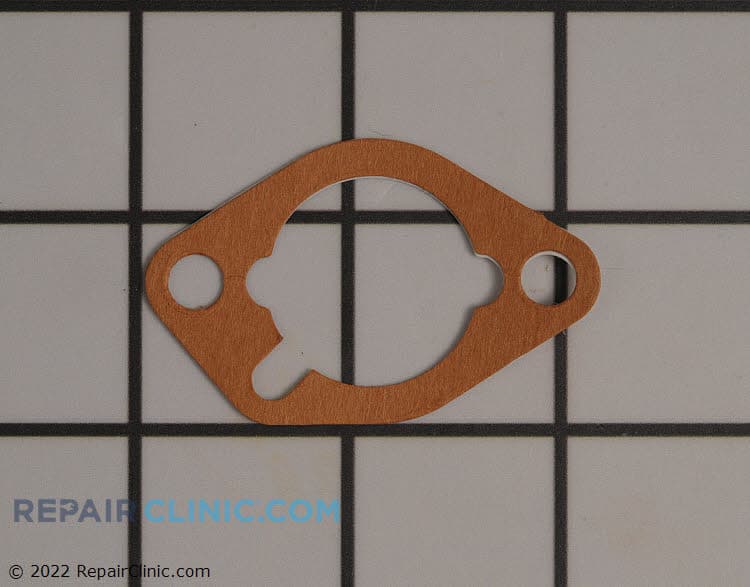
Ac packing
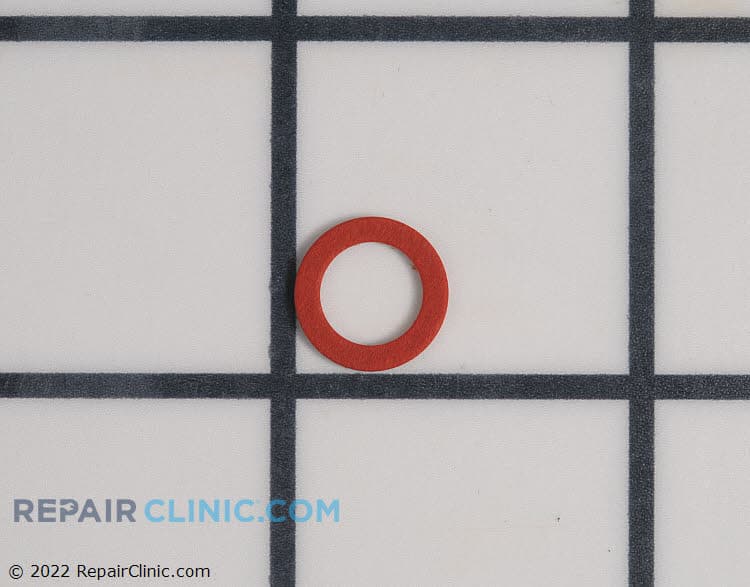
Packing
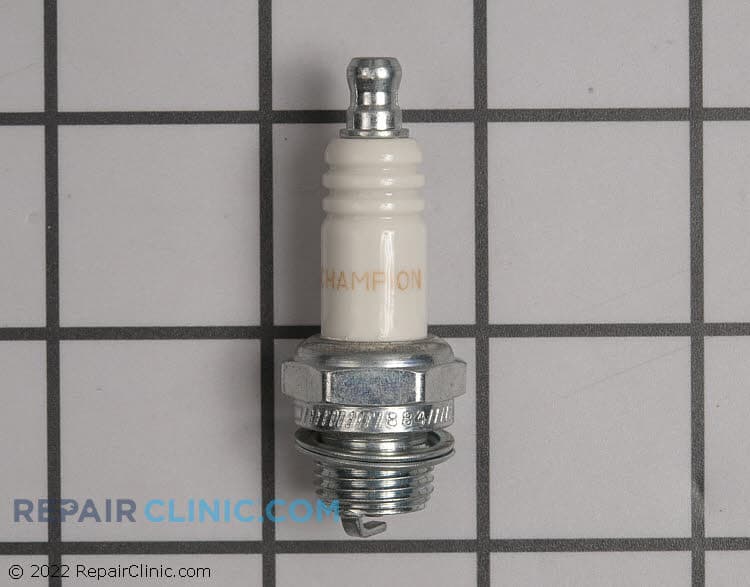
Champion Spark Plug (RCJ8)
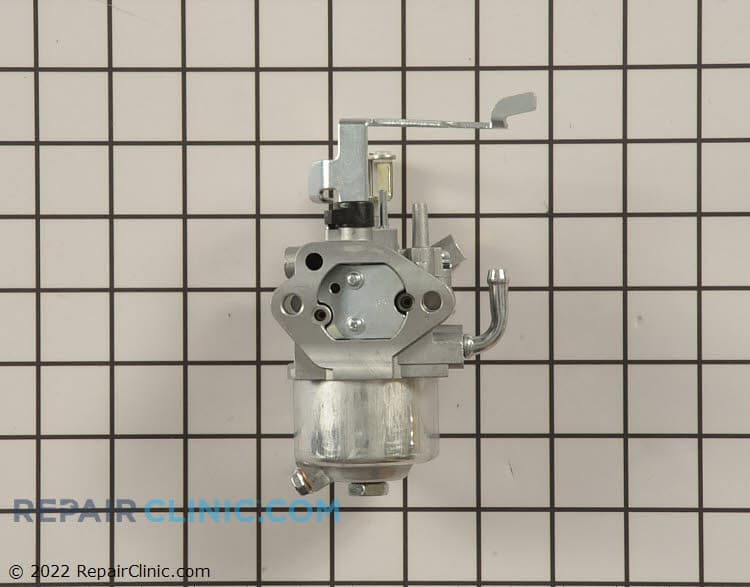
Carburetor Assembly

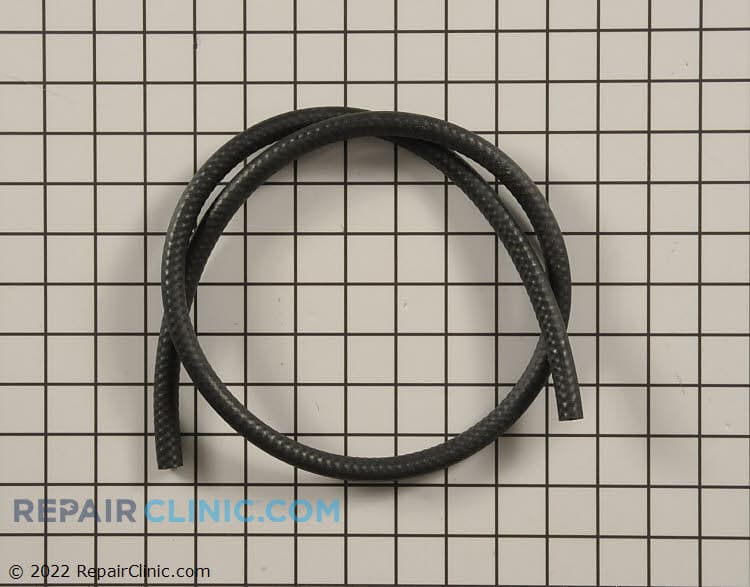
Rubber pipe 6.35x12.7

Intake valve
Ignition coil ay s/n
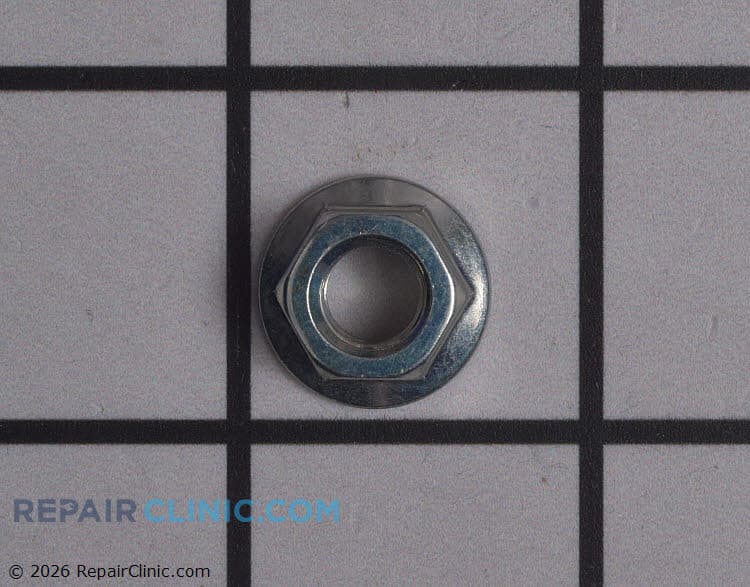
Flange nut
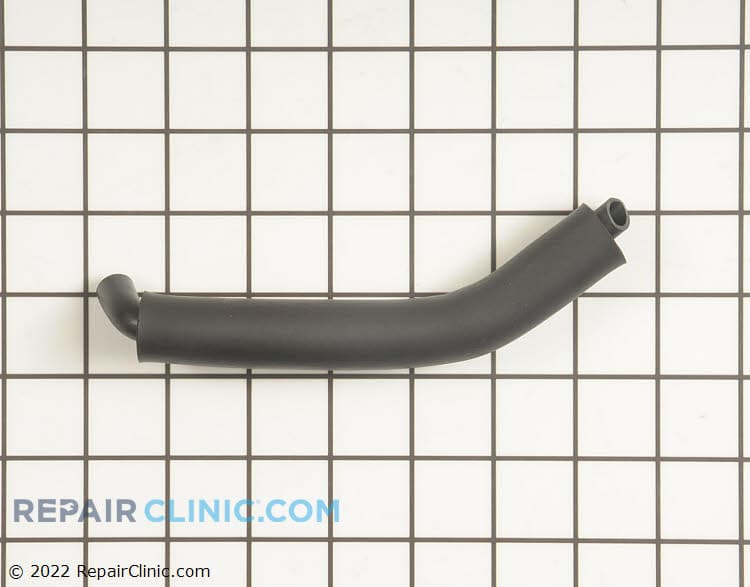
Rubber pipe
Ball bearing


Subaru Generator Parts
Subaru small engines power some of the most reliable portable generators on the market. When your Subaru generator won't start, loses power output, or runs rough, the fix is usually one of a handful of common parts. Carburetors clogged by stale fuel are the #1 culprit — ethanol fuel breaks down and clogs the jets, preventing the engine from starting or running smoothly. Other frequent failures include spark plugs fouled from old fuel, fuel valves stuck open or closed, and voltage regulators that cause erratic output or no power at all.
Subaru generators are engineered for long life, and most repairs are simple and affordable. Cleaning or rebuilding the carburetor, swapping a spark plug, or replacing a fuel valve often restores a Subaru generator to full power in under an hour. Use your model number to find the exact OEM parts for your engine — Subaru small engine parts are cross-compatible by engine model, not generator frame model, so confirm your engine type before ordering.
- Carburetor: Won't start, runs rough, sputters, or quits under load — ethanol damage to float, needle, or jets
- Spark plug: Fouled plug from old fuel, hard starting, weak power output
- Fuel valve / petcock: Stuck open causing flooding, or stuck closed preventing fuel flow to carburetor
- Voltage regulator / AVR: No electrical output, erratic voltage, or output stops after warm-up
- Fuel line: Cracked, clogged, or collapsed from age; fuel not reaching carburetor
- Air filter: Clogged element restricting intake; loss of power and hard starting
Browse Subaru Generator Parts by carburetor kit, fuel system parts, ignition parts, and voltage regulation modules. Enter your Subaru engine model number (found on the engine block) to confirm exact part compatibility and get same-day shipping on in-stock OEM parts.
Popular Subaru Generator Models
Related Subaru Generator Parts
- Subaru Generator Miscellaneous Parts
- Subaru Generator Fastener Parts
- Subaru Generator Engine Parts
- Subaru Generator Gasket & Seal Parts
- Subaru Generator Carburetor Parts
- Subaru Generator Panel Parts
- Subaru Generator Bearing Parts
- Subaru Generator Spring Parts
- Subaru Generator Starter Parts
- Subaru Generator Switch Parts
- Subaru Generator Transmission, Brake & Clutch Parts
- Subaru Generator Bracket & Flange Parts
- Subaru Generator Hose, Tube & Fitting Parts
- Subaru Generator Muffler Parts
- Subaru Generator Valve & Float Parts
- Subaru Generator Blower Wheel & Fan Blade Parts
- Subaru Generator Cap, Lid & Cover Parts
- Subaru Generator Cleaner & Deodorizer
- Subaru Generator Filter Parts
- Subaru Generator Motor Parts
- Subaru Generator Pulley Parts
- Subaru Generator Tool
- Subaru Generator Latch Parts
- Subaru Generator Manuals, Care Guides & Literature
- Subaru Generator Spark Plug Parts
- Subaru Generator Circuit Board & Timer Parts
- Subaru Generator Diode, Magnetron & Resistor Parts
- Subaru Generator Fuse, Thermal Fuse & Breaker Parts
- Subaru Generator Ignition Controls Parts
- Subaru Generator Knob, Dial & Button Parts
- Subaru Generator Pump Parts
- Subaru Generator Wire, Receptacle & Wire Connector Parts
Subaru Generator Parts — Frequently Asked Questions
Why won't my Subaru generator start, and how do I know if it's the carburetor?
If your Subaru generator hasn't run in several months, stale fuel has almost certainly gummed up the carburetor. Ethanol in gasoline breaks down and leaves sticky residue that clogs the jets and needle seat — the engine cranks but won't turn over, or it fires briefly then quits. A carburetor rebuild kit (which includes gaskets, seals, and a cleaned needle and seat) costs $15 to $40 and solves most starting issues. If rebuilding doesn't work, the full carburetor assembly is the next step. Always drain old fuel from the tank and add fresh fuel with a fuel stabilizer before storage.
How do I find my Subaru engine model number, and does it matter for generator parts?
Your Subaru engine model number is stamped or printed on the engine block itself — usually on the side or top of the crankcase. It looks like EH25, EH30, EX17, or EX21 — not the generator frame model number. This engine model is critical because Subaru small engines are used in dozens of equipment brands (generators, pressure washers, tillers, pumps). Two generators from different manufacturers might both have a Subaru EH25 engine, and they'll use identical carburetors, spark plugs, and fuel valves. Use the engine model number, not the generator model, to order parts.
My Subaru generator produces no power, but it starts and runs fine. What should I check?
If the engine runs but there's no electrical output, the voltage regulator (also called AVR — Automatic Voltage Regulator) or the internal brushes and slip rings have likely failed. A dead voltage regulator is a $20 to $50 replacement and the most common cause of no-output failures. If you get flickering or erratic voltage instead of no power, the regulator is almost always the culprit. Before replacing, check that the engine is running at full RPM (not idle) — Subaru generators must run at 3600 RPM to produce full-rated output.
What's the difference between a Subaru fuel valve and why do I need it?
The fuel valve (petcock) sits on the fuel tank and controls gas flow to the carburetor. Subaru generators often have a manual fuel valve that you'll need to turn on/off with a lever, or an automatic petcock that opens when the engine runs. A stuck-closed petcock stops fuel from reaching the carburetor and causes the engine to stall after a few minutes of running. A stuck-open petcock floods the carburetor and fuel leaks into the crankcase, thinning the oil. Replacing a failed petcock takes 10 minutes and costs $15 to $35. Look for fuel dripping from the carburetor overflow tubes or the fill cap as a sign of a stuck-open valve.

Order Subaru Generator Parts Online
Ordering Subaru generator parts online is simple and helps you find genuine OEM parts for your unit. With same-day shipping on most in-stock items, you'll have your replacement part fast, minimizing downtime. Our model/part number lookup finds the exact OEM part for your unit, and every order is backed by our 365-day return policy and price-match guarantee. Browse our repair help section for troubleshooting tips, part testing guides, and step-by-step installation videos for your specific product.
Subaru Generator Model Number: Where to Look
On Subaru generators, look for the engine model number stamped or printed on the side or top of the crankcase, often on the engine block or cooling shroud. Record every letter and number, since a similar-looking code can lead to different parts. Enter that number in the model number search to narrow the full Subaru generator parts catalog to parts matched to your unit, including fuel, ignition, engine, electrical, and hardware parts. Be sure to use the Subaru engine model rather than only the generator frame number when both appear. That means fewer wrong orders and a faster repair.

Repair Help Videos and Guides for Subaru Generator
When something goes wrong with your Subaru Generator, Repair Clinic's online repair help is the fastest way to sort out the cause. Diagnostic articles cover the symptoms you are seeing, part testing videos verify the failed component, and step-by-step written and video guides cover the installation. Use the model number lookup to confirm the exact OEM part before you order.
Related Articles: Carper Cleaner Repair

5 Reasons Why Your Vacuum Cleaner Has Lost Its Suction
Identify five common reasons your vacuum cleaner or carpet cleaner has lost suction and how to fix each issue effectively.

How to move major appliances easily without damaging your floor
Find easy and practical ways to move major appliances without damaging your floor, from using carpet-and-plywood DIY sliders to renting AirSleds and professional dollies.
Three Reasons Why Your Vacuum Cleaner's Motor Isn't Working
Uncover the three most common reasons a carpet cleaner or vacuum motor stops working such as seized bearings a faulty switch or damaged motor brushes and how to test each issue safely.




Family-owned and operated since 1912, Burke America Parts Group is the longest-running genuine appliance, HVAC, and outdoor power equipment parts solution in North America. At Repair Clinic, we're proud to be an international brand trusted by the pros as well as the DIY community.
About Repair Clinic