


 Price Match Guarantee
Wood Chipper Parts
- Adhesive
- Alternator, Battery & Charger
- Axle, Roller, Shaft, Wheel
- Bag
- Bearing
- Belt
- Blade
- Blower Wheel & Fan Blade
- Bracket & Flange
- Cap, Lid & Cover
- Carburetor
- Chain & Bar
- Control Cable
- Deflector & Chute
- Dipstick
- Door
- Duct & Venting
- Engine
- Fastener
- Filter
- Fuse, Thermal Fuse & Breaker
- Gasket & Seal
- Grille & Kickplate
- Handle
- Hinge
- Hose, Tube & Fitting
- Hydraulic System
- Ignition Controls
- Insulation
- Knob, Dial & Button
- Latch
- Lubricant
- Manuals, Care Guides & Literature
- Miscellaneous
- Motor
- Muffler
- Oil Plug
- Panel
- Pulley
- Pump
- Safety Equipment
- Spark Plug
- Spindle
- Spring
- Starter
- Suspension & Shock Absorption
- Switch
- Tank & Container
- Tire & Rim
- Tool
- Transformer
- Transmission, Brake & Clutch
- Trim
- Tune-Up Maintenance Kit
- Valve & Float
- Wire, Receptacle & Wire Connector
Find the right part faster
Multiple models matched. Select your model to confirm fit.




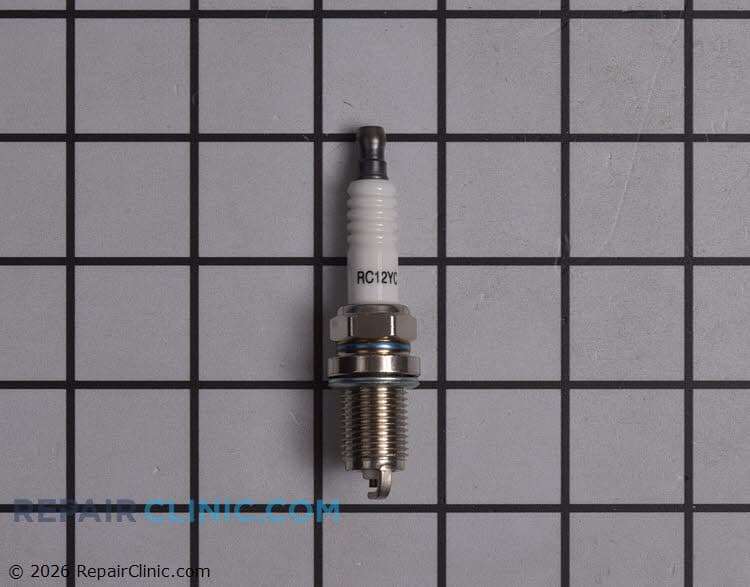
Champion Spark Plug (RC12YC). The spark plug ignites the fuel and air mixture in the cylinder to power the engine. If the spark plug is burnt, fouled or damaged the engine may not start or may run rough.

Tecumseh carburetor repair kit. If the carburetor is clogged, the engine won't get enough fuel. As a result, the engine may not start or may run poorly.
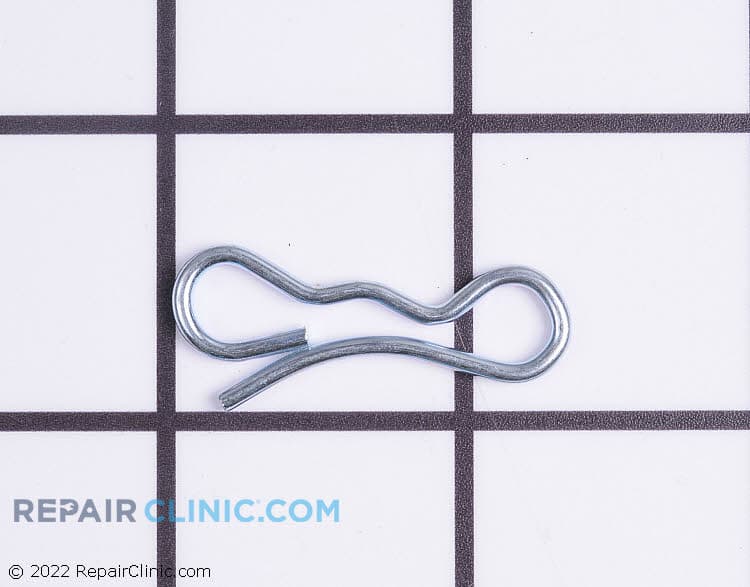
Bow Tie Cotter Pin

Briggs & Stratton Original Equipment 498260 Carburetor Overhaul Kit. If the carburetor is clogged, the engine won't get enough fuel. As a result, the engine may not start or may run poorly.

Briggs & Stratton Original Equipment 491588S Air Filter. Briggs & Stratton genuine parts are specially designed to exact OEM standards, manufactured and tested to help deliver optimum performance in Briggs & Stratton engines.
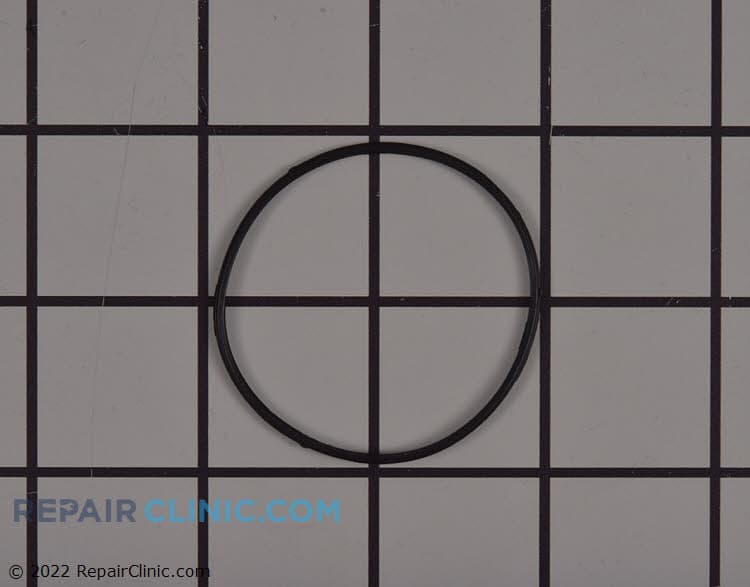
Fuel bowl gasket
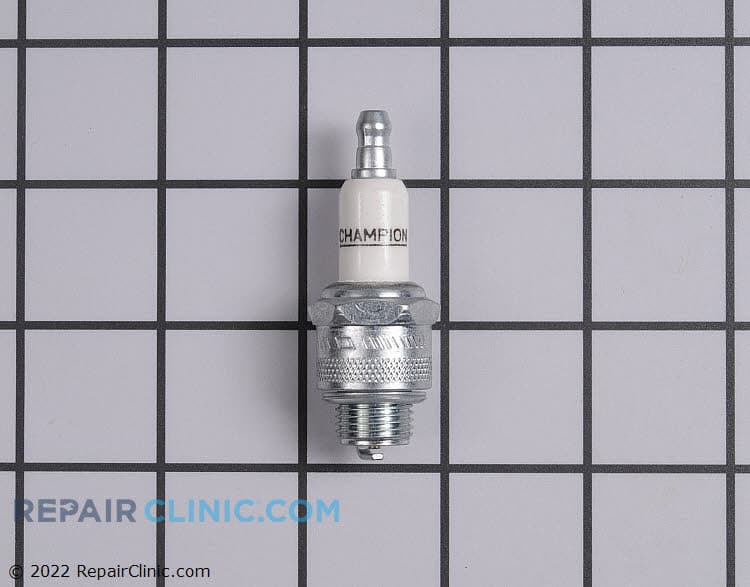
Small engine Champion spark plug (RJ19LM). If the engine does not start, the spark plug may be defective. The spark plug should be replaced periodically during regular maintenance.
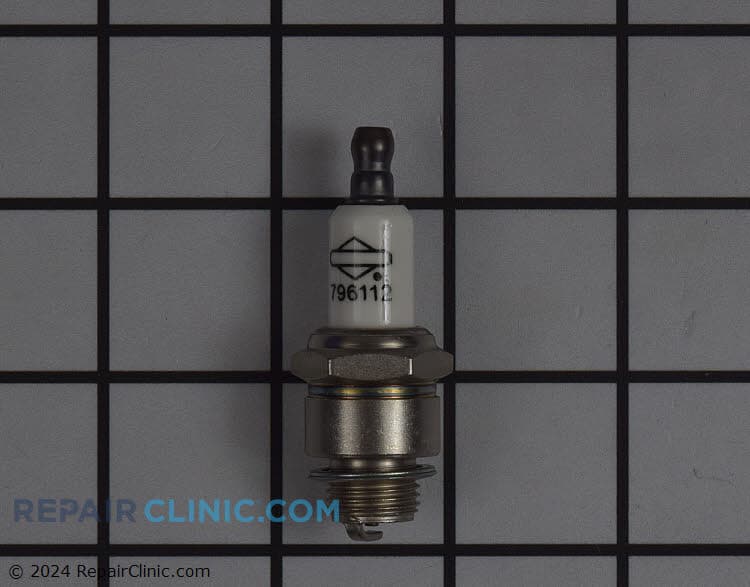
Briggs & Stratton Spark Plug (RJ19LM). If the engine does not start or runs poorly then the spark plug may be defective and will need replacement.

Small engine recoil starter assembly. This item includes the pulley and spring. The recoil starter engages the drive cup on the flywheel to start the engine when pulled.
RC Item #4974855
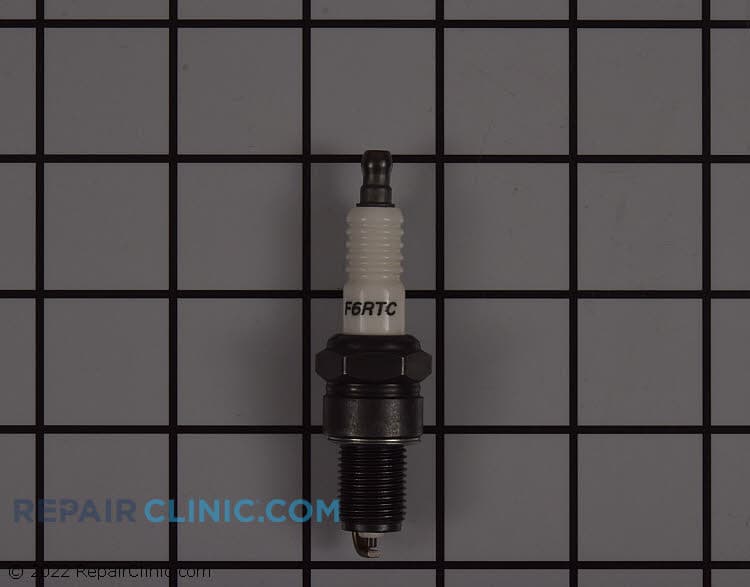
MTD Spark Plug. The spark plug ignites the fuel and air mixture in the cylinder to power the engine. If the spark plug is burnt, fouled or damaged the engine may not start or may run rough.
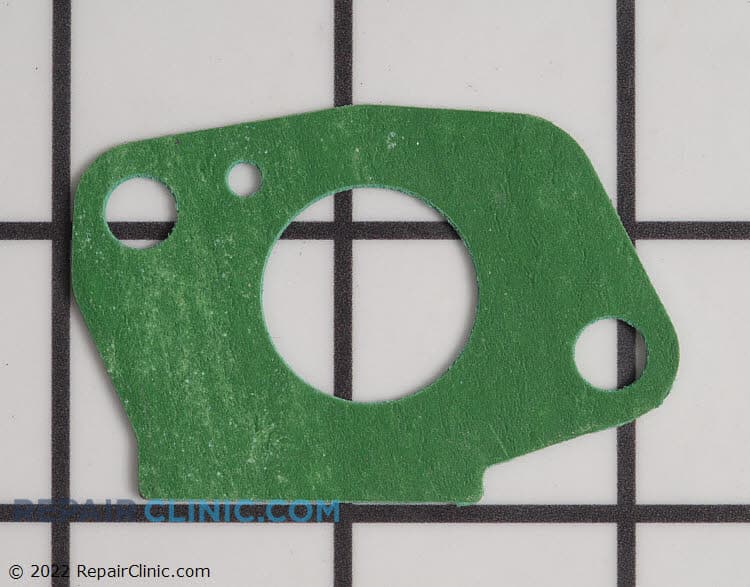
Carburetor gasket

Briggs & Stratton Original Equipment 492932S Oil Filter. Length: 2 1/4 inches. For optimum performance, we recommend changing the oil in your small engine after the first five hours of use. After that, change the oil on a yearly basis or after every 50 hours of use (whichever comes first).

Tecumseh air cleaner (or air filter). If the air filter is clogged or dirty, the engine may not start or may run rough.
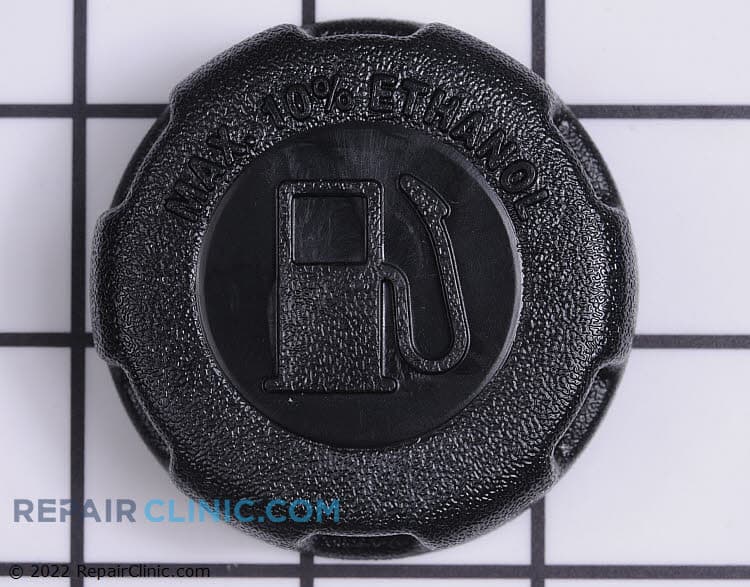
Fuel cap assembly

Tecumseh carburetor bowl gasket. If this gasket is torn or damaged, the engine may run rough. Be sure to clean the surfaces around the carburetor gasket before installing it.


Wood Chipper Blades, Belts & Engine Parts
Wood chippers fail in predictable ways, and most repairs are straightforward once you identify the culprit. The chipper blades dull or crack from regular use — that's wear. The drive belt slips or snaps when tension loosens or age sets in. The small engine carburetor clogs from stale fuel. These aren't mysterious failures; they're maintenance points, and Repair Clinic stocks genuine OEM parts to get your chipper back to work.
The hardest part of a wood chipper repair is matching your exact model number to the right parts. Chippers vary wildly by brand and vintage — a 1990s looks nothing like a 2015, and their parts don't interchange. Use your model number to lock in the correct blade profile, belt width and length, and engine parts.
- Chipper blades won't cut cleanly: Dull or cracked blades; replace as a set for even feed
- Chute clogs or chokes: Bent or broken anvil plate; debris buildup in chute opening
- Engine won't start or runs rough: Carburetor clogged from ethanol fuel; recoil starter stuck; spark plug fouled
- Chipping action slows or stops: Drive belt worn, frayed, or loose; tension adjustment needed first
- Noise or vibration during operation: Loose mounting bolts; worn bearings; damaged blade; inspect all fasteners
Popular Wood Chipper Models
Related Wood Chipper Parts
- Wood Chipper Miscellaneous Parts
- Wood Chipper Fastener Parts
- Wood Chipper Gasket & Seal Parts
- Wood Chipper Engine Parts
- Wood Chipper Carburetor Parts
- Wood Chipper Cap, Lid & Cover Parts
- Wood Chipper Spring Parts
- Wood Chipper Bracket & Flange Parts
- Wood Chipper Hose, Tube & Fitting Parts
- Wood Chipper Starter Parts
- Wood Chipper Filter Parts
- Wood Chipper Bearing Parts
- Wood Chipper Muffler Parts
- Wood Chipper Axle, Roller, Shaft, Wheel Parts
- Wood Chipper Manuals, Care Guides & Literature
- Wood Chipper Wire, Receptacle & Wire Connector Parts
- Wood Chipper Dipstick Parts
- Wood Chipper Handle Parts
- Wood Chipper Tool
- Wood Chipper Transmission, Brake & Clutch Parts
- Wood Chipper Deflector & Chute Parts
- Wood Chipper Blade Parts
- Wood Chipper Panel Parts
- Wood Chipper Valve & Float Parts
- Wood Chipper Knob, Dial & Button Parts
- Wood Chipper Switch Parts
- Wood Chipper Belt Parts
- Wood Chipper Pulley Parts
- Wood Chipper Spark Plug Parts
- Wood Chipper Oil Plug Parts
- Wood Chipper Ignition Controls Parts
- Wood Chipper Safety Equipment
- Wood Chipper Bag Parts
- Wood Chipper Tire & Rim Parts
- Wood Chipper Control Cable Parts
- Wood Chipper Alternator, Battery & Charger Parts
- Wood Chipper Latch Parts
- Wood Chipper Pump Parts
- Wood Chipper Tank & Container Parts
- Wood Chipper Motor Parts
- Wood Chipper Blower Wheel & Fan Blade Parts
- Wood Chipper Lubricant
- Wood Chipper Chain & Bar Parts
- Wood Chipper Duct & Venting Parts
- Wood Chipper Hydraulic System Parts
- Wood Chipper Insulation Parts
- Wood Chipper Door Parts
- Wood Chipper Fuse, Thermal Fuse & Breaker Parts
- Wood Chipper Grille & Kickplate Parts
- Wood Chipper Hinge Parts
- Wood Chipper Tune-Up Maintenance Kit
- Wood Chipper Adhesive
- Wood Chipper Spindle Parts
- Wood Chipper Suspension & Shock Absorption Parts
- Wood Chipper Transformer Parts
- Wood Chipper Trim Parts
Wood Chipper Parts & Repairs: Common Questions
What's the difference between a wood chipper blade and an anvil plate?
The chipper blade is the rotating knife that cuts the wood. The anvil plate is the stationary backstop behind the chute opening — the blade and anvil work together to shear branches cleanly. A dull blade makes rough cuts; a bent or missing anvil throws off the cut and can jam the chute. Both wear over time and should be replaced as sets, not one at a time.
Why does my chipper engine start but then stall?
Nine times out of ten, it's the carburetor. Ethanol in modern gasoline gums up the carburetor's tiny jets and needle valve, especially if fuel sat in the tank over winter. A carburetor rebuild kit (gaskets, seals, and needle) is the first try. If that doesn't work, replace the full carb. Don't run old fuel — drain the tank, refill with fresh gas and fuel stabilizer, and restart.
How do I know if the drive belt needs replacement?
Look for fraying edges, visible cracks, glazing (shiny, hardened surface), or loose tension. Slip a belt tension gauge under the belt midway between pulleys — it should deflect about half an inch with moderate thumb pressure. If the belt is cracked or won't hold tension after adjustment, replace it. Most wood chippers use a V-belt or serpentine belt; enter your model number to get the exact width and length.
Can I use an aftermarket blade set, or does it have to be OEM?
OEM blades are engineered for your chipper's blade assembly, shaft alignment, and anvil geometry. Off-brand blades often have slightly different hole spacing, width, or balance — they may fit but won't cut evenly or may vibrate dangerously. Stick with OEM blades for safety and cutting quality. The blades are one of the least expensive parts on the machine; don't compromise there.
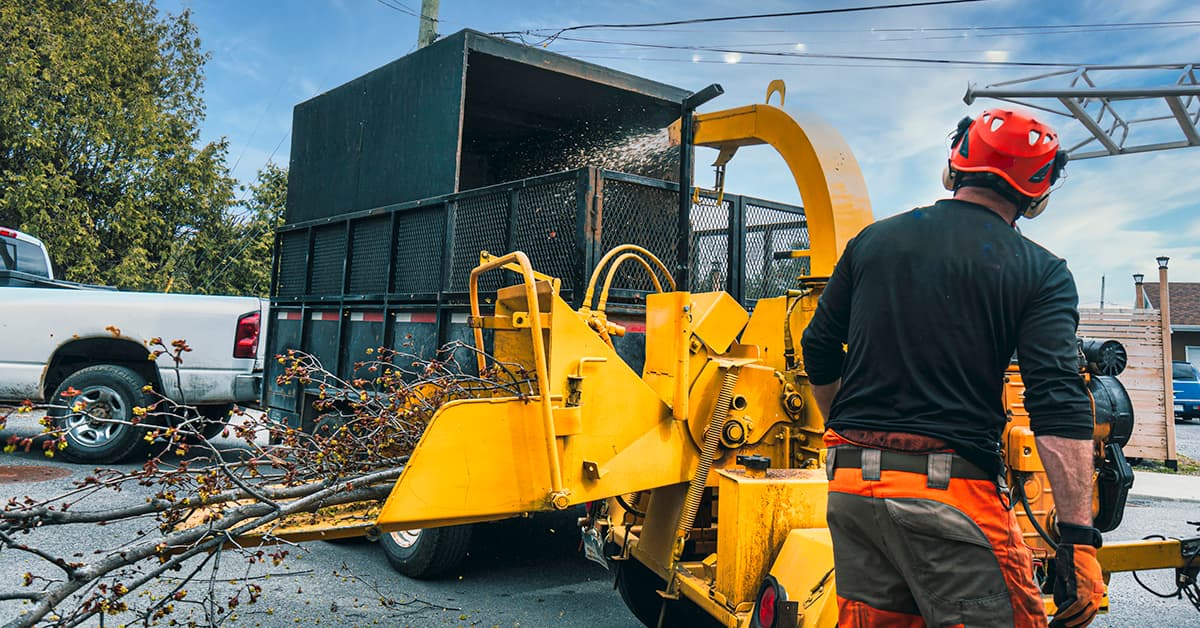
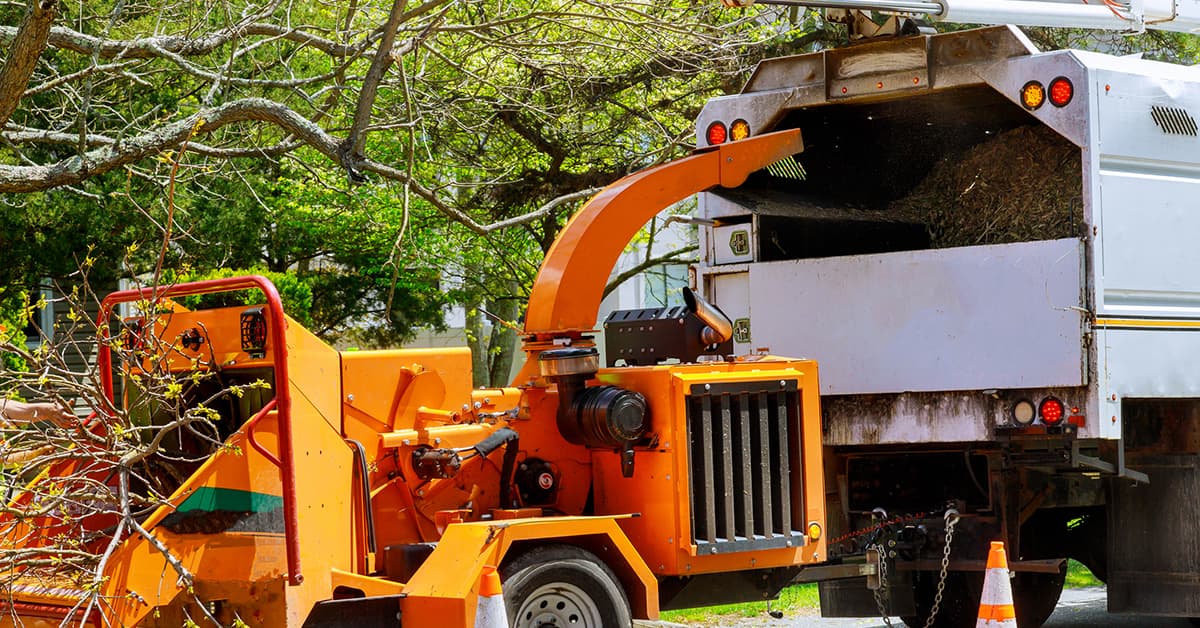
Common Chipper Parts/Kits & Their Functions
Repair Clinic stocks thousands of wood chipper parts/kits for DIY repairs – but you need to know their functions before performing any maintenance on your equipment. Here are some of the most commonly purchased chipper/shredder parts we stock in our inventory, along with an explanation of how they work.
- Wood Chipper Carburetors: The carburetor is a critical part of the engine's fuel system, responsible for mixing air and fuel in the right proportions for combustion. Over time, the carburetor may become clogged or worn, leading to issues like poor engine performance, hard starting or rough idling. A wood chipper carburetor kit typically includes gaskets, diaphragms and other essential parts needed to clean, rebuild or replace damaged parts in the carburetor. These wood chipper/shredder replacement parts can restore proper fuel delivery and optimize engine performance.
- Wood Chipper Oil Plugs: The oil plug, also known as the drain plug or oil drain valve, is a threaded plug on the bottom of the engine's oil pan or crankcase. The primary purpose of these wood chipper parts is to provide easy access to drain the engine oil during oil changes.
- Wood Chipper Tune-Up Maintenance Kits: Tune-up maintenance kits include a comprehensive set of chipper/shredder parts designed to perform routine maintenance and improve overall performance. They typically include essential items like spark plugs, air filters, fuel filters and oil filters. Regularly replacing these wood chipper parts helps keep your engine running smoothly, improves fuel efficiency, improves starting reliability and reduces harmful emissions.
- Wood Chipper Starters: The starter is a mechanism used to start the engine of your wood chipper manually. It consists of a cord, handle and a recoiling spring. When the cord is pulled, it rotates the engine's crankshaft, initiating the combustion process and starting the engine. These chipper parts are important for starting the engine from a resting position, especially when the wood chipper does not have an electric start feature.
- Wood Chipper Extension Springs: In a wood chipper, extension springs might be used in the discharge chute, hopper or other moving parts. For example, in the discharge chute, an extension spring can help control the movement of the chute door, allowing for smooth and controlled discharge of wood chips or mulch. These chipper/shredder replacement parts play a vital role in maintaining the proper functioning and safety of the wood chipper by controlling various moving parts.
Narrow Wood Chipper Parts to Your Exact Model
Check the frame near the engine, the side of the hopper, or the engine housing for a model number label. You may need to clear away dirt or debris to read the full model and serial information. Enter the model number in the search bar to filter the complete wood chipper parts catalog to parts that fit your machine, including engine, blade, belt, chute, and maintenance parts. The model number identifies the entire chipper, so you can use it across every associated part category instead of guessing from a part's appearance. This quick lookup helps you avoid mismatched parts and get the repair done sooner.

Fix Your Wood Chipper with Online Repair Help
The online repair library at Repair Clinic covers Wood Chipper diagnostics, part testing, and installation from start to finish. Symptom-based articles narrow the failing component, and matching repair videos or step-by-step written guides walk you through the fix. Use the model number lookup to confirm the exact OEM part before you order, then follow the exploded-view diagrams for a clean reassembly.

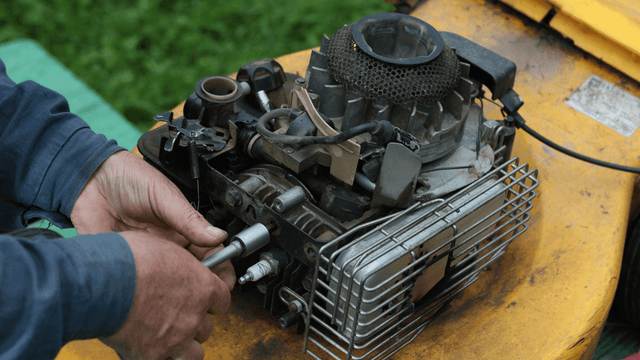
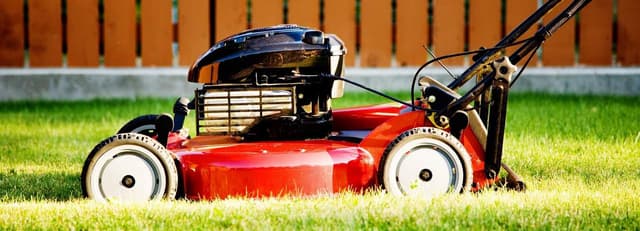




Family-owned and operated since 1912, Burke America Parts Group is the longest-running genuine appliance, HVAC, and outdoor power equipment parts solution in North America. At Repair Clinic, we're proud to be an international brand trusted by the pros as well as the DIY community.
About Repair Clinic