


 Price Match Guarantee
Trane Furnace Gas Burner & Control Valve Parts
Find the right part faster
Multiple models matched. Select your model to confirm fit.




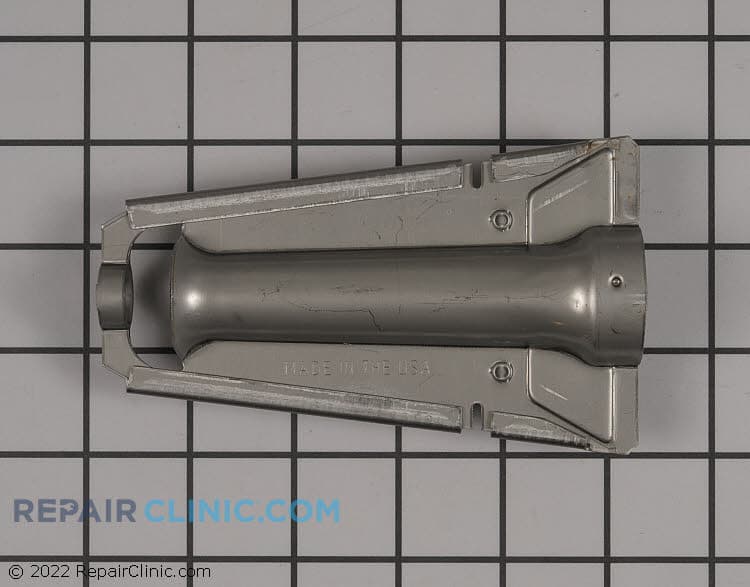
Stainless steel burner
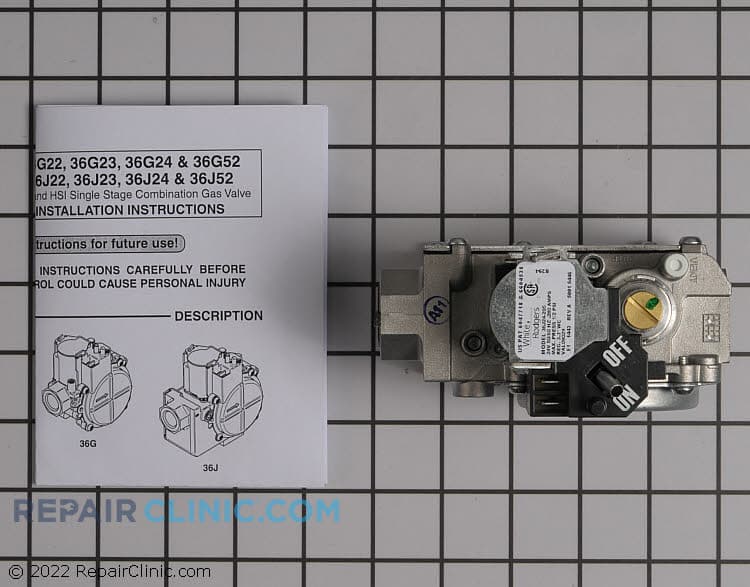
Gas Valve Assembly
Please see related items for gas valve adapter kit
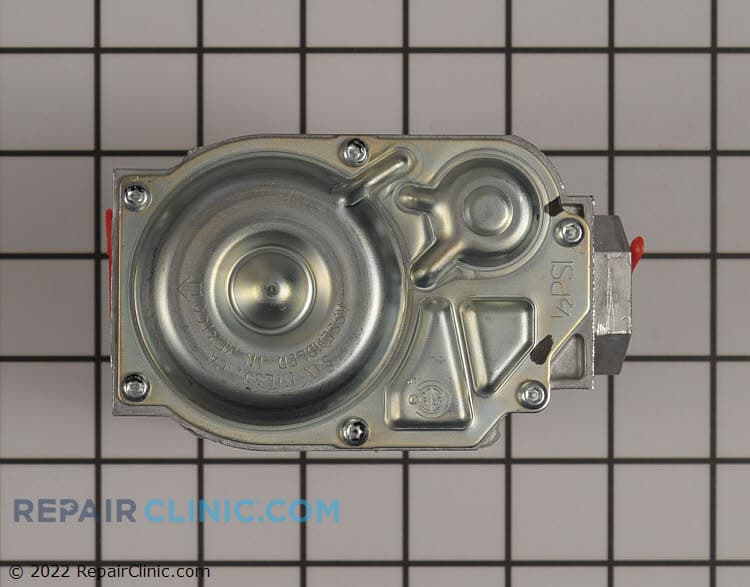
Gas valve
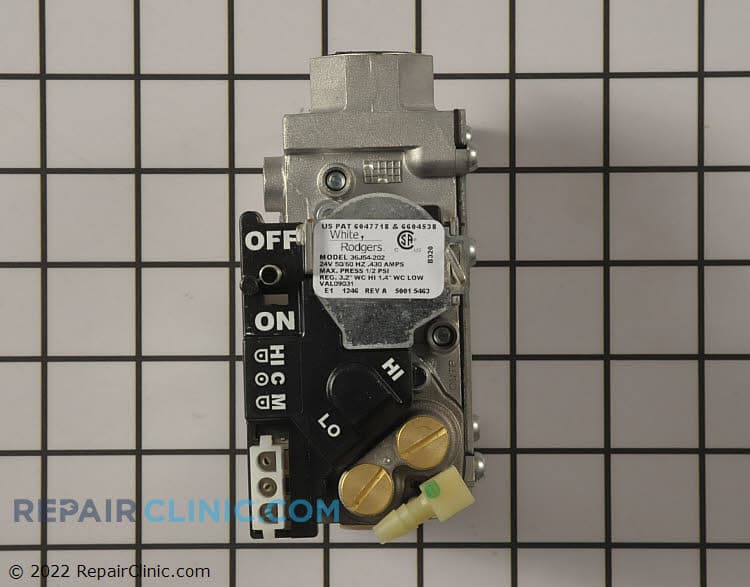
Gas valve
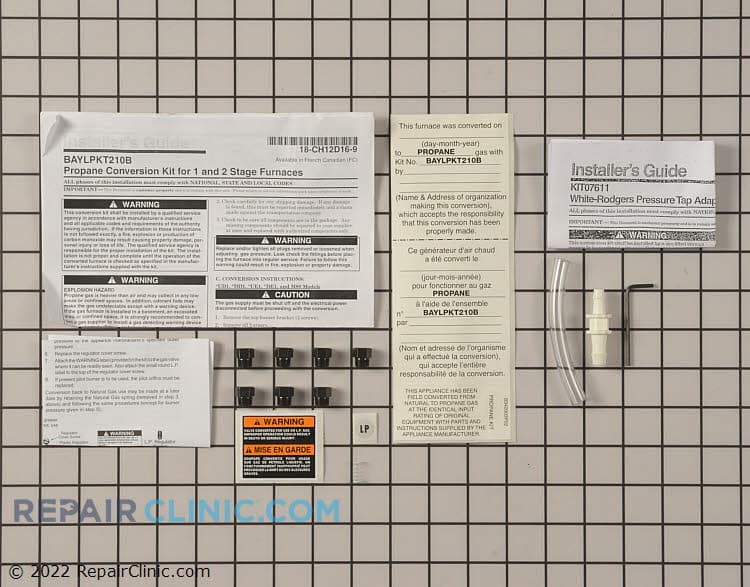
Natural Gas To LP Gas Conversion Kit. Kit includes, 7 orifice main burner #56, 1 LP spring conversion kit, 1 propane label, 1 conversion label, 1 conversion responsibility label, 1 installer's guide. *Should be installed by a certified Trane repairperson.
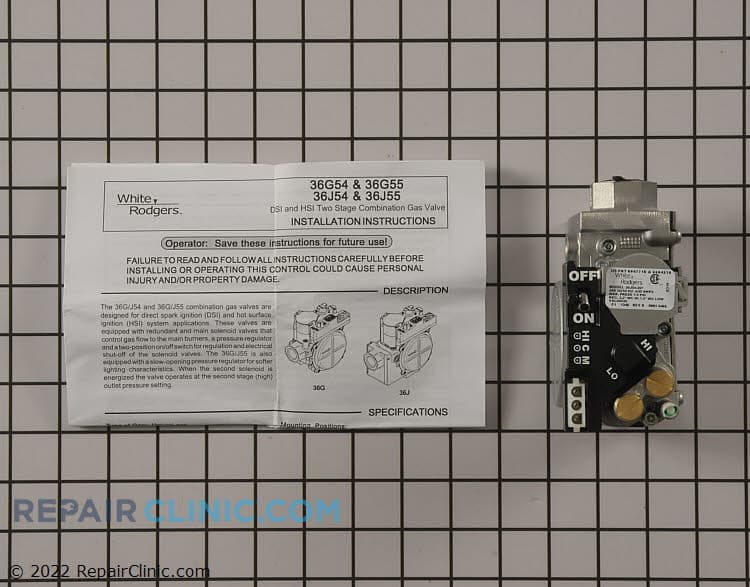
Gas valve 1/2" 24v 2stg j-series
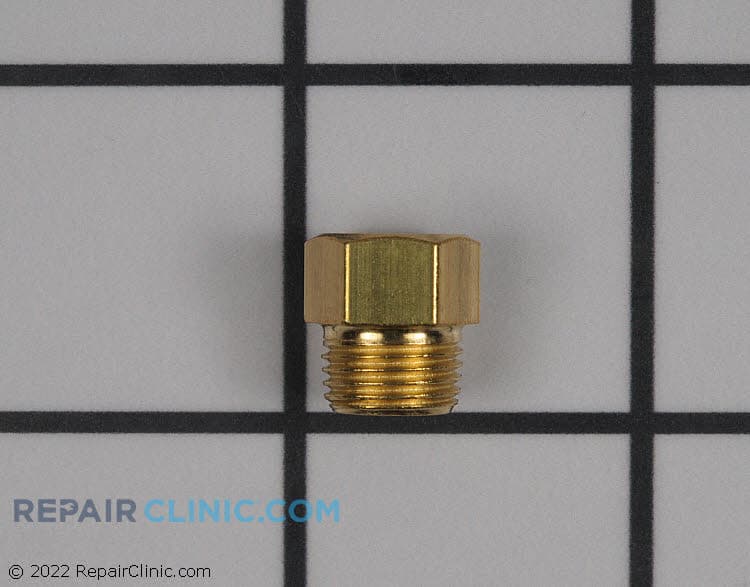
Brass orifice spud, drill #45
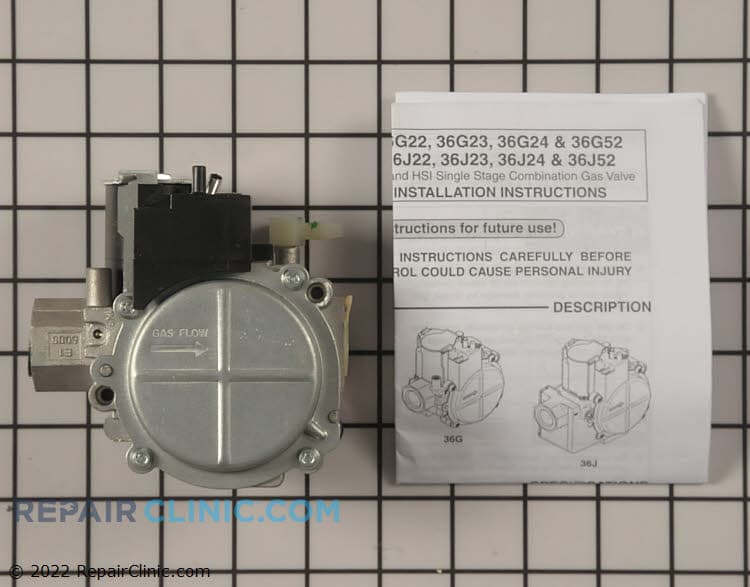
Gas Valve Assembly
Please see related items for gas valve adapter kit


Pipe; u-bend, steel, 1/2-14 npt, 3.42 x 2.00
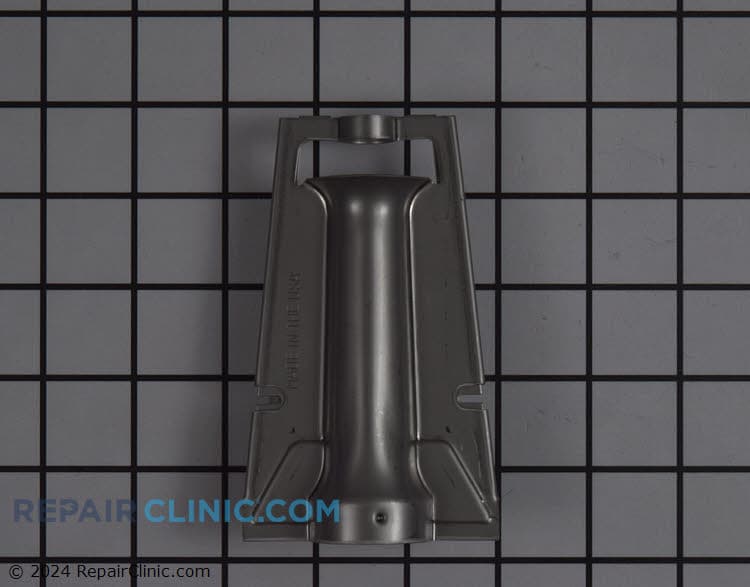
Burner; 0.50 id inshot burner, natural gas, stainle
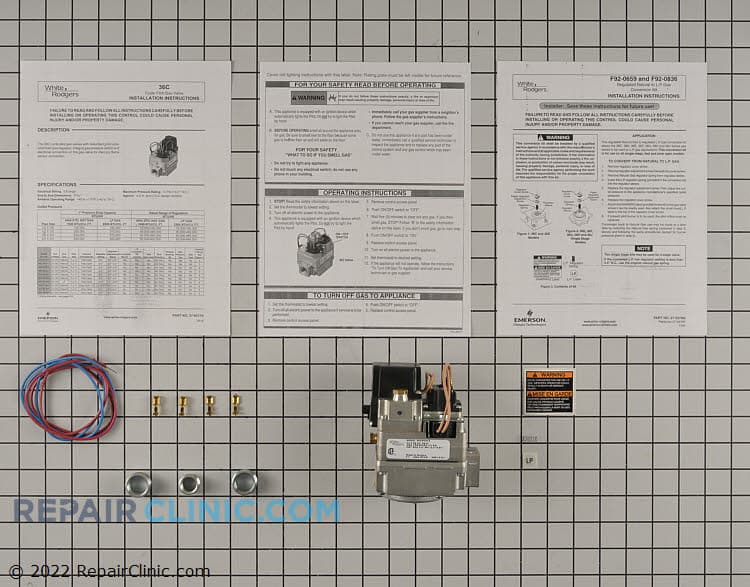
Gas valve
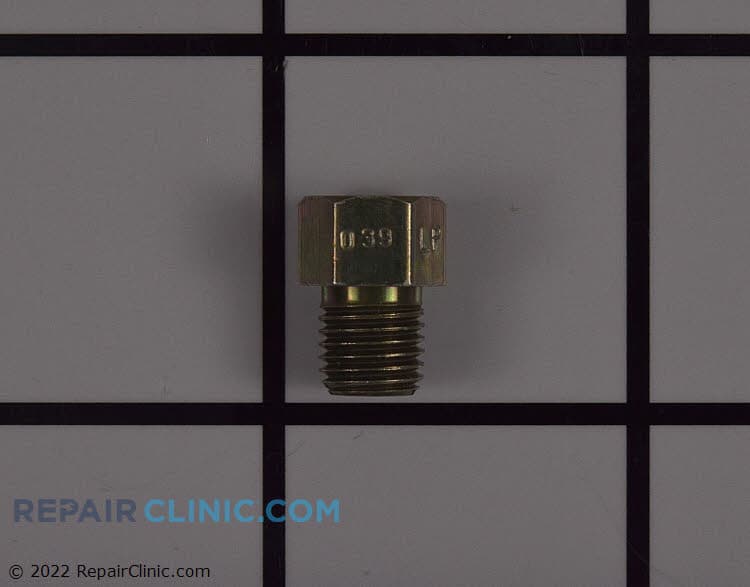
Orifice - lp #61
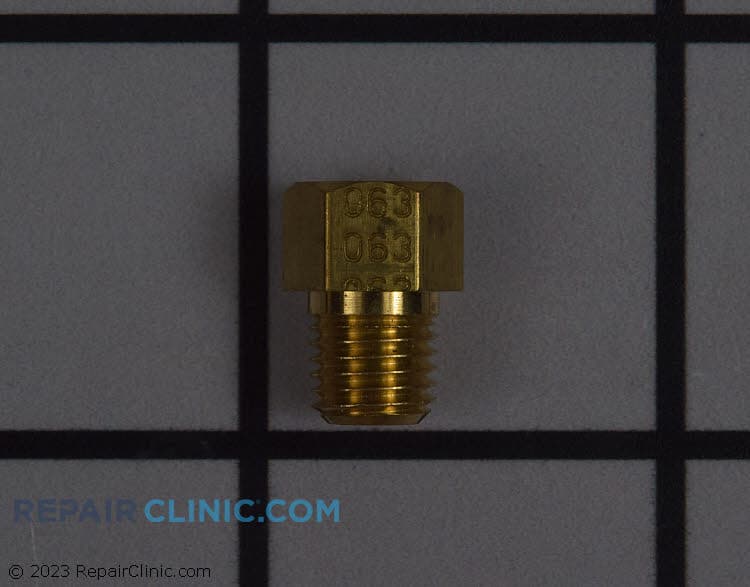
Orifice gas, 0.063
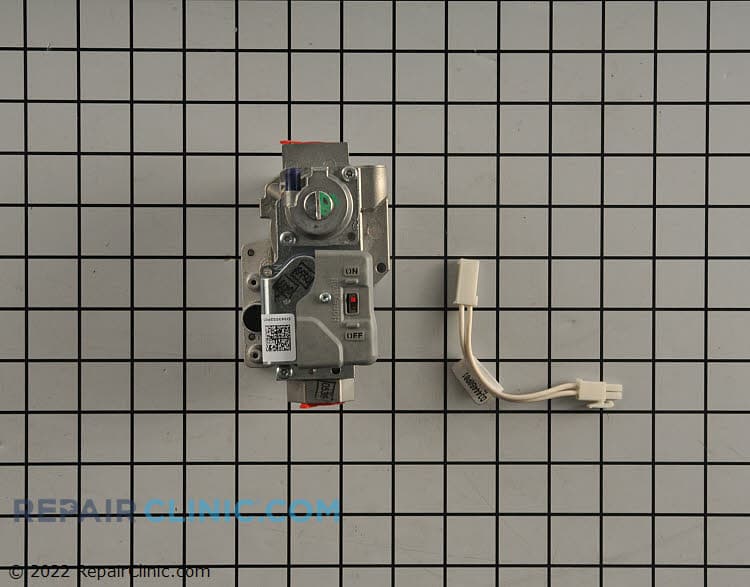
Gas valve, 3 stage, modulating, 24 volt
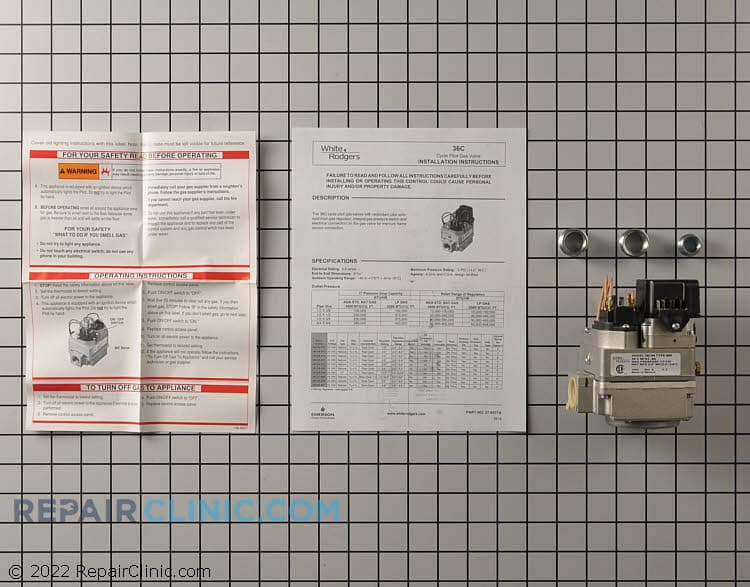
This is for natural gas application only. There is no replacement for LP applications.


Trane Furnace Gas Valve Failures and Symptoms
The gas valve (also called a gas burner control valve) is the gatekeeper of your Trane furnace — it opens to allow fuel flow when the control board signals ignition, and closes for safety when the flame sensor detects the pilot or main flame. When a Trane gas valve fails, your furnace either won't ignite at all, or it ignites and then shuts down within seconds because the valve won't stay open.
Gas valve replacement on a Trane furnace requires exact OEM matching. Trane uses specific valve models (commonly White-Rodgers or Honeywell) with inlet and outlet pressures calibrated to your furnace's BTU rating. An incorrect valve can cause no ignition, weak ignition, or dangerous overfiring. Always verify your Trane model number before ordering — and confirm inlet/outlet pressures with a manometer test if the furnace was running but weak before the valve failed.
- Furnace won't ignite: Control board sends ignition signal, but no spark and no gas flow. Check igniter and flame sensor first; if both glow/sense correctly, the gas valve is likely blocked or failed.
- Furnace ignites then shuts down within 5 seconds: Flame sensor sees the flame, but the gas valve loses pressure or fails to stay open. This is a classic gas valve symptom.
- Weak or yellow flame: Gas valve opens but doesn't supply full pressure. Pressure test the valve inlet/outlet with a manometer — out-of-spec pressures point to a failed valve.
- Gas smell with no ignition attempt: Valve is leaking gas internally or at the connection. Shut off gas immediately and replace the valve.
- Clicking at the gas valve solenoid: The coil is energizing but the valve plunger is stuck. Tapping the valve body sometimes unsticks it temporarily, but replacement is necessary.
Find Replacement Trane Furnace Gas Burner & Control Valve Parts Online by Model or Part Number
Popular Trane Furnace Models
Related Trane Furnace Gas Burner & Control Valve Parts
- Trane Furnace Gas Valve Assembly Parts
- Trane Furnace Orifice Parts
- Trane Furnace Gas Tube or Connector Parts
- Trane Furnace Heat Exchanger Parts
- Trane Furnace Burner Baffle Parts
- Trane Furnace Burner Tube Parts
- Trane Furnace Conversion Kit Parts
- Trane Furnace Gas Burner Parts
- Trane Furnace Pilot Parts
- Trane Furnace Surface Burner Cap Parts
Trane Gas Valve Repair Questions
How do I know if my Trane furnace gas valve is bad?
The most common sign is furnace ignition failure — the igniter glows, the flame sensor is clean, but no gas ignites. Second is the rapid shutoff: furnace fires up for 3 to 5 seconds, then shuts down (the flame sensor sees the flame but the valve fails to hold pressure). A third indicator is a hissing or smell of gas at the valve body, which means internal leakage. You can also listen at the valve solenoid during a heating cycle — a steady click (not a single click) means the plunger is stuck. Always rule out a blocked vent or inlet pressure issue before condemning the valve; use a manometer to test inlet/outlet pressure against your furnace's spec sheet.
What is the difference between a Trane gas valve and other brands?
Trane furnaces use White-Rodgers or Honeywell gas valves, each engineered to Trane's specifications for inlet pressure, outlet pressure, and solenoid voltage (24V DC for most residential Trane units). A gas valve from a Carrier or Goodman furnace may have the same general part number but different pressure settings — installing the wrong valve will either starve your furnace of gas or overpressurize it dangerously. Always enter your Trane model number to get the correct OEM valve.
Can I clean a Trane gas valve instead of replacing it?
In rare cases, debris in the gas line can block the valve inlet — shutting off the gas supply at the meter and disconnecting the line upstream of the valve may reveal particles. However, most gas valve failures are internal: a stuck solenoid plunger, a failed internal seat, or corrosion on the needle. Once a gas valve fails internally, cleaning does not restore function. OEM replacement is the correct repair path. Do not attempt to disassemble or rebuild the valve yourself — it is a safety-critical part.
How do I find my Trane furnace gas valve model number?
The model number is stamped on the valve body itself, located on the left side of the burner assembly. Look for a label that starts with V (e.g., VR8200, VR8300, SV9501) if using White-Rodgers, or numbers starting with 40 or 50 for Honeywell models. You will also need your furnace model number (found on the rating plate on the side of the cabinet). Enter both into the Trane furnace gas valve parts page to confirm the correct OEM replacement. If the valve is completely burned or corroded and the number is illegible, your furnace model number alone is usually enough to identify the right valve.
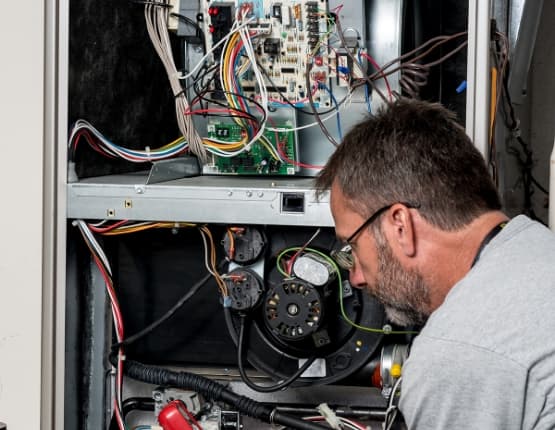
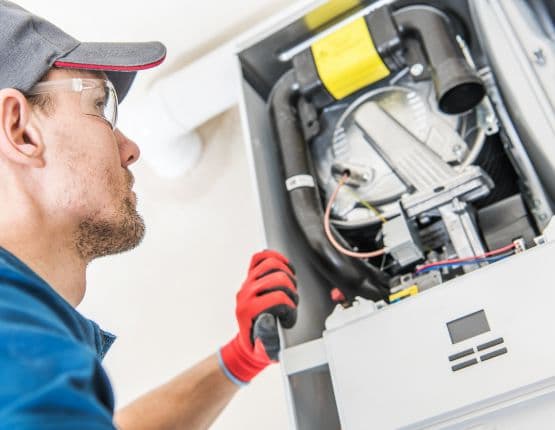
Order Trane Furnace Gas Burner & Control Valve Parts Online
Effortlessly order Trane furnace gas burner and control valve parts online with Repair Clinic. We ensure a reliable shopping experience with our easy parts lookup by model or part number. Plus, What's more, our Price Match Guarantee means you'll always get competitive pricing on genuine OEM replacement parts. Ensure your Trane furnace runs smoothly by sourcing high-quality parts with same-day shipping available. Whether you're a DIY enthusiast or a professional technician, Repair Clinic is your trusted partner for maintaining your heating system's efficiency.
Trane Furnace Model Number: Where to Look
On most Trane furnaces, the model number appears on the rating plate inside the front access panel or on the side of the cabinet. Turn off power to the furnace, remove the access panel, and look for a label listing the model and serial numbers. The model number identifies the complete furnace, so use it rather than a gas valve or burner number when checking compatibility. Type it into our model number lookup and the catalog narrows to parts made for your unit across every furnace part category. Matching the full furnace model helps you select the correct replacement faster and avoid ordering a part with the wrong specifications.

Fix Your Trane Furnace with Online Repair Help
The online repair library at Repair Clinic covers Trane Furnace diagnostics, part testing, and installation from start to finish. Symptom-based articles narrow the failing component, and matching repair videos or step-by-step written guides walk you through the fix. Use the model number lookup to confirm the exact OEM part before you order, then follow the exploded-view diagrams for a clean reassembly.
Related Furnace Repair Help Articles
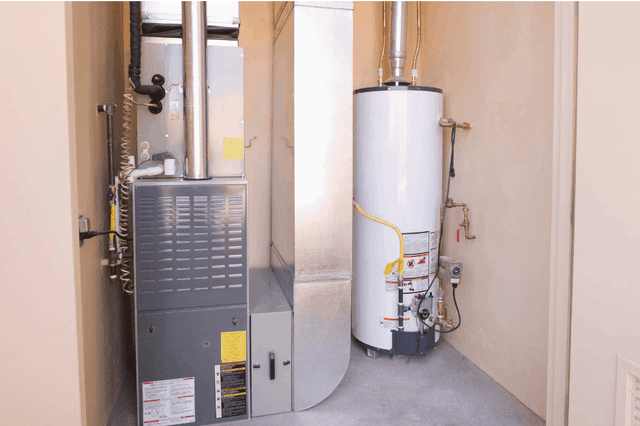
Top Reasons Furnace is Not Igniting
A furnace that fails to ignite can leave your home in the cold. Common issues include a faulty igniter, malfunctioning flame sensor, or a defective draft inducer fan motor. Replacing furnace filters and cleaning furnace parts can help prevent these problems.
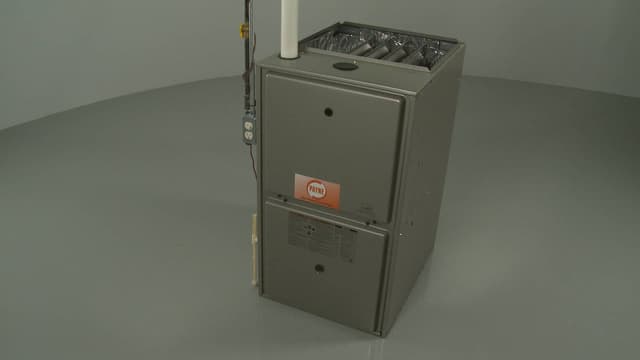
Why is My Furnace Not Working?
Learn why your furnace isn't working by understanding its ignition sequence and identifying common faulty parts like the igniter, flame sensor, or control board. This article provides practical repair tips and insights into each part's role in the heating process.
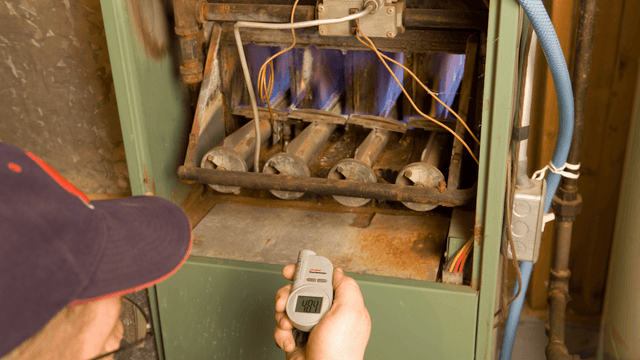
5 Causes of a Furnace Starting Then Stopping
A gas furnace that starts and then stops unexpectedly can be frustrating, especially during cold weather. This article explains five common causes, including issues with the flame sensor, pressure switch, control board, draft inducer fan motor, or air flow. Learn how each cause may impact your furnace's operation and get tips to resolve the problem.




Family-owned and operated since 1912, Burke America Parts Group is the longest-running genuine appliance, HVAC, and outdoor power equipment parts solution in North America. At Repair Clinic, we're proud to be an international brand trusted by the pros as well as the DIY community.
About Repair Clinic