


 Price Match Guarantee
Trane Furnace Pressure Switch Replacement
Find the right part faster
Multiple models matched. Select your model to confirm fit.


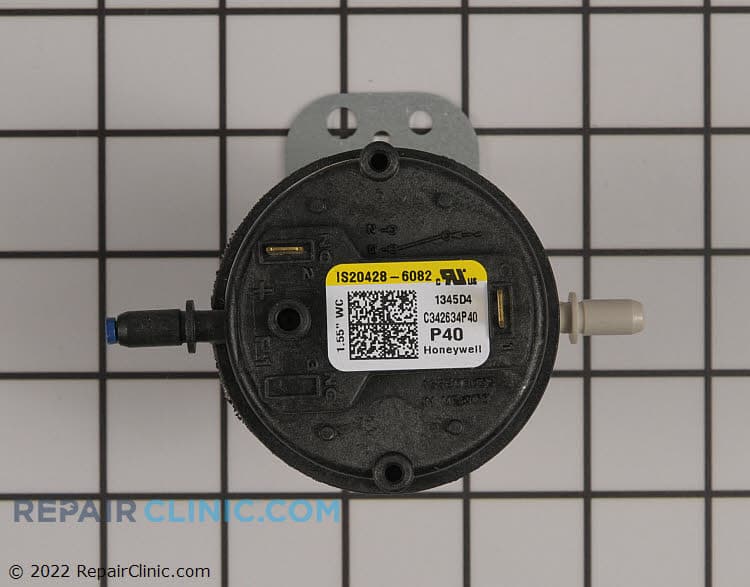
Switch, pressure, open at -1.51 wc, close at -1.73
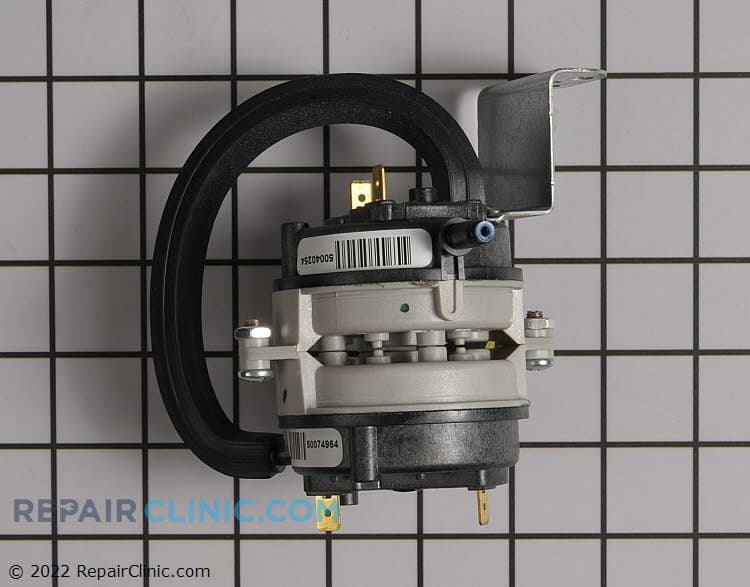
Dual Pressure Switch


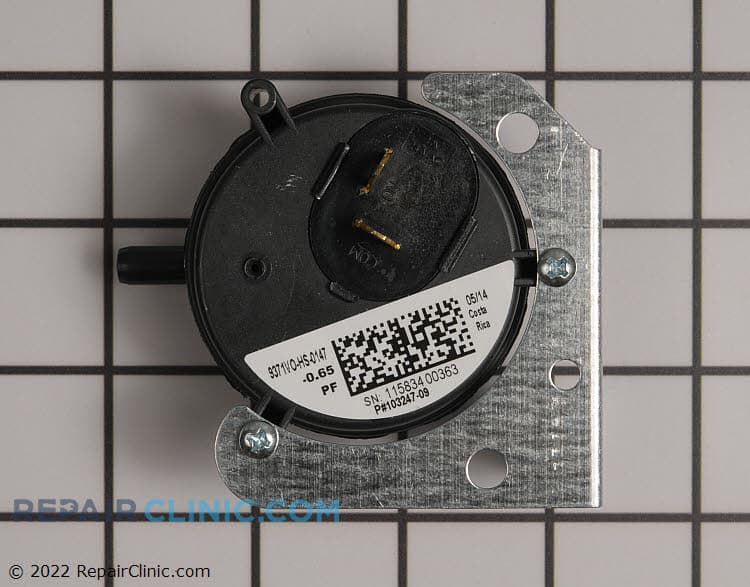
Pressure switch -.65" wc spst 1/4" barb connection
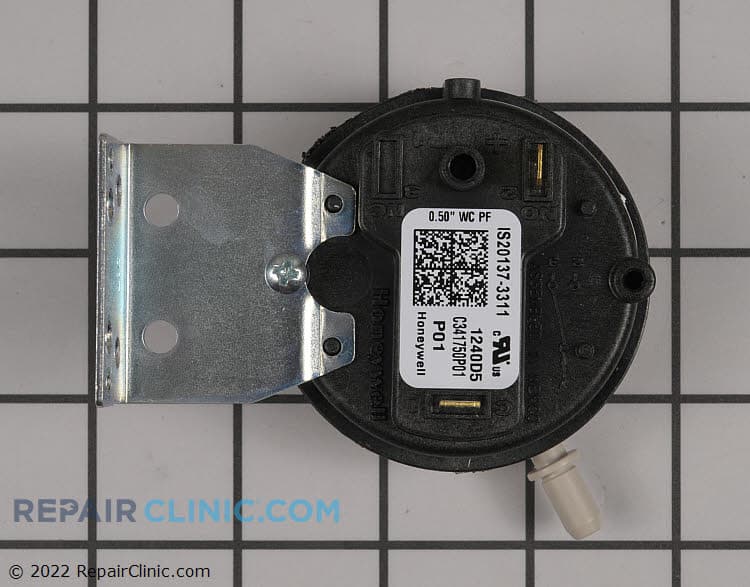
Pressure switch SPNO 50" WC
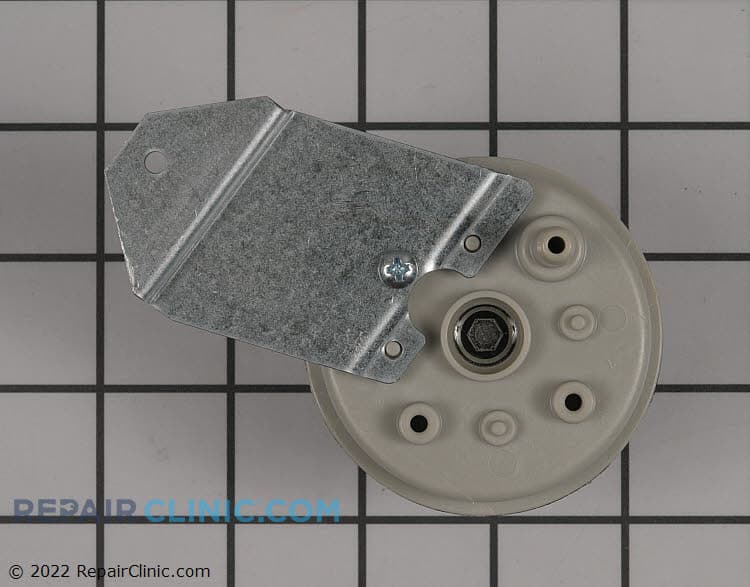
Pressure switch, 1.40"wc spst
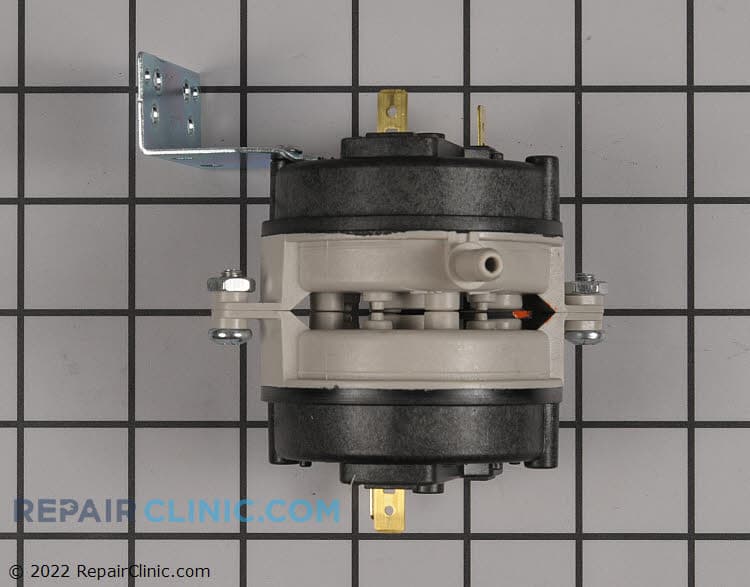
Dual pressure switch
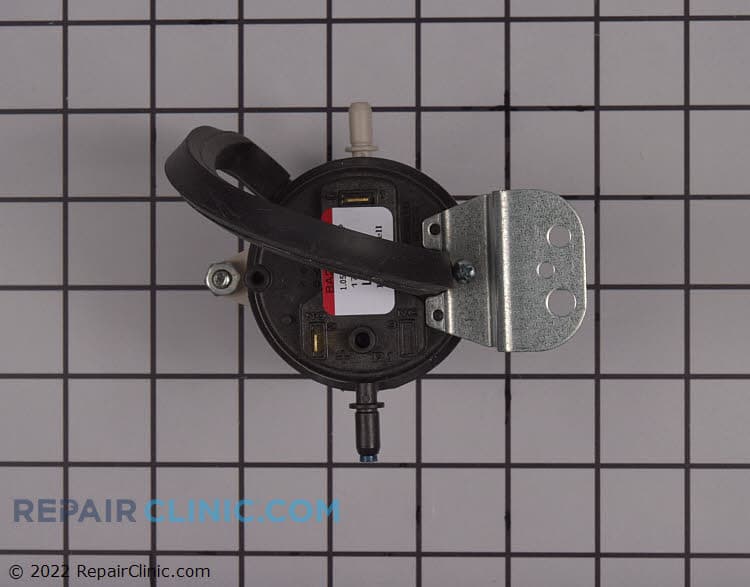
Switch; dual pressure, 28 va pilot duty 24 vac, 125v
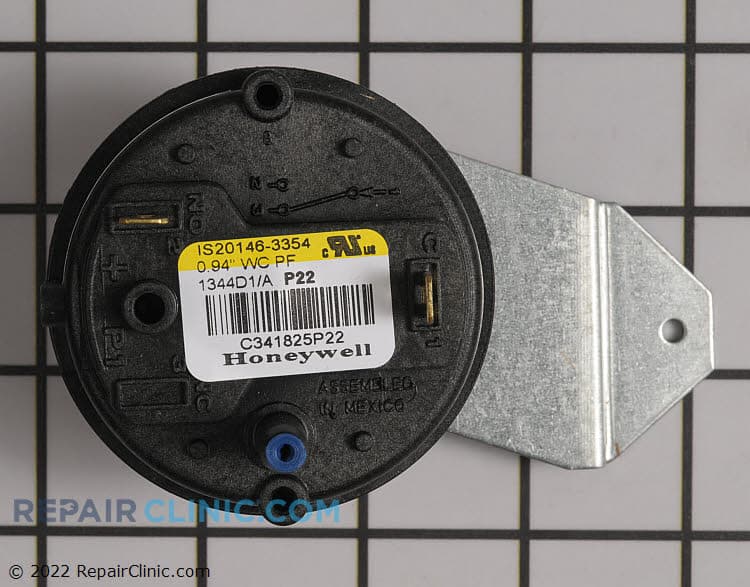
Switch; pressure, is2
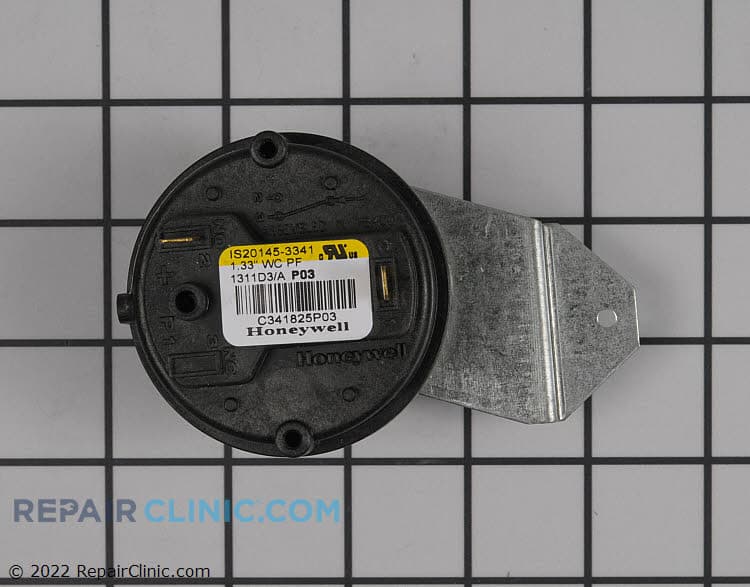
Pressure switch
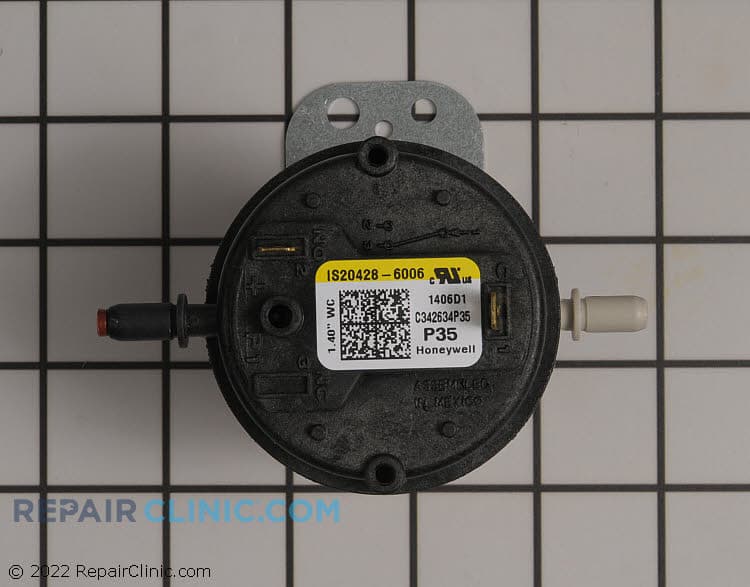
Switch; pressure, 28 va pilot duty 24 vac, 125 va p
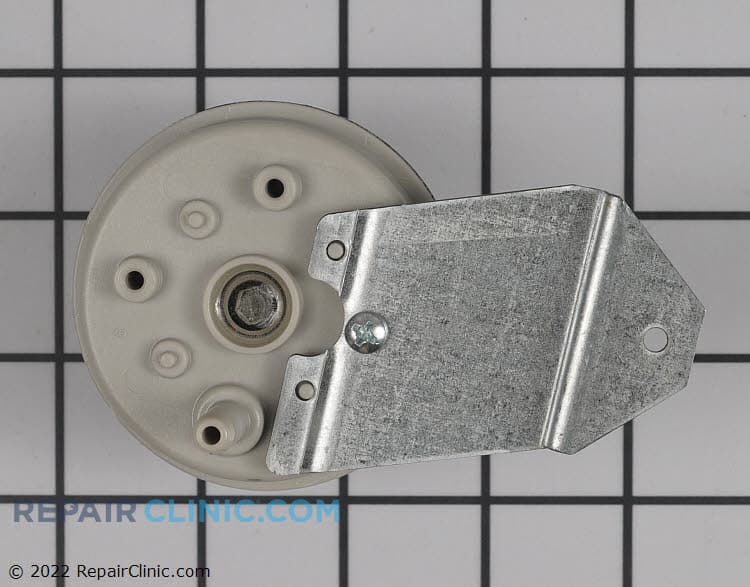
Pressure switch
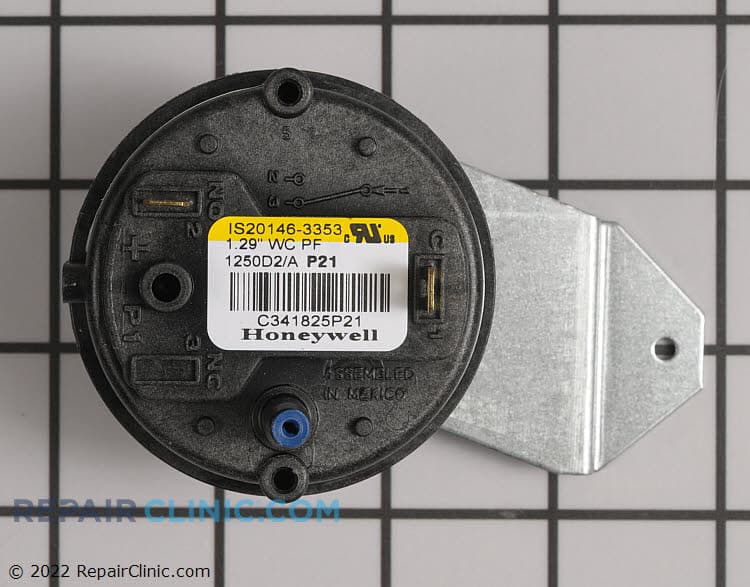
Switch; pressure, is2


Switch; pressure-.34
Pressure Switch
Pressure switch


Trane Furnace Pressure Switch Parts
The pressure switch is your Trane furnace's safety guardian. It monitors draft — the vacuum created by the inducer motor — and signals the control board that airflow is adequate before gas ignition. When the switch trips or sticks, your furnace won't start, and you'll get lockout codes. Pressure switch failure is often a symptom of a blocked condensate drain or cracked inducer hose, but the switch itself can fail too.
OEM Trane pressure switches are tuned to the exact specifications of your furnace model. Don't settle for aftermarket replacements that may trip at the wrong vacuum level. Find your model number below and get the exact switch — we ship today.
- Won't start, LED flashes lockout code: Pressure switch tripped; check drain line and hose first, then replace switch
- Furnace runs briefly then shuts down: Switch cycling off due to weak draft or failed switch contact
- Inducer runs but ignition never happens: Pressure switch not closing to allow gas valve to open
- Constant clicking or buzzing from inducer area: Switch cycling rapidly; indicates blockage or switch failure
- Pressure hose cracked or disconnected: Visual inspection often reveals the real culprit before switch replacement
Find a Replacement Trane Furnace Pressure Switch Online by Model or Part Number
Trane Furnace Pressure Switch FAQs
What does a furnace pressure switch actually do?
The pressure switch monitors the draft (negative air pressure) created by your Trane inducer motor. Once the inducer runs for 30 to 45 seconds, draft builds up and closes the pressure switch contact. That closure tells your control board it's safe to open the gas valve and ignite. Without the switch closing, your furnace will never light — it's a critical safety interloc.
Why do Trane pressure switches fail so often?
Most "pressure switch failures" are actually induced by a blocked condensate drain or cracked/disconnected pressure hose. The switch itself is a simple mechanical device with few moving parts. That said, the internal diaphragm can weaken over time, and the contact can oxidize. If your drain is clear and hose is intact, and the switch still won't close, replace it with an OEM Trane switch tuned to your model's exact vacuum spec.
How do I find my model number for the correct Trane pressure switch?
Your Trane model and serial number are on a metal plate on the furnace cabinet or blower door. It looks like XC95m or XR95 — that's what you need. Enter it in the Repair Clinic model lookup tool and we'll show you the exact pressure switch (often a Trane part or White-Rodgers equivalent) that fits. Never guess on pressure switches — wrong vacuum rating = nuisance lockouts or safety bypass.
Can I clean a Trane pressure switch instead of replacing it?
You can gently clean the hose connection and blow out any debris in the sensing tube, but the internal contact cannot be safely cleaned. If the switch contact is burned or pitted, cleaning won't restore it. A new OEM switch is the reliable fix. Cost is $40 to $80 — a solid investment versus repeated lockout calls.
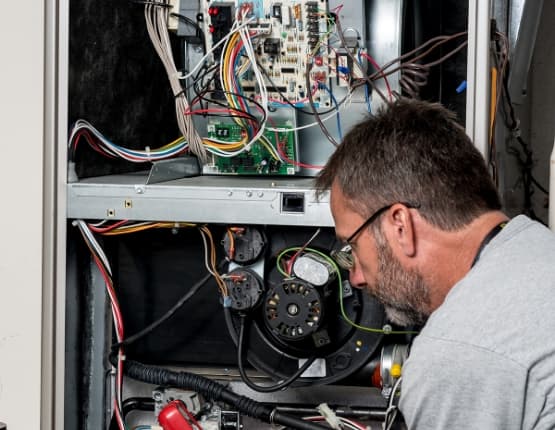
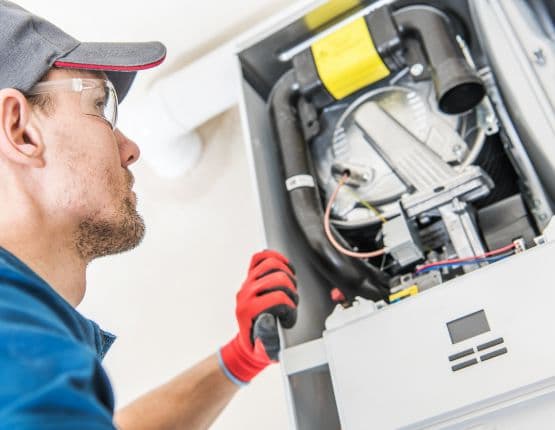
Order Trane Furnace Pressure Switch Parts Online
Easily find and order genuine Trane Furnace Pressure Switch parts online at Repair Clinic, your trusted source for HVAC parts. With a reliable parts lookup system, you can quickly search by model or part number to ensure you get the right fit. Benefit from our No-Hassle 365-Day Returns, allowing you to return uninstalled parts within a year of purchase for any reason, and our Price Match Guarantee, which ensures you pay the best possible price on OEM parts. Order by 9:00 p.m. For same-day shipping and keep your Trane furnace running efficiently with top-quality replacement parts.
Trane Furnace Model Number: Where to Look
On Trane furnaces, the model number is typically printed on a metal nameplate inside the front access panel or on the blower compartment door. You may need to remove the panel to see it, so switch off power to the furnace first. Look for a combination of letters and numbers, such as TUX080C942C1, and copy the complete model number exactly as shown. Enter it in the search bar to filter this page to the parts that fit your model. Using the full furnace model narrows the catalog for every associated part, not just the pressure switch, so you can select a compatible replacement with less guesswork and avoid ordering a part that does not match your equipment.

Online Diagnostic and Repair Help for Trane Furnace
Repair Clinic's online resources cover Trane Furnace diagnostic work, part testing, and installation in one place. Symptom articles help you understand what is likely going wrong, video walkthroughs show the disassembly and reassembly, and step-by-step written repair guides let you follow along in your own time. Use the model number lookup to confirm the exact OEM part, and wiring diagrams support the more involved jobs.
Related Furnace Repair Help Articles
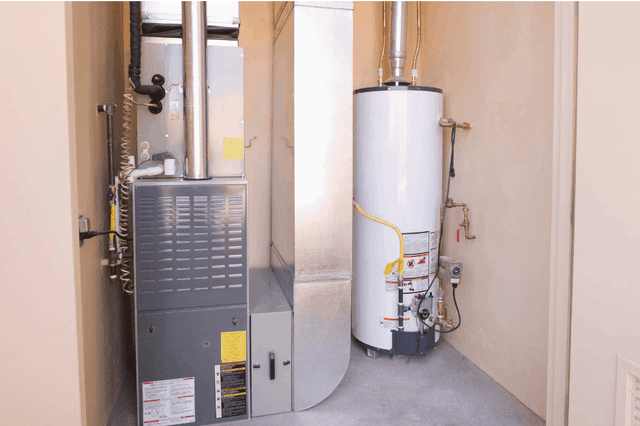
Top Reasons Furnace is Not Igniting
A furnace that fails to ignite can leave your home in the cold. Common issues include a faulty igniter, malfunctioning flame sensor, or a defective draft inducer fan motor. Replacing furnace filters and cleaning furnace parts can help prevent these problems.
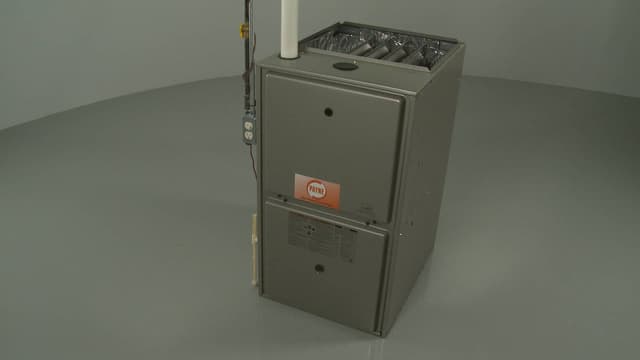
Why is My Furnace Not Working?
Learn why your furnace isn't working by understanding its ignition sequence and identifying common faulty parts like the igniter, flame sensor, or control board. This article provides practical repair tips and insights into each part's role in the heating process.
5 Causes of a Furnace Starting Then Stopping
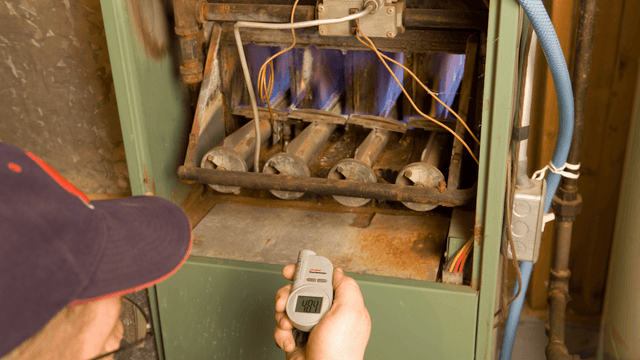
A gas furnace that starts and then stops unexpectedly can be frustrating, especially during cold weather. This article explains five common causes, including issues with the flame sensor, pressure switch, control board, draft inducer fan motor, or air flow. Learn how each cause may impact your furnace's operation and get tips to resolve the problem.




Family-owned and operated since 1912, Burke America Parts Group is the longest-running genuine appliance, HVAC, and outdoor power equipment parts solution in North America. At Repair Clinic, we're proud to be an international brand trusted by the pros as well as the DIY community.
About Repair Clinic