


 Price Match Guarantee
Trane Furnace Flame Sensor Replacement
Find the right part faster
Multiple models matched. Select your model to confirm fit.




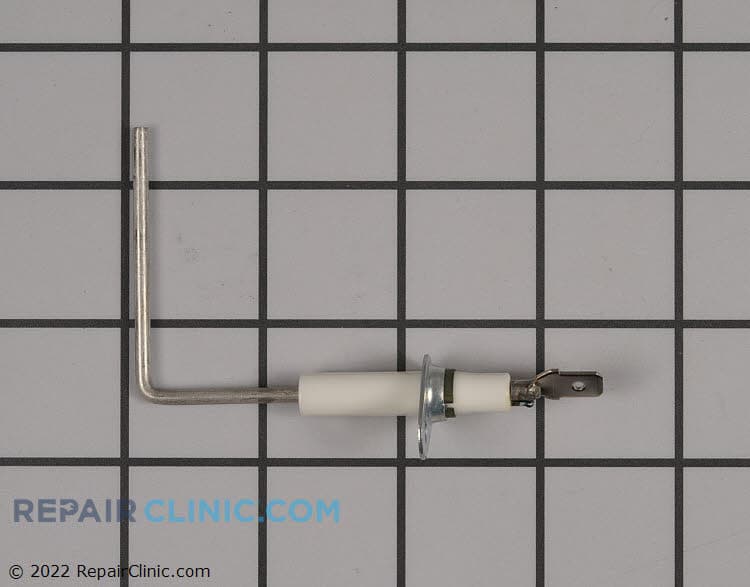
Furnace flame sensor. The flame sensor monitors the burner to detect whether or not a flame is present. If the flame sensor is defective, the furnace may not heat.
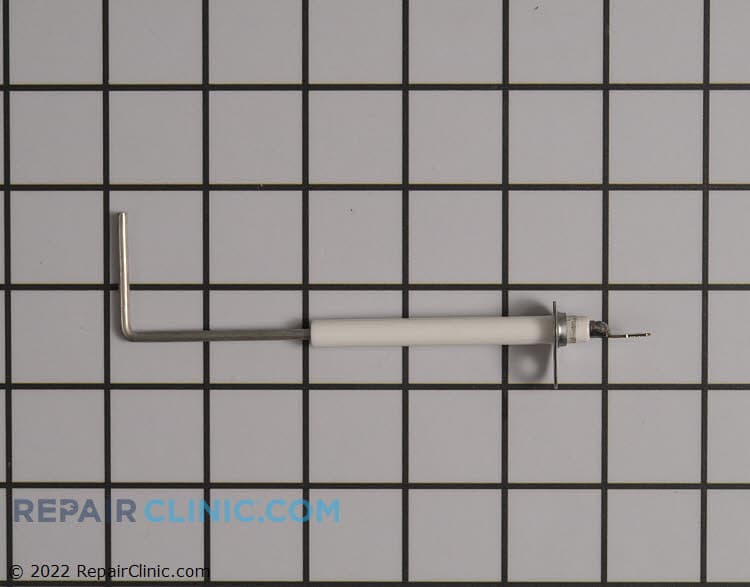
Furnace flame sensor. The flame sensor monitors the burner to detect whether or not a flame is present. If the flame sensor is defective, the furnace may not heat.
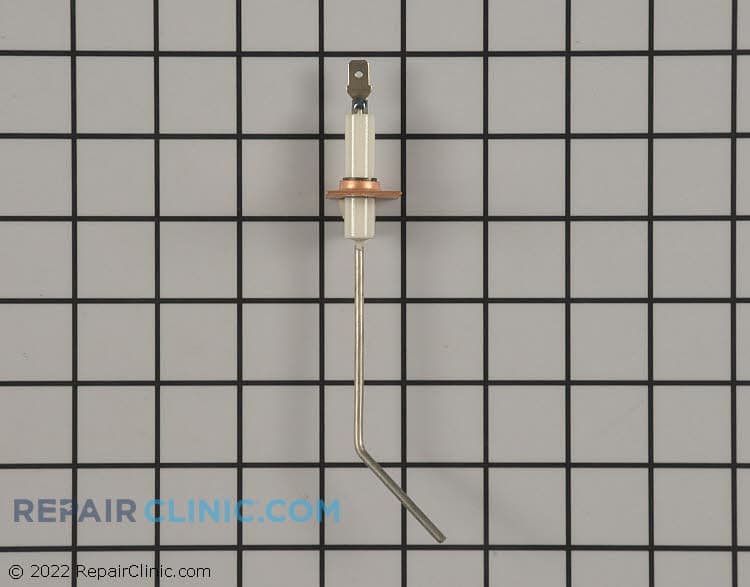
Flame sensor
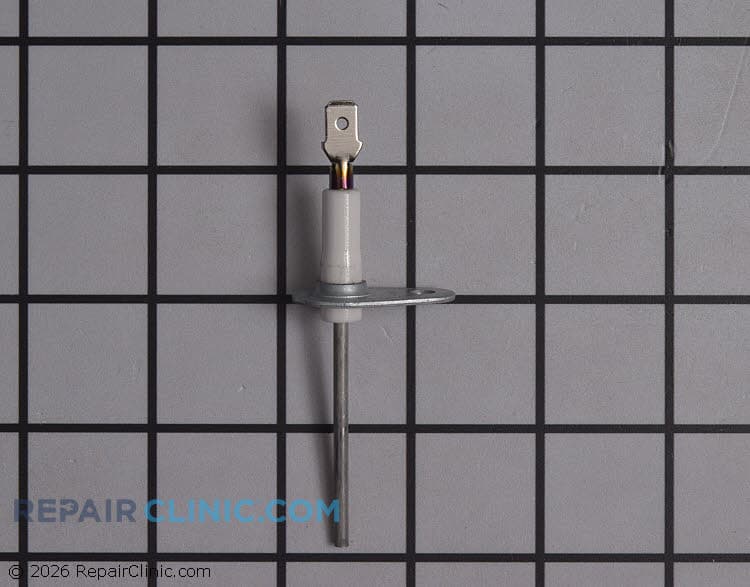
Flame sensor ng & lp
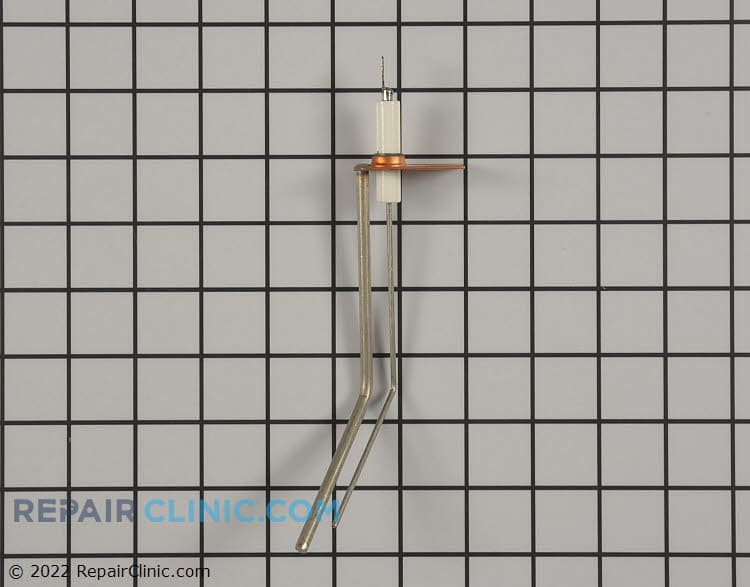
Flame sensor


Sensor; auto pilot,48 in. ele,3 pin plug


Trane Furnace Flame Sensor & Thermistor Parts
Your Trane furnace's flame sensor tells the control board whether the burner is actually burning. When it fails or gets dirty, the furnace ignites, the sensor doesn't confirm the flame, and the whole system shuts down within seconds. It's one of the most common Trane furnace repairs — and one of the cheapest fixes. A dirty sensor can often be cleaned with fine steel wool; a failed sensor must be replaced with the OEM part to ensure correct voltage and resistance for your Trane model.
Thermistors in Trane furnaces monitor temperature at the heat exchanger and control fan delays. When a thermistor fails, you'll see incorrect fan cycling, constant running, or no airflow. Both flame sensors and thermistors are inexpensive parts ($15 to $50) that are critical to proper furnace operation. Enter your Trane model number below to find the exact OEM sensor for your unit.
- Flame sensor won't confirm fire: Furnace ignites then shuts off within 3 to 5 seconds
- Dirty flame sensor: Clean with fine steel wool first; replace if cleaning doesn't help
- Thermistor failure: Blower runs constantly or won't start; incorrect temperature readings
- Control board error codes: Flame signal loss codes; verify sensor before replacing the board
- OEM Trane sensors: Exact voltage and resistance match; aftermarket sensors may cause nuisance shutdowns
Find a Replacement Trane Furnace Flame Sensor Online by Model or Part Number
Trane Furnace Flame Sensor & Thermistor FAQ
What's the difference between a flame sensor and a thermistor in a Trane furnace?
The flame sensor is a safety device that confirms the burner is burning by detecting the flame's infrared radiation. The thermistor is a temperature sensor that monitors heat exchanger temperature to control blower fan timing. Both are electrical sensors, but they serve completely different functions. A failed flame sensor will cause the furnace to shut down immediately after ignition. A failed thermistor will cause incorrect fan delays or constant running.
How do I know if my Trane furnace flame sensor is dirty or failed?
A dirty flame sensor is the #1 reason for nuisance shutdowns on Trane furnaces. The furnace ignites normally, but within 3 to 5 seconds it shuts off. Before replacing the sensor, shut off power, remove the sensor (usually held by one screw), and gently clean the ceramic tip with fine steel wool or a soft cloth. If cleaning restores normal operation, you've saved $30 to $50. If the furnace still shuts down after cleaning, the sensor has failed and needs OEM replacement. Never use abrasive pads or harsh chemicals — the ceramic coating is delicate.
Do I need an OEM Trane flame sensor, or will an aftermarket sensor work?
Always use an OEM Trane flame sensor. The sensor's resistance and voltage characteristics are tuned to your specific control board. Aftermarket sensors often have slightly different resistance, which can cause the control board to reject the flame signal even when the sensor is clean and the flame is present. This leads to nuisance shutdowns and service calls. OEM Trane sensors are reliable, affordable ($20 to $40), and eliminate guesswork.
How do I find the correct flame sensor or thermistor for my Trane furnace model?
The easiest way is to enter your Trane model number in the search box above. Your model number is usually found on the rating plate on the furnace cabinet or in your owner's manual. If you have the part number from your existing sensor (printed on the ceramic body or housing), you can search that directly. Repair Clinic's database cross-references all Trane models to ensure you get the exact OEM part for your unit. If you're unsure, use the online parts finder and model number lookup.
Order Trane Furnace Flame Sensor Parts Online
Get your Trane furnace back in action with our reliable flame sensor parts, available for easy online ordering. At Repair Clinic, we ensure you never overpay with our Price Match Guarantee on genuine OEM replacement parts. Plus, Quickly find the right flame sensor for your Trane furnace by searching with the model or part number on our user-friendly site. With same-day shipping and a dedicated support team, we provide the parts and guidance needed for efficient DIY repairs or professional maintenance. Shop now and keep your Trane furnace running smoothly.
Trane Furnace Model Number: Where to Look
Trane prints the model number on a rating plate, commonly inside the front access panel or on the blower compartment door. Turn off power to the furnace, open the appropriate panel, and look for a label listing the model and serial numbers. The model number may combine letters and numbers, so copy it exactly, including any dashes or suffixes. Type it into our model number lookup and the catalog narrows to parts made for your unit. This filters the full Trane furnace parts selection, not just flame sensors or thermistors, so every associated part is matched to the correct equipment. You get an accurate fit without sorting through models that do not apply.

Repair Help Videos and Guides for Trane Furnace
When something goes wrong with your Trane Furnace, Repair Clinic's online repair help is the fastest way to sort out the cause. Diagnostic articles cover the symptoms you are seeing, part testing videos verify the failed component, and step-by-step written and video guides cover the installation. Use the model number lookup to confirm the exact OEM part before you order.
Related Furnace Repair Help Articles
Top Reasons Furnace is Not Igniting
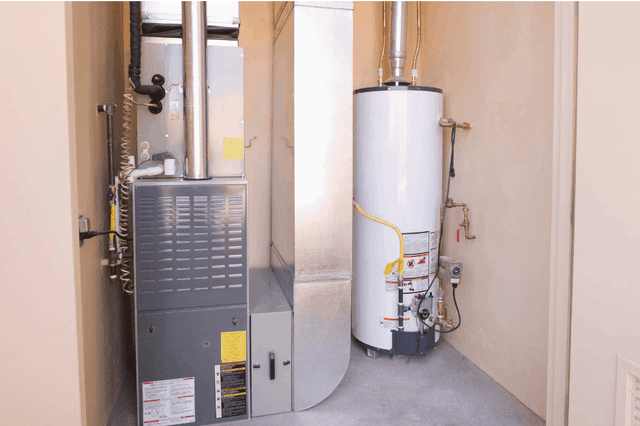
A furnace that fails to ignite can leave your home in the cold. Common issues include a faulty igniter, malfunctioning flame sensor, or a defective draft inducer fan motor. Replacing furnace filters and cleaning furnace parts can help prevent these problems.
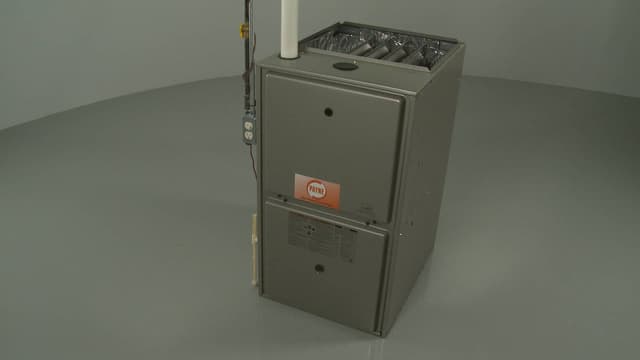
Why is My Furnace Not Working?
Learn why your furnace isn't working by understanding its ignition sequence and identifying common faulty parts like the igniter, flame sensor, or control board. This article provides practical repair tips and insights into each part's role in the heating process.
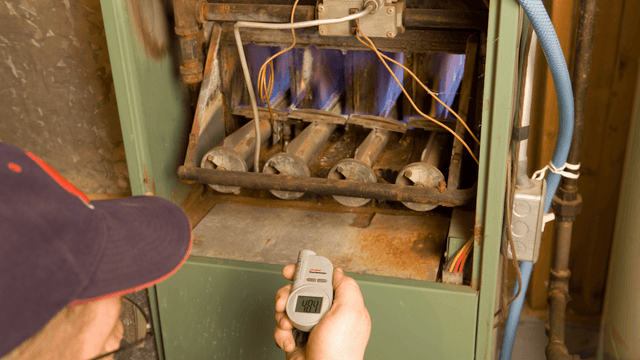
5 Causes of a Furnace Starting Then Stopping
A gas furnace that starts and then stops unexpectedly can be frustrating, especially during cold weather. This article explains five common causes, including issues with the flame sensor, pressure switch, control board, draft inducer fan motor, or air flow. Learn how each cause may impact your furnace's operation and get tips to resolve the problem.




Family-owned and operated since 1912, Burke America Parts Group is the longest-running genuine appliance, HVAC, and outdoor power equipment parts solution in North America. At Repair Clinic, we're proud to be an international brand trusted by the pros as well as the DIY community.
About Repair Clinic