


 Price Match Guarantee
Payne Furnace Motor Parts
Find the right part faster
Multiple models matched. Select your model to confirm fit.





The 349336-761 Draft Inducer Motor is essential for enhancing the efficiency of your furnace's ventilation system. To prevent carbon monoxide from leaking into your home, we recommend replacing the draft inducer gasket or using high-temp silicone sealant when servicing the motor or inducer fan.

Furnace draft inducer motor kit. The draft inducer motor draws air into the burner and exhausts it out the flue. If the draft inducer motor is defective, the furnace may not heat.

Furnace draft inducer motor. The draft inducer motor draws air into the burner and exhausts it out the flue. If the draft inducer motor is defective, the furnace may not heat.

Furnace draft inducer motor with cooling fan. Be aware that the screw holes are not threaded—you will need to use self-tapping screws to install the motor.

Inducer motor assembly. This assembly is designed for 40, 60, 80, and 100 thousand BTU model furnaces. Your furnace's BTU rating may be listed on the model number tag. You can also determine the rating from your model number—the 3-digit number preceding the hyphen indicates the BTU rating.
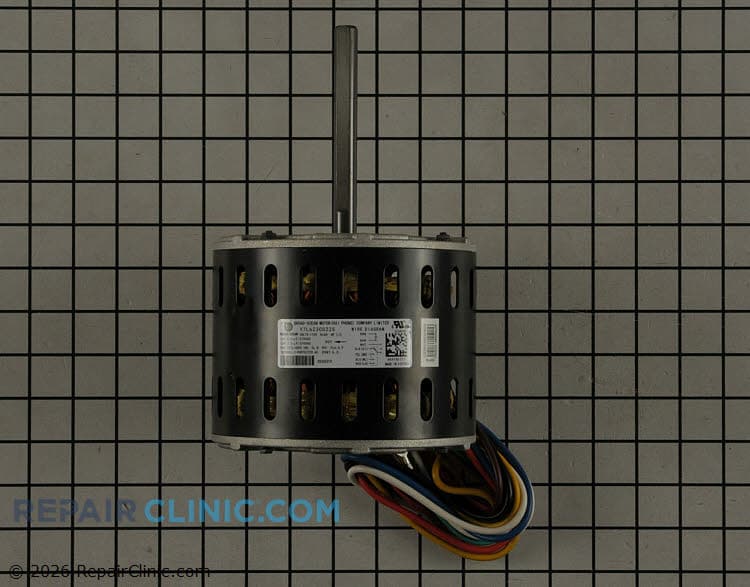
Furnace blower motor. This single-phase motor has the following specifications:
Horsepower: 1/3
Voltage: 115
Full-Load Amperage: 5.2
Hertz: 60
RPM: 1075
Speeds: 4
Rotation: Counterclockwise
Frame: 48
Enclosure: Open
Shaft Length: 3.9”
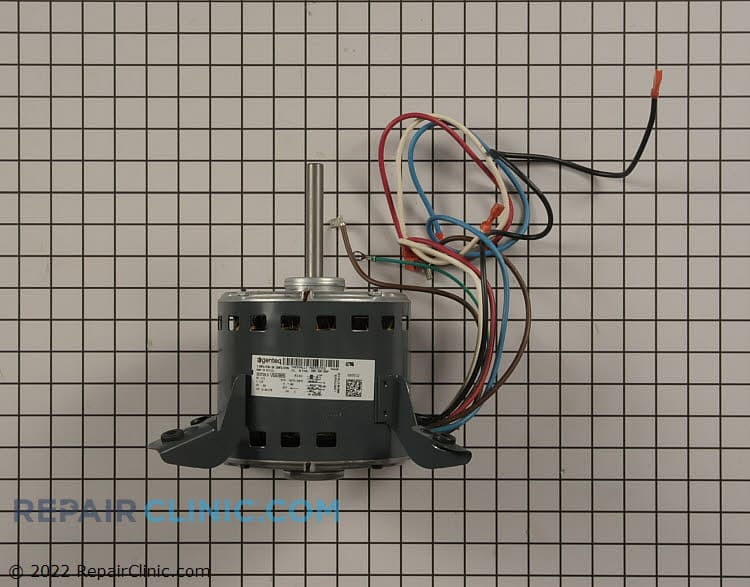
Update your furnace with HC43TQ113 Fan Motor, engineered for optimal performance and reliability. This 1/2 HP motor operates at 115 volts and 1075 RPM with three speeds, ensuring efficient airflow and consistent temperatures. This genuine OEM part is ideal for Bryant, Carrier, and Payne furnaces.

Furnace draft inducer motor kit. The draft inducer motor draws air into the burner and exhausts it out the flue. If the draft inducer motor is defective, the furnace may not heat.
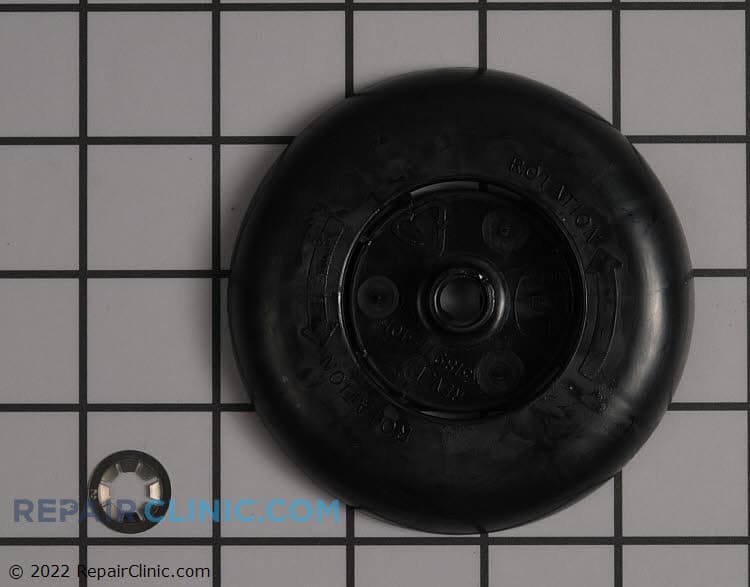
Black Plastic Cooling Blade

Furnace draft inducer motor. The draft inducer motor draws air into the burner and exhausts it out the flue. If the draft inducer motor is defective, the furnace may not heat.

Draft inducer fan motor. *Motor only. The draft inducer motor draws air into the burner and exhausts it out the flue. If the draft inducer motor is defective, the furnace may not heat.
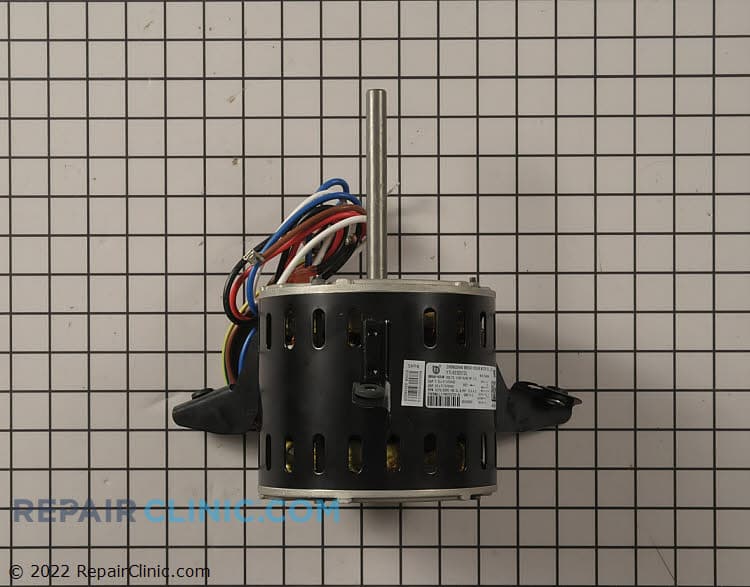
Blower Motor - 1/3HP 115Volts 60Hz 4.8 amp 1075 RPM's 3 Speed Open Enclosure 48Y Frame Single Phase CCW 4.73" Shaft
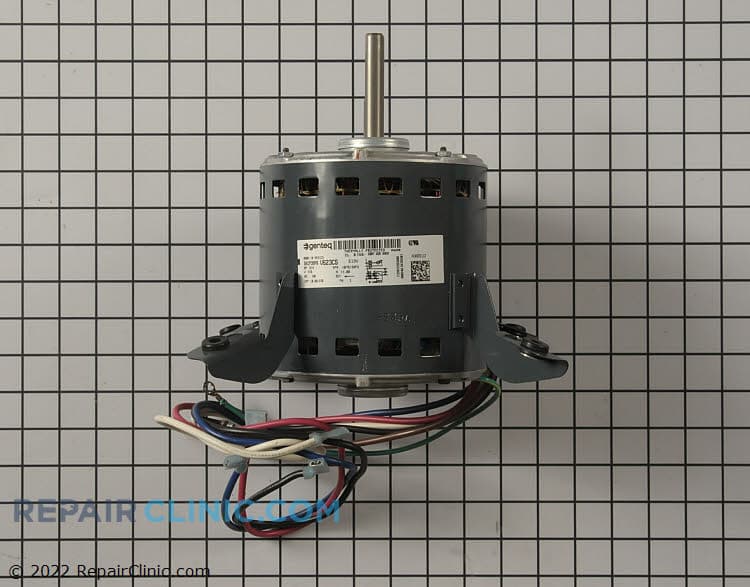
Furnace blower motor:
Horsepower: 3/4
Voltage: 115
Full-Load Amperage: 11
Hertz: 60
RPM: 1075
Speeds: 3
Rotation: Counterclockwise
Frame: 48
Enclosure: Open
Shaft Length: 4"

Furnace draft inducer motor. The draft inducer motor draws air into the burner and exhausts it out the flue. If the draft inducer motor is defective, the furnace may not heat.

Furnace draft inducer motor. The draft inducer motor draws air into the burner and exhausts it out the flue. If the draft inducer motor is defective, the furnace may not heat.


Payne Furnace Blower and Inducer Motors
Furnace motors are the hardworking parts that keep heat moving through your home. When a Payne furnace blower motor fails, you lose airflow and heat distribution stops. The draft inducer motor, which runs first in every heating cycle, can fail from age, dust buildup, or bearing wear — and when it does, pressure switches trip and your furnace won't start at all.
We carry OEM Payne blower motors, inducer motors, and motor assemblies that match your model's specifications exactly. Many Payne furnaces share parts with Carrier and Bryant units, but always verify your model number to get the right motor HP, voltage, and mounting configuration. Motor failures often come with bad capacitors — if your motor won't run or runs slowly, check the capacitor first before replacing the motor itself.
- Blower motor won't run: Check capacitor, then replace motor if capacitor is good
- Furnace runs but no heat: Blower motor may be burned out; verify airflow first
- Loud grinding or rattling noise: Motor bearing failure; replace inducer or blower motor assembly
- Inducer motor hums but doesn't turn: Bearing seized; replace inducer motor
- Slow airflow, weak heating: Motor running but weak; capacitor or motor aging
Use your Payne furnace model number to find the exact motor replacement. Payne furnace motor parts are in stock and ship same-day when ordered by 2 PM.
Find Replacement Payne Furnace Motor Parts Online by Model or Part Number
Popular Payne Furnace Models
Related Payne Furnace Motor Parts
- Payne Furnace Blower Motor Parts
- Payne Furnace Draft Inducer Motor Parts
- Payne Furnace Motor Parts
- Payne Furnace Condenser Fan Motor Parts
- Payne Furnace Armature Parts
- Payne Furnace Blower Wheel and Housing Parts
- Payne Furnace Draft Inducer Motor Assembly Parts
- Payne Furnace Cooling Fan Parts
- Payne Furnace Draft Inducer Blower Wheel Parts
- Payne Furnace Fan Motor Parts
- Payne Furnace Vent Fan Motor Parts
Payne Furnace Motor Parts — Frequently Asked Questions
What's the difference between a blower motor and an inducer motor?
The inducer motor is the first motor to run — it pulls air through the heat exchanger and vents exhaust. The blower motor runs second and pushes warm air into your ductwork. Both are essential. If the inducer fails, your furnace won't start because the pressure switch won't close. If the blower fails, your furnace heats but no air moves through the house.
How do I know if it's the motor or the capacitor?
A bad capacitor is the #1 reason a motor won't start or runs slowly — and it's a $10 to $20 fix instead of a $150+ motor replacement. Try this: turn off power, wait 5 minutes, then listen while you turn power back on. If the motor hums but doesn't turn, it's almost always the capacitor. If there's no hum and no click, the motor itself may be burned out. A multimeter across the capacitor terminals will confirm — it should hold voltage even after power is cut.
Are Payne motors compatible with Carrier and Bryant furnaces?
Often, yes — Payne, Carrier, and Bryant share manufacturing and many parts. But motor specifications (HP, voltage, RPM, flange type) vary by model year. Always enter your model number to confirm compatibility. A motor that's slightly wrong can run hot, waste energy, or fail prematurely.
What size motor do I need for my Payne furnace?
Motor size is determined by your furnace model and the airflow requirement of your ductwork. Common sizes are 1/2 HP, 3/4 HP, and 1 HP for residential furnaces. Voltage is typically 115V or 230V single-phase. Look at your old motor's nameplate or enter your Payne model number into our parts finder — we'll show you the exact OEM motor that belongs in your furnace. Ordering the wrong size will cause problems.
Order Payne Furnace Motor Parts Online
Looking for Payne furnace motor parts? Repair Clinic offers a reliable online ordering experience for all your furnace needs. We provide a No-Hassle 365-Day Return Policy, allowing you to return any uninstalled part within a year of purchase. Rest assured, if you find the same part at a lower price, our Price Match Guarantee ensures you get competitive pricing. Easily find the right motor part by searching with your model or part number, and enjoy same-day shipping on orders placed by 9:00 p.m. Trust Repair Clinic for genuine OEM parts and exceptional customer service, making DIY repairs straightforward and stress-free.
Payne Furnace Model Number: Where to Look
Payne prints the model number on a rating label inside the blower compartment door of many furnaces. If it is not there, check the inside of the front access panel or the cabinet side near the gas valve. Look for a full model number, not the serial number, and copy every letter and digit exactly. Enter that number in the Repair Clinic search bar to narrow the complete Payne furnace parts catalog to parts that fit your specific unit. This model match accounts for differences in furnace series and production year, so you can compare the right replacement with confidence and avoid ordering a motor that does not match its mounting or electrical specifications.

Fix Your Payne Furnace with Online Repair Help
The online repair library at Repair Clinic covers Payne Furnace diagnostics, part testing, and installation from start to finish. Symptom-based articles narrow the failing component, and matching repair videos or step-by-step written guides walk you through the fix. Use the model number lookup to confirm the exact OEM part before you order, then follow the exploded-view diagrams for a clean reassembly.
Related Furnace Repair Help Articles
Top Reasons Furnace is Not Igniting
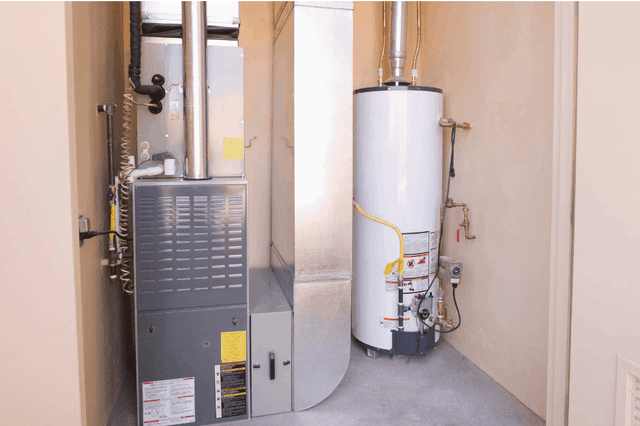
A furnace that fails to ignite can leave your home in the cold. Common issues include a faulty igniter, malfunctioning flame sensor, or a defective draft inducer fan motor. Replacing furnace filters and cleaning furnace parts can help prevent these problems.
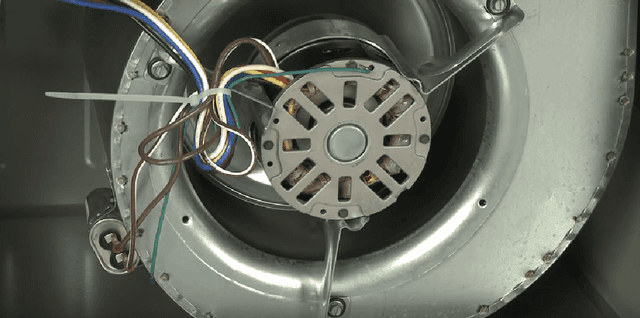
How to Replace a Furnace Blower Fan Motor
A malfunctioning furnace blower fan motor can disrupt your heating system, but replacing it doesn't have to be daunting. This article explains the blower motor's role in circulating air through your home and provides detailed, step-by-step guidance for safely removing and installing a new furnace blower fan motor.
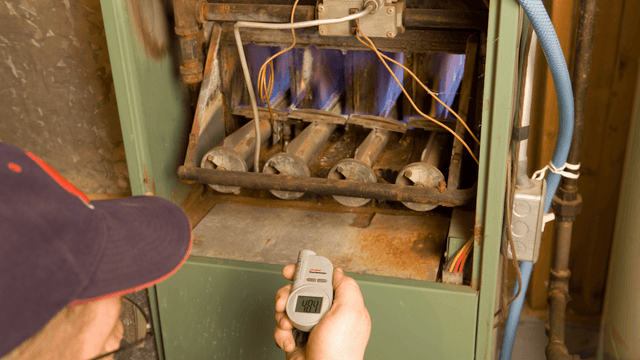
5 Causes of a Furnace Starting Then Stopping
A gas furnace that starts and then stops unexpectedly can be frustrating, especially during cold weather. This article explains five common causes, including issues with the flame sensor, pressure switch, control board, draft inducer fan motor, or air flow. Learn how each cause may impact your furnace's operation and get tips to resolve the problem.




Family-owned and operated since 1912, Burke America Parts Group is the longest-running genuine appliance, HVAC, and outdoor power equipment parts solution in North America. At Repair Clinic, we're proud to be an international brand trusted by the pros as well as the DIY community.
About Repair Clinic