


 Price Match Guarantee
Tempstar Furnace Motor Parts





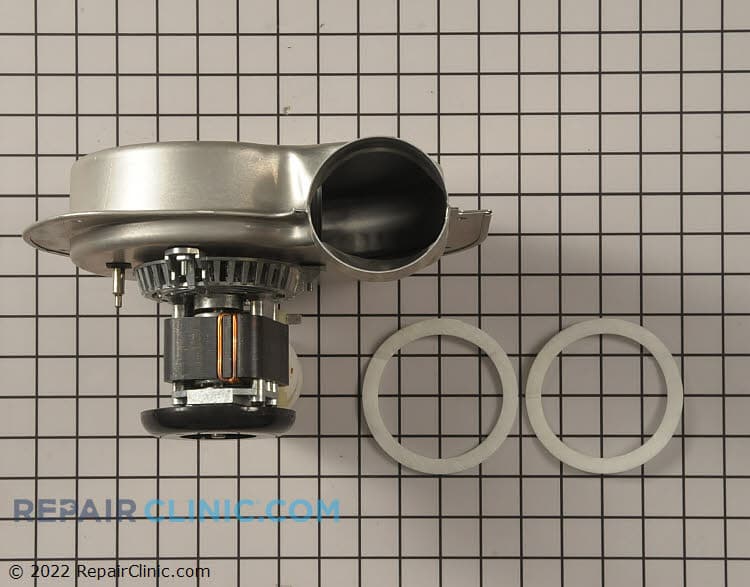
Furnace Draft Inducer Motor 1013833. The motor ensures safe and proper operation by drawing air into the burner and expelling it from the flue. Failure can result in inadequate exhaust or venting in your furnace. Compatible brands include Comfortmaker, Tempstar, Heil, ICP, and Arcoaire.
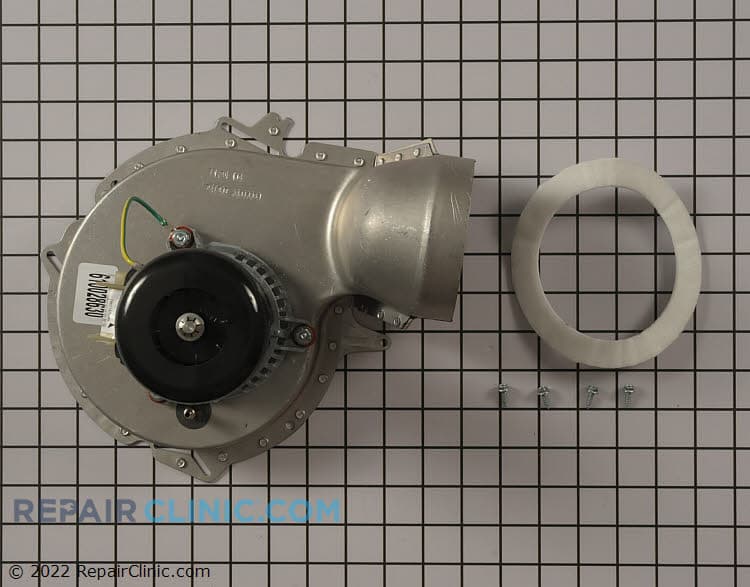
Furnace draft inducer motor. The draft inducer motor draws air into the burner and exhausts it out the flue. If the draft inducer motor is defective, the furnace may not heat.
RC Item #2759841
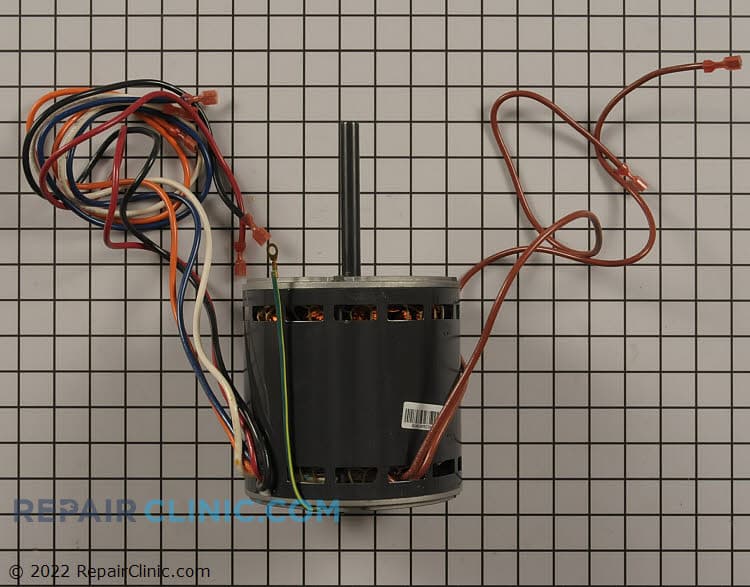
Blower motor 1/115 1/2 sk
RC Item #2762122
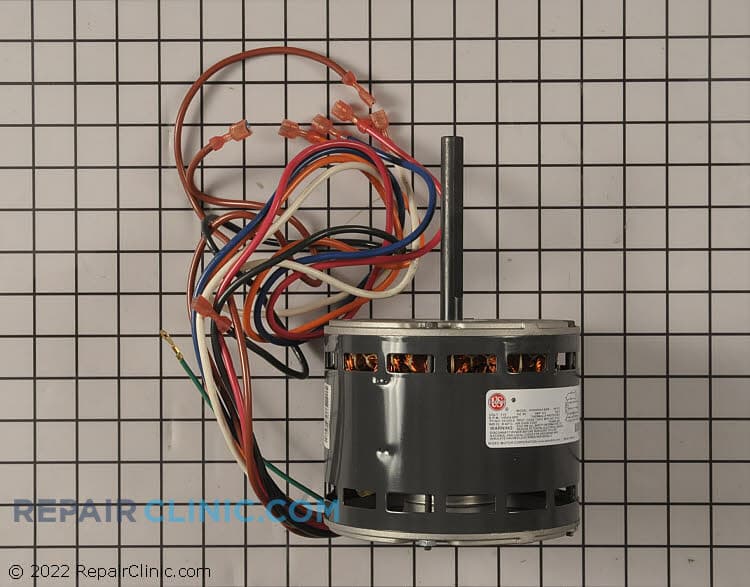
Blower motor 1/3HP 115Volts 60Hz 6.5 amp 1050 RPM's 4 Speed Open Enclosure 48Y Frame Single Phase CCW 4" Shaft
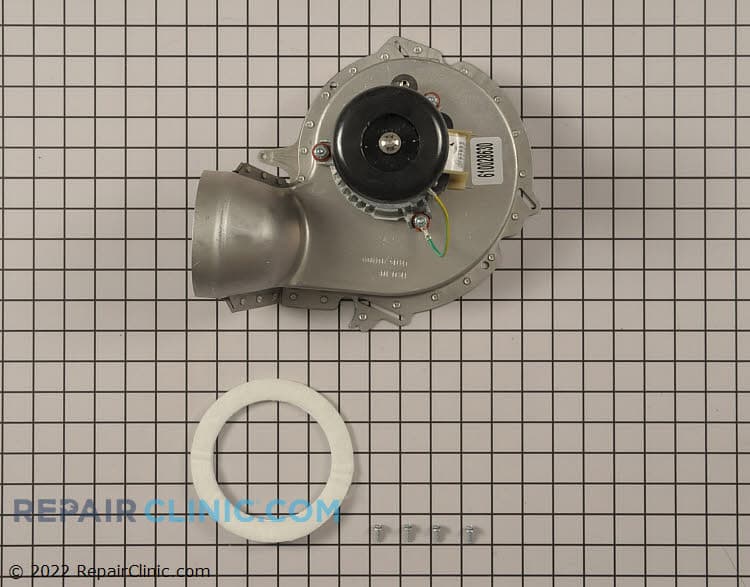
Furnace draft inducer motor. The draft inducer motor draws air into the burner and exhausts it out the flue. If the draft inducer motor is defective, the furnace may not heat.
RC Item #2759864
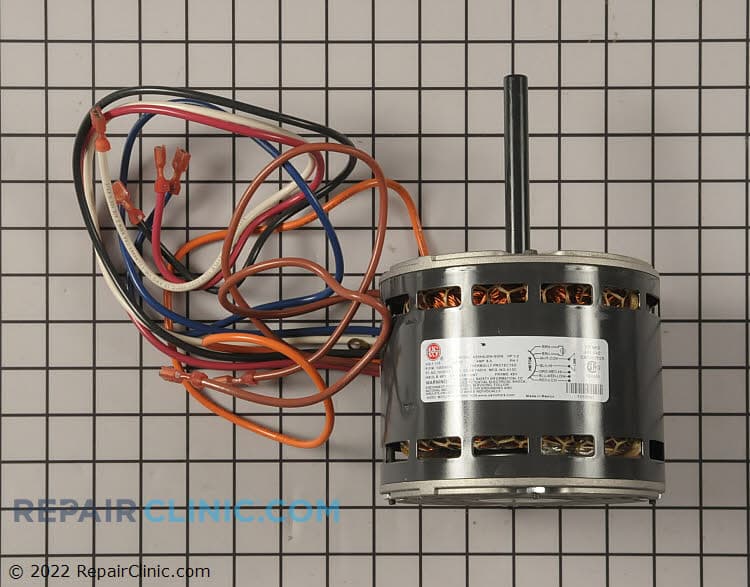
Blower motor, 1/2HP 115Volts 60Hz 8 amp 1050 RPM's 4 Speed Open Enclosure 48Y Frame Single Phase CCW 3.5" Shaft
RC Item #2762512
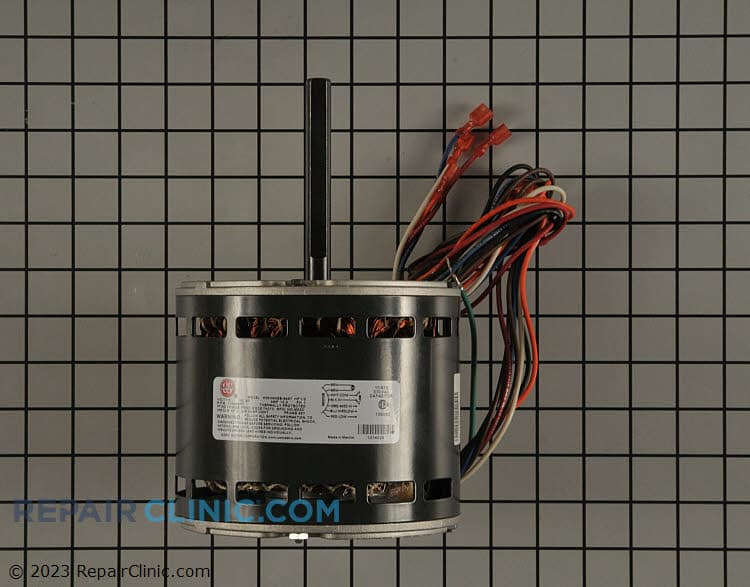
Mtr blr 1/15 1/2 ccw
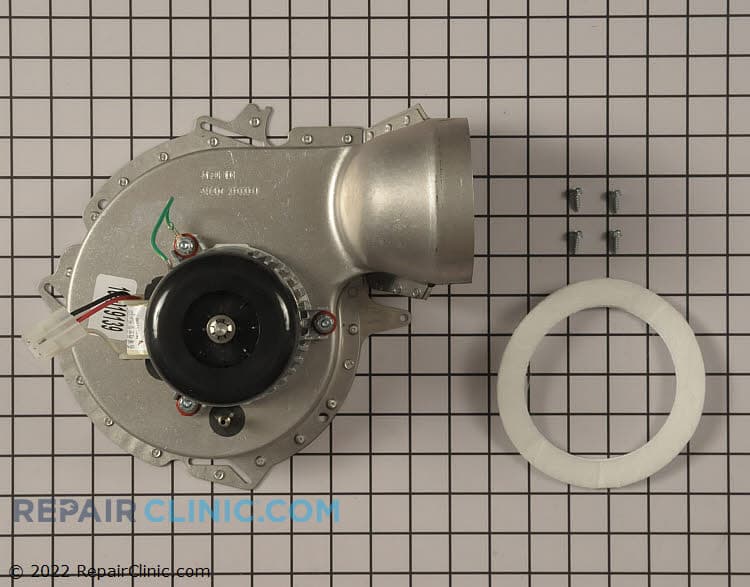
Furnace draft inducer motor. The draft inducer motor draws air into the burner and exhausts it out the flue. If the draft inducer motor is defective, the furnace may not heat.
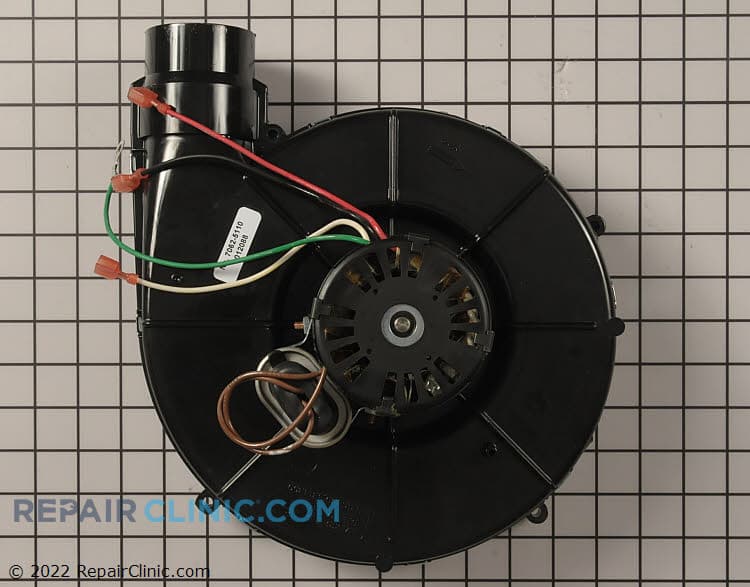
Furnace draft inducer motor. The draft inducer motor draws air into the burner and exhausts it out the flue. If the draft inducer motor is defective, the furnace may not heat. 1/20HP 115Volts 60Hz 1.0/.6 amp 3400/2600 RPM's 2 Speed Open Enclosure
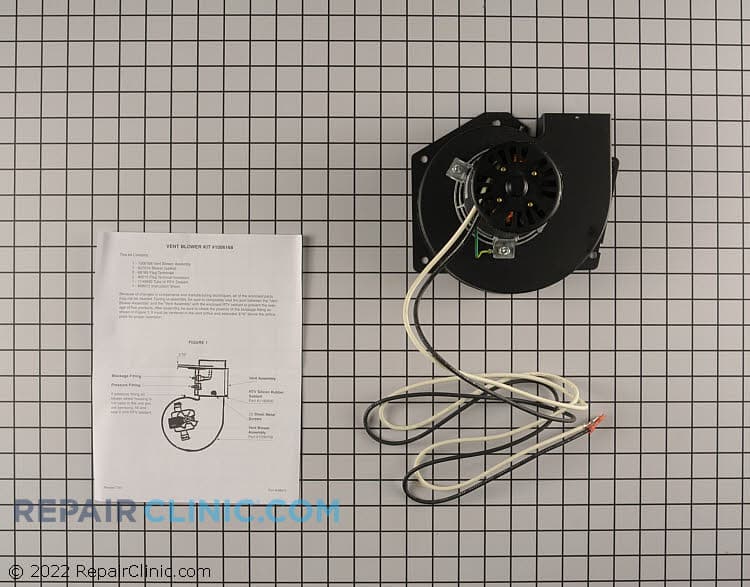
Furnace draft inducer motor. The draft inducer motor draws air into the burner and exhausts it out the flue. If the draft inducer motor is defective, the furnace may not heat.
RC Item #2759852
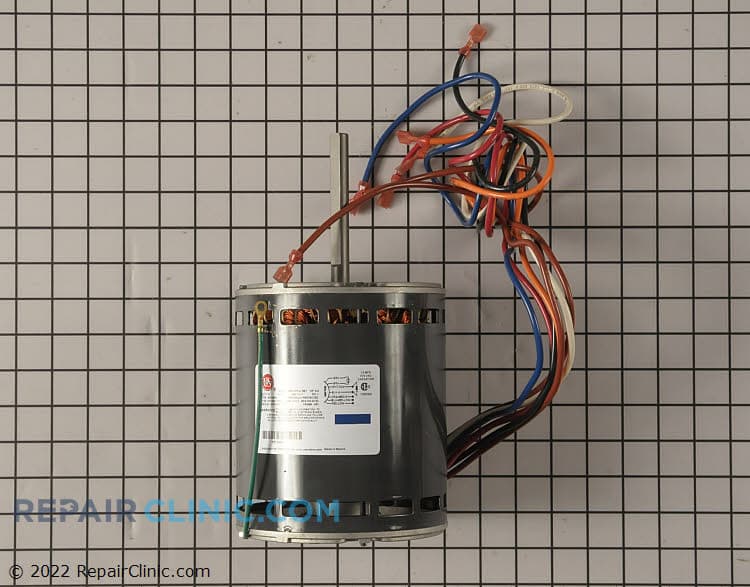
3/4HP 115Volts 60Hz 11.7 amp 900 RPM's 4 Speed Open Enclosure 48Y Frame Single Phase CCW 4" Shaft
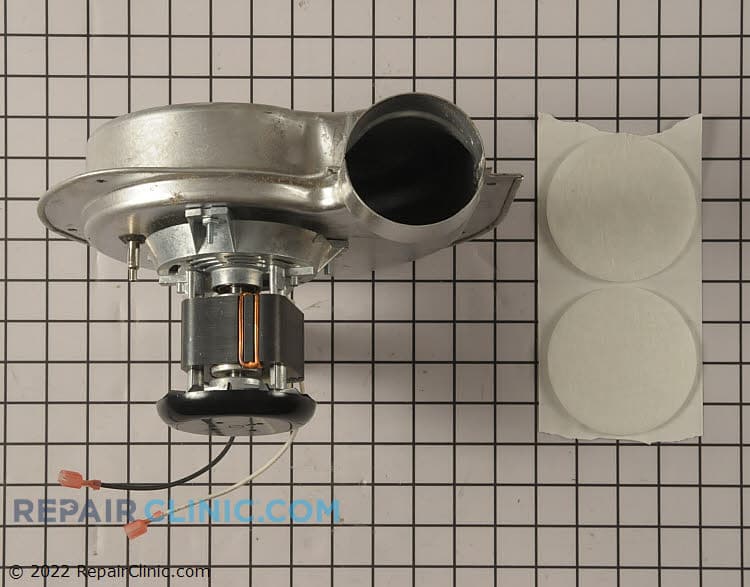
Draft inducer motor, 115Volts 60Hz ? Amp 3100 RPM's Closed Enclosure.The draft inducer motor draws air into the burner and exhausts it out the flue. If the draft inducer motor is defective, the furnace may not heat.
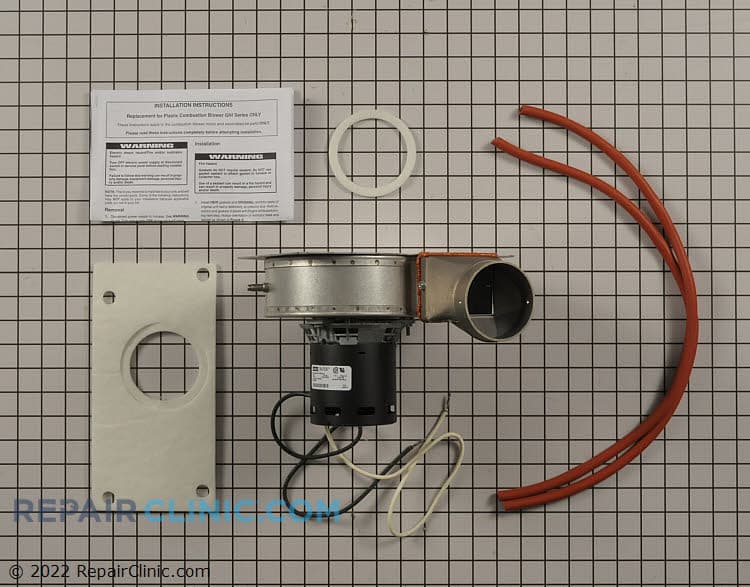
Furnace draft inducer motor. The draft inducer motor draws air into the burner and exhausts it out the flue. If the draft inducer motor is defective, the furnace may not heat.
RC Item #2769583

Blower motor, 1/115 kit, SB
RC Item #2768742
Mtr blt 1/115-230 1.5 3450


Tempstar Furnace Blower and Inducer Motors
Tempstar furnaces depend on two critical motors to deliver heat: the draft inducer motor that starts each heating cycle, and the blower motor that pushes warm air through your home. When either motor fails, your furnace won't heat — or it runs but produces no airflow. Inducer motors often fail from pressure switch errors or blocked vent lines; blower motors typically wear out after years of daily use. Both are straightforward replacements with the right OEM part.
Run capacitors fail alongside these motors more often than you'd think. A weak capacitor means the motor struggles to start, runs hot, or won't run at all. Always test or replace the capacitor when you replace the motor — it's an inexpensive way to ensure the new motor doesn't burn out prematurely. Tempstar shares most motor platforms with Carrier and Payne, so your model number is key to confirm the correct horsepower, mounting flange, and voltage.
- Inducer motor assembly: Won't start, grinding noise, pressure switch keeps tripping
- Blower motor: No airflow, weak heat delivery, motor hums but won't turn
- Run capacitor (blower): Motor runs slowly, hums loudly, won't start, motor shuts off during cycle
- Blower wheel/impeller: Rattling noise, reduced airflow, wheel broken or bent
- Motor mounting bracket: Motor vibration, alignment issues during install
Find Replacement Tempstar Furnace Motor Parts Online by Model or Part Number
Popular Tempstar Furnace Models
Related Tempstar Furnace Motor Parts
Tempstar Furnace Motor FAQs
What's the difference between the inducer motor and the blower motor?
The inducer motor runs first — it evacuates combustion gases up the flue and creates a vacuum that triggers the pressure switch. The blower motor comes on after ignition to push warm air into your ducts. If the inducer fails, the furnace won't start at all. If the blower fails, the furnace ignites but you get no heat delivery. Both are essential, and either one failing will stop your heating cycle.
How do I know if my Tempstar motor has failed or if it's the capacitor?
Try this: turn on the furnace and listen. If the motor hums but doesn't spin, the capacitor is almost always the culprit — a $15 to $25 fix. If the motor is completely silent or making grinding noises, the motor itself has likely failed. If you hear the motor running but feel no airflow at your vents, the blower wheel may be broken. Use your model number to confirm the correct capacitor µF rating — overfilling or underfilling the rating will damage the new motor.
Can I buy a generic/universal blower motor instead of OEM?
Not safely. Tempstar motors require exact horsepower, voltage, RPM, and mounting flange specifications. A universal motor with slightly different specs will overheat, draw too much current, or vibrate excessively. Use your Tempstar furnace model number to find the exact OEM motor — it's only $40 to $80 more than a generic option, and it help ensure fit and longevity.
My inducer motor is squealing but still running. Do I need to replace it now?
Yes. Squealing indicates bearing wear — the bearing will seize within days or weeks, and a seized bearing can damage the pressure switch or crack the inducer housing. Replace the motor assembly now. If you wait, you'll risk a complete furnace shutdown in the middle of winter and potential vent pipe damage from a backed-up inducer.
Order Tempstar Furnace Motor Parts Online
Ordering Tempstar furnace motor parts online. Use your model number to get the right part. At Repair Clinic, we offer a reliable shopping experience by providing genuine OEM replacement parts with a No-Hassle 365-Day Return Policy. This means you can return uninstalled parts for any reason within 365 days of purchase. Our Price Match Guarantee ensures you get the best price by matching any offer from our direct competitors. Additionally, we make it easy to find the exact part you need by allowing you to search by model number or part number. With same-day shipping available, you can have your Tempstar furnace up and running in no time. Shop confidently with Repair Clinic, your trusted source for Tempstar furnace motor parts and other HVAC parts.
Tempstar Furnace Model Number: Where to Look
Tempstar typically prints the furnace model number on a data plate inside the blower compartment door. Turn off power to the furnace, remove the access panel, and check the label near the gas valve or along the cabinet frame. Look for the model number, not the serial number, and copy every letter, number, and hyphen exactly as shown. Type it into our model number lookup and the catalog narrows to parts made for your unit, including the motors and other associated furnace parts. Using the complete model number accounts for differences in voltage, horsepower, mounting, and cabinet design, so you can identify compatible parts without comparing specifications across multiple listings.

Do-It-Yourself Repair Resources for Tempstar Furnace
Repair Clinic's online repair library gives DIYers and professional technicians the same reference material for Tempstar Furnace work. Start with a common-symptom article to narrow the cause, watch the matching part testing video, then follow the step-by-step written or video repair guide during the installation. Use the model number lookup to confirm the exact OEM part, and wiring diagrams and exploded-view illustrations are on hand for the more complex jobs.
Related Furnace Repair Help Articles
Top Reasons Furnace is Not Igniting
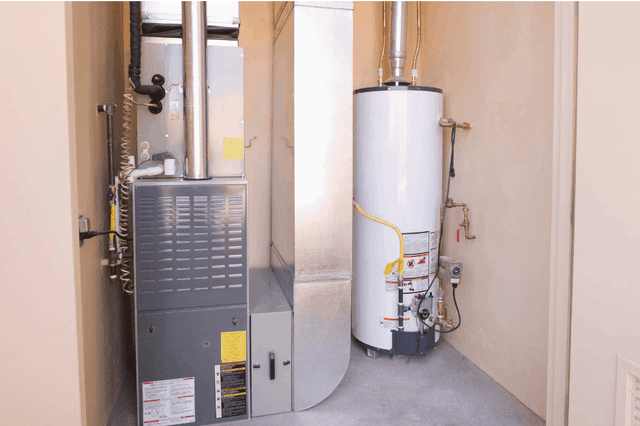
A furnace that fails to ignite can leave your home in the cold. Common issues include a faulty igniter, malfunctioning flame sensor, or a defective draft inducer fan motor. Replacing furnace filters and cleaning furnace parts can help prevent these problems.
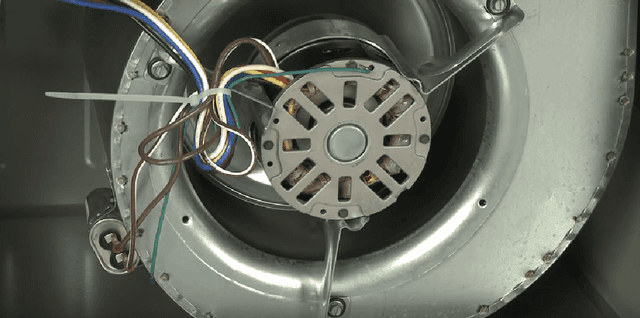
How to Replace a Furnace Blower Fan Motor
A malfunctioning furnace blower fan motor can disrupt your heating system, but replacing it doesn't have to be daunting. This article explains the blower motor's role in circulating air through your home and provides detailed, step-by-step guidance for safely removing and installing a new furnace blower fan motor.
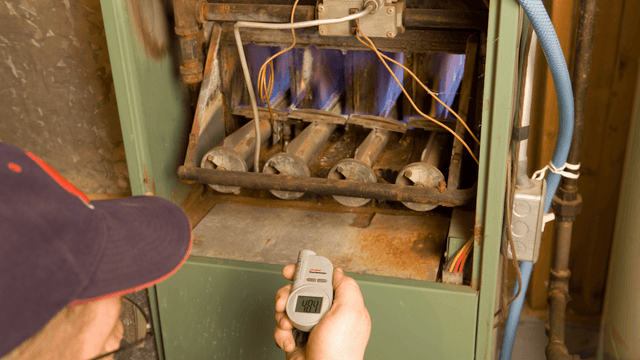
5 Causes of a Furnace Starting Then Stopping
A gas furnace that starts and then stops unexpectedly can be frustrating, especially during cold weather. This article explains five common causes, including issues with the flame sensor, pressure switch, control board, draft inducer fan motor, or air flow. Learn how each cause may impact your furnace's operation and get tips to resolve the problem.




Family-owned and operated since 1912, Burke America Parts Group is the longest-running genuine appliance, HVAC, and outdoor power equipment parts solution in North America. At Repair Clinic, we're proud to be an international brand trusted by the pros as well as the DIY community.
About Repair Clinic