


 Price Match Guarantee
Intertherm Furnace Gas Burner & Control Valve Parts
RC Item #2640029




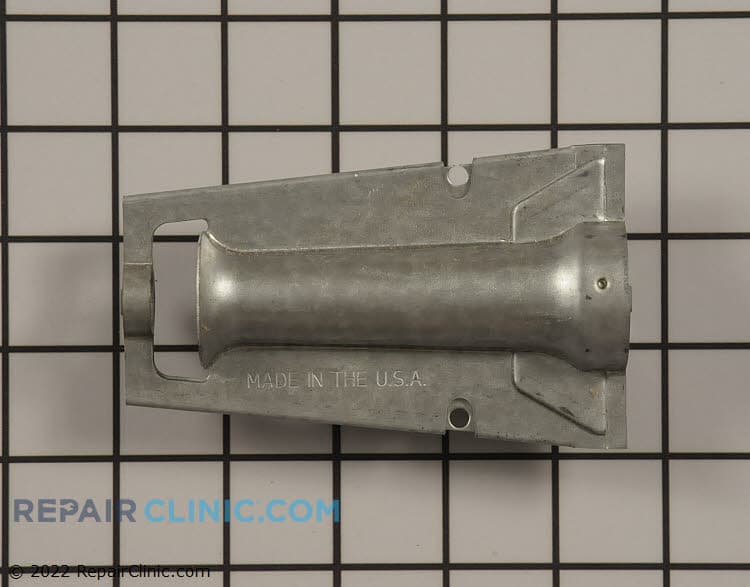
Inshot burner tube

Natural Gas Valve
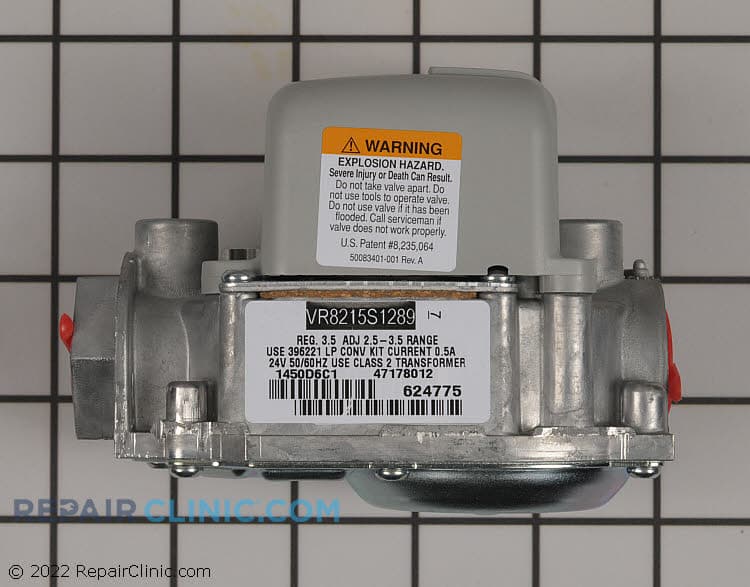
Valve, gas, 1st, hw, vr8215s
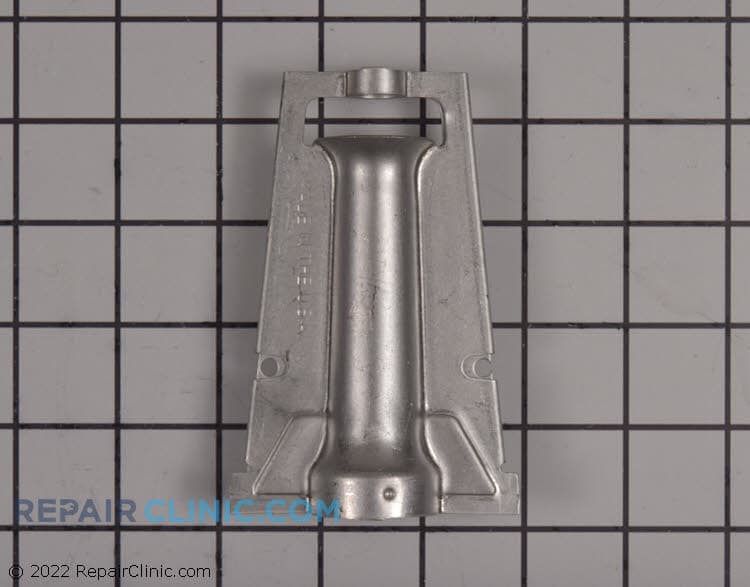
Burner, 3.0x4.5, cmf95/m7
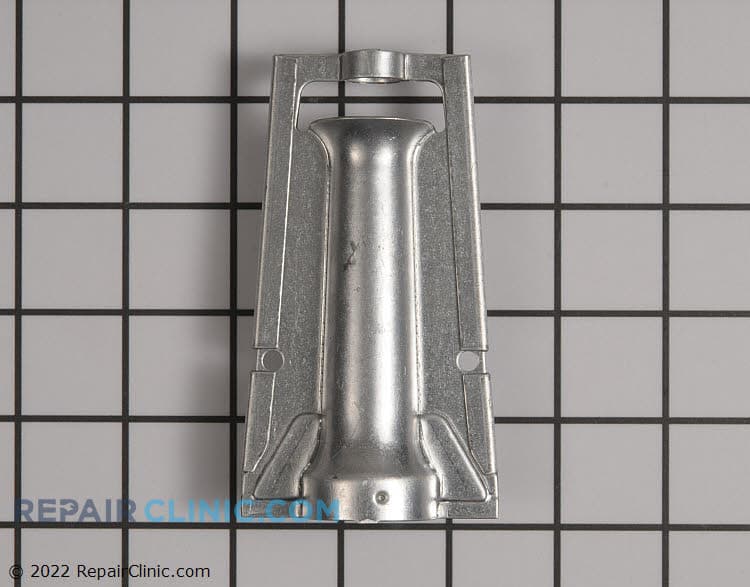
Inshot burner
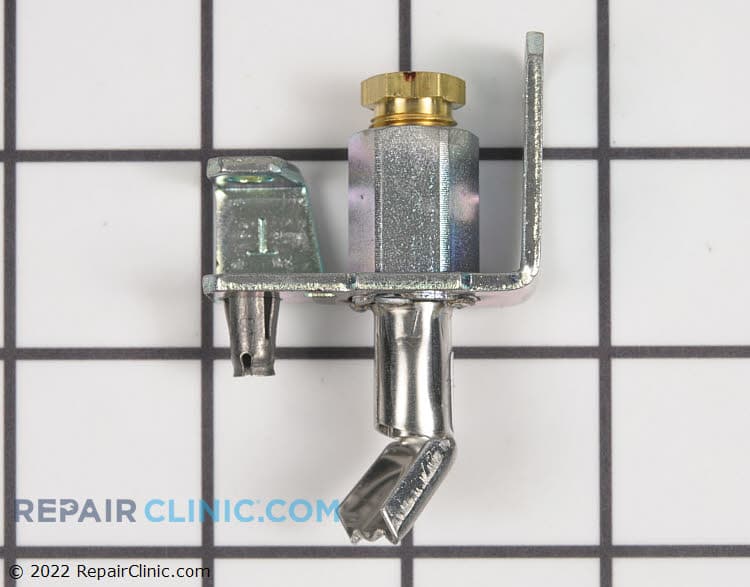
Pilot assembly
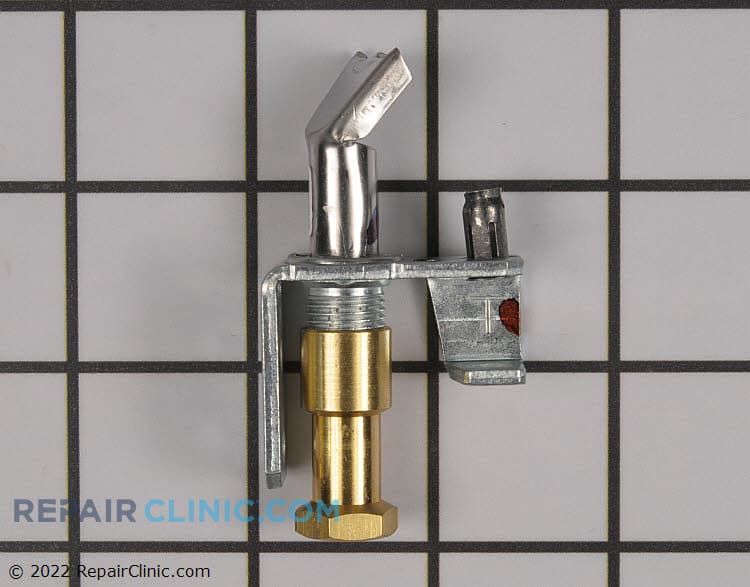
Pilot assembly
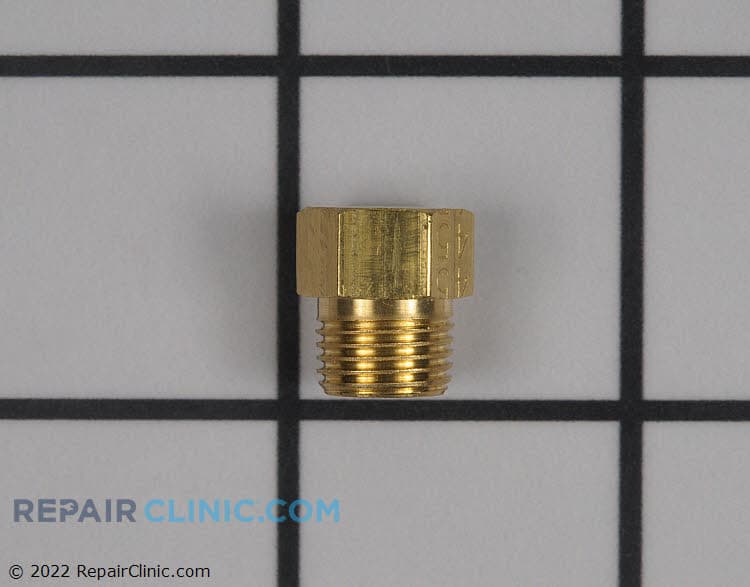
Propane orifice burner orifice.
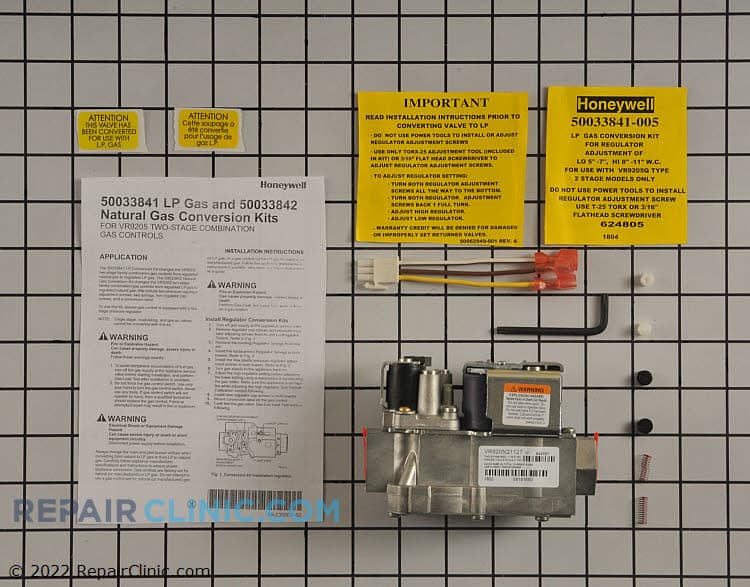
Gas valve kit, repl, vr8205q to vr9205q
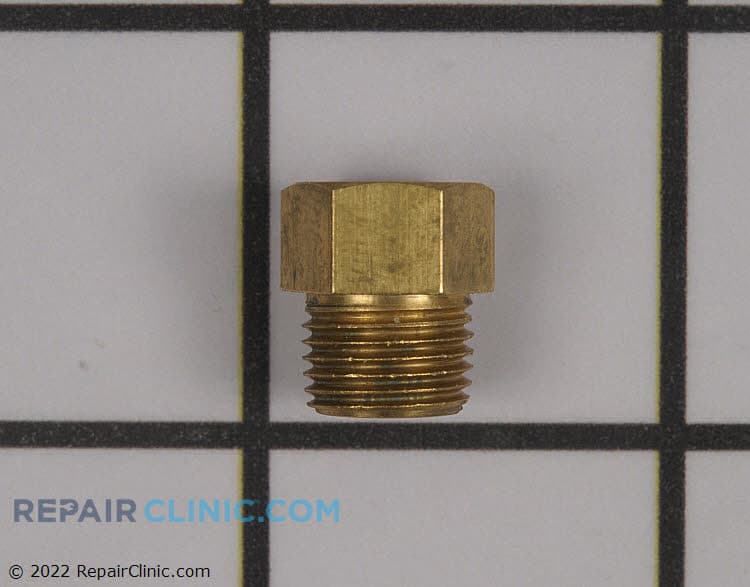
Orfice #43 h
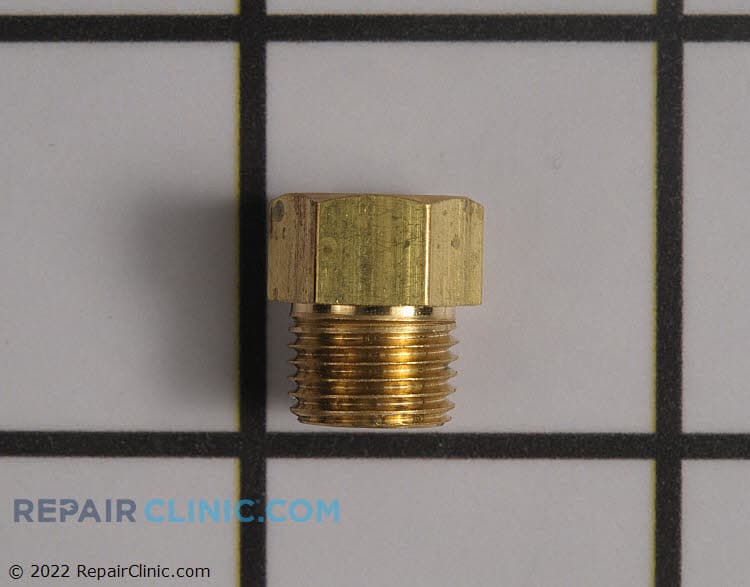
Burner orifice

Repl, g7 hx, 6, d, 90, t
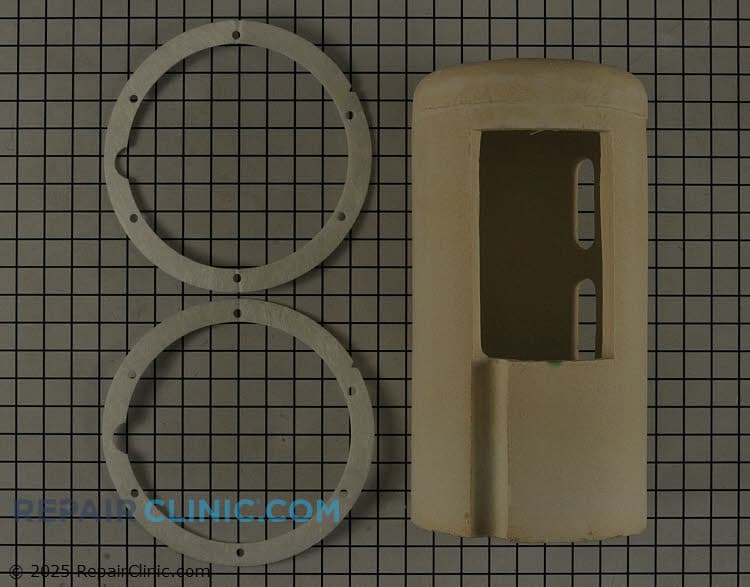
Combustion chamber, m1
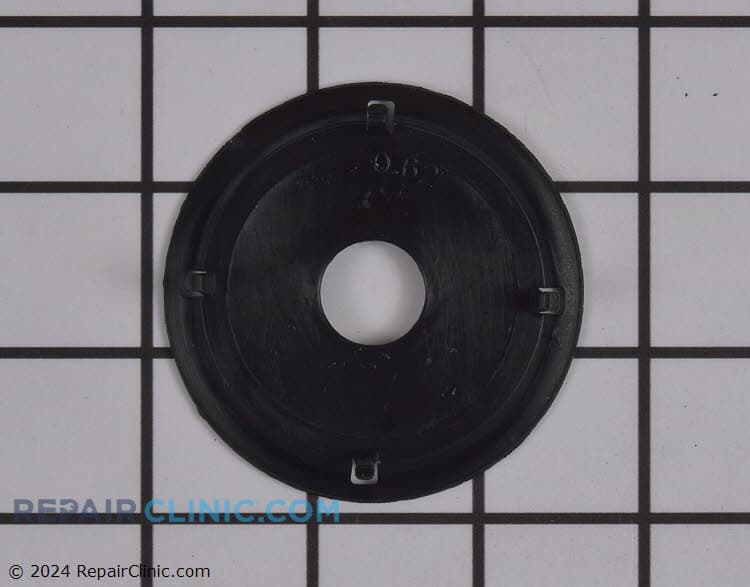
Orifice, inducer, 0.62
Orifice, inducer, .81


Intertherm Furnace Gas Valve & Burner Control Parts
The gas valve (also called a gas control valve or thermostat valve) is the gatekeeper of your Intertherm furnace — it opens and closes based on signals from the igniter and flame sensor to release gas into the burner assembly. When your furnace ignites but won't sustain flame, or won't ignite at all, the gas valve is often the culprit. Intertherm furnaces, especially in manufactured housing applications, rely on precise gas valve timing and pressure to keep you warm.
If your furnace is clicking the igniter repeatedly but gas never lights, or if you smell gas but no flame appears, a faulty gas valve may be preventing fuel flow. Always verify inlet and outlet pressure before replacing — sometimes a bad igniter or flame sensor is the real issue. We carry OEM Intertherm gas valve assemblies and burner control parts that match your model's exact specifications.
- Gas valve won't open: Igniter glows but no gas, or furnace clicks repeatedly — check for 24V signal at the solenoid
- Gas valve stuck open: Smell of gas, yellow flame at burner, or furnace won't shut off — dangerous; replace immediately
- Low or no flame: Weak burner ignition or slow heat-up — gas pressure may be low or valve partially stuck
- Burner control board failure: No signal to open valve, error code or LED fault indication — control board replacement needed
- Thermostat valve response: Furnace overshoots or undershoots target temperature — older mechanical thermostats may wear out
Find your Intertherm model number and enter it into our parts lookup — we'll show you the exact gas valve assembly, burner tray, and igniter configuration for your unit.
Find Replacement Intertherm Furnace Gas Burner & Control Valve Parts Online by Model or Part Number
Popular Intertherm Furnace Models
Related Intertherm Furnace Gas Burner & Control Valve Parts
- Intertherm Furnace Orifice Parts
- Intertherm Furnace Gas Tube or Connector Parts
- Intertherm Furnace Gas Valve Assembly Parts
- Intertherm Furnace Burner Tube Parts
- Intertherm Furnace Burner Baffle Parts
- Intertherm Furnace Burner Box Parts
- Intertherm Furnace Pilot Parts
- Intertherm Furnace Gas Burner Parts
- Intertherm Furnace Heat Exchanger Parts
- Intertherm Furnace Pressure Regulator Parts
Intertherm Gas Valve & Burner Parts — Frequently Asked Questions
What's the difference between a gas valve and a burner control valve?
In Intertherm furnaces, these terms are often used interchangeably. The gas valve is the solenoid-operated part that opens to allow gas flow when the igniter is hot and the control circuit sends a signal. The burner control valve assembly may include the gas valve, pressure regulators, and safety shutoffs all in one unit. OEM Intertherm assemblies are built as single units — replacing just the solenoid alone is not typically an option, so you'll order the complete valve assembly for your model.
How do I know if my Intertherm furnace has a gas valve problem vs. An igniter problem?
Listen and observe: if you hear the igniter clicking/buzzing and see it glow orange but smell no gas and see no flame, the igniter is working but gas isn't flowing — that points to the gas valve. If you hear the igniter click once or twice and stop, or the igniter never glows at all, the igniter itself is likely bad. You can also use a multimeter to check for 24V at the solenoid terminal when the furnace calls for heat — no voltage = bad control board; voltage present but no gas = bad valve.
Why do Intertherm furnaces in manufactured homes need special attention for gas valves?
Intertherm and Miller furnaces are the standard in mobile home heating. These furnaces operate at specific pressures and gas flow rates tuned to mobile home ducting and BTU requirements. Using an aftermarket or mismatched gas valve can cause improper burner flame, safety shutoffs, or heating inefficiency. Always use OEM Intertherm/Nordyne gas valves for your model — the part number and pressure rating are critical.
What should I check before replacing a gas valve?
First, verify your model number and confirm the gas valve part number. Second, check that the igniter is glowing and the flame sensor is clean (use fine steel wool). Third, use a manometer to measure inlet and outlet gas pressure — if pressures are normal but the valve still won't open when 24V is applied, the valve solenoid has failed. Fourth, confirm the control board is sending 24V to the solenoid during the call for heat — a bad board won't open the valve no matter how good the valve is.
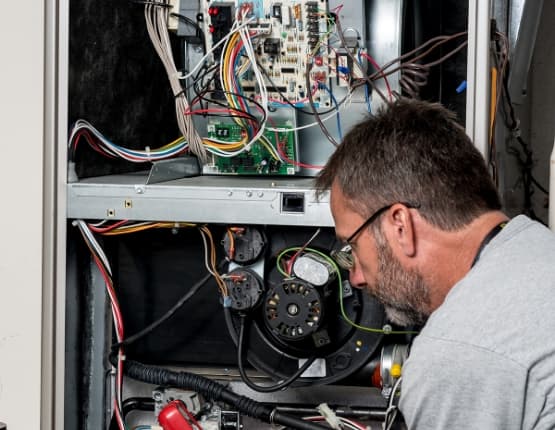
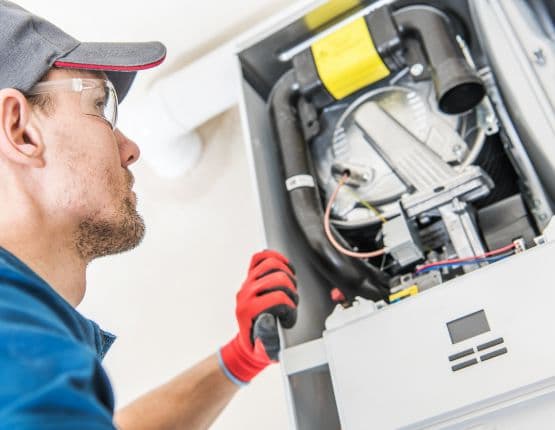
Order Intertherm Furnace Gas Burner & Control Valve Parts Online
Finding the right Intertherm furnace gas burner and control valve parts is easy with Repair Clinic. We offer a straightforward 365-day return policy, allowing you to return uninstalled parts within a year of purchase for any reason. Our price match guarantee ensures you pay the lowest price for genuine OEM replacement parts. Simply enter your model number or part number to quickly locate the parts you need, with same-day shipping available for orders placed before 9 P. M. Our extensive inventory includes gas valves, burners, and orifices, ensuring you can maintain or repair your furnace efficiently. Whether you're a homeowner or a professional technician, trust Repair Clinic to provide reliable Intertherm furnace parts to keep your heating system running smoothly. Visit our replacement parts page for more options.
Intertherm Furnace Model Number: Where to Look
Intertherm places the model number on a data plate inside the front access panel of most furnaces. You may also find it on the blower compartment door or near the gas valve. Look for a label showing "Model" or "Model Number," and copy every letter, number, and hyphen exactly as printed. Type it into our model number lookup and the catalog narrows to parts made for your unit, including the parts throughout the furnace, not just the gas burner or control valve. Using the complete model number helps match the furnace's design and specifications, so you can select compatible parts without sorting through unrelated results.

DIY Repair Resources for Intertherm Furnace
Whether you are new to appliance repair or a seasoned technician, Intertherm Furnace repairs go smoother with the right online resources. Troubleshooting videos, common-symptom articles, part testing guides, and wiring diagrams cover the diagnostic and installation steps. Use the model number lookup to confirm the exact OEM part for your unit, then follow the matching video from start to finish.
Related Furnace Repair Help Articles
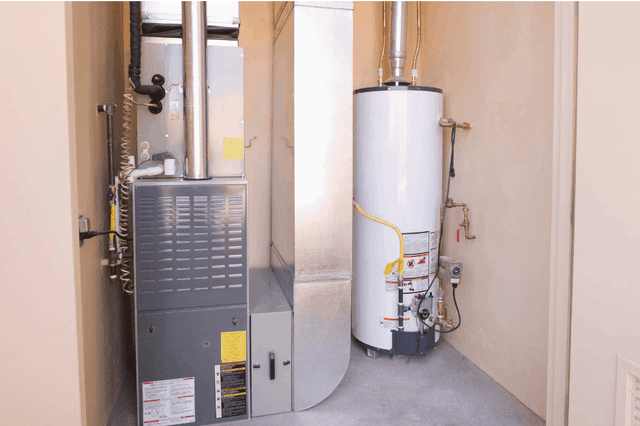
Top Reasons Furnace is Not Igniting
A furnace that fails to ignite can leave your home in the cold. Common issues include a faulty igniter, malfunctioning flame sensor, or a defective draft inducer fan motor. Replacing furnace filters and cleaning furnace parts can help prevent these problems.
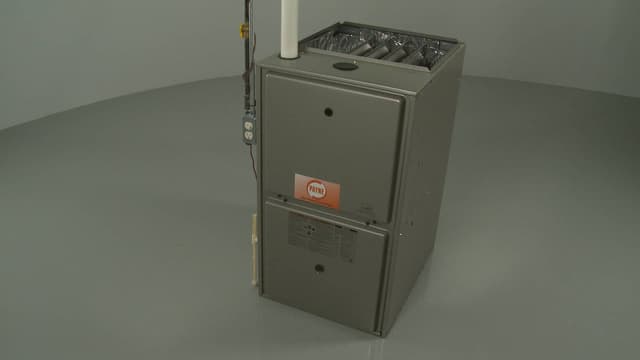
Why is My Furnace Not Working?
Learn why your furnace isn't working by understanding its ignition sequence and identifying common faulty parts like the igniter, flame sensor, or control board. This article provides practical repair tips and insights into each part's role in the heating process.
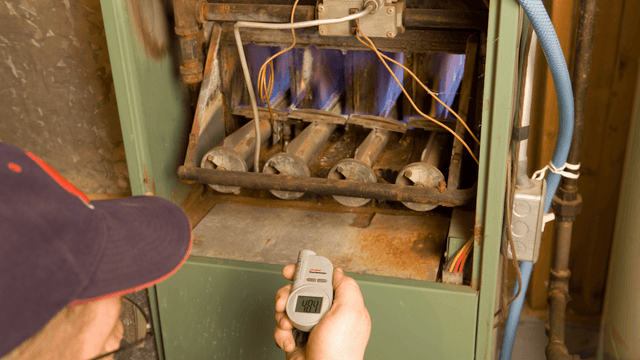
5 Causes of a Furnace Starting Then Stopping
A gas furnace that starts and then stops unexpectedly can be frustrating, especially during cold weather. This article explains five common causes, including issues with the flame sensor, pressure switch, control board, draft inducer fan motor, or air flow. Learn how each cause may impact your furnace's operation and get tips to resolve the problem.




Family-owned and operated since 1912, Burke America Parts Group is the longest-running genuine appliance, HVAC, and outdoor power equipment parts solution in North America. At Repair Clinic, we're proud to be an international brand trusted by the pros as well as the DIY community.
About Repair Clinic