


 Price Match Guarantee
Thermal Zone Furnace Parts
- Adhesive
- Blower Wheel & Fan Blade
- Bracket & Flange
- Cap, Lid & Cover
- Capacitor
- Circuit Board & Timer
- Deflector & Chute
- Door
- Drip Bowl & Drip Pan
- Duct & Venting
- Engine
- Fastener
- Fuse, Thermal Fuse & Breaker
- Gas Burner & Control Valve
- Gasket & Seal
- Hose, Tube & Fitting
- Igniter
- Miscellaneous
- Motor
- Paint
- Panel
- Sensor & Thermistor
- Switch
- Tank & Container
- Transformer
- Wire, Receptacle & Wire Connector
Find the right part faster
Multiple models matched. Select your model to confirm fit.




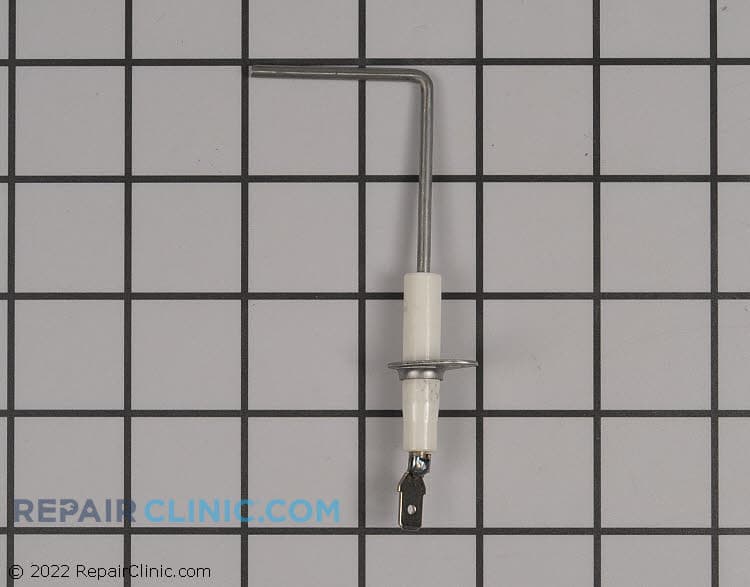
Flame sensor
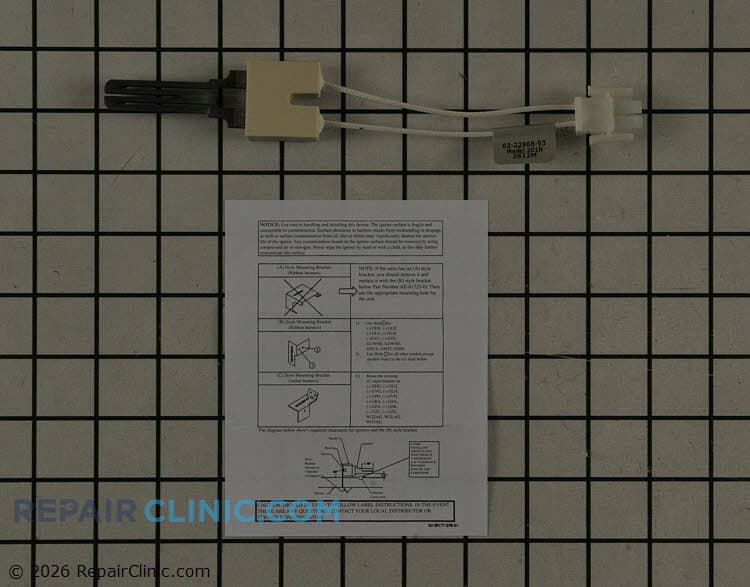
Hot surface igniter

Limit switch, L350F manual reset
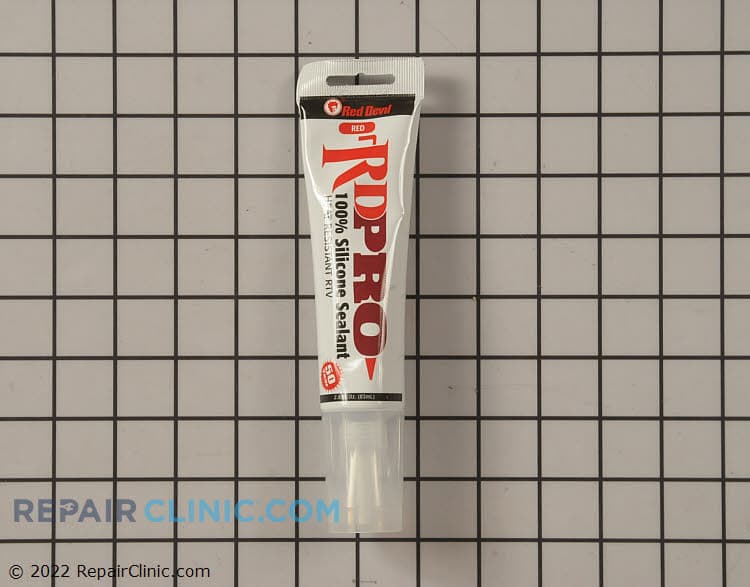
2.8 oz Tube of Red Devil High Temp RTV Silicone. Perfect for Gasket replacement. Not for Heat Exchangers.
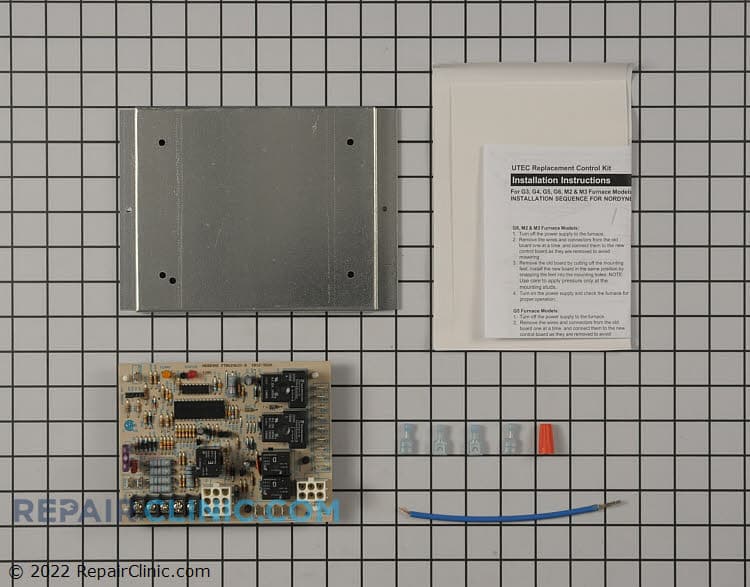
Furnace control board. The control board regulates the supply of power to the furnace components. Be sure to check more commonly defective parts before replacing the control board.
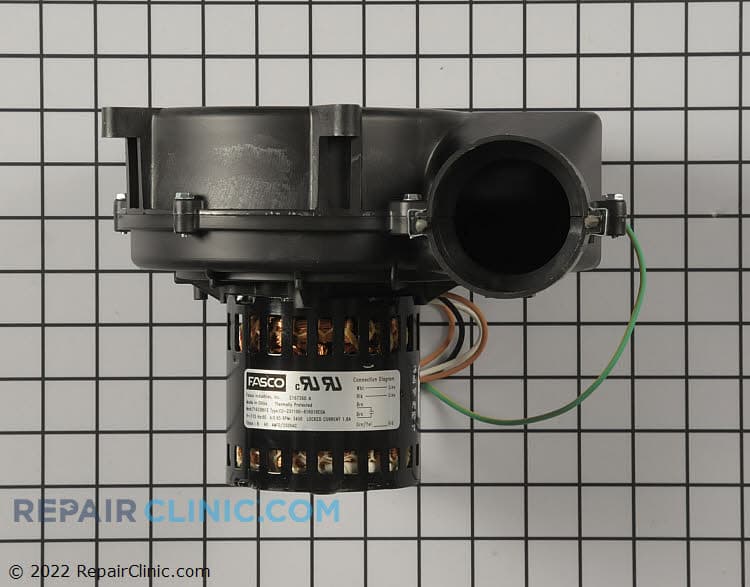
Induced draft blower motor with gasket, 120 volts. Furnace draft inducer motor. The draft inducer motor draws air into the burner and exhausts it out the flue. If the draft inducer motor is defective, the furnace may not heat.
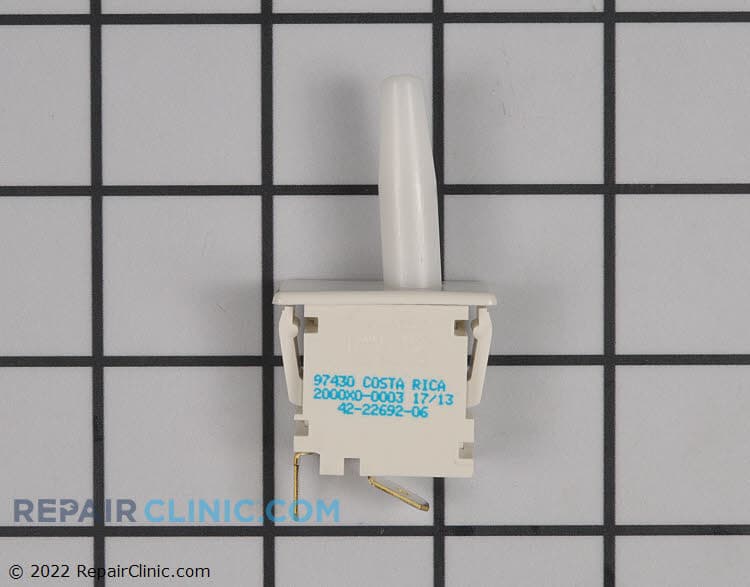
Door Switch
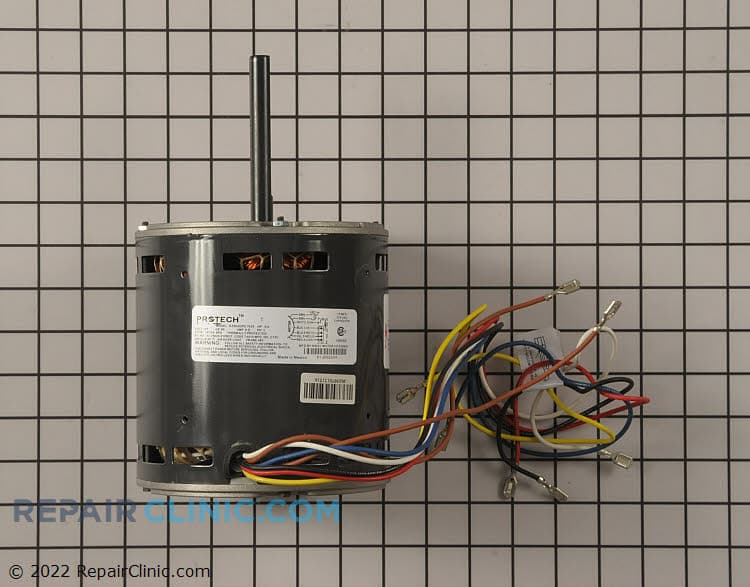
3/4HP 115Volts 60Hz 9.5 amp 1075 RPM's 4 Speed Open Enclosure 48Y Frame Single Phase CCW 3.75" Shaft
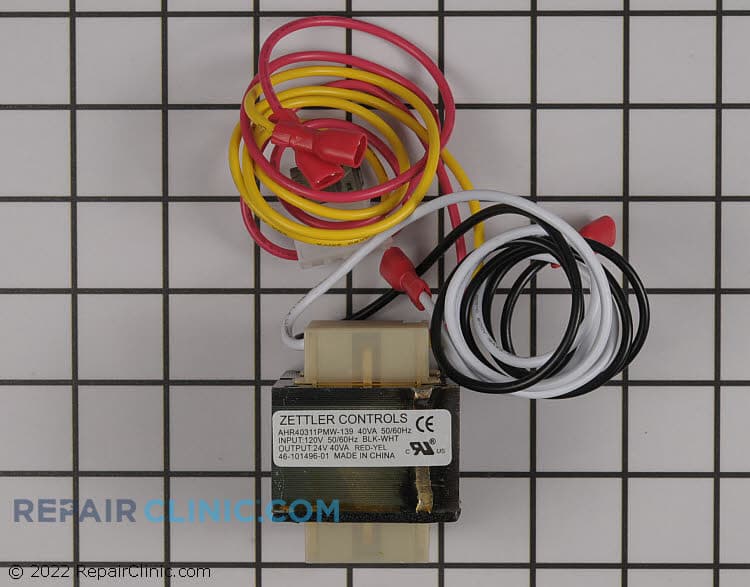
Transformer, 120 Volts Primary, 24 Volt Secondary, 40VA
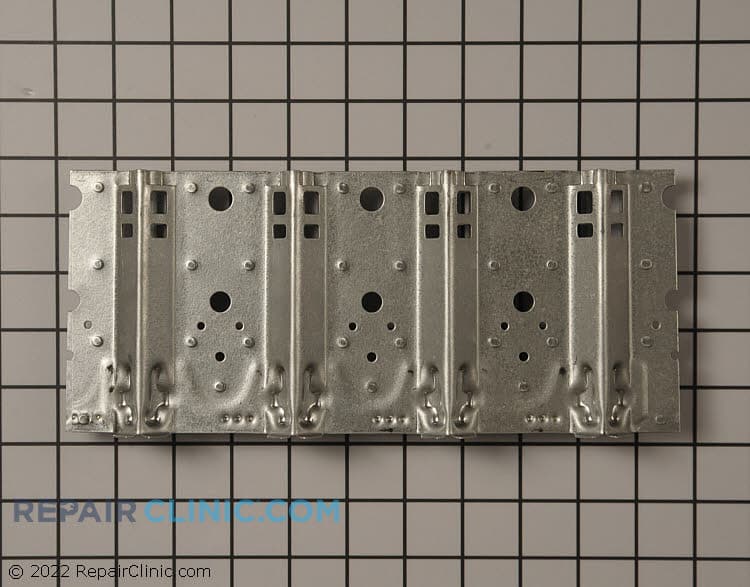
Burner assembly
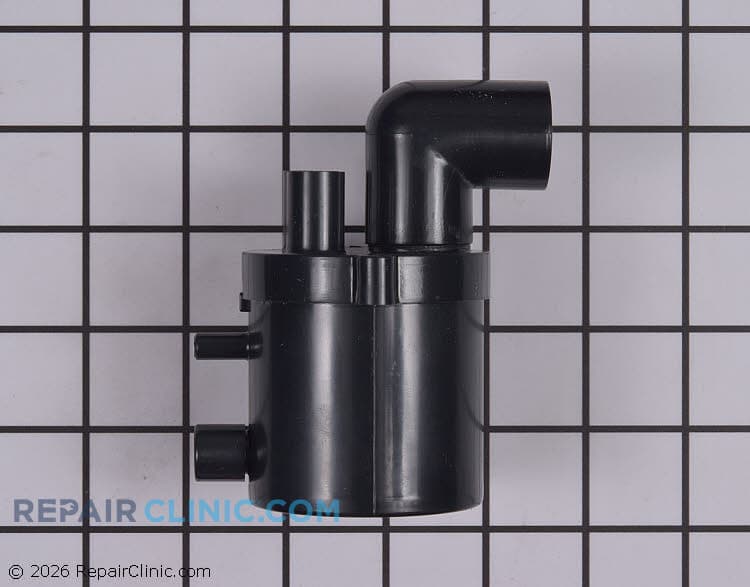
Condensate Trap
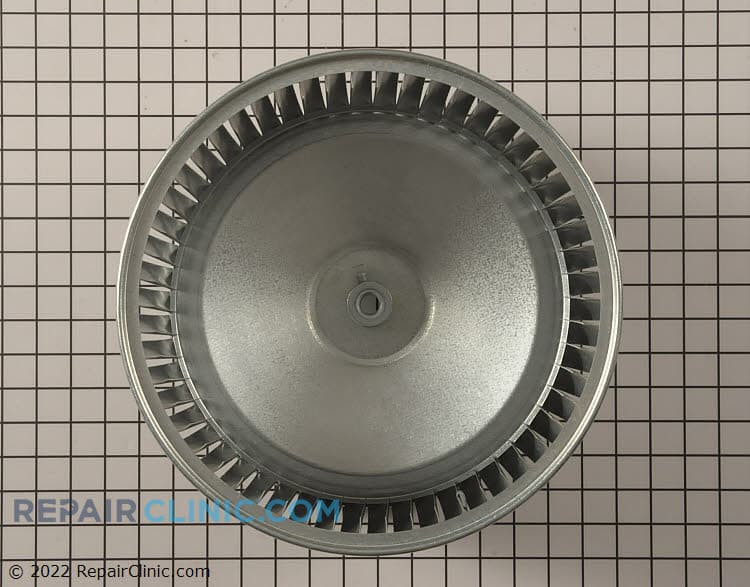
Blower Wheel, 11 7/8" Diameter x 10 11/16" Wide, 1/2" Bore, CW Rotation
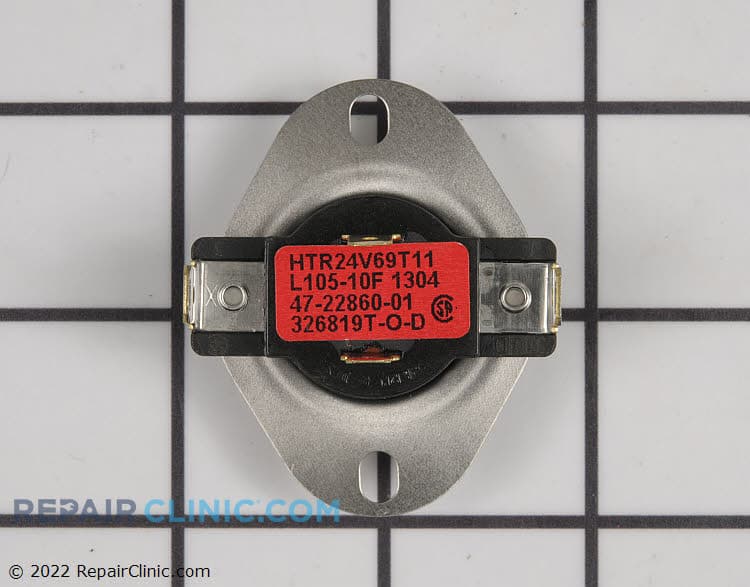
Limit switch, L105-10F
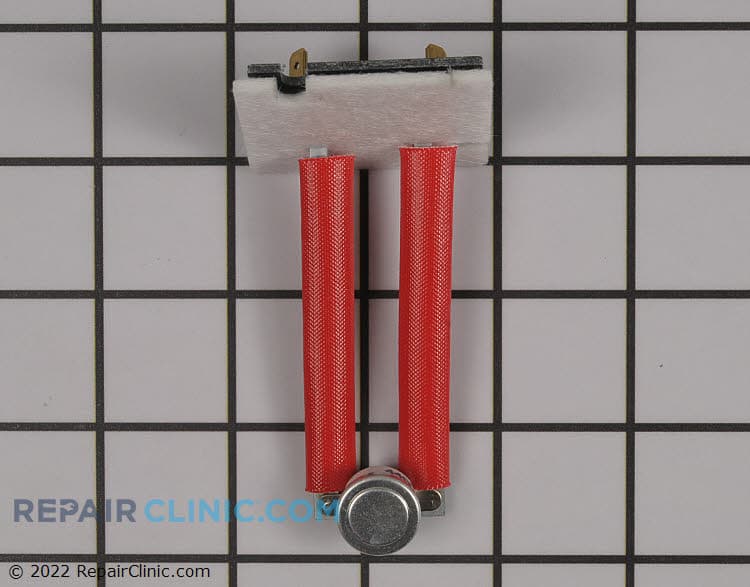
Limit Switch, SPST N/C 190' Open 170' Close
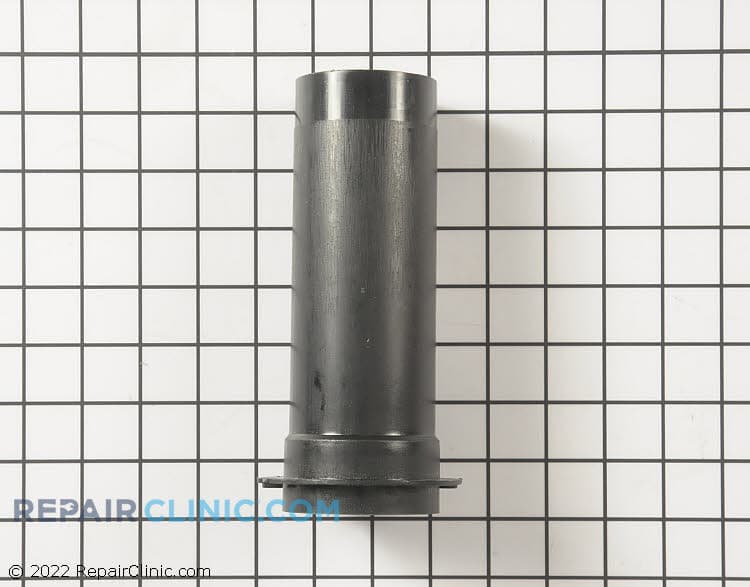
Outlet air pipe


Thermal Zone Furnace Parts
Thermal Zone furnaces are built for commercial and light commercial HVAC applications, and like most systems in the field for 10+ years, they develop predictable failure patterns. The most common repairs involve igniters that won't glow, draft inducer motors that fail, and pressure switches that trip repeatedly — often caused by a blocked drain or cracked hose, but sometimes the switch itself. Control boards and flame sensors round out the top failures.
Finding your exact Thermal Zone model number is the first step to getting the right part. These furnaces often share parts with other Johnson Controls family brands (York, Luxaire, Airtemp, Weatherking), so your model will pinpoint which igniter type, control board, and motor assembly you need. Aftermarket parts may fit, but OEM Thermal Zone parts are engineered for your system's voltage and pressure specs.
- Hot surface igniters: furnace clicks but won't ignite; verify silicon carbide vs. Silicon nitride type for your model
- Draft inducer motors: rattling noise, furnace won't start, or pressure switch keeps tripping after motor failure
- Pressure switches: tripped switch prevents every heating cycle; rule out blocked drain first
- Flame sensors: furnace ignites then shuts off within seconds; sensor sees no flame and cuts gas
- Blower motors & capacitors: no air from vents or motor runs slowly; capacitor often fails first
Enter your Thermal Zone model number above to see parts specific to your furnace and get same-day shipping on igniters, motors, boards, and all high-failure parts.
Find Replacement Thermal Zone Furnace Parts Online by Model or Part Number
Popular Thermal Zone Furnace Models
Related Thermal Zone Furnace Parts
- Thermal Zone Furnace Miscellaneous Parts
- Thermal Zone Furnace Blower Wheel & Fan Blade Parts
- Thermal Zone Furnace Gas Burner & Control Valve Parts
- Thermal Zone Furnace Switch Parts
- Thermal Zone Furnace Drip Bowl & Drip Pan Parts
- Thermal Zone Furnace Engine Parts
- Thermal Zone Furnace Wire, Receptacle & Wire Connector Parts
- Thermal Zone Furnace Hose, Tube & Fitting Parts
- Thermal Zone Furnace Paint
- Thermal Zone Furnace Bracket & Flange Parts
- Thermal Zone Furnace Cap, Lid & Cover Parts
- Thermal Zone Furnace Motor Parts
- Thermal Zone Furnace Panel Parts
- Thermal Zone Furnace Duct & Venting Parts
- Thermal Zone Furnace Gasket & Seal Parts
- Thermal Zone Furnace Deflector & Chute Parts
- Thermal Zone Furnace Fastener Parts
- Thermal Zone Furnace Sensor & Thermistor Parts
- Thermal Zone Furnace Tank & Container Parts
- Thermal Zone Furnace Door Parts
- Thermal Zone Furnace Fuse, Thermal Fuse & Breaker Parts
- Thermal Zone Furnace Adhesive
- Thermal Zone Furnace Capacitor Parts
- Thermal Zone Furnace Circuit Board & Timer Parts
- Thermal Zone Furnace Igniter Parts
- Thermal Zone Furnace Transformer Parts
Thermal Zone Furnace Parts: Frequently Asked Questions
What are the most common Thermal Zone furnace failures?
Hot surface igniters are the #1 Thermal Zone furnace repair — the igniter glows orange but won't fully open the gas valve, or doesn't glow at all. Draft inducer motors fail next (you'll hear rattling or grinding before it quits), followed by pressure switches that trip from blocked drains or failed inducer motors. Flame sensors cause the furnace to start then shut off within 15 seconds. Control boards, limit switches, and blower motor capacitors round out the top six failures.
How do I find my Thermal Zone furnace model number?
Your model number is on a data plate mounted to the furnace cabinet — usually on the front cover, side panel, or the flue vent collar. It starts with letters (like TZ, TZC, or TZWH) followed by numbers. Write it down exactly as it appears; Thermal Zone uses model variants with different control boards and igniter types. The model number is also in your furnace's wiring diagram (inside the front door) and any warranty paperwork.
Why does my Thermal Zone furnace pressure switch keep tripping?
A tripped pressure switch is usually a symptom, not the switch itself. Check first: (1) Is the vent pipe or ductwork to the condenser unit blocked by snow, lint, or debris? (2) Is the drain line kinked or clogged? (3) Is the inducer motor running (you should hear it spin for 30 seconds before ignition)? If the inducer motor is dead, the pressure never builds, and the switch shuts the furnace down as a safety measure. Once you've ruled out blockage and motor failure, then replace the pressure switch itself.
Can I use aftermarket Thermal Zone furnace parts instead of OEM parts?
Aftermarket igniters, control boards, and inducer motors may physically fit, but OEM Thermal Zone parts are engineered for your furnace's exact voltage, amperage, and pressure specs. A mismatched igniter resistance can prevent proper gas valve triggering; an aftermarket control board may not have the correct sensor inputs or safety sequences. For safety and reliability, OEM parts are the right choice. Repair Clinic stocks genuine OEM Thermal Zone parts and carries Johnson Controls family brands (York, Luxaire, Airtemp) parts that cross-reference to many Thermal Zone models.
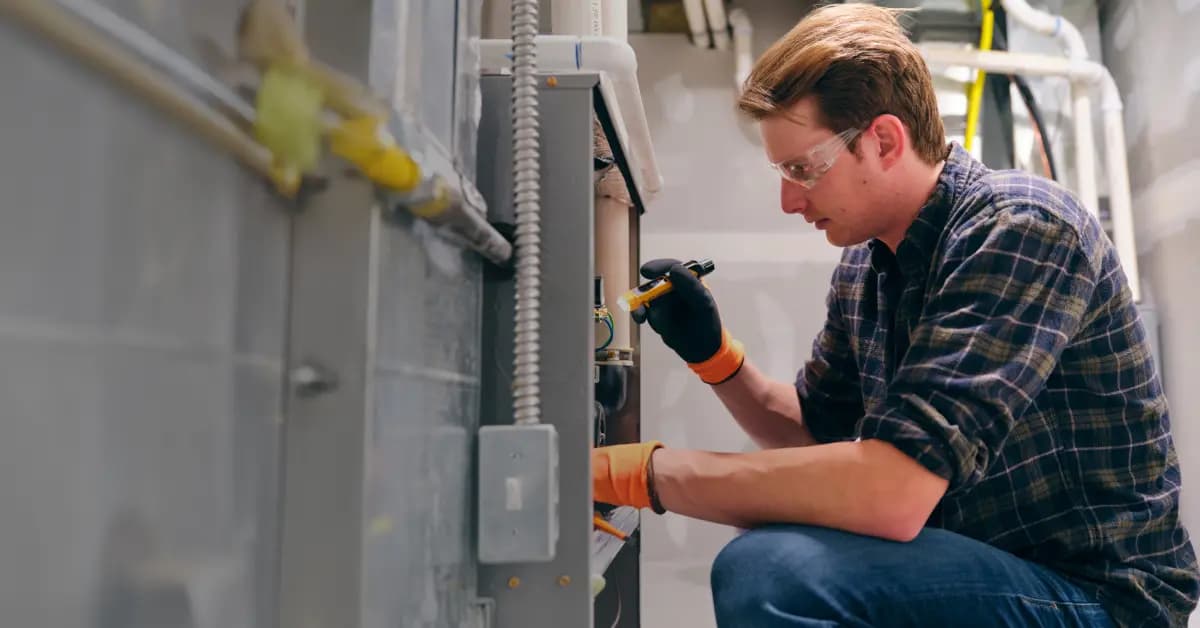
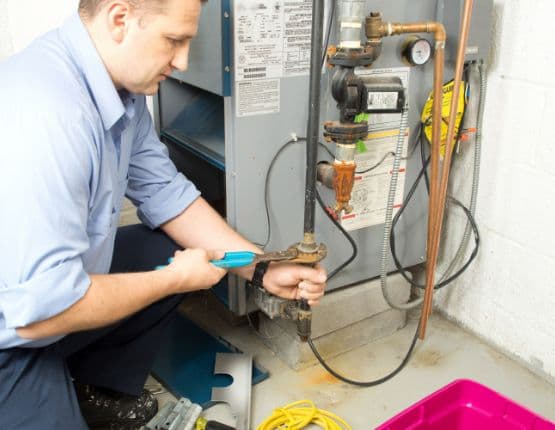
Order Thermal Zone Furnace Replacement Parts Online
Ordering your Thermal Zone furnace parts online. Use your model number to get the right part. We offer a full range of genuine OEM replacement parts to ensure your furnace operates efficiently. Our user-friendly platform allows you to find the exact part you need by simply entering your model or part number. Plus, our Price Match Guarantee helps you shop with confidence on all furnace parts. With same-day shipping available, your Thermal Zone furnace will be back to providing comfort in no time.
Thermal Zone Furnace Model Number: Where to Look
Thermal Zone furnaces usually list the model number on a data plate attached to the cabinet. Look on the front cover, side panel, or around the flue vent collar, and check the wiring diagram inside the front door if the label is hard to see. Copy every letter and number, including suffixes, because similar units can use different controls or motors. Type that number into the model number search bar to narrow the complete Thermal Zone furnace parts catalog to parts that fit your specific unit. You will spend less time comparing specifications and can order with confidence knowing the fit is right.

Video Walkthroughs and Written Guides for Thermal Zone Furnace
Repair Clinic pairs step-by-step written repair guides with matching video walkthroughs so Thermal Zone Furnace owners and technicians can work at their own pace. Common-symptom articles, part testing videos, and exploded-view diagrams round out the online reference material. Use the model number lookup to match the exact OEM part before you order.
Related Furnace Repair Help Articles
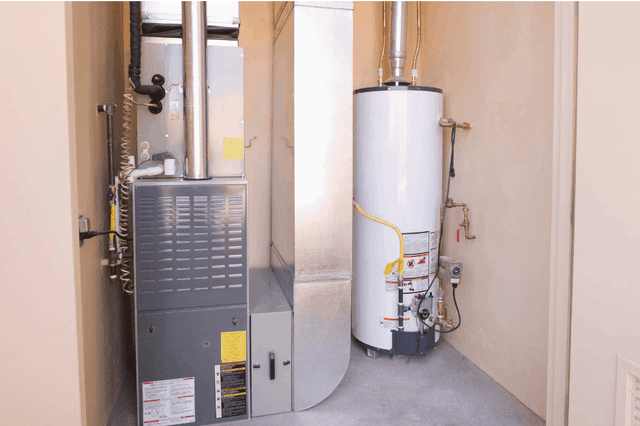
Top Reasons Furnace is Not Igniting
A furnace that fails to ignite can leave your home in the cold. Common issues include a faulty igniter, malfunctioning flame sensor, or a defective draft inducer fan motor. Replacing furnace filters and cleaning furnace parts can help prevent these problems.
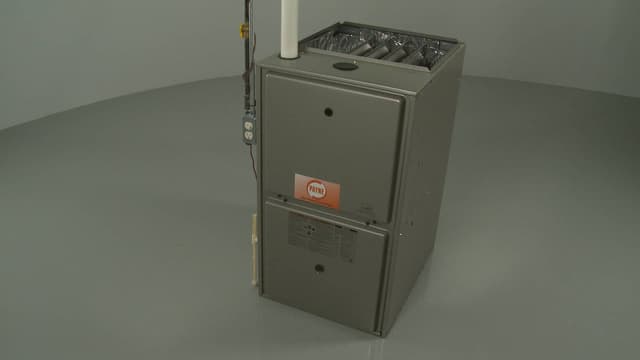
Why is My Furnace Not Working?
Learn why your furnace isn't working by understanding its ignition sequence and identifying common faulty parts like the igniter, flame sensor, or control board. This article provides practical repair tips and insights into each part's role in the heating process.
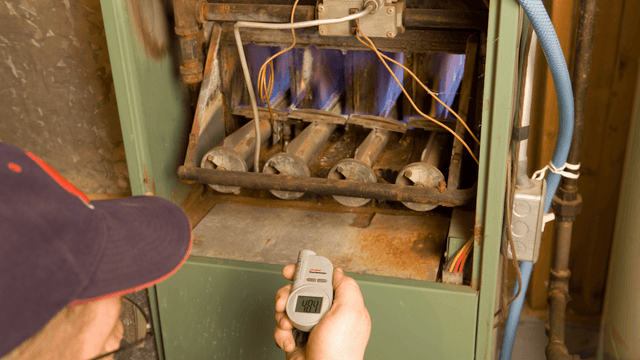
5 Causes of a Furnace Starting Then Stopping
A gas furnace that starts and then stops unexpectedly can be frustrating, especially during cold weather. This article explains five common causes, including issues with the flame sensor, pressure switch, control board, draft inducer fan motor, or air flow. Learn how each cause may impact your furnace's operation and get tips to resolve the problem.




Family-owned and operated since 1912, Burke America Parts Group is the longest-running genuine appliance, HVAC, and outdoor power equipment parts solution in North America. At Repair Clinic, we're proud to be an international brand trusted by the pros as well as the DIY community.
About Repair Clinic