


 Price Match Guarantee
Honeywell Furnace Circuit Board & Timer Parts




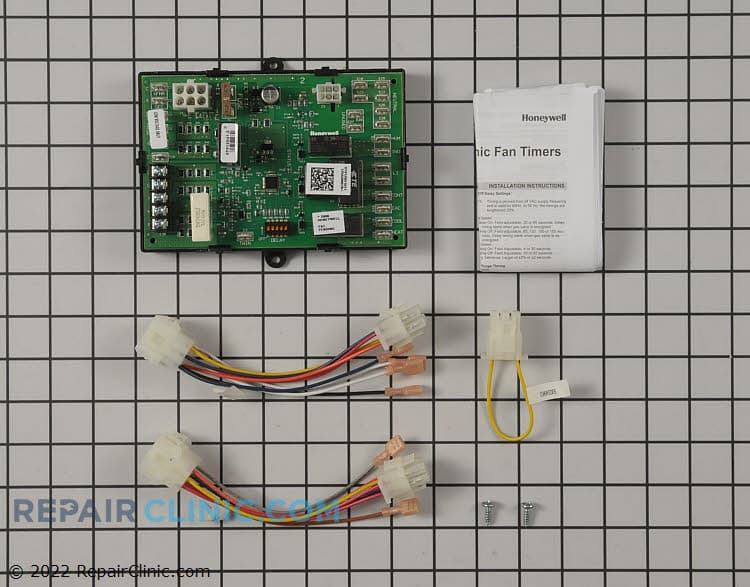
Universal electronic fan timer with adjustable heat
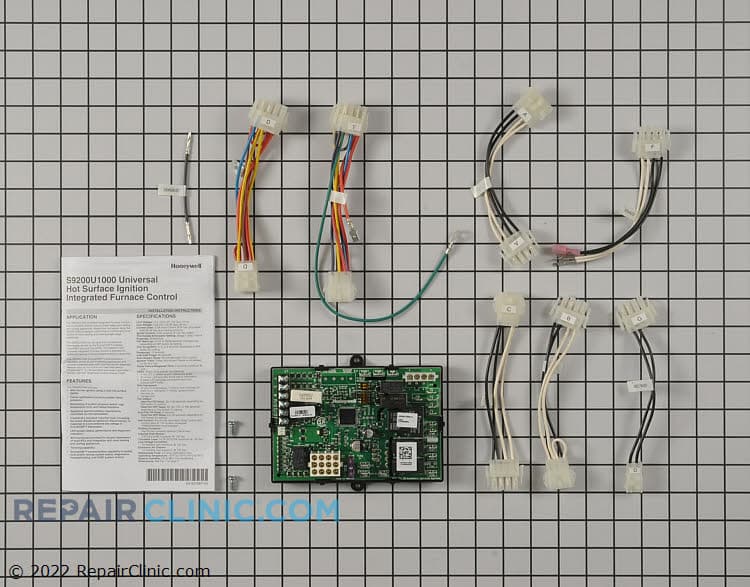
Hot surface ignition control

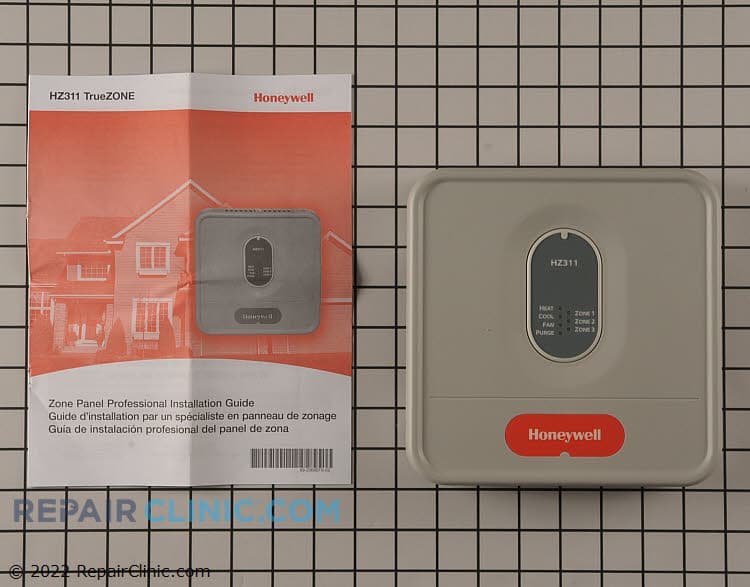
3 zonepanel 1ht/1cl


Honeywell Furnace Control Boards & Gas Valves
Honeywell manufactures gas valve and control board assemblies used across dozens of furnace brands — Carrier, Trane, Lennox, Rheem, Goodman, and many others rely on Honeywell controls. When your furnace won't ignite, cycles erratically, or shows error codes, the Honeywell gas valve or control board is often the source. These parts are brand-agnostic; what matters is your furnace model number and the voltage/pressure specifications.
The most common Honeywell furnace control failures are the V8600 series gas valve (used across Carrier and Bryant furnaces) and timing boards that regulate ignition sequence and flame sensing. OEM Honeywell parts maintain exact calibration for your system — aftermarket substitutes can cause intermittent ignition, safety lockouts, or complete failure to start.
- V8600/SV9501 Gas Valve: Pilot light won't light or gas won't flow after ignition; controls gas delivery to burner
- Honeywell Ignition Control Board: Furnace clicks but won't ignite; regulates igniter glow time and flame detection
- Pilot Gas Valve (VR8300): Pilot solenoid stuck; pilot won't stay lit or won't light at all
- Integrated Furnace Control (IFC) Board: Error codes, blinking LED, no response to thermostat; brain of the heating cycle
- Combustion Air Fan Control: Inducer motor won't run or pressure switch won't clear; timing and safety interlock
Find Replacement Honeywell Furnace Circuit Board & Timer Parts Online by Model or Part Number
Popular Honeywell Furnace Models
Related Honeywell Furnace Circuit Board & Timer Parts
Honeywell Furnace Controls: Common Questions
What does a Honeywell V8600 gas valve do, and how do I know if it's failed?
The V8600 is a solenoid gas valve that opens when the igniter reaches temperature, allowing gas to flow to the burner. If your furnace ignites (you see the hot surface igniter glow orange) but gas never flows and the burner doesn't light, the V8600 is the prime suspect. You may also hear a clicking sound as the valve tries to open but fails. Verify 24V control voltage at the valve terminals first — if voltage is present but gas doesn't flow, the valve solenoid or internal seat has failed and needs replacement. This is a $150 to $300 OEM part depending on your furnace brand.
Can I use an aftermarket Honeywell control board, or must it be OEM?
For standard Honeywell ignition controllers, aftermarket boards sometimes work — but OEM boards are always the safer choice, especially for older furnaces where exact timing calibration matters. For integrated or communicating control boards (used in Carrier Infinity, Lennox iComfort, Trane XC95m systems), OEM only. Aftermarket boards will not communicate with the system and the furnace will not fire. Check your furnace model number to confirm board type before ordering.
My furnace has a Honeywell control board with blinking error codes. What do the codes mean?
Honeywell control boards communicate through LED blink patterns — count the blinks between pauses to identify the error. Common codes: 2 blinks = pressure switch open (blocked vent, failed inducer motor); 3 blinks = flame loss (dirty flame sensor, failed igniter); 4 blinks = igniter circuit open (failed igniter or loose wiring). Always verify your furnace model number and consult the manufacturer's code guide — Repair Clinic's parts pages and manuals can help. Once you identify the code, you can often replace a single part (like a flame sensor or igniter) rather than the board itself.
How do I find the right Honeywell gas valve for my furnace?
Honeywell gas valves are cross-brand compatible but model-specific. Enter your furnace's full model number into Repair Clinic's lookup tool — it will show you the correct valve (V8600, VR8300, etc.) with inlet/outlet connections, voltage, and pressure specs. Never guess on gas valve specs; pressure mismatch or wrong solenoid size can cause gas flow problems or safety lockouts. If you're unsure about your model number, find it on the furnace data plate (usually inside the cabinet on the front panel or sidewall).
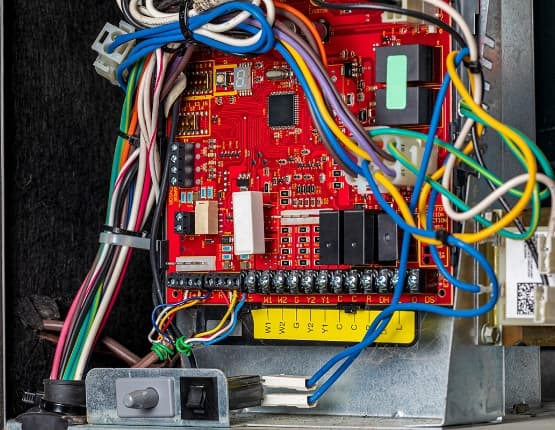
Order Honeywell Furnace Circuit Boards Online
Finding the right Honeywell furnace circuit board is easy with Repair Clinic's extensive online inventory. We offer a Price Match Guarantee, ensuring you get the best price on all genuine OEM replacement parts. If you're not satisfied, take advantage of our No-Hassle 365-Day Returns policy to return uninstalled parts within a year for a full refund. Easily locate the correct circuit board for your furnace using our model or part number lookup tools, and enjoy same-day shipping on orders placed by 9:00 PM ET With Repair Clinic, you can confidently manage your furnace repairs and maintenance.
Honeywell Furnace Model Number: Where to Look
On Honeywell furnaces, check the blower compartment door for the equipment data plate, then look inside the front access panel or near the gas valve if the label is not there. The model number belongs to the entire furnace, not just the control board, timer, or another individual part. Copy the complete model number, including letters, numbers, and any dashes, and enter it in the search bar to narrow the catalog to parts made for your specific furnace. Using the full number helps account for differences in controls, ignition parts, and other associated parts across Honeywell systems. It is the quickest way to be sure the part fits before you order.

Step-by-Step Repair Resources for Honeywell Furnace
Before you order parts for your Honeywell Furnace, use Repair Clinic's online repair resources to confirm the cause of the problem. Symptom-based articles narrow the failing component, part testing videos show how to verify it, and the model number lookup matches the exact OEM replacement. Step-by-step installation videos walk you through the swap once the part arrives.
Related Furnace Repair Help Articles
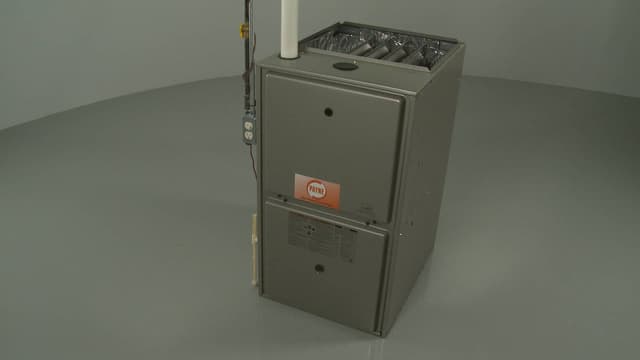
How To Replace a Circuit Board in Your Furnace
Replacing a malfunctioning furnace circuit board may be the key to restoring your heating system's functionality. This article provides a clear guide to understanding the role of the circuit board in a furnace's ignition sequence, common reasons for circuit board failure, and step-by-step instructions for replacing a furnace circuit board.
Why is My Furnace Not Working?
Learn why your furnace isn't working by understanding its ignition sequence and identifying common faulty parts like the igniter, flame sensor, or control board. This article provides practical repair tips and insights into each part's role in the heating process.
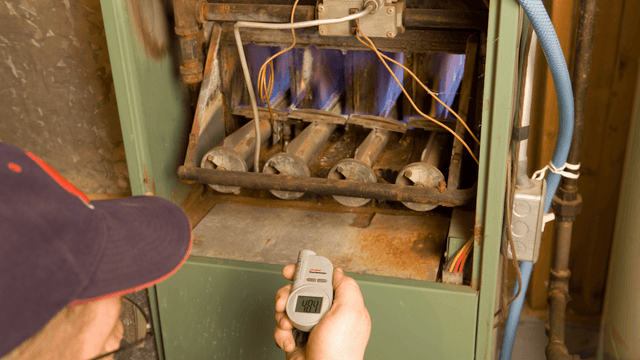
5 Causes of a Furnace Starting Then Stopping
A gas furnace that starts and then stops unexpectedly can be frustrating, especially during cold weather. This article explains five common causes, including issues with the flame sensor, pressure switch, control board, draft inducer fan motor, or air flow. Learn how each cause may impact your furnace's operation and get tips to resolve the problem.




Family-owned and operated since 1912, Burke America Parts Group is the longest-running genuine appliance, HVAC, and outdoor power equipment parts solution in North America. At Repair Clinic, we're proud to be an international brand trusted by the pros as well as the DIY community.
About Repair Clinic