


 Price Match Guarantee
Honeywell Furnace Gas Burner & Control Valve Parts





1/2 " Main natural gas valve, 24 volt, dual
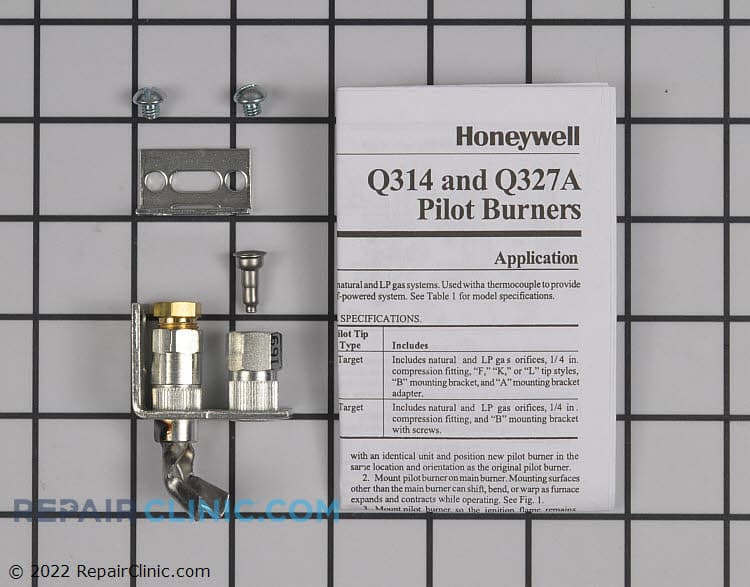
Pilot burner

3/4"univgasvlv lpkit -40-175f

Gas valve with standard opening, includes LP conversion kit
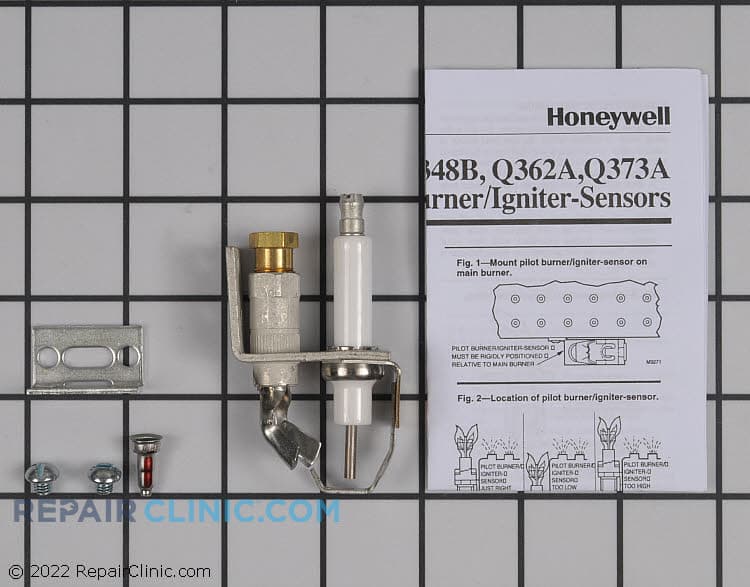
Pilot burner for natural gas, includes spark igniter and orifice
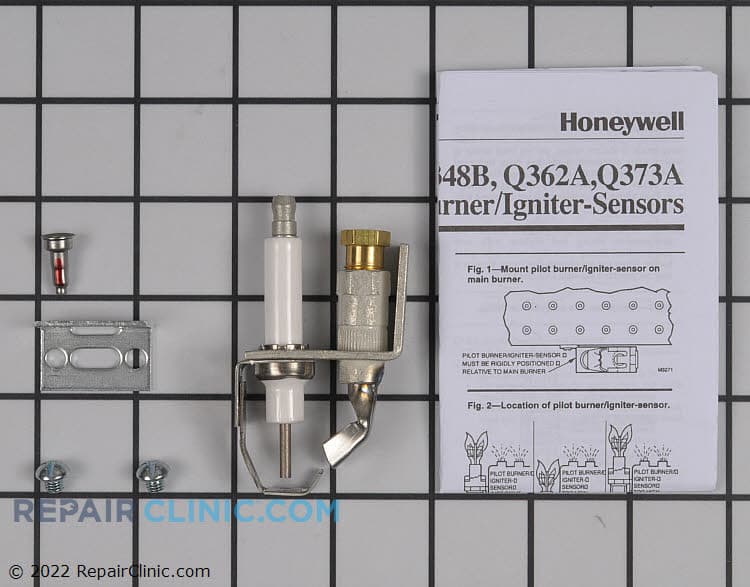
Pilot burner for natural gas, includes spark igniter and orifice
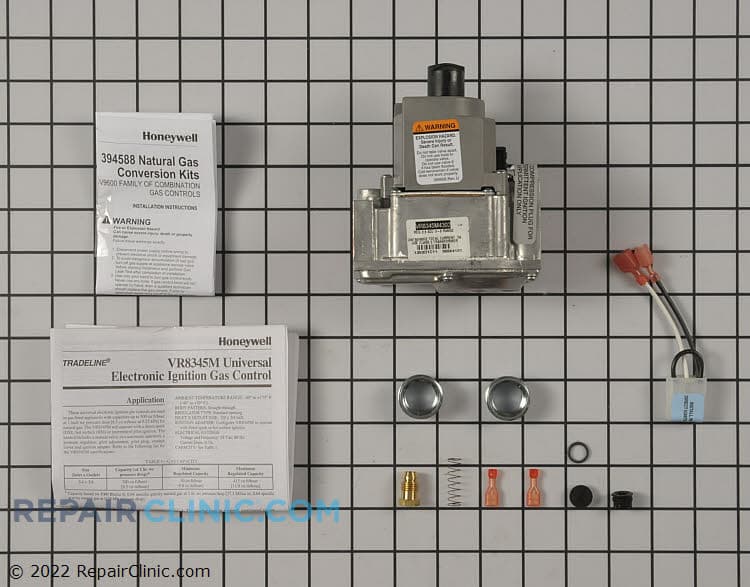
Standard dual direct ignition/intermittent pilot gas valve

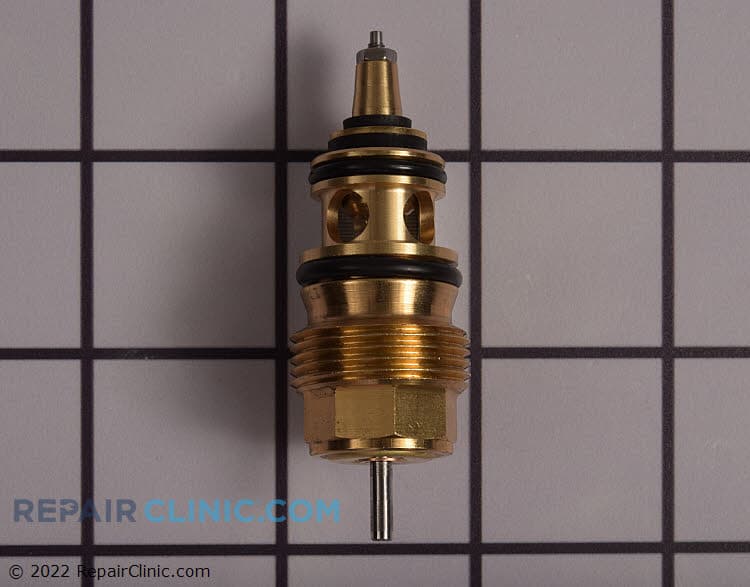
Valve Insert for 1/2"

Standard power pile millivolt combination gas valve, 1/2 inch NPT X 3/4 inch NPT

Step opening dual intermittent pilot gas valve

Standard dual intermittent pilot gas valve, 1/ 2 X 3/4 inch

Standard dual standing pilot gas valve, 3/4 X 3/4 inch

Standard dual standing pilot gas valve, 1/2 X 3/4 inch

1/2" univgasvlv w/lp kit

Slow open nat. gas valve


Honeywell Furnace Gas Valve Replacement Parts
The gas valve is the gatekeeper of your furnace — it opens and closes to allow fuel into the burner, controlled by the igniter and flame sensor. When your furnace ignites but produces no heat, or you hear the igniter click without any gas flow, the gas valve is often the culprit. Honeywell makes several gas valve models used across Carrier, Bryant, Payne, and many other furnace brands. Getting the exact OEM valve ensures proper inlet and outlet pressure for safe, efficient operation.
Before replacing a gas valve, always verify that your igniter is glowing, your flame sensor is clean, and your control board is sending the valve signal. A bad valve mimics other problems, so ruling out the obvious first saves time and money. Browse Honeywell furnace gas valve parts by model number to find the exact replacement for your furnace.
- No heat, igniter glows: Flame sensor is clean, control board signal is present — gas valve has failed or inlet pressure is too low
- Hissing or smell of gas: Solenoid coil leaking or internal seal failure — replace immediately for safety
- Furnace clicks but doesn't ignite: Gas valve not opening (voltage issue) or gas supply blocked at the valve inlet
- Delayed ignition or yellow flame: Valve opening partially or inlet pressure regulated incorrectly — OEM valve restores proper operation
- Valve clicks on/off repeatedly: Flame signal weak or thermostat cycling issue — but if other parts test good, the valve solenoid may be failing
Find Replacement Honeywell Furnace Gas Burner & Control Valve Parts Online by Model or Part Number
Popular Honeywell Furnace Models
Related Honeywell Furnace Gas Burner & Control Valve Parts
Honeywell Gas Valve Questions & Answers
Why does my furnace click but not ignite if the igniter glows?
If your igniter is glowing orange and the flame sensor is clean, the problem is almost always the gas valve. The valve solenoid may not be receiving the correct 24V signal from the control board, or the valve itself has an internal failure preventing gas flow. Verify 24V at the valve terminals with a multimeter before replacing — if voltage is present and the igniter and sensor are good, the valve is your answer.
Can I replace a Honeywell gas valve with an aftermarket valve?
Honeywell and White-Rodgers gas valves are OEM parts tuned to specific furnace models and inlet pressure requirements. Aftermarket valves may have different pressure settings or solenoid resistance, causing delayed ignition, wrong flame color, or complete failure to open. Always use the exact OEM Honeywell valve for your model — it's safety-critical and not an area to compromise on cost.
How do I know if it's the gas valve or the pressure switch causing my furnace to not start?
Start with the pressure switch. A blocked inducer motor, cracked drain line hose, or trapped condensate will trip the pressure switch and prevent the valve from ever getting a signal to open. Check for ice on the drain line and listen for the inducer motor running. If the inducer motor is running and the drain is clear, then test the pressure switch with a multimeter. If pressure switch passes and your igniter glows, the gas valve is next on the list.
Do I need an HVAC tech to replace a Honeywell gas valve?
Gas valve replacement is within reach for DIYers comfortable with basic wiring and mechanical assembly, but furnace work carries safety risks — gas leaks, electrical hazard, and improper pressure tuning. If you're confident with your skills, Repair Clinic carries OEM Honeywell valves and installation guides. For peace of mind, a licensed HVAC tech can verify correct operation, pressure, and safety after replacement.
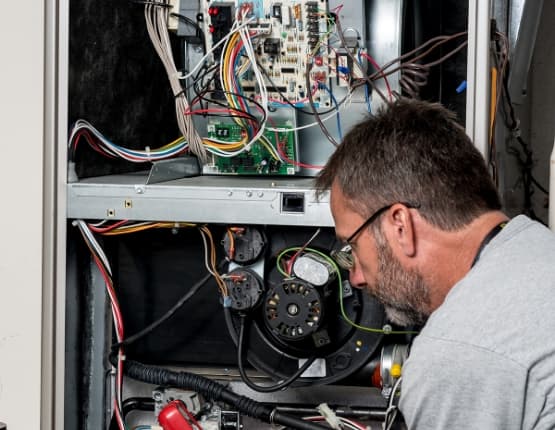
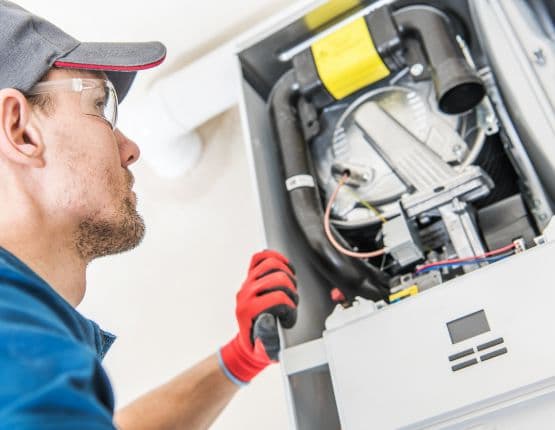
Order Honeywell Furnace Gas Burner & Control Valve Parts Online
Shopping for Honeywell furnace gas burner and control valve parts. Use your model number to get the right part. Our user-friendly platform ensures a reliable experience, allowing you to quickly find parts by model number or part number. We offer a Price Match Guarantee, ensuring you never overpay for genuine OEM replacement parts. Plus, with our No-Hassle 365-Day Returns Policy, you can return uninstalled parts for any reason within a year of purchase. Enjoy peace of mind with same-day shipping when you order by 9:00 PM ET Our extensive inventory of Honeywell replacement parts means you'll find what you need to keep your furnace running smoothly. If you're unsure which part you need, Our online repair library provides step-by-step guides, part diagrams, and installation videos to support you. Visit our replacement parts section for more options and enjoy unmatched service and support.
Honeywell Furnace Model Number: Where to Look
Honeywell typically places the furnace model number on a rating label inside the front access panel, on the blower compartment door, or near the gas valve. Look for the model designation rather than the serial number, and copy it exactly, including letters and numbers. Enter that identification in Repair Clinic's search bar to narrow the full catalog to parts made for your Honeywell furnace model. This model lookup applies across the unit's associated parts, not just the gas burner or control valve. Search that number on our site and the results filter to parts built for your model. You order with confidence knowing the fit is right.

Step-by-Step Repair Resources for Honeywell Furnace
Before you order parts for your Honeywell Furnace, use Repair Clinic's online repair resources to confirm the cause of the problem. Symptom-based articles narrow the failing component, part testing videos show how to verify it, and the model number lookup matches the exact OEM replacement. Step-by-step installation videos walk you through the swap once the part arrives.
Related Furnace Repair Help Articles
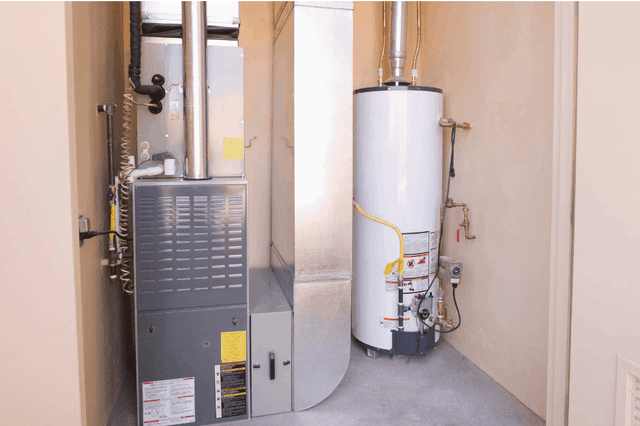
Top Reasons Furnace is Not Igniting
A furnace that fails to ignite can leave your home in the cold. Common issues include a faulty igniter, malfunctioning flame sensor, or a defective draft inducer fan motor. Replacing furnace filters and cleaning furnace parts can help prevent these problems.
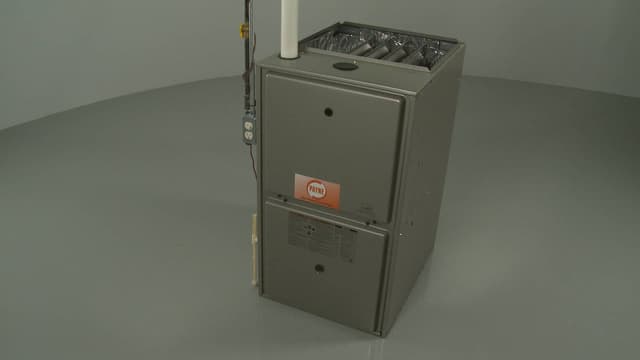
Why is My Furnace Not Working?
Learn why your furnace isn't working by understanding its ignition sequence and identifying common faulty parts like the igniter, flame sensor, or control board. This article provides practical repair tips and insights into each part's role in the heating process.
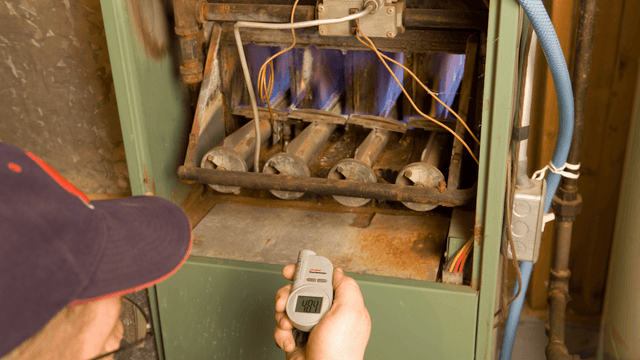
5 Causes of a Furnace Starting Then Stopping
A gas furnace that starts and then stops unexpectedly can be frustrating, especially during cold weather. This article explains five common causes, including issues with the flame sensor, pressure switch, control board, draft inducer fan motor, or air flow. Learn how each cause may impact your furnace's operation and get tips to resolve the problem.




Family-owned and operated since 1912, Burke America Parts Group is the longest-running genuine appliance, HVAC, and outdoor power equipment parts solution in North America. At Repair Clinic, we're proud to be an international brand trusted by the pros as well as the DIY community.
About Repair Clinic