


 Price Match Guarantee
Gibson Furnace Motor Parts




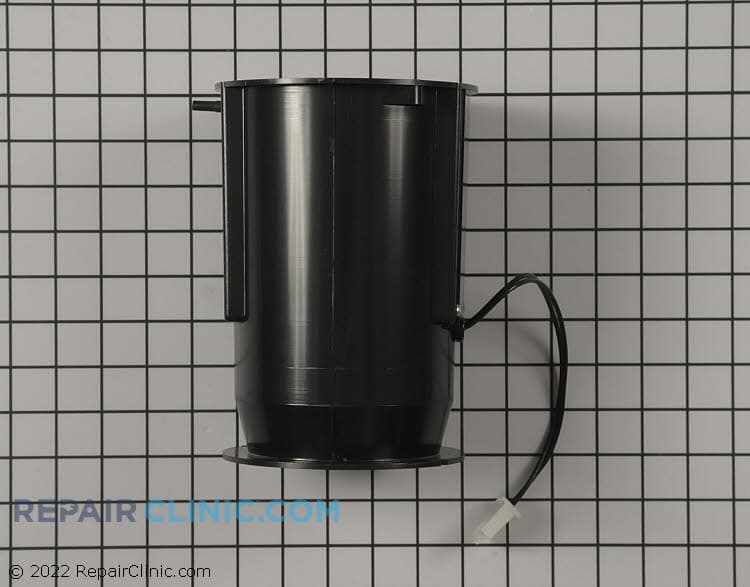
Furnace draft inducer motor. The draft inducer motor draws air into the burner and exhausts it out the flue. If the draft inducer motor is defective, the furnace may not heat.
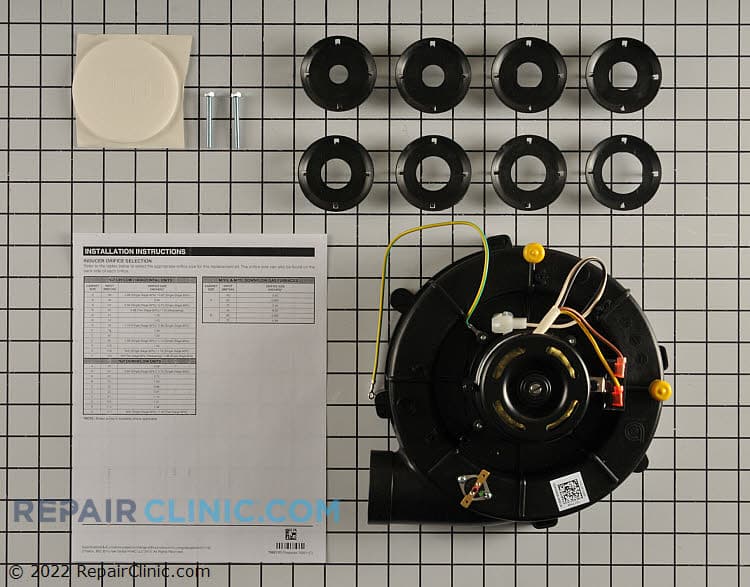
Furnace draft inducer motor. The draft inducer motor draws air into the burner and exhausts it out the flue. If the draft inducer motor is defective, the furnace may not heat.
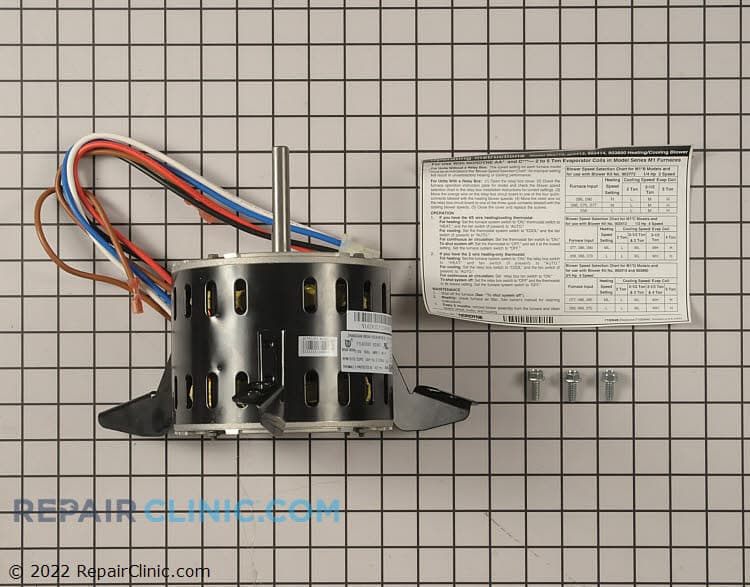
Blower Motor, 1/4HP 115 Volts 60 Hz 4.5 amp 1075 RPM's 3 Speed Open Enclosure CCW 3" Shaft
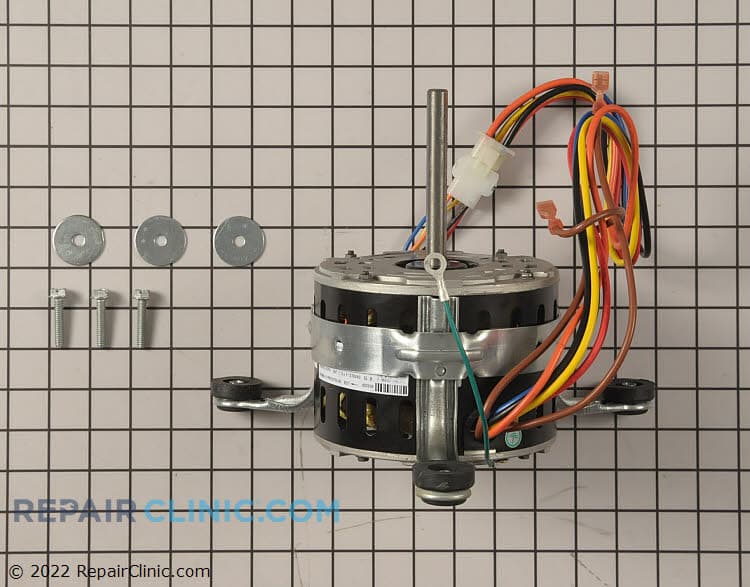
Blower motor, 1/3HP, 4 speed, 240V
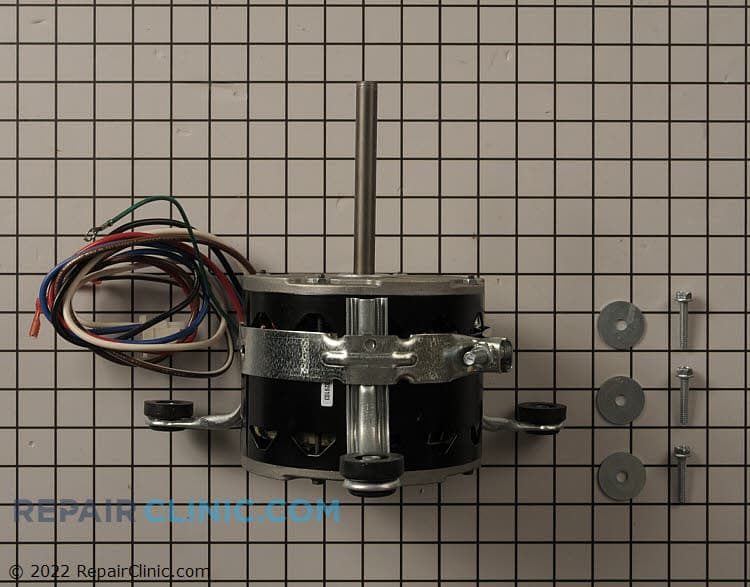
Blower motor, 1/3HP 115Volts 60Hz 1.1 amp 1075/3 RPM's Speed Open Enclosure 48Y Frame CCW 4.5" Shaft
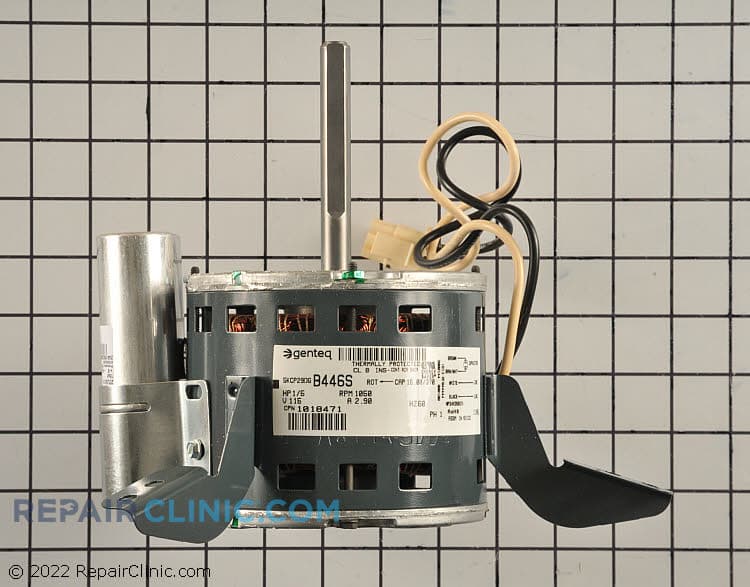
Blower motor, 1/5 HP, 115 volts, 60 hertz, 2.9 amps, 1050 RPM's, 1 speed open enclosure, 42Y frame, single phase, counterclockwise rotation, 3.5" shaft
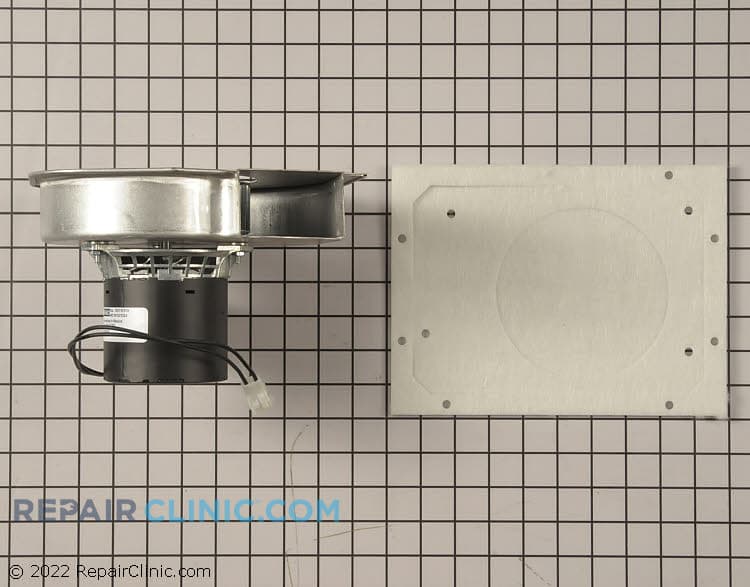
Draft Inducer Motor, 115 Volts, 1.1 Amps, 60 hz, 3000 RPM, 1/50 HP. The draft inducer motor draws air into the burner and exhausts it out the flue. If the draft inducer motor is defective, the furnace may not heat.
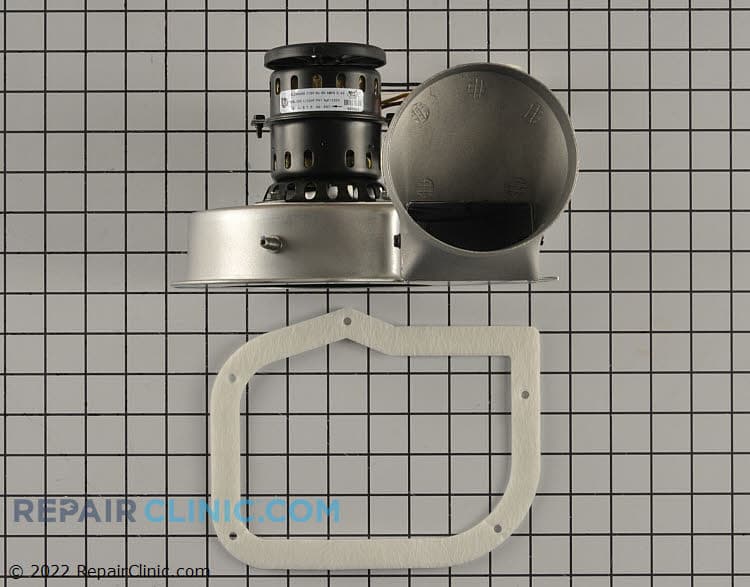
Furnace draft inducer motor. The draft inducer motor draws air into the burner and exhausts it out the flue. If the draft inducer motor is defective, the furnace may not heat.
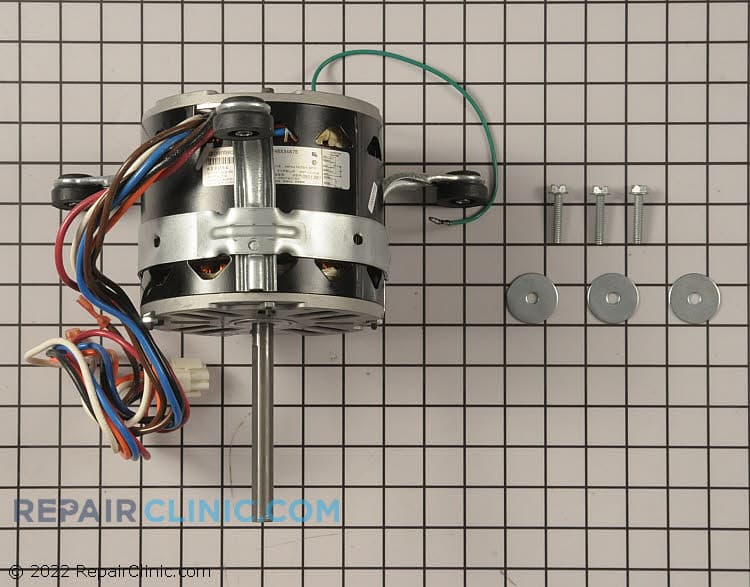
1/2HP 115Volts 60Hz 7.5 amp 1075 RPM's 4 Speed Open Enclosure CCW 4.5" Shaft
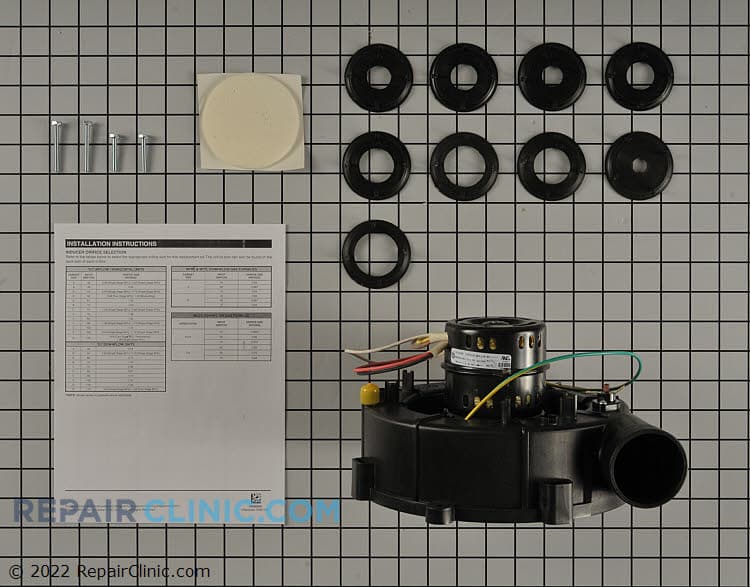
Furnace draft inducer motor. The draft inducer motor draws air into the burner and exhausts it out the flue. If the draft inducer motor is defective, the furnace may not heat.
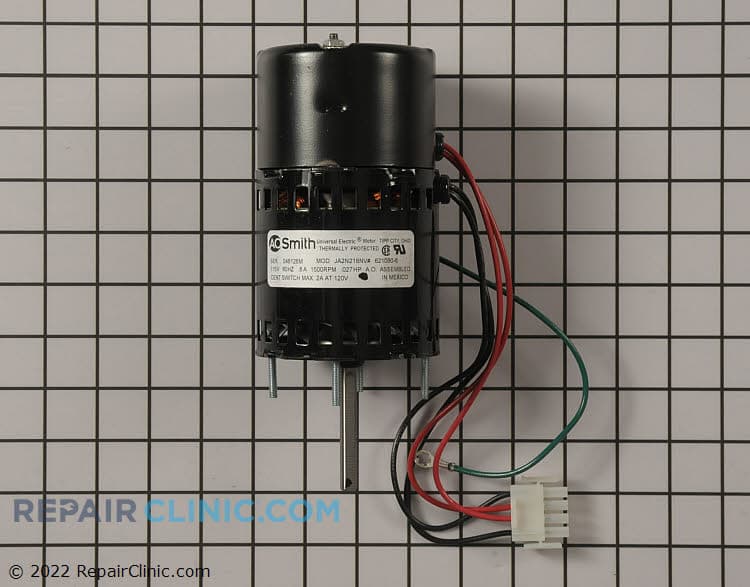
Furnace draft inducer motor. The draft inducer motor draws air into the burner and exhausts it out the flue. If the draft inducer motor is defective, the furnace may not heat.
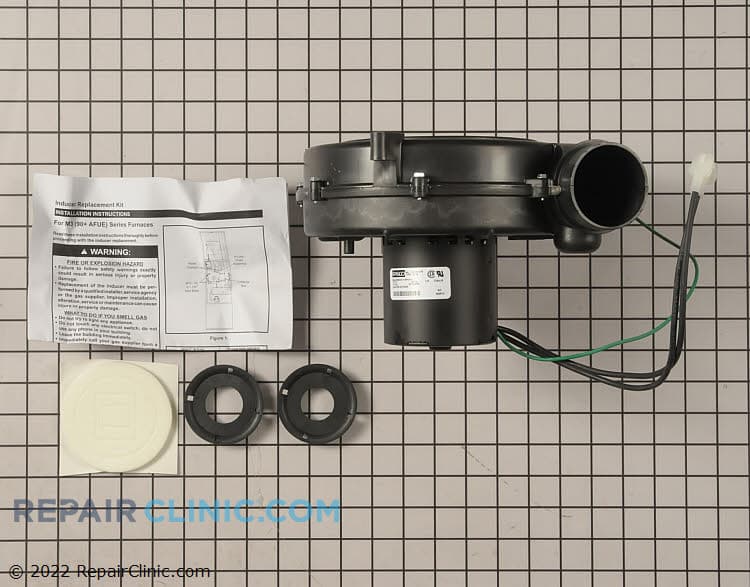
Also known as Fasco PN 'A124'. Furnace draft inducer motor. The draft inducer motor draws air into the burner and exhausts it out the flue. If the draft inducer motor is defective, the furnace may not heat.
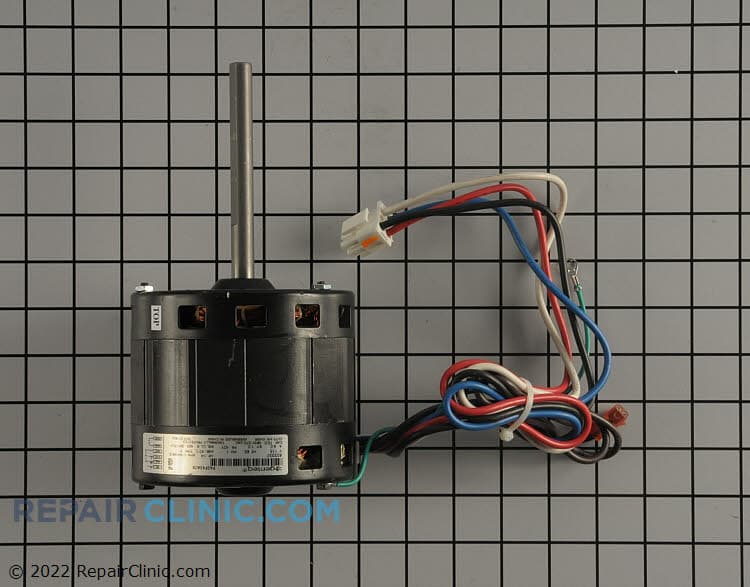
1/4hp 120v 3spd blower motor
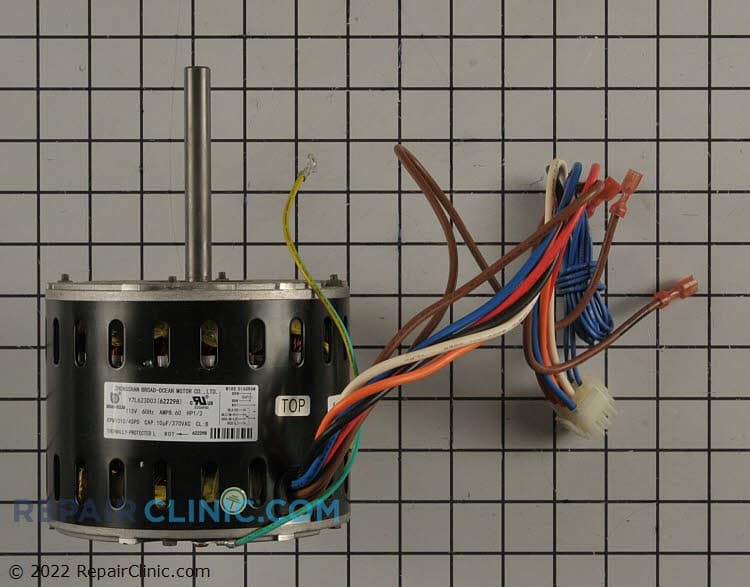
Blower motor 1/2hp, 115v
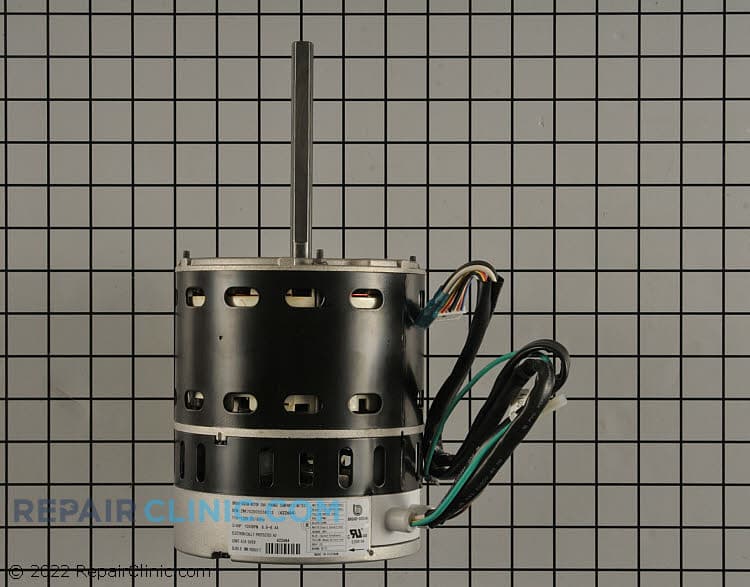
Blower motor


Gibson Furnace Motor Parts
Gibson furnace motors — whether draft inducers or blower assemblies — are workhorses that run on tight tolerances. When one fails, your heating stops cold. The inducer motor draws exhaust safely out of the heat exchanger; the blower motor circulates warm air through your home. Both are critical, and both wear out predictably.
Repair Clinic stocks genuine Gibson furnace motors with the exact HP rating, flange dimensions, and shaft configuration your model needs. We also carry the capacitors that often fail first, saving you the cost of a motor replacement. Enter your Gibson model number to find the right motor assembly.
- Inducer motors: won't start, grinding noise, furnace shuts down on pressure switch
- Blower motors: no heat circulation, weak airflow, loud squealing or humming
- Motor capacitors: motor runs slowly or won't start; common fix before motor failure
- Motor bearings and wheels: rattling, vibration during operation
- Motor shafts and couplings: mechanical connection between motor and impeller
Find Replacement Gibson Furnace Motor Parts Online by Model or Part Number
Popular Gibson Furnace Models
Related Gibson Furnace Motor Parts
Gibson Furnace Motor Questions
What's the difference between a Gibson inducer motor and a blower motor?
The inducer motor runs first in the heating cycle — it pulls exhaust gases out of the heat exchanger and vents them safely outdoors. It's a draft motor, usually 1/3 to 1/2 HP. The blower motor runs after ignition and pushes warm air through your ductwork into the home. Blower motors are typically larger, 1/2 to 3/4 HP. Both have specific mounting flanges and shaft sizes for Gibson furnaces. Never swap them — each is sized for its job.
How do I know if my Gibson furnace motor has failed?
An inducer motor failure usually shows up as no ignition attempt — the furnace won't even try to start because the pressure switch senses no draft. You might hear a humming sound but no motor spin, or grinding/squealing before it quits entirely. A blower motor failure means the furnace ignites and heats the exchanger, but no warm air reaches your rooms. Check that the motor spins freely by hand (power off) and listen for bearing noise. If the motor hums but doesn't turn, the capacitor is usually the culprit, not the motor itself.
Why does my Gibson motor run slowly or make noise?
A run capacitor that's weakening causes motors to run slow, overheat, or make a humming sound without spinning. Capacitor failure is the #1 reason to replace before the motor burns out. Grinding or squealing usually means bearing wear — lubricated bearings should be smooth and quiet. Rattling indicates a loose impeller wheel or worn shaft coupling. Gibson motors with sealed bearings can't be lubricated; replacement is a primary fix.
How do I find the right Gibson furnace motor for my model?
Look for the rating plate on your current motor — it lists HP, voltage (usually 115V), frequency (60 Hz), and the frame/flange type. Gibson furnaces from the Nordyne family often use standard flange motors, but frame size, shaft diameter, and wheel configuration vary. Your safest bet: enter your Gibson furnace model number in our lookup tool. We'll confirm the exact motor assembly, capacitor (if needed), and any adapters your installation requires.
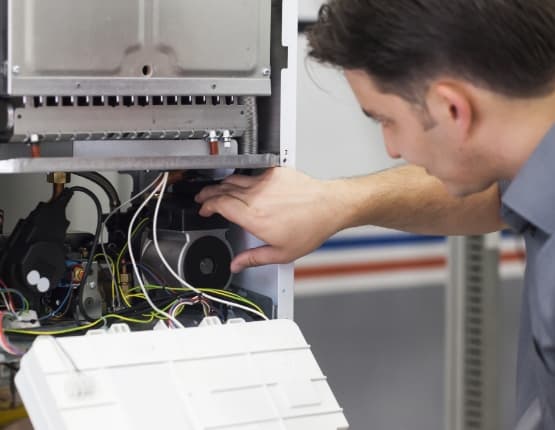
Order Gibson Furnace Motor Parts Online
Shopping for Gibson furnace motor parts. Use your model number to get the right part. Our full inventory of genuine OEM replacement parts ensures you find exactly what you need to keep your furnace running smoothly. Benefit from our no-hassle 365-day returns—return any uninstalled parts within a year for a full refund. Plus, take advantage of our price match guarantee; we'll match any competitor's price on identical parts to ensure you get competitive pricing. Easily locate the right parts by entering your Gibson furnace model or part number, and enjoy same-day shipping to get your furnace back up and running quickly. Browse our comprehensive range of Gibson furnace motor parts today!
Gibson Furnace Model Number: Where to Look
On Gibson furnaces, look for the data plate on the blower compartment door, inside the front access panel, or near the gas valve. The label may list several numbers, so copy the model number exactly, including letters, numbers, and hyphens. Do not use the serial number or the motor's rating-plate information. Type the model number into our model number lookup and the catalog narrows to parts made for your unit. This search applies to the entire furnace, not just the motor category, helping match parts across the full Gibson furnace parts selection. With the exact model entered, you can compare compatible parts quickly and avoid specifications for a different furnace. That means fewer wrong orders and a faster repair.

Gibson Furnace Online Repair Guides, Videos, and Diagrams
Diagnosing a Gibson Furnace problem is easier when you have the right online reference material. Repair Clinic's video library, written repair guides, symptom articles, part testing walkthroughs, and exploded-view diagrams work together to guide you from the symptom to the correct part. Model number lookup confirms the exact OEM replacement so you order right the first time.
Related Furnace Repair Help Articles
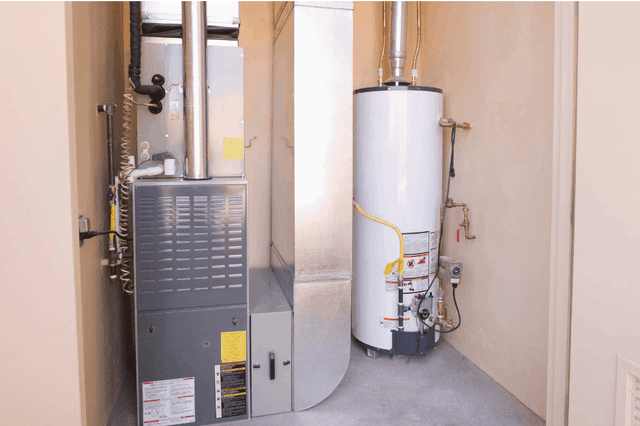
Top Reasons Furnace is Not Igniting
A furnace that fails to ignite can leave your home in the cold. Common issues include a faulty igniter, malfunctioning flame sensor, or a defective draft inducer fan motor. Replacing furnace filters and cleaning furnace parts can help prevent these problems.
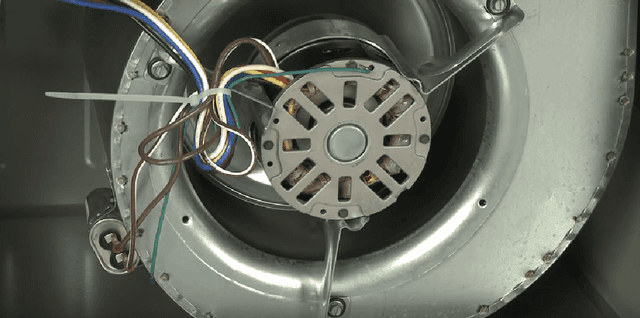
How to Replace a Furnace Blower Fan Motor
A malfunctioning furnace blower fan motor can disrupt your heating system, but replacing it doesn't have to be daunting. This article explains the blower motor's role in circulating air through your home and provides detailed, step-by-step guidance for safely removing and installing a new furnace blower fan motor.
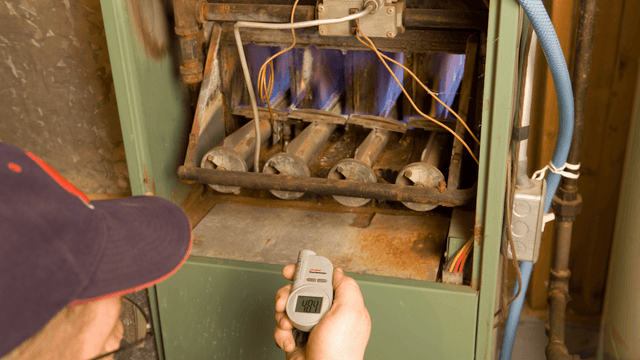
5 Causes of a Furnace Starting Then Stopping
A gas furnace that starts and then stops unexpectedly can be frustrating, especially during cold weather. This article explains five common causes, including issues with the flame sensor, pressure switch, control board, draft inducer fan motor, or air flow. Learn how each cause may impact your furnace's operation and get tips to resolve the problem.




Family-owned and operated since 1912, Burke America Parts Group is the longest-running genuine appliance, HVAC, and outdoor power equipment parts solution in North America. At Repair Clinic, we're proud to be an international brand trusted by the pros as well as the DIY community.
About Repair Clinic