


 Price Match Guarantee
LG Refrigerator Start Relay Replacement
Find the right part faster
Multiple models matched. Select your model to confirm fit.




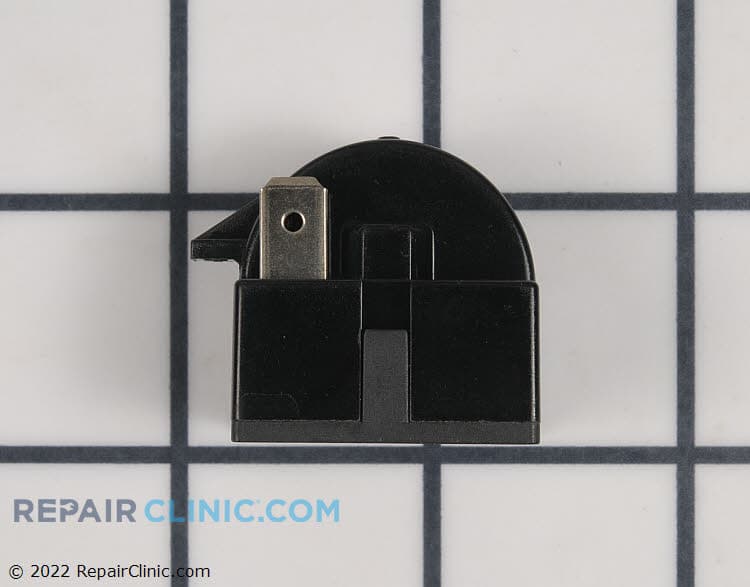
Refrigerator compressor start relay. If the refrigerator does not cool at all, the compressor may not be running. If it’s not running then the start relay may be defective.
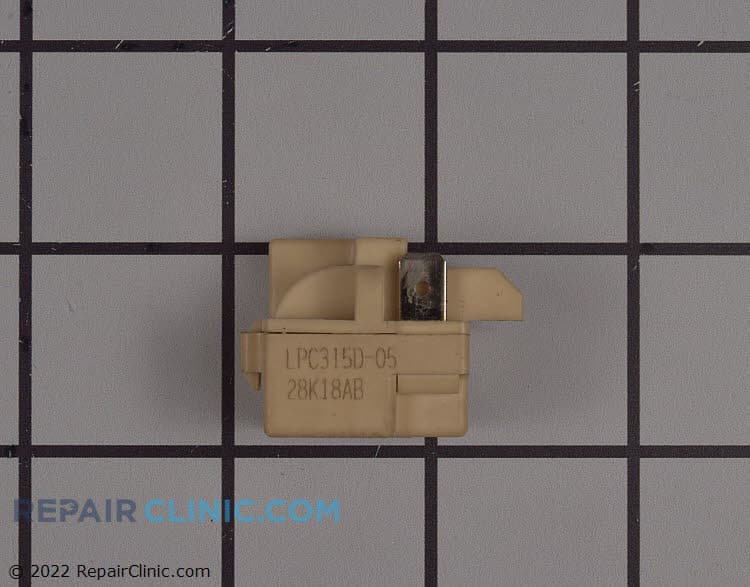
Start relay, compressor


Start Relay
Compressor PTC start relay


LG Refrigerator Compressor & Sealed System Start Relay Parts
When your LG refrigerator stops cooling but the compressor clicks on and off, or you hear a buzzing sound from the back with no actual cooling, the sealed system — not the compressor itself — is usually the problem. The compressor start relay is one of the easiest and most affordable fixes. A failed start relay often looks like a compressor failure, but replacing a $15 to $40 relay beats condemning a $300+ compressor. Here's what to check: If you hear the compressor clicking but the fridge stays warm, shake the start relay. If it rattles inside, it's failed and needs replacement. Always test before assuming the compressor is dead.
LG compressor sealed system repairs require exact OEM parts — the start relay, capacitor, and overload protector all work together to protect the compressor and maintain proper operating voltage. Aftermarket sealed system parts can cause voltage mismatches, leading to premature compressor failure or leaks. Repair Clinic carries genuine LG sealed system parts for every model, including the hard-to-find Linear Compressor start relays for LG's factory-certified refrigerators.
- Start relay clicking/buzzing: compressor won't stay on, fridge warm, freezer cold or both compartments warm
- Rattling inside the relay body: internal contacts failed, relay must be replaced
- Compressor runs constantly: overload protector may have failed, or start relay is preventing normal cycling
- No power to compressor: capacitor failed, relay failed, or overload tripped (check thermal reset)
- Sealed system leak suspected: compressor sealed system repair requires OEM parts and proper diagnostics
Find a Replacement LG Refrigerator Start Relay Online by Model or Part Number
Popular LG Refrigerator Start Relay Models
LG Refrigerator Compressor & Sealed System Repairs: Common Questions
What does the start relay do in an LG refrigerator?
The start relay is an electromagnetic switch that delivers a high-voltage jolt to start the compressor motor, then disconnects once the compressor is running. When it fails, the compressor can't start, even though you hear it trying to turn on. That clicking or buzzing sound you hear from the back of the fridge is the relay failing to engage. It's a small, inexpensive part that saves the compressor from running on low voltage, which would destroy it. If your LG refrigerator is warm but you hear clicking from the compressor area, the start relay is almost always your answer.
How do I know if the start relay or the compressor has failed?
The easiest test is the shake test: Unplug the refrigerator, locate the start relay on the compressor (a small cylindrical part near the base), and gently shake it. If you hear or feel rattling inside, the relay has failed and needs replacement — the compressor is probably fine. If the relay is solid and doesn't rattle, the compressor may be the issue. Always replace the start relay before assuming the compressor is bad; it's $15 to $40 versus $300+. For LG Linear Compressor models (found on factory-certified French door and side-by-side refrigerators), sealed system diagnostics are more complex — proper part matching by model number is essential.
Why does my LG refrigerator compressor have a capacitor, relay, and overload protector?
The sealed system works as a team: The capacitor stores electrical energy and helps the motor start smoothly. The start relay delivers the initial jolt to kick the compressor on. The overload protector is a thermal safety device that cuts power if the compressor draws too much current (overheating, low refrigerant, or electrical fault). If any one of these parts fails, the compressor won't run. Repair Clinic's OEM sealed system kits include all three parts matched to your exact LG model — mixing aftermarket parts with OEM parts can cause voltage mismatches and seal leaks.
Can I replace just the start relay, or do I need to replace the whole sealed system?
In most cases, you can replace just the failed part — relay, capacitor, or overload protector individually. However, if your refrigerator is more than 10 years old and the sealed system has been running under stress, replacing the relay may buy you only a few months before the next part fails. Enter your LG model number into our parts lookup tool to see the specific relay, capacitor, and overload protector for your refrigerator. Repair Clinic carries individual parts and complete sealed system kits, so you can choose the repair strategy that fits your budget and the age of the unit.
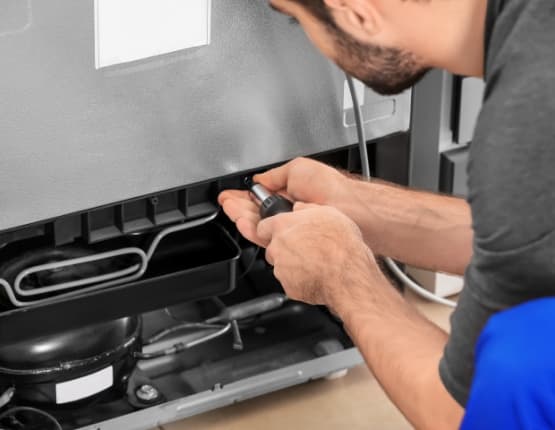
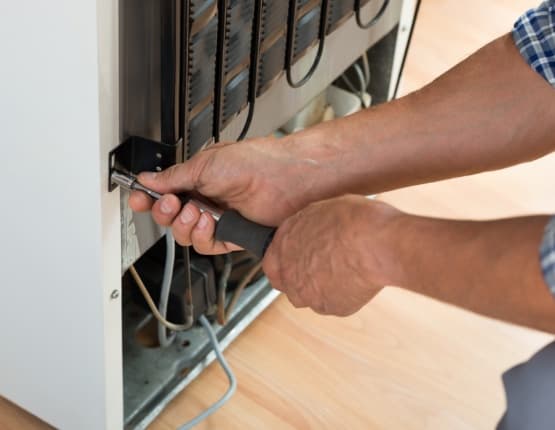
Order LG Refrigerator Start Relay Replacement Parts Online
Ensure your LG refrigerator operates efficiently with genuine OEM start relay replacement parts from Repair Clinic. A functioning start relay is key for the compressor's performance, helping maintain optimal cooling. Use our model number lookup tool to find the precise start relay for your appliance, and benefit from same-day shipping, No-Hassle 365-Day Returns, and our Price Match Guarantee. For tips on installation, visit our Refrigerator Repair Help page. Find more solutions and parts by checking out options like LG Refrigerator Parts to keep your fridge running right.
LG Refrigerator Model Number: Where to Look
LG places the model number label inside most refrigerators, usually on the side wall of the fresh food compartment. Check behind the crisper drawer or along the compartment ceiling if you do not see it right away. The label may also be on the door frame or near the lower exterior. Copy the complete model number, including any letters, numbers, or suffixes, and type it into the model number search to pull up the parts matched to your unit. Using the full refrigerator model narrows the catalog across every associated part, so you can confirm compatibility before ordering. That means fewer wrong orders and a faster repair.

Step-by-Step Repair Resources for LG Refrigerator
Before you order parts for your LG Refrigerator, use Repair Clinic's online repair resources to confirm the cause of the problem. Symptom-based articles narrow the failing component, part testing videos show how to verify it, and the model number lookup matches the exact OEM replacement. Step-by-step installation videos walk you through the swap once the part arrives.
Related Articles: Refrigerator Parts

What That Noisy Refrigerator Is Trying To Tell You
Is your refrigerator making loud humming, buzzing, or grinding noises? Learn what these sounds mean and how to troubleshoot common issues like a faulty fan motor, water inlet valve, or ice maker. Find replacement parts at Repair Clinic.
Refrigerator Ice Maker Not Working: Reasons & Fixes
Is your refrigerator ice maker not working? Learn the common reasons like low water pressure, clogged fill tubes, or a faulty inlet valve, and find the right replacement parts at Repair Clinic to fix your ice maker today.
A Faulty Thermistor Can Cause A Refrigerator To Run Constantly
A faulty thermistor can cause your refrigerator to run constantly or fail to cool properly. Learn how to test and replace a thermistor with expert repair tips and OEM parts from Repair Clinic.




Family-owned and operated since 1912, Burke America Parts Group is the longest-running genuine appliance, HVAC, and outdoor power equipment parts solution in North America. At Repair Clinic, we're proud to be an international brand trusted by the pros as well as the DIY community.
About Repair Clinic