


 Price Match Guarantee
Refrigerator Compressor Replacement
- Amana
- Frigidaire
- GE
- Jenn Air
- Kenmore
- KitchenAid
- LG
- Maytag
- Samsung
- Whirlpool
- Admiral
- Americana
- Arctic Air
- Bosch
- Caloric
- Crosley
- Danby
- E-Wave
- Electrolux
- Estate
- GE Profile
- Gaggenau
- Gibson
- Gladiator
- Goldstar
- Haier
- Hardwick
- Hotpoint
- Ikea
- Inglis
- Kelvinator
- Kenmore Elite
- Magic Chef
- Modern Maid
- Montgomery Wards
- Norge
- RCA
- Roper
- Tappan
- Thermador
- U-Line
- Universal
- Viking
- Vissani
- White-Westinghouse
Find the right part faster
Multiple models matched. Select your model to confirm fit.



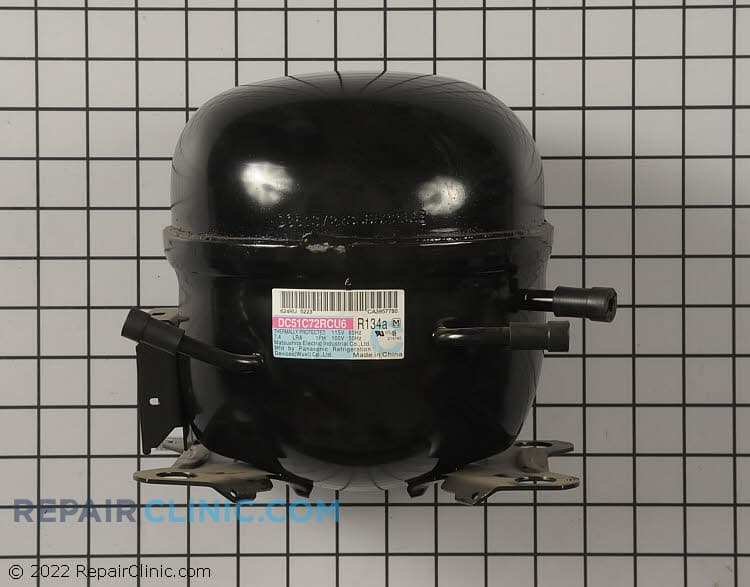
Compressor
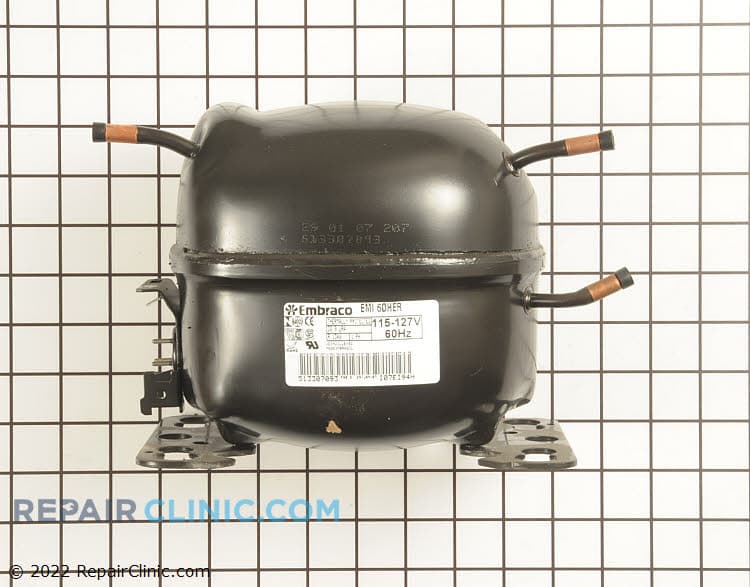
Compressor ass'y

Compressor
Compressor
Compressor
Compressor
Compressor
Compressor
Compressor
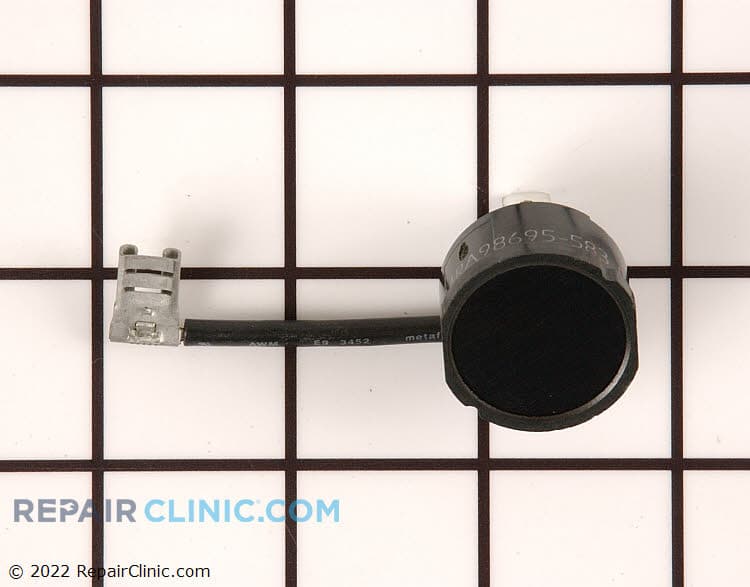
Overload, compressor
Compressor
Compressor
Relay, compressor start
Compressor
Compressor


Refrigerator Compressor and Sealed System Parts
When your refrigerator stops cooling, the compressor or sealed system parts are often the culprit. The compressor is the heart of the cooling cycle — it pressurizes refrigerant and circulates it through the system. Sealed system failures are major repairs, but catching early warning signs can save you money. A clicking compressor, warm fridge with a running condenser fan, or a compressor that won't start often points to the start relay, not the compressor itself.
Before you replace an expensive compressor, test the start relay by shaking it — if it rattles, that $10 to $20 part is your fix. OEM compressor kits come with the exact refrigerant charge and oil type for your model. Aftermarket compressors may can create compatibility or performance problems and require professional evacuation and recharging.
- Compressor won't run, clicking sound from the back: Start relay has failed; test it first before replacing the compressor
- Refrigerator is warm, freezer is cold, condenser fan running: Sealed system leak or compressor failure; requires service call to recharge
- Compressor runs constantly, fridge never reaches set temperature: Low refrigerant charge or failed compressor; may indicate a slow leak
- Compressor hot to touch, circuit breaker trips: Internal compressor short or failed overload protector; replace the entire compressor unit
- Oil leaking from compressor connection: Seal failure or tubing crack; sealed system repair required
Find a Replacement Refrigerator Compressor Online by Model or Part Number
Popular Refrigerator Compressor Models
Refrigerator Compressor Sealed System FAQs
What's the difference between a compressor and a sealed system?
The compressor is a motor-driven pump that pressurizes refrigerant. The sealed system includes the compressor, condenser, evaporator, and connecting tubing — all soldered or brazed together and filled with refrigerant and oil at the factory. When any part of this system leaks or fails, the entire sealed system must be recharged or replaced. You can replace individual parts like the start relay, capacitor, or overload protector without breaking the seal, but replacing the compressor itself requires evacuating the old refrigerant and recharging with OEM-spec refrigerant and oil.
Why does my refrigerator compressor click but not run?
A clicking compressor almost always means the start relay has failed. The relay sends a high-amperage pulse to start the compressor motor; when it fails, the compressor tries to start but can't build enough torque. This clicking can happen every 2 to 3 minutes as the thermostat signals for cooling. The start relay is a $10 to $20 part and one of the most important diagnostics in refrigerator repair. Shake it — if it rattles internally, replace it immediately. If it's silent and the compressor still won't run, then test the capacitor or consider compressor replacement.
How do I know if my compressor has failed versus the start relay?
Test the start relay first by shaking it. If you hear a rattle, it's bad — replace it. If the relay is silent and the compressor still won't run, use a multimeter to test the capacitor (should show capacitance in microfarads). If both are good and the compressor is getting 120V power but still won't run, the compressor internal windings have likely failed. At that point, an OEM sealed system replacement is your best option. For exact troubleshooting steps and your model number, use Repair Clinic's model number lookup tool to confirm which parts to test.
Can I replace just the compressor, or do I need to replace the whole sealed system?
You can replace just the compressor if you hire a licensed HVAC or refrigeration technician to evacuate the old refrigerant and recharge the system with the OEM-spec refrigerant and oil. However, many manufacturers now recommend sealed system replacement to ensure the correct charge, oil type, and pressure. OEM sealed system kits come pre-charged and ready to install, eliminating the guesswork. Enter your exact model number to see whether Repair Clinic carries individual compressor units or sealed system assemblies for your refrigerator.
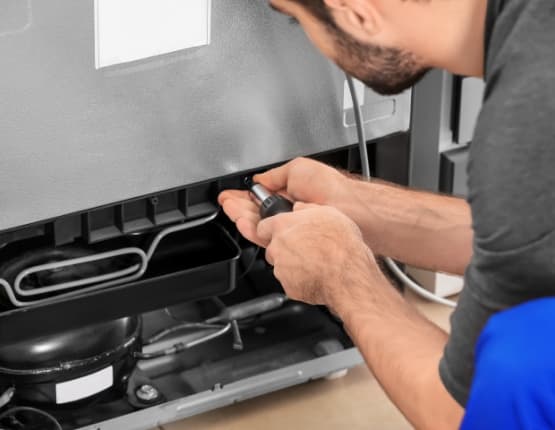
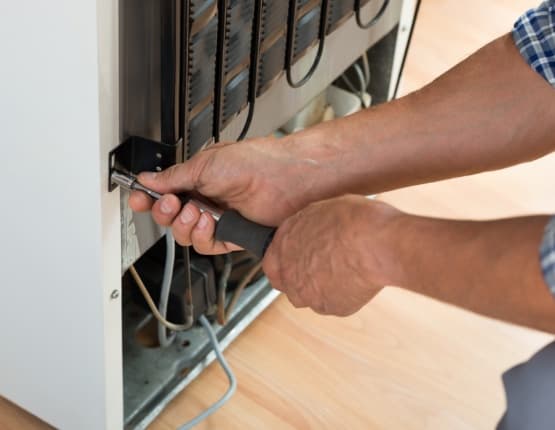
Order Refrigerator Compressor Replacement Parts Online
Improve the look and functionality of your refrigerator with genuine OEM handle parts from Repair Clinic. Whether you're replacing a broken handle or updating your fridge's appearance, our parts ensure a proper fit. Use the model number lookup to find the exact handle for your refrigerator. With same-day shipping and a Price Match Guarantee. For guidance on installation, visit our Refrigerator Repair Help page. You may also want to browse other options like Refrigerator Parts for additional solutions.
Match Parts to Your Refrigerator with Your Model Number
Behind the crisper drawer, on the side wall of the fresh food compartment, or on the compartment ceiling, you'll usually find a label listing your refrigerator's model number. Some models place it near the door frame, so check the entire interior if it is not in those spots. Be sure to copy the model number exactly, including letters, numbers, and any suffixes, rather than the serial number. Drop it into the search bar and you will see only the parts that fit your exact model across the full refrigerator catalog. This helps you match the right parts quickly, without sorting through parts made for similar-looking units.

Online Guides and Videos for Refrigerator
Repair Clinic makes Refrigerator repair straightforward with a deep online library of videos, guides, and diagnostic articles. Step-by-step written instructions cover disassembly, testing, and reassembly, and the video library shows the same work in action so you can follow along. Use the model number lookup to confirm the exact OEM part, and wiring diagrams and part testing walkthroughs support the more technical steps.
Related Articles: Refrigerator Parts

What That Noisy Refrigerator Is Trying To Tell You
Is your refrigerator making loud humming, buzzing, or grinding noises? Learn what these sounds mean and how to troubleshoot common issues like a faulty fan motor, water inlet valve, or ice maker. Find replacement parts at Repair Clinic.
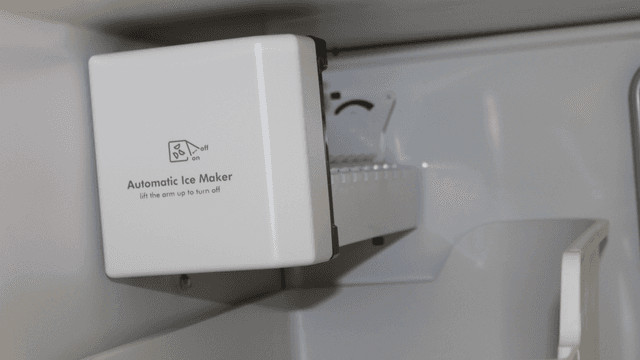
Refrigerator Ice Maker Not Working: Reasons & Fixes
Is your refrigerator ice maker not working? Learn the common reasons like low water pressure, clogged fill tubes, or a faulty inlet valve, and find the right replacement parts at Repair Clinic to fix your ice maker today.
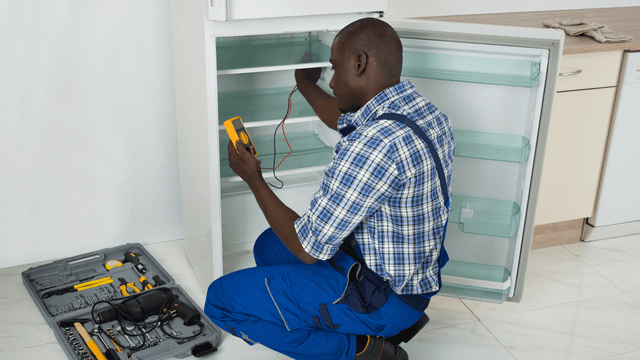
A Faulty Thermistor Can Cause A Refrigerator To Run Constantly
A faulty thermistor can cause your refrigerator to run constantly or fail to cool properly. Learn how to test and replace a thermistor with expert repair tips and OEM parts from Repair Clinic.




Family-owned and operated since 1912, Burke America Parts Group is the longest-running genuine appliance, HVAC, and outdoor power equipment parts solution in North America. At Repair Clinic, we're proud to be an international brand trusted by the pros as well as the DIY community.
About Repair Clinic