


 Price Match Guarantee
Sterling Unit Heater Parts
Find the right part faster
Multiple models matched. Select your model to confirm fit.



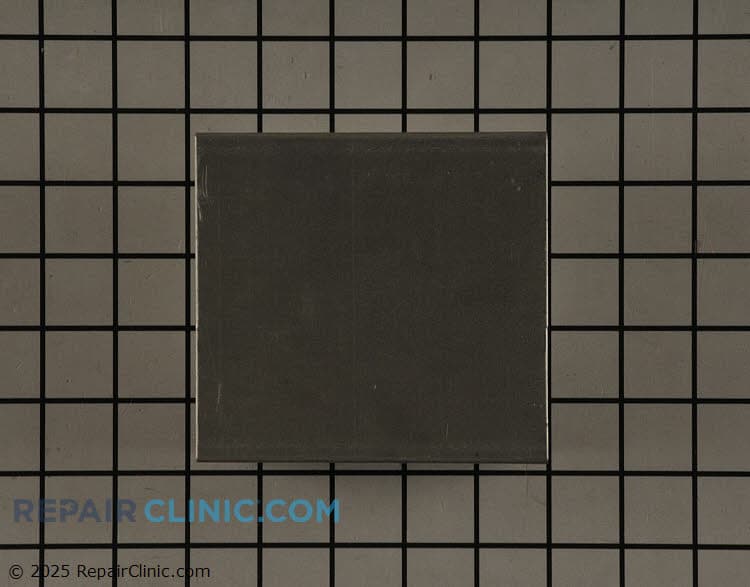
Junction box cover

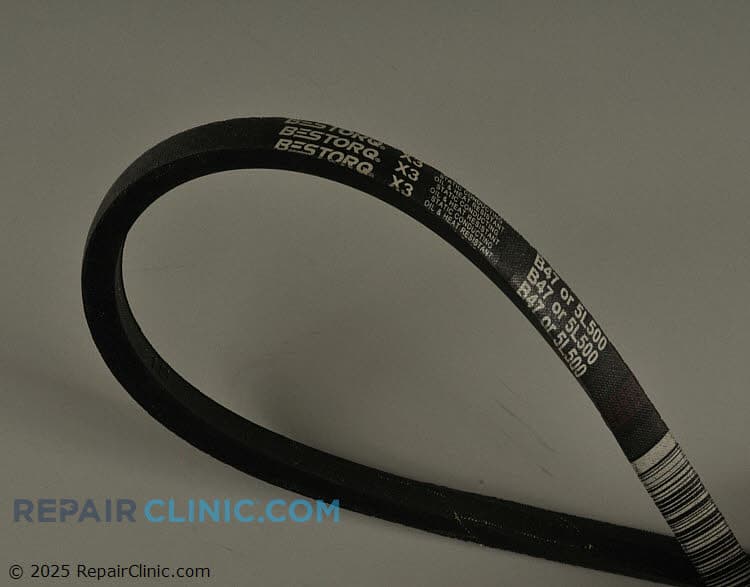
V-belt
V-belt
V-belt
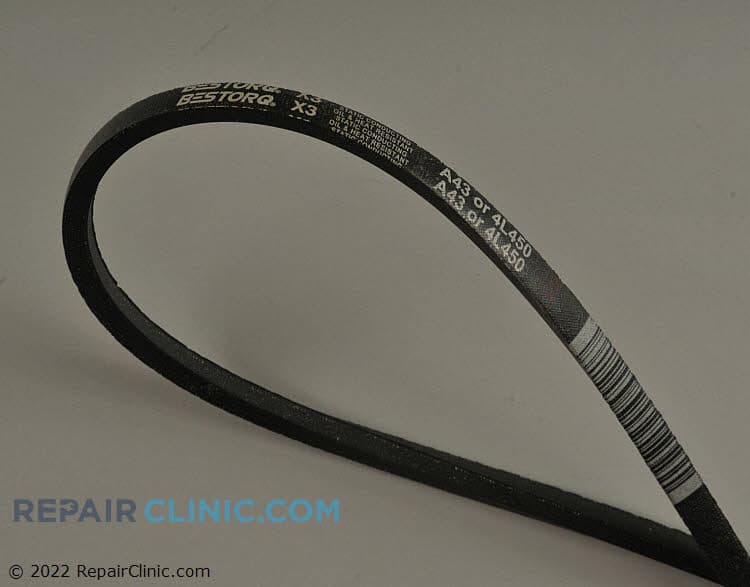
V-belt
V-belt
V-belt
V-belt
V-belt


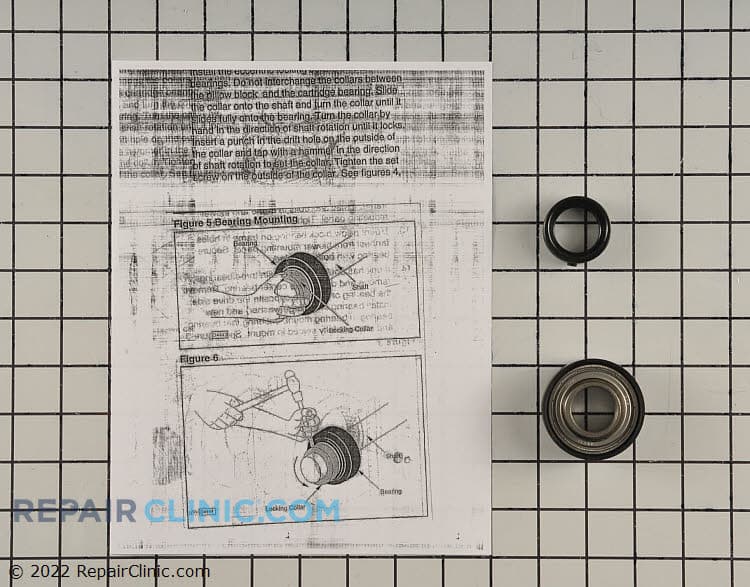
Pillow Block Replacement Bearing for Blower


Sterling Unit Heater Parts & Replacements
Sterling unit heaters are workhorse heating solutions for garages, workshops, and commercial spaces. When your Sterling heater stops producing heat or runs intermittently, the problem usually traces back to one of a few key parts. Burner assemblies, heat exchangers, gas valves, and limit switches are the parts that fail most often — and Repair Clinic stocks genuine OEM Sterling replacements for all of them.
Whether your unit heater won't ignite, produces weak heat, or cycles on and off unexpectedly, finding the right part starts with your model number. Enter it above to see exactly which Sterling parts fit your heater, and get same-day shipping on in-stock items.
- Burner assembly won't ignite: Ignitor failure or gas valve blockage; check ignitor glow and flame sensor response
- Weak or no heat output: Heat exchanger clogging, clogged air filter, or blower motor failure
- Unit cycles on and off: Faulty limit switch, thermistor malfunction, or airflow restriction
- Gas odor but no ignition: Gas valve stuck closed, pressure regulator failure, or ignitor not reaching temperature
- Loud noise during operation: Blower motor bearing wear, loose mounting, or burner vibration
Find Replacement Sterling Unit Heater Parts Online by Model or Part Number
Popular Sterling Unit Heater Models
Related Sterling Unit Heater Parts
- Sterling Unit Heater Miscellaneous Parts
- Sterling Unit Heater Gas Burner & Control Valve Parts
- Sterling Unit Heater Switch Parts
- Sterling Unit Heater Motor Parts
- Sterling Unit Heater Transformer Parts
- Sterling Unit Heater Belt Parts
- Sterling Unit Heater Cap, Lid & Cover Parts
- Sterling Unit Heater Compressor & Sealed System Parts
- Sterling Unit Heater Deflector & Chute Parts
- Sterling Unit Heater Wire, Receptacle & Wire Connector Parts
- Sterling Unit Heater Blower Wheel & Fan Blade Parts
- Sterling Unit Heater Gasket & Seal Parts
- Sterling Unit Heater Spring Parts
- Sterling Unit Heater Bearing Parts
- Sterling Unit Heater Circuit Board & Timer Parts
- Sterling Unit Heater Fastener Parts
- Sterling Unit Heater Ignition Controls Parts
- Sterling Unit Heater Sensor & Thermistor Parts
Sterling Unit Heater Parts: Frequently Asked Questions
What's the most common Sterling unit heater failure?
The ignitor and gas valve assembly are the top failure points. When the ignitor fails to glow or the gas valve won't open, the burner won't light. Both are straightforward replacements with your model number — and both are less expensive than replacing the entire unit.
How do I find my Sterling unit heater model number?
Look for a metal nameplate on the heater housing, usually on the back or side of the unit. The model number is typically a four to six-digit code starting with "U" or "H". If you can't locate it, you may also find it in your installation manual or on the thermostat control label. Enter it in the search bar above and Repair Clinic will show all compatible parts.
Can I replace the limit switch myself?
Yes — limit switches are one of the most accessible Sterling repairs. The switch is a safety device that shuts off the heater if it overheats. If it won't reset or keeps tripping during normal operation, an OEM replacement switch is the fix. Turn off power, unplug, and swap the old switch for the new one. No special tools needed.
What should I check before ordering parts for my Sterling heater?
First, confirm your unit is getting power and gas. Next, listen for the ignitor clicking — if you hear clicking but no flame appears, the ignitor or gas valve is the likely culprit. If you see flame but no heat, check the heat exchanger for dust buildup and verify the blower motor is running. Always verify your model number before ordering to ensure exact compatibility.
Order Sterling Unit Heater Parts Online
Ordering Sterling unit heater parts online is simple and helps you find genuine OEM parts for your unit. With same-day shipping on most in-stock items, you'll have your replacement part fast, minimizing downtime. Our model/part number lookup finds the exact OEM part for your unit, and every order is backed by our 365-day return policy and price-match guarantee. Browse our repair help section for troubleshooting tips, part testing guides, and step-by-step installation videos for your specific product.
Sterling Unit Heater Model Number: Where to Look
On Sterling unit heaters, look for the model number on the metal nameplate attached to the side or back of the heater housing. If it is not visible there, check inside the access panel, and refer to the installation manual if the label is worn or difficult to reach. The model number identifies the entire unit, not just a burner, motor, or other individual part. Enter it in the model number search to pull up the full selection of Sterling parts matched to your heater. With the correct model selected, you can quickly narrow the catalog to compatible parts and avoid ordering parts based on appearance alone.

Online Diagnostic and Repair Help for Sterling Unit Heater
Repair Clinic's online resources cover Sterling Unit Heater diagnostic work, part testing, and installation in one place. Symptom articles help you understand what is likely going wrong, video walkthroughs show the disassembly and reassembly, and step-by-step written repair guides let you follow along in your own time. Use the model number lookup to confirm the exact OEM part, and wiring diagrams support the more involved jobs.
Related Furnace Repair Help Articles
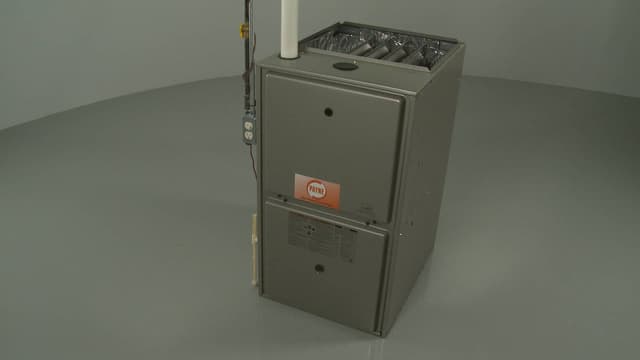
How To Replace a Circuit Board in Your Furnace
Replacing a malfunctioning furnace circuit board may be the key to restoring your heating system's functionality. This article provides a clear guide to understanding the role of the circuit board in a furnace's ignition sequence, common reasons for circuit board failure, and step-by-step instructions for replacing a furnace circuit board.
Why is My Furnace Not Working?
Learn why your furnace isn't working by understanding its ignition sequence and identifying common faulty parts like the igniter, flame sensor, or control board. This article provides practical repair tips and insights into each part's role in the heating process.
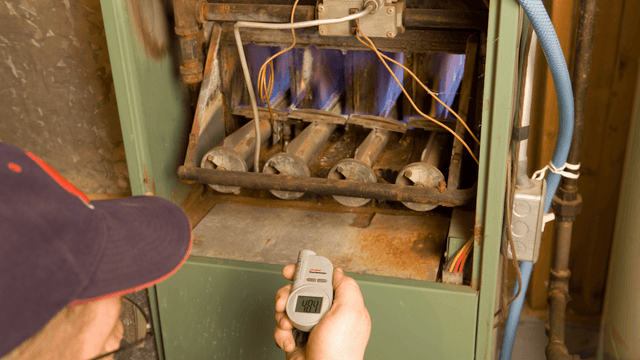
5 Causes of a Furnace Starting Then Stopping
A gas furnace that starts and then stops unexpectedly can be frustrating, especially during cold weather. This article explains five common causes, including issues with the flame sensor, pressure switch, control board, draft inducer fan motor, or air flow. Learn how each cause may impact your furnace's operation and get tips to resolve the problem.




Family-owned and operated since 1912, Burke America Parts Group is the longest-running genuine appliance, HVAC, and outdoor power equipment parts solution in North America. At Repair Clinic, we're proud to be an international brand trusted by the pros as well as the DIY community.
About Repair Clinic