


 Price Match Guarantee
Black & Decker Power Cord Parts
Find the right part faster
Multiple models matched. Select your model to confirm fit.
RC Item #3600311


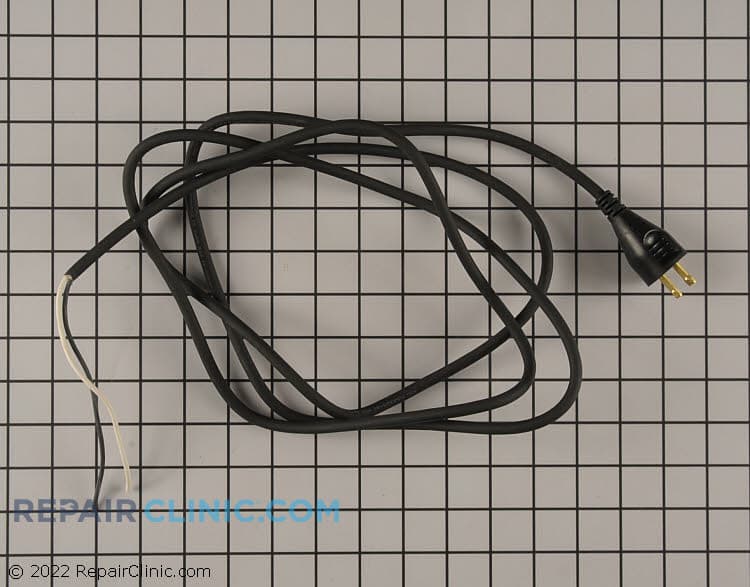
Cord/8ft/18-2sj
RC Item #3600354


Cord/10''/14-2sj
RC Item #3610909
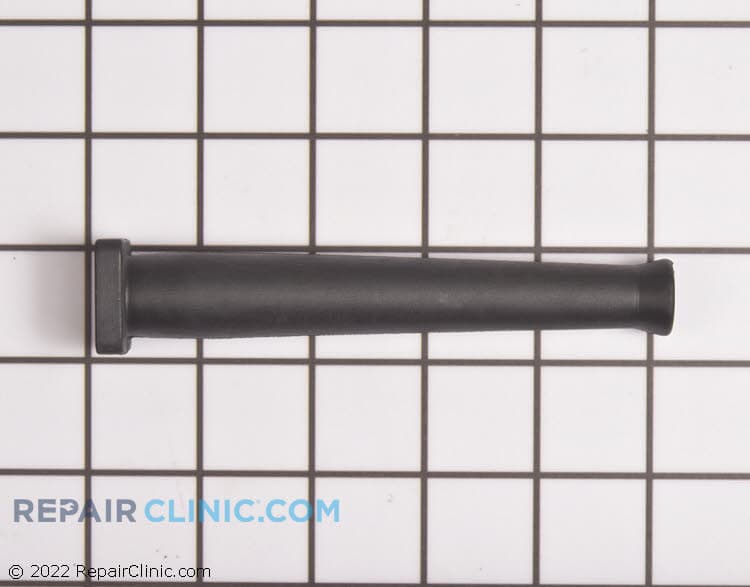
Power cord protector
RC Item #3600349
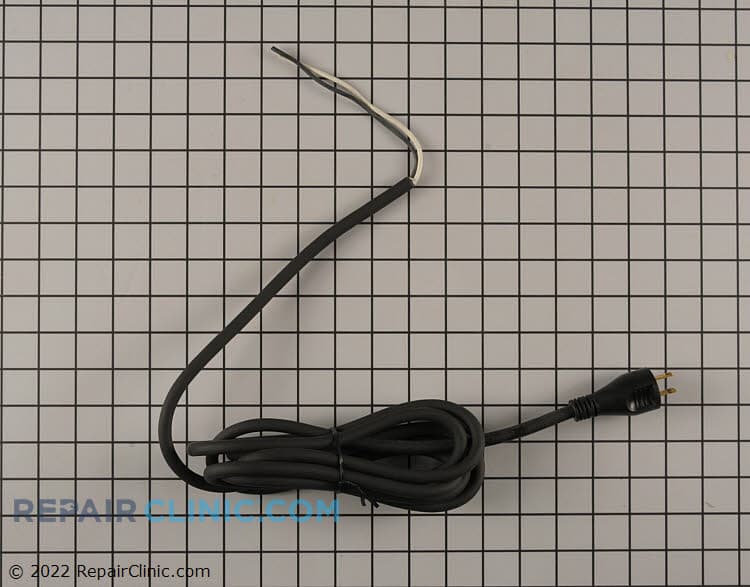
Cord/10 ft/16-2


Cord set
Cord set
Cord set
Cord set
Cord set
Cord
Cord
Cord
Cord
Cord
Cord


Black & Decker Power Cord Replacement Parts
Black & Decker power tools and outdoor equipment are built tough, but the power cord takes constant abuse — wrapping, tangling, yanking, and exposure to weather. Over time, the insulation becomes brittle and cracks, creating a safety hazard and dead tool. A frayed or damaged cord is one of the most common Black & Decker failures, and it's one of the easiest fixes.
OEM power cords are engineered to the exact voltage and gauge specifications of your model. Aftermarket cords may look similar but can cause overheating, voltage drop, or safety issues. Find your Black & Decker power cord by model number — we carry genuine OEM cords for string trimmers, leaf blowers, hedge trimmers, pressure washers, and power tools.
- Cord won't stay plugged in or connections are loose: Strain relief or plug prongs worn or cracked; cord assembly replacement needed
- Tool runs intermittently or shuts off during use: Broken wire inside insulation; continuity broken in cord
- Visible cracks, cuts, or exposed wire: Safety hazard; immediate replacement required; do not use tool
- Cord feels hot during or after use: Insulation failure or internal wire break causing resistance; fire risk
- GFCI outlet keeps tripping when tool plugged in: Moisture in cord insulation or wire damage; replace cord immediately
Find Replacement Black & Decker Power Cord Parts Online by Model or Part Number
Popular Black & Decker Models
Black & Decker Power Cord FAQs
Why do Black & Decker power cords fail so often?
Black & Decker tools are often used outdoors and in tough conditions — storage sheds, wet garages, tangled in tool bags. The cord insulation becomes brittle from UV exposure, cold temperatures, and constant flexing at the strain relief. The insulation cracks, water enters the wire, and the circuit fails or becomes a shock/safety risks. Black & Decker tools are reliable, but cords are wear items — budget for replacement every 3 to 5 years of regular use.
How do I find the right power cord for my Black & Decker model?
Enter your tool's model number in the Repair Clinic lookup — it's printed on the motor housing or nameplate. The model number tells us the exact cord assembly, plug type (2-prong or 3-prong grounded), voltage, and gauge. Never assume two Black & Decker tools use the same cord — a string trimmer, leaf blower, and power drill may all have different cord assemblies and specifications.
Can I repair a damaged power cord, or do I need to replace the whole assembly?
Never tape or patch a damaged power cord. The insulation must be continuous and intact for safety. Always replace the entire cord assembly — it's inexpensive, it takes 5 minutes, and it eliminates shock and safety risks. Aftermarket cord repair kits may look like a savings, but OEM cords are the safe choice.
What's the difference between 2-prong and 3-prong Black & Decker cords?
2-prong cords are double-insulated tools (safer design, no grounding needed). 3-prong cords include a ground wire for extra safety on older or high-power tools. Your Black & Decker tool is designed for one or the other — do not substitute. Your model number lookup confirms which type you need.
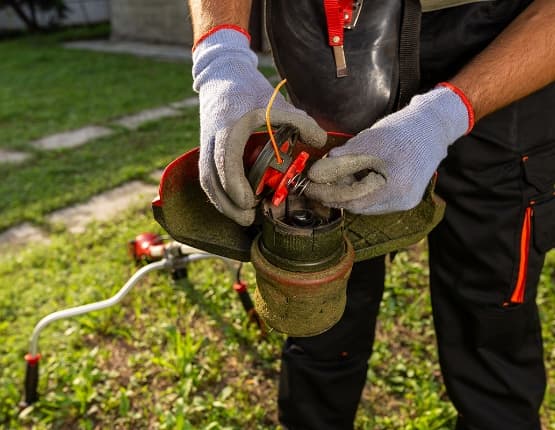
Order Black & Decker Brand-Level Power Cord Replacement Online
Keep your Black & Decker brand-level running efficiently by replacing a faulty power cord promptly. With same-day shipping on most in-stock items, you'll have your replacement part fast, minimizing downtime. Our model/part number lookup finds the exact OEM part for your unit, and every order is backed by our 365-day return policy and price-match guarantee. If your Black & Decker power cord is failing — showing symptoms like reduced performance, unusual noise, or complete non-operation — replacement is typically the fastest fix. Browse our full library of Black & Decker repair resources for troubleshooting guides and installation videos.
Black & Decker Power Cord Model Number: Where to Look
On Black & Decker tools and outdoor equipment, look for the model number on the motor housing, cooling shroud, or product nameplate. You may also find it on a label near the handle or another accessible area of the unit. Record the complete number, including letters, numbers, and type designations, then type it into our model number lookup. The catalog will narrow to parts made for your specific Black & Decker model, including the correct power cord and every other associated part. Using the unit's model number instead of judging by appearance helps prevent mix-ups between tools with similar designs. You order with confidence knowing the fit is right.

DIY Repair Resources for Black & Decker
Whether you are new to appliance repair or a seasoned technician, Black & Decker repairs go smoother with the right online resources. Troubleshooting videos, common-symptom articles, part testing guides, and wiring diagrams cover the diagnostic and installation steps. Use the model number lookup to confirm the exact OEM part for your unit, then follow the matching video from start to finish.
Related Articles: Washing Machine Parts
What Causes A Washing Machine To Stop Working?
What causes a washing machine to stop working? Learn common issues like power failures, faulty lid switches, broken drive belts, and more with troubleshooting tips from Repair Clinic.

Why Won't My Washing Machine Start?
Wondering why your washing machine won't start? Learn common causes like power issues, faulty lid switches, broken timers, and more with expert troubleshooting from Repair Clinic.
What Causes a Washing Machine To Not Spin or Drain?
Is your washing machine not spinning or draining? Learn about common issues like clogged drain pumps, faulty lid switches, and worn drive belts, plus expert repair tips from Repair Clinic.




Family-owned and operated since 1912, Burke America Parts Group is the longest-running genuine appliance, HVAC, and outdoor power equipment parts solution in North America. At Repair Clinic, we're proud to be an international brand trusted by the pros as well as the DIY community.
About Repair Clinic