


 Price Match Guarantee
Find the right part faster
Multiple models matched. Select your model to confirm fit.
RC Item #4960770




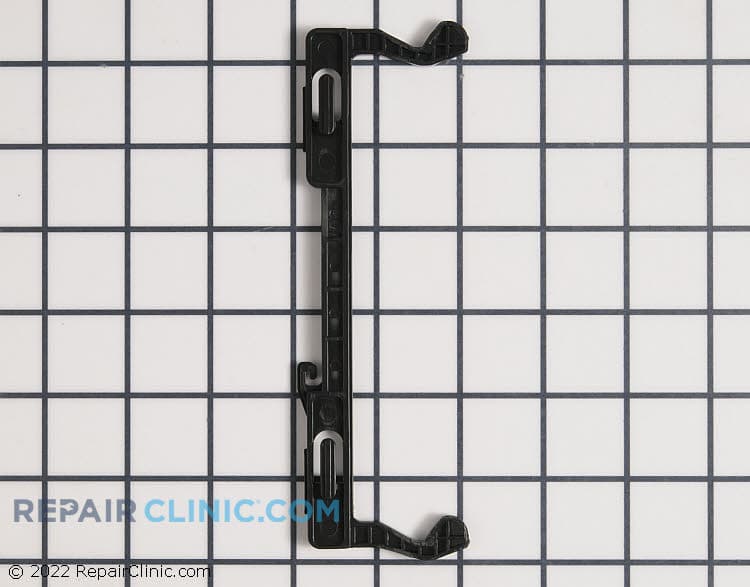
Door Latch
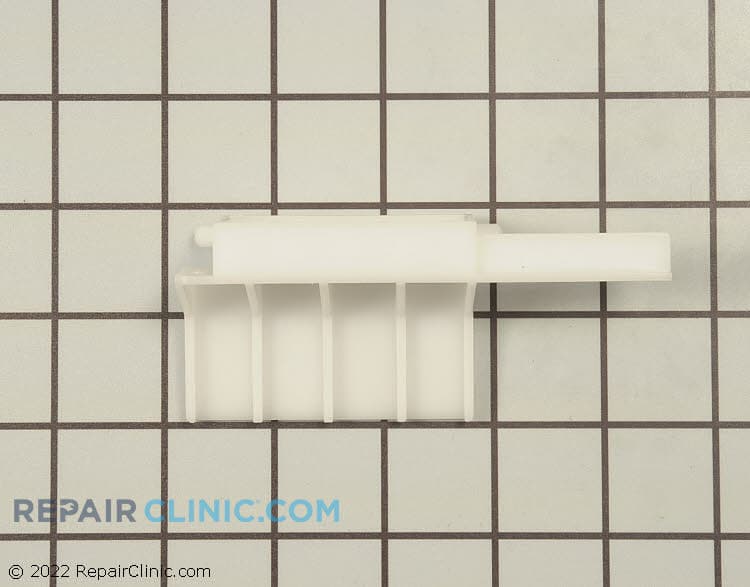
Door release lever
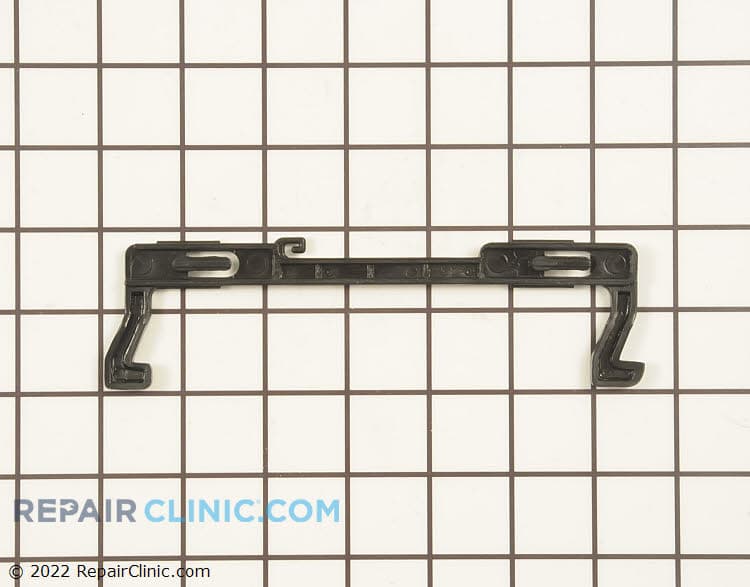
Door latch
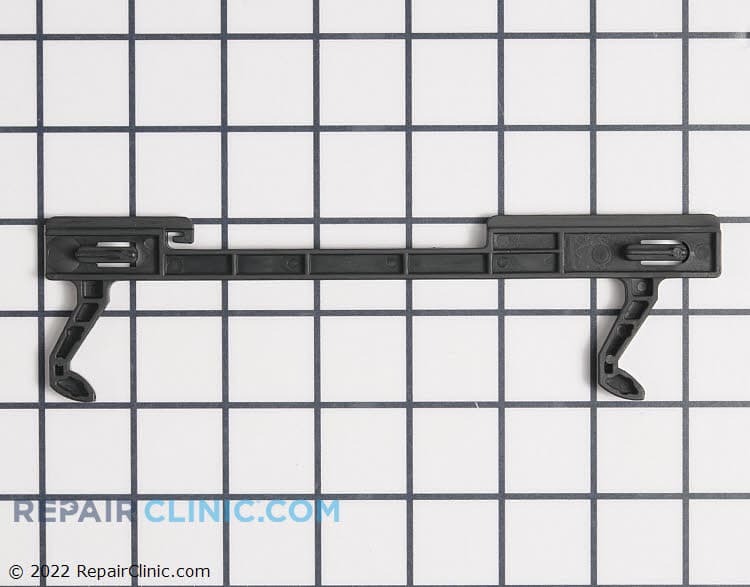
Door latch

Latch asm
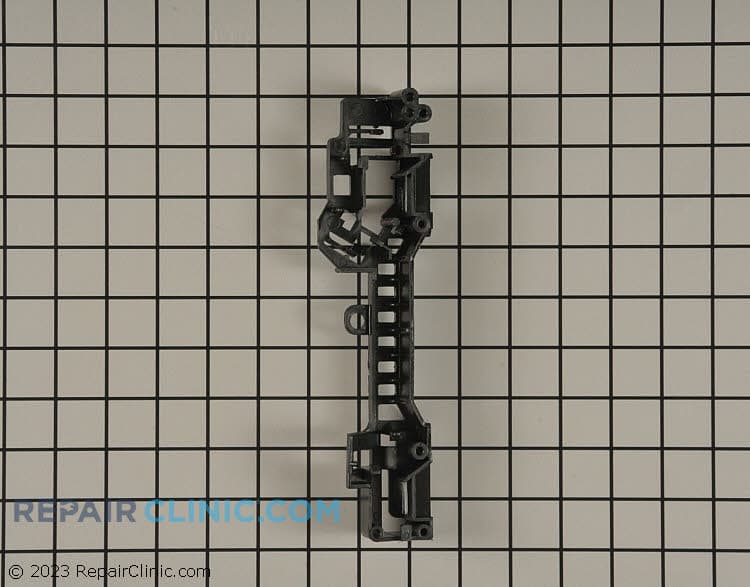
Door switch latch board. Bracket comes as black now.
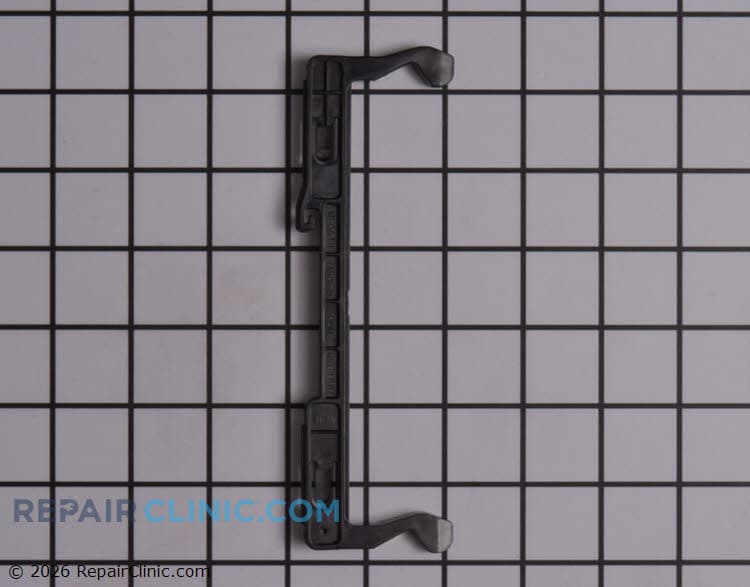
Door key
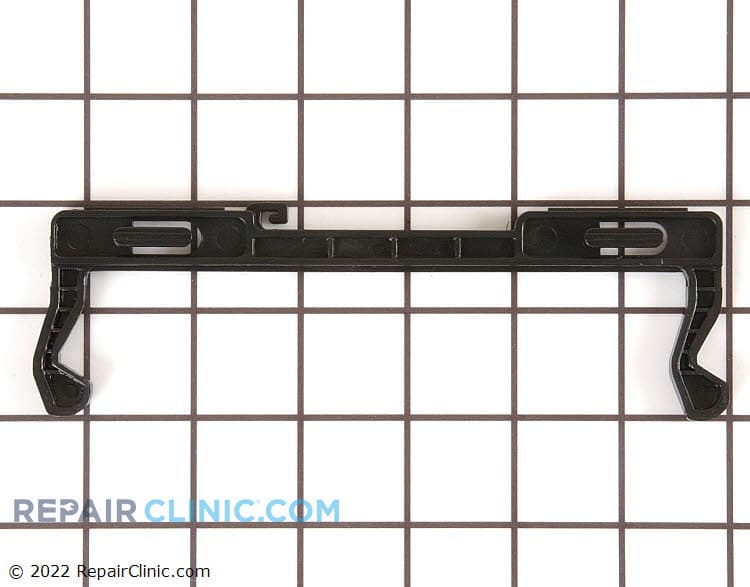
This is a Genuine Replacement Part. General Electric (GENF0) WB02X11096 Microwave Door Hook.
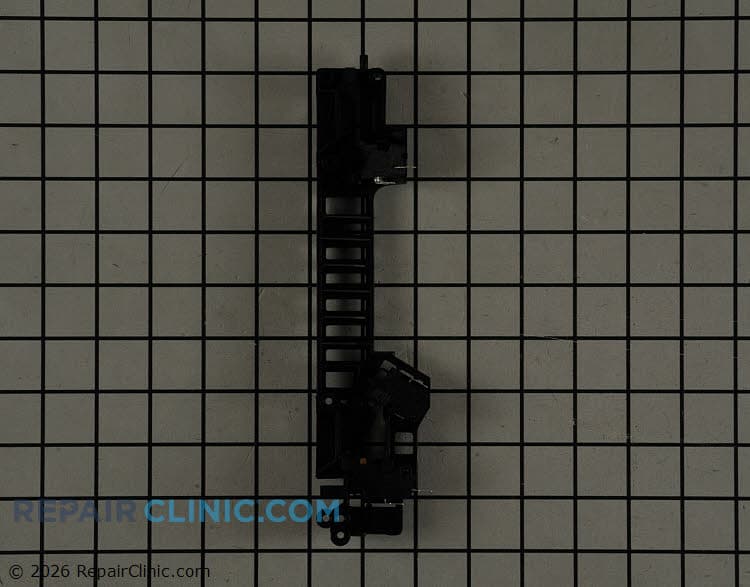
Body latch asm

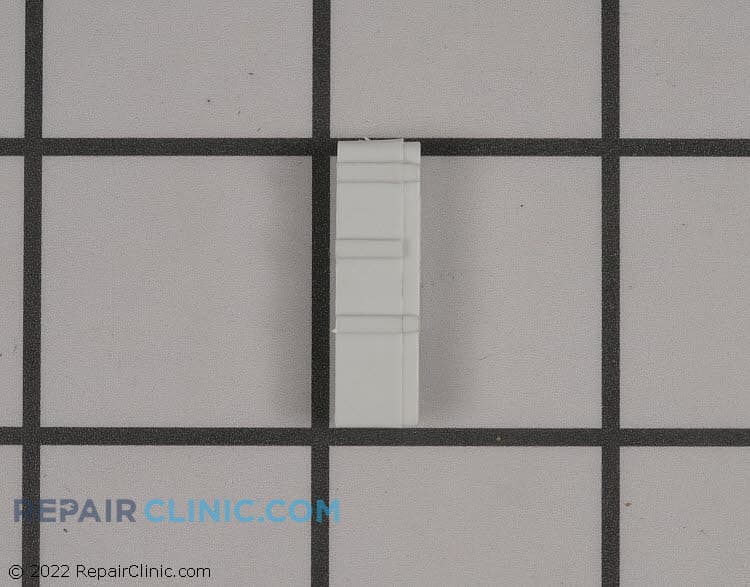
Latch stopper

Door-key
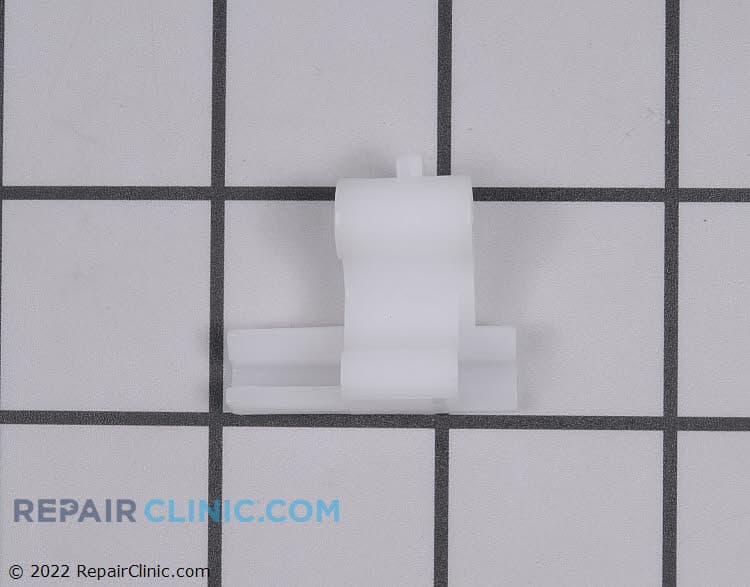
Door latch slider
Latch body
Latch-body
Lock


GE Microwave Door Latch and Handle Parts
The microwave door latch takes constant abuse — opening and closing dozens of times a year puts real stress on the mechanism. When the latch won't catch, the door swings open mid-cycle, or the handle cracks off, your GE microwave won't start because the door safety switches won't engage. A replacement latch assembly or door handle is a straightforward fix that restores both function and safety.
GE microwaves use two main latch styles: the hook-style latch that engages with a strike on the door, and the solenoid-operated latch on higher-end models. Both are prone to wear. If the door closes but won't latch, or if you hear a clicking sound when you try to start the microwave, the GE microwave latch assembly is your repair.
- Door won't latch or latches loosely: Hook-style latch worn or bent; solenoid latch failed
- Microwave won't start when door closes: Latch switch not engaging safety interlock; latch assembly needs replacement
- Door handle cracked or broken off: Handle integrated with latch assembly on many GE models; replace the complete latch
- Clicking sound when closing door: Latch mechanism worn; metal parts rattling or misaligned
- Door swings open during operation: Latch completely failed; immediate safety concern; stop using microwave until replaced
Find Replacement GE Microwave Latch Parts Online by Model or Part Number
Popular GE Microwave Models
Related GE Microwave Latch Parts
- GE Microwave Switch Holder Parts
- GE Microwave Door Hook Parts
- GE Microwave Open Lever Parts
- GE Microwave Door Latch Parts
- GE Microwave Lever Parts
- GE Microwave Dispenser Latch Parts
- GE Microwave Door Lock Motor and Switch Assembly Parts
- GE Microwave Door Key Parts
- GE Microwave Door Latch Solenoid Parts
- GE Microwave Door Lock Parts
- GE Microwave Holder Parts
- GE Microwave Lock Parts
GE Microwave Door Latch and Handle FAQ
How do I know if my GE microwave latch is the problem?
The fastest test: close the door gently and listen for a click or feel for resistance. If the door swings right back open, or if the microwave beeps an error but won't start when the door is closed, the latch is almost certainly the culprit. You can also press the door firmly — if it suddenly catches partway through the press, the latch is failing. GE microwaves won't energize without the latch fully engaged because of the door safety switches.
What's the difference between a hook latch and a solenoid latch on GE microwaves?
Hook-style latches (found on most GE countertop models) are purely mechanical — the handle hooks onto a strike plate and holds mechanically. Solenoid latches (on some GE profile and over-the-range models) use an electromagnet to lock the door electronically. Hook latches wear out from friction and bending; solenoid latches fail when the electromagnet coil burns out or the plunger gets stuck. Both replacement types are model-specific — always confirm your model number.
Can I just replace the handle if the latch assembly is cracked?
On most GE models, the handle and latch are one integrated assembly, so you'll need to replace the whole unit. Some higher-end models have a separate handle, but it's rare. Once you enter your model number into Repair Clinic's lookup, you'll see whether your model uses a combined assembly or separate parts. Combined assemblies are actually easier to install because they're one part.
Why does my GE microwave keep saying the door is open when it's closed?
That's a door safety switch issue, usually caused by the latch not fully engaging. The switches are usually mounted right inside the door frame where the latch hook catches — if the latch is worn and doesn't fully seat, the switches don't activate and the microwave thinks the door is open. Replacing the latch assembly fixes it.
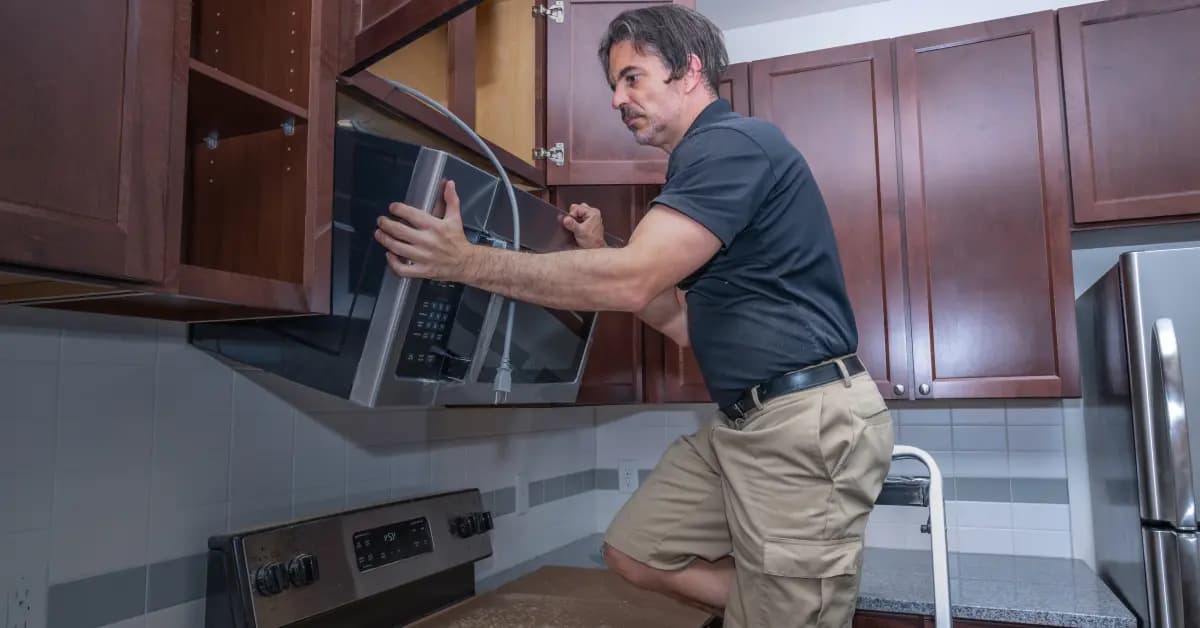
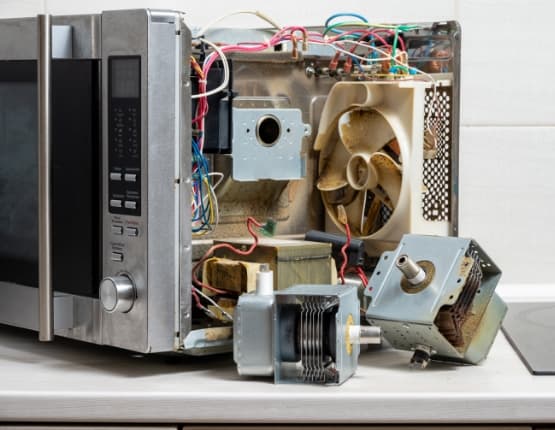
Convenient Online Ordering for GE Microwave Latch Parts
Secure your GE Microwave's operation with reliable OEM latch parts from Repair Clinic. A fully functional latch ensures safety and reliable operation, preventing accidental door openings during use. Easily find the specific latch for your GE model using our part number lookup tool. Enjoy the convenience of same-day shipping and the assurance of our Price Match Guarantee. If you need assistance with installation, visit our Microwave Repair Help page. Find more options like GE Microwave Parts for comprehensive repair solutions.
GE Microwave Model Number: Where to Look
GE places the model number on a rating label inside the microwave door frame on many models. If it is not there, check the back or side of the cabinet, where the label may list the model and serial numbers together. Copy the model number exactly, including letters and numbers, then type it into the model number search to pull up the parts matched to your unit. Using the complete model number filters Repair Clinic's full GE microwave parts catalog, not just latch parts, to the parts designed for your specific microwave. You order with confidence knowing the fit is right.

Online Repair Library for GE Microwave
Repair Clinic's online repair library gives you the tools to diagnose and fix your GE Microwave without a service call. Common-symptom articles cover the most likely causes, part testing videos confirm the failed component, and step-by-step written guides walk you through the installation. Use the model number lookup to confirm the exact OEM part, and exploded-view diagrams and wiring illustrations support the more involved jobs.
Related Articles: Microwave Parts
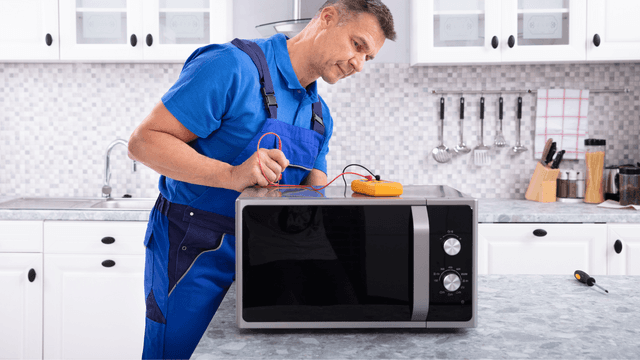
Testing A Microwave Capacitor
Learn how to safely test a microwave capacitor using a multimeter to determine if it's faulty and causing your microwave to malfunction.
7 Probable Causes Of Your Microwave Not Heating
Find the most common reasons your microwave isn't heating, from defective magnetrons to door switch failures, and how to troubleshoot each issue.
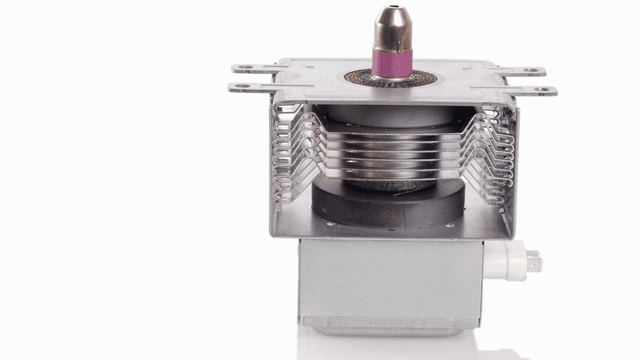
Microwave Magnetron Testing
Find out how to test a microwave magnetron to diagnose heating problems and determine if this crucial part needs to be replaced.




Family-owned and operated since 1912, Burke America Parts Group is the longest-running genuine appliance, HVAC, and outdoor power equipment parts solution in North America. At Repair Clinic, we're proud to be an international brand trusted by the pros as well as the DIY community.
About Repair Clinic