


 Price Match Guarantee
GE Dryer Parts
- Adhesive
- Axle, Roller, Shaft, Wheel
- Bearing
- Belt
- Blower Wheel & Fan Blade
- Bracket & Flange
- Cap, Lid & Cover
- Capacitor
- Circuit Board & Timer
- Compressor & Sealed System
- Deflector & Chute
- Diode, Magnetron & Resistor
- Dispenser
- Door
- Drawer
- Drum & Tub
- Duct & Venting
- Fastener
- Filter
- Fuse, Thermal Fuse & Breaker
- Gas Burner & Control Valve
- Gasket & Seal
- Grille & Kickplate
- Handle
- Heating Element
- Hinge
- Hose, Tube & Fitting
- Igniter
- Insulation
- Knob, Dial & Button
- Latch
- Leg, Foot & Caster
- Lighting & Light Bulb
- Manuals, Care Guides & Literature
- Miscellaneous
- Motor
- Panel
- Power Cord
- Pulley
- Pump
- Sensor & Thermistor
- Spring
- Suspension & Shock Absorption
- Switch
- Tank & Container
- Thermostat
- Tool
- Touchpad
- Trim
- Tune-Up Maintenance Kit
- Valve & Float
- Wire, Receptacle & Wire Connector
Find the right part faster
Multiple models matched. Select your model to confirm fit.




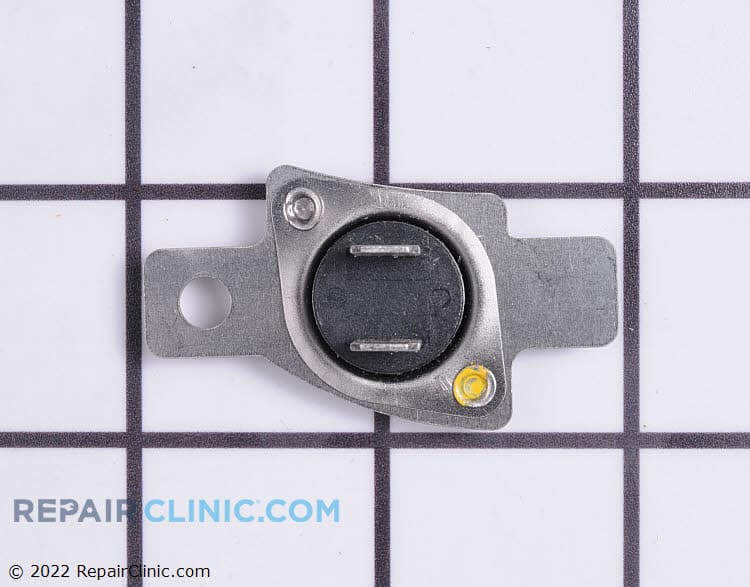
Inlet control thermistor. Resistence reading should be around 100K ohms at room temperature and decrease with temperature rise.
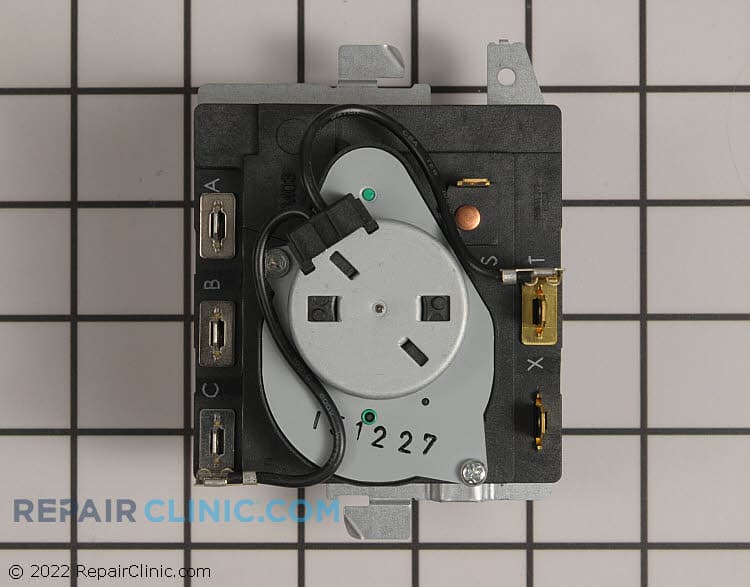
Dryer timer assembly. If the timer will not advance in any cycle it might be bad and need to be replaced.
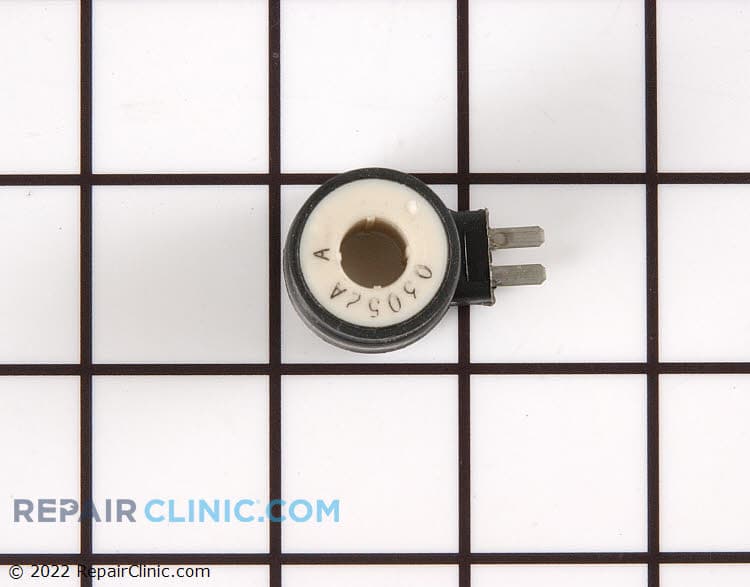
Dryer gas valve solenoid coil. Has two terminals.

Thermostat, high limit
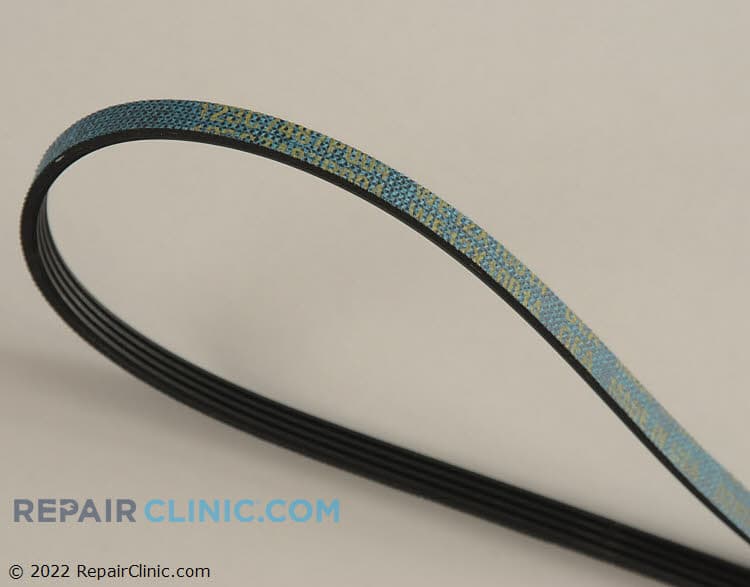
Dryer drive belt. This is the most common GE/Hotpoint dryer belt. 87" long and 1/4" wide. 4 ridges.The drive belt dries out over time. If the dryer belt cracks or breaks, the dryer drum will not be able to turn. If the dryer motor is running, but the drum won't rotate, the belt has likely broken.
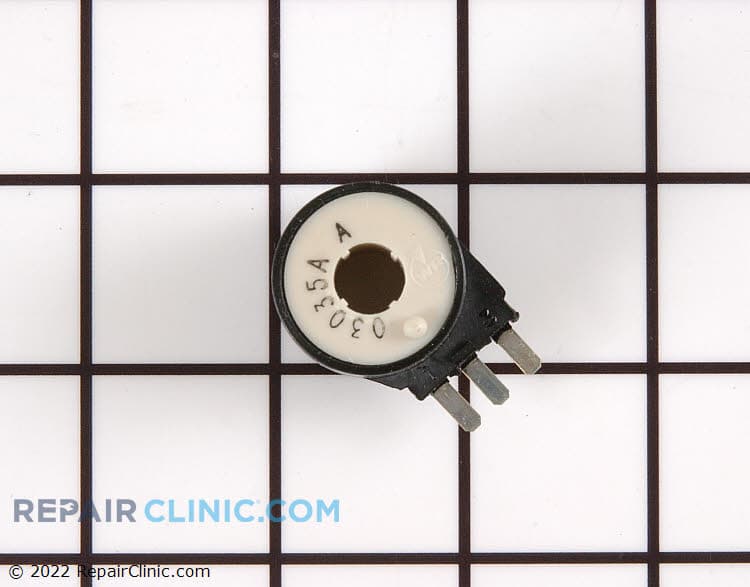
Gas valve solenoid coil 3 terminal
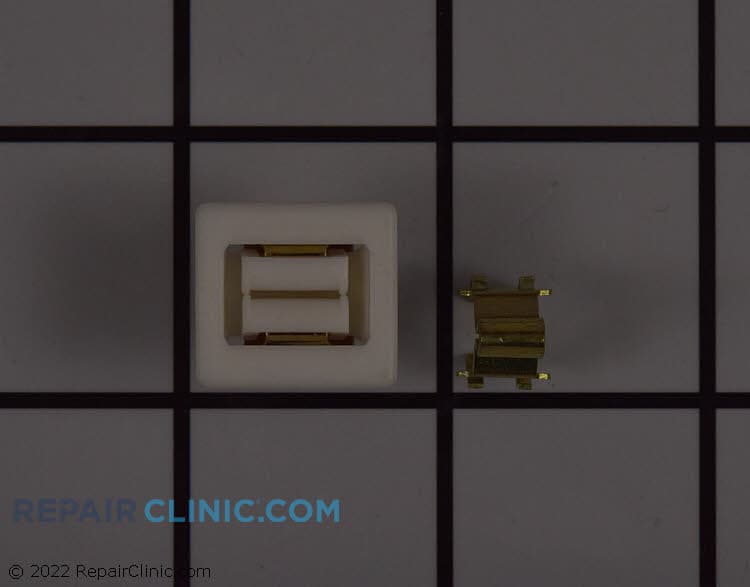
Dryer door latch
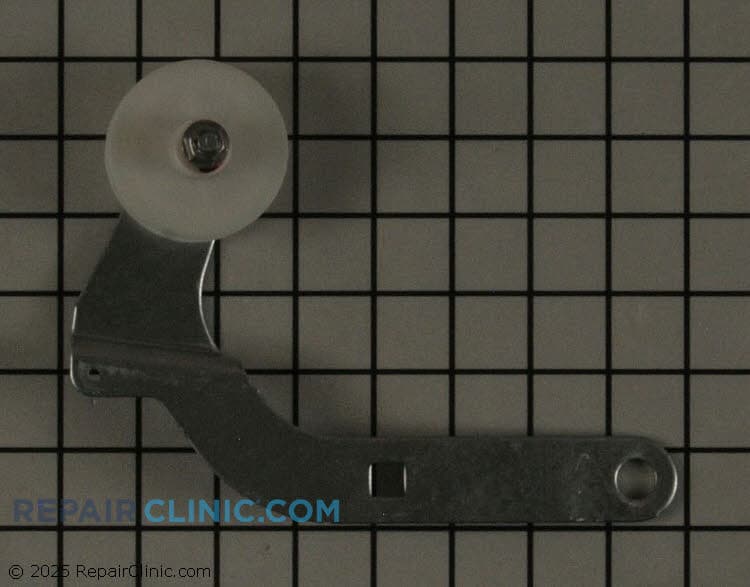
Idler arm & pulley wheel
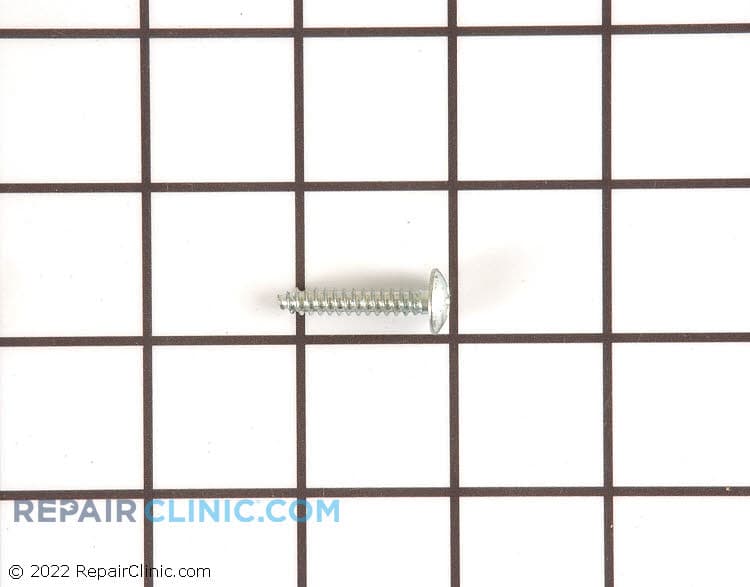
Screw, 10-16 x 7/8
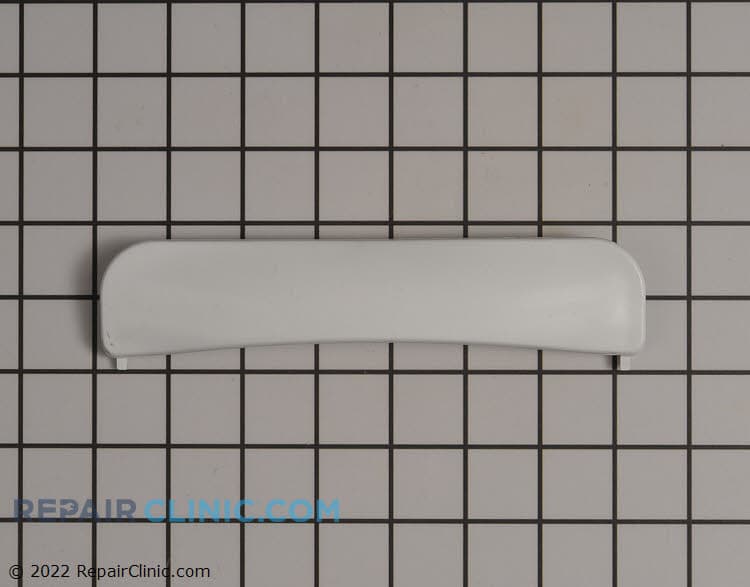
Door handle, white. Snaps in place
RC Item #4979895
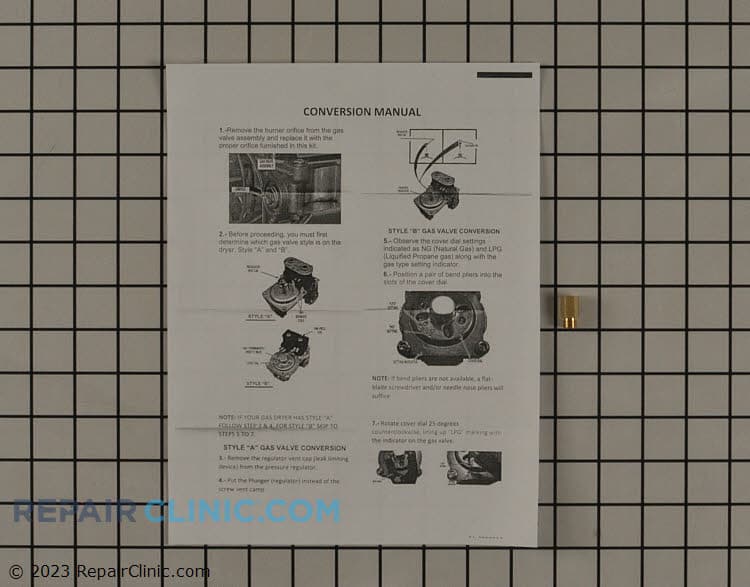
Ng to lp conversion kit
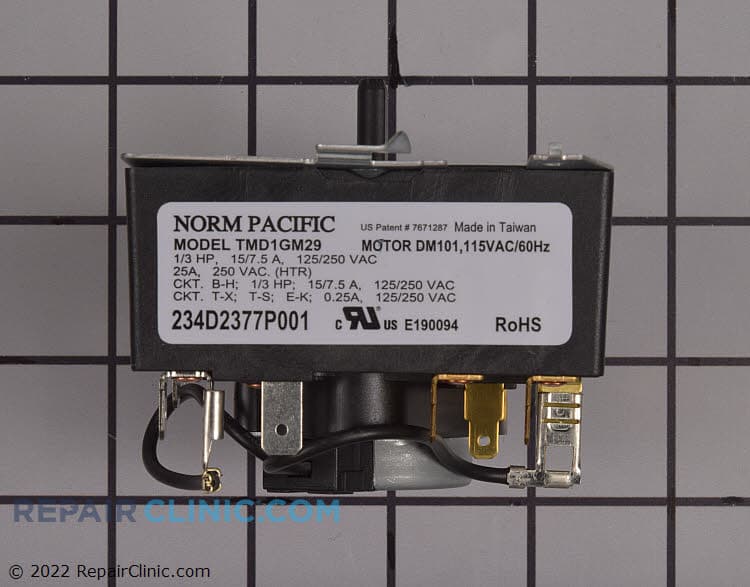
Dryer timer
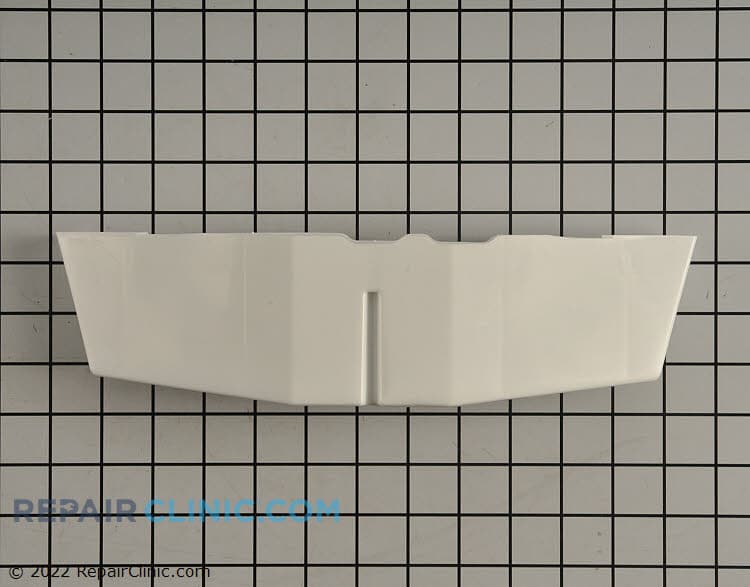
Dryer drum baffle
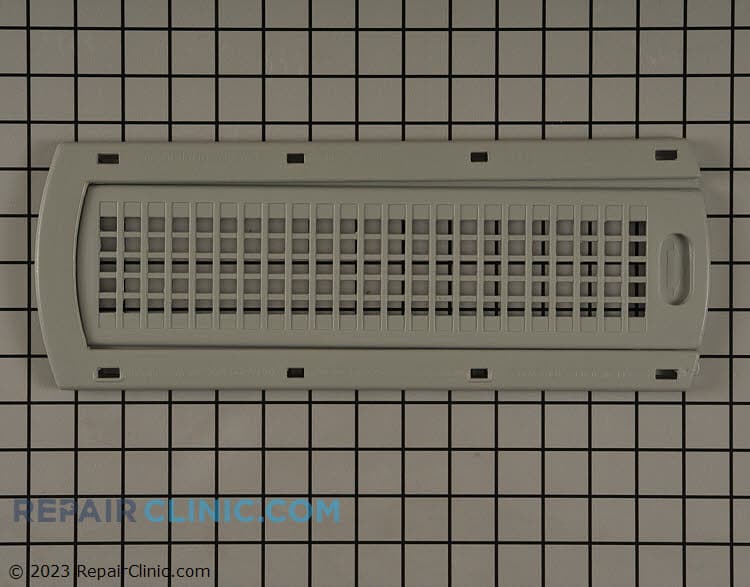
Lint screen cover grid and guide assembly
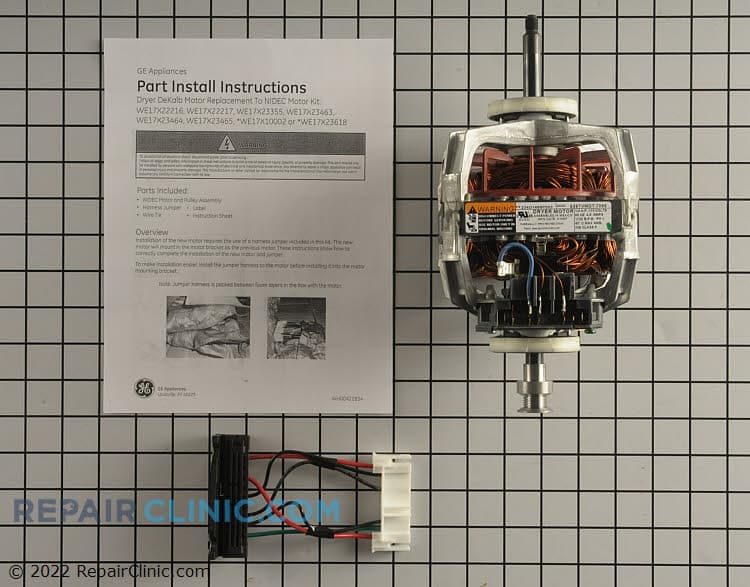
Dryer drum drive motor and pulley. Wiring Harness Is Encased In The Styrofoam Inside The Box


GE Dryer Parts & Repair Guide
GE dryers are built to last, but when heat stops or the drum won't turn, a few common parts are almost always the culprit. The thermal fuse is the #1 GE dryer repair — it's a one-time safety device that blows when airflow gets blocked, and once it trips, the dryer runs but produces zero heat. Heating elements, drive belts, and drum rollers round out the top failures.
Whether you have a GE electric or gas dryer, Repair Clinic carries genuine OEM parts for all GE models. Use your model number to find the exact thermal fuse, heating element, or belt your dryer needs — GE dryer parts vary by model, and getting the right one the first time saves you a second trip.
- No heat: Thermal fuse blown (check vent for blockage first), heating element failed, or high-limit thermostat tripped
- Drum won't tumble: Drive belt snapped, idler pulley worn, or drum roller bearing failed
- Squealing noise: Drum rollers wearing out, idler pulley worn, or blower wheel debris
- Won't start at all: Door switch failed or thermal fuse blown (safety lockout)
- Noisy operation: Drum bearing or idler pulley — replace both at the same time for best results
Popular GE Dryer Models
Related GE Dryer Parts
- GE Dryer Miscellaneous Parts
- GE Dryer Fastener Parts
- GE Dryer Panel Parts
- GE Dryer Circuit Board & Timer Parts
- GE Dryer Cap, Lid & Cover Parts
- GE Dryer Drum & Tub Parts
- GE Dryer Switch Parts
- GE Dryer Thermostat Parts
- GE Dryer Wire, Receptacle & Wire Connector Parts
- GE Dryer Manuals, Care Guides & Literature
- GE Dryer Bracket & Flange Parts
- GE Dryer Knob, Dial & Button Parts
- GE Dryer Gas Burner & Control Valve Parts
- GE Dryer Gasket & Seal Parts
- GE Dryer Door Parts
- GE Dryer Duct & Venting Parts
- GE Dryer Motor Parts
- GE Dryer Sensor & Thermistor Parts
- GE Dryer Hinge Parts
- GE Dryer Leg, Foot & Caster Parts
- GE Dryer Heating Element Parts
- GE Dryer Latch Parts
- GE Dryer Lighting & Light Bulb Parts
- GE Dryer Bearing Parts
- GE Dryer Hose, Tube & Fitting Parts
- GE Dryer Handle Parts
- GE Dryer Belt Parts
- GE Dryer Blower Wheel & Fan Blade Parts
- GE Dryer Filter Parts
- GE Dryer Power Cord Parts
- GE Dryer Pulley Parts
- GE Dryer Axle, Roller, Shaft, Wheel Parts
- GE Dryer Fuse, Thermal Fuse & Breaker Parts
- GE Dryer Valve & Float Parts
- GE Dryer Igniter Parts
- GE Dryer Insulation Parts
- GE Dryer Diode, Magnetron & Resistor Parts
- GE Dryer Compressor & Sealed System Parts
- GE Dryer Spring Parts
- GE Dryer Tool
- GE Dryer Trim Parts
- GE Dryer Touchpad Parts
- GE Dryer Drawer Parts
- GE Dryer Capacitor Parts
- GE Dryer Grille & Kickplate Parts
- GE Dryer Adhesive
- GE Dryer Pump Parts
- GE Dryer Deflector & Chute Parts
- GE Dryer Dispenser Parts
- GE Dryer Suspension & Shock Absorption Parts
- GE Dryer Tank & Container Parts
- GE Dryer Tune-Up Maintenance Kit
GE Dryer Parts — Frequently Asked Questions
What's the most common GE dryer repair?
The thermal fuse is the #1 GE dryer failure. It's a one-time safety device that blows when lint blocks the vent or exhaust airflow gets restricted. When it blows, the dryer motor still runs and the drum still turns, but no heat is produced. Before you replace the fuse, always check your dryer vent for lint buildup — a blocked vent is usually why the fuse blew in the first place. The fuse itself costs $5 to $15 and takes 15 minutes to replace.
How do I find my GE dryer model number?
Your GE dryer model number is on a label inside the door jamb, along the top of the cabinet, or on the back of the unit. It starts with letters like GFD, GFE, GTD, or GTDX, followed by numbers. Write it down and enter it in our model lookup tool — Repair Clinic will show you every part that fits your exact dryer, plus symptom-specific guides for no-heat, no-tumble, and noisy operation problems.
Can I replace a GE dryer heating element myself?
Yes. An electric GE dryer heating element is one of the most DIY-friendly repairs. The element is usually located in a sealed compartment at the front or rear of the drum — unplug the dryer, remove a few screws, disconnect the terminals, and slide in the new OEM element. No special tools needed. Gas dryers don't have heating elements; they use igniters and flame sensors instead, which are a bit more involved. Browse GE dryer parts by symptom to find heating elements, igniters, and thermal fuses for your model.
What's the difference between a GE dryer thermal fuse and a high-limit thermostat?
Both are safety devices, but they work differently. The thermal fuse is a one-time-only part — once it blows (usually from a blocked vent), it must be replaced. The high-limit thermostat is a reusable switch that trips when temperature gets too high, then resets when the dryer cools. If your dryer has no heat but the thermal fuse tests fine, check the high-limit thermostat next. Always use your GE model number to get the correct part — the fuse and thermostat part numbers vary across the GE dryer lineup.
Order GE Dryer Replacement Parts Online
Finding the right GE dryer replacement parts is simple with Repair Clinic. Search by your model or part number to quickly locate essential parts like drum belts, heating elements, thermal fuses, and more. We offer a full range of OEM GE dryer parts to keep your appliance running smoothly.
With our No-Hassle 365-Day Returns, you can return uninstalled parts within a year of purchase. Plus, our Price Match Guarantee ensures you get competitive pricing on high-quality replacement parts. Whether you're a DIY enthusiast or a professional technician, Repair Clinic provides expert support and troubleshooting resources for easy GE dryer repairs.
GE Dryer Model Number: Where to Look
On GE dryers, look for the model number label along the top of the cabinet, inside the door jamb, or on the back of the unit. GE model numbers often begin with letters such as GFD, GFE, GTD, or GTDX, followed by numbers, so copy the entire code exactly, including any suffix. Enter it in the search bar and the catalog will narrow to parts made for your specific dryer model. This filters the full GE dryer selection across heating, drive, gas, electrical, and cabinet parts, rather than tying the number to one repair. A precise model search means fewer wrong orders and a faster repair.

Diagnose and Repair Your GE Dryer Online
Repair Clinic's online resources are built to help you get your GE Dryer back in service without unnecessary trial and error. Start with the diagnostic article for your symptom, watch a repair video that shows the parts and tools involved, then follow the step-by-step written guide as you work. Part testing walkthroughs confirm the failed component, and the model number lookup confirms the exact OEM part before you order.
Related Articles: Dryer Parts

Why Would A Dryer Keep Shutting Off?
Is your dryer shutting off unexpectedly? Learn the common causes of airflow issues, faulty thermostats, heating element failure, and more, plus how to fix them with expert repair tips and OEM parts from Repair Clinic.
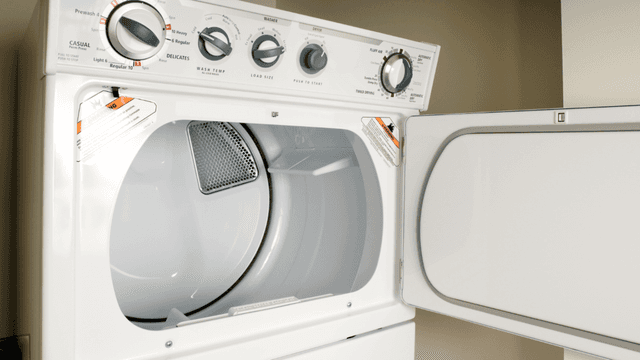
Dryer Won't Start? Let's Troubleshoot
Dryer won't start or turn on? Learn the common causes, from faulty start switches to blown thermal fuses, and find step-by-step troubleshooting tips. Get expert repair advice and genuine OEM parts from Repair Clinic.
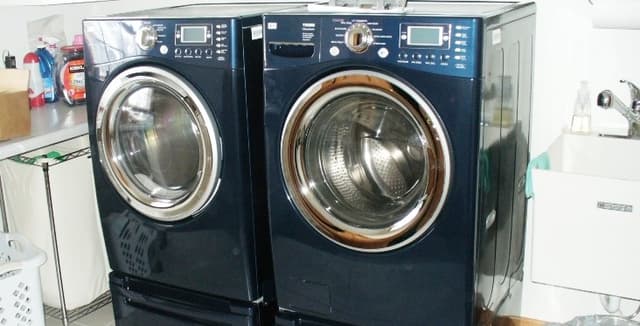
Top 5 Reasons a Dryer Drum Won't Spin
Dryer drum won't spin? Learn the top 5 reasons why, from a broken drive belt to worn rollers or a faulty motor. Get expert troubleshooting tips and shop genuine OEM dryer parts at Repair Clinic.




Family-owned and operated since 1912, Burke America Parts Group is the longest-running genuine appliance, HVAC, and outdoor power equipment parts solution in North America. At Repair Clinic, we're proud to be an international brand trusted by the pros as well as the DIY community.
About Repair Clinic