


 Price Match Guarantee
Kenmore Dryer Parts
- Adhesive
- Axle, Roller, Shaft, Wheel
- Bearing
- Belt
- Blower Wheel & Fan Blade
- Bracket & Flange
- Cap, Lid & Cover
- Capacitor
- Circuit Board & Timer
- Cleaner & Deodorizer
- Compressor & Sealed System
- Deflector & Chute
- Diode, Magnetron & Resistor
- Dispenser
- Door
- Drawer
- Drum & Tub
- Duct & Venting
- Fastener
- Filter
- Fuse, Thermal Fuse & Breaker
- Gas Burner & Control Valve
- Gasket & Seal
- Grille & Kickplate
- Handle
- Heating Element
- Hinge
- Hose, Tube & Fitting
- Igniter
- Insulation
- Knob, Dial & Button
- Latch
- Leg, Foot & Caster
- Lighting & Light Bulb
- Lubricant
- Manuals, Care Guides & Literature
- Miscellaneous
- Motor
- Paint
- Panel
- Power Cord
- Pulley
- Pump
- Sensor & Thermistor
- Shelf & Shelf Support
- Spring
- Suspension & Shock Absorption
- Switch
- Tank & Container
- Thermostat
- Tool
- Touchpad
- Transformer
- Trim
- Tune-Up Maintenance Kit
- Valve & Float
- Wire, Receptacle & Wire Connector
Find the right part faster
Multiple models matched. Select your model to confirm fit.




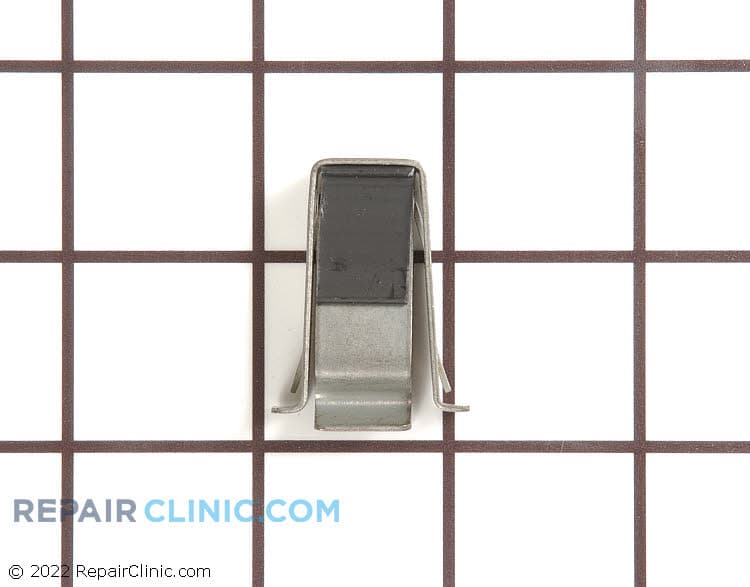
Dryer door catch. If the dryer door does not latch closed then the door strike or this catch is likely damaged


Thermostat and thermistor kit. The thermostat has reset button in center that will trip due to poor air flow such as a clogged exhaust vent.
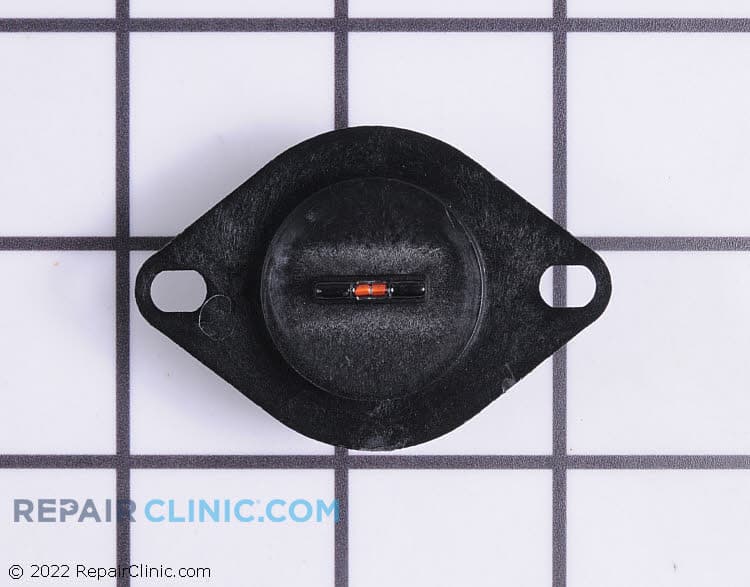
Dryer thermistor. If the dryer displays a fault code the thermistor may be defective.
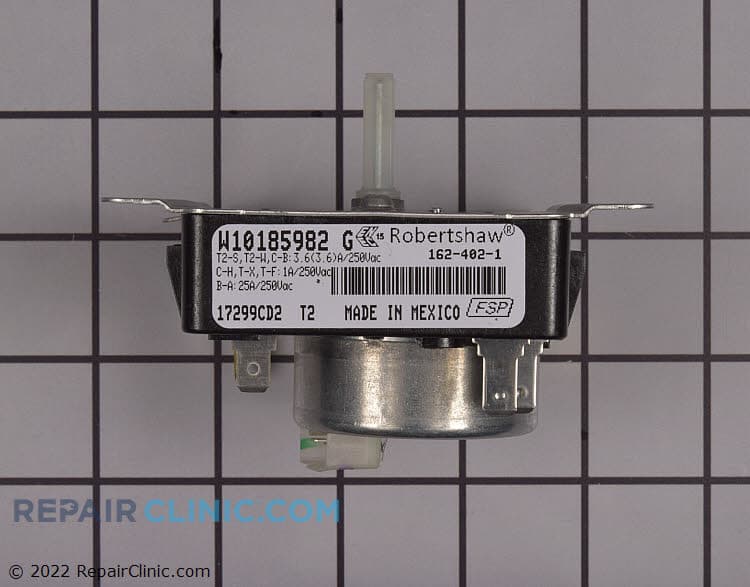
Dryer timer assembly
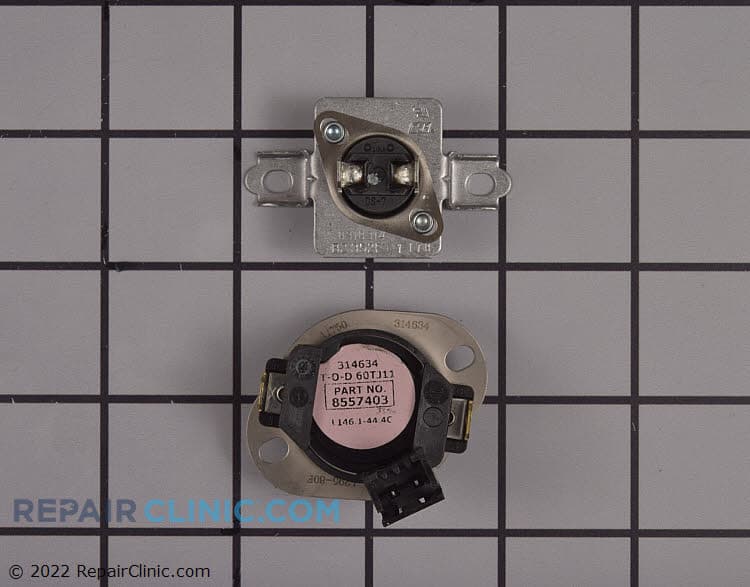
Thermal cut out fuse and high limit thermostat kit
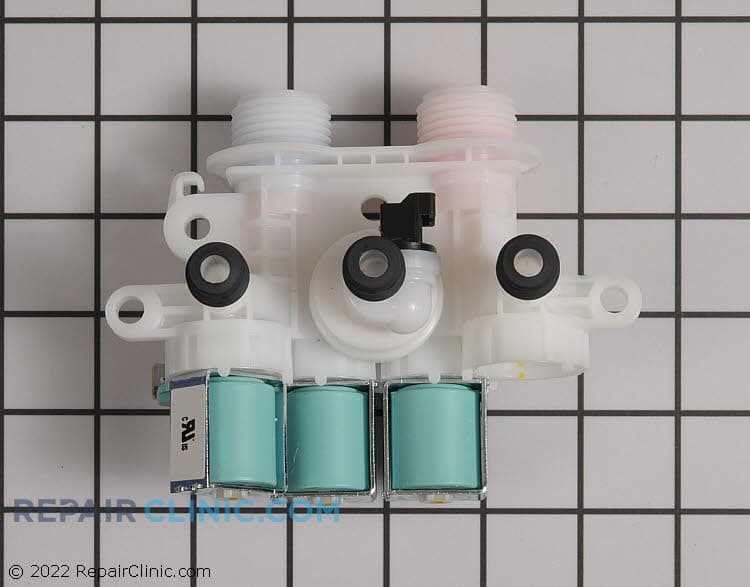
Water inlet valve
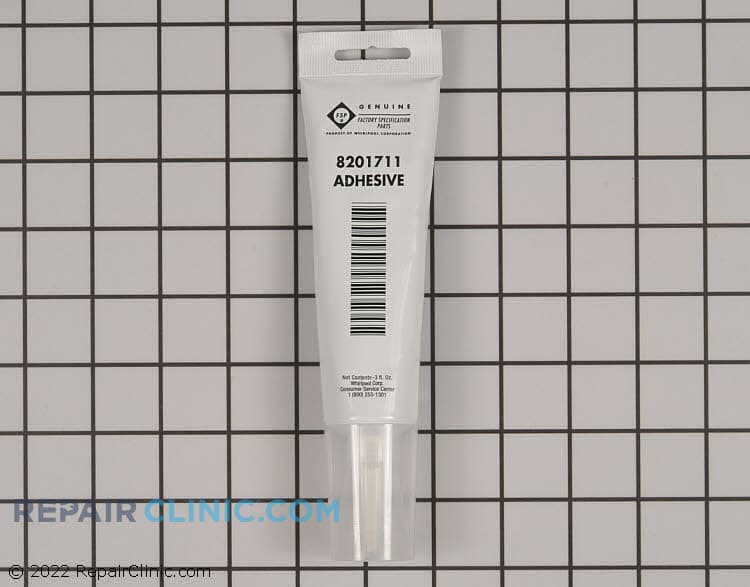
White silicone adhesive caulk. Forms a heat resistant bond. Often used for gaskets, seals and burner grate feet.
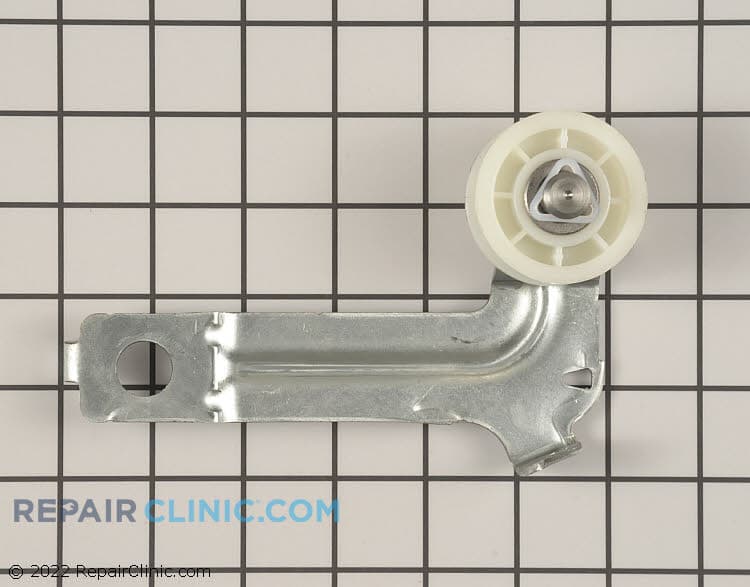
Dryer idler wheel and bracket assembly. Provides tension to the dryer drum belt.
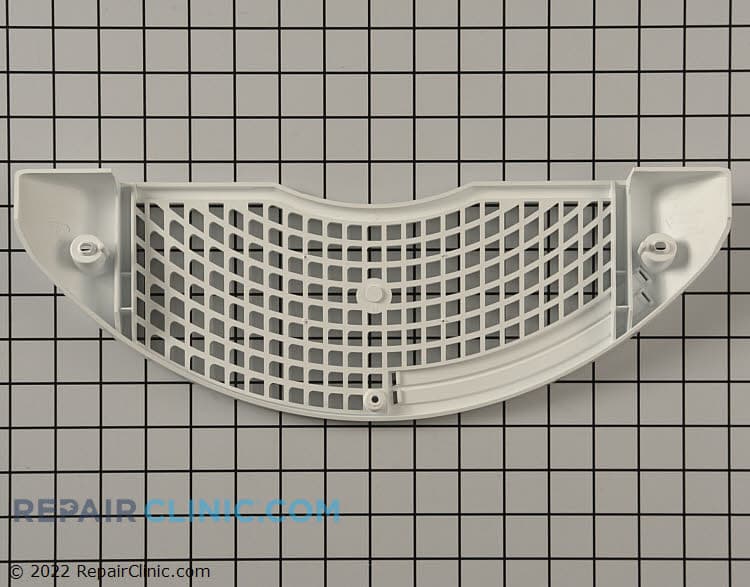
Outer grille
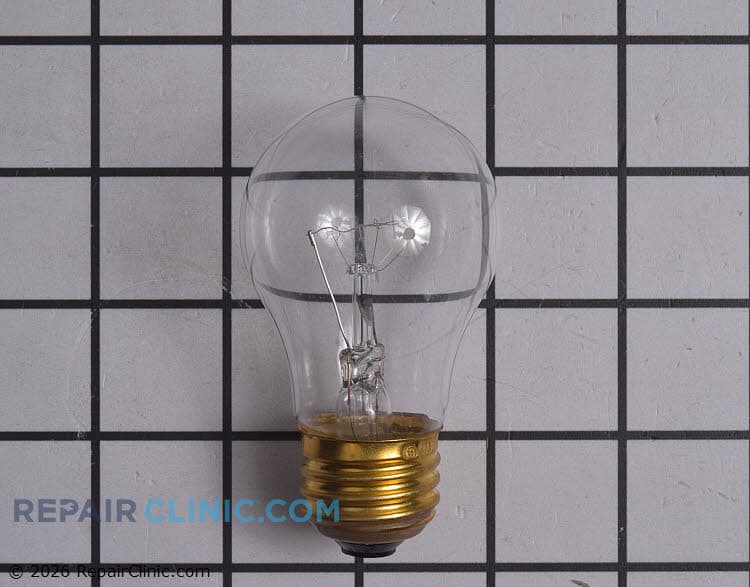
Universal appliance light bulb, 40A15. 40 WATT 15 AMP standard base
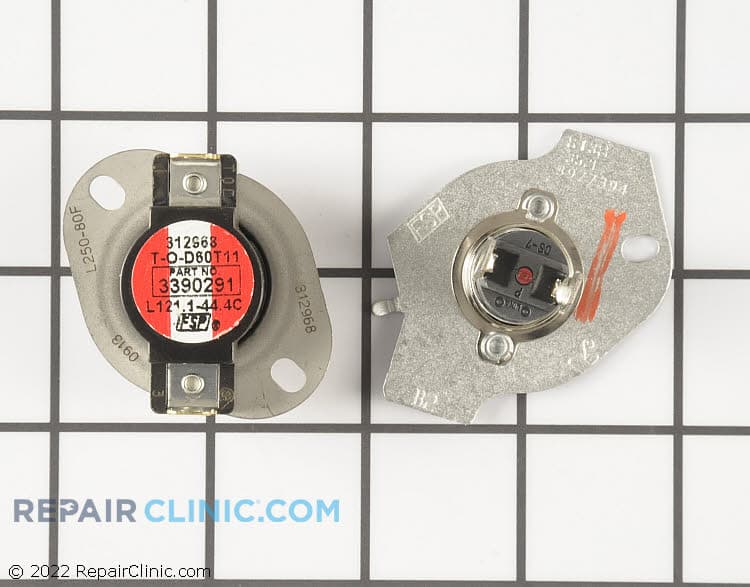
Heating element thermal cut-off (thermal fuse) 360 degrees and high-limit thermostat 250 degrees. The thermal fuse is a safety device designed to protect the dryer from overheating. A multimeter can be used to test the fuse. Always check the dryer venting when replacing a blown thermal fuse.
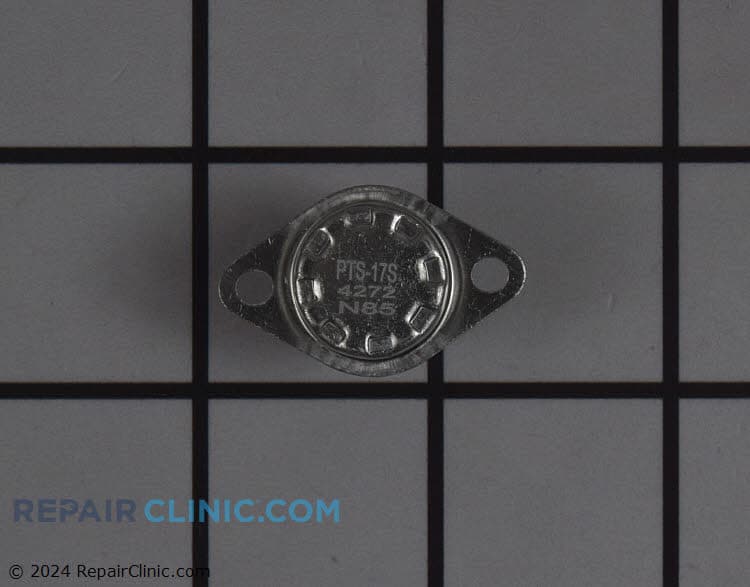
Dryer thermal fuse (also called the thermal limit). Located on the blower housing. The thermal fuse blows to cut off power to the dryer if the dryer overheats. If the thermal fuse has blown, the dryer won't start. The thermal fuse cannot be reset--if the fuse has blown, it must be replaced.
RC Item #4958905
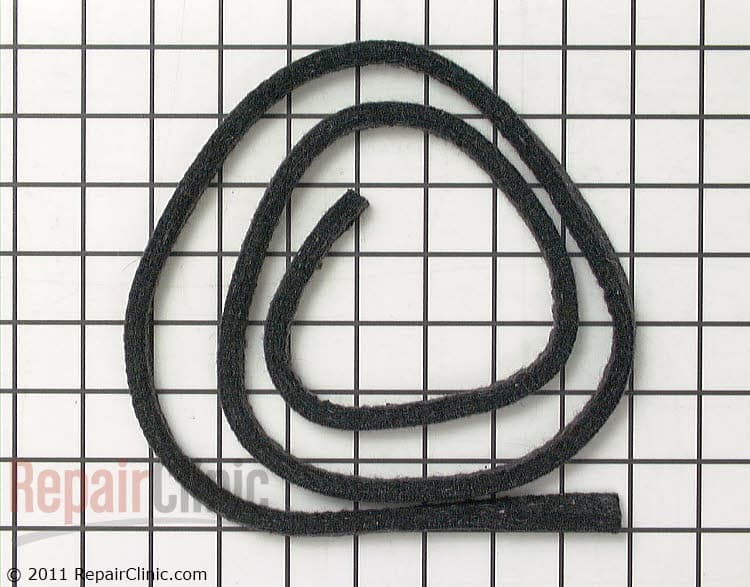
Dryer drum seal for the lower front. If the seal is worn the drum glides are likely worn and may need to be replaced. See related items below.

High limit thermostat at blower housing
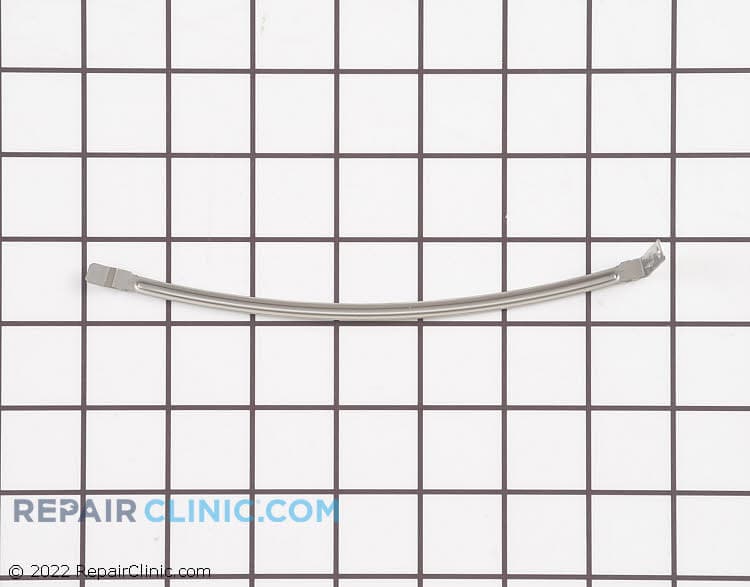
Dryer moisture sensor bar. If the dryer timer does not advance properly inspect the moisture sensor bars for damage which can cause the automatic drying cycle to not work properly.


Kenmore Dryer Parts: Thermal Fuses, Belts & Heating Elements
Kenmore dryers are built by Whirlpool, so you're getting proven reliability — but like all dryers, they eventually need repair. The thermal fuse is the #1 failure: it's a one-time safety device that blows when the dryer overheats, shutting off heat completely. A blocked vent is usually the culprit, so check that first. If the vent's clear and heat still won't come, the fuse is your answer — and it's a $5 to $15 fix.
Drive belts, heating elements, and drum rollers round out the top repairs. When the drum won't turn but the motor runs, the belt has snapped. When the motor runs but there's no heat, check the thermal fuse first, then the heating element. Drum rollers wear over time and cause squealing or thumping during the tumble cycle. Find your exact Kenmore model number on the dryer's identification plate — usually inside the door or on the frame — and use it to get the right part. Aftermarket belts often fit poorly; OEM belts maintain the correct length and tension.
- Thermal fuse won't reset: one-time safety device; must be replaced; always verify vent is clear first
- Drum won't turn: drive belt has snapped or idler pulley has failed; check both together
- No heat with running motor: thermal fuse or heating element failure; fuse is the first quick check
- Squealing or thumping during tumble: drum roller or idler pulley wear; both often replaced in pairs
- Door won't latch or light stays wrong: door switch failure; safety and convenience issue
Popular Kenmore Dryer Models
Related Kenmore Dryer Parts
- Kenmore Dryer Miscellaneous Parts
- Kenmore Dryer Fastener Parts
- Kenmore Dryer Panel Parts
- Kenmore Dryer Wire, Receptacle & Wire Connector Parts
- Kenmore Dryer Touchpad Parts
- Kenmore Dryer Cap, Lid & Cover Parts
- Kenmore Dryer Bracket & Flange Parts
- Kenmore Dryer Circuit Board & Timer Parts
- Kenmore Dryer Gasket & Seal Parts
- Kenmore Dryer Door Parts
- Kenmore Dryer Manuals, Care Guides & Literature
- Kenmore Dryer Switch Parts
- Kenmore Dryer Hose, Tube & Fitting Parts
- Kenmore Dryer Knob, Dial & Button Parts
- Kenmore Dryer Duct & Venting Parts
- Kenmore Dryer Drum & Tub Parts
- Kenmore Dryer Gas Burner & Control Valve Parts
- Kenmore Dryer Hinge Parts
- Kenmore Dryer Spring Parts
- Kenmore Dryer Handle Parts
- Kenmore Dryer Latch Parts
- Kenmore Dryer Thermostat Parts
- Kenmore Dryer Insulation Parts
- Kenmore Dryer Lighting & Light Bulb Parts
- Kenmore Dryer Filter Parts
- Kenmore Dryer Bearing Parts
- Kenmore Dryer Heating Element Parts
- Kenmore Dryer Paint
- Kenmore Dryer Sensor & Thermistor Parts
- Kenmore Dryer Motor Parts
- Kenmore Dryer Trim Parts
- Kenmore Dryer Drawer Parts
- Kenmore Dryer Axle, Roller, Shaft, Wheel Parts
- Kenmore Dryer Pulley Parts
- Kenmore Dryer Fuse, Thermal Fuse & Breaker Parts
- Kenmore Dryer Power Cord Parts
- Kenmore Dryer Leg, Foot & Caster Parts
- Kenmore Dryer Belt Parts
- Kenmore Dryer Valve & Float Parts
- Kenmore Dryer Blower Wheel & Fan Blade Parts
- Kenmore Dryer Tool
- Kenmore Dryer Adhesive
- Kenmore Dryer Igniter Parts
- Kenmore Dryer Compressor & Sealed System Parts
- Kenmore Dryer Deflector & Chute Parts
- Kenmore Dryer Pump Parts
- Kenmore Dryer Capacitor Parts
- Kenmore Dryer Transformer Parts
- Kenmore Dryer Diode, Magnetron & Resistor Parts
- Kenmore Dryer Grille & Kickplate Parts
- Kenmore Dryer Tune-Up Maintenance Kit
- Kenmore Dryer Dispenser Parts
- Kenmore Dryer Shelf & Shelf Support Parts
- Kenmore Dryer Cleaner & Deodorizer
- Kenmore Dryer Lubricant
- Kenmore Dryer Suspension & Shock Absorption Parts
- Kenmore Dryer Tank & Container Parts
Kenmore Dryer Parts FAQ
What's the difference between Kenmore and Whirlpool dryer parts?
Kenmore dryers are built by Whirlpool, so most parts are the same or cross-reference directly. However, model prefixes matter: look at your model number. If it starts with 110.xxxxx, you're on a Whirlpool-built platform and parts align closely. Some cosmetic parts (knobs, handles, trim) are Kenmore-specific, so always use your full model number to confirm compatibility. Repair Clinic's model lookup handles this automatically.
Why did my Kenmore dryer blow a thermal fuse, and will it happen again?
The thermal fuse blows to protect your home — it triggers when the dryer reaches unsafe temperatures, usually because airflow is blocked. Check the vent hose for lint buildup, make sure the outdoor vent flap opens freely, and clean the lint trap before every load. If the vent is clear and the fuse blows again, the heating element or thermostat may be stuck on. Replacing just the fuse without fixing the airflow issue will lead to repeated failures.
Can I use a universal dryer belt instead of the OEM Kenmore belt?
Universal dryer belts exist, but they rarely fit as well as the OEM belt. Belt length, width, and rib count are engineered for your specific dryer model to maintain proper tension and alignment. A loose or tight belt causes premature wear on rollers and idlers, turning a $25 belt repair into a $200 roller job. Enter your Kenmore model number to get the exact OEM belt — it's the right choice.
How do I find my Kenmore dryer model number?
Look inside the dryer door frame or on the left wall of the cabinet — you'll see a white or silver label with the model number, serial number, and manufacturing date. Write it down and use it in Repair Clinic's parts search. The model number tells you exactly which thermal fuse, belt, heating element, and rollers your dryer needs. If the label is faded, check your purchase receipt or the original packaging.
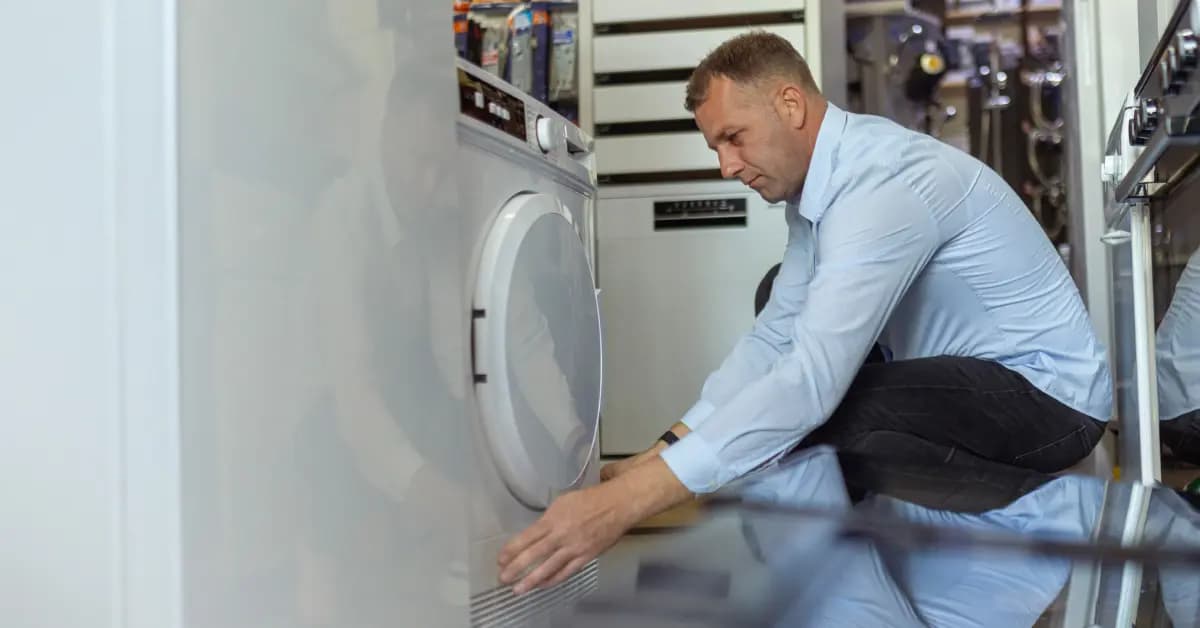
Order Kenmore Dryer Replacement Parts Online
Repair Clinic makes it easy to find Kenmore dryer replacement parts. Simply search by model or part number to locate essential parts like thermal fuses, drum bearings, drive belts, and more. We stock a vast inventory of OEM Kenmore dryer parts to ensure reliable performance and long-lasting repairs.
Enjoy the convenience of our No-Hassle 365-Day Returns and Price Match Guarantee, ensuring you get the right parts at the best price. Whether you're a homeowner tackling a DIY repair or a technician working on a service call, Repair Clinic has the resources and support you need for Kenmore dryer maintenance.
Kenmore Dryer Model Number: Where to Look
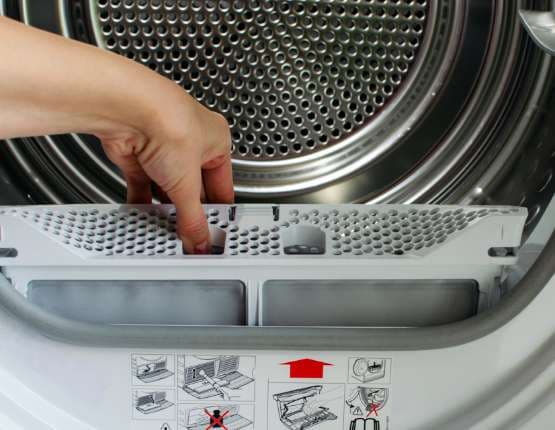
On Kenmore dryers, check the model number label inside the door opening first. If it is not there, look along the cabinet frame around the door, behind the lint filter door, or on the back panel. The model number may include numbers, letters, or both, so copy it exactly, including any dashes or decimal points. Enter it in the model number search to pull up the parts matched to your unit. Using the complete model number narrows the full Kenmore dryer parts catalog, not just one type of replacement part, to parts designed for your specific dryer. That means fewer wrong orders and a faster repair.

Online Repair Library for Kenmore Dryer
Repair Clinic's online repair library gives you the tools to diagnose and fix your Kenmore Dryer without a service call. Common-symptom articles cover the most likely causes, part testing videos confirm the failed component, and step-by-step written guides walk you through the installation. Use the model number lookup to confirm the exact OEM part, and exploded-view diagrams and wiring illustrations support the more involved jobs.
Related Articles: Dryer Parts
Why Would A Dryer Keep Shutting Off?
Is your dryer shutting off unexpectedly? Learn the common causes of airflow issues, faulty thermostats, heating element failure, and more,"plus how to fix them with expert repair tips and OEM parts from Repair Clinic.
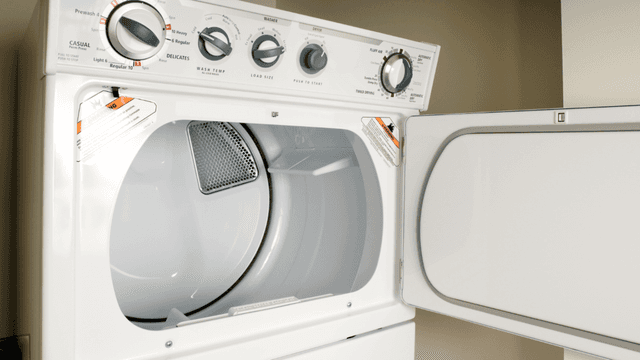
Dryer Won't Start? Let's Troubleshoot
Dryer won't start or turn on? Learn the common causes, from faulty start switches to blown thermal fuses, and find step-by-step troubleshooting tips. Get expert repair advice and genuine OEM parts from Repair Clinic.
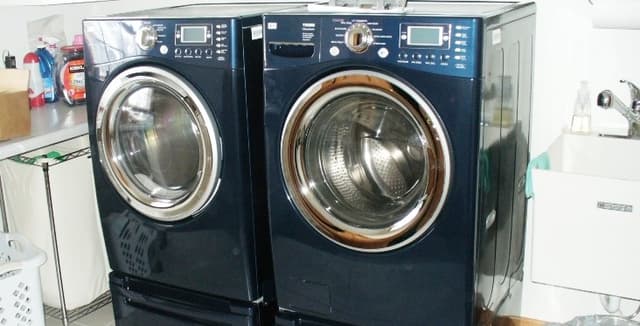
Top 5 Reasons a Dryer Drum Won't Spin
Dryer drum won't spin? Learn the top 5 reasons why, from a broken drive belt to worn rollers or a faulty motor. Get expert troubleshooting tips and shop genuine OEM dryer parts at Repair Clinic.




Family-owned and operated since 1912, Burke America Parts Group is the longest-running genuine appliance, HVAC, and outdoor power equipment parts solution in North America. At Repair Clinic, we're proud to be an international brand trusted by the pros as well as the DIY community.
About Repair Clinic