


 Price Match Guarantee
Dryer Moisture Sensor Replacement
Find the right part faster
Multiple models matched. Select your model to confirm fit.





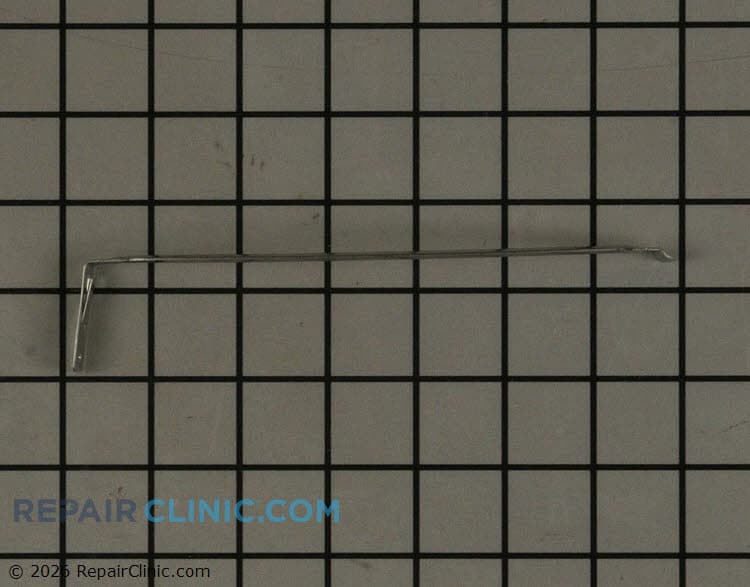
Dryness sensor bar
RC Item #1268224
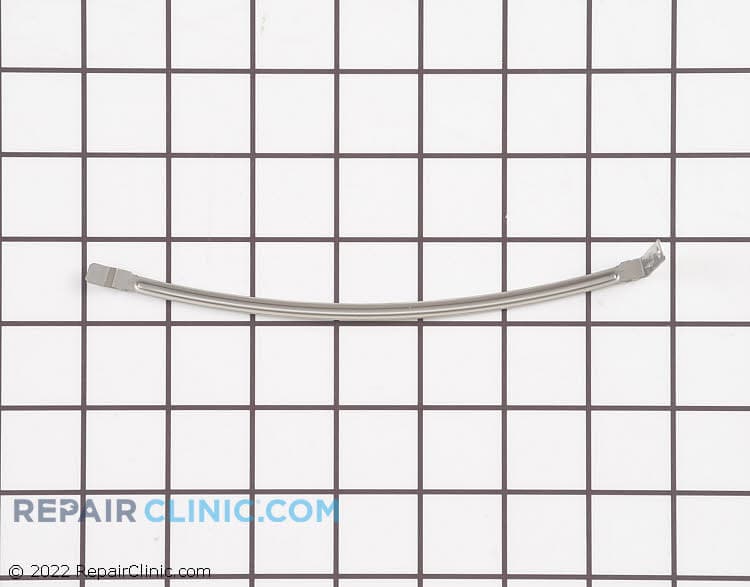
Dryer moisture sensor bar. If the dryer timer does not advance properly inspect the moisture sensor bars for damage which can cause the automatic drying cycle to not work properly.
RC Item #2069516
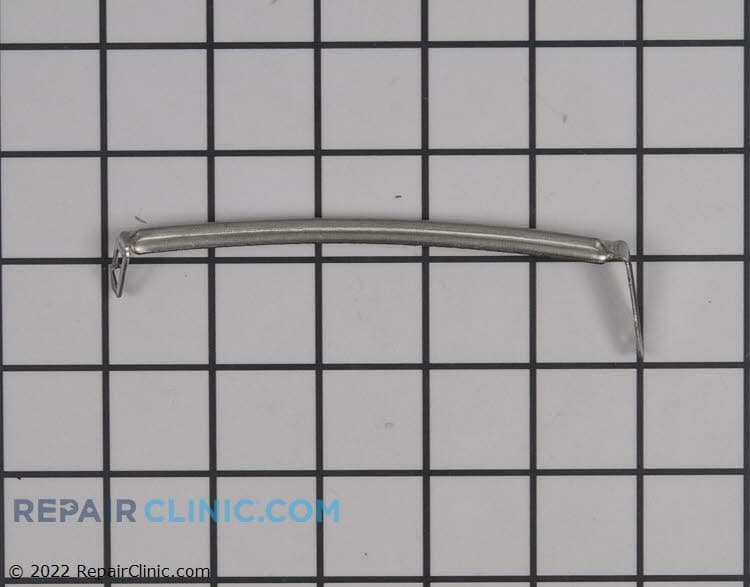
Dryer moisture sensor. The moisture sensor monitors the clothing’s moisture level and sends a signal to the control board when the clothes are dry. If your dryer turns off too early or continues running for a while after the clothes are dry, the moisture sensor might be damaged.
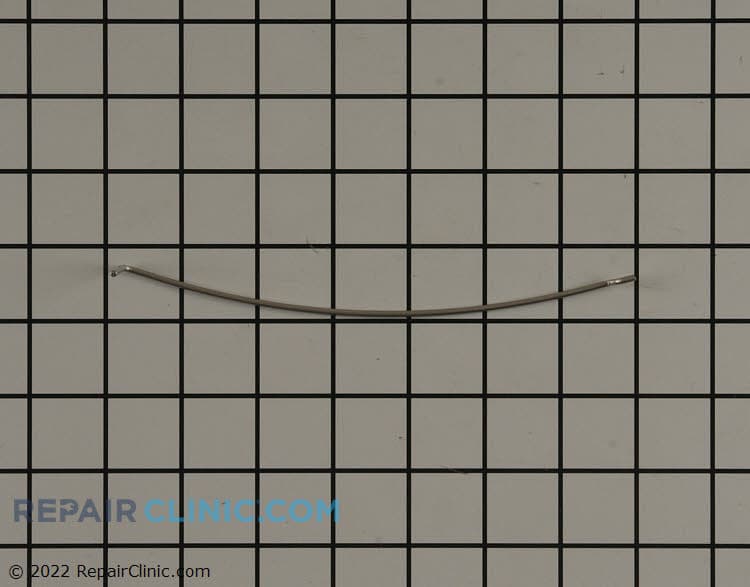
Moisture Sensor Bar
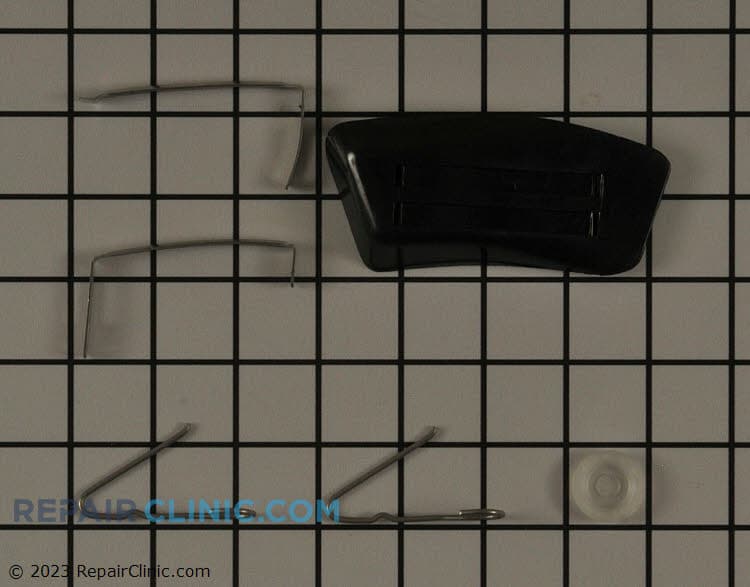
Moisture sensor kit
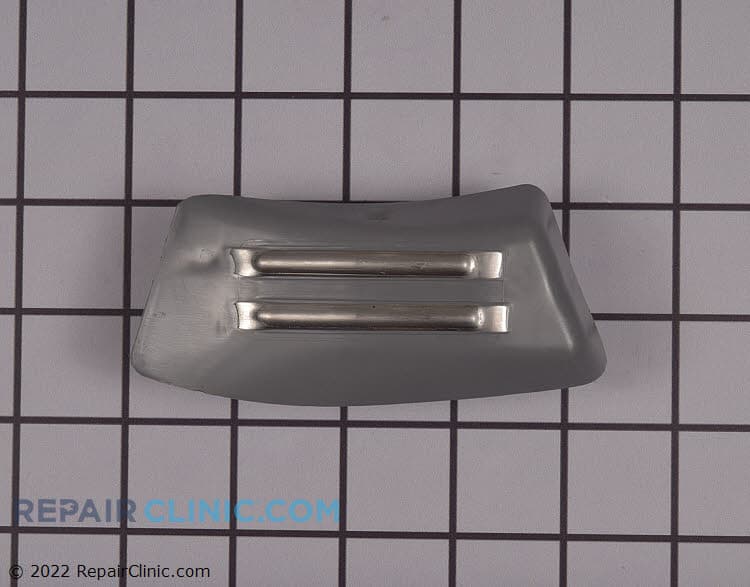
Moisture sensor assembly
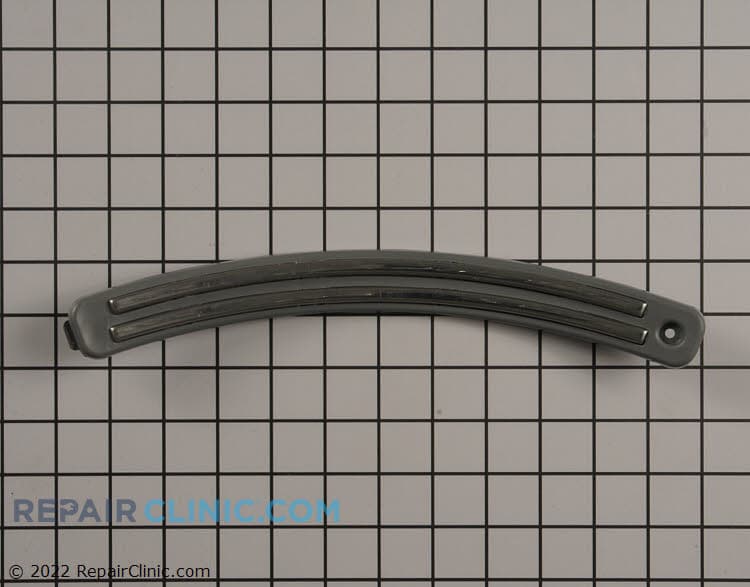
Moisture sensor
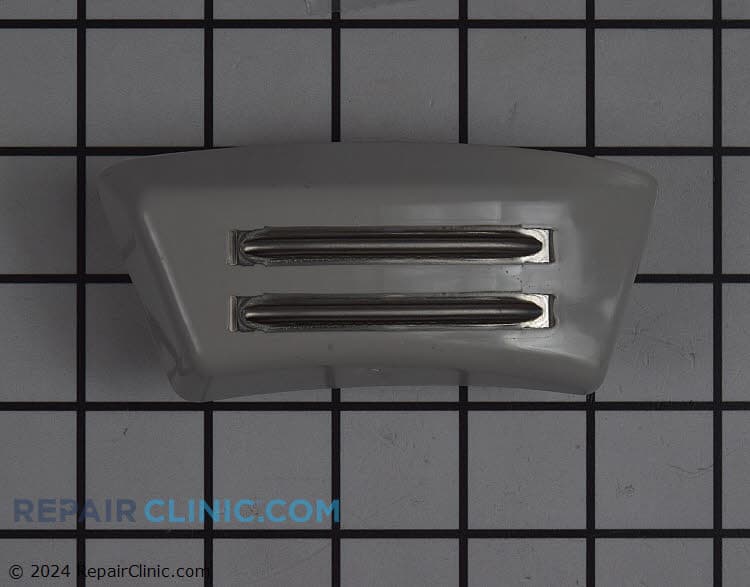
Sensor, pad
RC Item #2666999
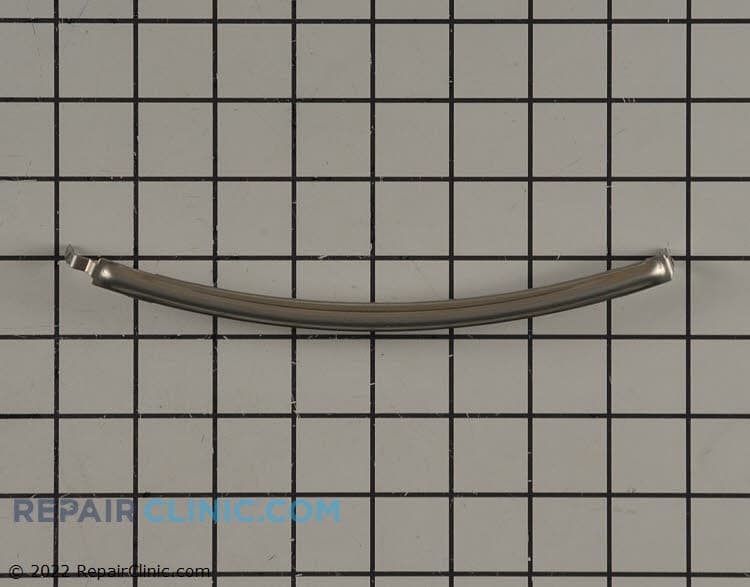
Moisture sensor
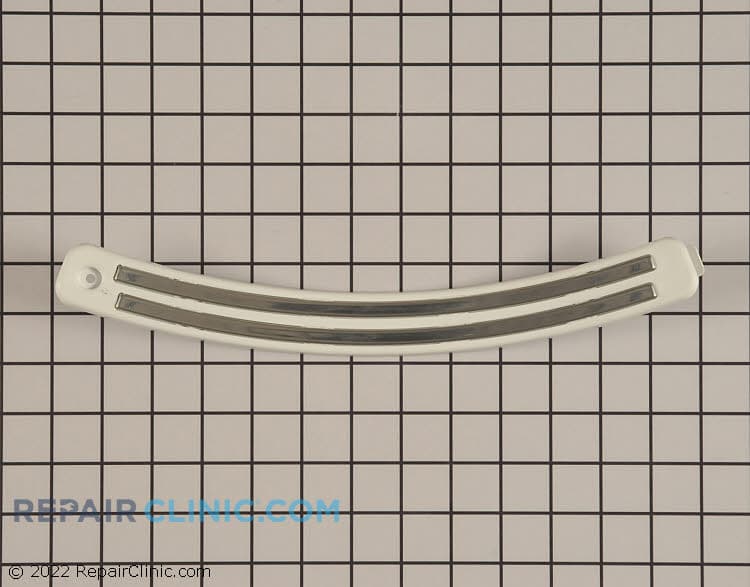
Moisture sensor
RC Item #2075744
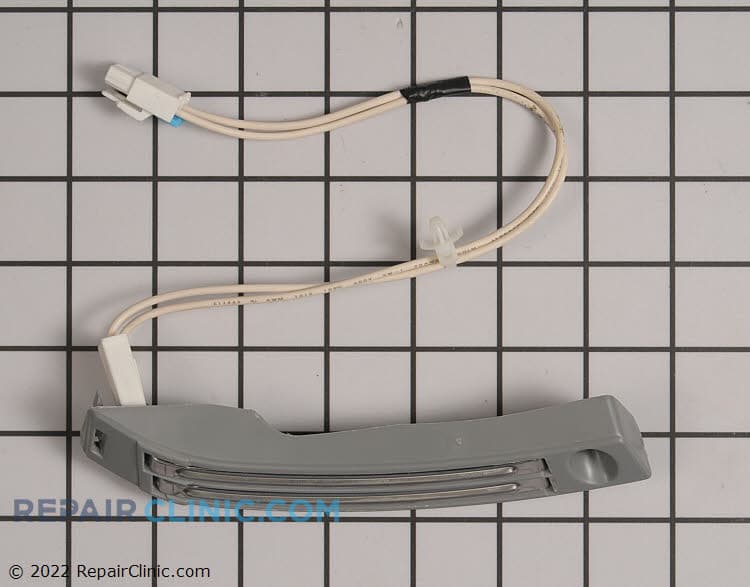
Sensor guide
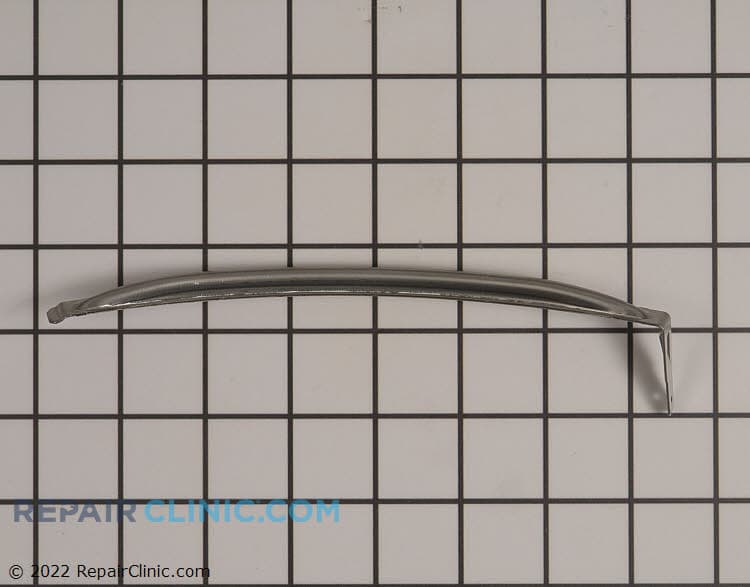
Moisture sensor bar
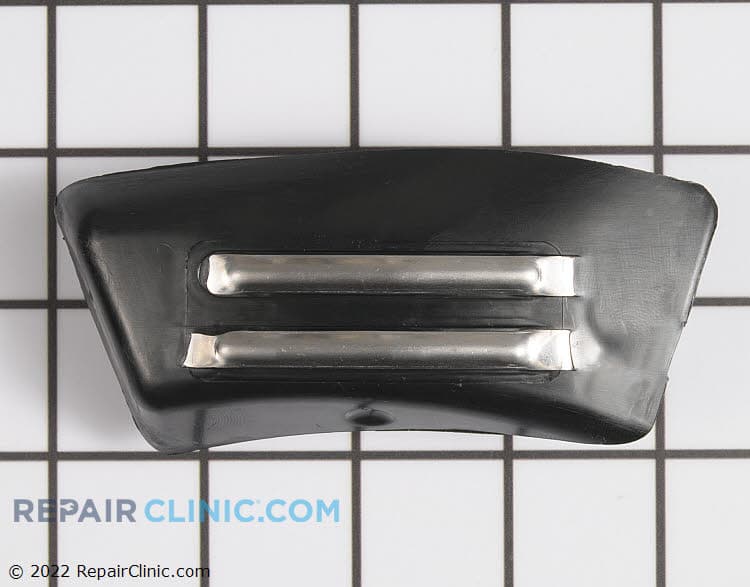
Moisture sensor bar assembly
RC Item #2075741
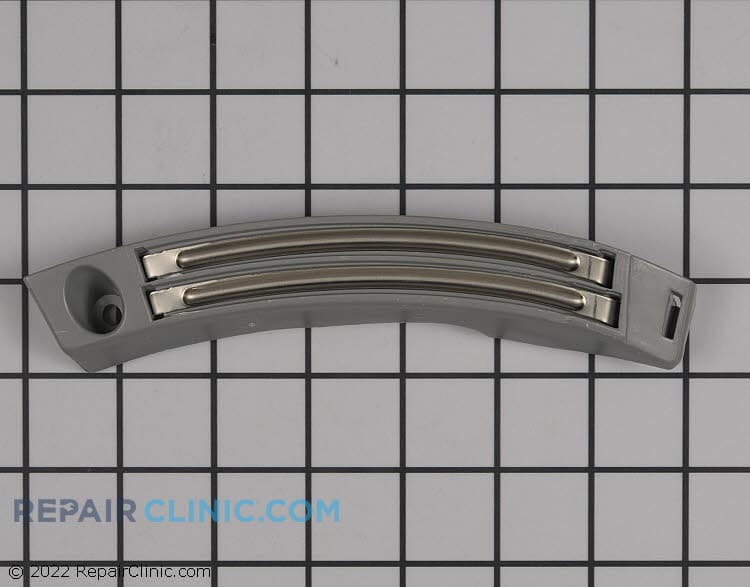
Moisture sensor assembly
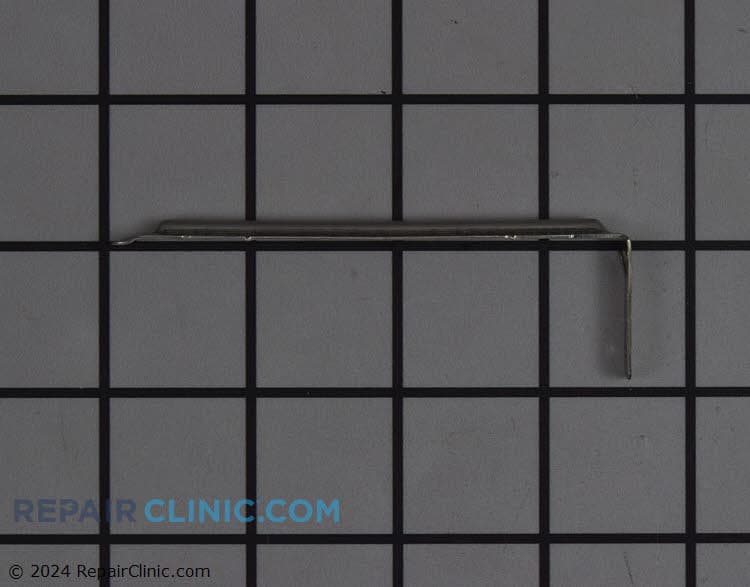
Moisture sensor bar


Dryer Moisture Sensor and Thermistor Parts
A dryer's moisture sensor (also called a moisture-sensing thermistor) detects when clothes are dry and signals the control board to end the cycle. When the sensor fails, your dryer either won't shut off — running indefinitely and wasting energy — or shuts off too early, leaving clothes damp. Unlike a timer-only dryer, sensor-controlled dryers adjust cycle length based on actual fabric moisture, making the sensor critical for efficiency and fabric care.
Common symptoms of a failed moisture sensor include clothes staying wet after a full cycle, dryer running 60+ minutes on normal setting, or clothes over-dried and wrinkled. Moisture sensors vary by brand and model; some are bimetal strips, others are thermistors embedded in the lint duct or blower housing. Browse OEM dryer moisture sensor and thermistor parts here to find the exact replacement for your, or dryer.
- Dryer runs too long: Sensor isn't detecting dry clothing; cycle override fails
- Dryer shuts off early: Sensor triggers prematurely; false moisture reading
- Clothes still damp: Sensor malfunction prevents full dry cycle
- Over-drying / wrinkled clothes: Sensor cycles indefinitely or doesn't signal end-of-cycle
- Control board error codes: Thermistor reading out of range or no signal detected
Dryer Moisture Sensor & Thermistor FAQs
What's the difference between a moisture sensor and a thermal fuse or hi-limit thermostat?
The moisture sensor detects fabric dryness and controls cycle length for efficiency. The thermal fuse is a one-time safety device that blows if the dryer overheats — completely different function. The hi-limit thermostat is a cycling safety switch. A failed moisture sensor leaves the dryer running; a failed thermal fuse stops all heat. Replace based on the symptom: long cycles = sensor; no heat at all = thermal fuse.
How do I know if my dryer has a moisture sensor or just a timer?
Check your dryer's control panel. If it has a "Sensor" or "Auto Dry" setting separate from timed cycles, it has a moisture sensor — usually a thermistor in the blower housing, lint duct, or drum area. Older timer-only dryers have no sensor. Your model number lookup on Repair Clinic will confirm which type you have and show the exact sensor part.
Can I test a moisture sensor before replacing it?
You can visually inspect for debris or lint buildup — a clogged sensor may read false moisture. Use a multimeter to test resistance on thermistor-type sensors; resistance should change with temperature. If resistance is frozen at one value or reads infinite (open circuit), the sensor has failed. Many users find replacement faster than testing; sensors are typically $15 to $40, making it cost-effective to replace if you suspect failure.
Why does my or dryer keep shutting off early on sensor dry?
and use highly sensitive thermistor sensors in the blower housing. Lint accumulation, a cracked sensor lens, or a thermistor resistance drift will trigger early shutoff. Clean the sensor first — use a dry cloth on the thermistor element. If cleaning doesn't fix it, the thermistor itself has failed and needs OEM replacement. Enter your or model number to get the correct sensor assembly for your dryer.
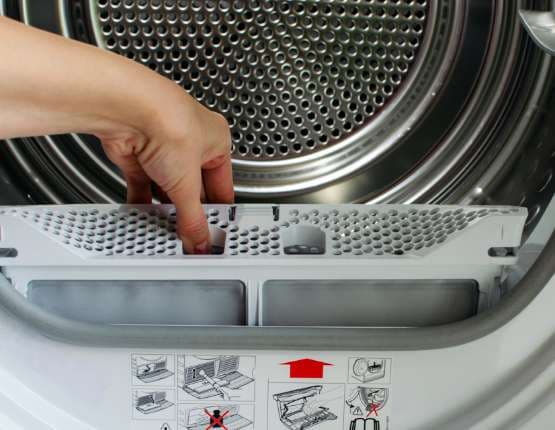
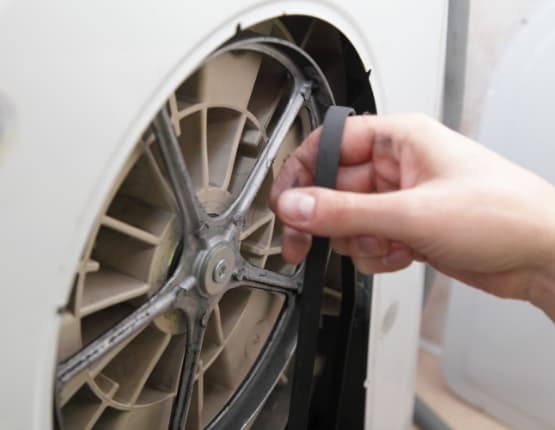
Shop Dryer Moisture Sensor Replacement Parts Online
Ensure your dryer runs efficiently with genuine OEM moisture sensor replacement parts from Repair Clinic. A functional moisture sensor helps your dryer optimize drying time and energy usage by accurately detecting moisture levels. Use our model number lookup tool to find the precise moisture sensor for your dryer, ensuring a precise fit. Benefit from our same-day shipping, No-Hassle 365-Day Returns, and Price Match Guarantee for a easy online ordering experience. For assistance with installation or troubleshooting, visit our Dryer Repair Help page or browse related solutions like Dryer Switch Parts for comprehensive support.
Filter Dryer Parts by Your Model Number
Check the back panel, inside the door opening, or behind the lint filter door on your dryer for the model number label. The label may list several codes, so copy the complete model number, including letters, numbers, and any slash or suffix. Enter it in the search bar to filter this page to the parts that fit your model. Because the model number applies to the entire dryer, it narrows the full catalog across every associated part category, not just moisture sensors or thermistors. You can then compare compatible options with confidence instead of guessing from appearance. That means fewer wrong orders and a faster repair.

Dryer Online Repair Guides, Videos, and Diagrams
Diagnosing a Dryer problem is easier when you have the right online reference material. Repair Clinic's video library, written repair guides, symptom articles, part testing walkthroughs, and exploded-view diagrams work together to guide you from the symptom to the correct part. Model number lookup confirms the exact OEM replacement so you order right the first time.
Related Articles: Dryer Parts
Why Would A Dryer Keep Shutting Off?
Is your dryer shutting off unexpectedly? Learn the common causes of airflow issues, faulty thermostats, heating element failure, and more, plus how to fix them with expert repair tips and OEM parts from Repair Clinic.
Dryer Won't Start? Let's Troubleshoot
Dryer won't start or turn on? Learn the common causes, from faulty start switches to blown thermal fuses, and find step-by-step troubleshooting tips. Get expert repair advice and genuine OEM parts from Repair Clinic.
Top 5 Reasons a Dryer Drum Won't Spin
Dryer drum won't spin? Learn the top 5 reasons why, from a broken drive belt to worn rollers or a faulty motor. Get expert troubleshooting tips and shop genuine OEM dryer parts at Repair Clinic.




Family-owned and operated since 1912, Burke America Parts Group is the longest-running genuine appliance, HVAC, and outdoor power equipment parts solution in North America. At Repair Clinic, we're proud to be an international brand trusted by the pros as well as the DIY community.
About Repair Clinic