


 Price Match Guarantee
GE Dishwasher Fuse, Thermal Fuse & Breaker Parts
Find the right part faster
Multiple models matched. Select your model to confirm fit.


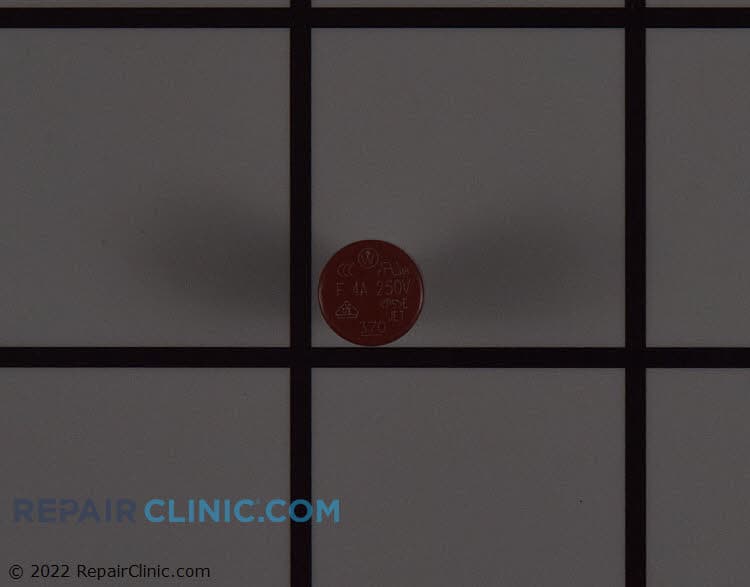
Control board fuse 4.0 amp

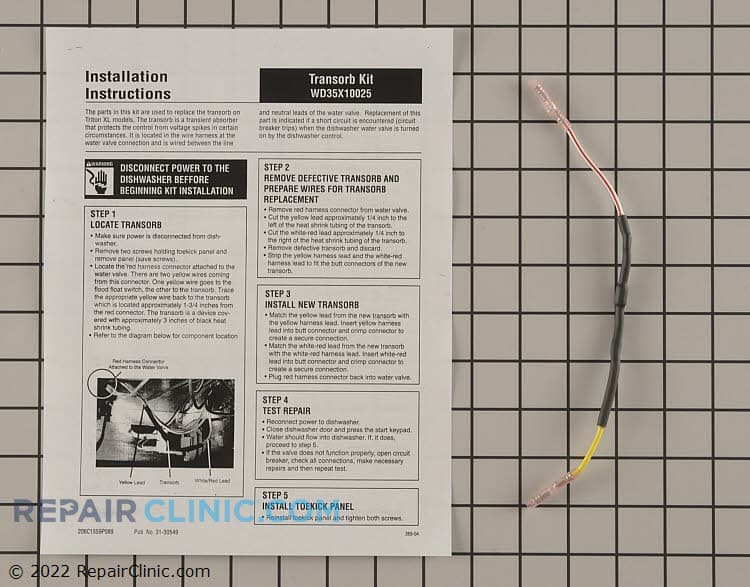
This is a Genuine Replacement Part. General Electric (GENF0) WD35X10025 Dishwasher Line Fuse.
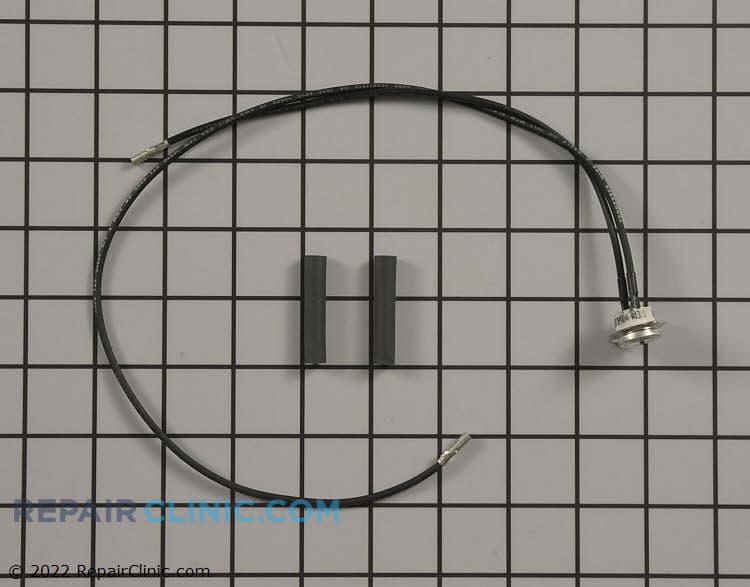
TCO assembly kit, 280F


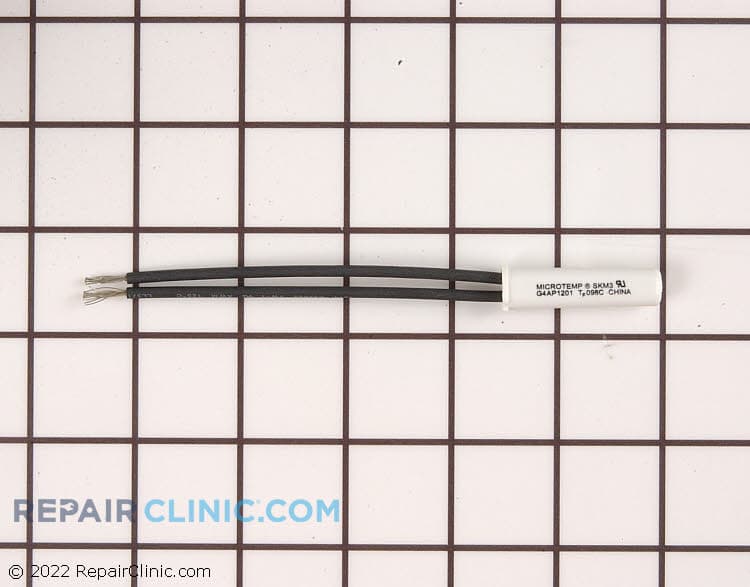
Thermal cut-out, icemaker
RC Item #271528

Protector


GE Dishwasher Thermal Fuse and Breaker Parts
Your GE dishwasher relies on thermal fuses and thermal breakers to protect the heating circuit and control systems. When either part fails, the dishwasher may not start, won't heat water, or stops mid-cycle. These safety devices are designed to interrupt power if temperatures climb dangerously high — but once triggered or burned out, they must be replaced with OEM parts.
Thermal fuses and breakers are common wear items on GE dishwashers, especially models that run frequent heated dry cycles or face mineral buildup in the heating element. Enter your model number below to find the exact thermal fuse, thermal breaker, or thermal cutoff assembly for your GE dishwasher.
- Dishwasher won't start: thermal breaker tripped; may reset or require replacement
- No heat during wash cycle: thermal fuse blown; heating element circuit is open
- Heated dry cycle fails: thermal fuse protecting heating element has blown
- Control board shows error or won't respond: thermal cutoff protecting control board may have opened
- Cycle stops mid-operation: thermal protection device activated; often indicates mineral buildup or restricted water flow
Find Replacement GE Dishwasher Fuse, Thermal Fuse & Breaker Parts Online by Model or Part Number
Popular GE Dishwasher Models
Related GE Dishwasher Fuse, Thermal Fuse & Breaker Parts
GE Dishwasher Thermal Fuse & Breaker FAQ
What's the difference between a thermal fuse and a thermal breaker on a GE dishwasher?
A thermal fuse is a one-time safety device — once it blows from overtemperature, it must be replaced. A thermal breaker is reusable and will reset when temperatures drop back to normal. However, if a breaker keeps tripping repeatedly, the underlying cause (clogged heating element, mineral buildup, or water level issue) should be diagnosed first. If the breaker itself has failed and won't reset, OEM replacement is necessary.
How do I know if my GE dishwasher's thermal fuse is blown?
A blown thermal fuse has no continuity — you can test it with a multimeter if you're comfortable doing so. Visually, look for a burned or blackened element inside the fuse body. Functionally, if your dishwasher starts but never heats water during the wash cycle, or the heated dry cycle produces no warmth, a thermal fuse is the prime suspect. Always verify the heating element itself isn't clogged with mineral deposits before replacing the fuse.
Why do GE dishwasher thermal fuses blow so often?
Mineral buildup inside the heating element restricts water flow, causing the heating element to overheat and trigger the thermal fuse. Hard water areas see this more frequently. A second common cause is a low water fill level — if the heating element isn't submerged, it overheats quickly. Check your inlet valve, float switch, and drain for blockages. Replacing just the fuse without addressing the underlying cause means it will blow again.
Do I need the exact OEM thermal fuse for my GE dishwasher model?
Yes. Thermal fuses are model-specific — voltage, amperage, and trigger temperature must match exactly. Using an incorrect fuse risks damaging the heating element circuit or creating a safety hazard. Enter your GE dishwasher model number to locate the correct OEM thermal fuse, breaker, or thermal cutoff assembly.
Order GE Dishwasher Fuse, Thermal Fuse & Breaker Replacement Parts Online
Ensure your GE dishwasher is safe and operational with genuine OEM fuse, thermal fuse, and breaker replacement parts from Repair Clinic. These parts are critical for preventing electrical overloads and ensuring your dishwasher runs smoothly. Use our model number lookup for the right model match to your appliance, and benefit from same-day shipping, No-Hassle 365-Day Returns, and our Price Match Guarantee. For additional guidance, visit our Dishwasher Repair Help page. Browse other essential parts like Dishwasher Pump Parts for comprehensive repair solutions.
GE Dishwasher Model Number: Where to Look
GE places the model number on most dishwashers along the inside edge of the door or on the tub rim. Open the door fully and check the frame, side edge, and upper corners for a label or metal plate showing the model and serial numbers. Copy the model number exactly, including any letters, numbers, or suffixes. Type it into our model number lookup and the catalog narrows to parts made for your unit, across every associated part category. Using the complete model number helps separate similar GE dishwasher versions and gives you a fast, accurate match. That means fewer wrong orders and a faster repair.

Do-It-Yourself Repair Resources for GE Dishwasher
Repair Clinic's online repair library gives DIYers and professional technicians the same reference material for GE Dishwasher work. Start with a common-symptom article to narrow the cause, watch the matching part testing video, then follow the step-by-step written or video repair guide during the installation. Use the model number lookup to confirm the exact OEM part, and wiring diagrams and exploded-view illustrations are on hand for the more complex jobs.
Related Articles: Dishwasher Parts
Five Reasons Your Dishwasher is Making Noise
Common causes of dishwasher noise, from worn-out motor bearings to loose spray arms, and how to fix them for quieter operation.
What Would Cause a Dishwasher To Stop Cleaning?
Learn why your dishwasher isn't cleaning properly, from clogged spray arms to faulty water inlet valves, and how to restore its performance.
How Do You Know If You Have a Bad Dishwasher Heating Element?
Find out how to test your dishwasher's heating element to determine if it's faulty and affecting drying or cleaning efficiency.




Family-owned and operated since 1912, Burke America Parts Group is the longest-running genuine appliance, HVAC, and outdoor power equipment parts solution in North America. At Repair Clinic, we're proud to be an international brand trusted by the pros as well as the DIY community.
About Repair Clinic