


 Price Match Guarantee
Snapper Carburetor Parts
Find the right part faster
Multiple models matched. Select your model to confirm fit.


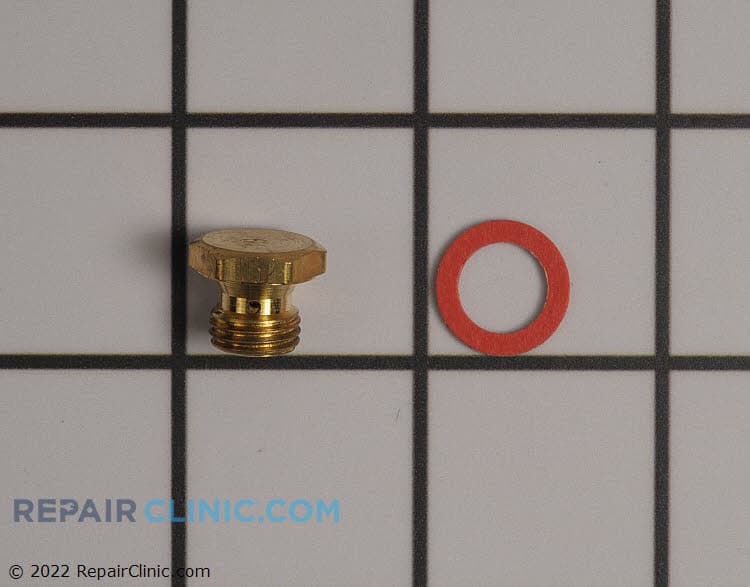
Jet-main
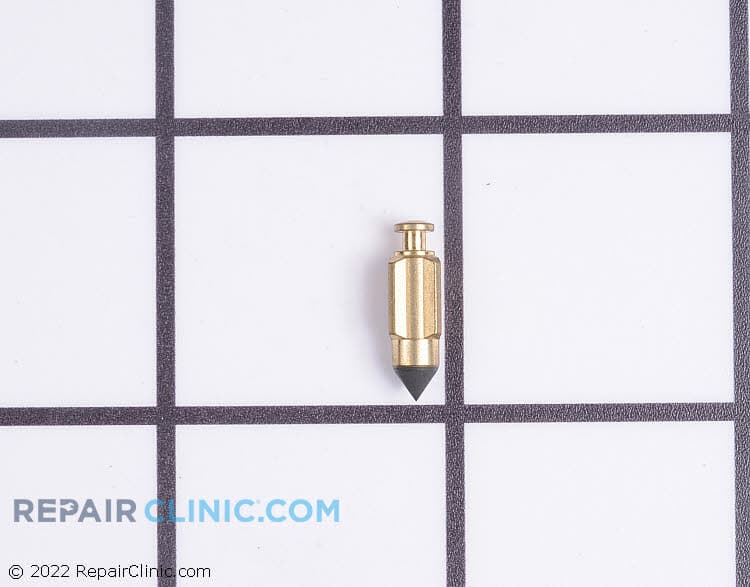
Valve-float needle


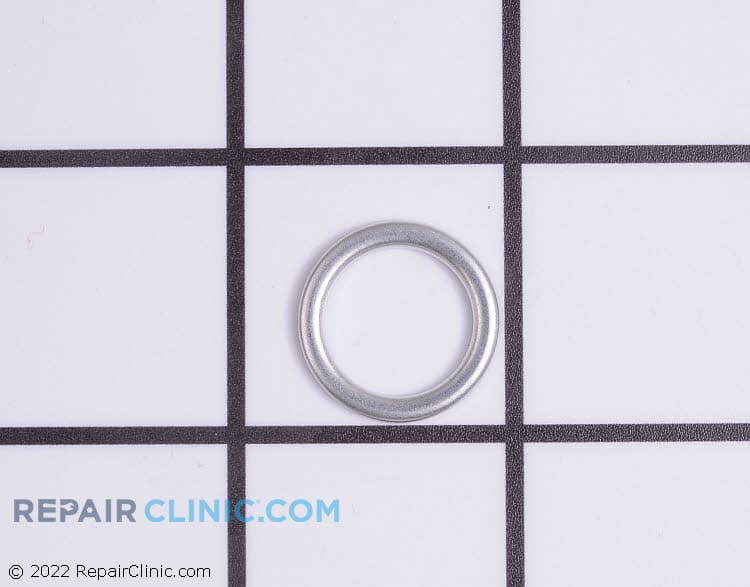
Spring Cap Between Spring and Diaphragm
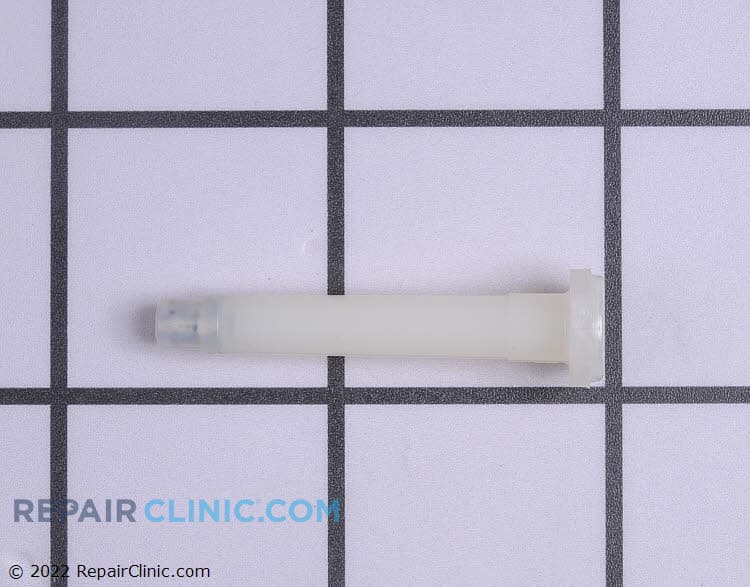
Tube-pick up (uses spiral pin)(1/4" long)

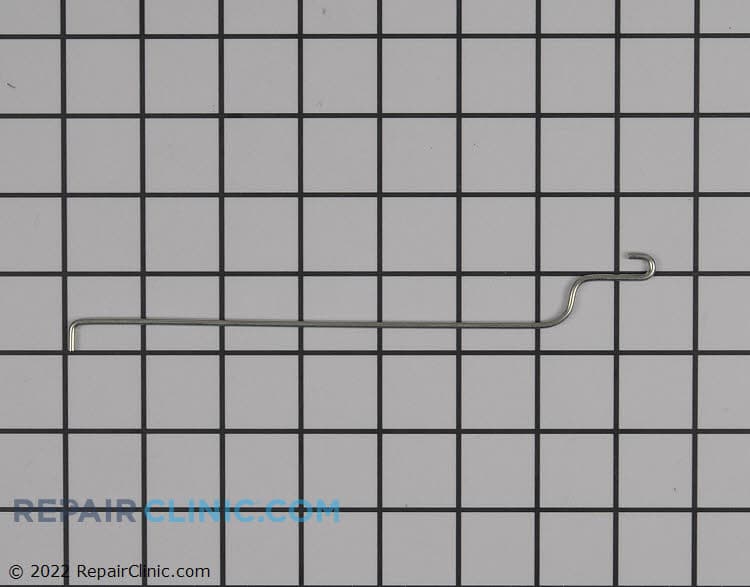
Link-throttle

Carburetor
Carburetor gasket
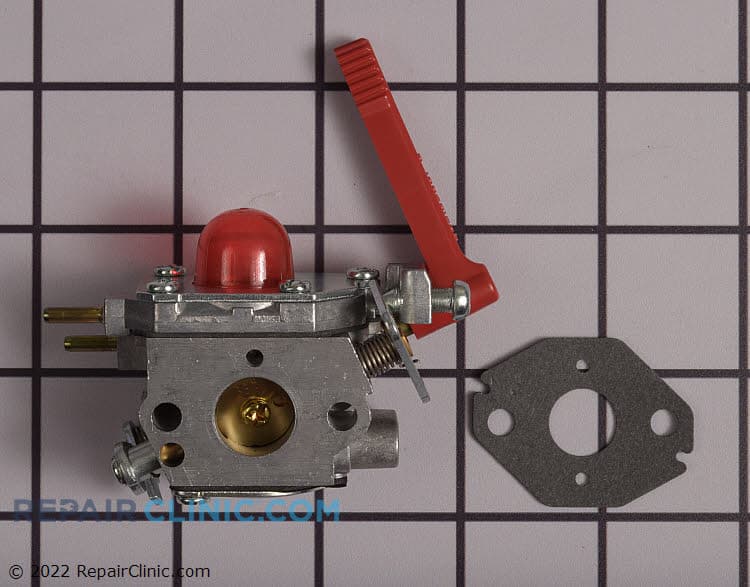
Carburetor kit
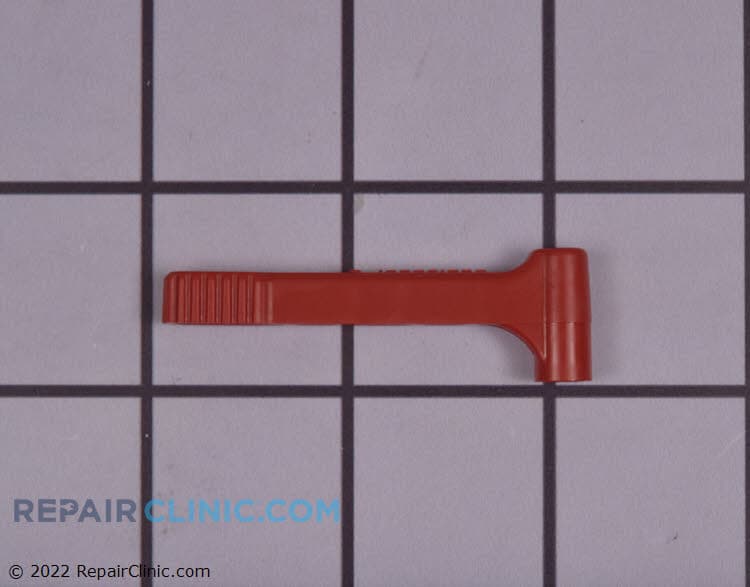
Lever choke
Screw idle mixture
Valve, throttle

Diaphragm pump #

Jet needle assy. ##
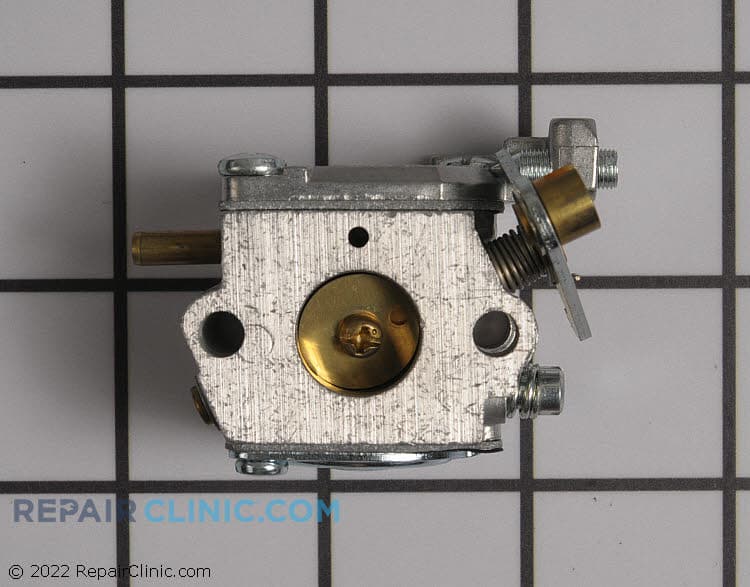
Carburetor
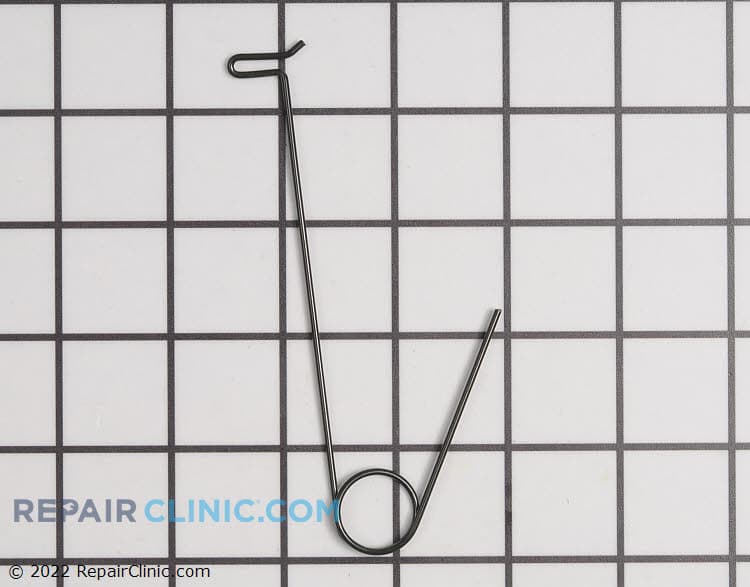
Control choke


Snapper Carburetor Parts for String Trimmers, Leaf Blowers & Chainsaws
Snapper outdoor power equipment carburetors fail from ethanol damage, stale fuel, and carbon buildup — and when they do, your trimmer won't start, runs rough, or dies under load. The carburetor mixes air and fuel in precise ratios. When that balance breaks, no amount of choke adjustment can help resolve it. Snapper carburetors are straightforward to service, but the small jets, float needles, and gasket seals require exact OEM replacements.
A carburetor rebuild kit is often the first choice — it includes gaskets, seals, jets, and the float needle assembly for a fraction of the cost of a full replacement. For severe corrosion or internal damage, a complete OEM Snapper carburetor assembly gets you running again with confidence.
- Won't start or requires excessive choking: fuel not reaching the engine; float valve or fuel inlet blocked or leaking
- Runs rich (black smoke, strong fuel smell): float set too high or needle stuck open; excess fuel floods the chamber
- Runs lean (sputtering, loss of power): jets clogged or fuel flow restricted; air/fuel ratio too lean
- Surging or hunting at idle: jets partially clogged; cleaning or rebuild kit usually fixes it
- Dead after sitting all winter: varnish and ethanol residue in jets and passages; carburetor kit recommended
Use your Snapper model number to find the exact carburetor and rebuild kit for your string trimmer, leaf blower, or chainsaw. Snapper Carburetor Parts inventory includes carbs for gas-powered Snapper equipment across decades of models.
Find Replacement Snapper Carburetor Parts Online by Model or Part Number
Popular Snapper Models
Related Snapper Carburetor Parts
- Snapper Linkage Parts
- Snapper Carburetor Main Jet Parts
- Snapper Carburetor Parts
- Snapper Carburetor Repair Kit Parts
- Snapper Choke Shaft Parts
- Snapper Float Parts
- Snapper Needle Valve Parts
- Snapper Float Needle Parts
- Snapper Welch Plug Parts
- Snapper Choke Lever Parts
- Snapper Choke Valve Parts
- Snapper Throttle Plate Parts
- Snapper Throttle Shaft Parts
- Snapper Carburetor Diaphragm Parts
- Snapper Float Bowl Parts
- Snapper Primer Bulb Parts
- Snapper Carburetor Bowl Parts
- Snapper Carburetor Gasket Parts
- Snapper Choke Rebuild Kit Parts
- Snapper Fuel Shut-Off Solenoid Parts
- Snapper Pick-Up Tube Parts
Snapper Carburetor Questions Answered
What's the difference between a carburetor rebuild kit and a full replacement carburetor?
A rebuild kit includes gaskets, seals, float needles, and jets — the internal parts that wear or get clogged. It's ideal for ethanol damage, varnish buildup, and stale-fuel issues. A full OEM carburetor assembly is pre-assembled and tested; use it when the carburetor body is cracked, the float is punctured, or internal damage is severe. For most Snapper equipment, a rebuild kit is the economical first choice.
How do I know if my Snapper carburetor is the problem?
The carburetor is likely the culprit if your Snapper trimmer, blower, or chainsaw won't start after sitting, requires constant choke adjustment, runs rough at idle, surges, or dies under load. If fresh fuel and new spark plug don't help, and the air filter is clean, the carburetor is next. Fuel that sat all winter almost always means carburetor work.
Where do I find my Snapper model number for the correct carburetor?
The model number is stamped on the equipment housing, usually near the engine or on a decal. It may look like a letter-number combo (e.g., 7012345A). Enter it into our Repair Clinic model lookup to pull up the exact carburetor, rebuild kit, and any gasket sets for your Snapper unit. Never guess — Snapper carburetors vary by year and engine type.
Can I use a universal carburetor or aftermarket carb on my Snapper?
We do not recommend it. Snapper equipment is engineered for OEM carburetors tuned to specific fuel flow, jet sizes, and air passages. Aftermarket or universal carbs often result in hard starting, poor idle, and erratic performance. OEM Snapper carburetors and rebuild kits are affordable and help ensure they fit — that's the right choice.
Order Snapper Brand-Level Carburetor Replacement Online
Keep your Snapper brand-level running efficiently by replacing a faulty carburetor promptly. With same-day shipping on most in-stock items, you'll have your replacement part fast, minimizing downtime. Our model/part number lookup finds the exact OEM part for your unit, and every order is backed by our 365-day return policy and price-match guarantee. If your Snapper carburetor is failing — showing symptoms like reduced performance, unusual noise, or complete non-operation — replacement is typically the fastest fix. Browse our full library of Snapper repair resources for troubleshooting guides and installation videos.
Snapper Carburetor Model Number: Where to Look
Snapper typically places the model number on a decal or stamp on the equipment housing near the engine. On some string trimmers, leaf blowers, and chainsaws, you may also find it on a shaft label or near the rear handle. Look for a letter-and-number combination, and record every character, including any hyphens or suffixes. Enter that number in the model number search to pull up parts matched to your unit. The model number filters the complete Snapper parts catalog, not just carburetor parts, so you can narrow the results to parts built for your exact equipment. That means fewer wrong orders and a faster repair.

Repair and Troubleshooting Support for Snapper
Repair Clinic's online repair library is built to support Snapper owners and technicians through every stage of the fix. Symptom-based articles narrow the likely cause, part testing videos verify the failing component, and step-by-step repair guides cover the installation with photos and video. Use the model number lookup to confirm the exact OEM part, and wiring diagrams back you up on the more technical steps.
Related Articles: Washing Machine Parts
What Causes A Washing Machine To Stop Working?
What causes a washing machine to stop working? Learn common issues like power failures, faulty lid switches, broken drive belts, and more with troubleshooting tips from Repair Clinic.

Why Won't My Washing Machine Start?
Wondering why your washing machine won't start? Learn common causes like power issues, faulty lid switches, broken timers, and more with expert troubleshooting from Repair Clinic.
What Causes a Washing Machine To Not Spin or Drain?
Is your washing machine not spinning or draining? Learn about common issues like clogged drain pumps, faulty lid switches, and worn drive belts, plus expert repair tips from Repair Clinic.




Family-owned and operated since 1912, Burke America Parts Group is the longest-running genuine appliance, HVAC, and outdoor power equipment parts solution in North America. At Repair Clinic, we're proud to be an international brand trusted by the pros as well as the DIY community.
About Repair Clinic