


 Price Match Guarantee
GE Exhaust Fan Motor Replacement
Find the right part faster
Multiple models matched. Select your model to confirm fit.





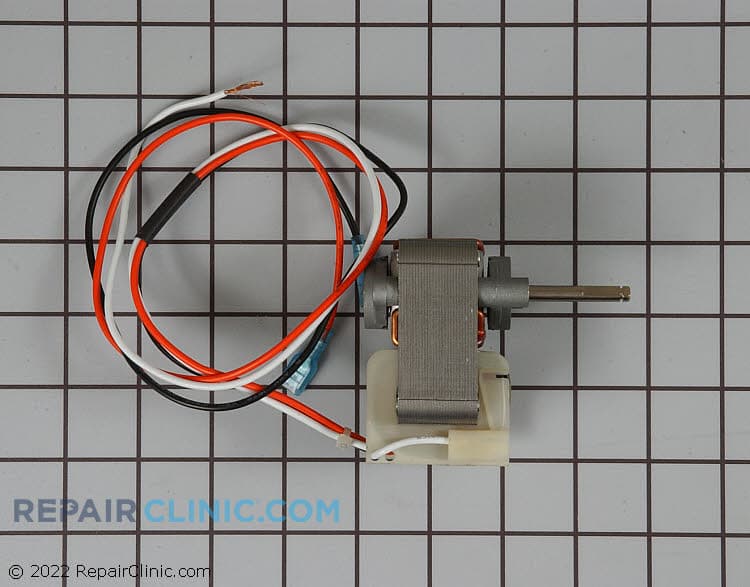
Motor

Overnight dry fan
Exhaust motor

Ventilation motor assembly

Gear motor assembly
Motor-ventilation

Motor ventilation

Motor ventilation

Ventilation circulation motor

Ventilation motor (circ)


GE Exhaust Fan Motor Parts
GE exhaust fan motors power kitchen range hoods and bathroom ventilation fans across residential and commercial applications. When your fan runs slowly, makes noise, or won't run at all, the motor is usually the culprit. GE motors are engineered for continuous duty — but they wear out, especially in kitchens where grease buildup restricts airflow and forces the motor to work harder.
The motor assembly often includes the blower wheel, capacitor, and mounting bracket. If you're hearing grinding or squealing, the bearing may be failing. If the fan won't start despite power reaching it, the capacitor has likely failed — a $15 to $40 part that's far cheaper than replacing the entire motor.
- Motor won't run: Test capacitor first; run capacitor failure is the #1 reason a fan motor won't start even though power is present
- Fan runs slowly: Capacitor degradation reduces torque; replace capacitor before condemning the motor
- Grinding or squealing noise: Bearing wear; motor assembly replacement is the fix
- Motor hums but fan doesn't turn: Blower wheel seized or obstructed; motor may overheat if the blockage isn't cleared
- Motor overheats or smells hot: Restricted airflow or failed capacitor causing motor to draw excess current; check vent duct for blockage
Enter your GE model number above to find the exact motor assembly, capacitor, and mounting hardware for your range hood or bath fan. GE capacitor parts are sold separately if you want to try that repair first.
GE Exhaust Fan Motor FAQs
How do I know if the motor or the capacitor is bad?
If the fan won't start but you can hear a hum or buzzing from the motor, the capacitor has failed — the motor is receiving power but can't generate enough torque to overcome inertia. A failed capacitor is a $15 to $40 fix. If there's no sound at all and no power at the motor terminals, the motor itself may be open (failed winding). Test the capacitor with a multimeter first; it's the cheaper diagnosis.
Can I replace just the GE motor or do I need the whole fan assembly?
Most GE range hoods and bath fans allow motor replacement as a standalone part. The motor assembly typically includes the blower wheel and mounting bracket. If you're replacing a motor, also inspect the duct for blockage and clean or replace the grease filter — restricted airflow is often the reason the motor failed prematurely.
What's the difference between a range hood motor and a bath fan motor?
Range hood motors handle higher static pressure (fighting grease buildup) and typically run hotter. Bath fan motors are lower-power and quieter. They're not interchangeable — the wattage, voltage, and mounting dimensions differ. Always use your model number to get the correct replacement.
How do I find my GE model number for a range hood or bath fan motor?
For range hoods, the model number is usually on a label inside the hood cavity or on the underside of the hood body. For bath fans, check inside the ductwork opening or on the fan housing itself. It's typically a nine or ten-digit code starting with "ZV", "GV", "WB", or similar. If you can't find the label, a photo of the motor itself often helps us identify the right part.
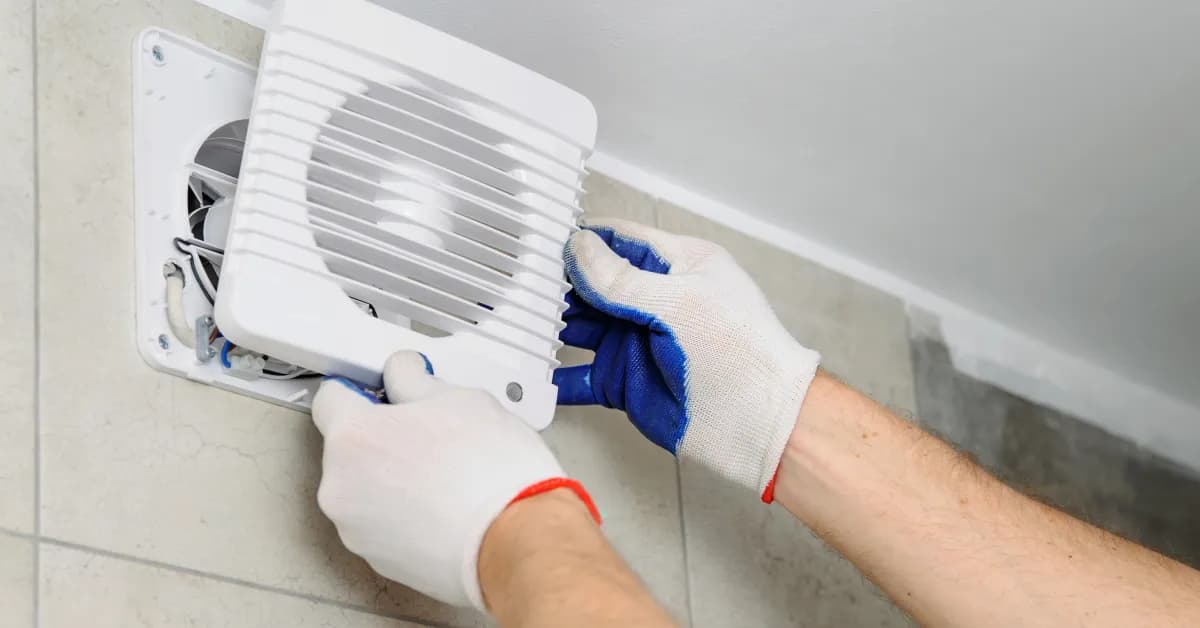
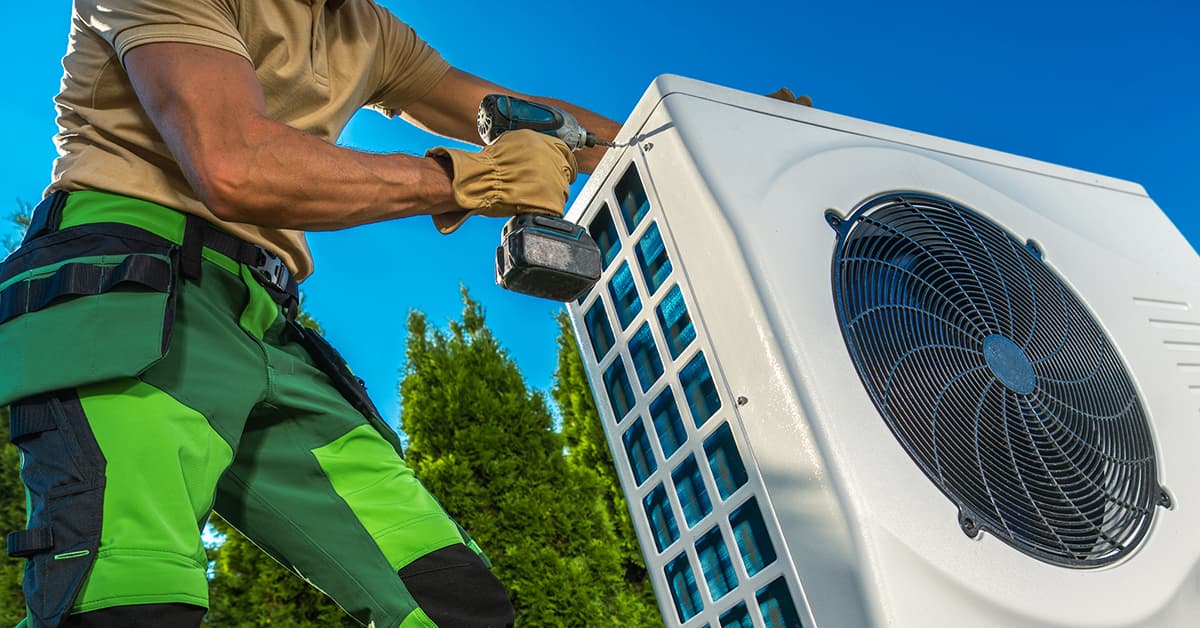
Order GE Brand-Level Exhaust Fan Motor Replacement Online
Keep your GE brand-level running efficiently by replacing a faulty exhaust fan motor promptly. With same-day shipping on most in-stock items, you'll have your replacement part fast, minimizing downtime. Our model/part number lookup finds the exact OEM part for your unit, and every order is backed by our 365-day return policy and price-match guarantee. If your GE exhaust fan motor is failing — showing symptoms like reduced performance, unusual noise, or complete non-operation — replacement is typically the fastest fix. Browse our full library of GE repair resources for troubleshooting guides and installation videos.
GE Exhaust Fan Motor Model Number: Where to Look
For GE range hoods, the model label is typically inside the hood cavity or on the underside. GE bath fans often have it inside the ductwork opening or on the fan housing. If the label is hidden, remove the filter or grille only as needed and check the metal frame before relying on a motor number. Your unit's model number identifies the complete GE exhaust fan, not just the motor, so enter it in the search bar to filter the full catalog to parts that fit your model. This quick lookup cuts through similar listings and helps you order with confidence knowing the fit is right.

Repair Help for GE
Whether you own a GE or work on one professionally, Repair Clinic's online repair help covers what you need. Start with a symptom guide to narrow the likely cause, then use the model number lookup to confirm the correct replacement part. Written repair instructions and matching videos walk you through each step of the installation for a clean, first-time repair.
Related Articles: Washing Machine Parts
What Causes A Washing Machine To Stop Working?
What causes a washing machine to stop working? Learn common issues like power failures, faulty lid switches, broken drive belts, and more with troubleshooting tips from Repair Clinic.

Why Won't My Washing Machine Start?
Wondering why your washing machine won't start? Learn common causes like power issues, faulty lid switches, broken timers, and more with expert troubleshooting from Repair Clinic.
What Causes a Washing Machine To Not Spin or Drain?
Is your washing machine not spinning or draining? Learn about common issues like clogged drain pumps, faulty lid switches, and worn drive belts, plus expert repair tips from Repair Clinic.




Family-owned and operated since 1912, Burke America Parts Group is the longest-running genuine appliance, HVAC, and outdoor power equipment parts solution in North America. At Repair Clinic, we're proud to be an international brand trusted by the pros as well as the DIY community.
About Repair Clinic