


 Price Match Guarantee
- Agitator
- Alternator, Battery & Charger
- Attachment
- Axle, Roller, Shaft, Wheel
- Bag
- Bearing
- Belt
- Blade
- Blower Wheel & Fan Blade
- Bracket & Flange
- Cap, Lid & Cover
- Capacitor
- Carburetor
- Circuit Board & Timer
- Cleaner & Deodorizer
- Compressor & Sealed System
- Deflector & Chute
- Diode, Magnetron & Resistor
- Dipstick
- Dispenser
- Drawer
- Drip Bowl & Drip Pan
- Drum & Tub
- Duct & Venting
- Engine
- Fastener
- Filter
- Fuse, Thermal Fuse & Breaker
- Gas Burner & Control Valve
- Gasket & Seal
- Grille & Kickplate
- Handle
- Hinge
- Hose, Tube & Fitting
- Ignition Controls
- Insulation
- Knob, Dial & Button
- Latch
- Leg, Foot & Caster
- Lighting & Light Bulb
- Lubricant
- Manuals, Care Guides & Literature
- Miscellaneous
- Motor
- Muffler
- Oil Plug
- Panel
- Pedal
- Power Cord
- Pulley
- Pump
- Sensor & Thermistor
- Shelf & Shelf Support
- Skid & Shoe
- Spark Plug
- Spindle
- Spring
- Starter
- Steering
- Suspension & Shock Absorption
- Switch
- Tank & Container
- Tire & Rim
- Tool
- Transmission, Brake & Clutch
- Trim
- Tune-Up Maintenance Kit
- Valve & Float
- Wash Arm & Wash Arm Support
- Wire, Receptacle & Wire Connector
Find the right part faster
Multiple models matched. Select your model to confirm fit.


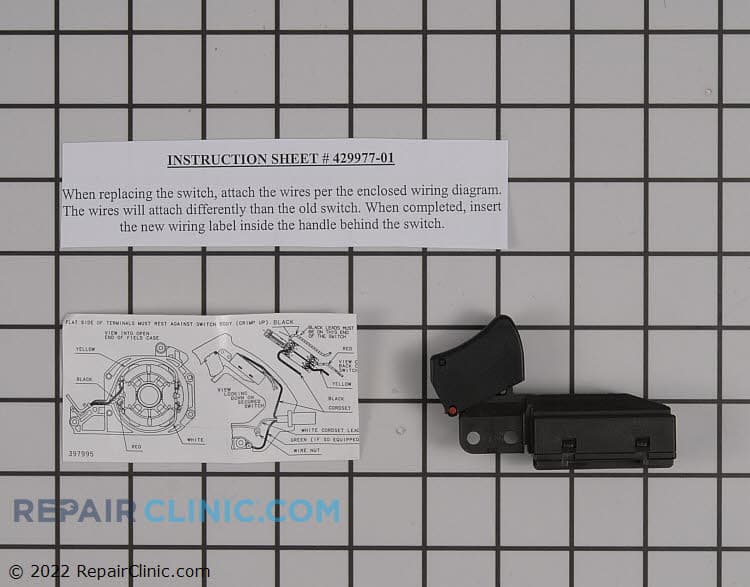
Switch kit
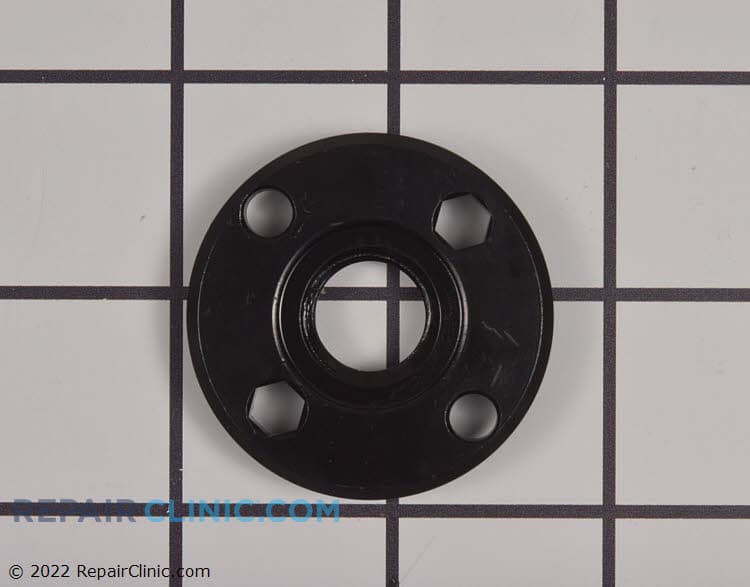
Hex hole flange
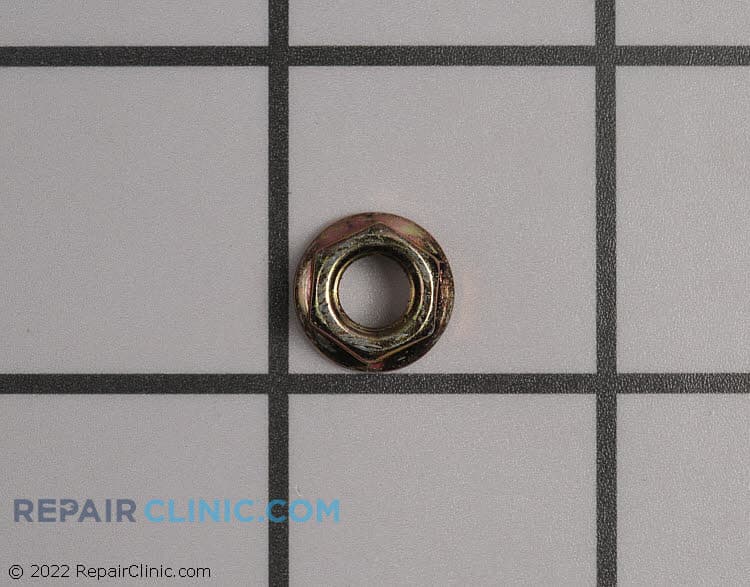
Nut
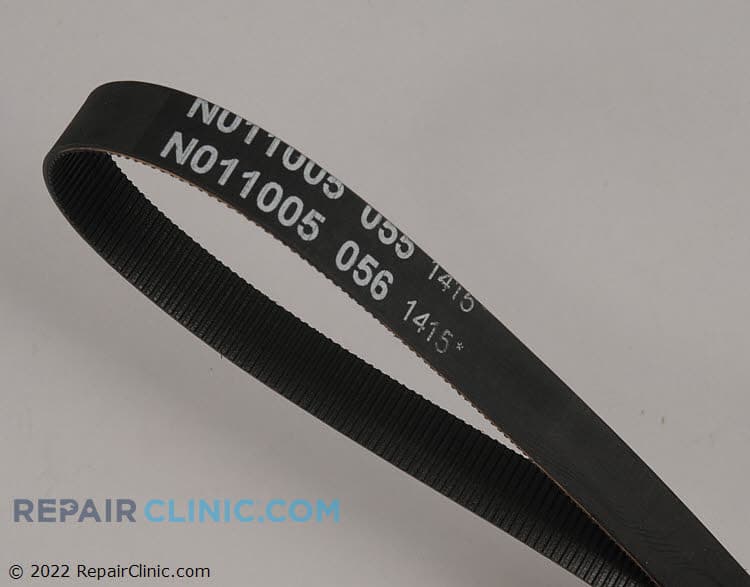
Belt
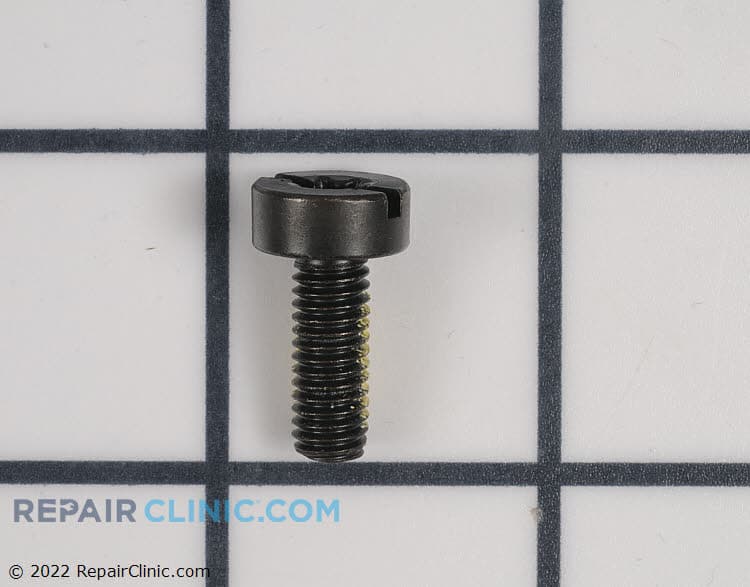
Screw
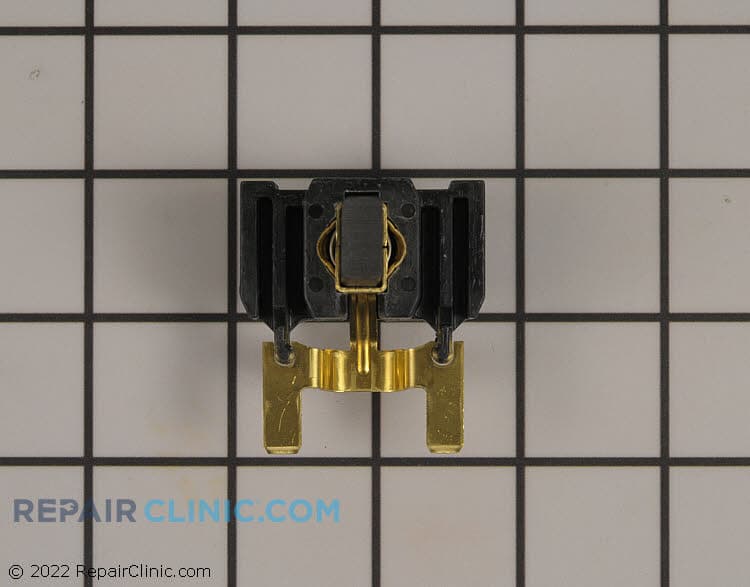
Brush holder


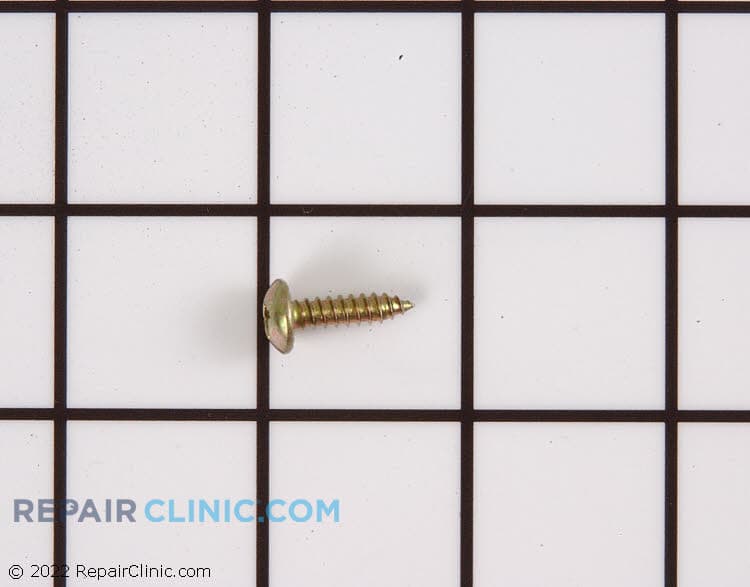
Screw
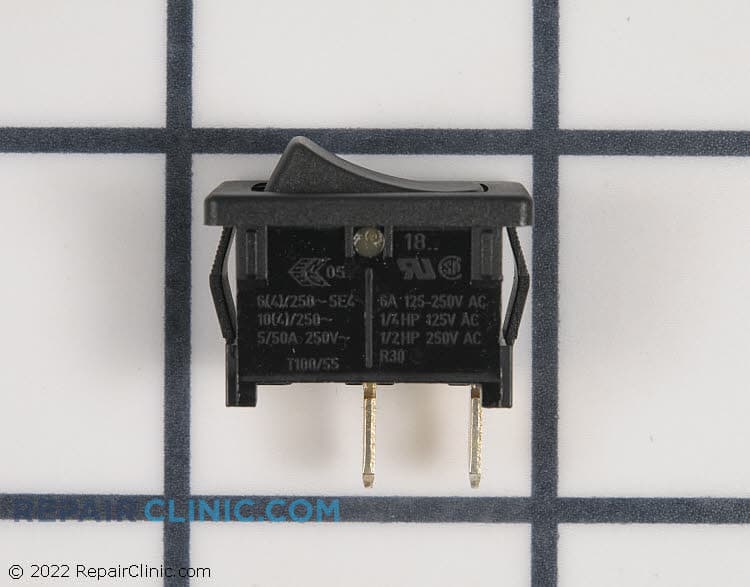
Switch (on-off)
Shaft seal
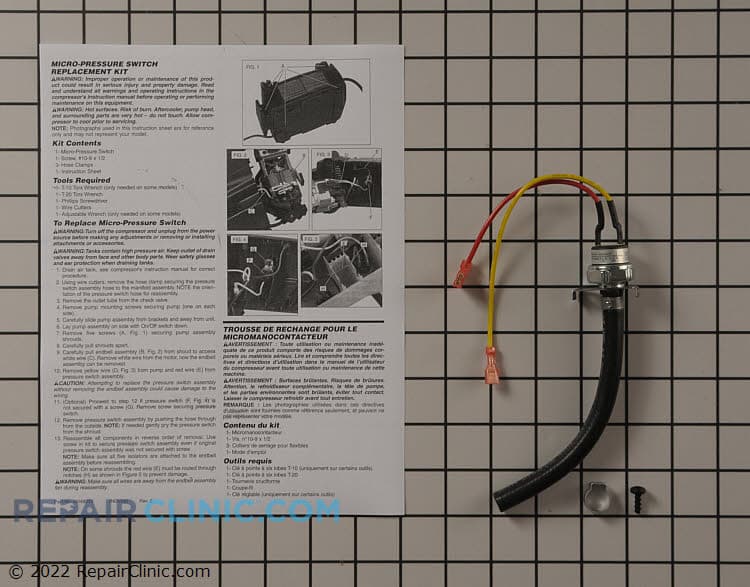
Pressure switch
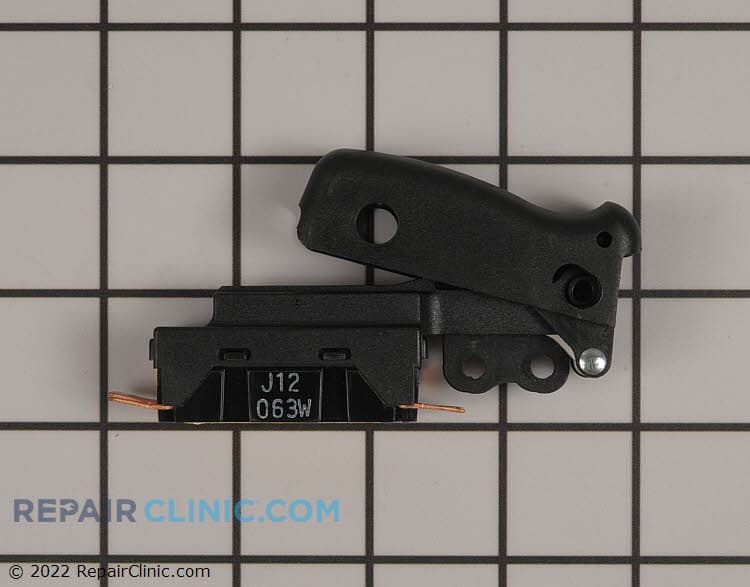
Switch
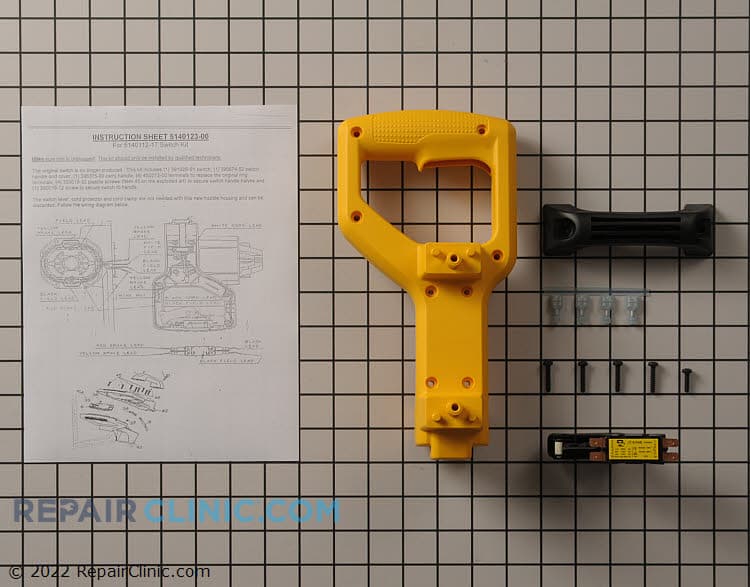
Switch kit
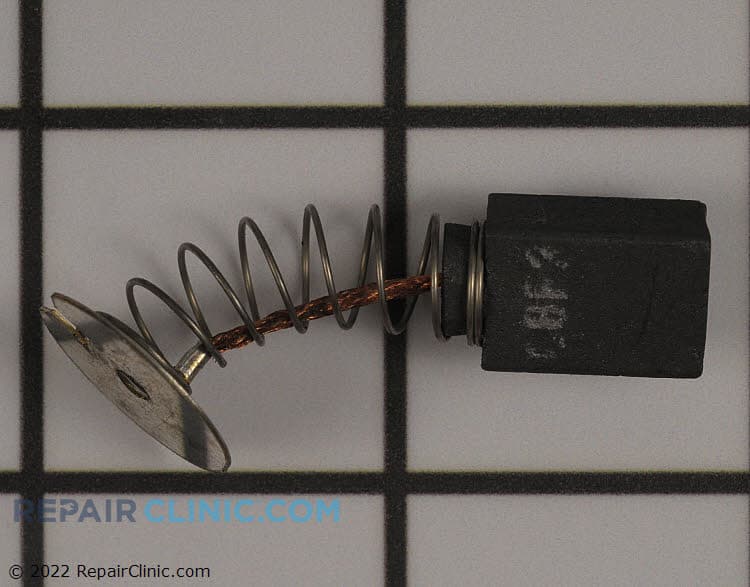
Brush and Spring
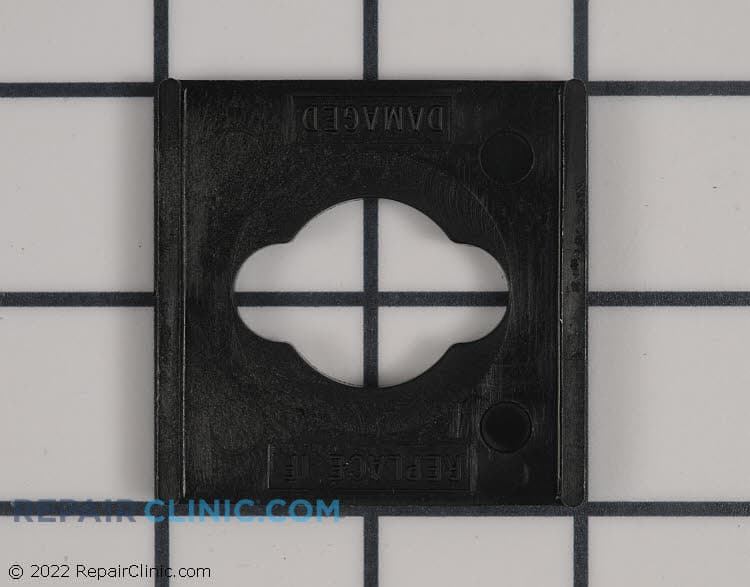
Insulator,blade




DeWalt Power Tool Parts & Accessories
DeWalt power tools take a beating on job sites and in home workshops — and when they do, the right OEM parts get them back to work. Whether it's a replacement cord on your drill, carbon brushes for a circular saw, or a worn chuck on a miter saw, Repair Clinic carries genuine DeWalt parts that match your exact model.
Find your DeWalt tool model number (usually stamped on the motor housing or nameplate) and browse our catalog of switches, motors, power cords, gears, knobs, and mechanical parts. OEM DeWalt parts maintain the tool's performance and safety — aftermarket substitutes often don't fit precisely or wear faster.
- Power drill won't start: Switch assembly, carbon brushes, motor parts
- Circular saw blade won't spin: Arbor assembly, motor, drive parts
- Miter saw trigger stuck or unresponsive: Switch, trigger assembly, electrical contacts
- Drill chuck loose or won't grip: Chuck assembly, chuck key, arbor
- Power cord brittle, frayed, or damaged: Replacement power cord with strain relief
- Tool runs hot or sluggish: Carbon brushes, motor bearings, fan blade
Enter your DeWalt model number into our DeWalt parts finder to locate the exact replacement part for your tool.
Popular DeWalt Models
Related DeWalt Parts
- DeWalt Miscellaneous Parts
- DeWalt Fastener Parts
- DeWalt Manuals, Care Guides & Literature
- DeWalt Gasket & Seal Parts
- DeWalt Cap, Lid & Cover Parts
- DeWalt Bearing Parts
- DeWalt Spring Parts
- DeWalt Motor Parts
- DeWalt Transmission, Brake & Clutch Parts
- DeWalt Panel Parts
- DeWalt Bracket & Flange Parts
- DeWalt Wire, Receptacle & Wire Connector Parts
- DeWalt Switch Parts
- DeWalt Tool
- DeWalt Engine Parts
- DeWalt Handle Parts
- DeWalt Knob, Dial & Button Parts
- DeWalt Hose, Tube & Fitting Parts
- DeWalt Valve & Float Parts
- DeWalt Axle, Roller, Shaft, Wheel Parts
- DeWalt Spindle Parts
- DeWalt Power Cord Parts
- DeWalt Latch Parts
- DeWalt Insulation Parts
- DeWalt Lubricant
- DeWalt Pulley Parts
- DeWalt Bag Parts
- DeWalt Ignition Controls Parts
- DeWalt Drawer Parts
- DeWalt Filter Parts
- DeWalt Carburetor Parts
- DeWalt Starter Parts
- DeWalt Tank & Container Parts
- DeWalt Trim Parts
- DeWalt Belt Parts
- DeWalt Alternator, Battery & Charger Parts
- DeWalt Blade Parts
- DeWalt Skid & Shoe Parts
- DeWalt Steering Parts
- DeWalt Circuit Board & Timer Parts
- DeWalt Pump Parts
- DeWalt Leg, Foot & Caster Parts
- DeWalt Dispenser Parts
- DeWalt Duct & Venting Parts
- DeWalt Sensor & Thermistor Parts
- DeWalt Capacitor Parts
- DeWalt Lighting & Light Bulb Parts
- DeWalt Suspension & Shock Absorption Parts
- DeWalt Blower Wheel & Fan Blade Parts
- DeWalt Gas Burner & Control Valve Parts
- DeWalt Agitator Parts
- DeWalt Cleaner & Deodorizer
- DeWalt Dipstick Parts
- DeWalt Muffler Parts
- DeWalt Tune-Up Maintenance Kit
- DeWalt Compressor & Sealed System Parts
- DeWalt Deflector & Chute Parts
- DeWalt Drip Bowl & Drip Pan Parts
- DeWalt Fuse, Thermal Fuse & Breaker Parts
- DeWalt Hinge Parts
- DeWalt Shelf & Shelf Support Parts
- DeWalt Wash Arm & Wash Arm Support Parts
- DeWalt Attachment Parts
- DeWalt Diode, Magnetron & Resistor Parts
- DeWalt Drum & Tub Parts
- DeWalt Grille & Kickplate Parts
- DeWalt Oil Plug Parts
- DeWalt Pedal Parts
- DeWalt Spark Plug Parts
- DeWalt Tire & Rim Parts
DeWalt Tool Parts: Frequently Asked Questions
Why does my DeWalt power drill keep losing power or shutting off mid-job?
A sudden power loss on a DeWalt drill usually points to worn carbon brushes or a failing motor switch. Carbon brushes wear from regular use and eventually lose contact with the commutator, cutting power delivery. If the tool shuts off but restarts when you release the trigger, the switch assembly is likely the culprit. Both are straightforward replacements once you identify your model number.
My DeWalt circular saw blade stopped spinning even though the motor runs. What's wrong?
If you hear the motor running but the blade stays locked, the arbor assembly or drive coupling has likely failed. Check that the blade isn't physically jammed first — remove any debris. If the blade still won't turn after clearing the housing, the arbor (the shaft the blade mounts on) or the motor-to-blade coupling needs replacement. Use your model number to order the exact arbor assembly for your saw.
How do I find my DeWalt model number to order the right parts?
DeWalt model numbers are printed on a nameplate label usually located on the motor housing or the tool's base. Look for a label that starts with "DCD," "DWE," "DCS," or similar — that's your model number. Write it down exactly, including any letter suffixes. Enter it into our model lookup tool, and you'll see all compatible parts for that specific version of your tool. Model numbers matter because the same tool line may have different motor types, switch configurations, or gearbox parts across production years.
Is it worth replacing parts on an older DeWalt tool, or should I just buy a new one?
Older DeWalt tools are built tough — a $15 to $50 parts replacement often gets a tool worth $100 to $300+ back to full service. Carbon brushes, switches, and power cords are the most common wear items and are quick fixes. If the motor itself or gearbox has failed, evaluate the cost against a new tool. But for electrical and wear parts, OEM DeWalt replacements are almost always the smarter investment.
Order Dewalt Brand-Level Parts Online
Ordering Dewalt brand-level parts online is simple and helps you find genuine OEM parts for your unit. With same-day shipping on most in-stock items, you'll have your replacement part fast, minimizing downtime. Our model/part number lookup finds the exact OEM part for your unit, and every order is backed by our 365-day return policy and price-match guarantee. Browse our repair help section for troubleshooting tips, part testing guides, and step-by-step installation videos for your specific product.
Find the Model Number on Your DeWalt Power Tool
On DeWalt power tools, the model number is typically printed on a nameplate or label on the motor housing, tool base, or main body. Look for a combination of letters and numbers, such as DCD, DWE, or DCS, and copy every character, including any suffix. Enter that number in the search bar to narrow the full DeWalt parts catalog to parts that fit your exact tool. The model number applies to the entire unit, so it helps match everything from switches and cords to gears, brushes, and housings. Using it before you order saves time, reduces compatibility guesswork, and helps you get the repair moving with the correct parts.

Online Guides and Videos for DeWalt
Repair Clinic makes DeWalt repair straightforward with a deep online library of videos, guides, and diagnostic articles. Step-by-step written instructions cover disassembly, testing, and reassembly, and the video library shows the same work in action so you can follow along. Use the model number lookup to confirm the exact OEM part, and wiring diagrams and part testing walkthroughs support the more technical steps.
Related Articles: Washing Machine Parts
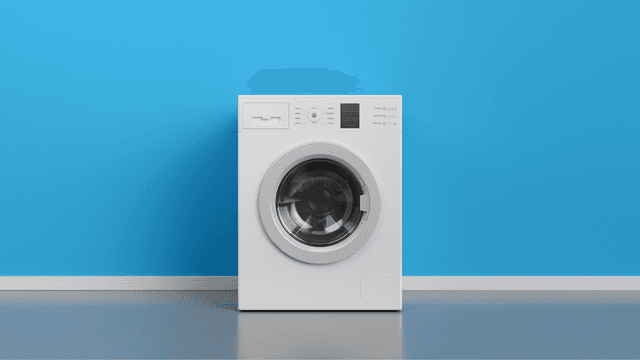
What Causes A Washing Machine To Stop Working?
What causes a washing machine to stop working? Learn common issues like power failures, faulty lid switches, broken drive belts, and more with troubleshooting tips from Repair Clinic.

Why Won't My Washing Machine Start?
Wondering why your washing machine won't start? Learn common causes like power issues, faulty lid switches, broken timers, and more with expert troubleshooting from Repair Clinic.
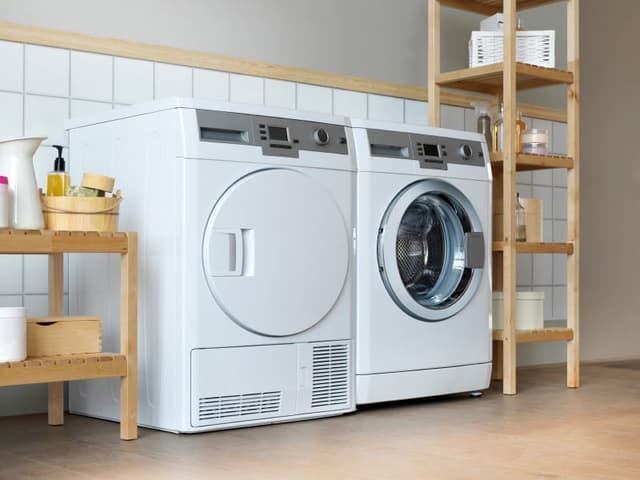
What Causes a Washing Machine To Not Spin or Drain?
Is your washing machine not spinning or draining? Learn about common issues like clogged drain pumps, faulty lid switches, and worn drive belts, plus expert repair tips from Repair Clinic.




Family-owned and operated since 1912, Burke America Parts Group is the longest-running genuine appliance, HVAC, and outdoor power equipment parts solution in North America. At Repair Clinic, we're proud to be an international brand trusted by the pros as well as the DIY community.
About Repair Clinic